timistravels

My job allows me to visit a lot of Alaska on a yearly basis. I wanted to capture the trips in one location!

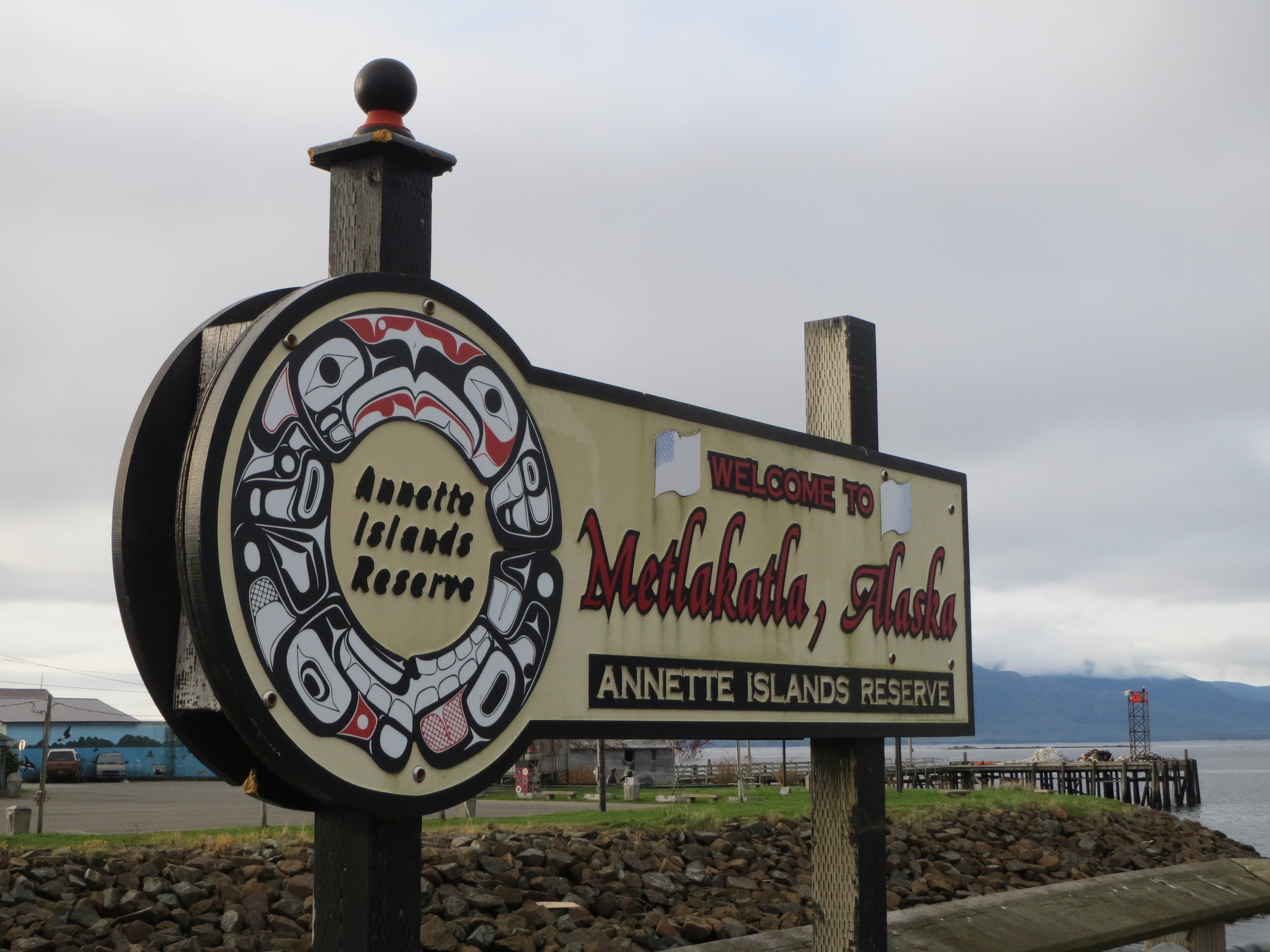
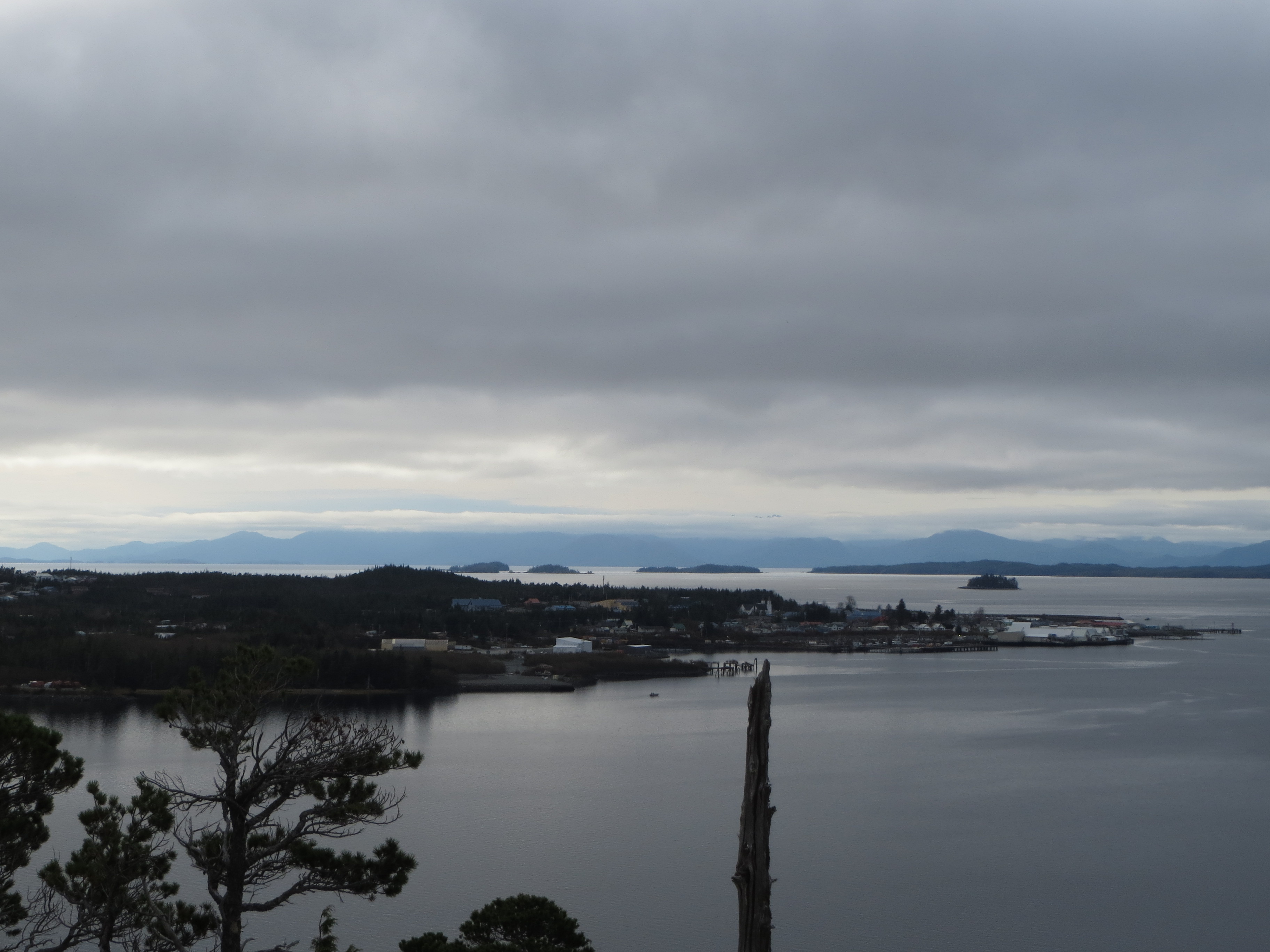
The most southern community in Alaska, Metlakatla on Annette Island!

Oct. 16-18, 2013

As I prepared for my trip to Metlakatla (matt-la-Cat-la) I was trying to remember a past visit(s) there, and recalled that my first trip ever for my job with AASB was to Metlakatla in the spring of 2002.  It had been a quick visit but non the less I was able to notice some big changes while at the same time, noting that some things never change.  Once in Metlakatla I also was reminded that in the late 1990’s, as I was in charge of Elderhostel trips, a small cruise ship I was on had stopped here for a day, so indeed I had been there twice before!Image

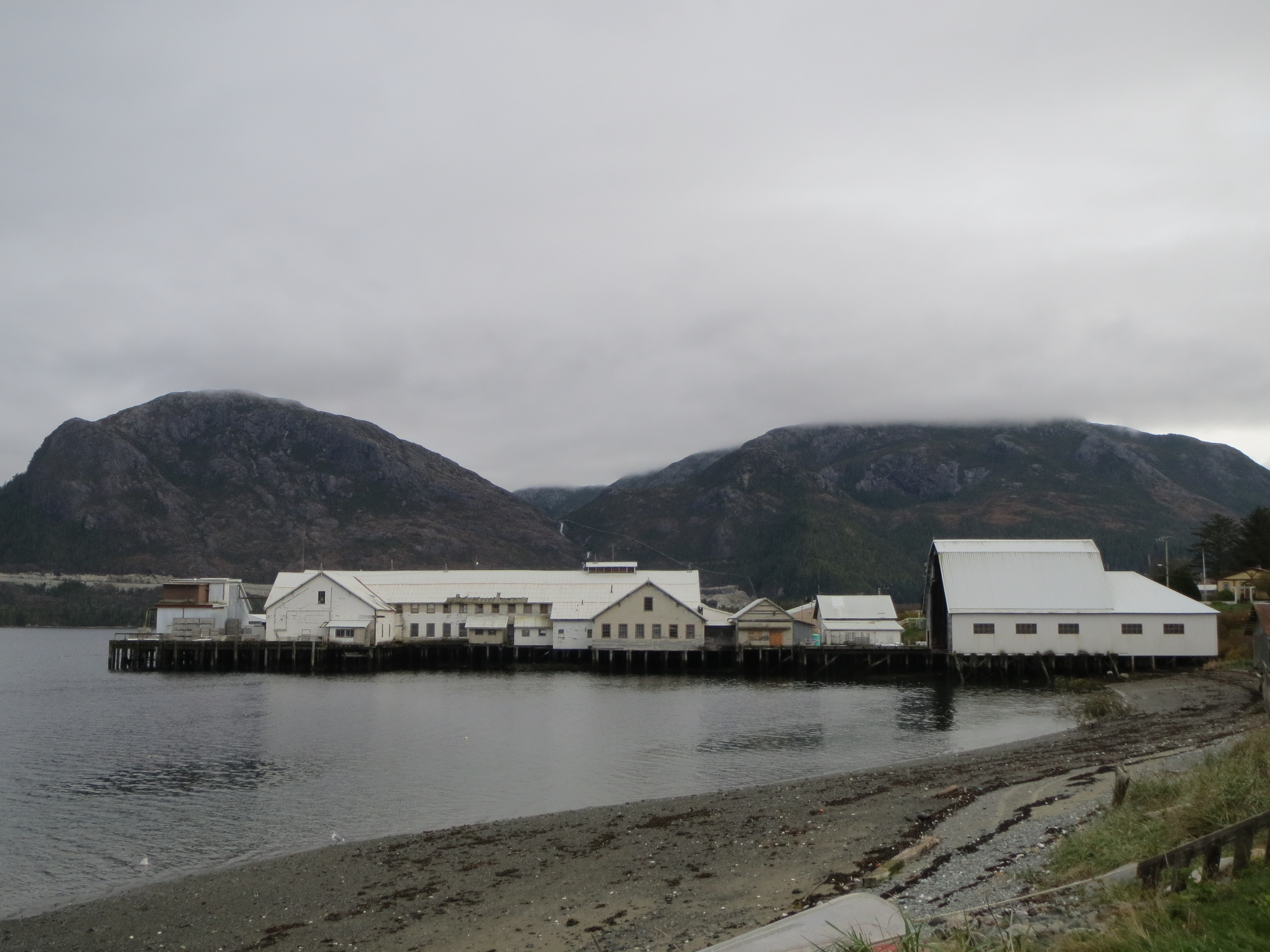
Metlakatla moved to its current location sometime in the 1890’s  before that Metlakatla was in British Columbia near Prince Rupert.   The word Metlakatla comes from the traditional Native Tsimshian (sim-See-in) word meaning “Salt Water Passage”.  A lay minister in 1886 went to Washington DC and asked the US government to give a group of Natives land in the United State.  The then US President Grover Cleveland selected Annette Island for its calm bays, water sources, and seafood accesiblity.  

One of the most interesting things that makes it different from the rest of Alaska Native communities is that it is a Reservatin.  In 1888 the same lay minister that had asked for it to be moved to the US asked if Metlakatla could be come an Indian Reservation and in 1891 it became one.

I flew to Ketchikan on Alaska Airlines then grabbed a quick flight to Annette Island on Pacific Airways, on a small float plane.  It took less than 15 minutes to fly the 16 miles. 

Typically you hear on the nightly news that Metlakatla was the warm spot in the state.  It is one of the warmest communities in Alaska with only about 3 feet of snow falling in the winters.  Image

Another thing that is unique about Melakatla is that it is a growing rural, Native community in Alaska.  With many other communities losing people to more ‘hub’ communities, Metlakala is not losing but rather gaining individual. 

IMG_0713

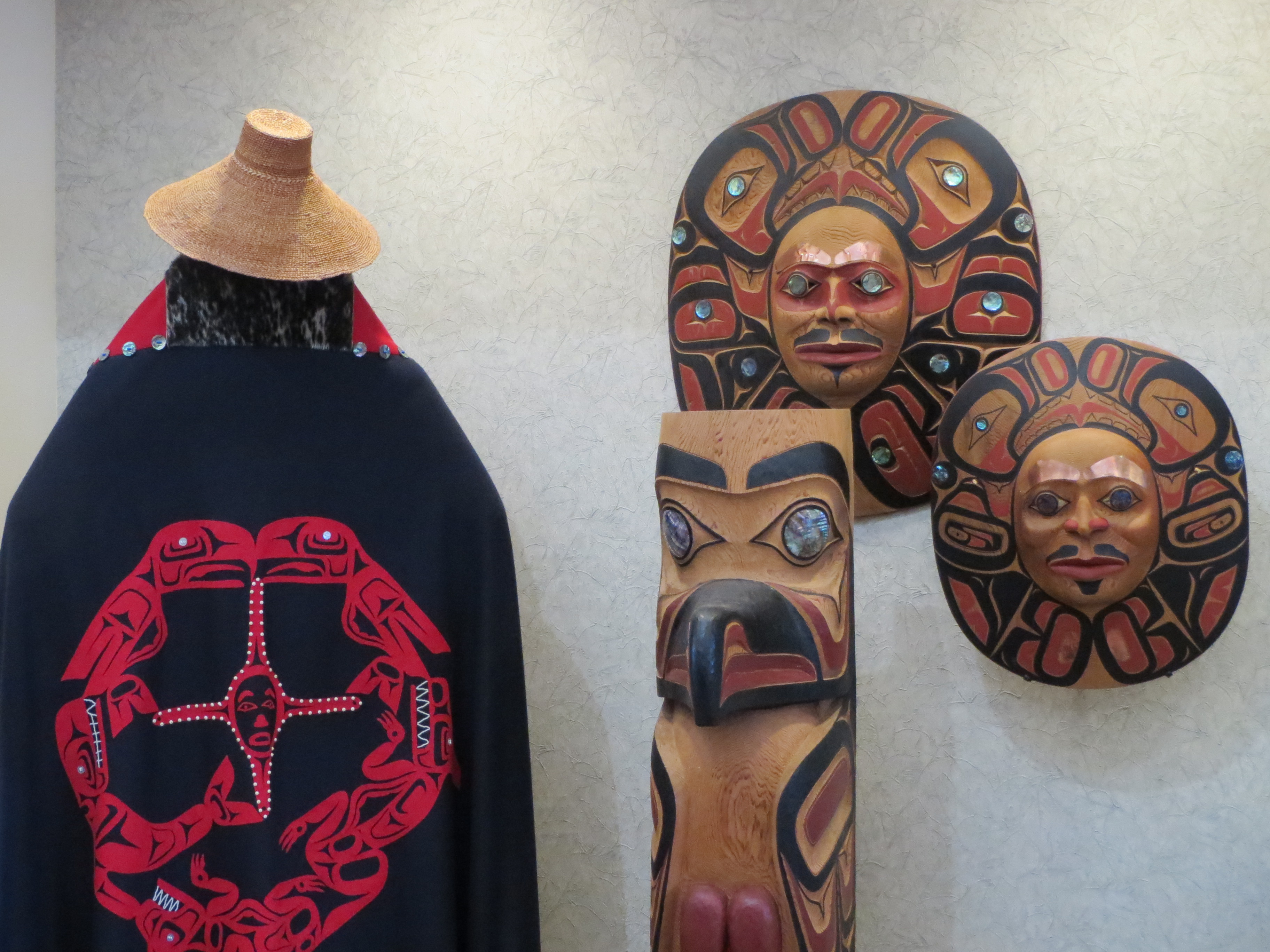
Tsimshian dolls by Vivian Benson (sister of one of my friends in this community) they are made of red cedar, yellow cedar, sea otter fur, hide, abalone buttons, mother of pearl buttons and human hair.
IMG_0710

in 2001 the AISU established the Healing Arts Project in order to promote relationship between health, community and culture by supporting the creativity of local Native Artists.

IMG_0708

Chikat and Raven Tail Leggings with the Tsimshain Lightning design, made of wool, yellow cedar, leather , copper, bone feathers, glass beads and sea otter fur.
IMG_0705

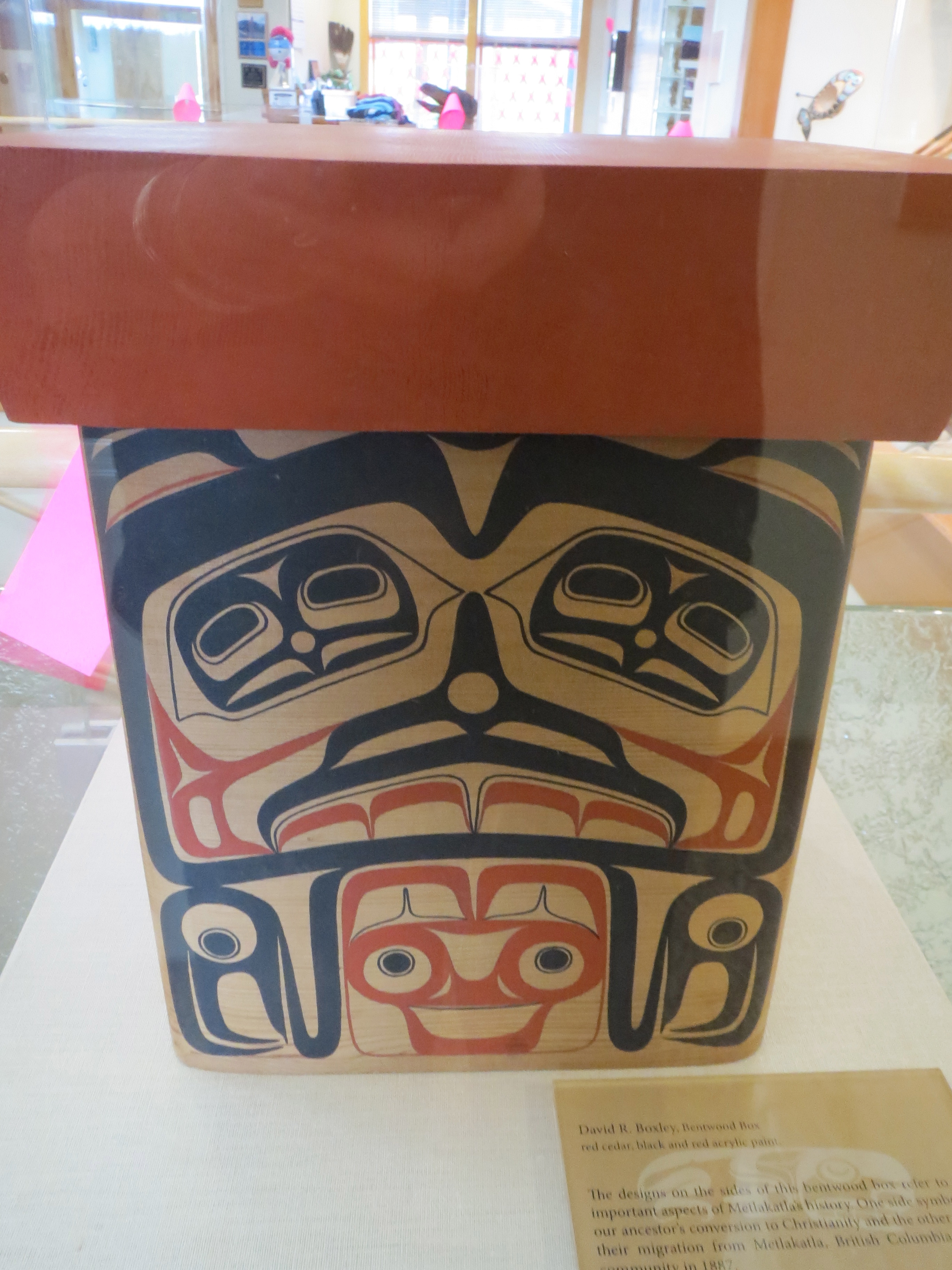
The designs on the sides of this bentwood box refer to two important aspects of Metlakatla’s history. One side is the symbol of ancestors conversation to Christianity and the other show the migration from Metakatla, BC to the current community in 1887.
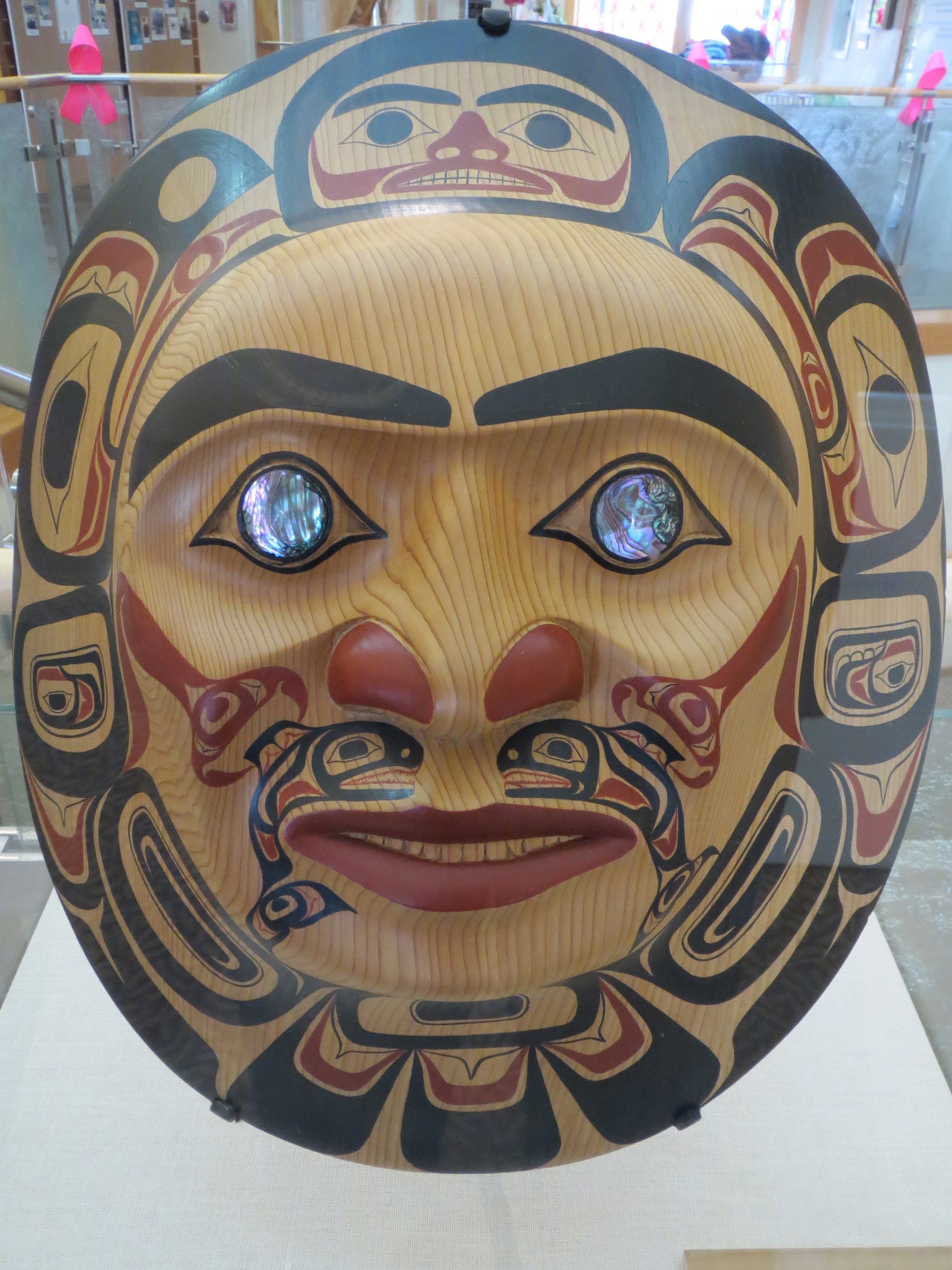
IMG_0701

the Moon Mask by Aaron Horne, red cedar, abalone, and acrylic paint
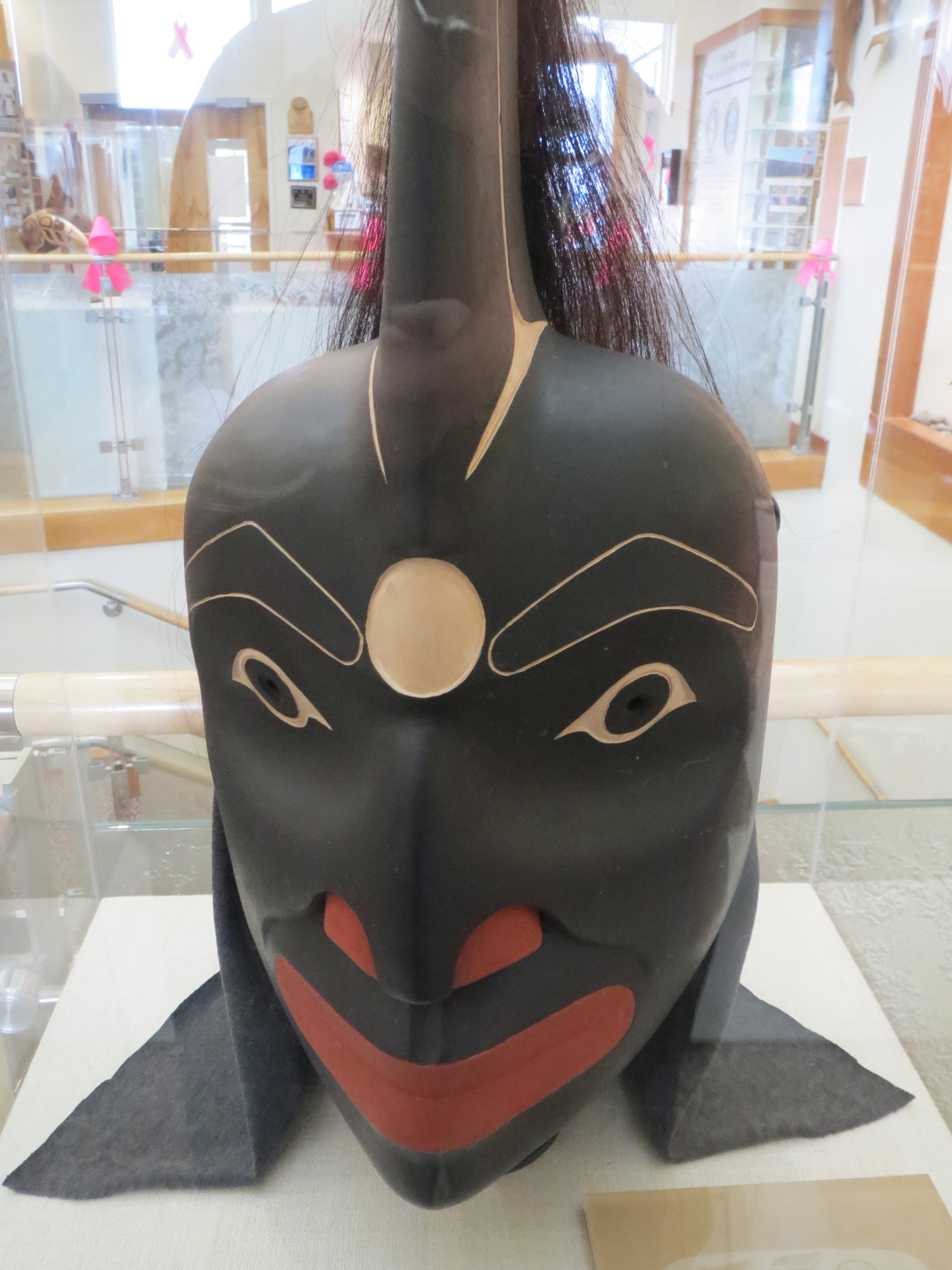
IMG_0702

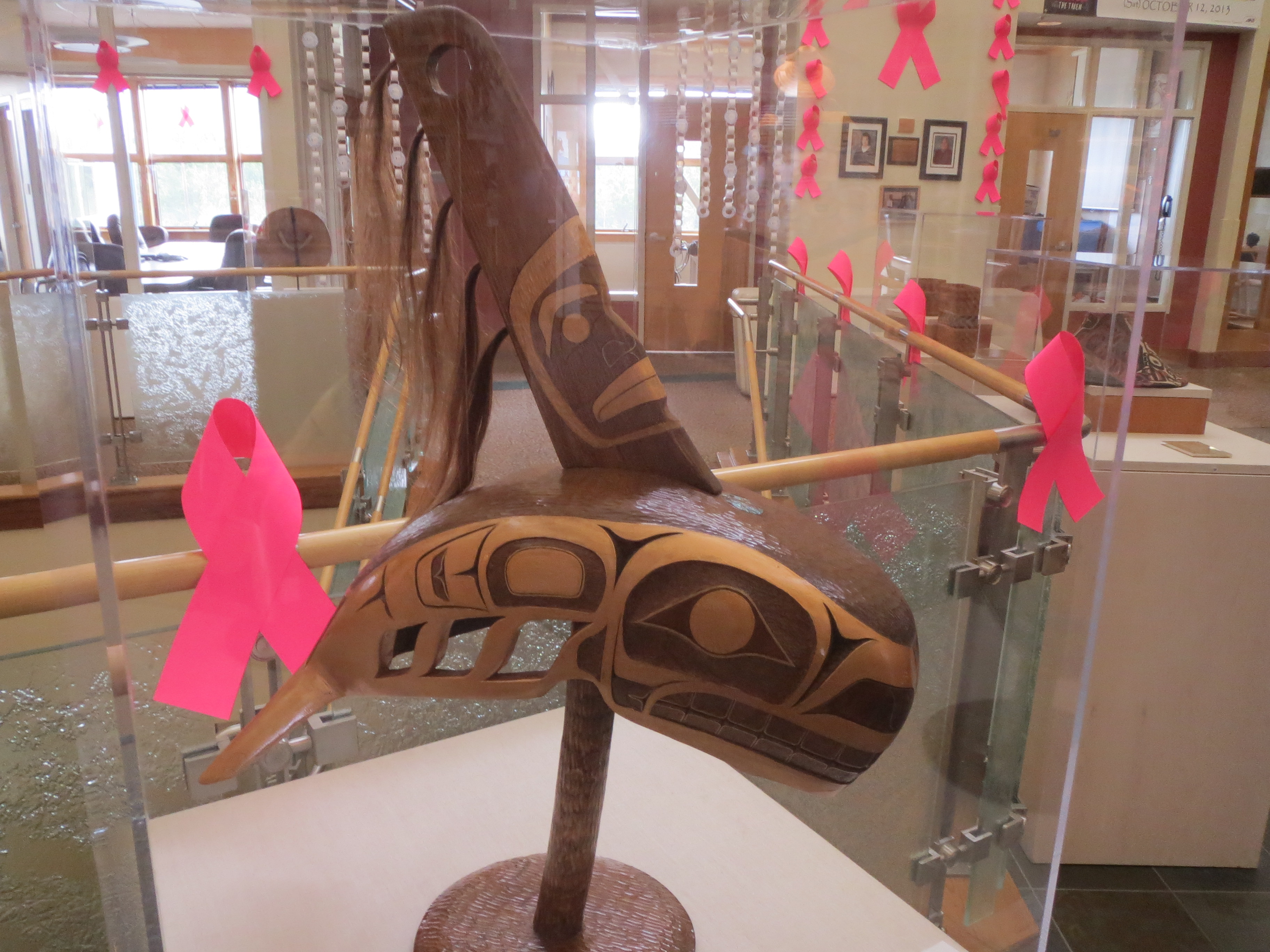
Killer Whale Mask made by Wayne Hewson, red cedar, abalone, and acrylic paint

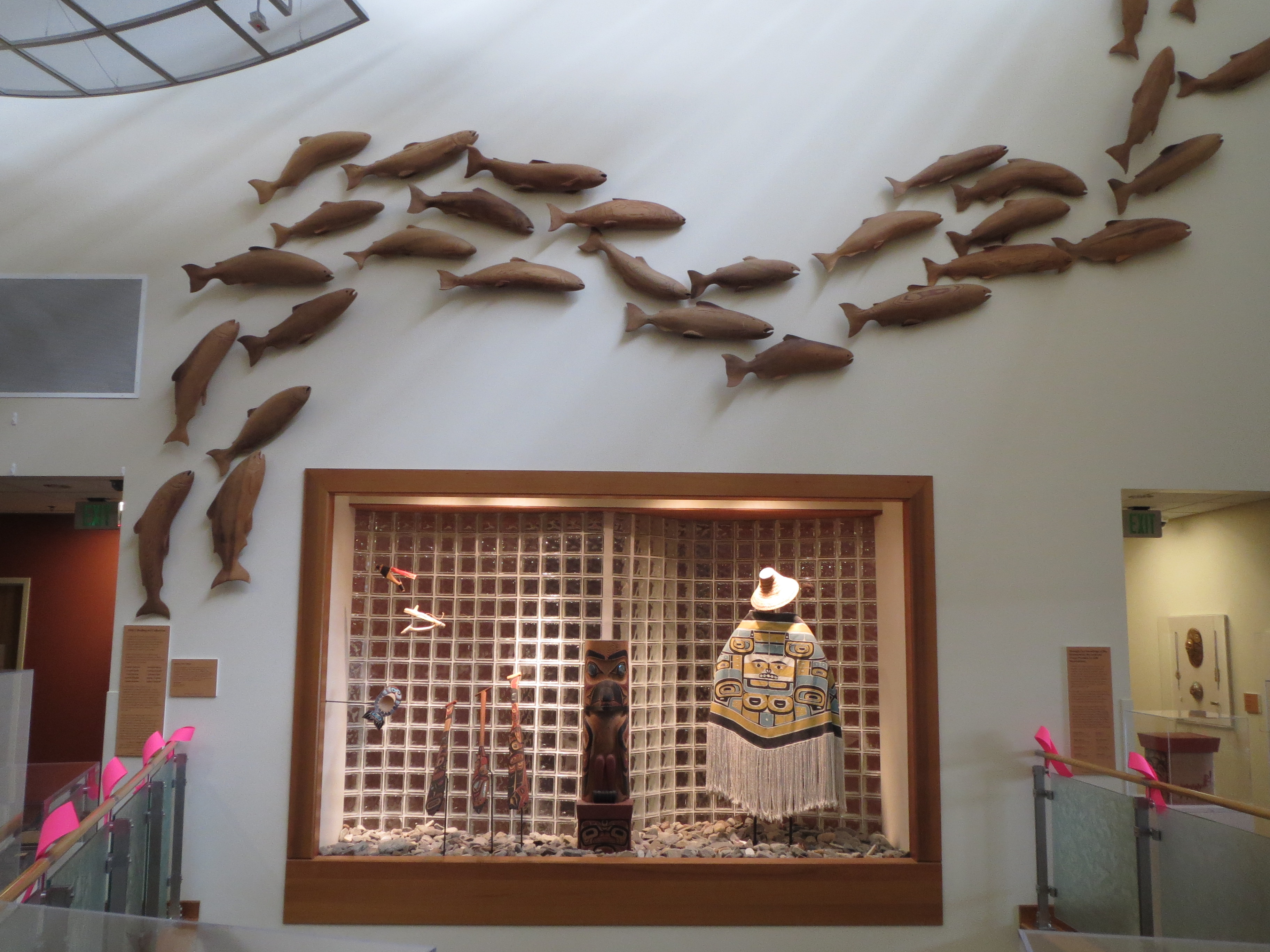
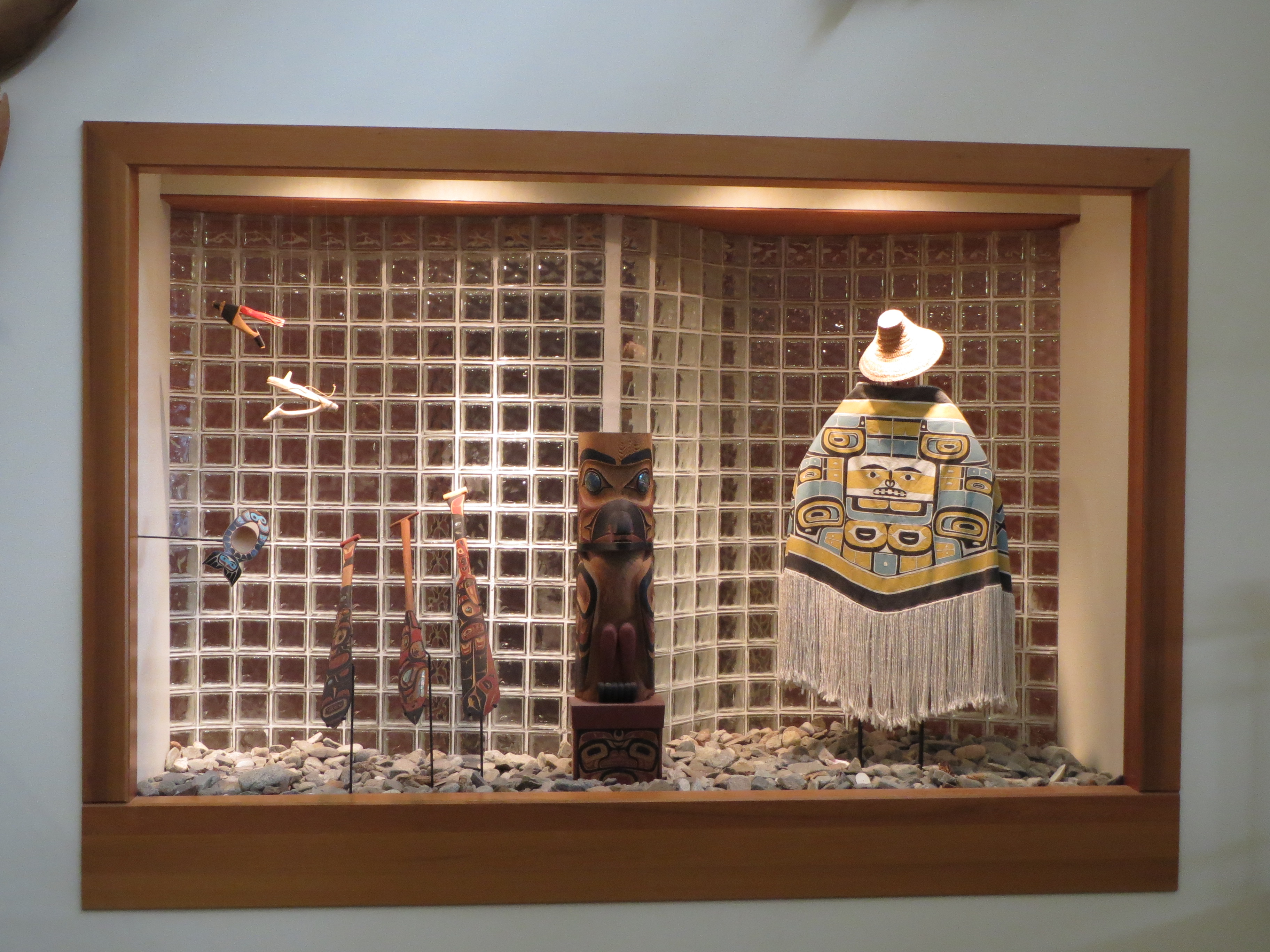
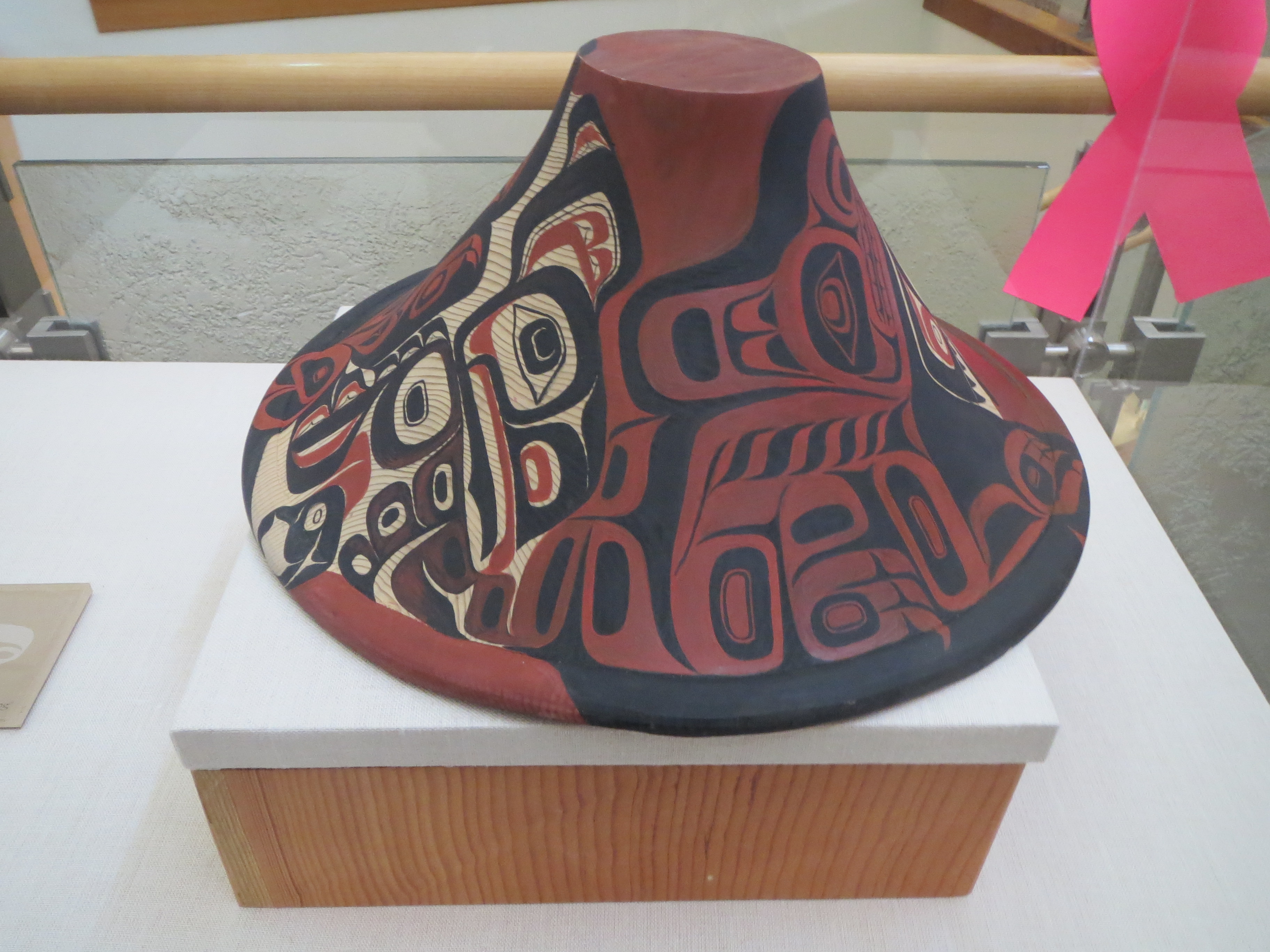
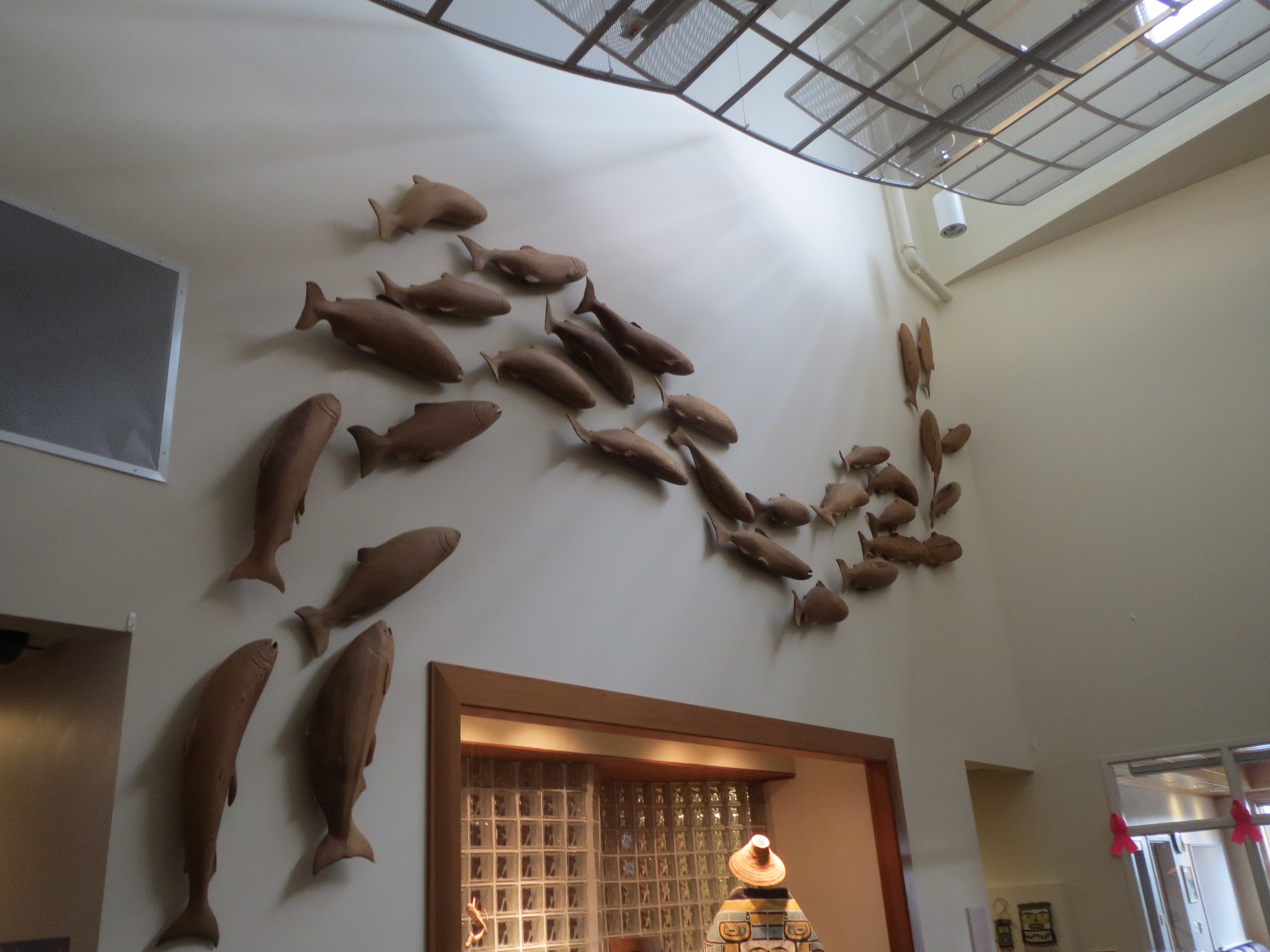
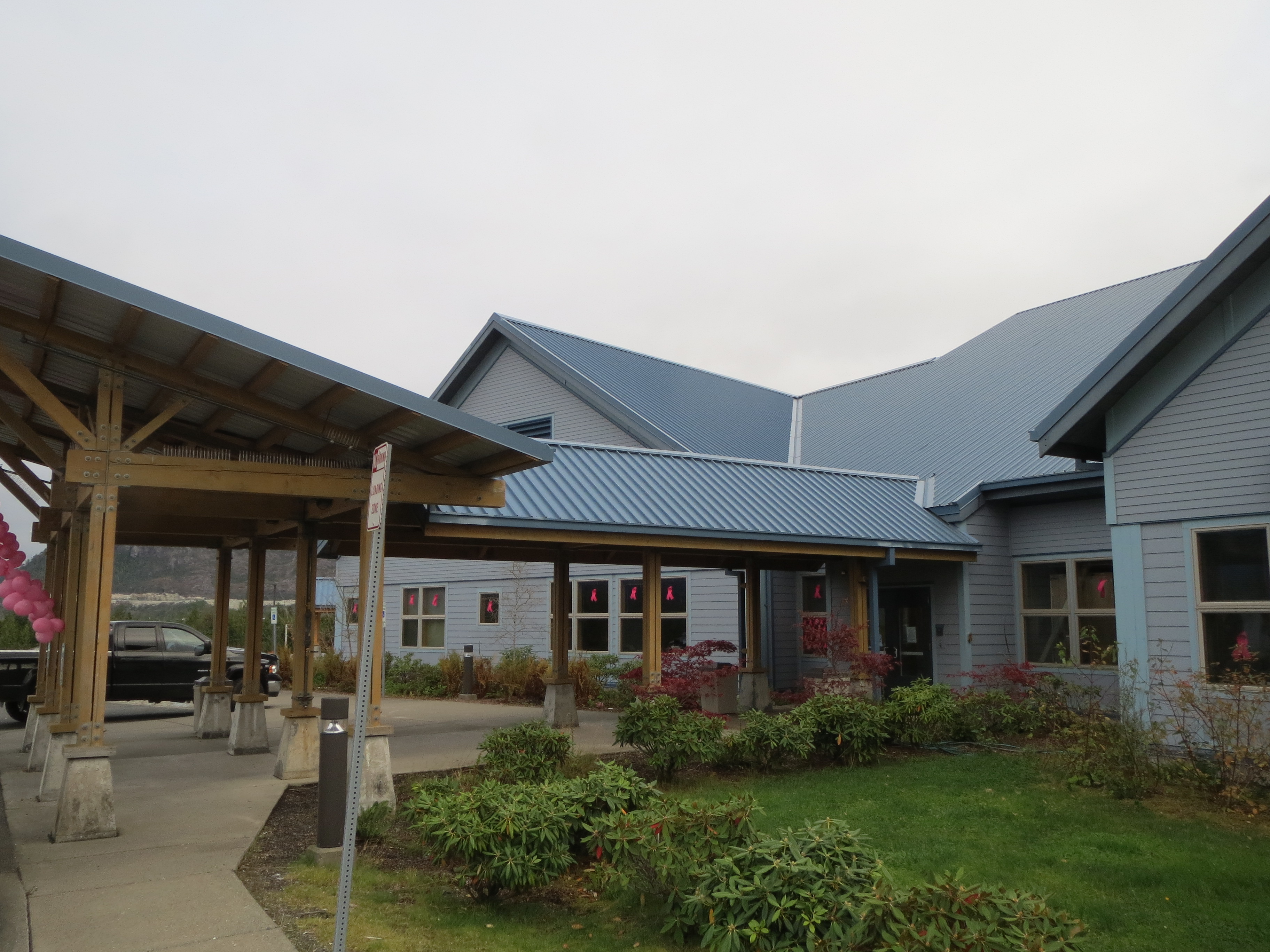
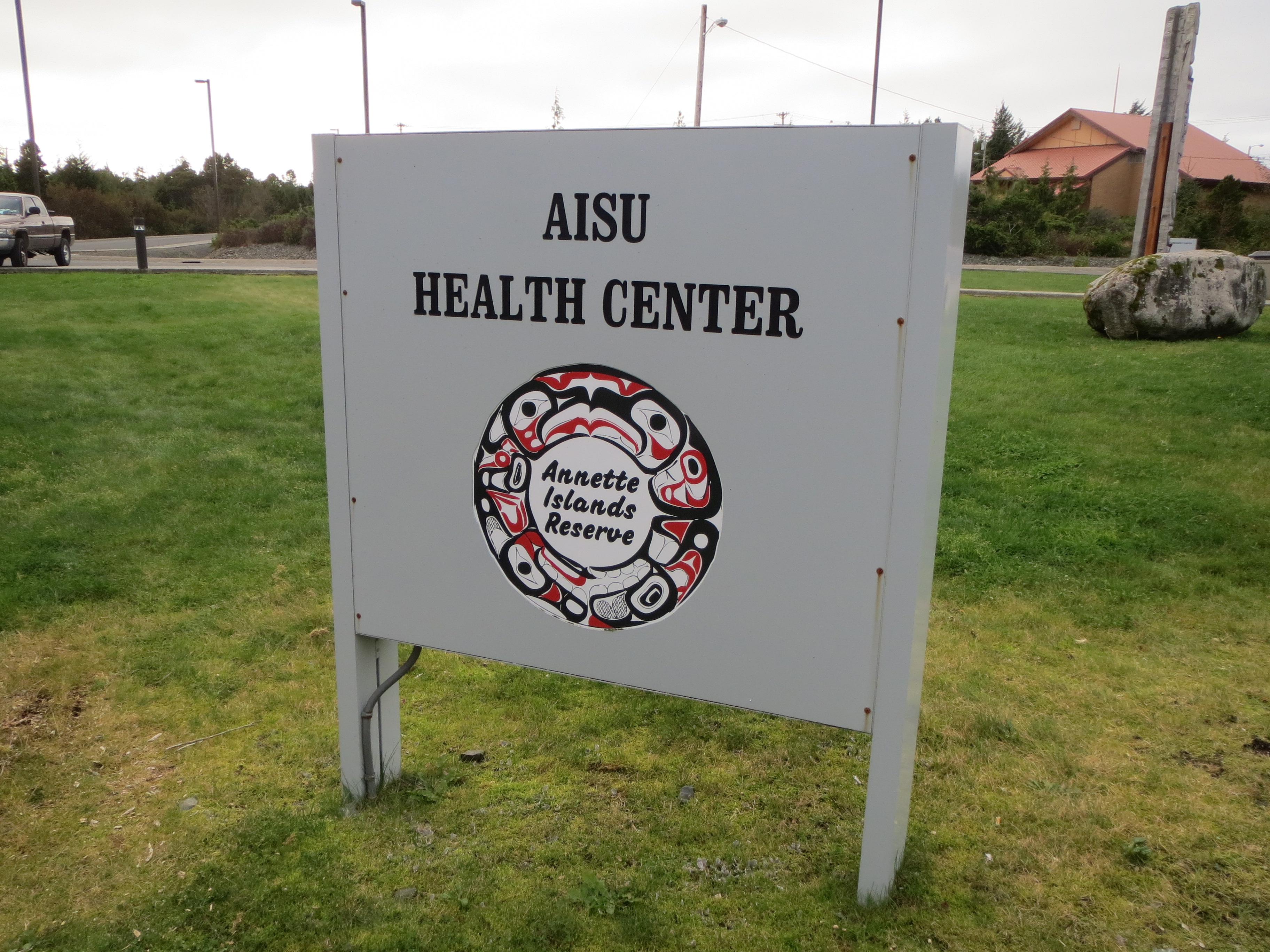
I had a great time working with the community and enjoyed visiting the Annette Island Service Unit, a local medical facility for the community.  The artwork inside the building was amazing, and I have attached many photos of the traditional Native Artwork.  ImageImageImageImageImageImageImageImageImageImageIMG_0719 IMG_0718 IMG_0717 IMG_0716 IMG_0715 IMG_0711 IMG_0707 IMG_0700 IMG_0699 IMG_0698 IMG_0697 IMG_0696 IMG_0695 IMG_0694 IMG_0693 IMG_0692

Leave a comment »

Sitka, Home to Mt. Edgecumbe High School; Alaska’s Largest Boarding HS

Sept. 6/7, 2013

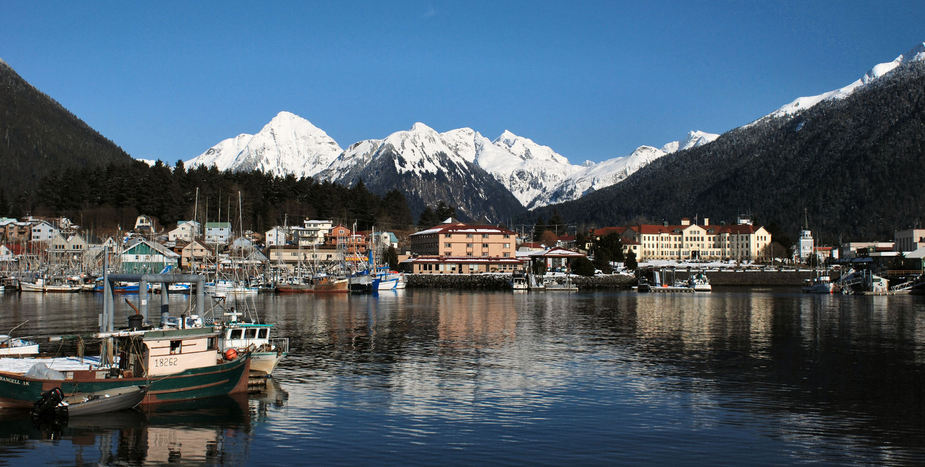
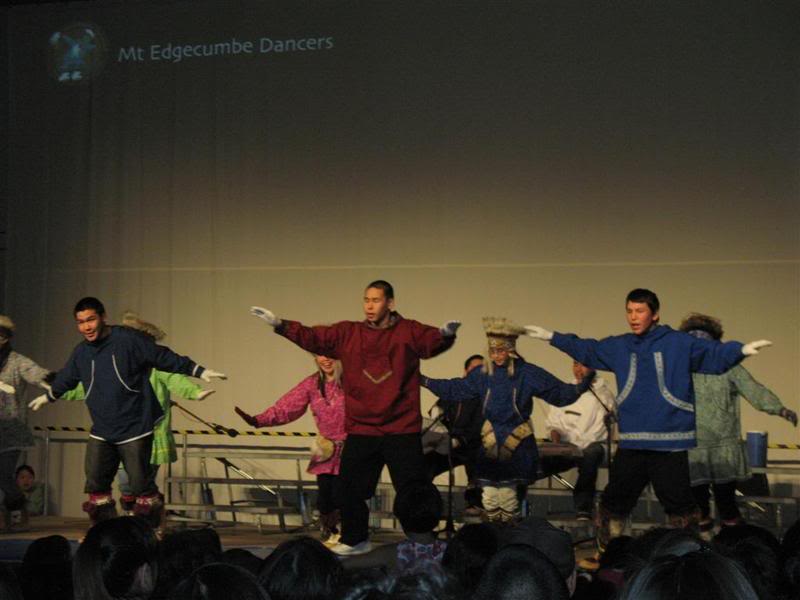
Sitka by the sea is a beautiful community in SE, Alaska and I know I have written about it before.  This trip I thought I would highlight Mt. Edgecumbe High School (hereafter, MEHS) which is a boarding high school in AK. What makes it unique is that it is run by the state and is public for anyone that applies and is accepted.  Currently there are 400 + students from over 100 Alaska communities are in attendance there.  Image

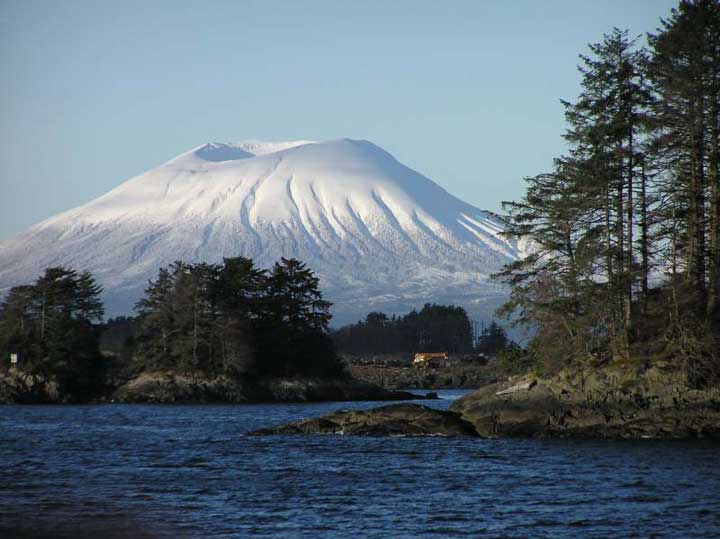
The name comes from the beautiful mountain, Mount Edgecumbe that is located on Kruzof Island, within eye site of Sitka.   It was a volcano that lies dormant now, but on most days you can see it from the school.   Historically MEHS is one of the oldest schools in the state.  In 1947 the Bureau of Indian Affairs (BIA) established this and other boarding schools to offer opportunities to Native Alaskans.  Many great Alaska Native leaders are graduates of MEHS including several Senators and Legislators.  Image

In the 1980’s the doors were closed on the school after a 16 year old, Molly Hootch, sued the state of Alaska, stating that all Alaskans should be giving the chance to go to school in their home villages and NOT have to go to a boarding high school to be educated.  She won and in the 1980’s all boarding schools in the state were closed.   Over the next few years, over 100 schools were built and opened in rural Alaska.  http://right2education.wikispaces.com/Molly+Hootch

Why, you ask, do students choose to go to a school 100’s of miles from their home in an area of the state that is only accessible by boat or plane?  Well, there are several reasons including a top notched education, and opportunities to play many sports, join a variety of clubs as well as the fact that over 90% of graduates from MEHS go on for more education after they graduate.   Since 90% of the students are Alaska Native and come from rural “Bush” communities, Sitka is a huge community and 400 students is much bigger than some of their villages.   Image

For 6 years I worked closely with the residential staff at MEHS and the feel in the residence halls is much a family feel.  Many students are ‘adopted’ by local families and have places to go for holidays and on weekends or evenings.  There is a lot of effort put into the living environment and an attempt to make the place feel like home.  Students often walk over the bridge from MEHS which sits on  Japonski Island (along with the airport and the Coast Guard Base), to the main town of Sitka which sits on Baranof Island (one of the 3 ABC islands, Admiralty, Baranof and  Chichagof).  Image

One last funny, I’ve heard a story that on April Fools Day some years ago, some individuals took a boat ride over to mountain and climbed it, tossed in a bunch of old tires and started them on fire, making individuals back in town think the volcano was erupting again!

Leave a comment »

Cordova again! I love this town!!!

Aug. 20-24, 2013

this was my 5th trip to Cordova in the last 18 months. Image

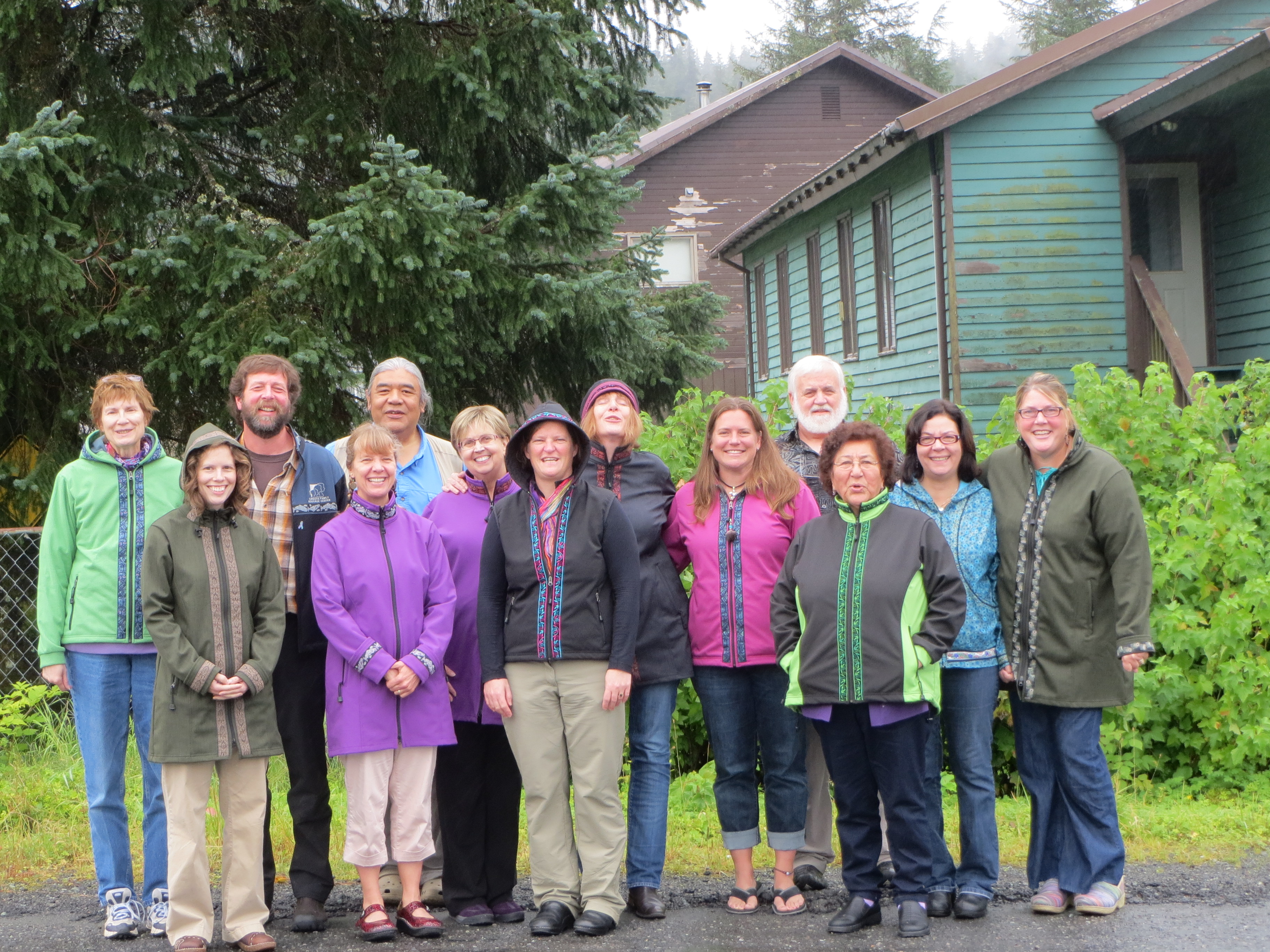
I have been there with a LOT of snow.https://timistravels.wordpress.com/2012/01/16/cordova-alaska-during-snowpocyolypse-2012/, as well as last Aug.  The weather changes often.  While we were there this trip it was quite rainy, which helped for #1 sitting inside at meetings and #2 the sales at Copper River Fleece, a business that makes beautiful rain resistant jackets/vests.  Many of us on the committee spent lots of $ at that store!  It is hard to see the designs on the trims from these photo’s but they are what ‘make’ the jacket in my opinion.

ImageImage

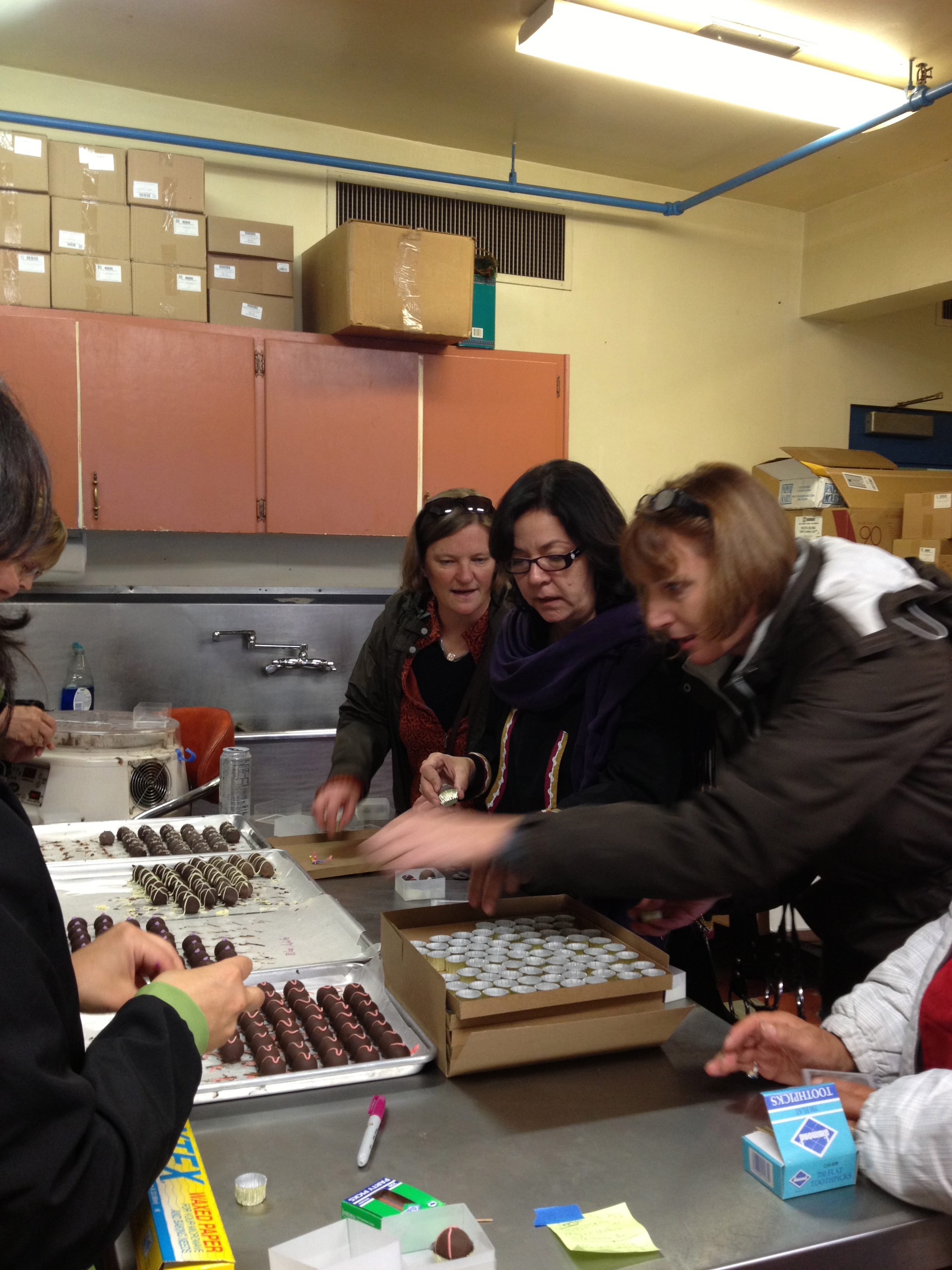
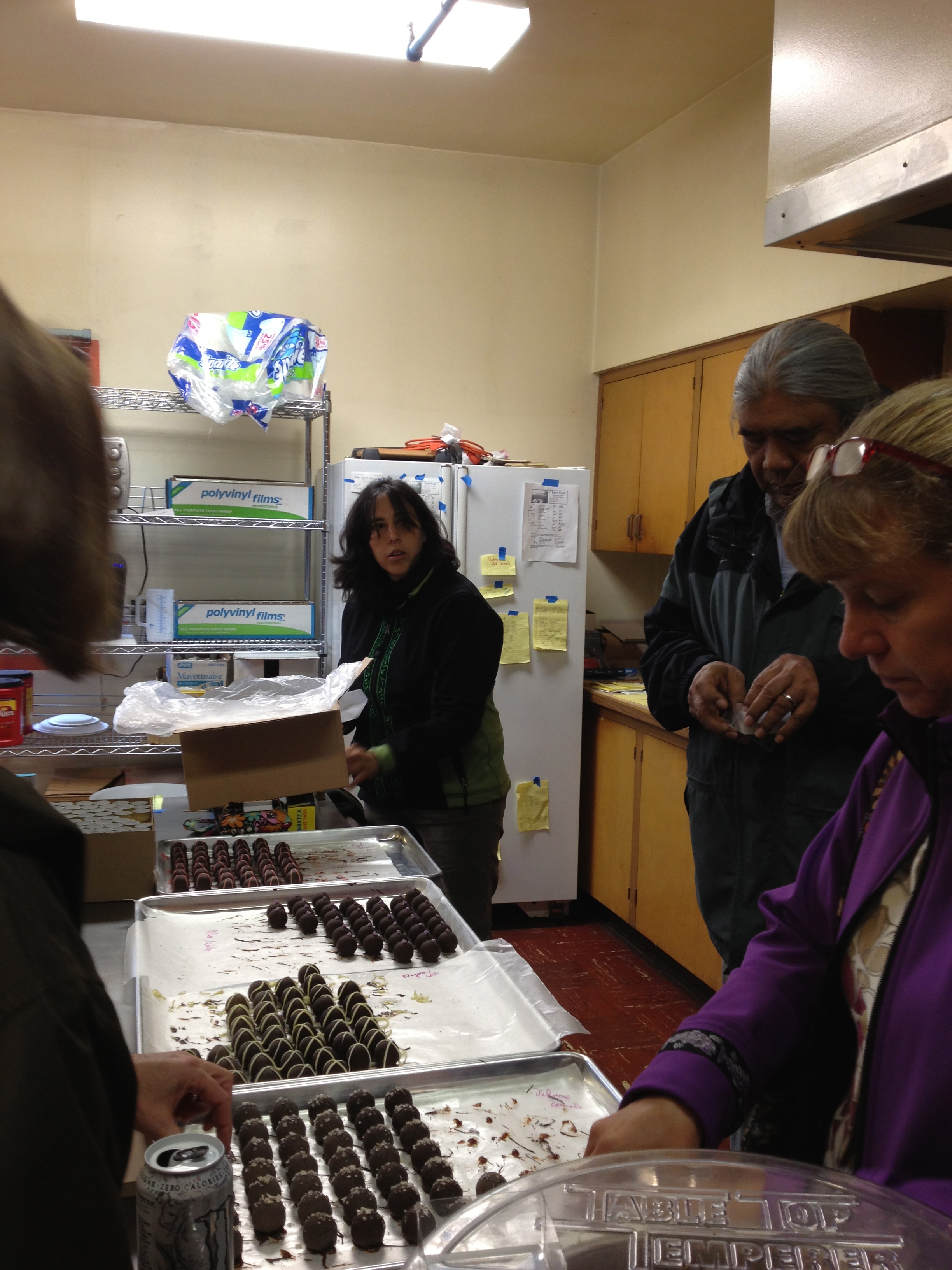
Another favorite of Cordova are Pete’s Treats.  Pete is a fisherman, active community member, dad, husband and most amazingly, a truffle maker!  We got a behind the scenes tour of his shop and how he makes his truffles.

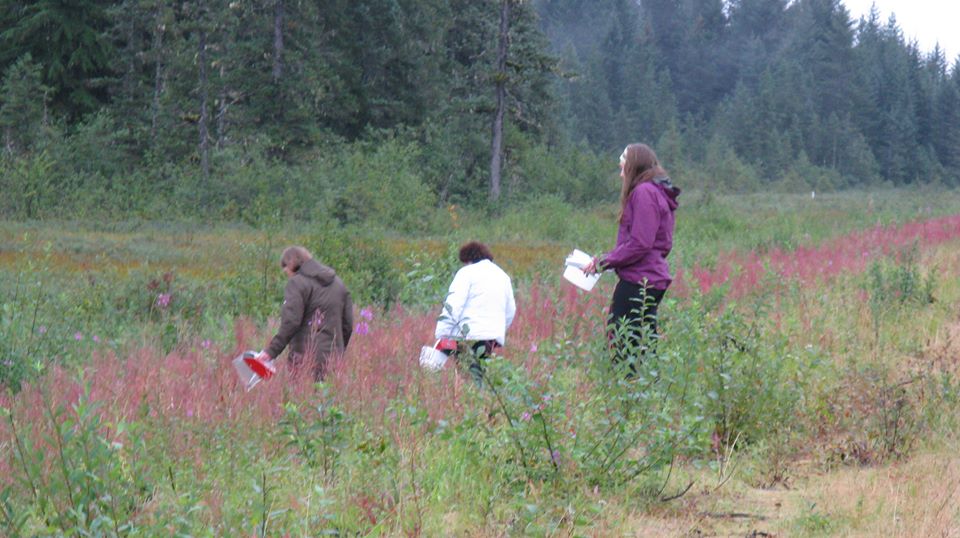
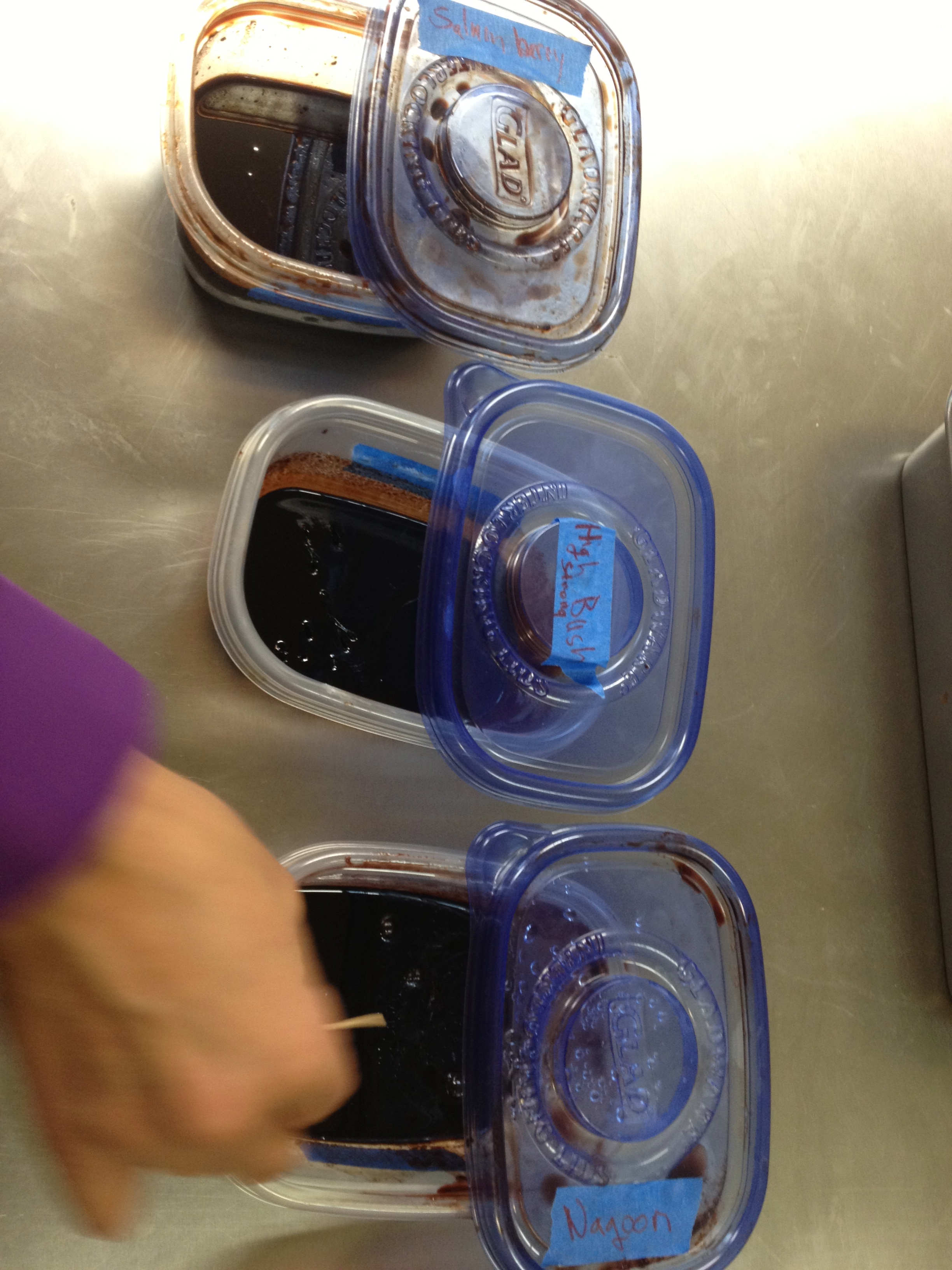
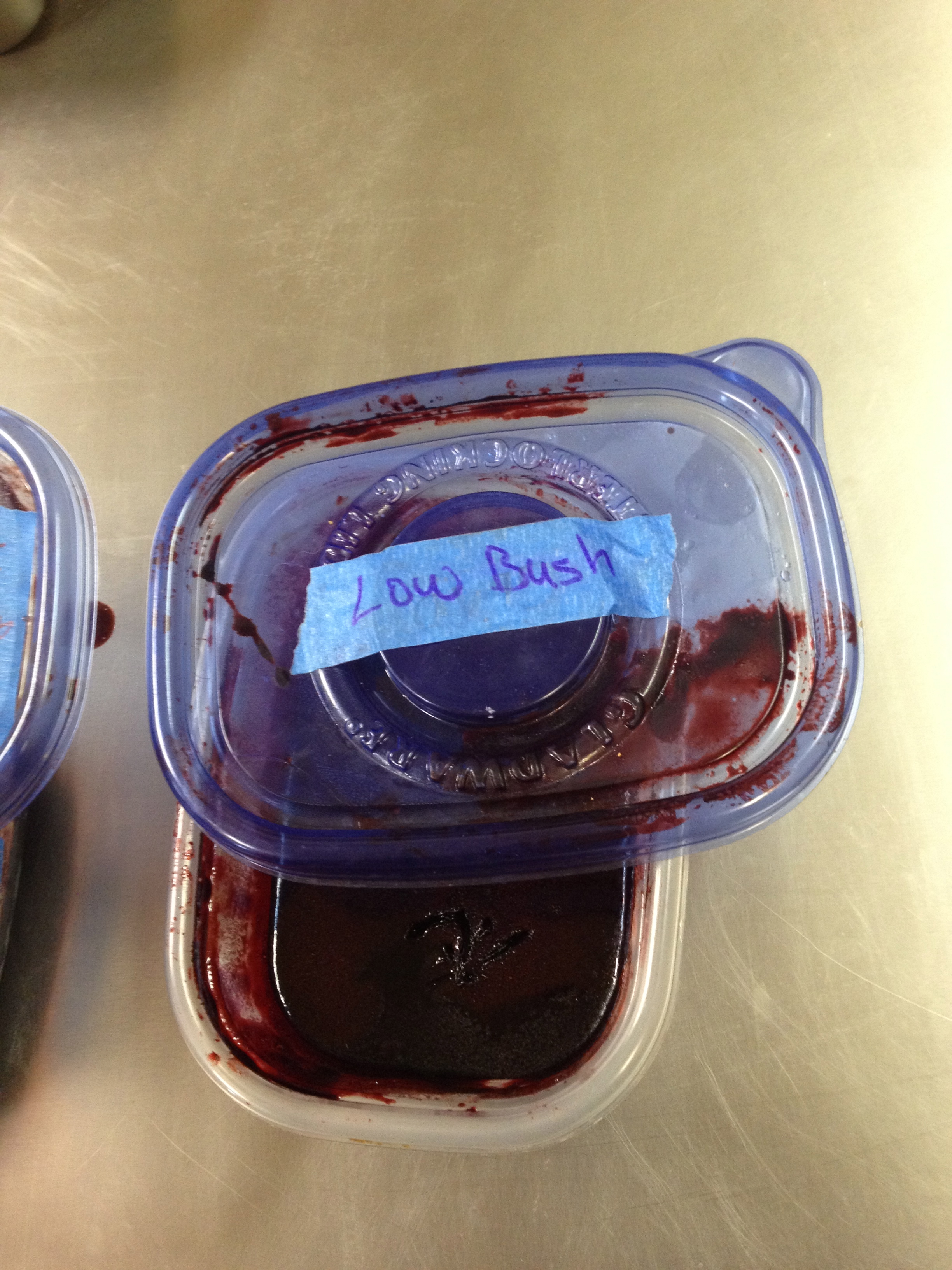
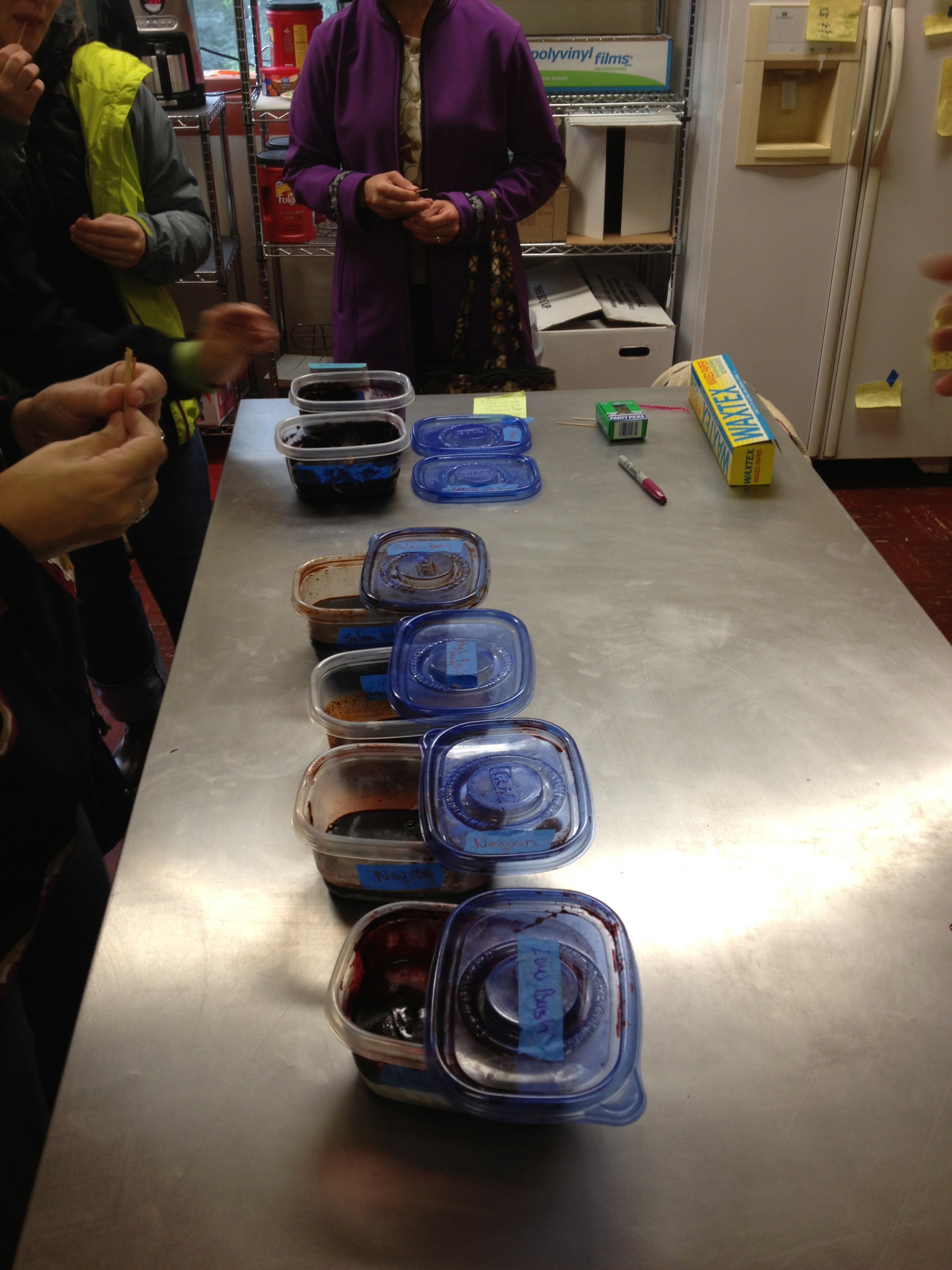
Many are berry flavor based, and he spends a lot of time out picking these berries.  It takes almost 4 gallons of berries to make these condensed containers of the berry flavor.  Image                     From these, about 1/4 C of these flavors go into each batch (4 dozen) of the truffles.  We had the opportunity to sample 4 berry flavors.  In these condensed versions they are a bit different tasting than you might think.  ImageImageImage
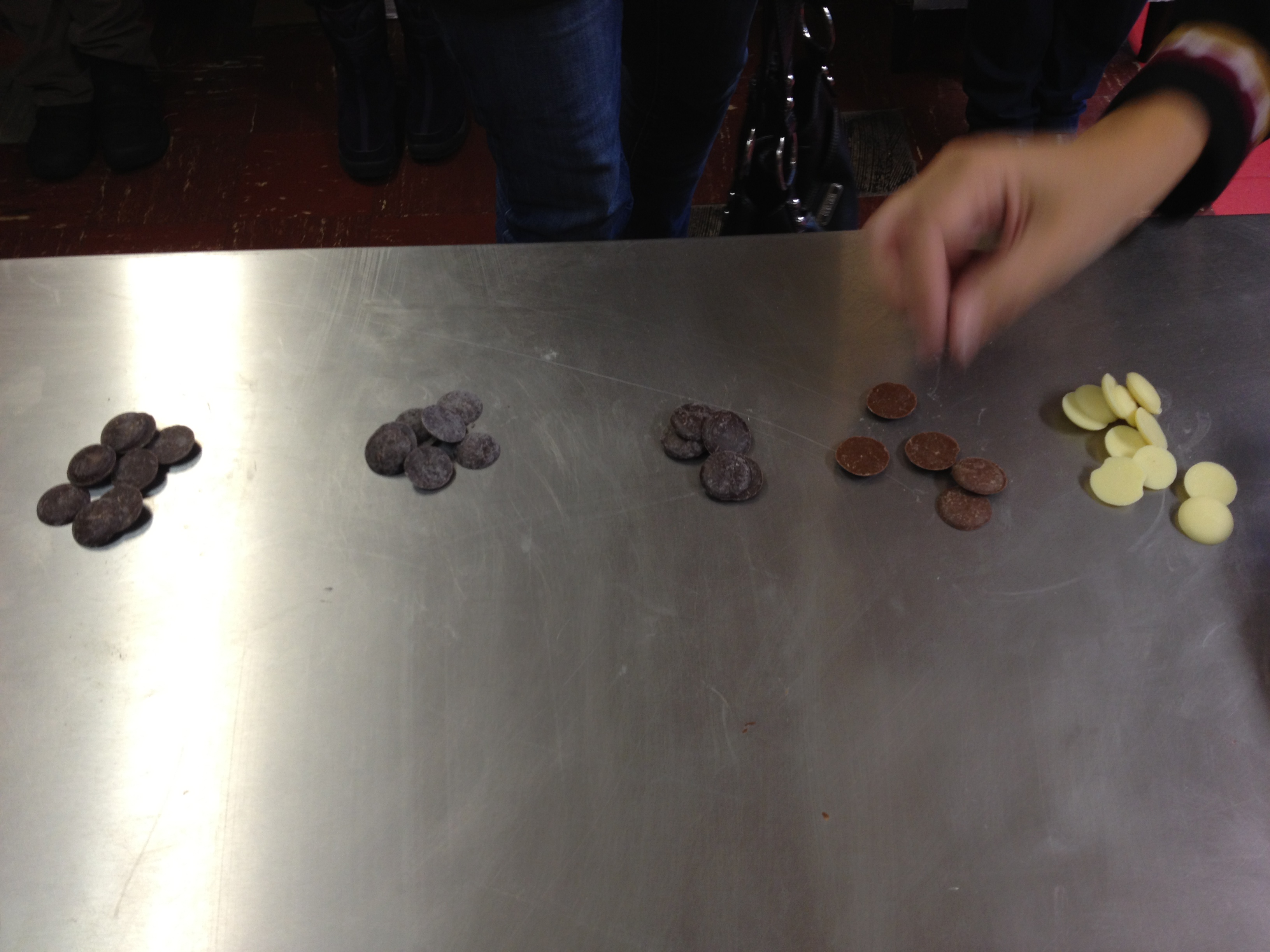
Pete then showed us the different chocolates that he uses for mixing with the berry’s and the outside of the truffles.  The higher the # on the chocolate= the higher the cocoa mass.  He said that many don’t feel that white chocolate is chocolate, but I sure think it tastes good!ImageImage

Pete then gave us the REAL TREAT, we each got a box to fill to take home.  The ones he had to share were not his typical sized one (bigger than a golf ball) but rather smaller ones, more bite size if you will.  He offered, blueberry, nangoon (a berry) and caramel/seasalt/jalapeno!  Here we are filling our boxes.ImageImageImage

Each truffle has a distinct marking on top that correlates with a flavor. That is how you can tell what kind you are buying/eating.  This list shows what the symbols are and what flavors Pete offers.  I personally love the blueberry and caramel/sea salt/jalapeno so I had a hard time choosing what to put into my box.  Image

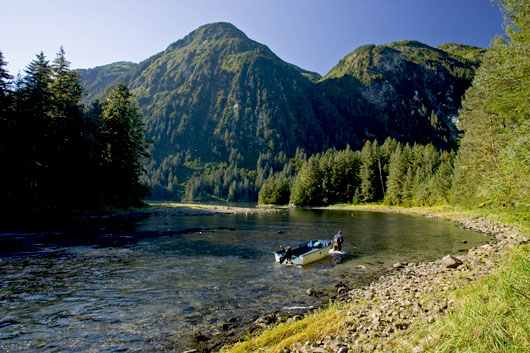
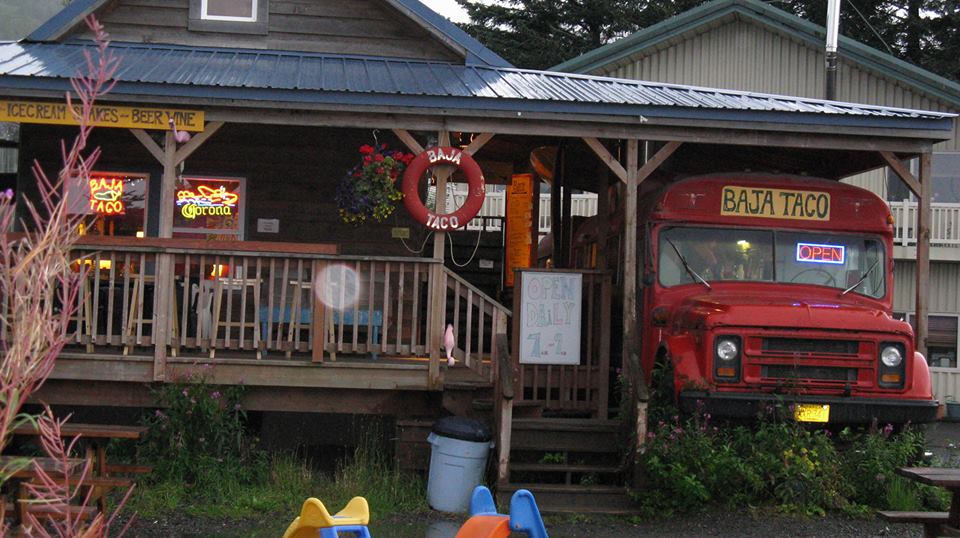
Cordova is also known for a few other things including fishing!  Some of our group went up river one night and caught a few salmon!  Others opted to go eat dinner at Baja Taco’s a wonderful, eclectic food joint down by the harbor.   Yes, they prepare your food in the bus 🙂

ImageImage

All in all, I continue to find something exciting about Cordova each time I visit.

Leave a comment »

Barrow, the most northern community in the United State~ Part 1

Aug. 16-18, 2013

IMG_0476

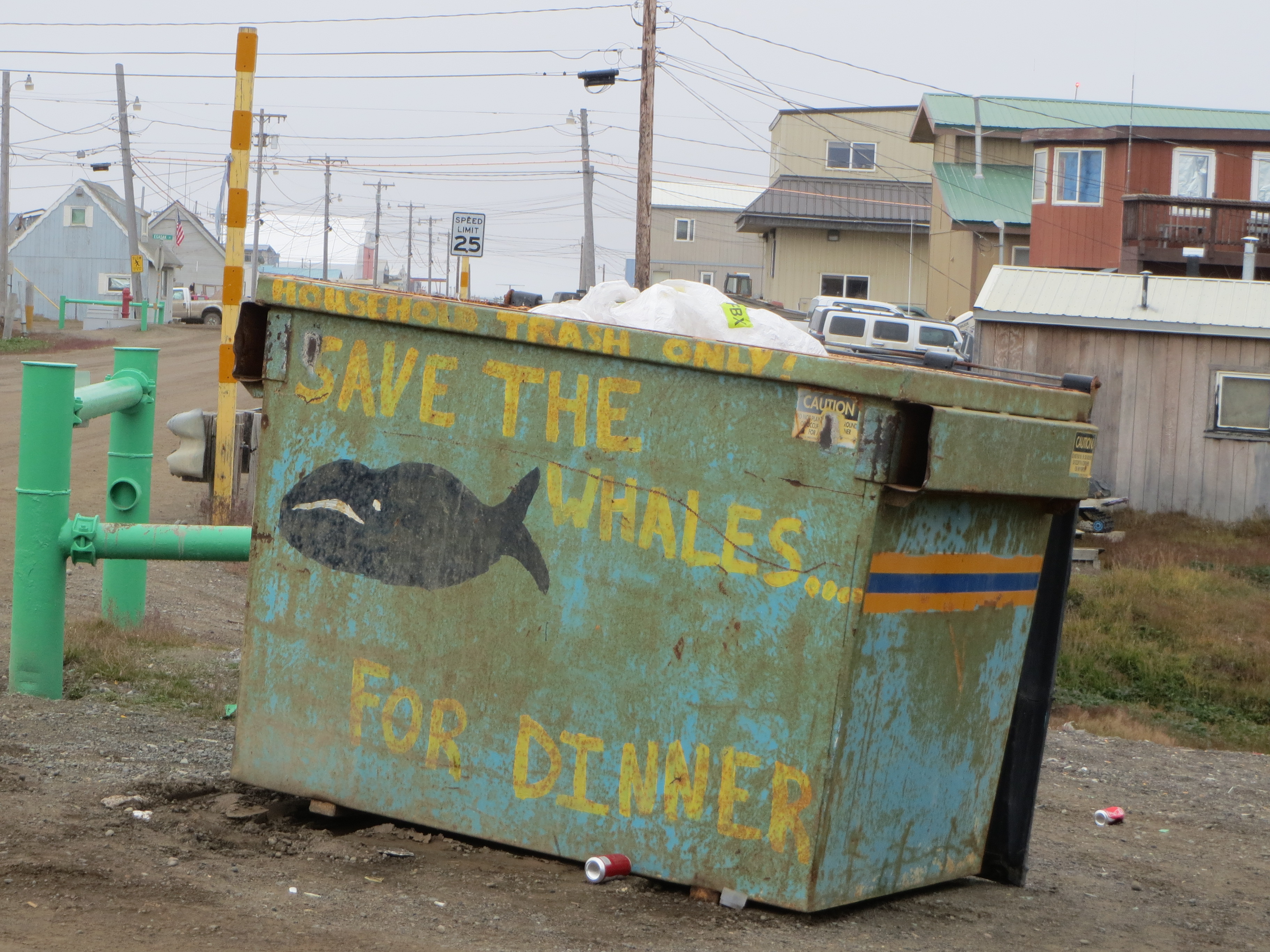
Pizza place, no real zoning in Barrow, so there are just random buildings that are stores or restaurants.

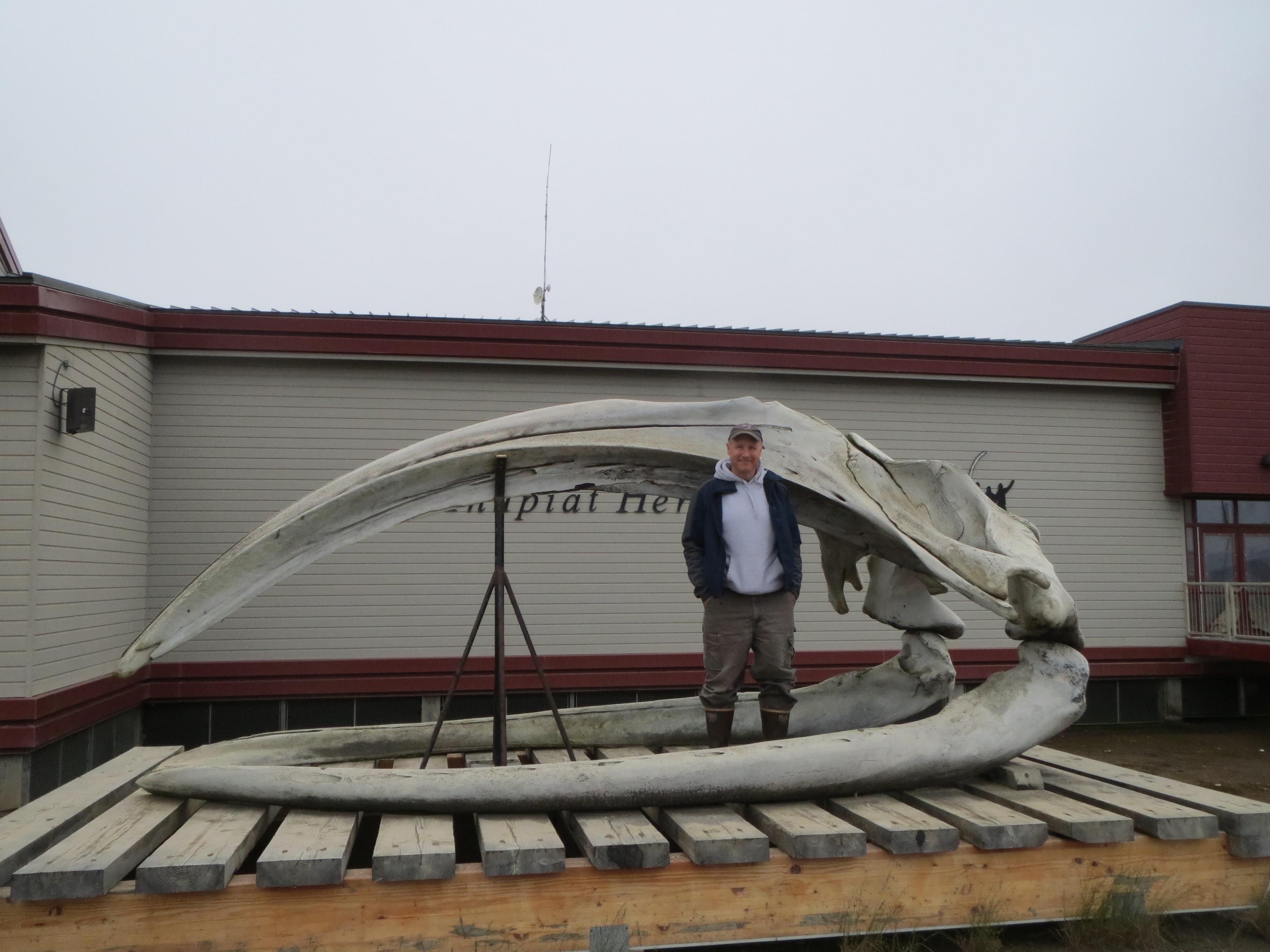
Blessed!  We are blessed that we had the opportunity to visit Barrow for my job AND have such a wonderful experience while there.  We stayed with a colleague and appreciated her hospitality, tour and yummy food.  Where to start?  Upon landing on Friday night we ordered a pizza and calzone, which was really, and I do mean really good.   If you think there are not a lot of options in Barrow for food you are wrong.  They have all sorts of restaurants, from Pizza to Mexican to Chinese and Japanese, many great options.  One of the best treats was that we got to have some whale meat.whale  A long time ago I had a chance to eat some whale blubber/oil which was very fishy tasting so I imagined that the meat might be similar, but I was shocked that it tasted much like beef or any type of red meat.  It was very tasty.

A little bit about the culture in Barrow and when I write little I mean it.  I certainly was not there long enough to learn a lot, but I will share what I picked up on this trip or from discussions I have had with friends from there over the years.

There are 2 times a year that the whaling captains and crew go out in search of whales, the spring and the fall.  There are about 40 whaling captains in Barrow though the entire community is part of the processing once a whale is gotten.  There is a limit to the number of whales that can be taken in one year with a maximum of 12.

IMG_0504

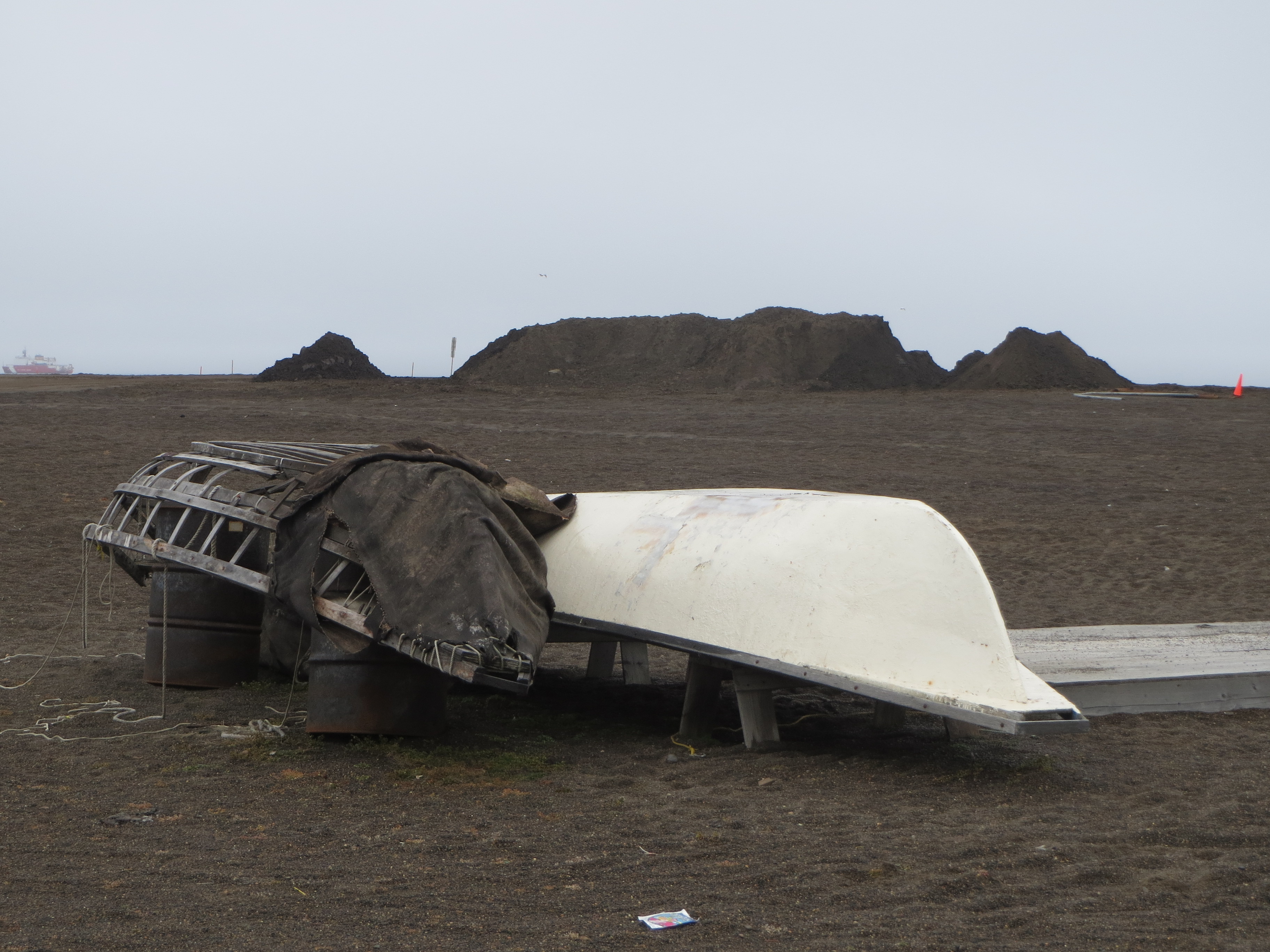
typical boats to go out on whale hunts

In the spring the captains have to go out and when the whales are killed they are cut up on the ice.   However, this year there was not one whale taken in the spring and it was not until July because the crews could not get to the ice, and when they could it was too thin.  This is a bit troubling to the members of this community; it seems to be a visual example of climate change and the change in the ice and ocean

levels.

IMG_0482

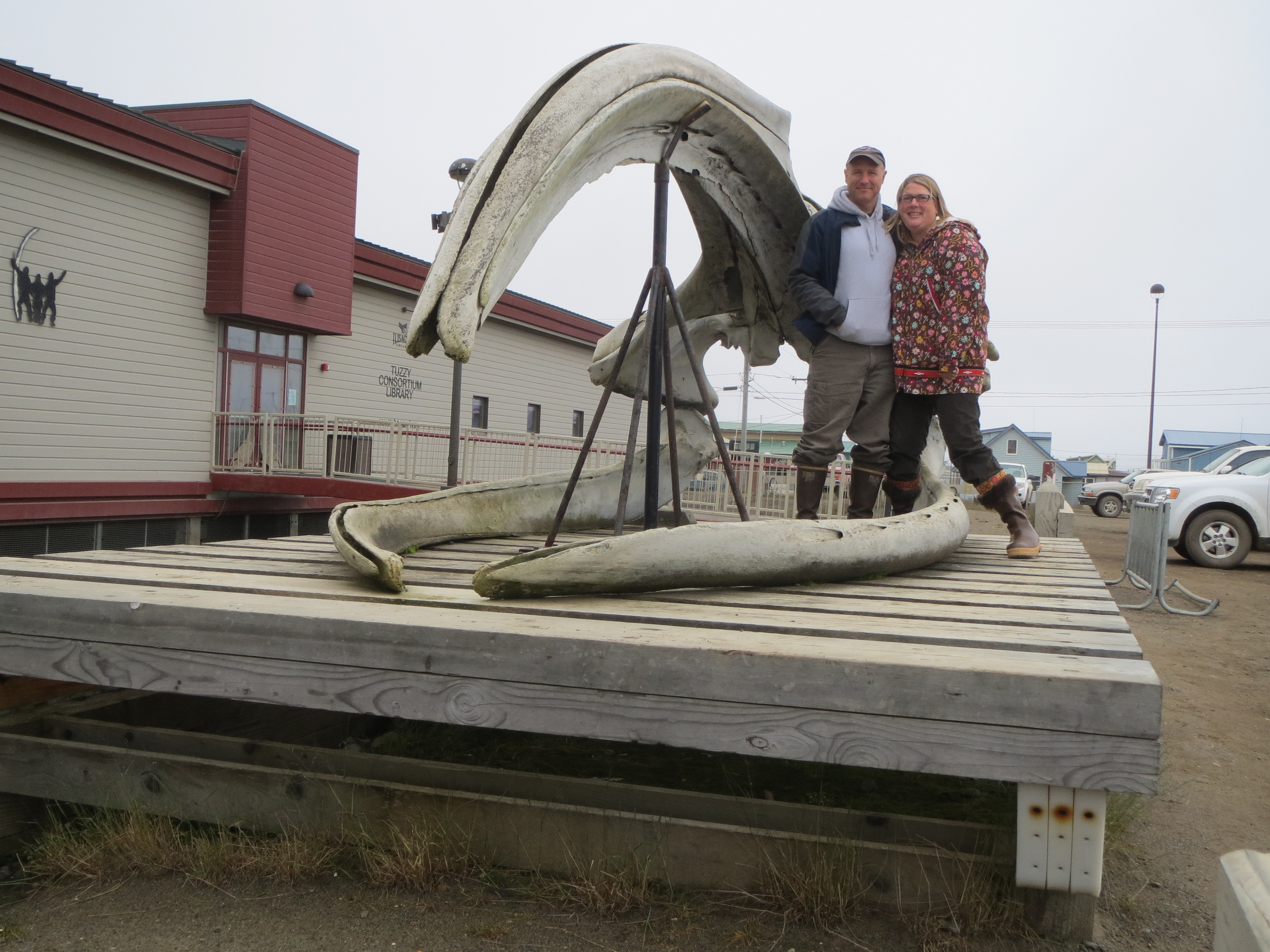
IMG_0508 whale jaw bones

The fall was more fruitful and the community was able to fill freezers etc. with whale meet, oil etc.  The fall whales are brought back to town and they are chopped up on the old runway for the old airport.  This runway is a solid flat surface and safe for the butchering process.  The entire community comes out and everyone is given jobs to do.  IMG_0531 IMG_0532 IMG_0534center

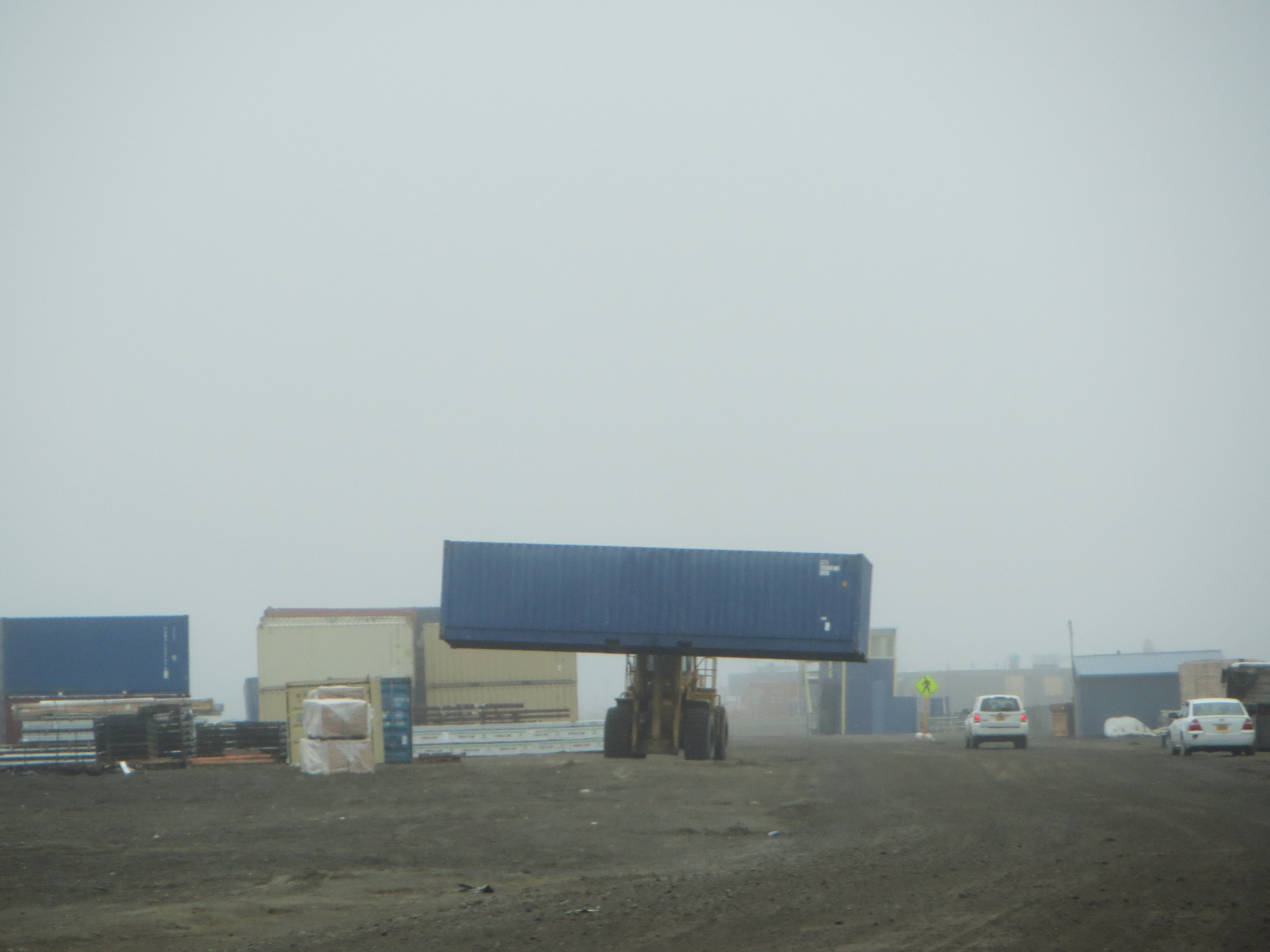
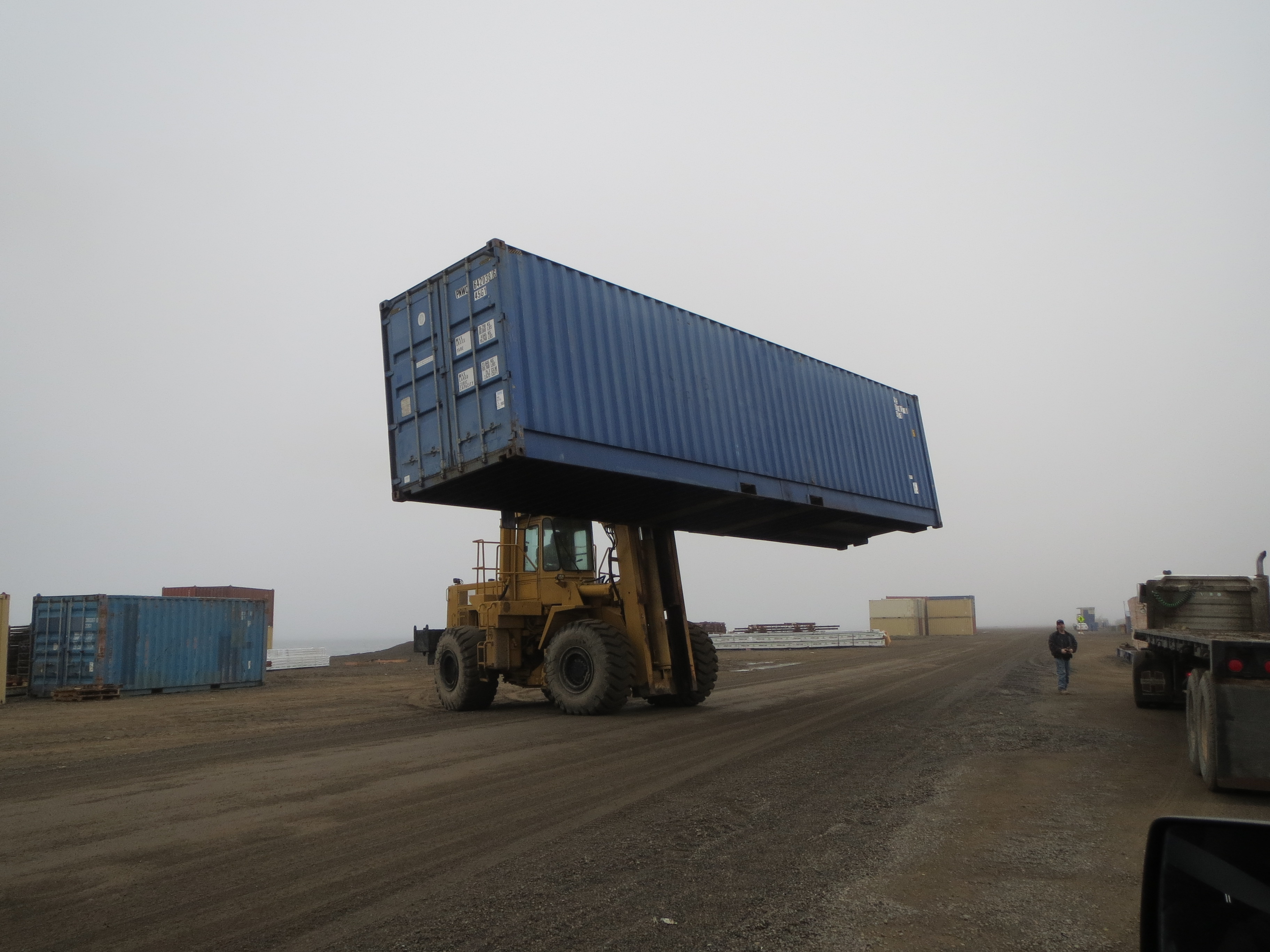
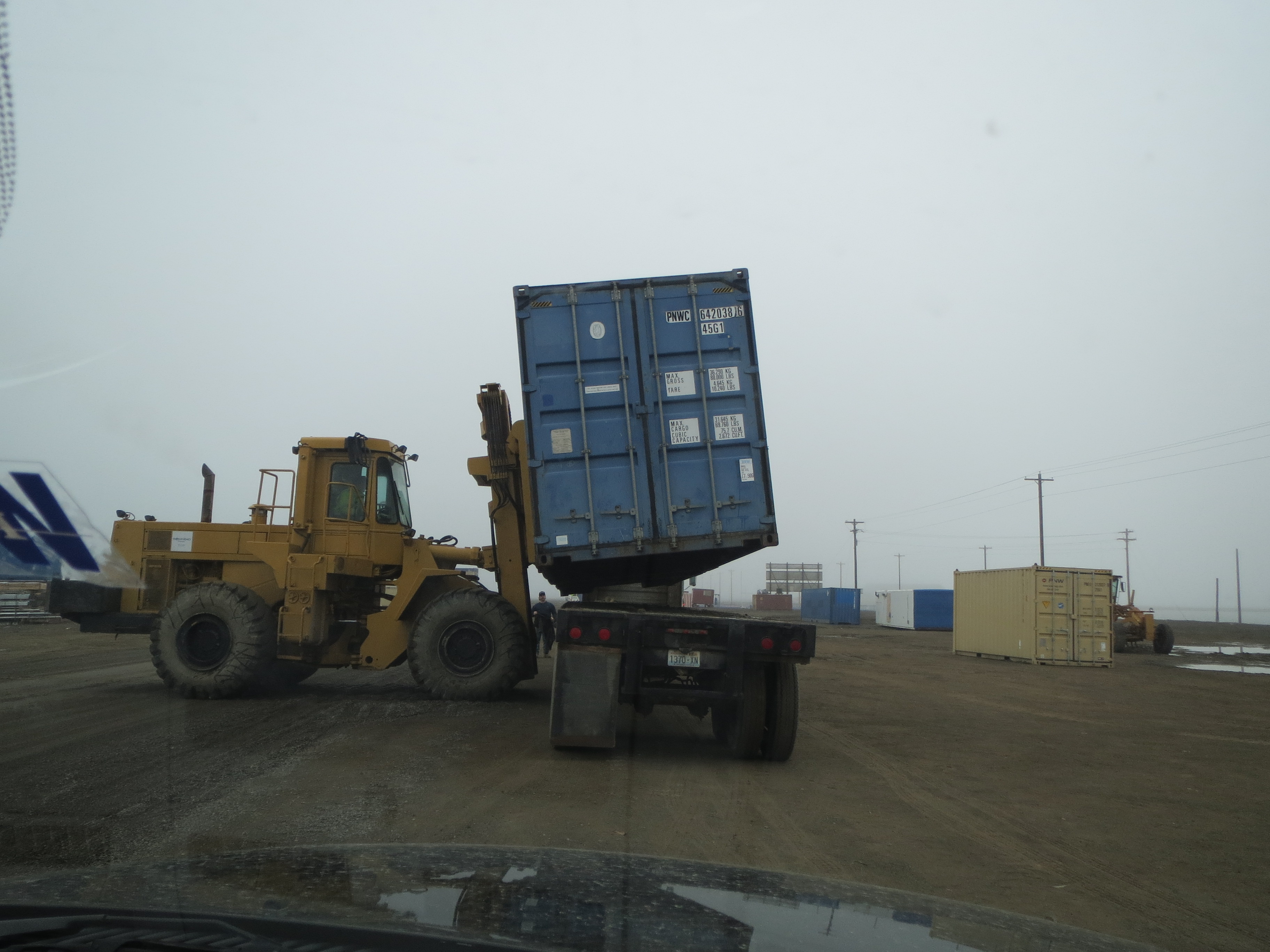
Just before we arrived the one and only barge for the year made it to Barrow.  The reason that it is only once a year is that historically there has been limited time when the ice was gone enough to get into land.  This means that any new vehicle, a lot of supplies, etc. are ordered and brought in on this barge.  People order things such as dog food for an entire year, or Pam cooking oil as the weight of these items, or the fact that they are ‘flammable’ are too much to ship or not allowed to be shipped on a plane. IMG_0489 IMG_0490 IMG_0491 IMG_0492

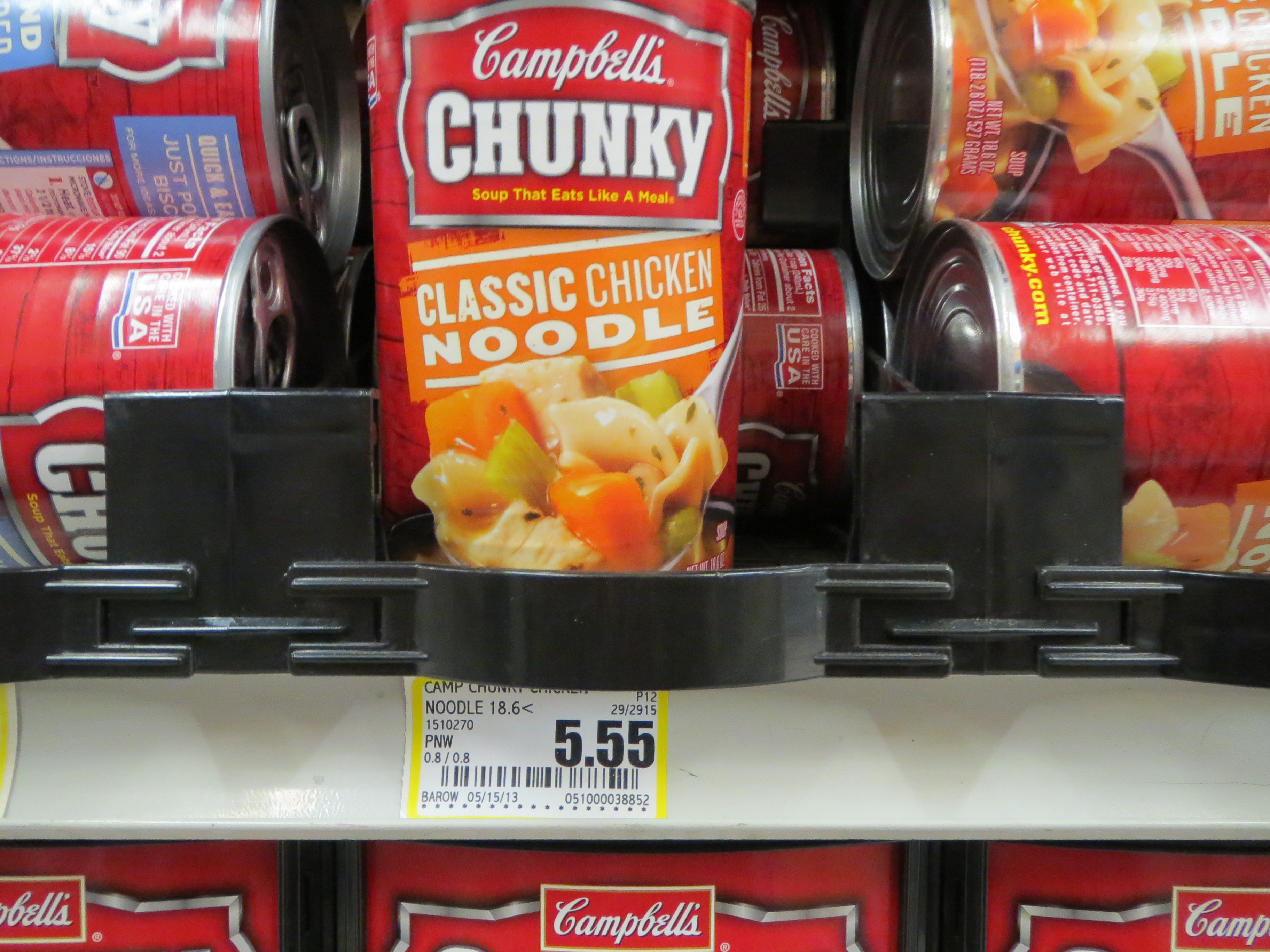
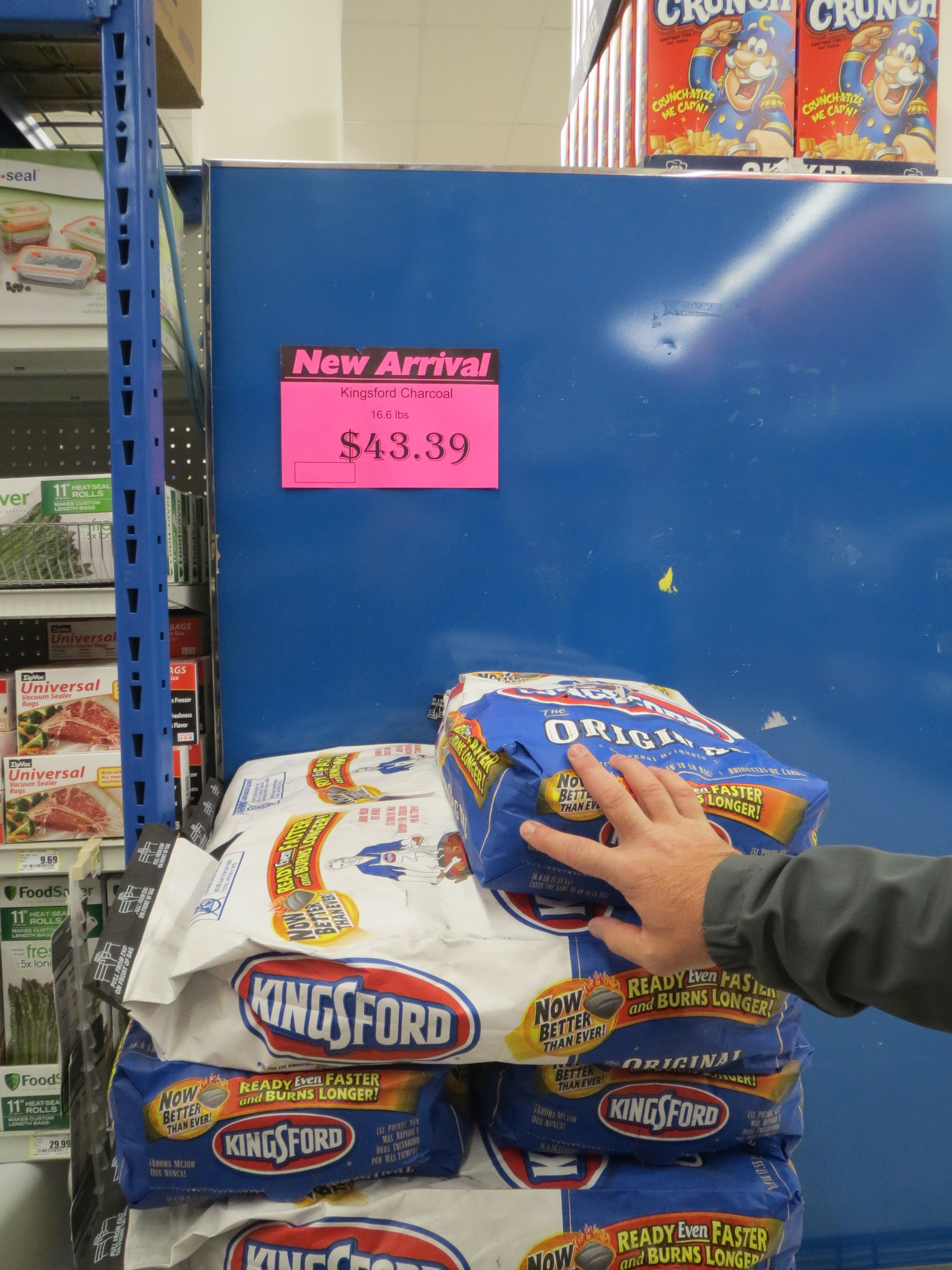
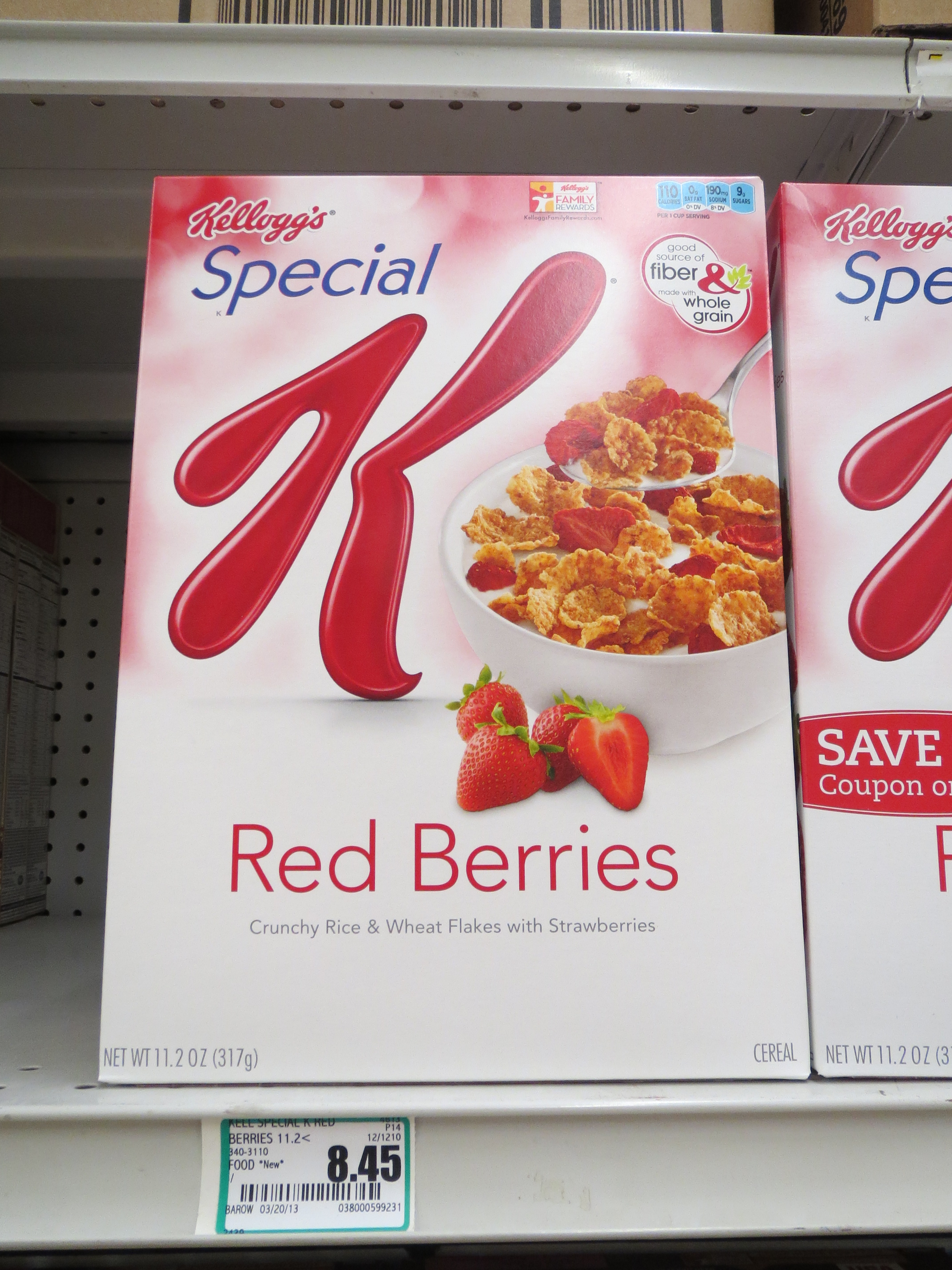
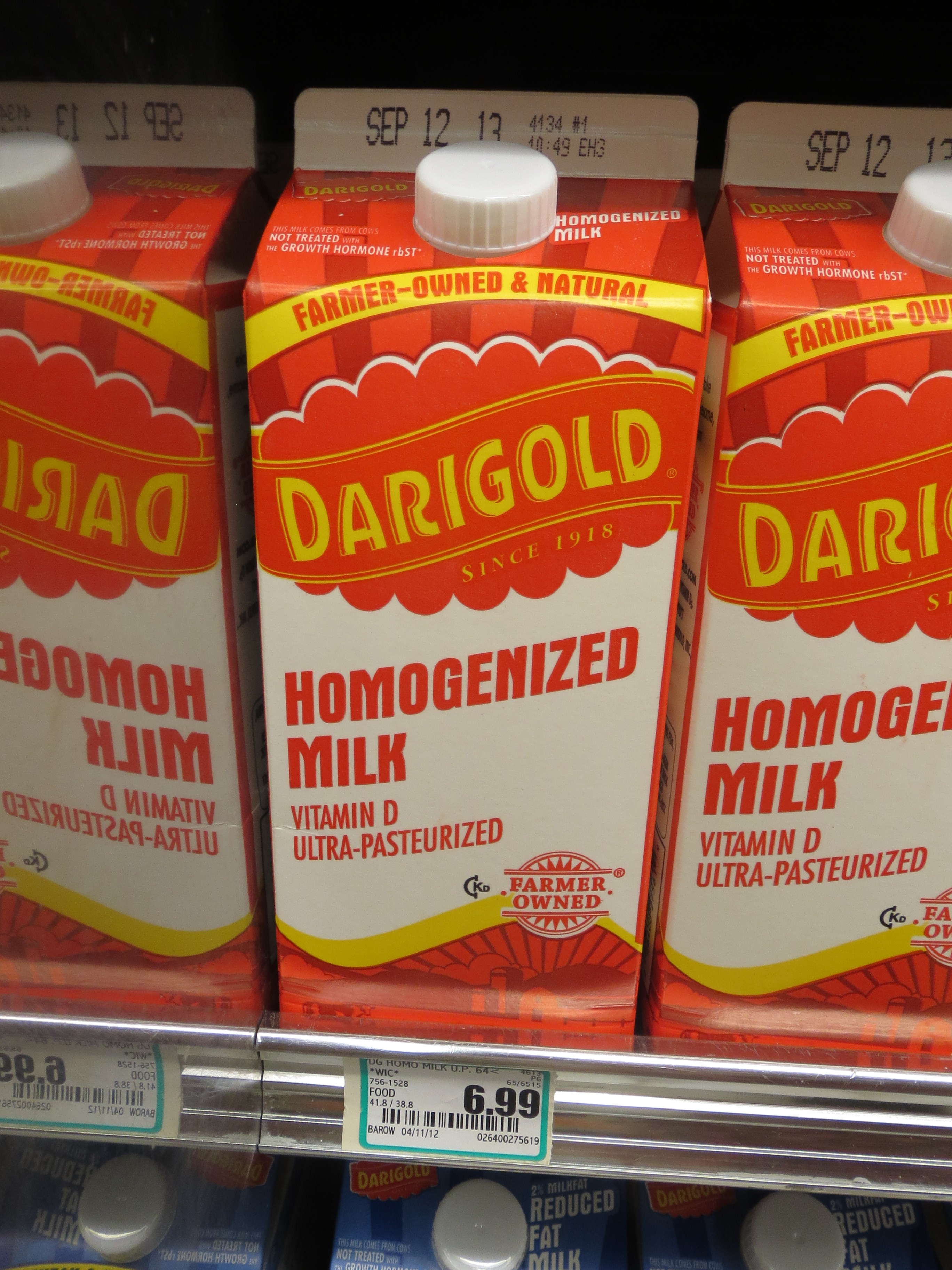
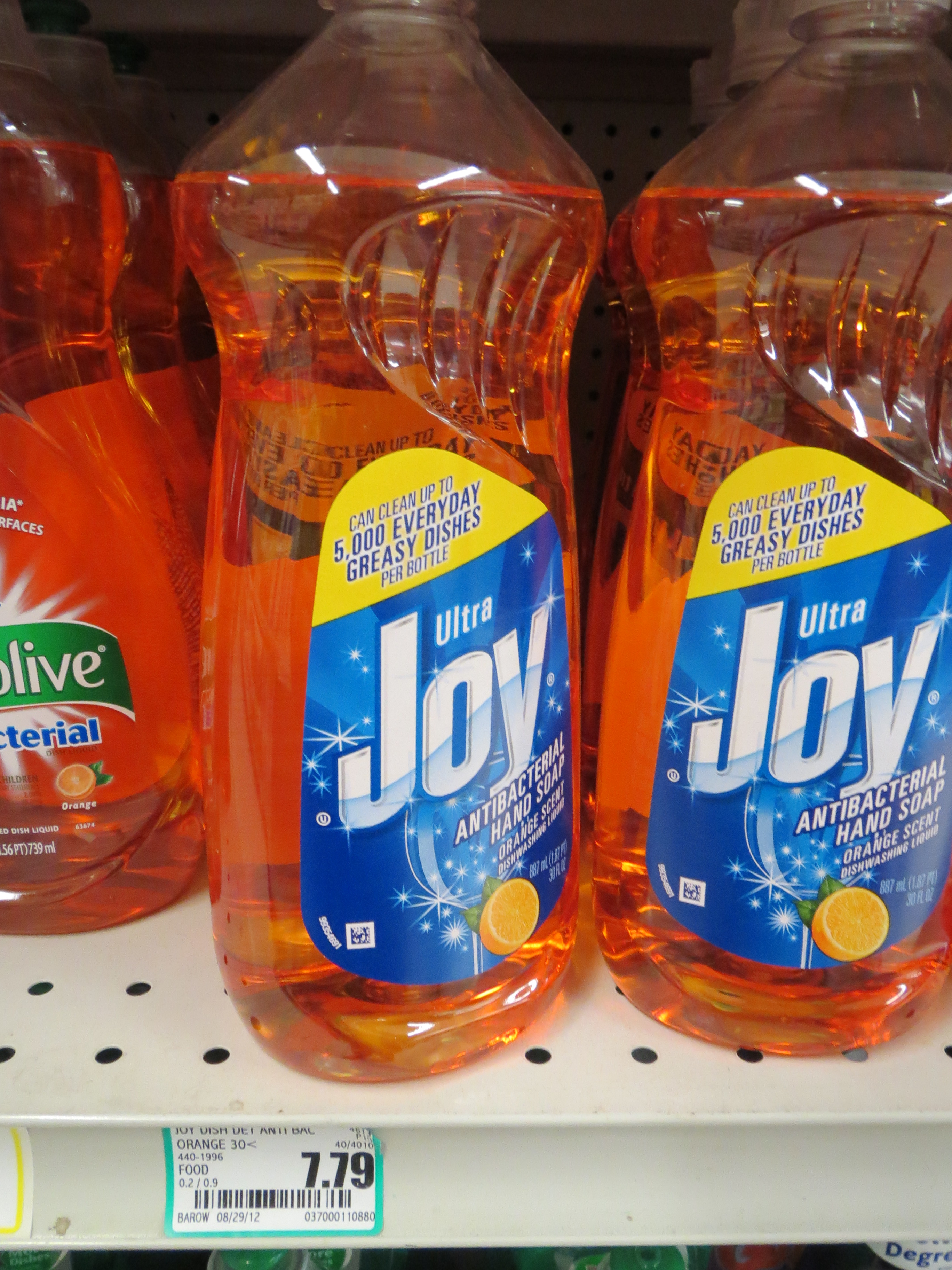
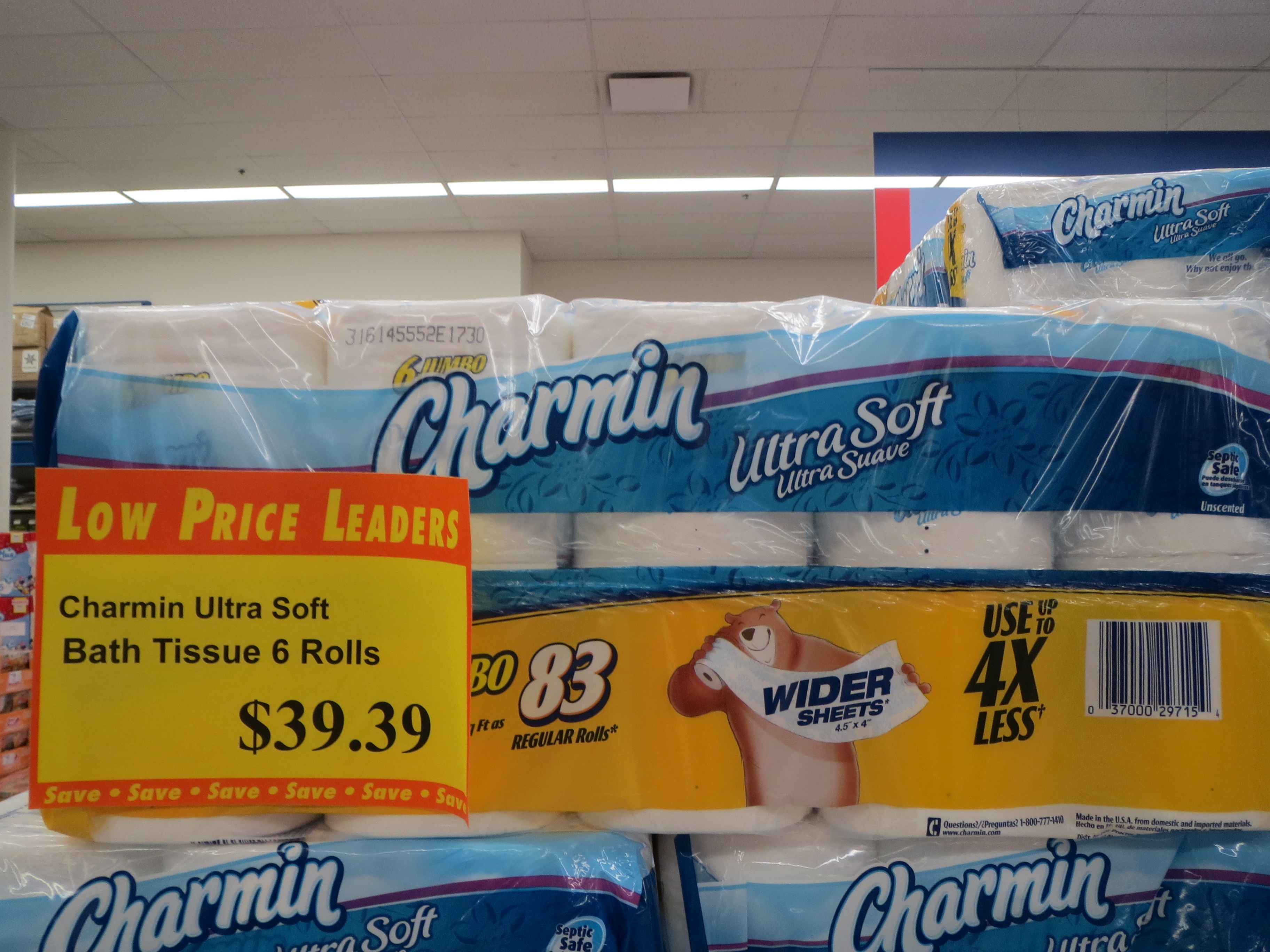
Speaking of shipping things, take a look at the prices of things at the AC (main grocery store) I am not sure what shocked me most, potato chips OR charcoal for grills, thought toilet paper and bottled water is pretty high up there too. IMG_0536chips IMG_0537soup IMG_0538charcoal IMG_0539cereal IMG_0540milk IMG_0541joy IMG_0542tp IMG_0543water

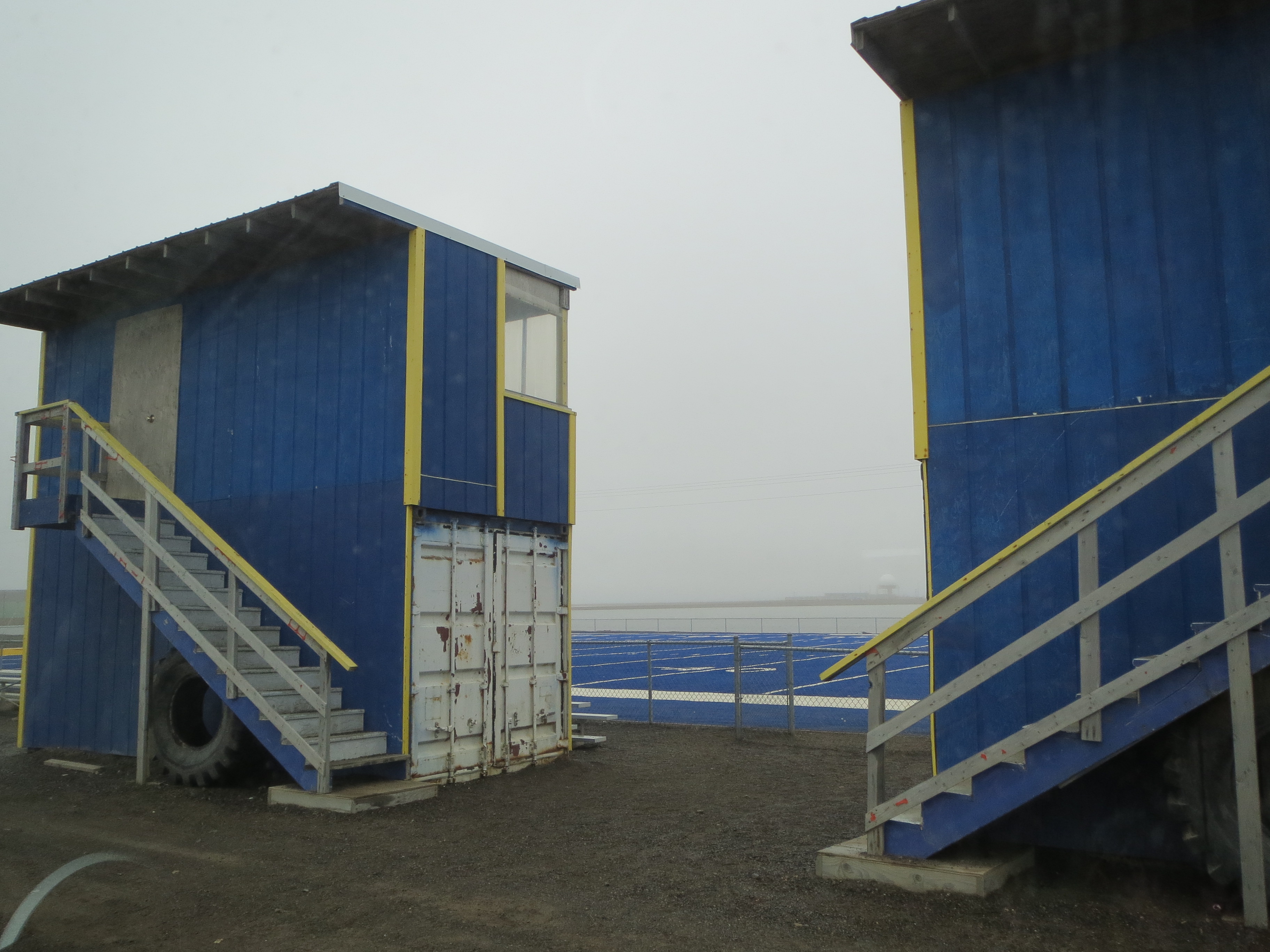
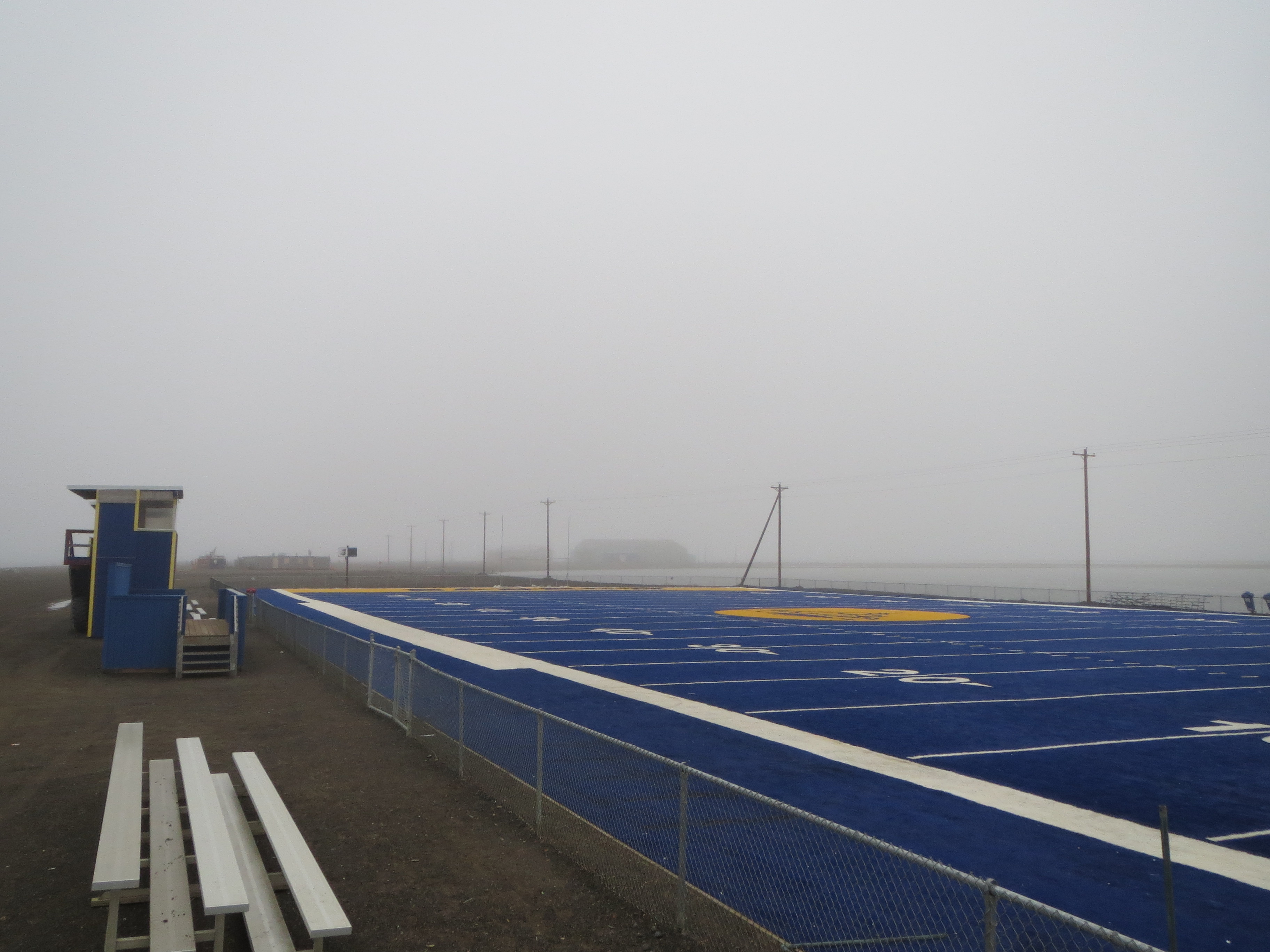
One of the things most people don’t expect to find in Barrow, but has become quite a tourist destination is the football field.  About 7 years ago this field was put in and it allows the students to play other high schools in the state.  It might not surprise you that the home games are played in Barrow in Aug. and Sept. then they fly south to play other teams when it gets just too cold to play out of doors in Barrow.   I was told that when they win, the players run into the Arctic Ocean to celebrate! What I found most interesting is that though the football field is outside and we watched some jr. high kids at practice, AND we saw the cross country team running on the roads around town, there are NO outdoor playgrounds and there are NEVER outdoor recesses!Try to imagine that.

IMG_0497

for the press box the district re purposed a conex shipping container. It was cut in 1/2 and put up on their ends to create these press boxes.!!!!

IMG_0495

quite foggy the day we visited

  IMG_0505IMG_0496

That’s all for this write up but I will tell more of our adventure in the next blog!

2 Comments »

Camping and Family~ Idaho adventures! (Boise, Stanly, Wildhorse Basin, McCall)

Aug. 3-11, 2013

When we heard the Tullis Family Reunion was going to be in McCall, Idaho we decided we needed to take the opportunity to explore a bit of Idaho that we had never been to before.

We spent the first night in Boise, tackling a few of the local breweries, I even found a beer that I enjoyed, called SWILL, the summer seasonal for the 10 Barrel Brewery.

On Sunday we headed up the Bogus Ski Area and went past the ski area up to the trailhead for Mt. Mores.  We hiked about 3.5-4 miles around the rim of the mountain.  It was quite warm, in the high 80’s low 90’s.  Too hot for this Alaskan, but not for Harry.

Hot hike up Bogus Basin outside of Boise

Hot hike up Bogus Basin outside of Boise

IMG_0217

highest point on Morse Mountain

We were then able to hit the brewfest in Nampa before heading to some other friends for the evening in Eagle.

However, the real adventure began on Monday morning when we headed eastward then N up to Haley, Sun Valley and eventually into the Copper Canyon and Wildhorse Basin.

IMG_0247

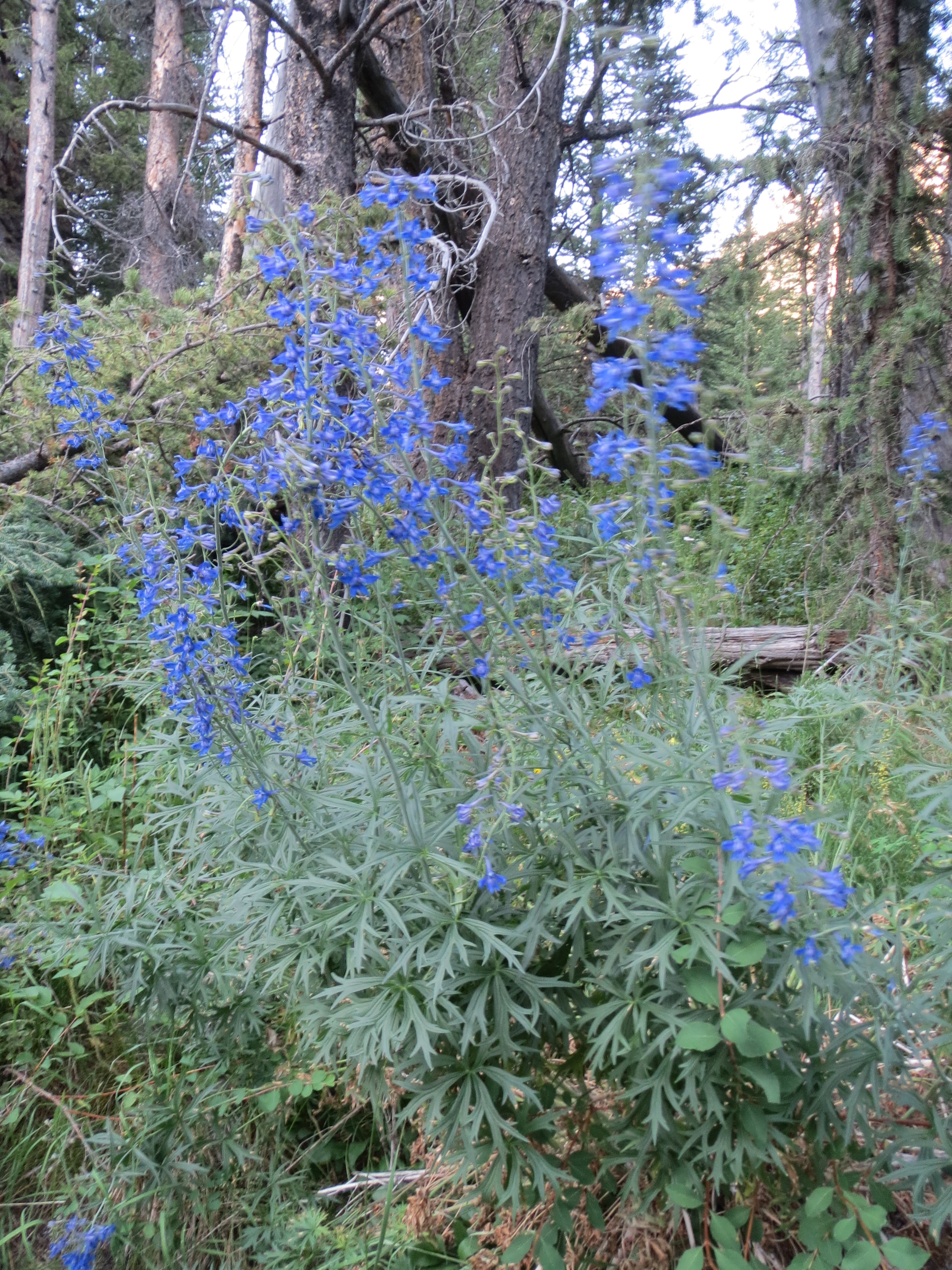
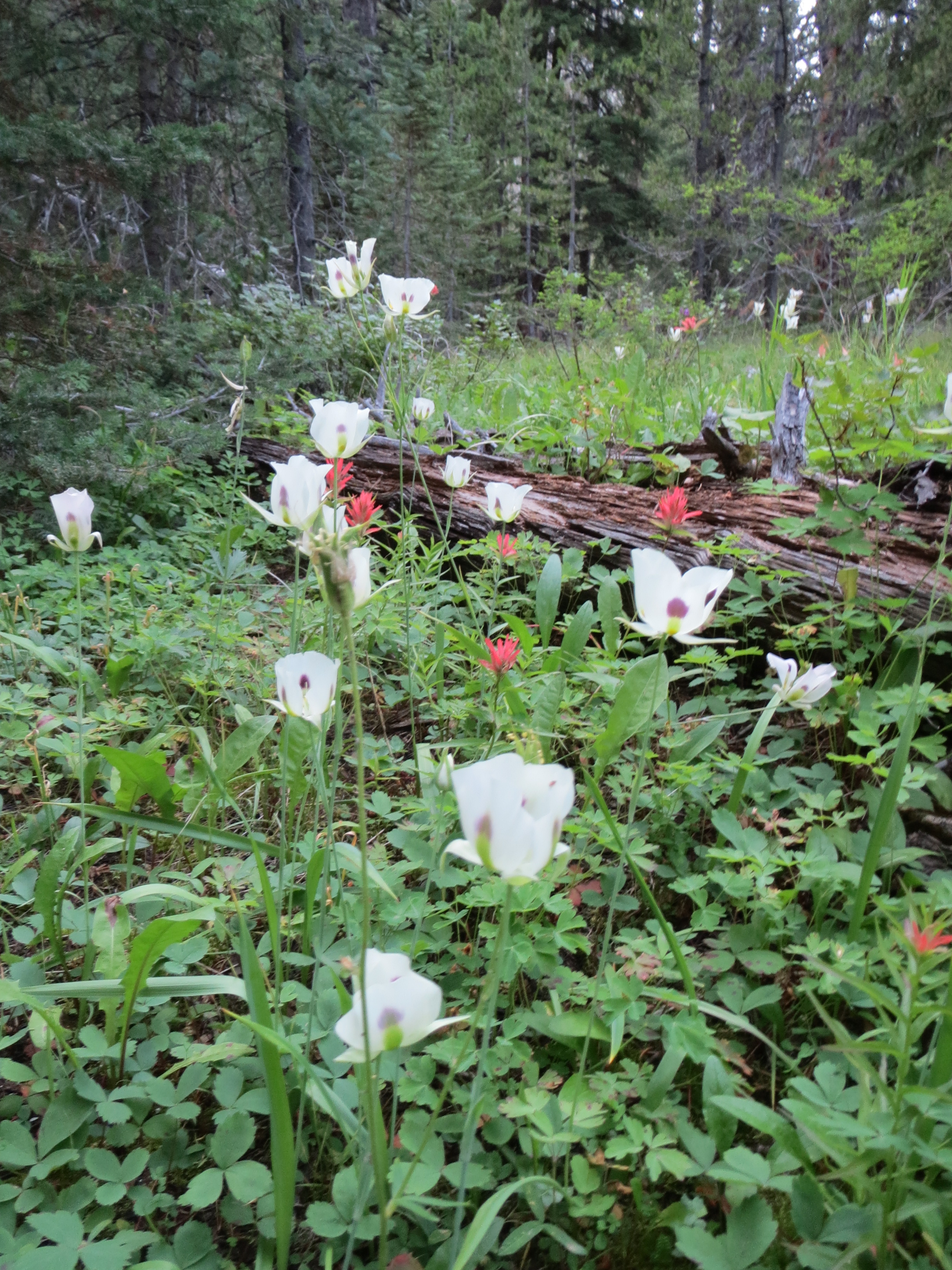
beautiful wildflowers

  Once we arrived to the Wildhorse Basin we knew we’d hit the jackpot of Idaho, and the fact that we’d been given an upgrade at our car rental to a Jeep, helped us quickly decide to take the remote road as far as we could.IMG_0229

IMG_0245

beautiful flowing falls

IMG_0249

need to look up what these were but they were beautiful

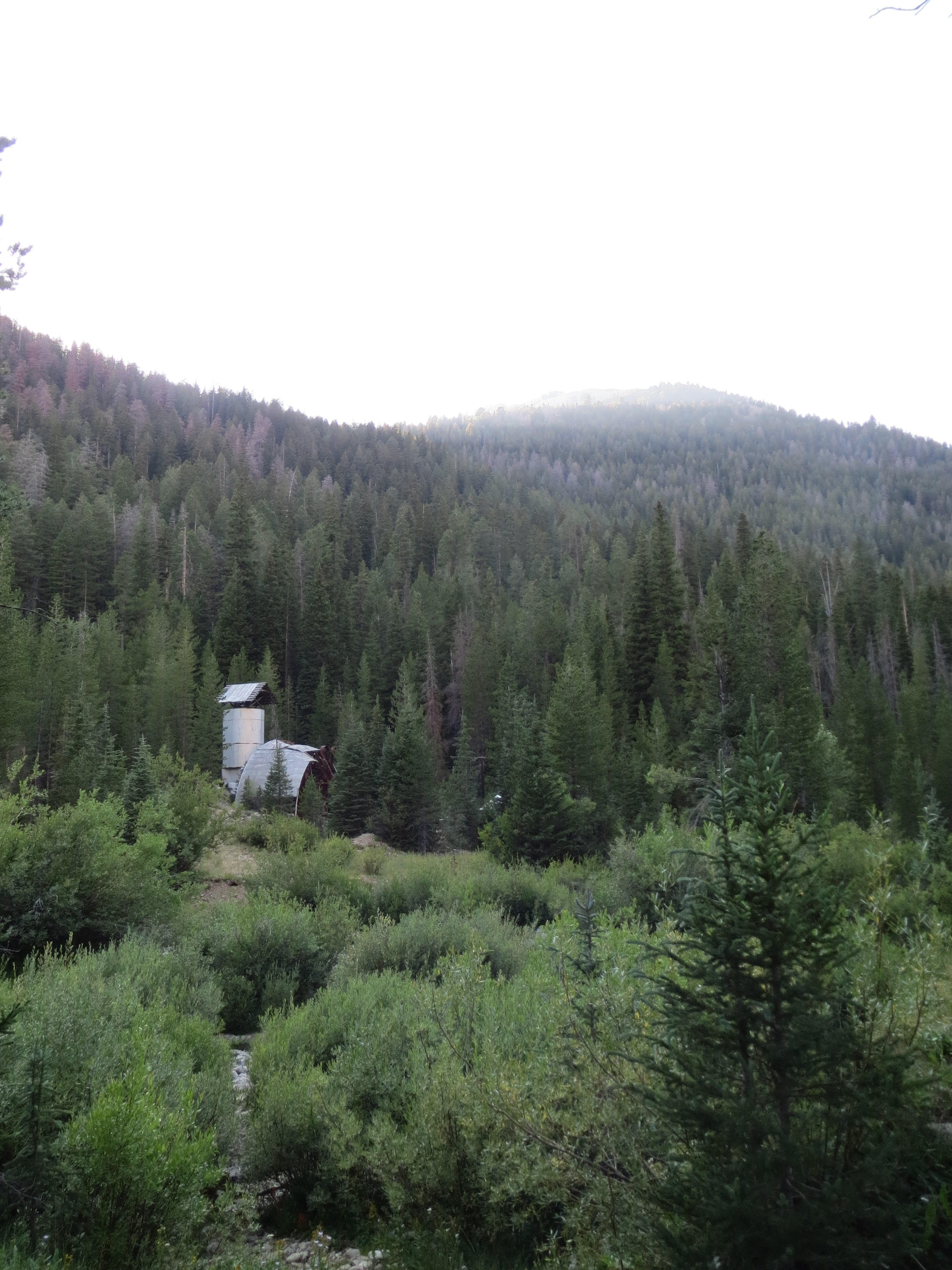
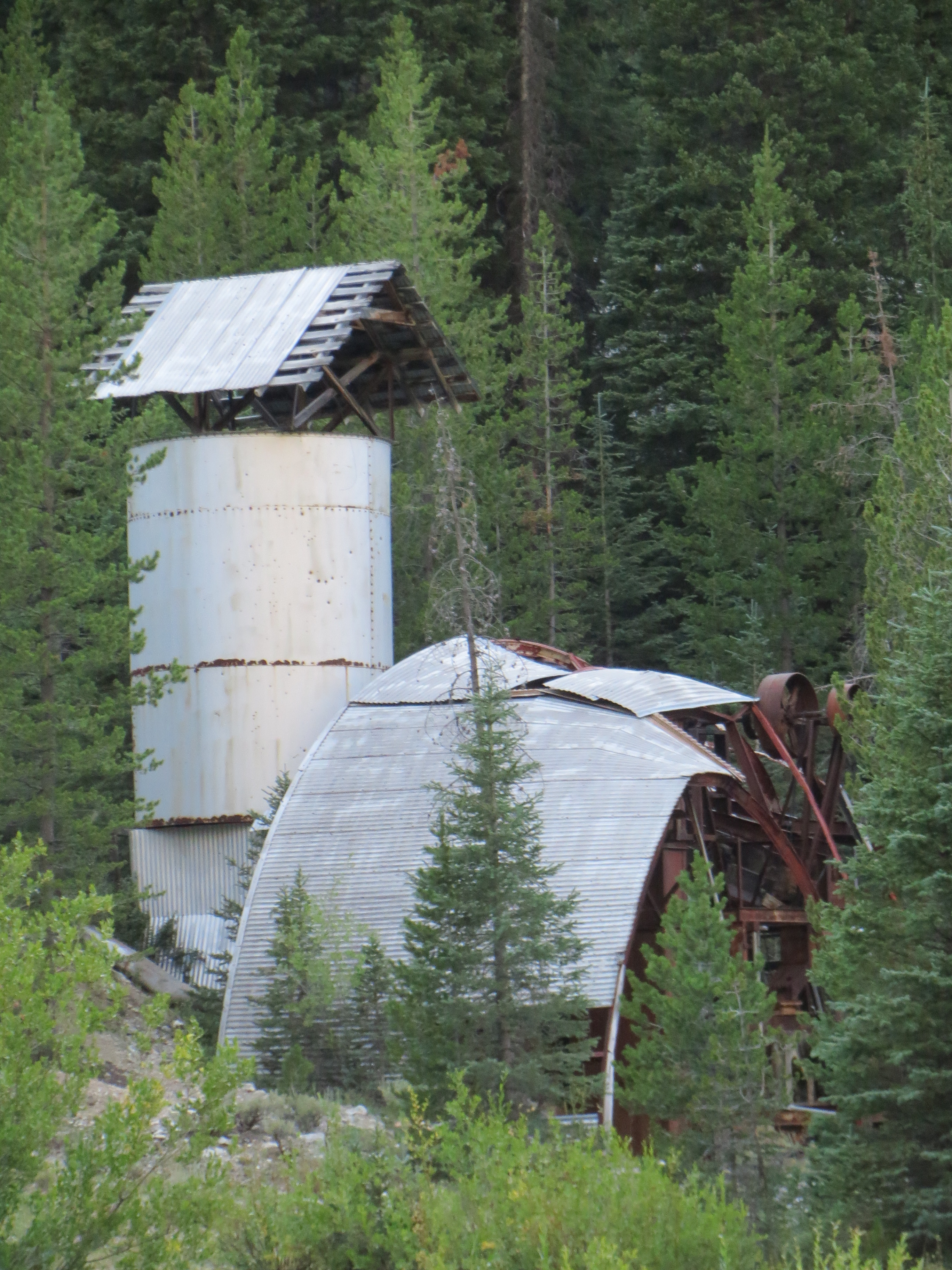
In the end it took us over  an hour to travel 3.5 miles.   The logging road we took seemed to be mostly traveled by ATV’s these days, but we made it in the Jeep!  At the end we hiked in about another mile or so and the valley was just spectacular.    On the way out we stopped and took some photos of the old mine.

IMG_0250IMG_0253IMG_0252IMG_0251

IMG_0238

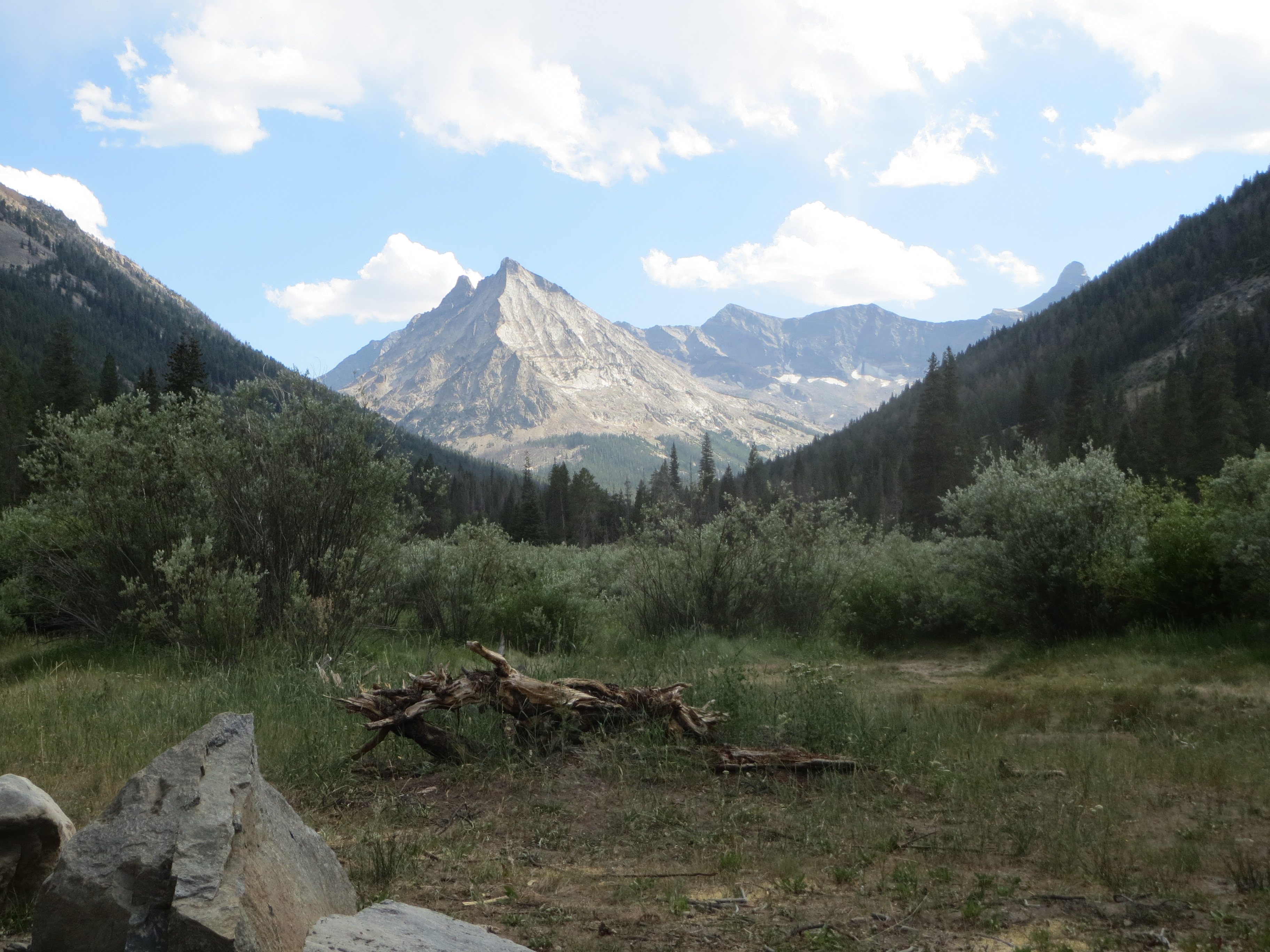
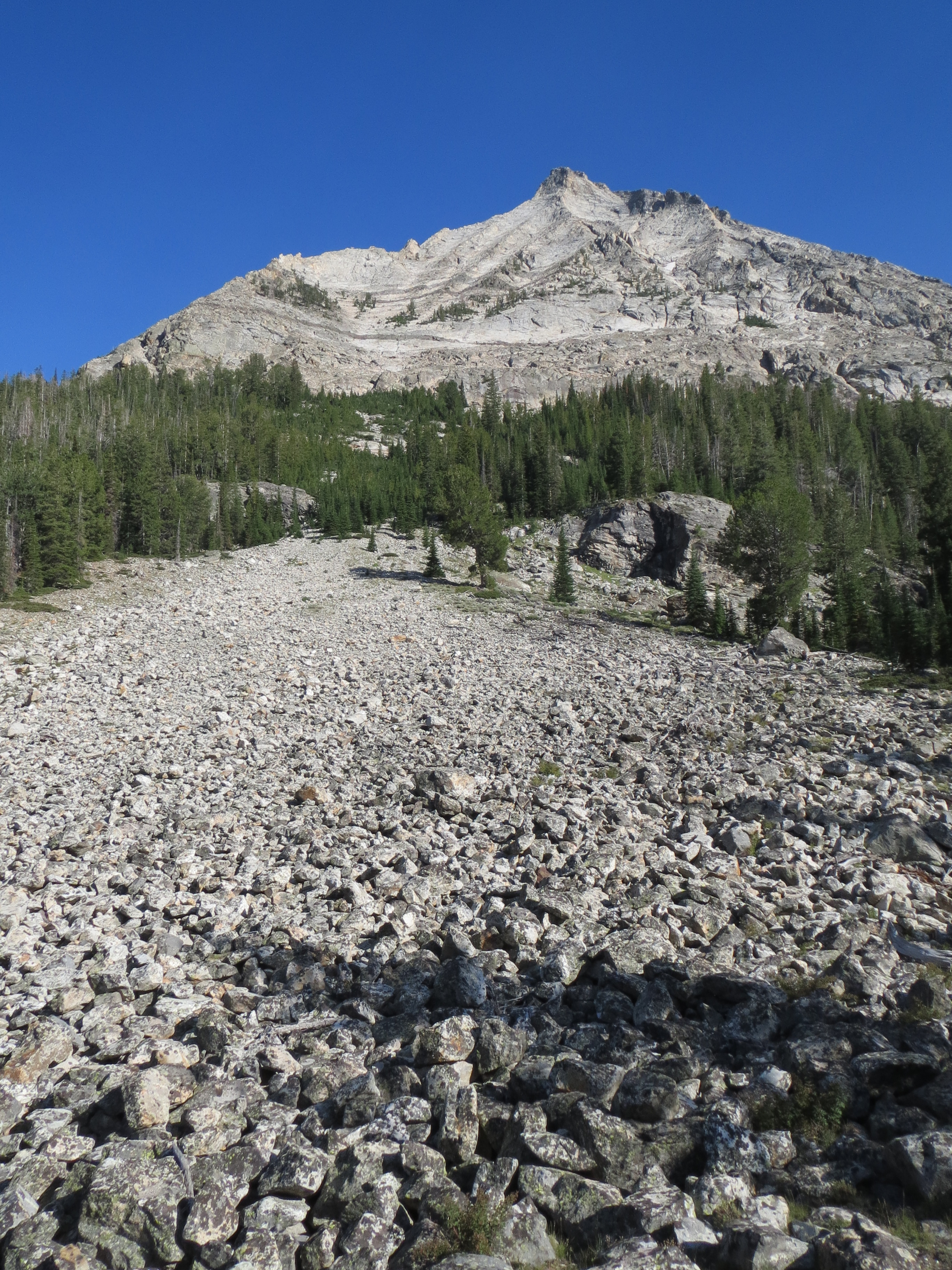
the peak at the end of the trail. Must have been at about 11,500-12,000 feet

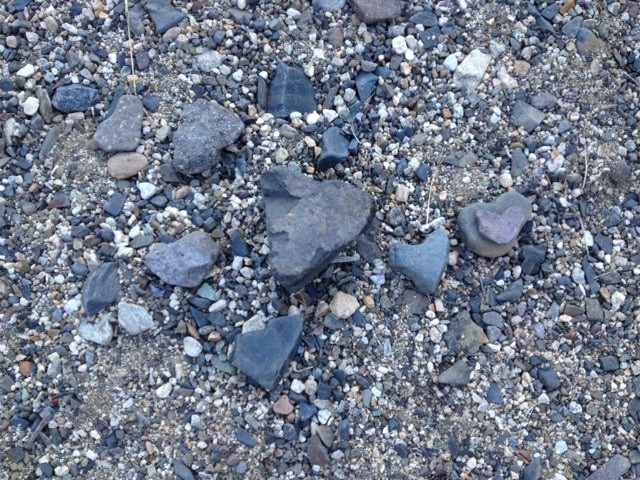
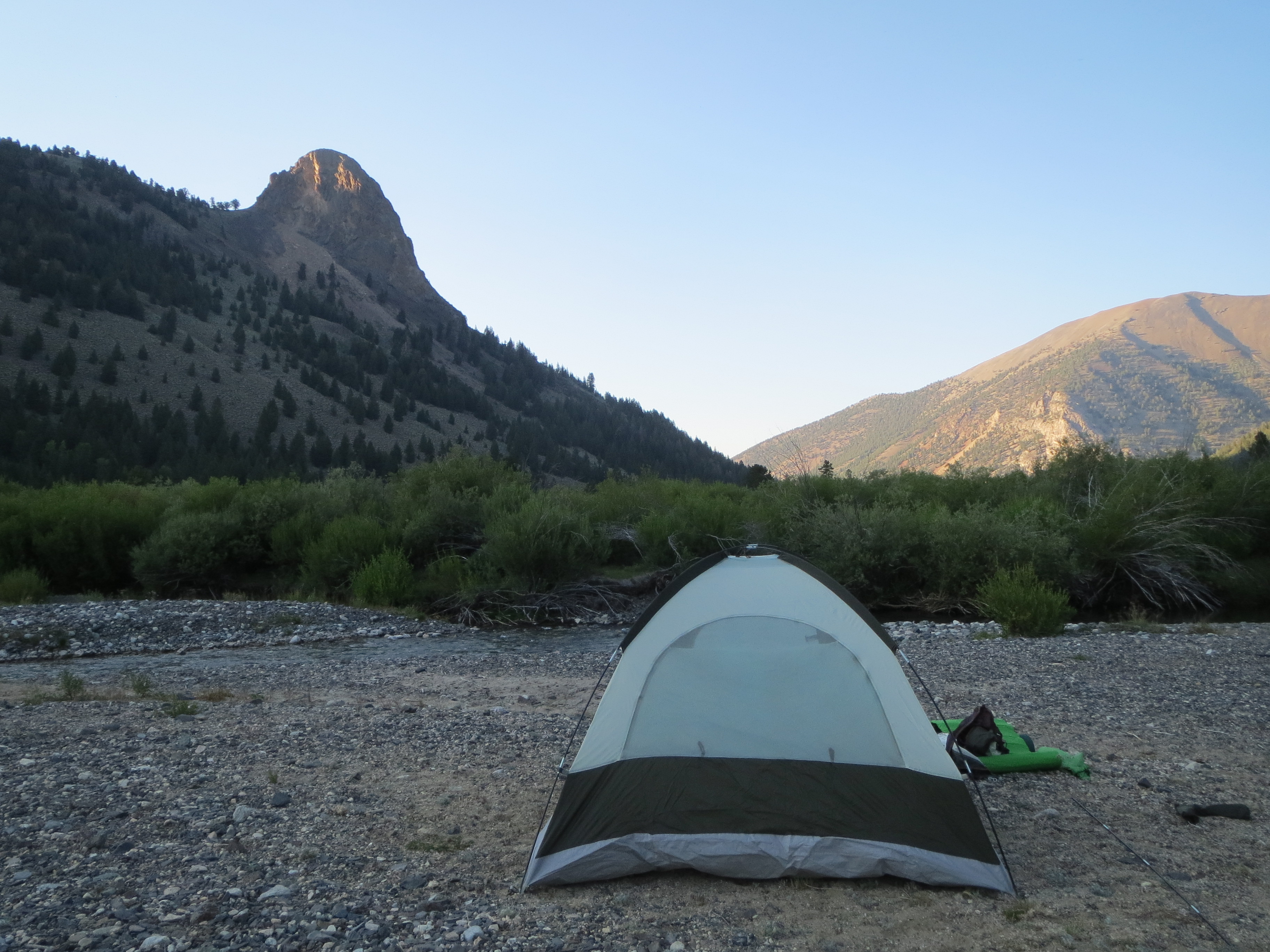
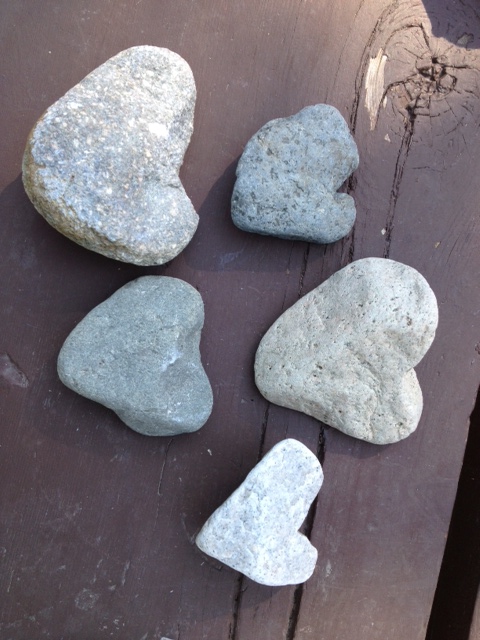
However, what both of us agreed to be the highlight of the trip was where we camped that night.  After coming back off the ATV road we decided to not camp at the campground, (there were only 2 spaces full, but they were the only 2 on the river) but rather to set up our tent on the riverbed.  There were so many “almost heart rocks” that we

heart

almost heart rock beach

decided to call our campsite the ‘almost heart’ site. IMG_0231

The sky was so clear that we saw more stars that night than we’ve ever seen, even more than on Mauna Kea (13,803 feet) in Hawaii.  It was spectacular.  We saw the Milky Way and many constellations as well satellites passing in the sky.  We could tell that with such a clear sky that it was going to be a cold night, but we never imagined it would get down to freezing but it did.

IMG_0263

the view from our tent

As we awoke in the morning we saw the sun rise over the mountain peak and knew we’d already had THE highlight of the trip.  But we continued onward.  We drove the loop through Copper River Basin, which was also worth the time.  Eventually we made it back to Sun Valley by noon and continued our adventure toward Stanley.  Everyone had told us we’d love it there but neither of us know what to expect.IMG_0256

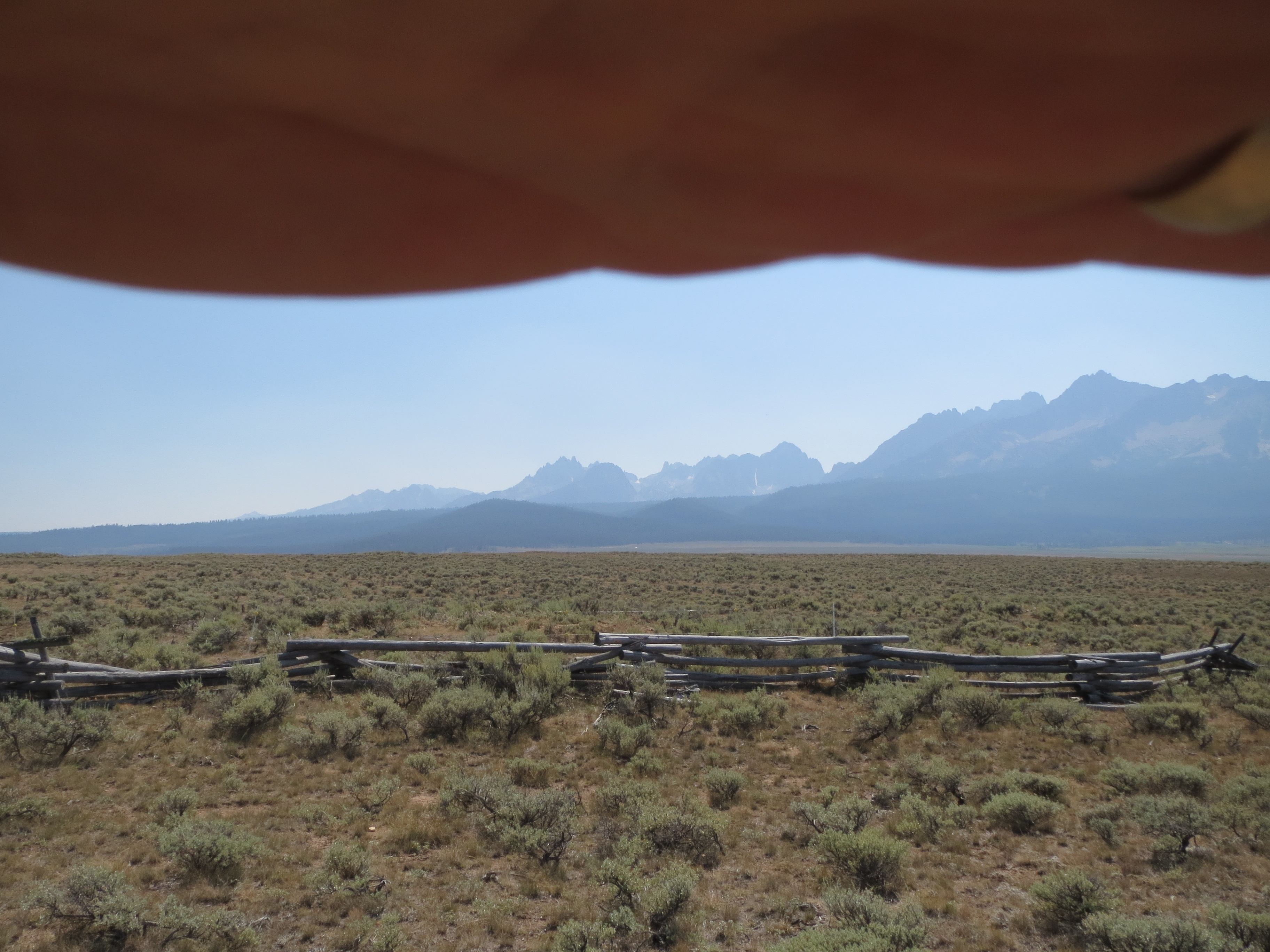
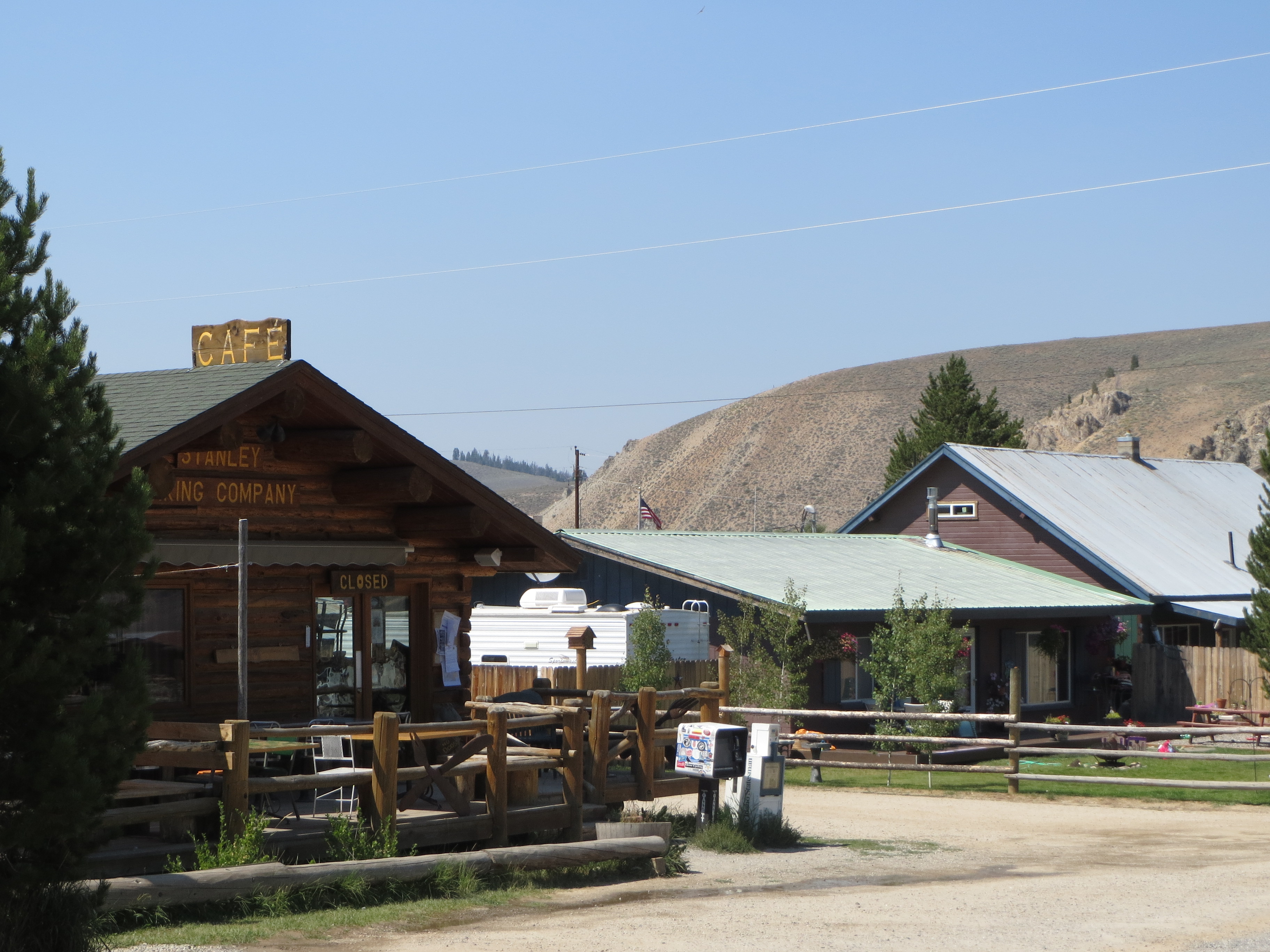
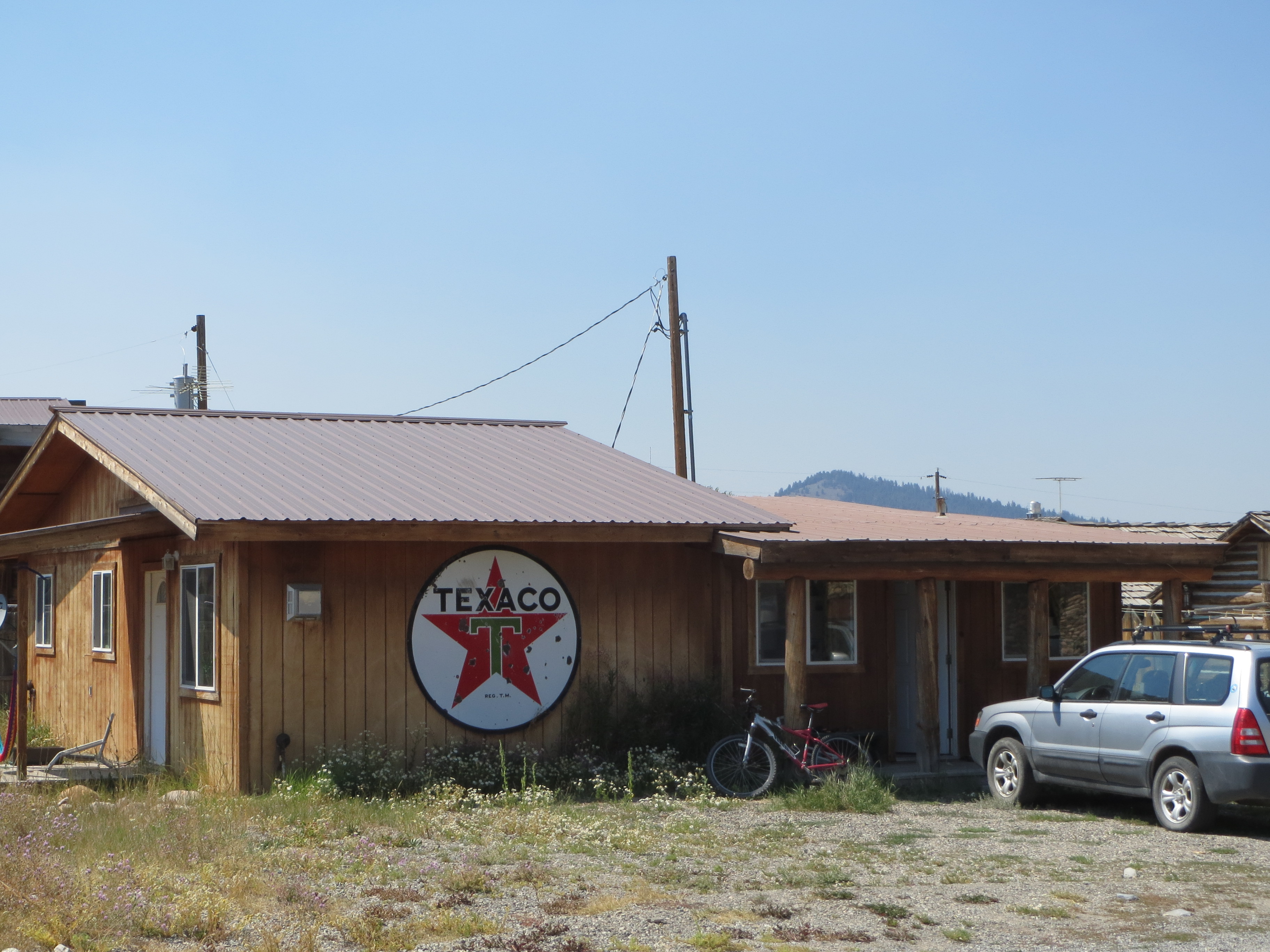
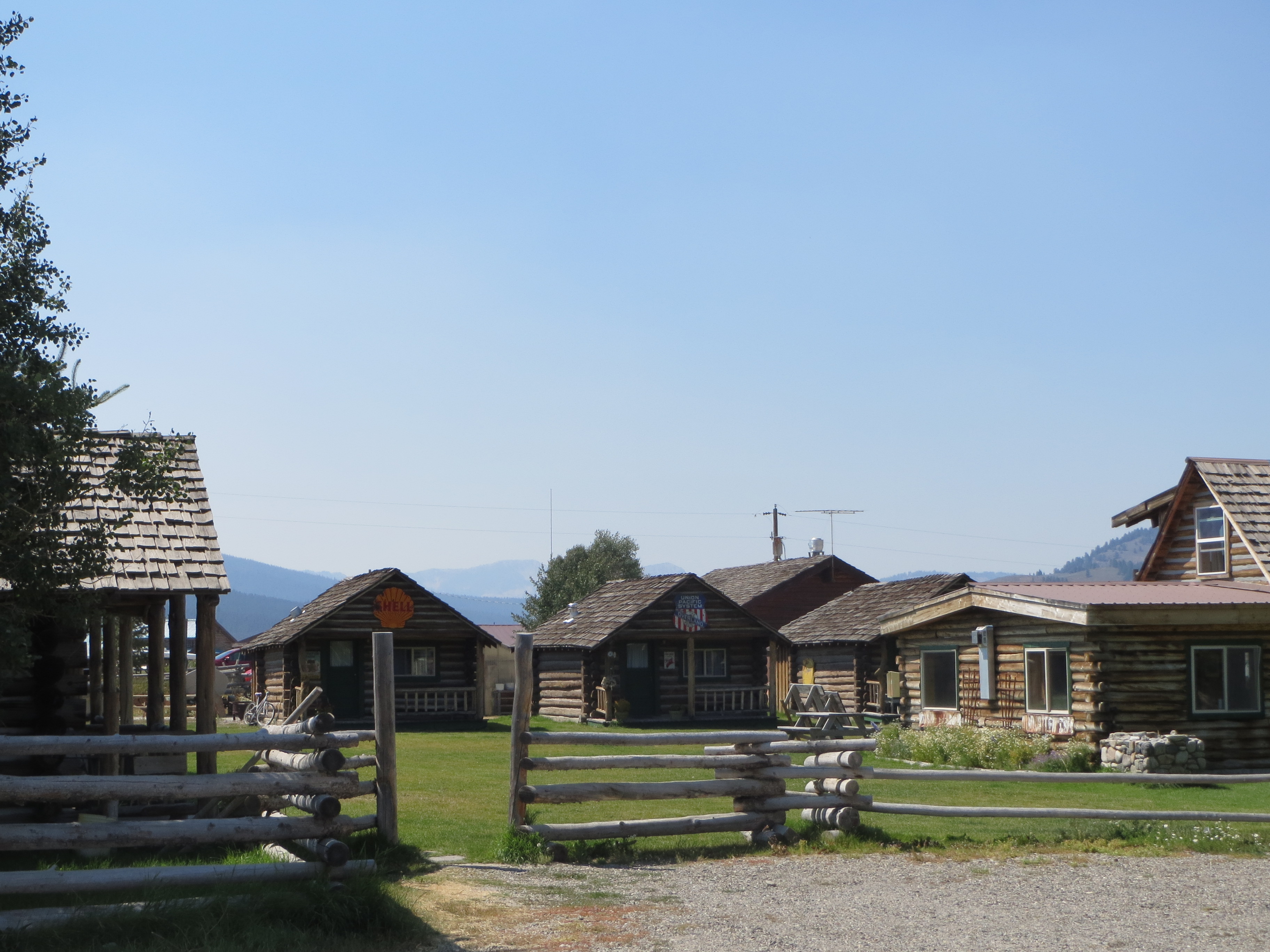
It was a quaint little town, almost like one of the ghost towns in N Arizona.  It also reminded me of Nenana, AK or any smallllll town USA.  There was the main road through town and about 3 turn offs, making it easy to see all of town.  We ate pizza for lunch, filled up with gas and stopped at the visitor center.  The woman told us that the area we wanted to visit had a recent fire and that the ‘scenery’ wasn’t what it used to be.  Hence we continued to another location.IMG_0294 IMG_0305 IMG_0306 IMG_0308 IMG_0309 IMG_0310

heart2

the heart rocks at the hot springs camp site

hot sp

harry enjoying the hot springs.

Eventually we ended up in Bonneville Campgrounds, established in the location most likely because of the natural hot springs that were about ¼ mile from our tent.  We enjoyed them both in the evening and again the next morning.  It was perfect for both of us because Harry could sit in the HOT area and I could lounge where the hot water met the cold river water creating just the right temperature for me!

That day we drove a scenic route through a gorge headed towards McCall.  It again was magnificent.  We kept commenting on how nice it would have been to have our motorcycles for this trip.  We followed a river towards the west and then another one North.  The one that was flowing south as we drove north had amazing rapids and turbulent waters, very pretty.

We arrived into McCall right around the time we could check into our condo.  We quickly found the brewery before Marcia came to take us to their house on the lake, the gathering spot for the reunion.

hike mc2

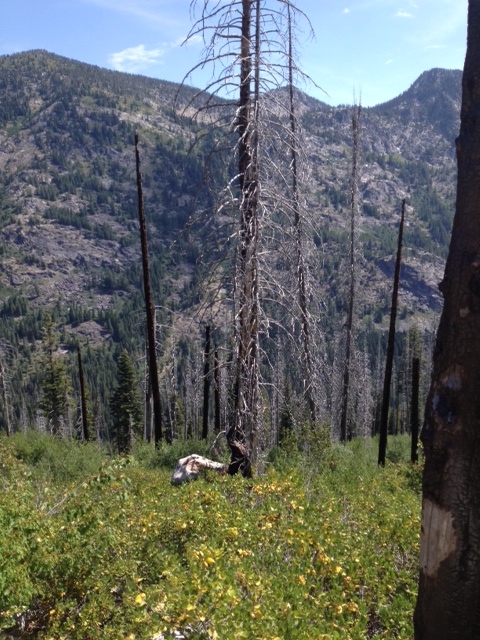
there had been a fire about 18-20 years ago

The next few days were full of family, fun, laughs and memories. hikemc

Harry and I hiked up to Canyon Lake, it was steep and it was hot, and combining those elements with the high elevation, I was pooped!  We also canoed with John/Liz and Michael /Debbie down the river for a few hours, another fun adventure.    Sharing the condo with April, Carol and the twins Jason and Morgan was also a blast.

IMG_0339

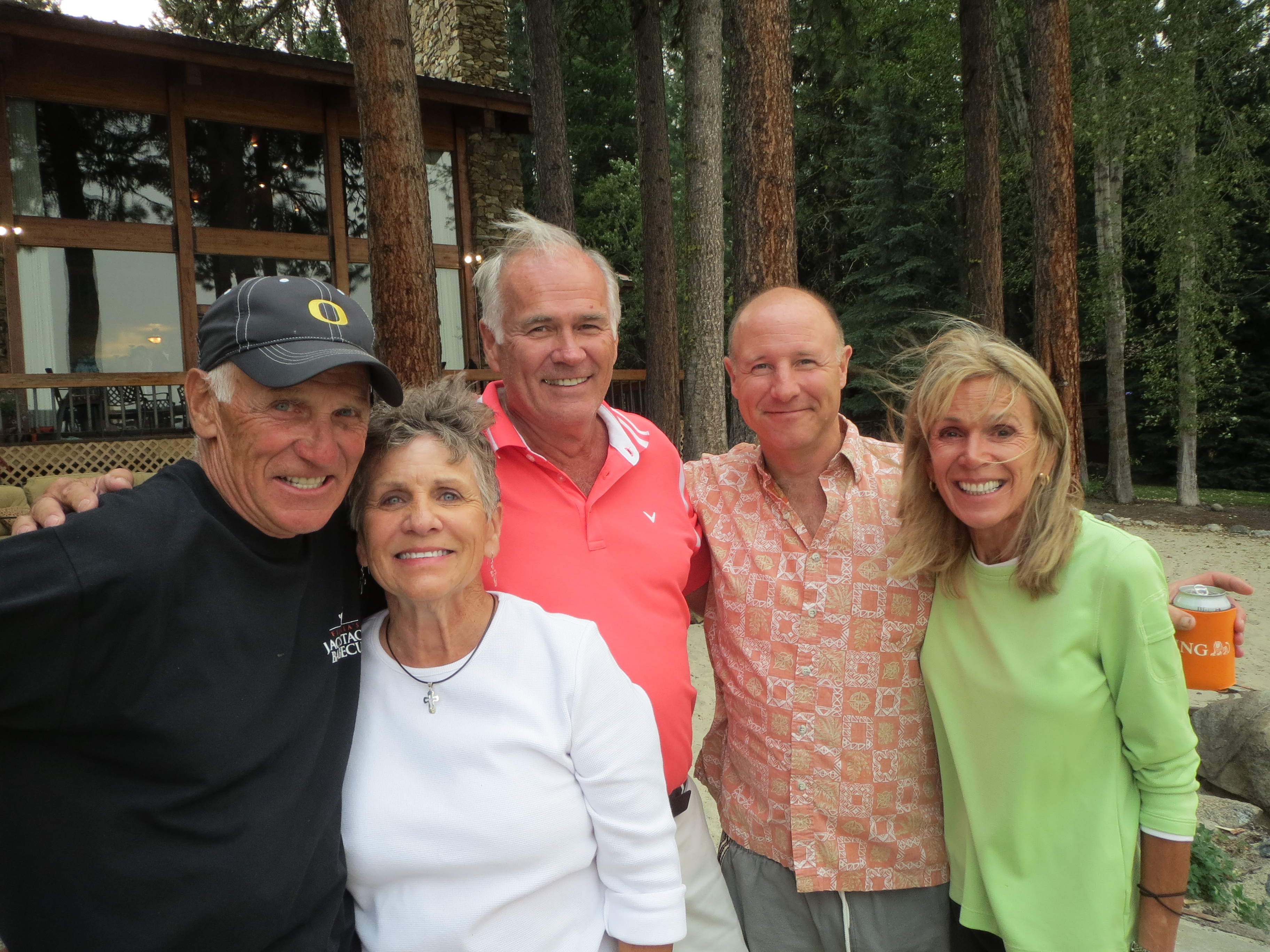
the Tullis kids, Tom, Marcia, John, Harry and Karen, we missed Jim, Kathy and Jack

Thursday night the family had dinner at the pizza place, Friday night everyone brought things to BBQ and we ate at the house on the lake and Saturday night most everyone gathered at Tom and Ann’s (+family_) campsites for more BBQ fun. IMG_0419 IMG_0431

We missed those not there, but hope to see them all at the next gathering.

4 Comments »

Volunteering for a week in Seymour Canal~ Near Juneau, Alaska

June 24-29, 2013 When my husband asked me if I would be
willing to come and volunteer with him for a week out in the field
I was thrilled to take the offer. I actually met him 18 years
earlier as I was on a volunteer trip in the same area. This time we
would be boating around the area and checking in on remote cabins.
It was an great week that even rain could not ruin!

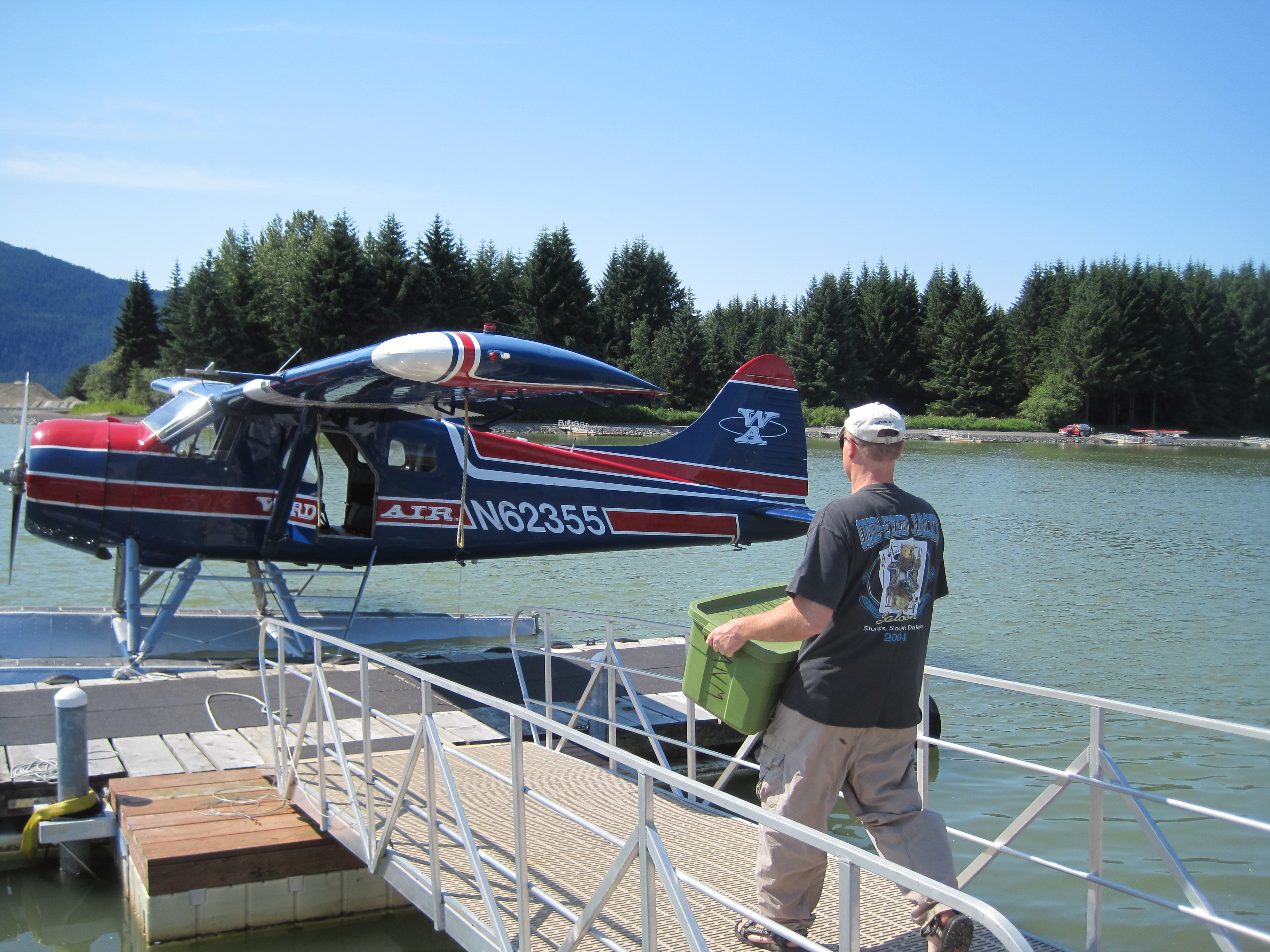
IMG_10215fly slide

Slide Lake


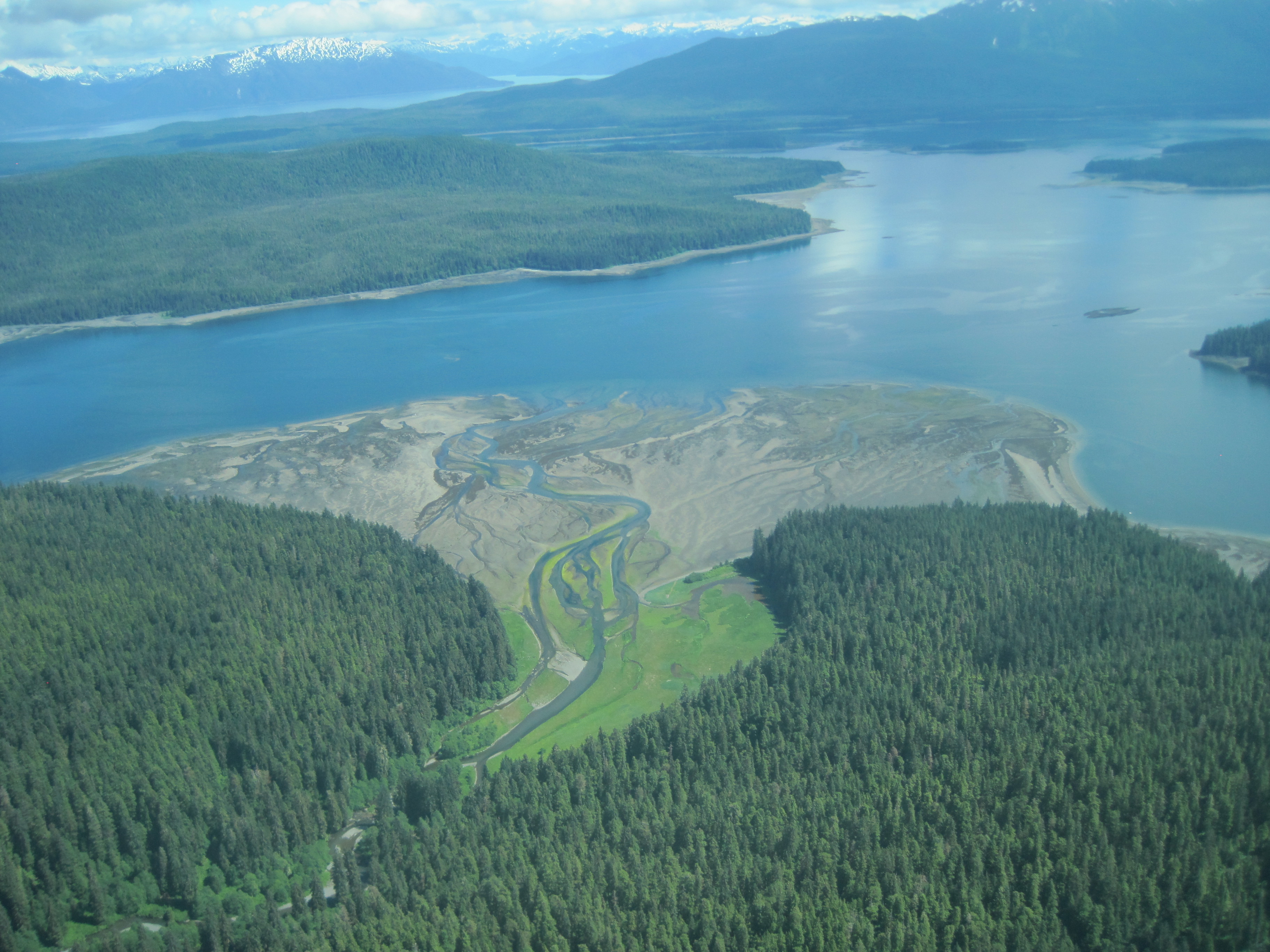
IMG_10210fly pC:windfall

Pack Creek is the creek
flowing out the mud flats in the photo and we stayed on Windfall
Island where we stay.

On the day we landed it was
80+degrees outside… In Alaska 80 feels like 100 anyplace else, it
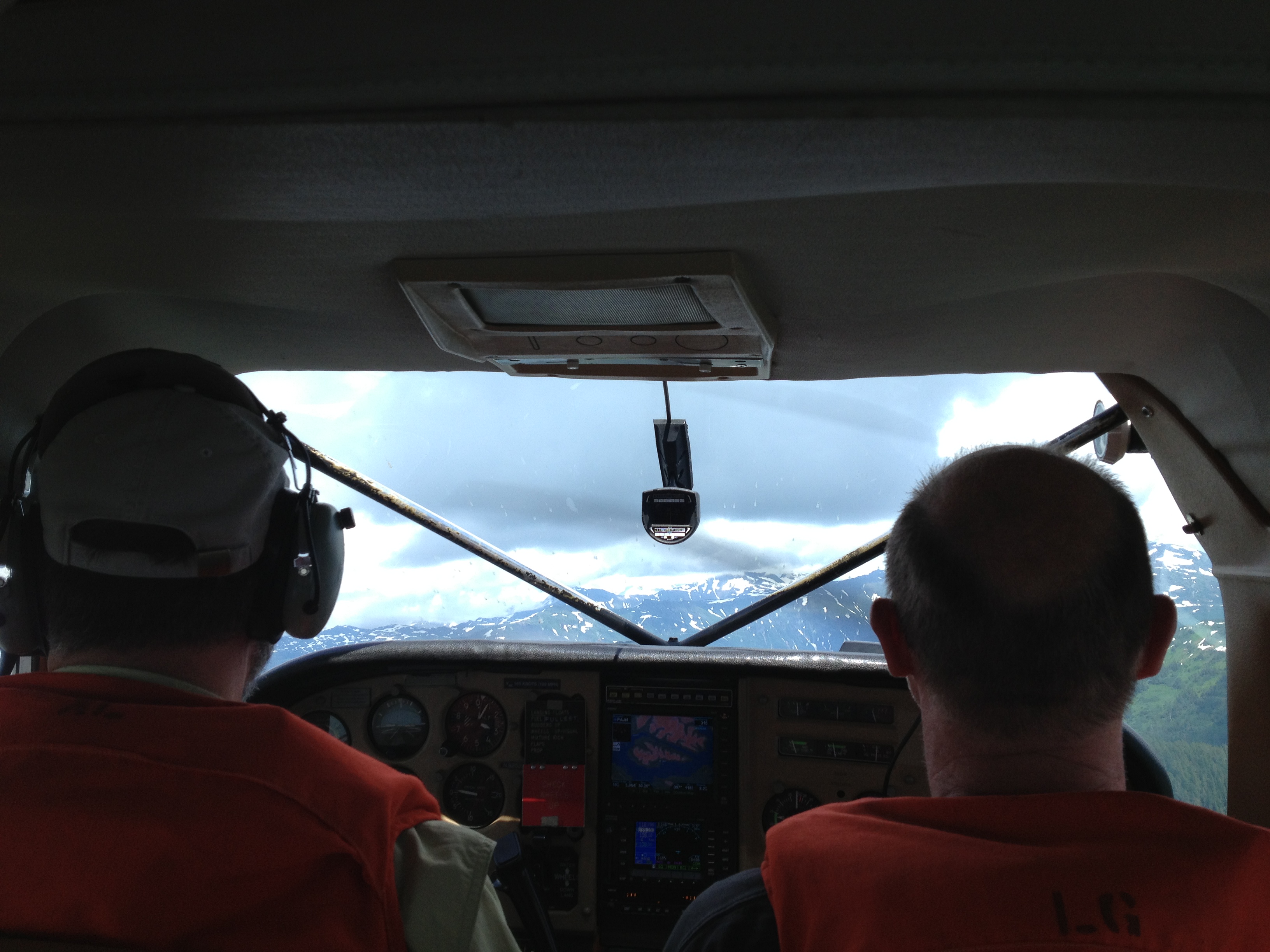
was hot and the horse flies were terrible. But we loaded the float
plane and took off for a 30 minute flight.

We unloaded
and got ourselves set up at camp
https://timistravels.wordpress.com/2013/07/03/camp-life-windfall-island/
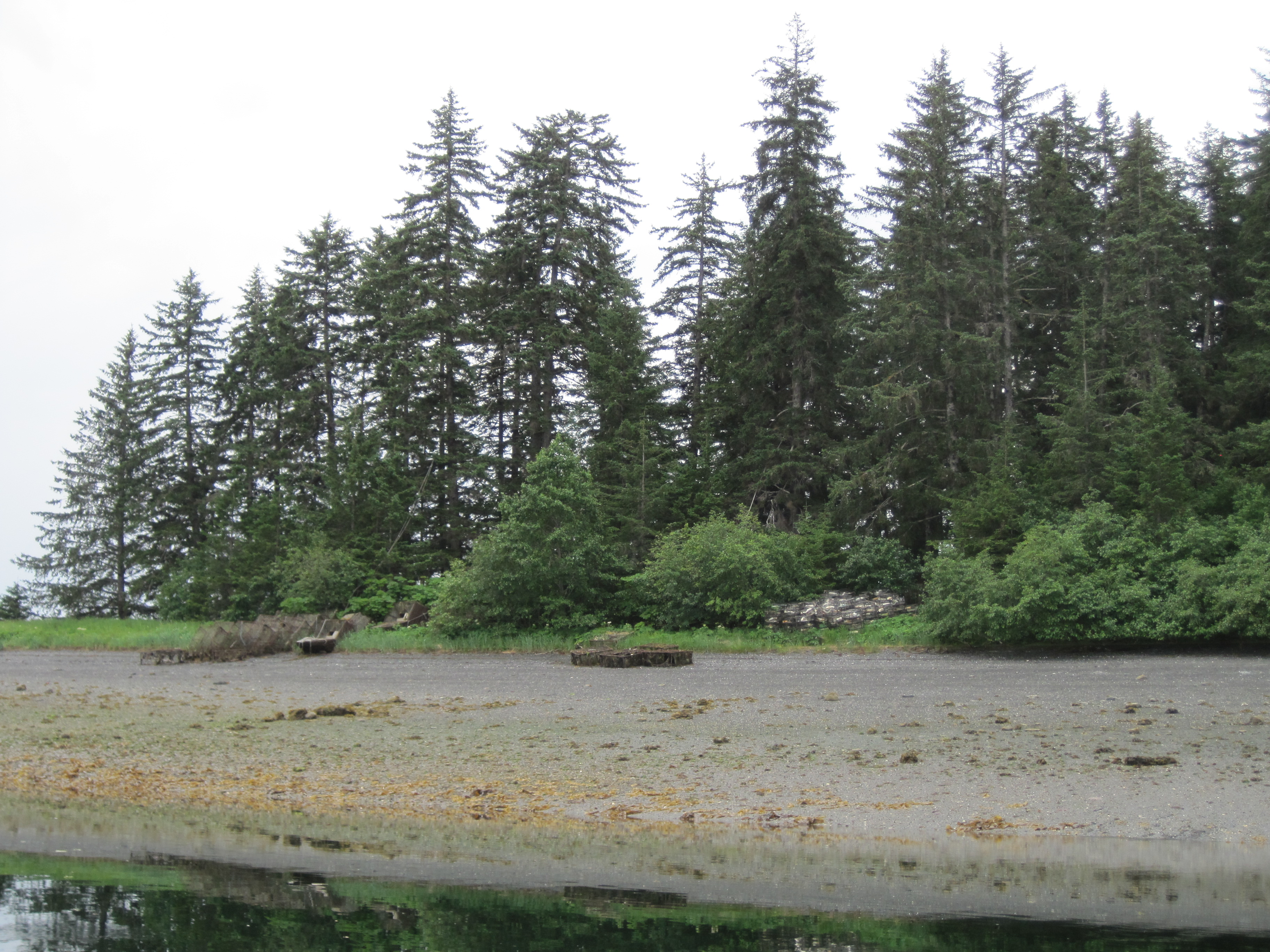
then we got in the skiff and visited Windfall Harbor, what a
beautiful area.

IMG_9823crabbers

you can see all the crab
pots here.

The only sad part were the areas that were
damaged or trashed by the crabbers (professional fisherman that
collect/sell crabs). They toss their extra crab pots in the woods
along with other junk and just leave it. They often trash the
campsite with their garbage and don’t clean up after themselves. It
is just a bit sad.
IMG_9921

sun setting on
Windfall

IMG_9948

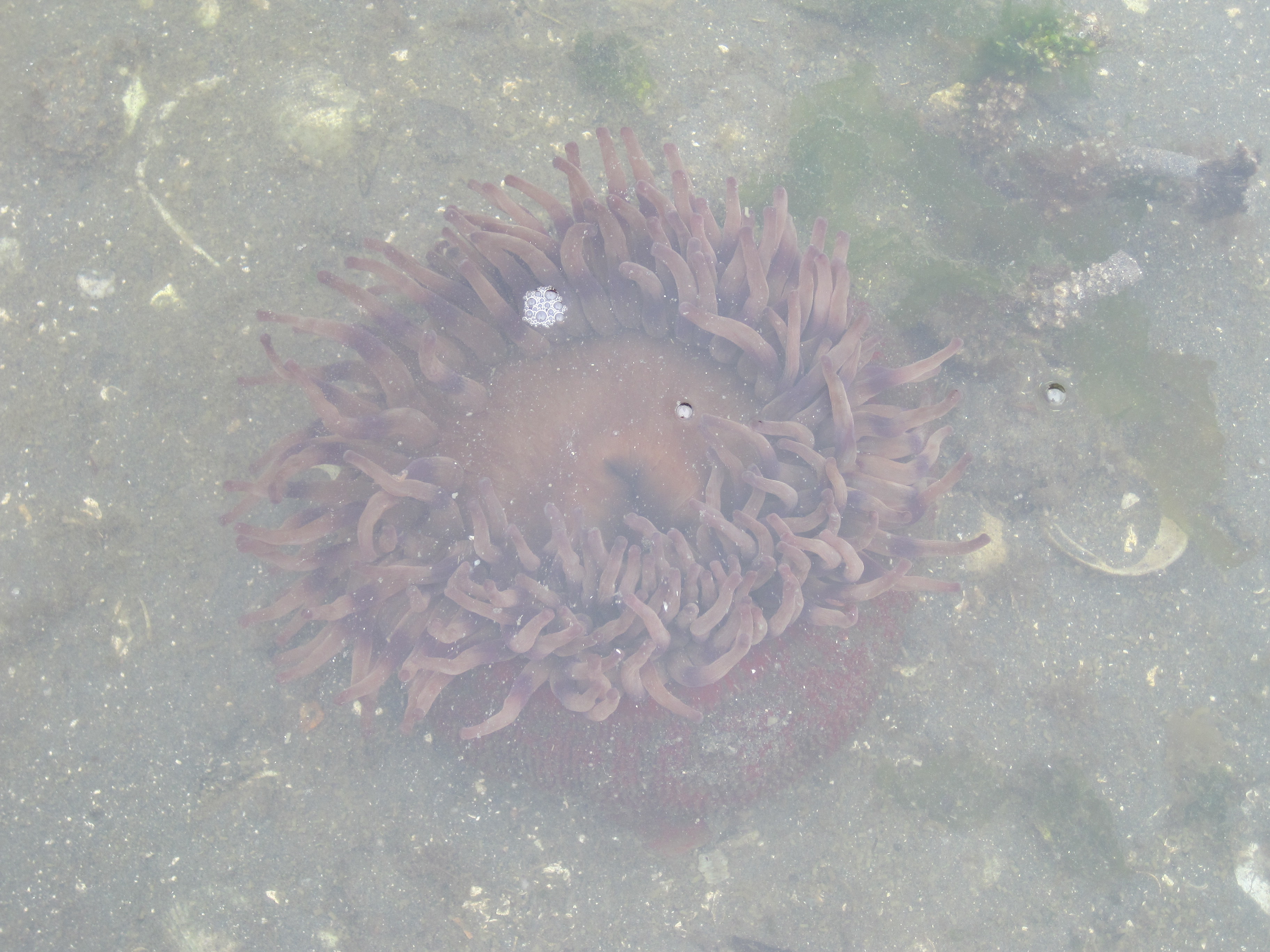
sea anemone in the
water

IMG_9966SA

sea anemone in the
water

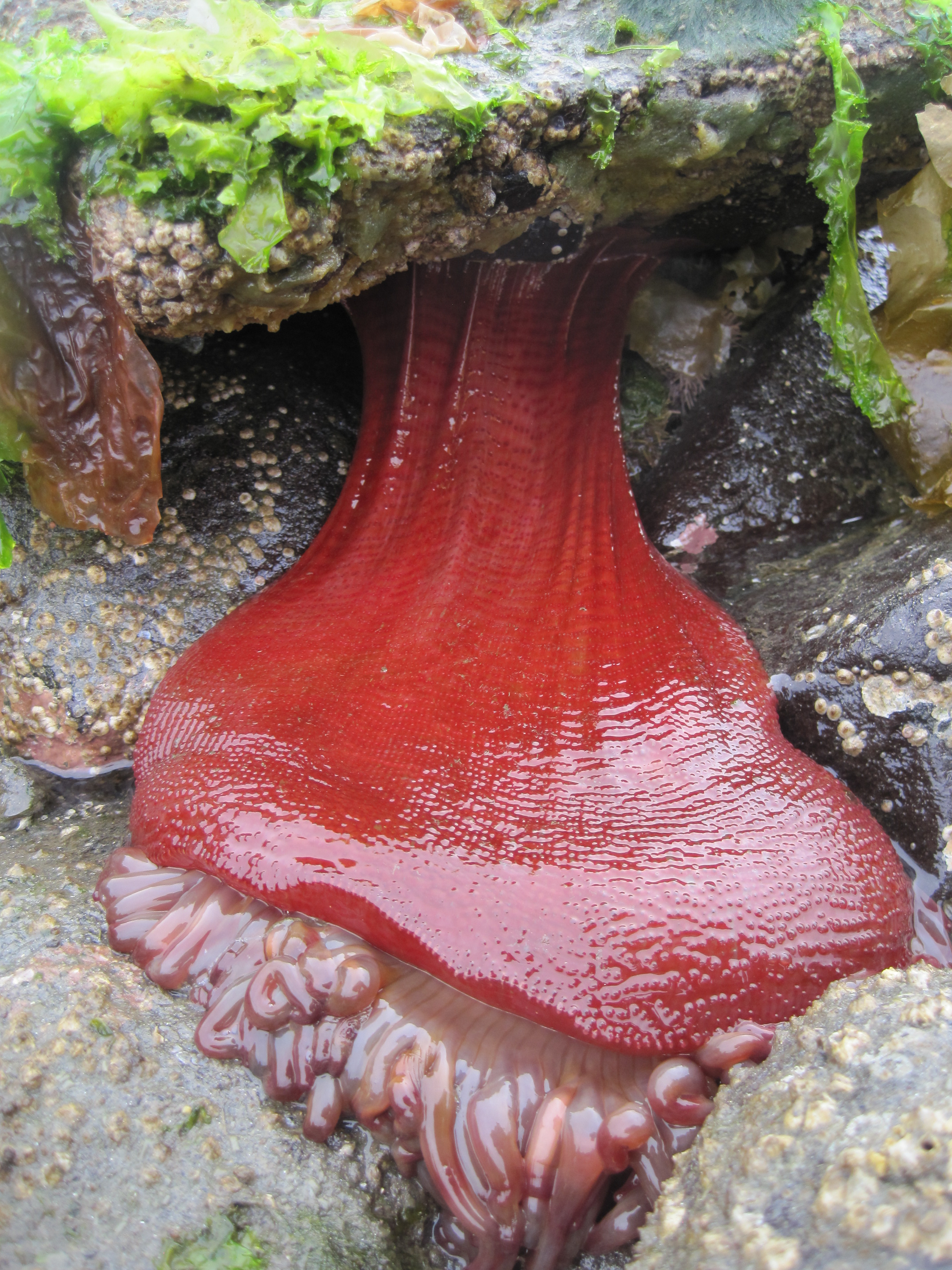
IMG_9969sa

sea anemone out of water
on high tide

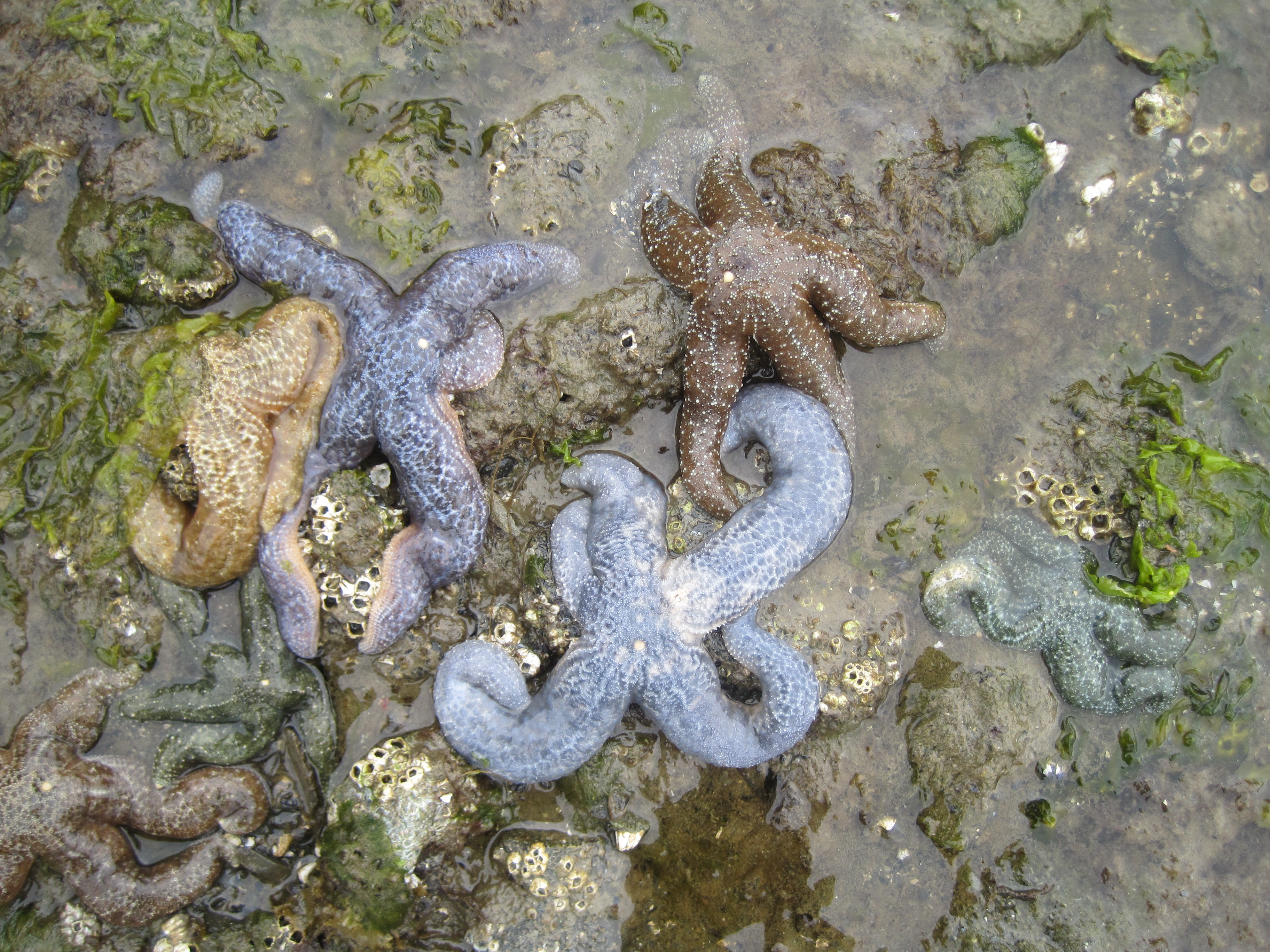
IMG_10062*

star fish

On the
next day we set out to do the work that Harry needed to complete.
But before we did we stopped to take advantage of the low tide and
view the sea anemone’s at low tide, such interesting looking
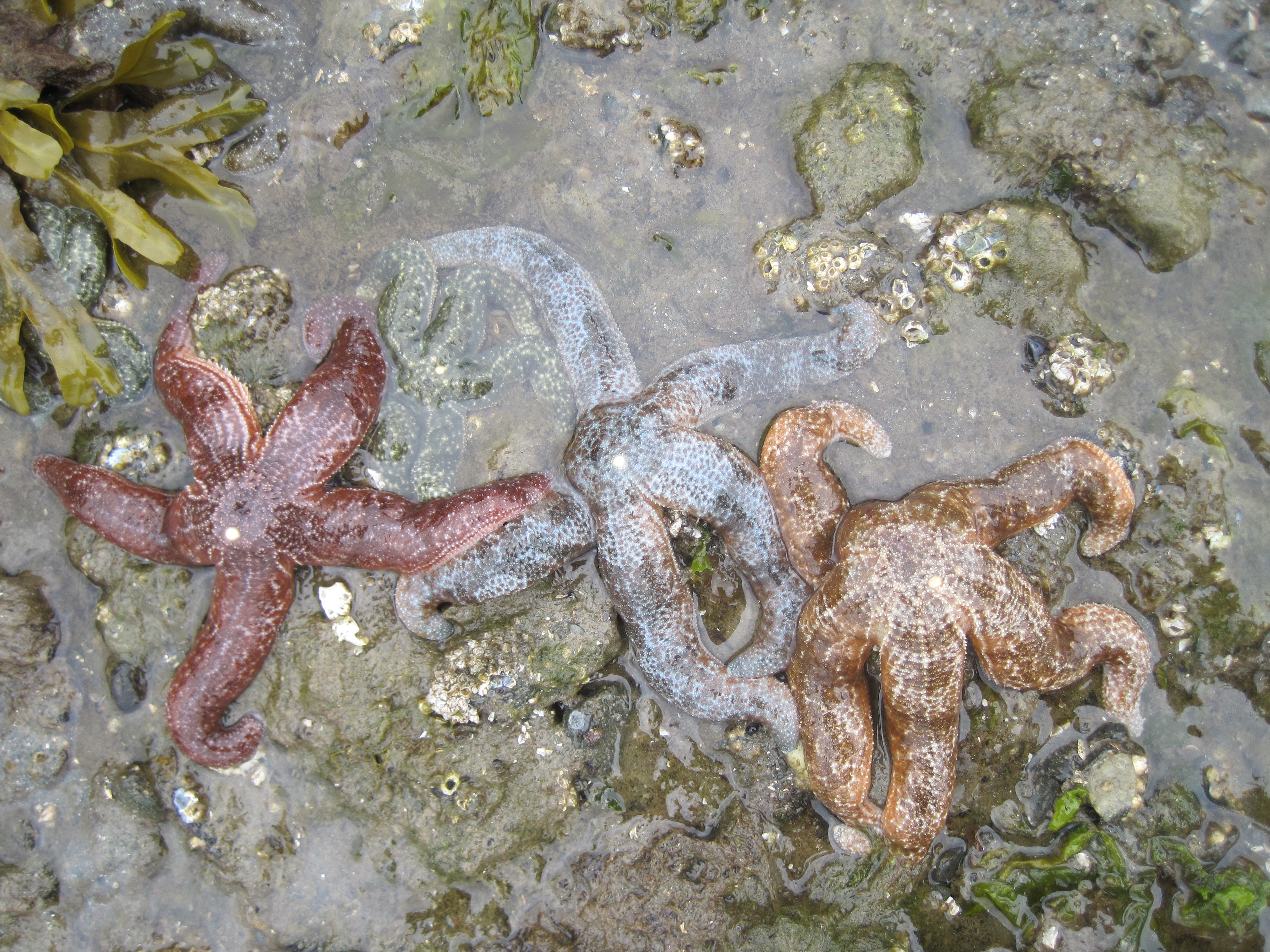
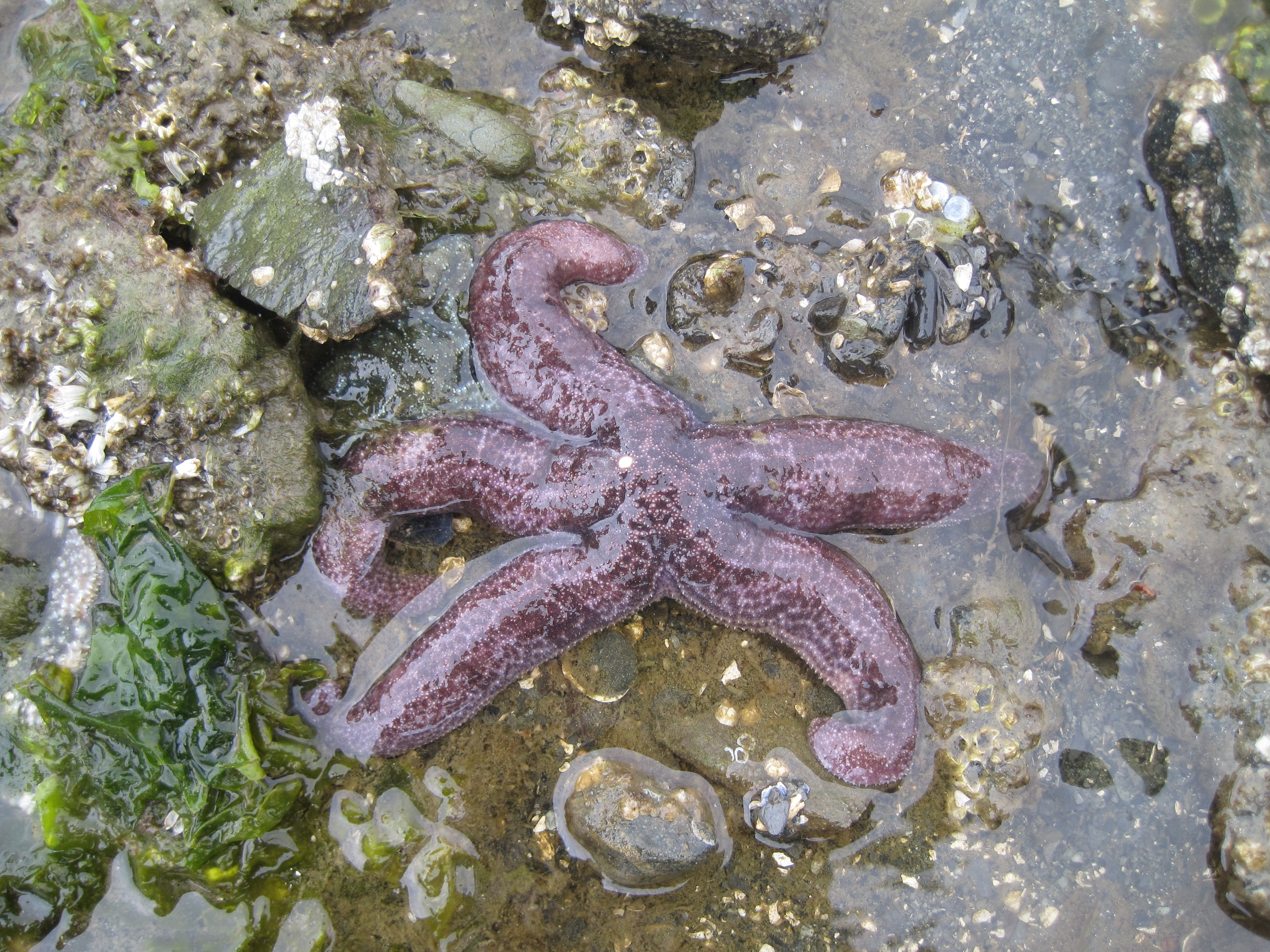
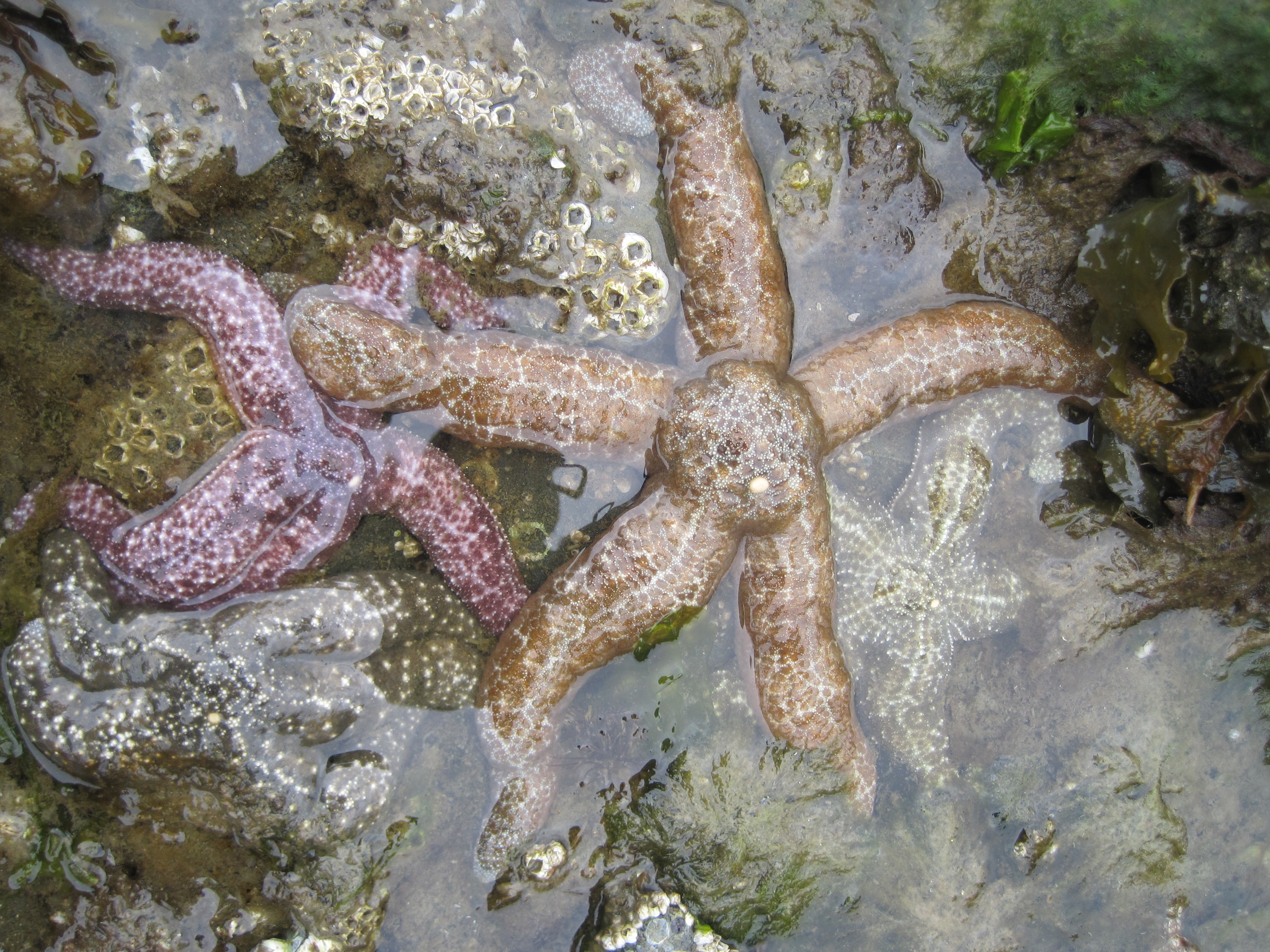
creatures. We also got a good view of many, many, many starfish.
IMG_10063* IMG_10065* IMG_10064* IMG_10066*
IMG_9965mink

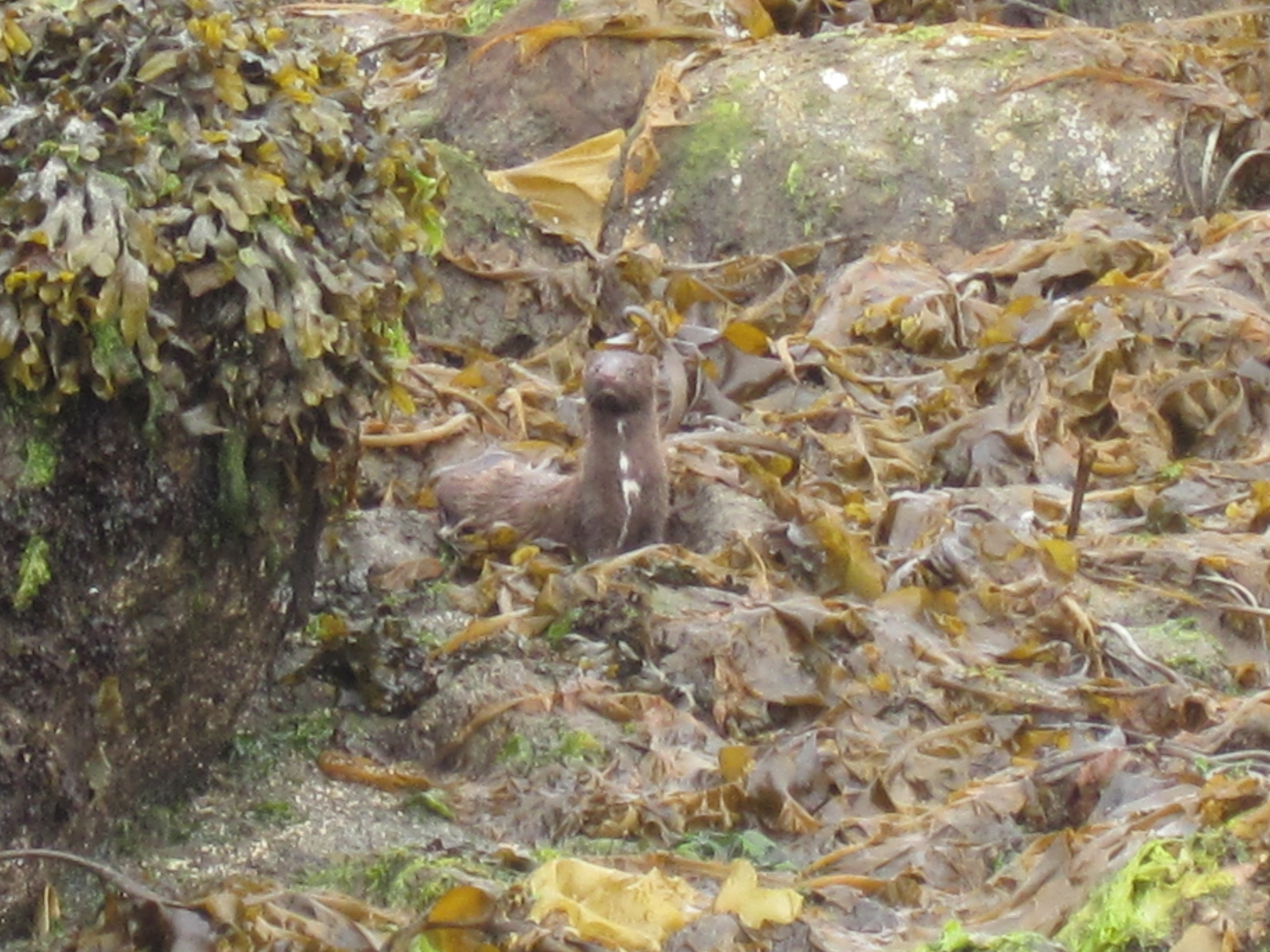
do you see the
mink?

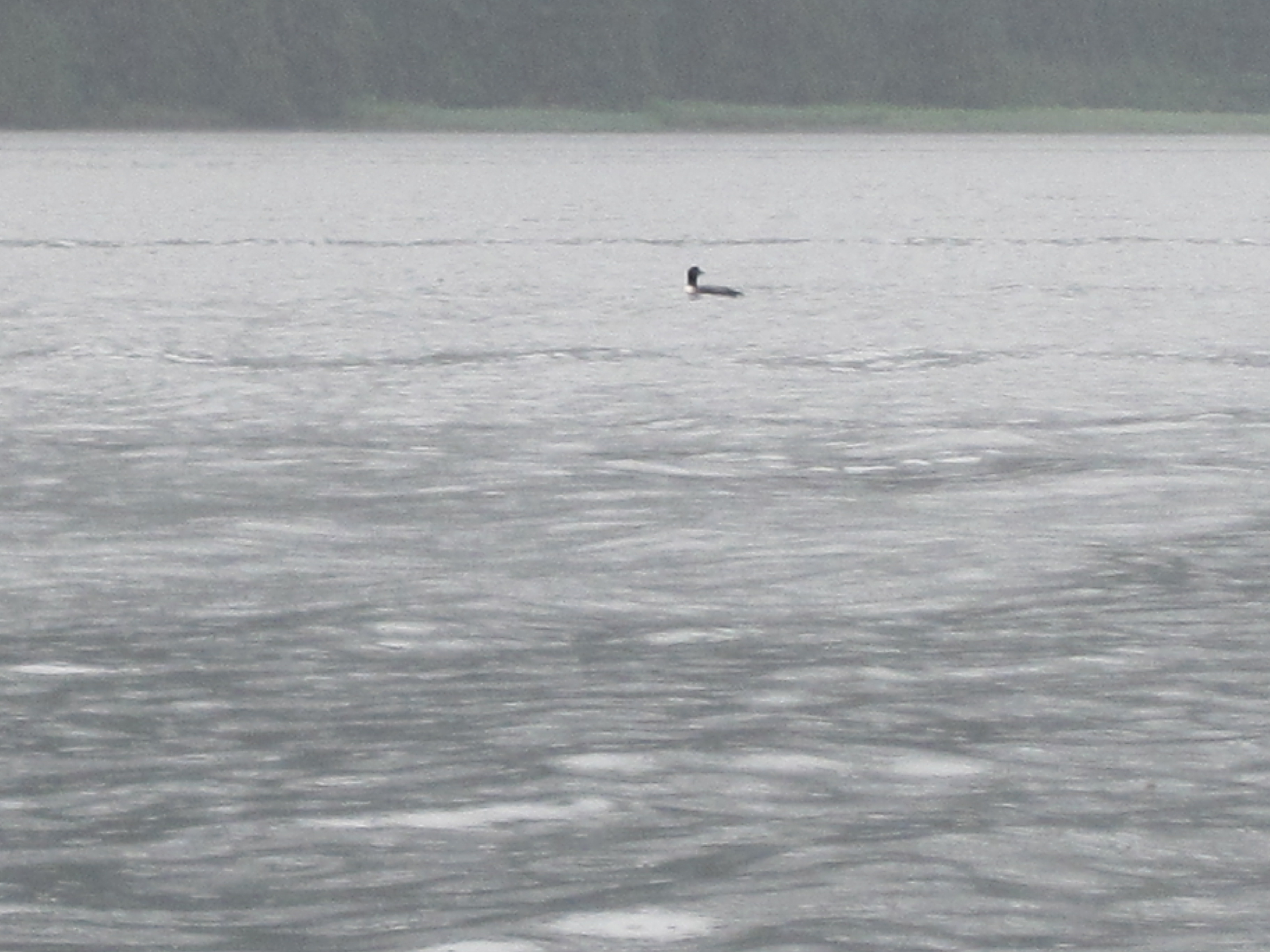
IMG_10031loon

wish you could hear the
loon

We then went
exploring around the area, up and down Seymour Canal. We started up
in Pleasant Bay, then past the Bug Islands, into Fools Inlet and up
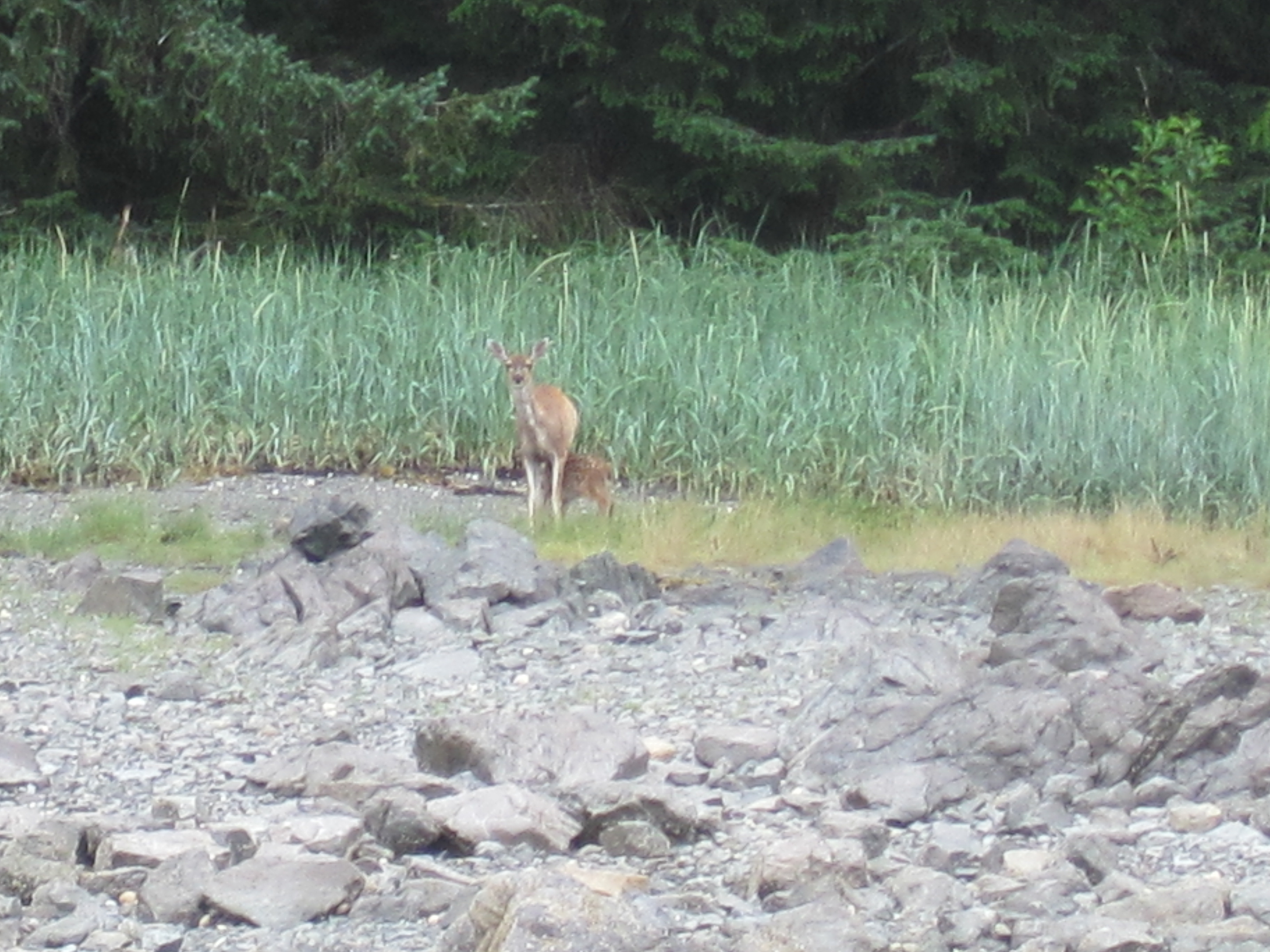
to Olivers Inlet. Along the way I saw a mom deer nursing her fawn,
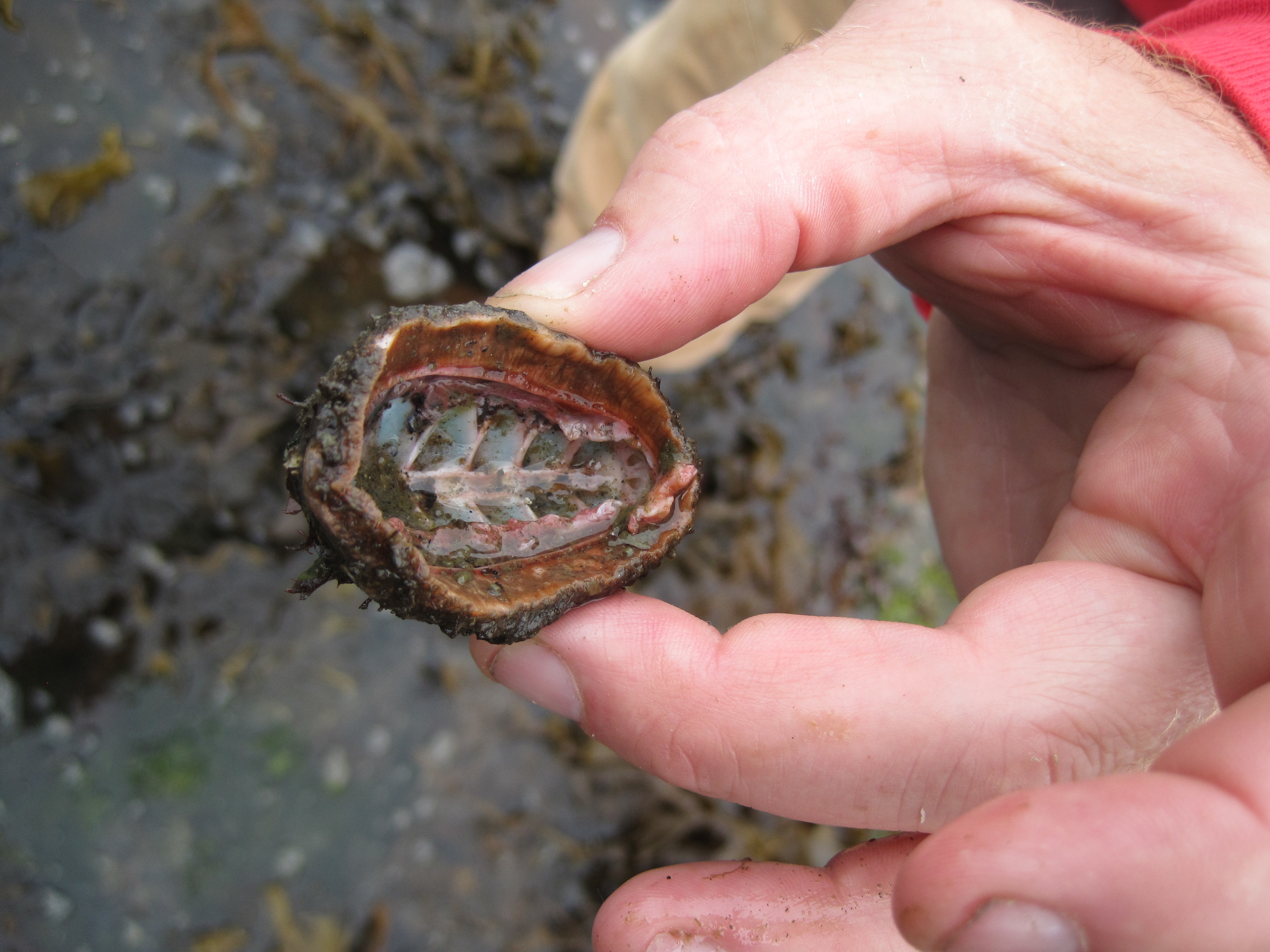
found gumboots both eaten and uneaten at low tide, we saw and heard
loons and 100’s of bald eagles. I learned that Seymour Canal has
more bald eagles per square mile than anyplace else in the world
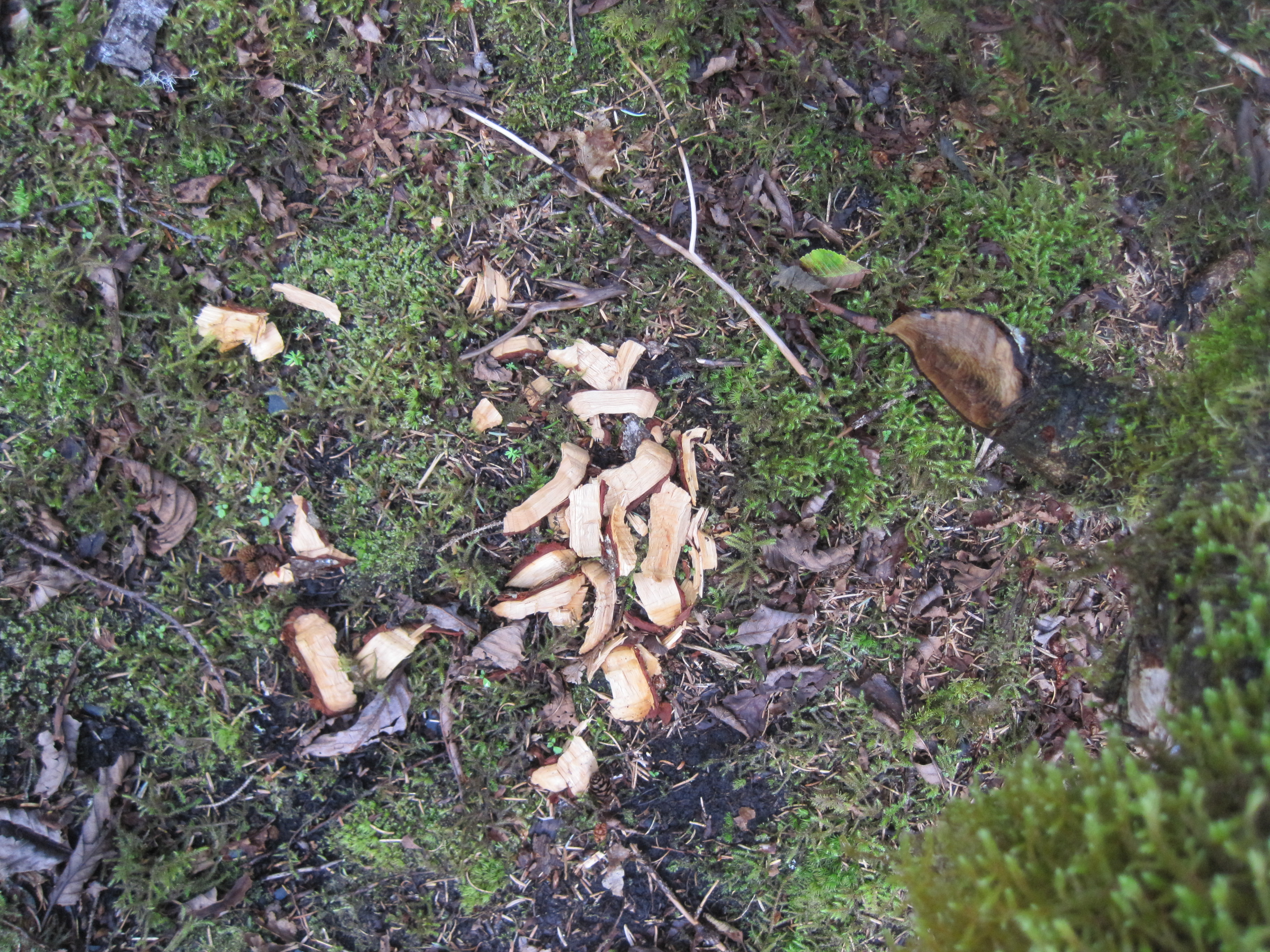
(according to Fish and Wildlife). We saw wildflowers, beaver
activity and even a skeleton of a deer that had not made it through
winter. We came across beautiful meadows and a salt chuck that was
amazing. Each time you turned a corner there was a breathtaking
view.We heard and saw loons throughout the trip, as well as a mink
or two on shore occasionally. The trip was just full of
nature.

IMG_9993momfawnnursing

mama deer nursing her
fawn

IMG_9970gumboot eaten

gumboot

IMG_9954us saltchuck

the salt chuck behind
us

IMG_9952beaver work

busy beavers


IMG_9956deer carcuss

deer skeleton


IMG_9916blue ger

wild blue
geranium

IMG_9859deer tracks

deer tracks on many of the
beaches

safe_image.php

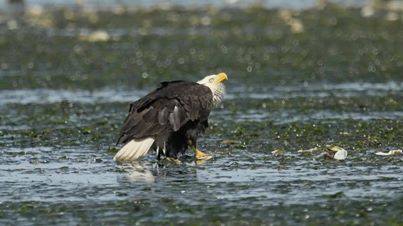
eagles were everywhere in
the area.

IMG_9865hotspots

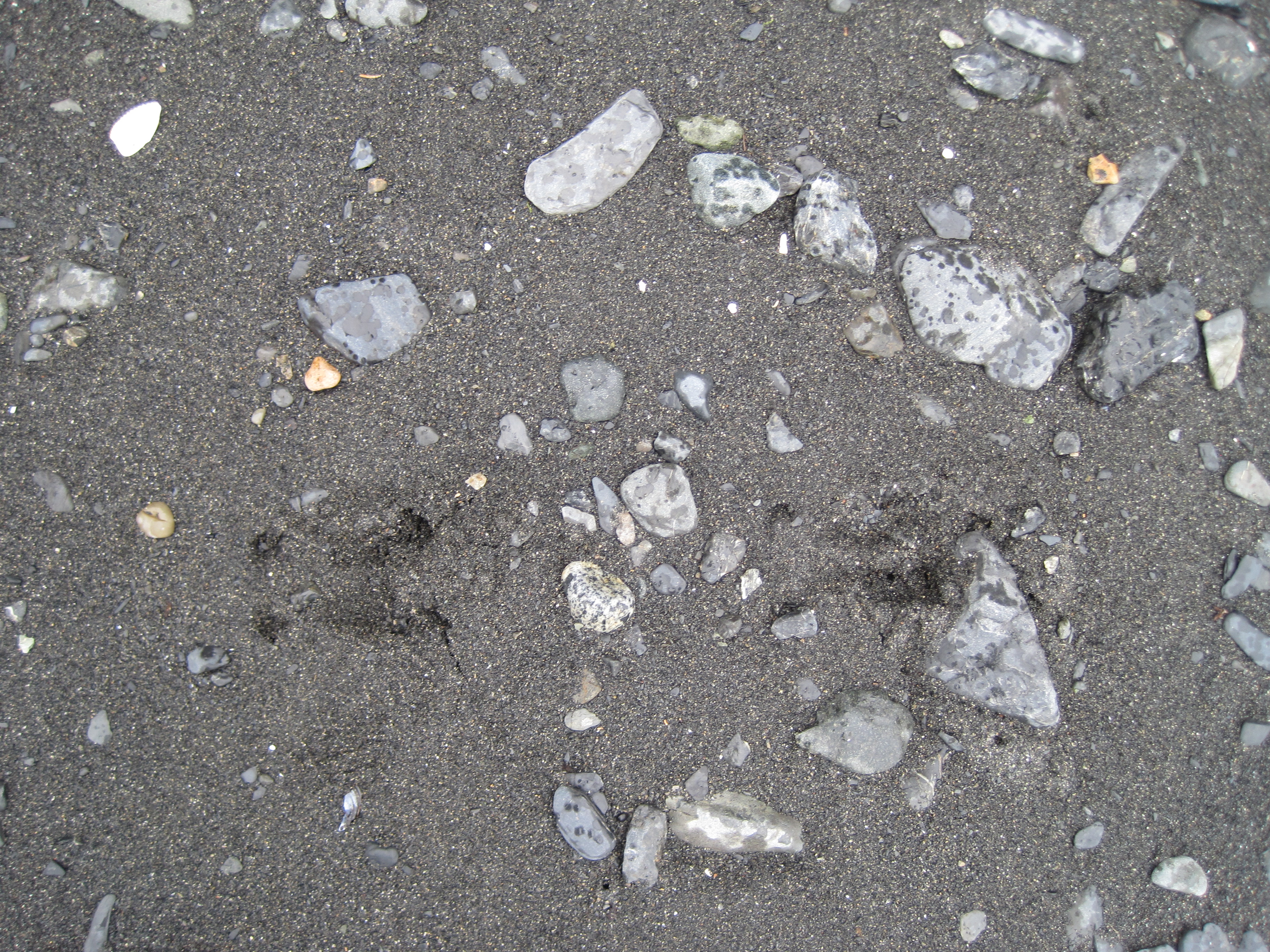
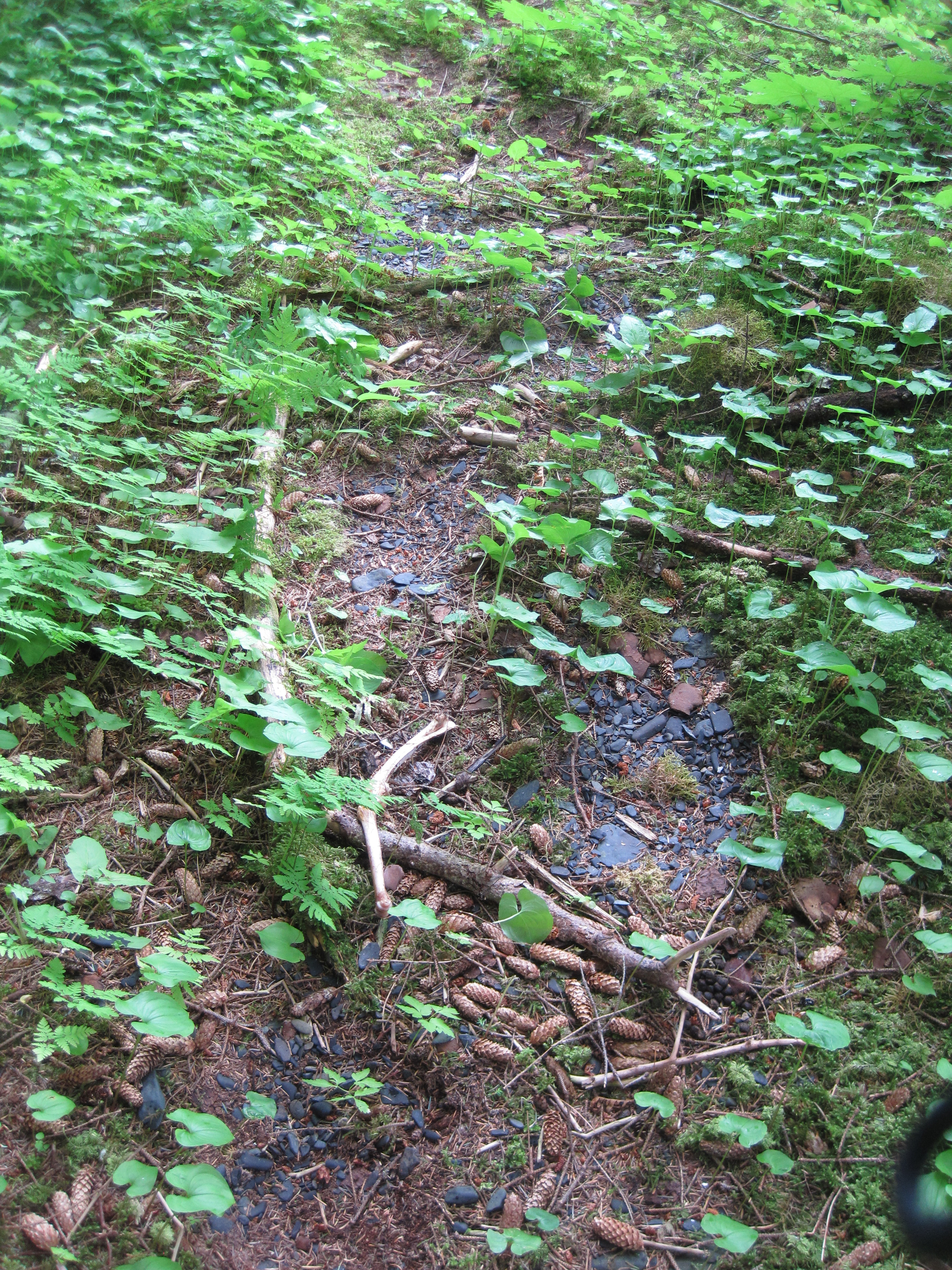
brown bear follow the same
path over and over and over and over again, and you begin to see
these pad marks in the ground.

Last but not least were the brown
bears. We saw many of them on this adventure, but you will have to
visit this blog to read more about them:
https://timistravels.wordpress.com/wp-admin/post.php?post=2536&action=edit&message=6&postpost=v2

1 Comment »

Pack Creek Brown Bear Viewing Area

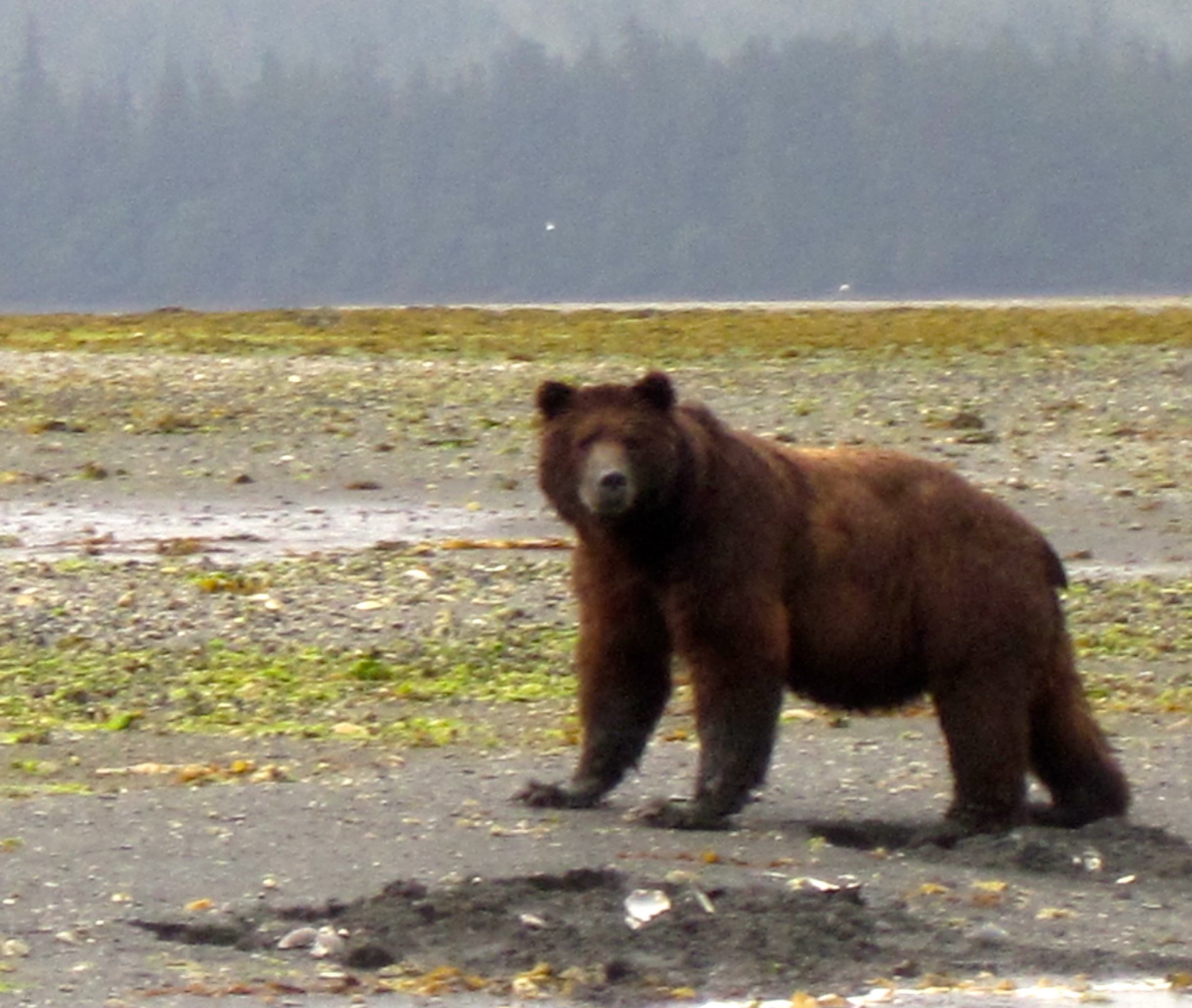
After meeting my husband I have become more and more interested in brown bears and less and less frightened of them.  Pack Creek is on Admiralty Island about 30 miles south of Juneau.   Also called “Kootznoowoo,” (hence our chocolate lab was named Kootz) or “Fortress of the Bears,” by the native Tlingit people, Admiralty has more brown bears per square mile than any where else in the world, about 1,500 in total, more than all the lower 48 states combined. IMG_10081bear clam look

This area was first homesteaded by Stan Price and because of his interaction with the brown bear the bear are much more habituated to humans  and the area provides a protected space for the brown bears. IMG_10059homestead

Both the US Forest Service and Alaska Department of Fish & Game work to insure that visitors can come to the area and yet have  minimal impact to brown bears.

IMG_0895 IMG_0888 IMG_10179cubs

IMG_9779fly us

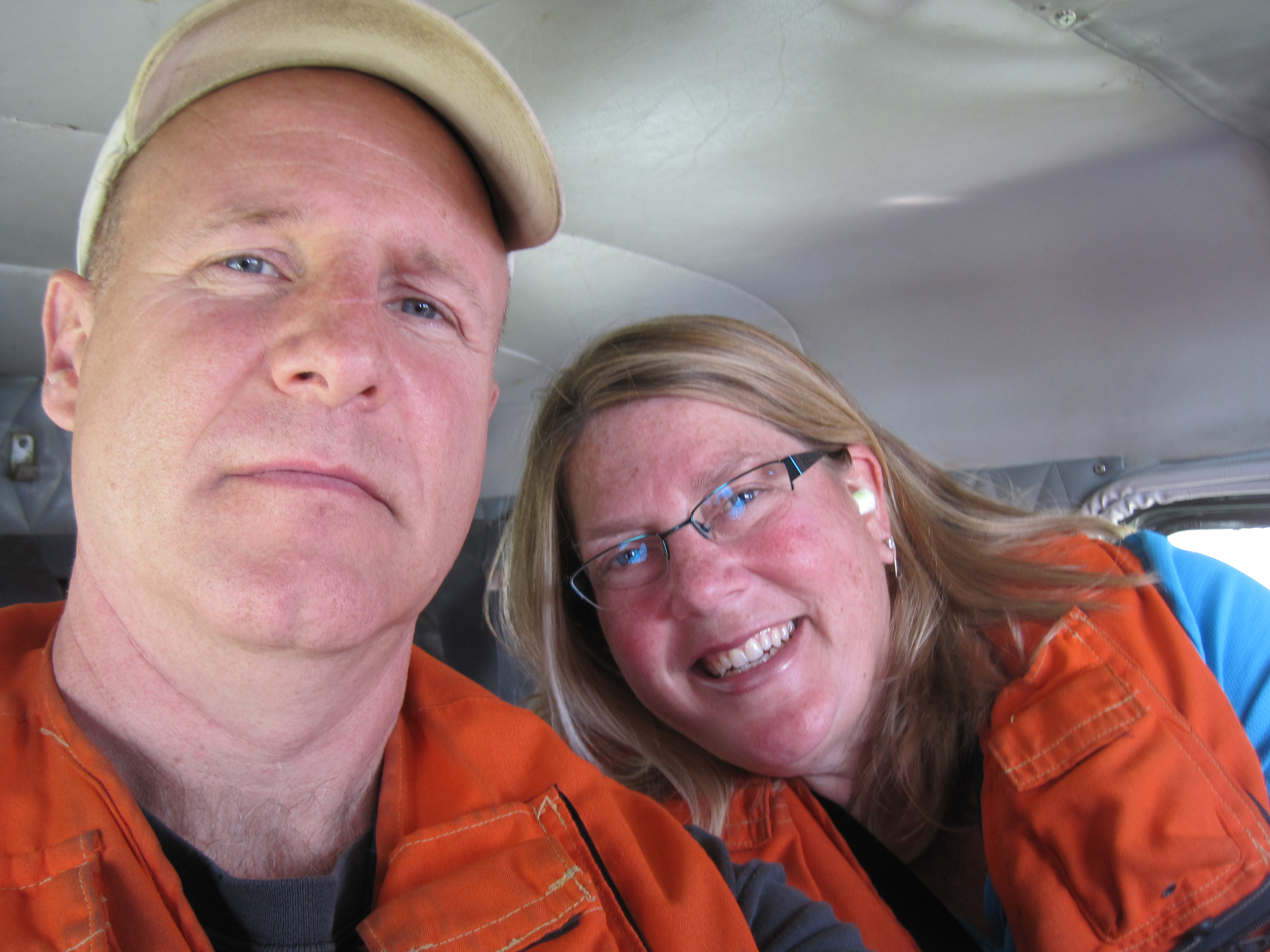
our flight out, note the ear plugs, a must on small planes

IMG_9775fly

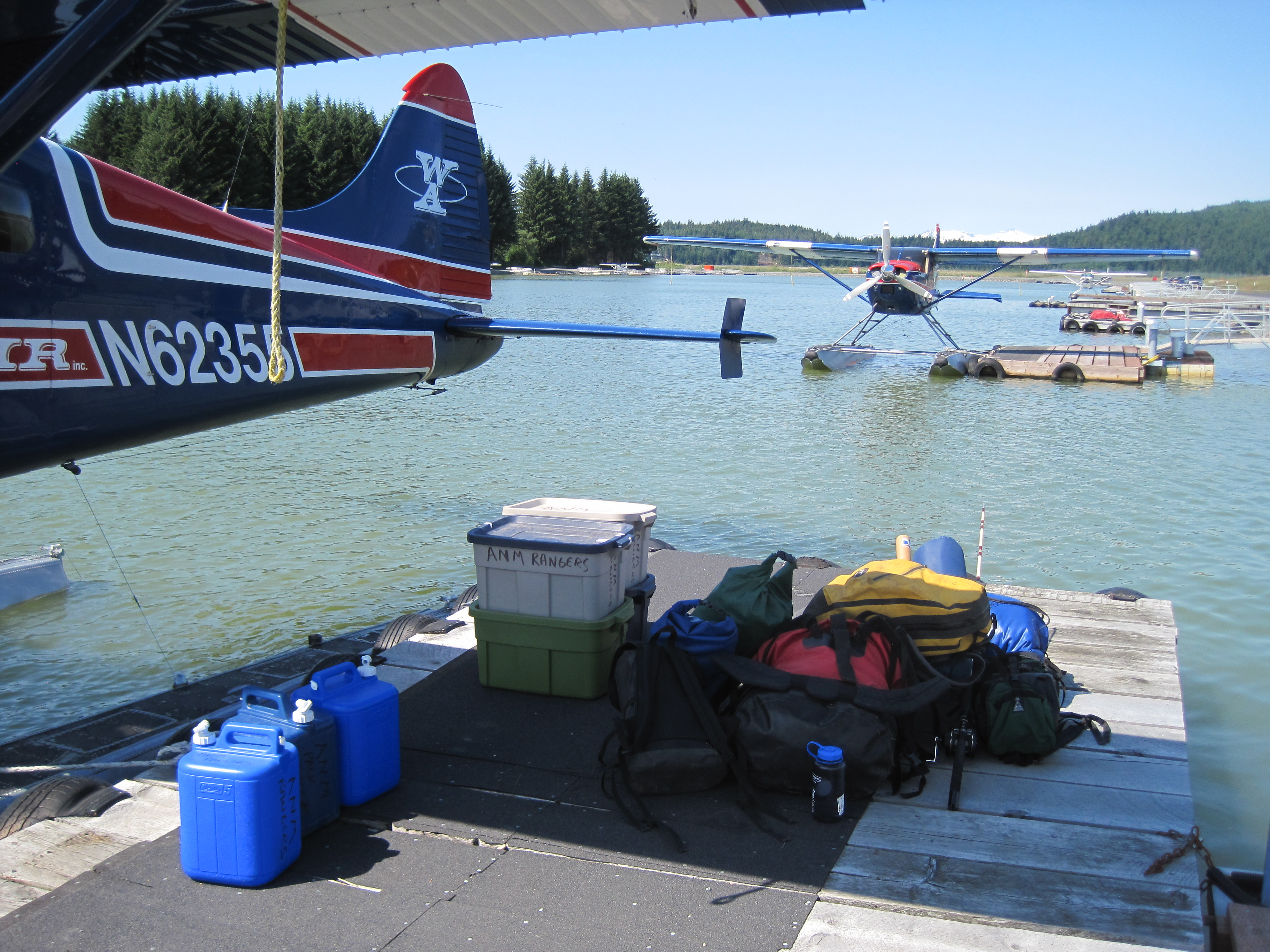
essential items flying with us to camp, including all our food and some fresh water.

IMG_9770fly

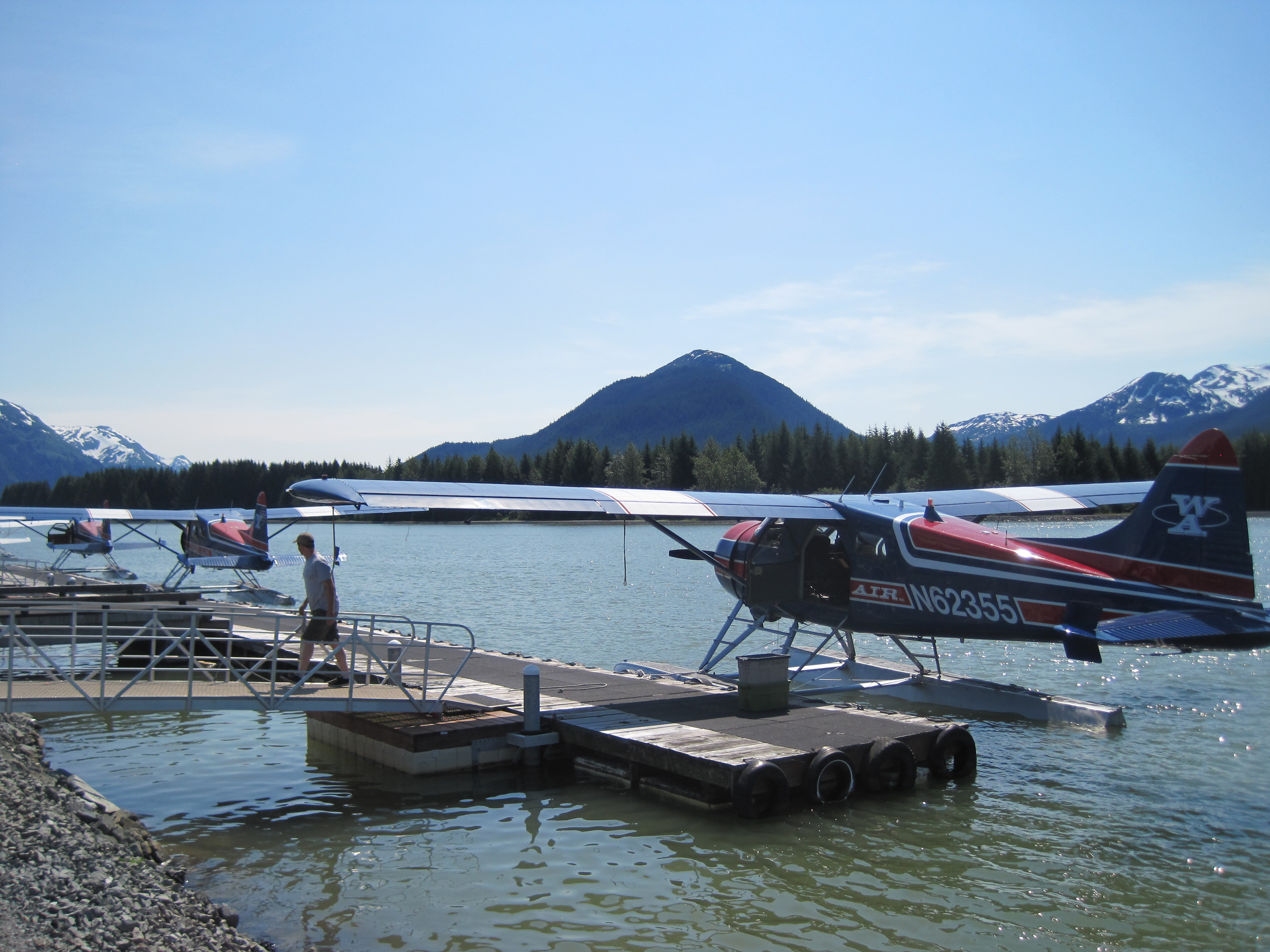
our plane at the float pond in Juneau

IMG_9768fly

loading the plane

IMG_0947

off we go

You must have a permit to visit Pack Creek between June 1 and Sept. 10 and you can get them by visiting Recreation.gov or calling their toll free number 1-877-444-6777.   People can also sign up with a tour guide in Juneau.  Individual then must figure out how they will get to Pack Creek, most come by plane but many also arrive via boats of some kind.

IMG_10208fly packcreek

a view of Pack Creek and mud flats from the air

Pack Creek is formed from the snow that starts about 4000 feet above and descends into Seymour Canal. At the base is about a 400-acre mud flat that is especially visible at low tide.  The bear spend a lot of time in flats clamming and looking for other food sources UNTIL the fish arrive.  Typically the BEST  bear viewing on Pack Creek is when the pink and chum salmon begin heading back up the river in early July.  My husband had seen a fish in the river as early as June 30, his colleague, June 28th but as the 3 of use were out at the viewing tower, we saw one on June 26th.  The summer of 2013 is off to a good start for the bears.

IMG_10055sign trailhead

the bears all but destroyed the sign placed here in the 90’s

IMG_10056sign 'pack'

what’s left of the Pack Creek Trail sign

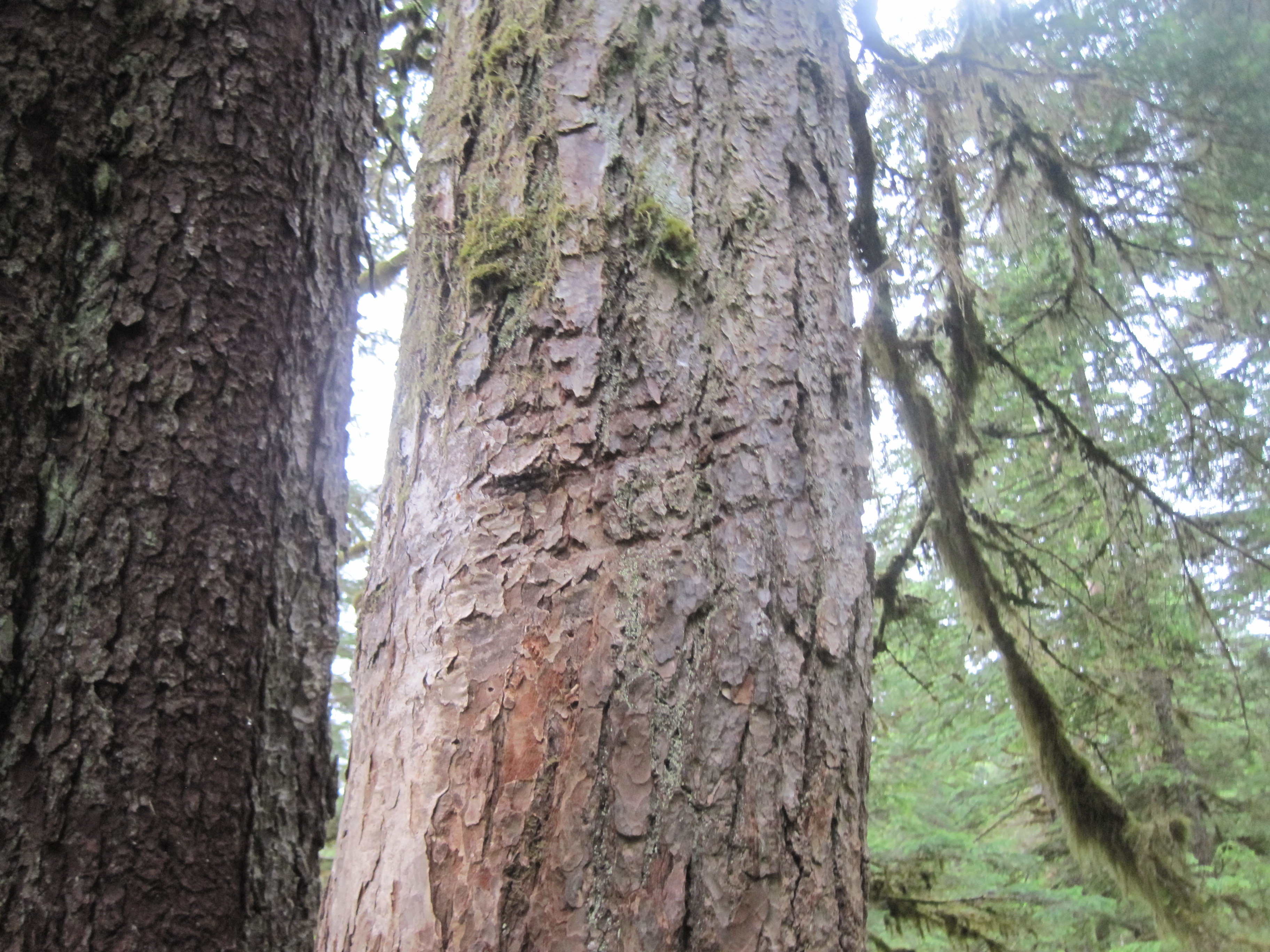
IMG_10054bear scratch tree

signage of bear everywhere, this tree has bear claw marks in it

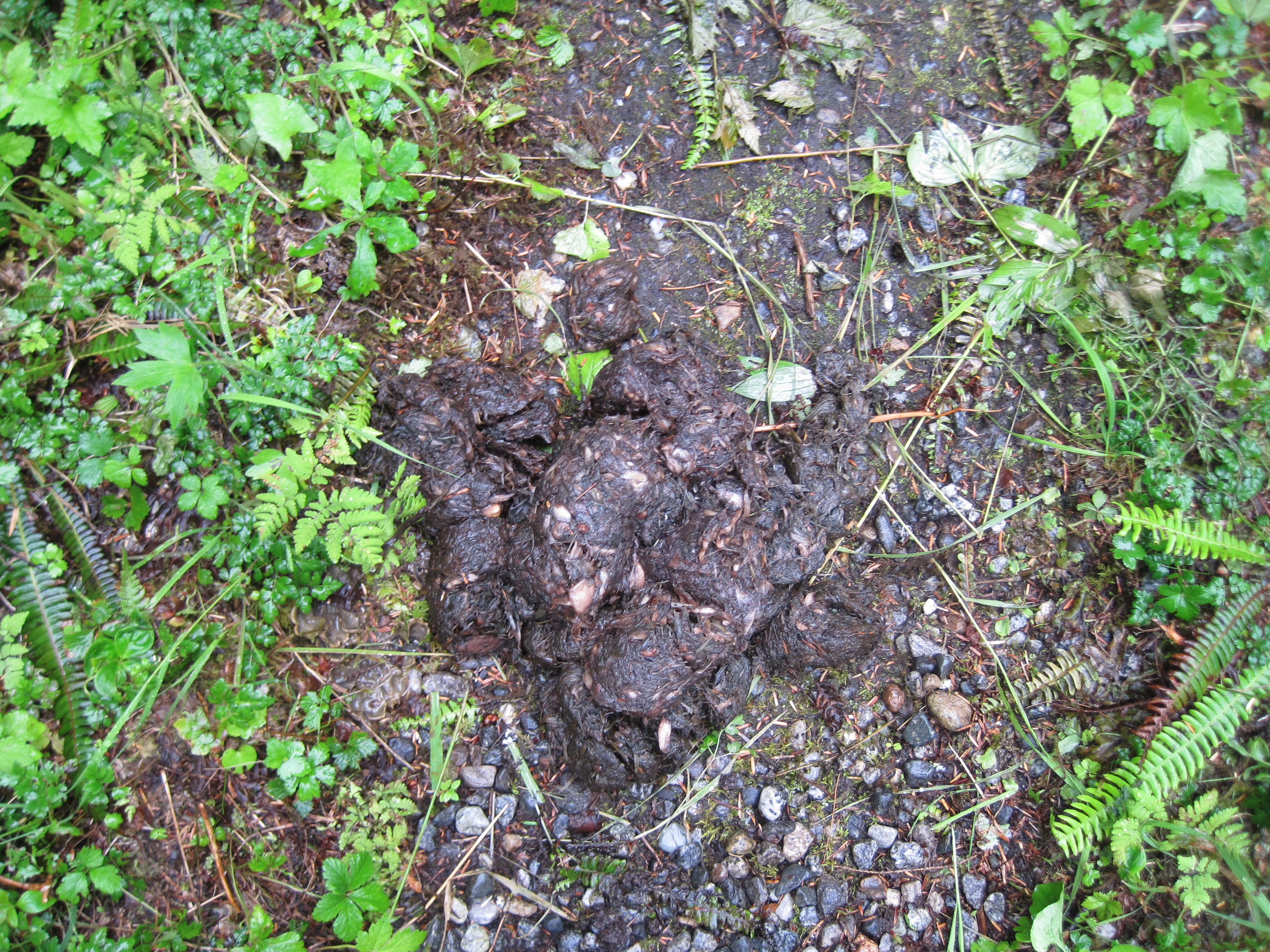
IMG_10043fresh poo

yep bears do poop in the woods and on the walking trail

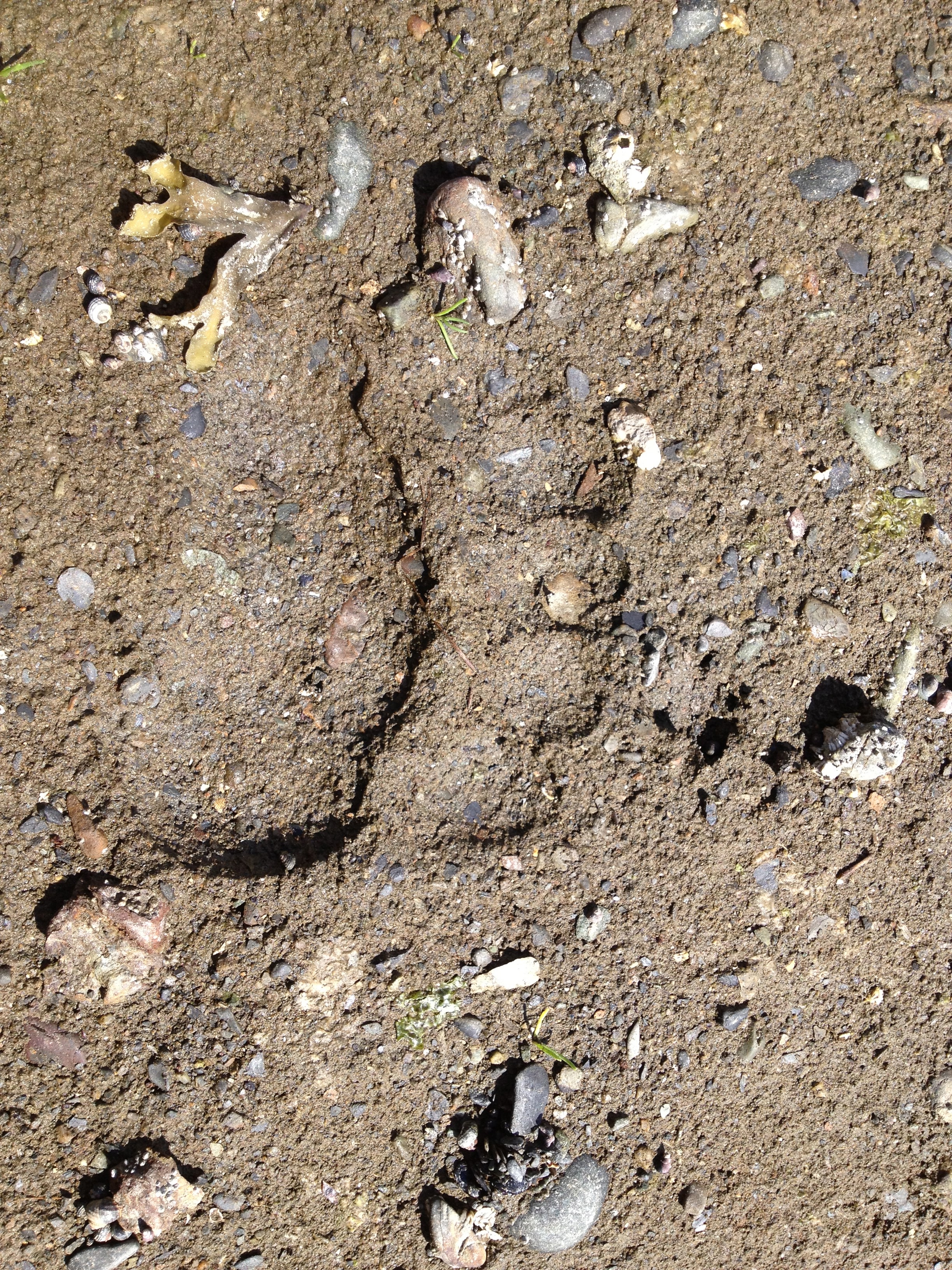
IMG_0941

paw print in the sand

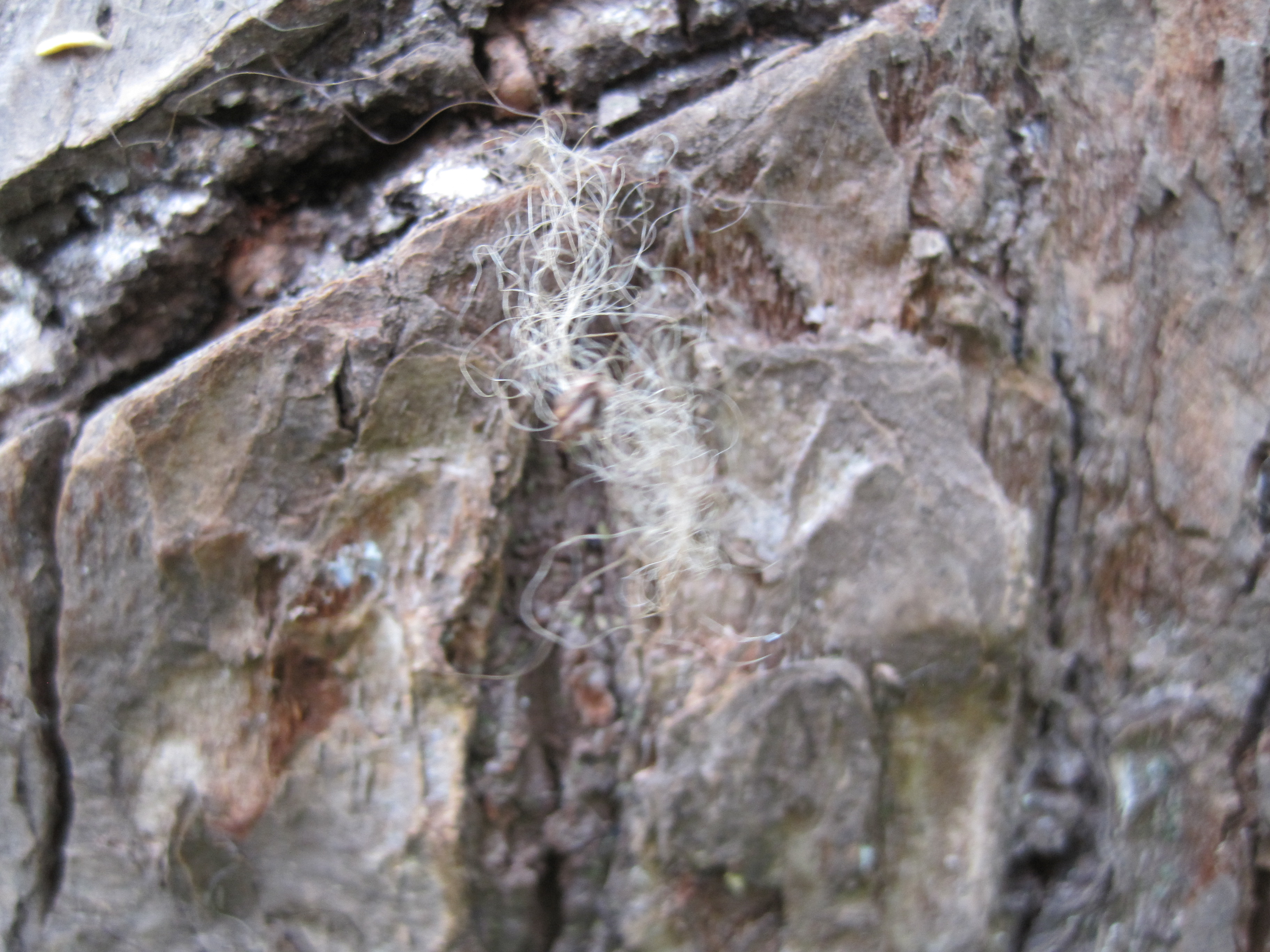
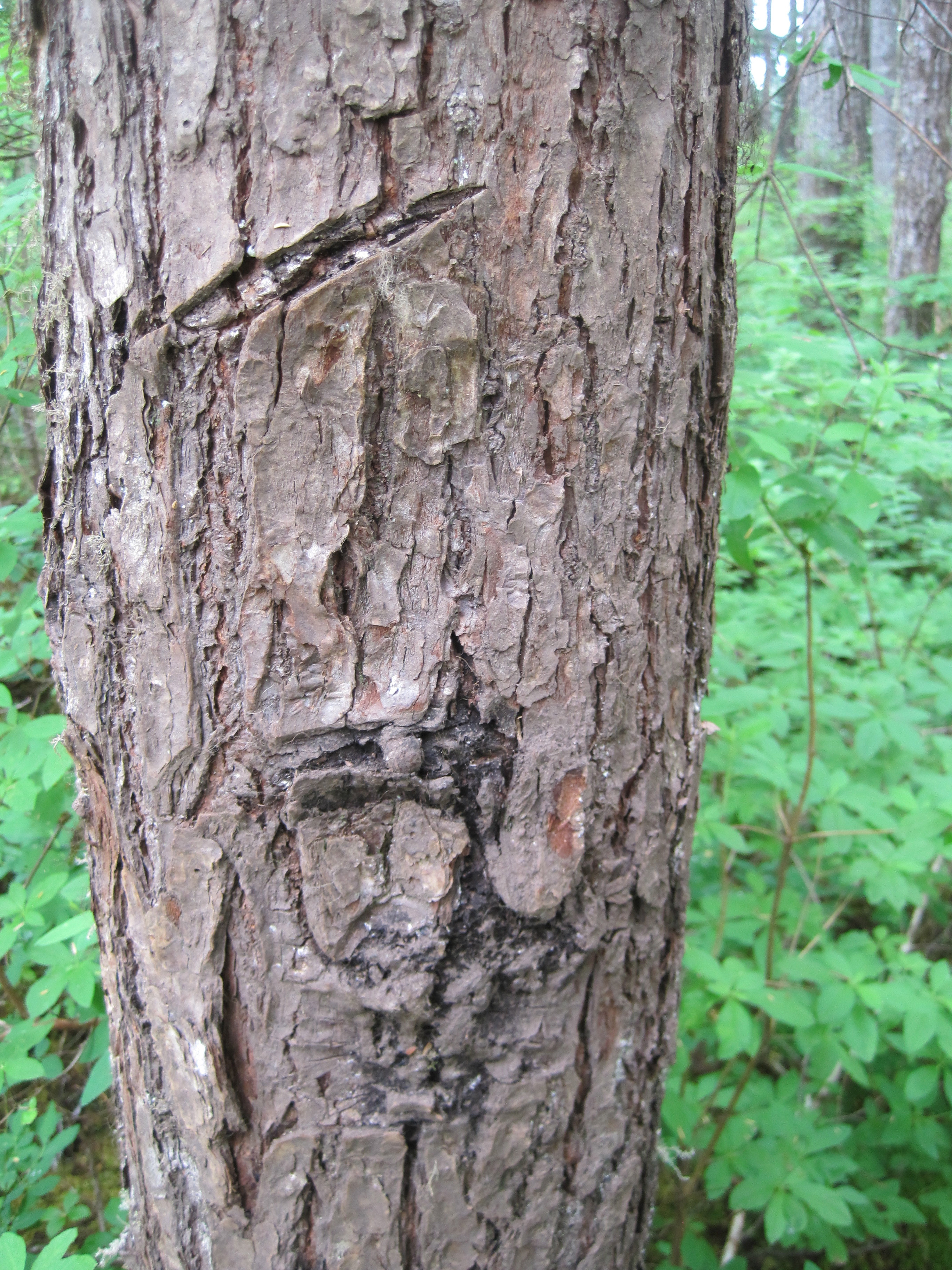
Upon arrival a staff member will meet you and make sure you are aware of all the rules that you must follow to visit this area.  No food can be on you, you are only allowed to walk in certain areas, etc.  The rangers fill you in on what has been recent activity and will lead you to the viewing spit, or direct you to the 1 mile trail to the viewing tower.  The trail to the tower is a MUST do regardless if you see bear or not, walking through the old growth rain forest is something pretty special. IMG_10008bear hair tree IMG_10007bear scratch tree IMG_9924Pcubs

IMG_10077bear clam

clamming!

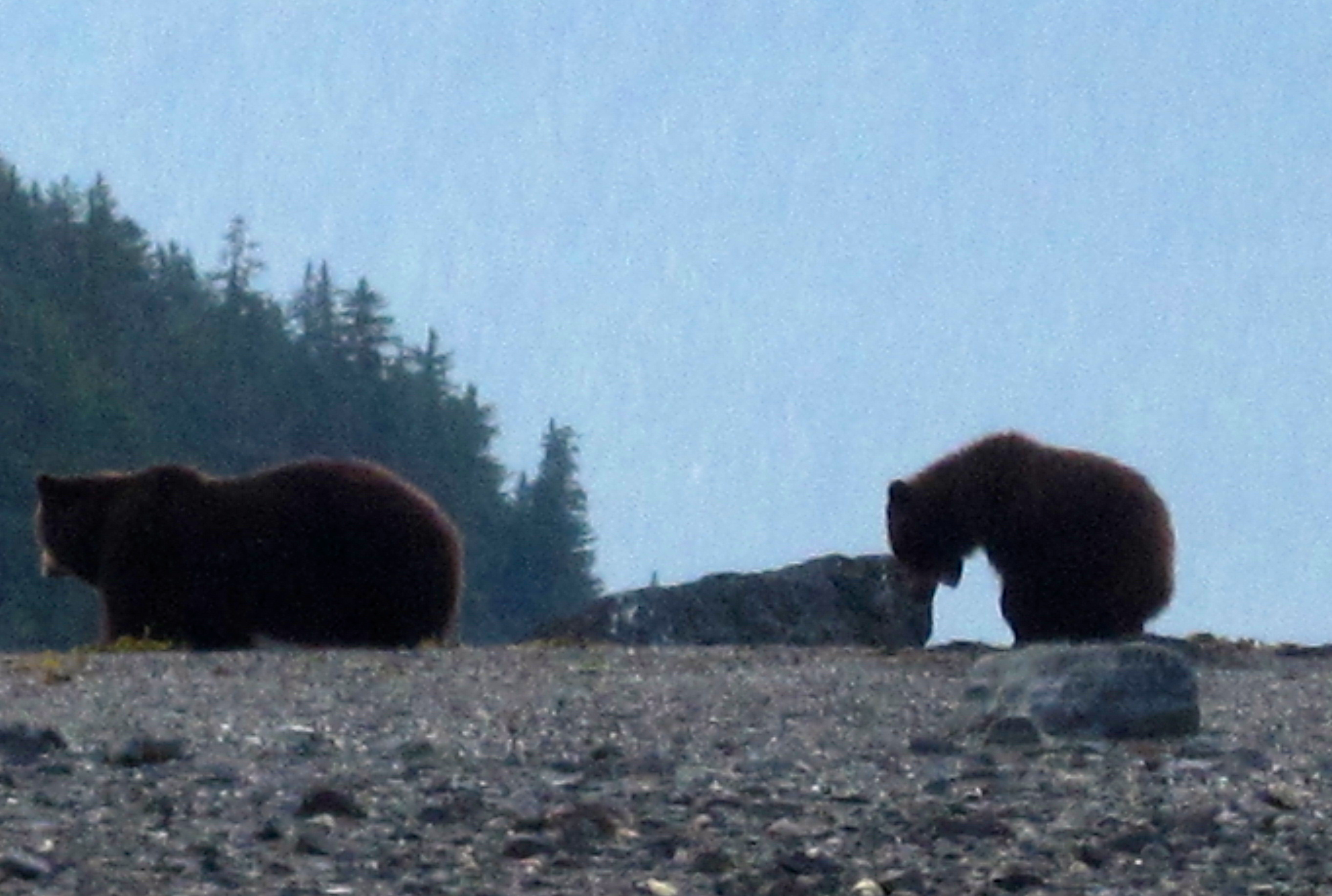
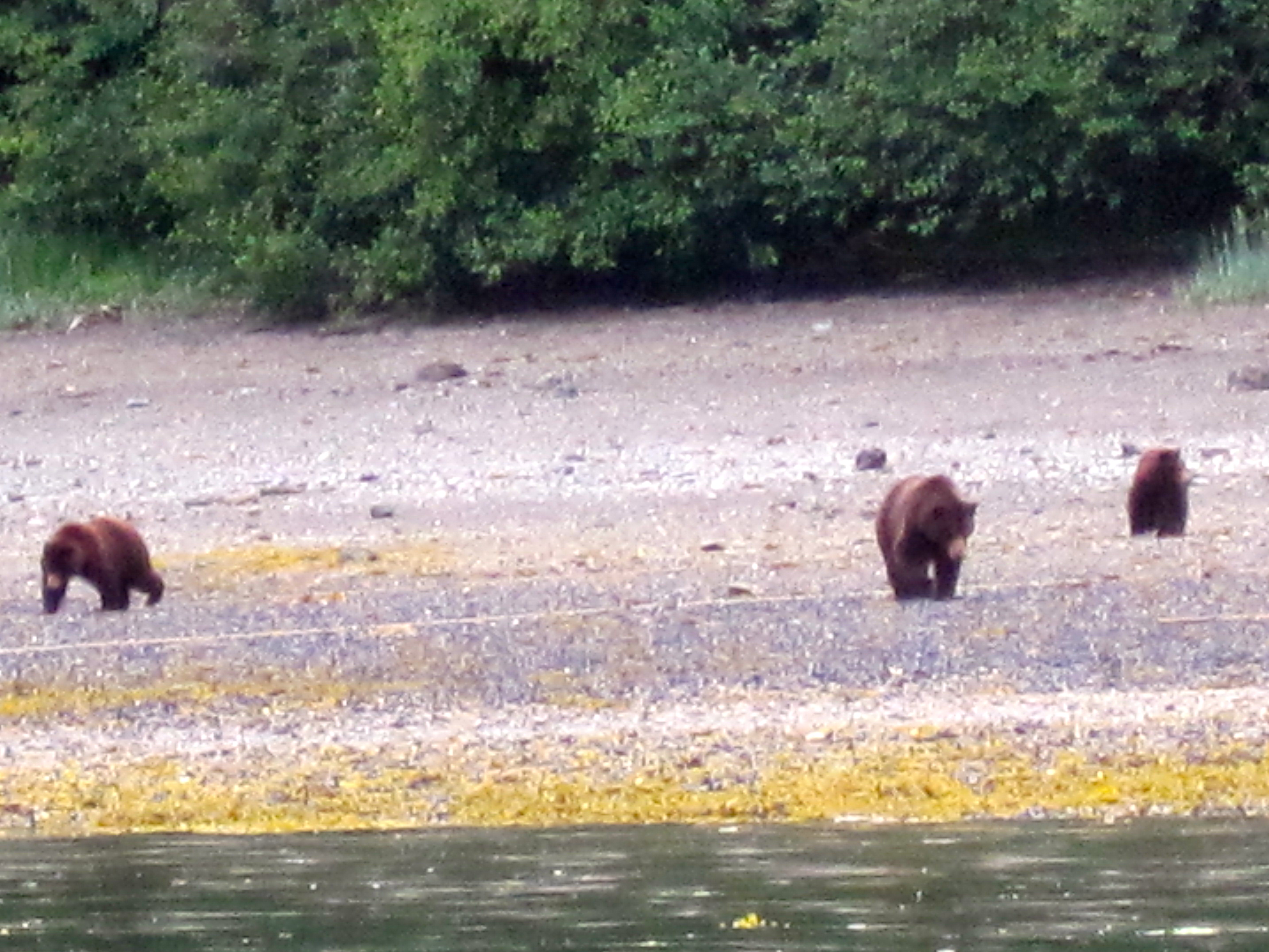
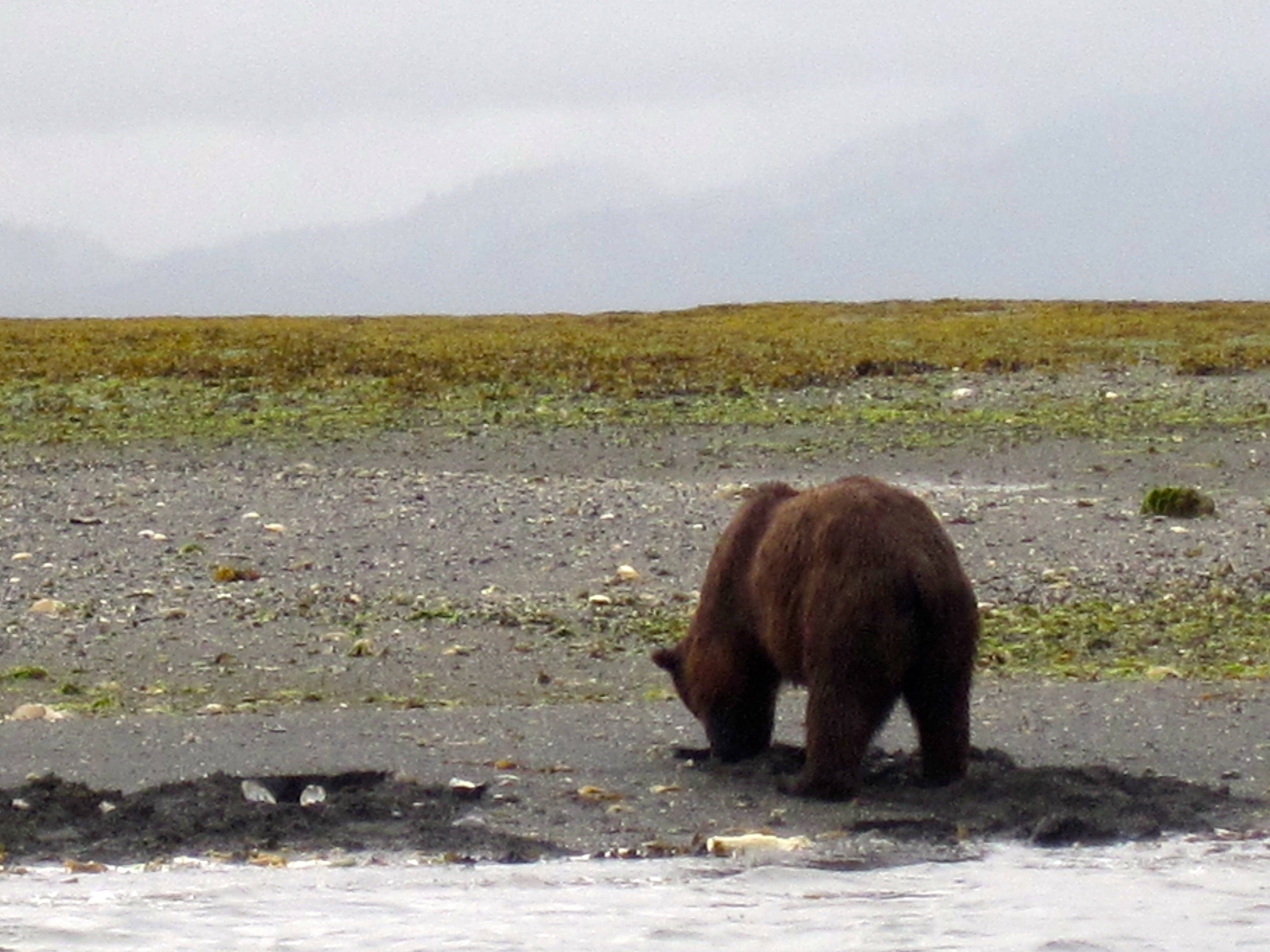
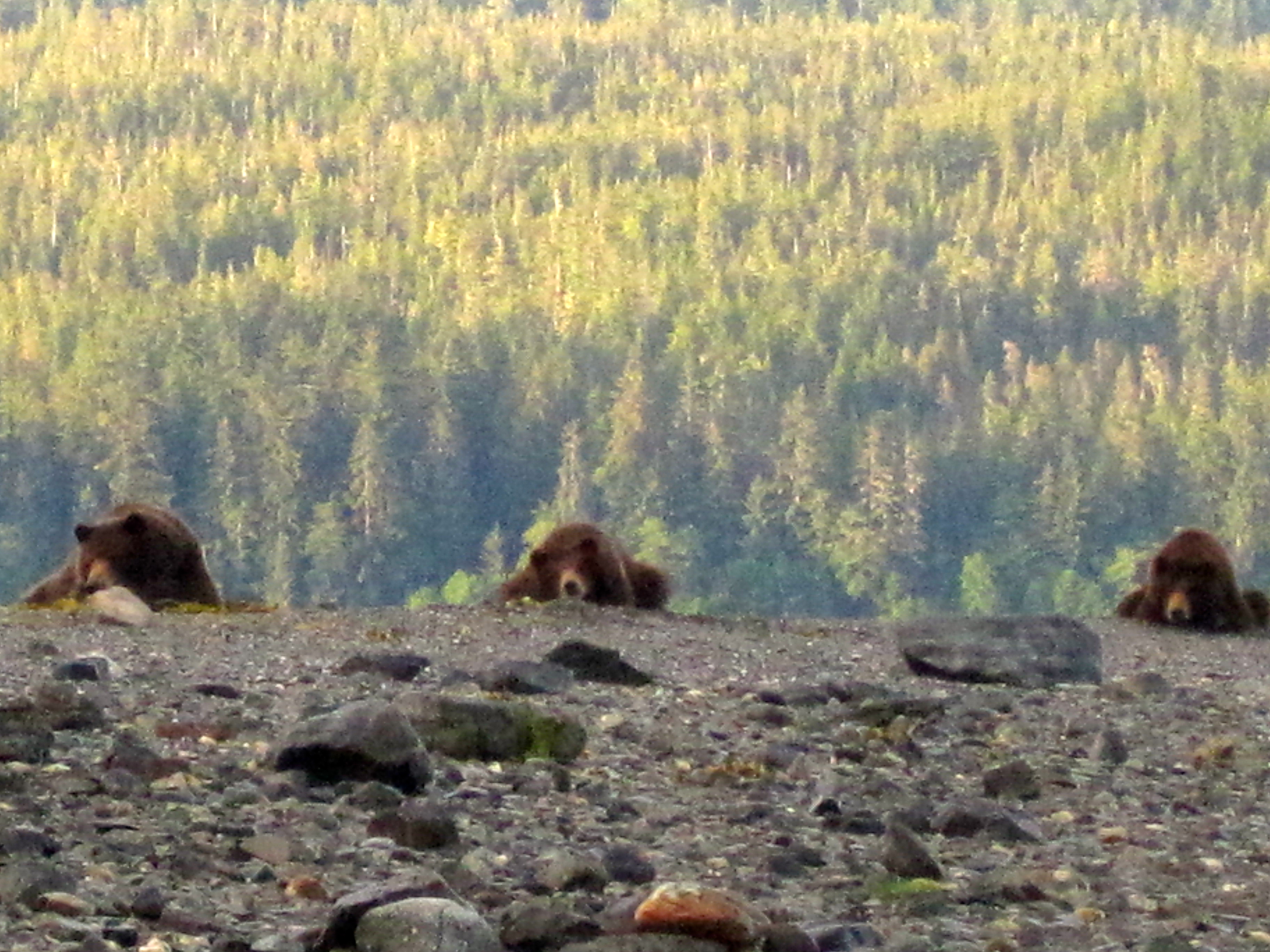
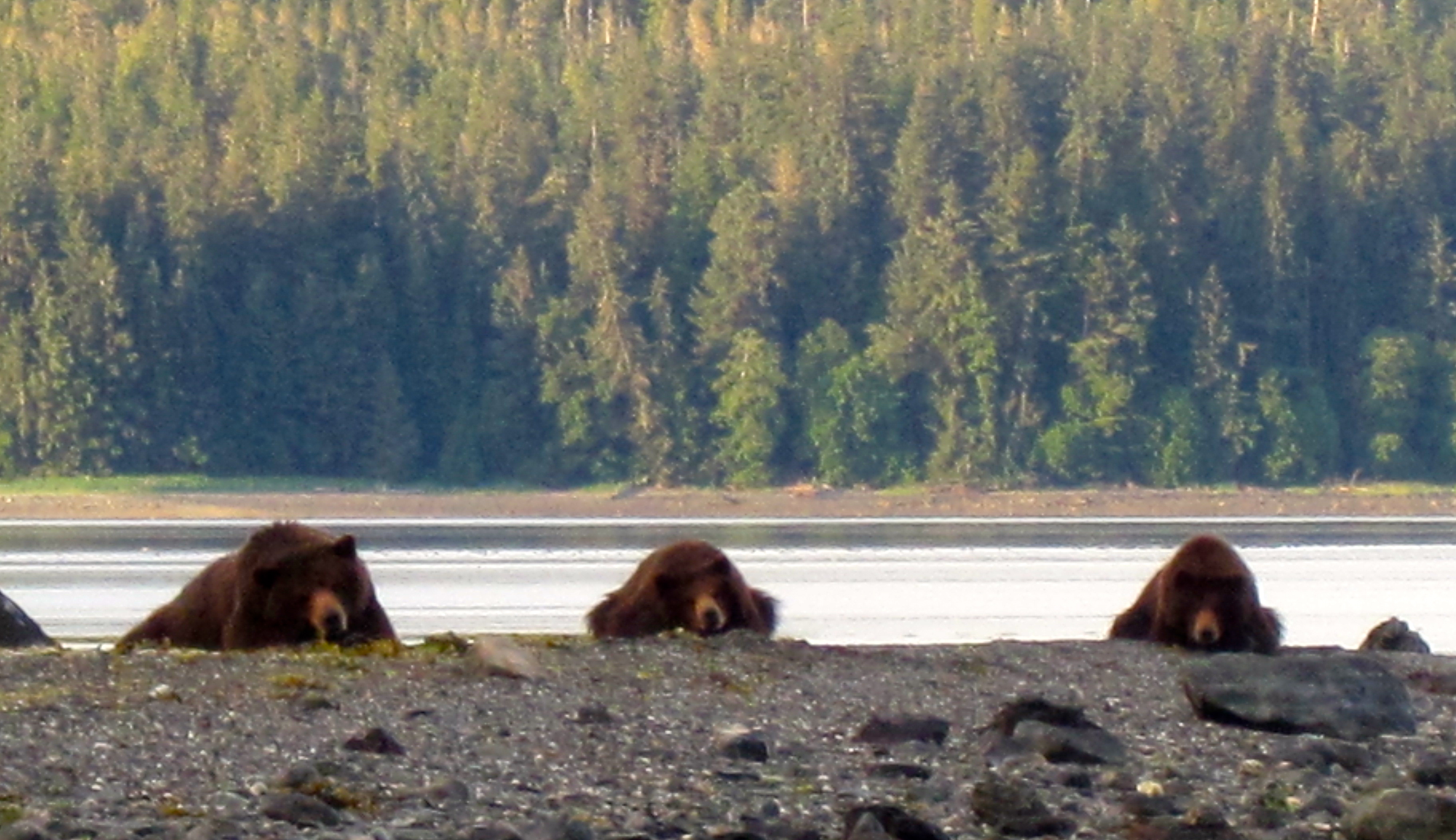
We saw a lot of activity, including a bear clamming, 2 sub adults playing with each other, and a mom and her 2 cubs.  The 2 sub adults have been friends since they were with their moms.  It is really unusual that the mom allowed their cubs to play together, but they did and after the moms ‘kicked the out’ these two have remained friends.  The mom with her 2 female cubs was the most visible.  She seems to feel quite safe at the south spit and spends a lot of time there.  We saw the cubs playing with the out haul lines, rousting with each other and simply exploring.IMG_10173cub IMG_10167pokey cubs IMG_0969 IMG_10160popkey cubsIMG_10179cubs

We got quite close to the mom and her cubs as we were returning to our boat on the night of our visit.  They were not on the spit when we walked the trail, but they were upon our arrival back.  Mom checked us out quite a bit, but in the end they just laid down and we continued on our route.  We did NOT displace them or stress her out and she was not worried about us at all.
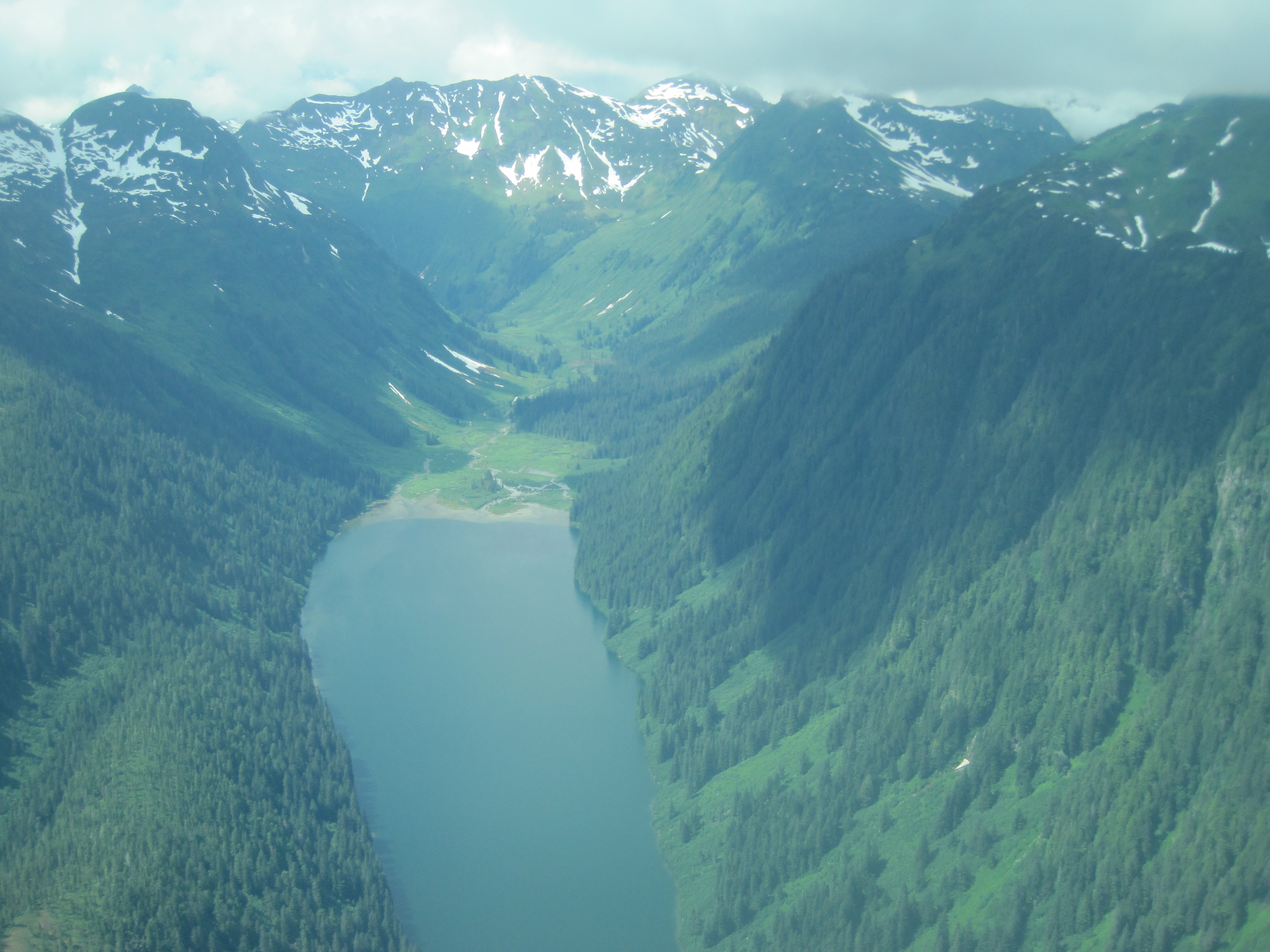
IMG_9816windfall

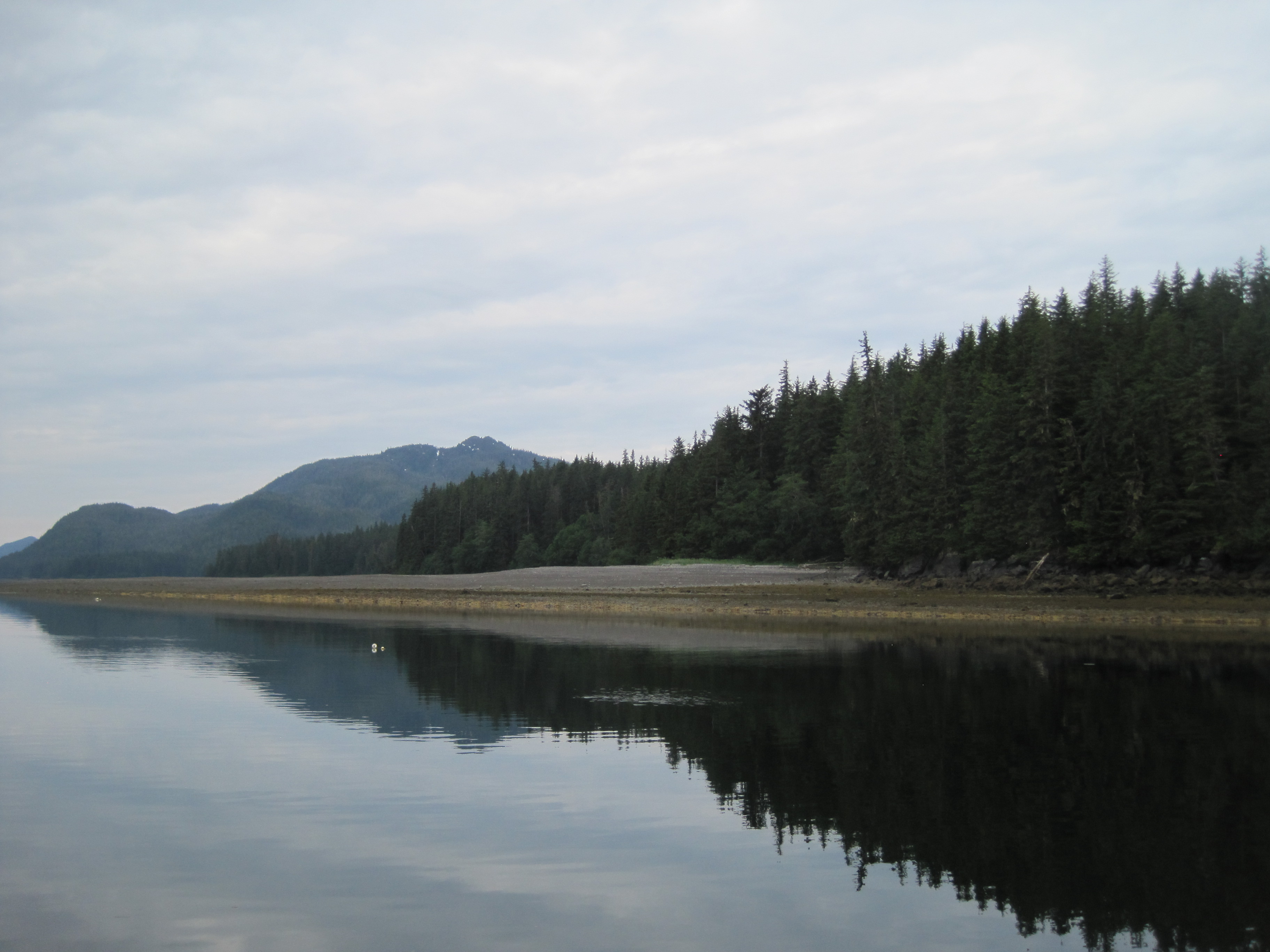
tip of windfall as we paddled back from our night at Pack Creek

IMG_10218fly bear alpine

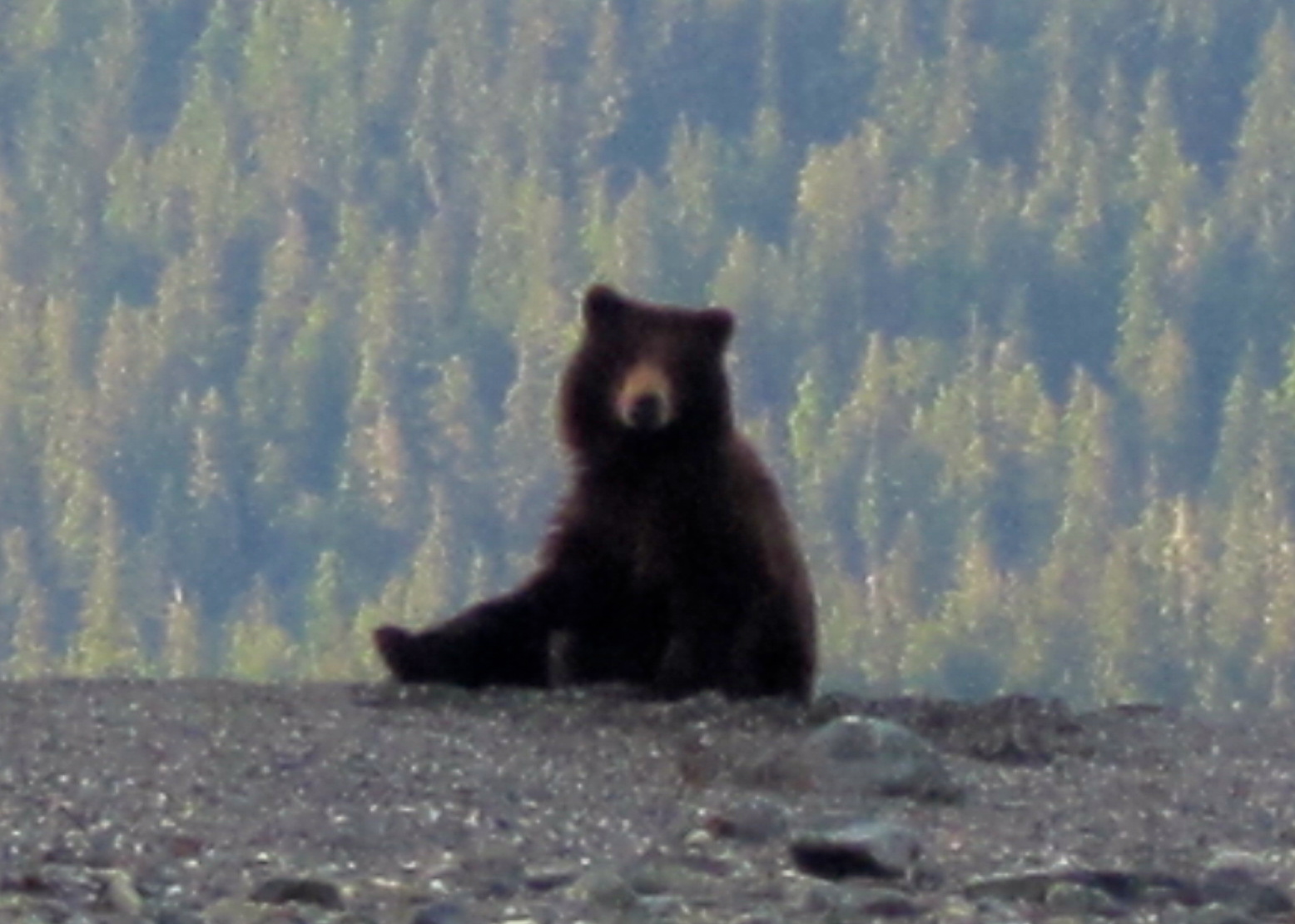
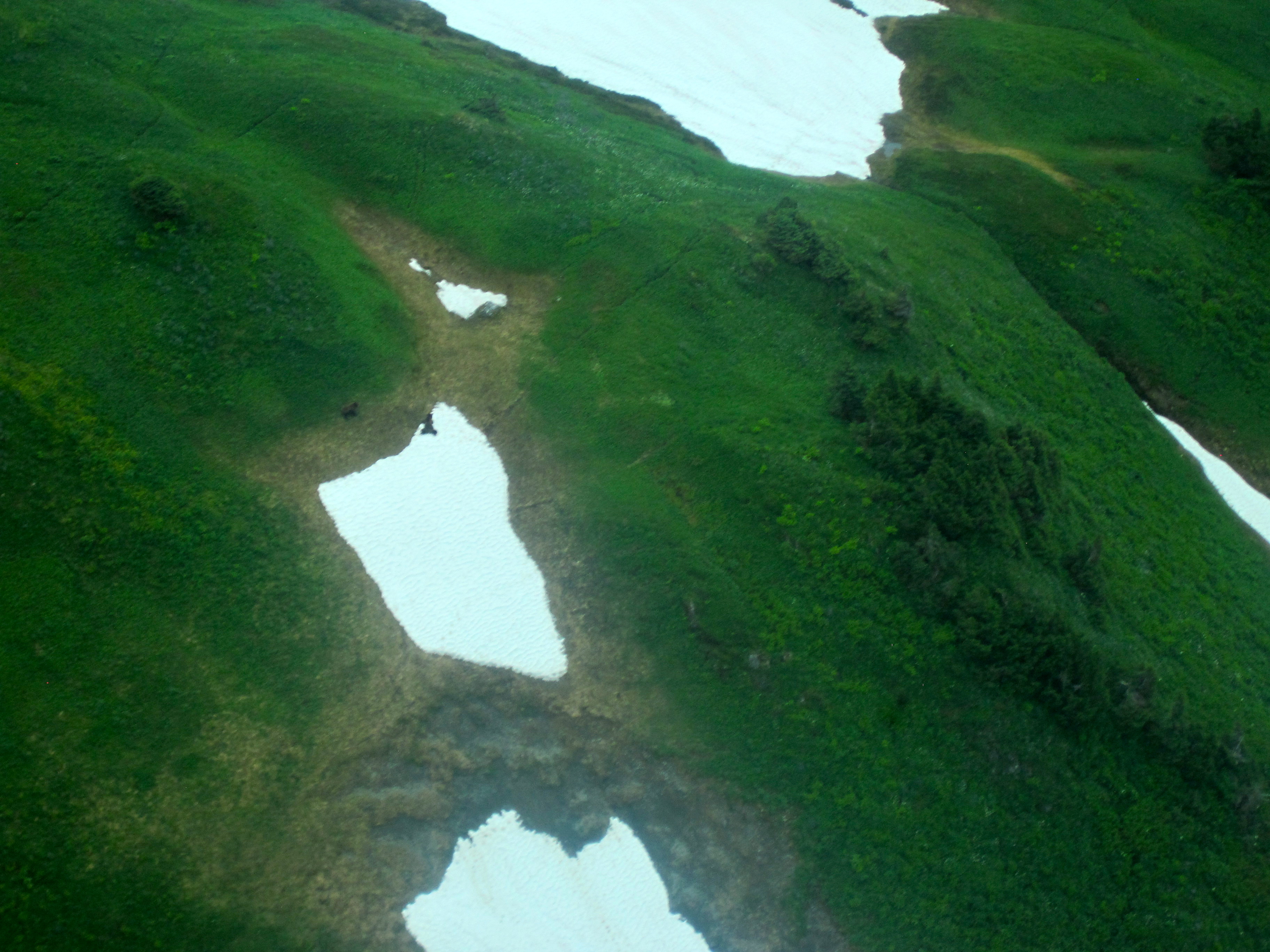
as we flew home we saw 7 brownies in the alpine. In late June they follow the snow line up and eat along the way. Plus with the heat we were having that day (high 70”s) they were climbing to cool off as well as find food.

I hope you someday consider a visit to Pack Creek, it is a magical place. IMG_9797IMG_0939 IMG_0937 IMG_0936

1 Comment »

Camp Life; Windfall Island

IMG_4.0campfence

the solar powered fence

June 24-29, 2013

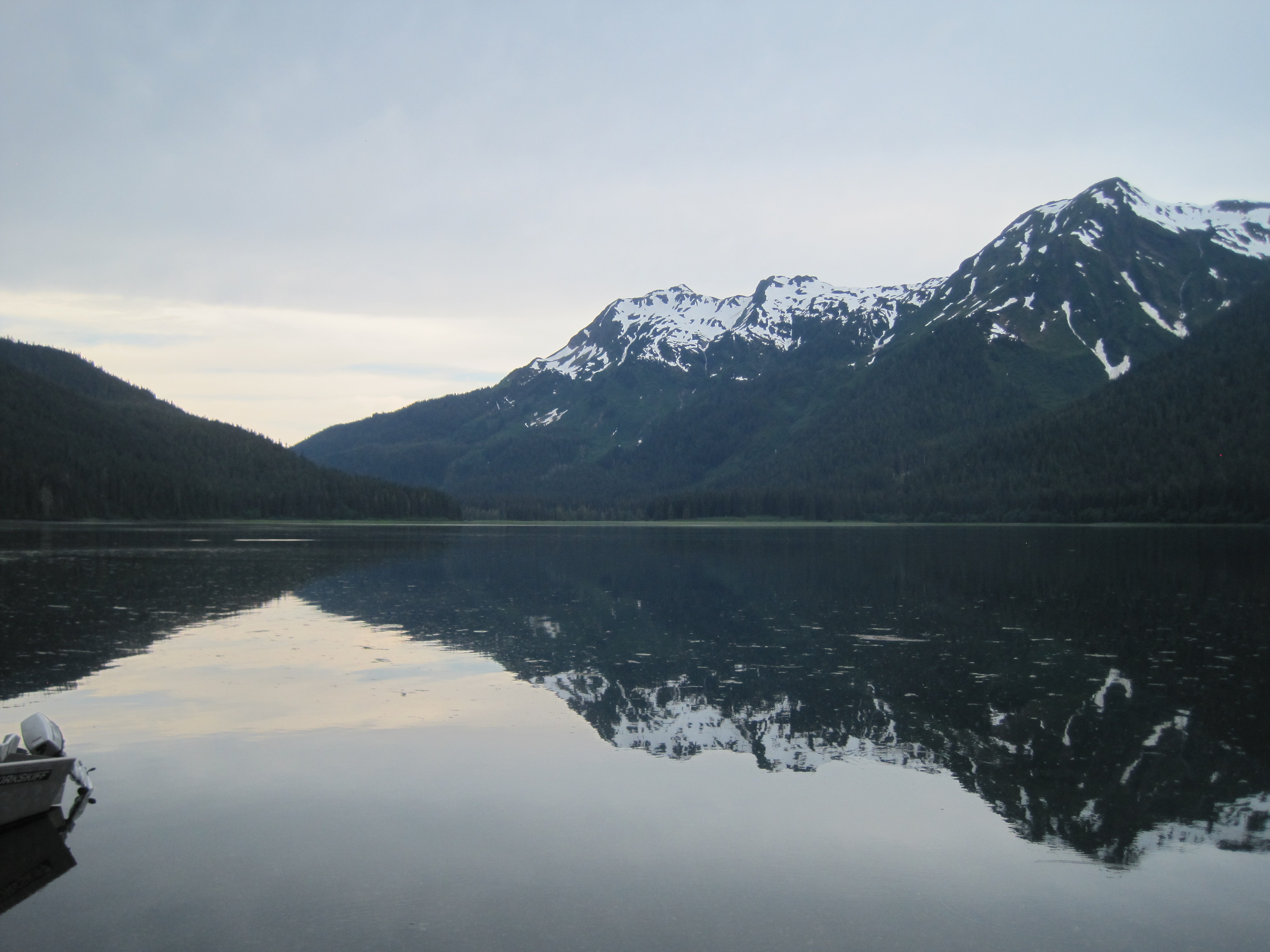
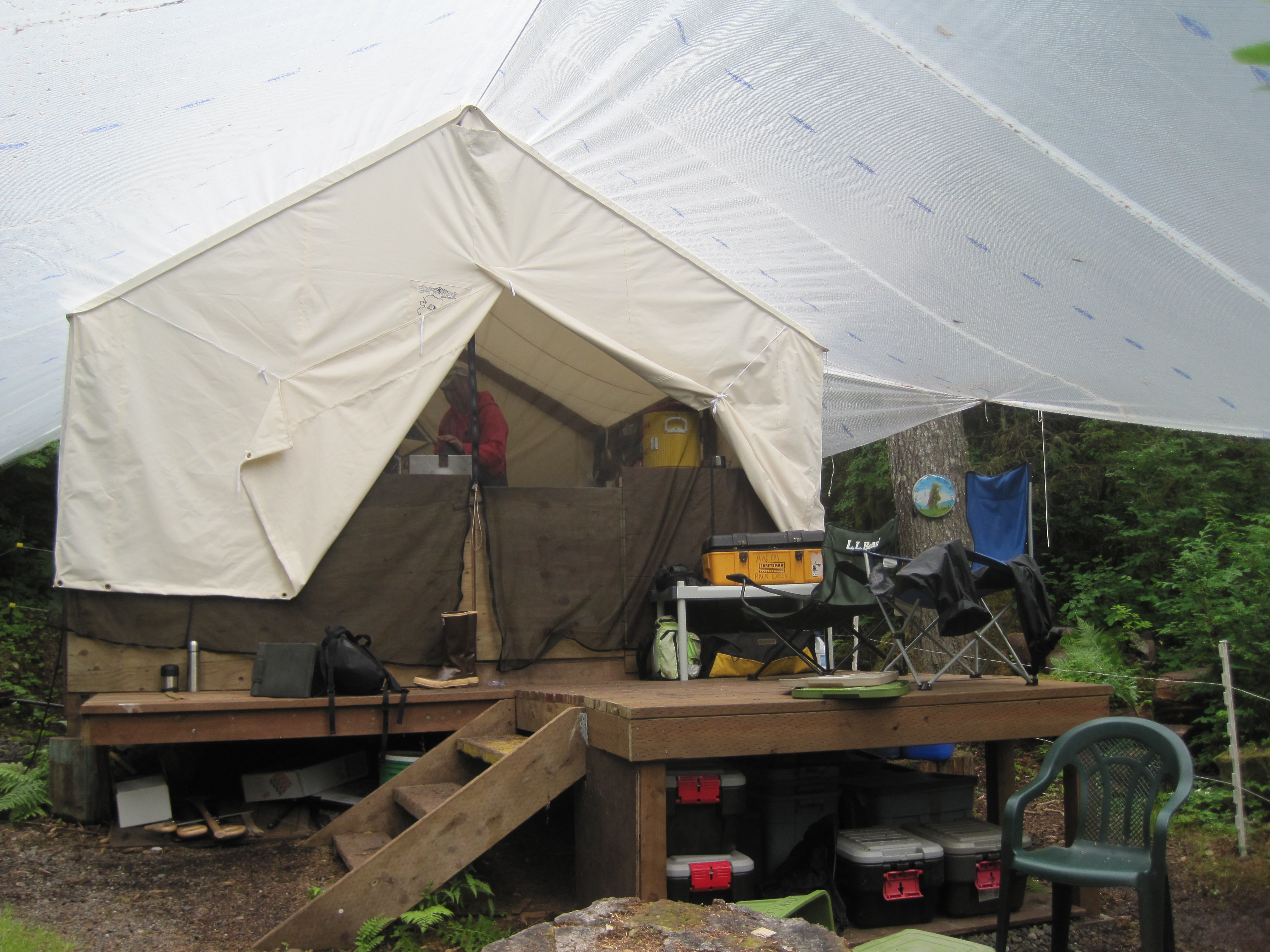
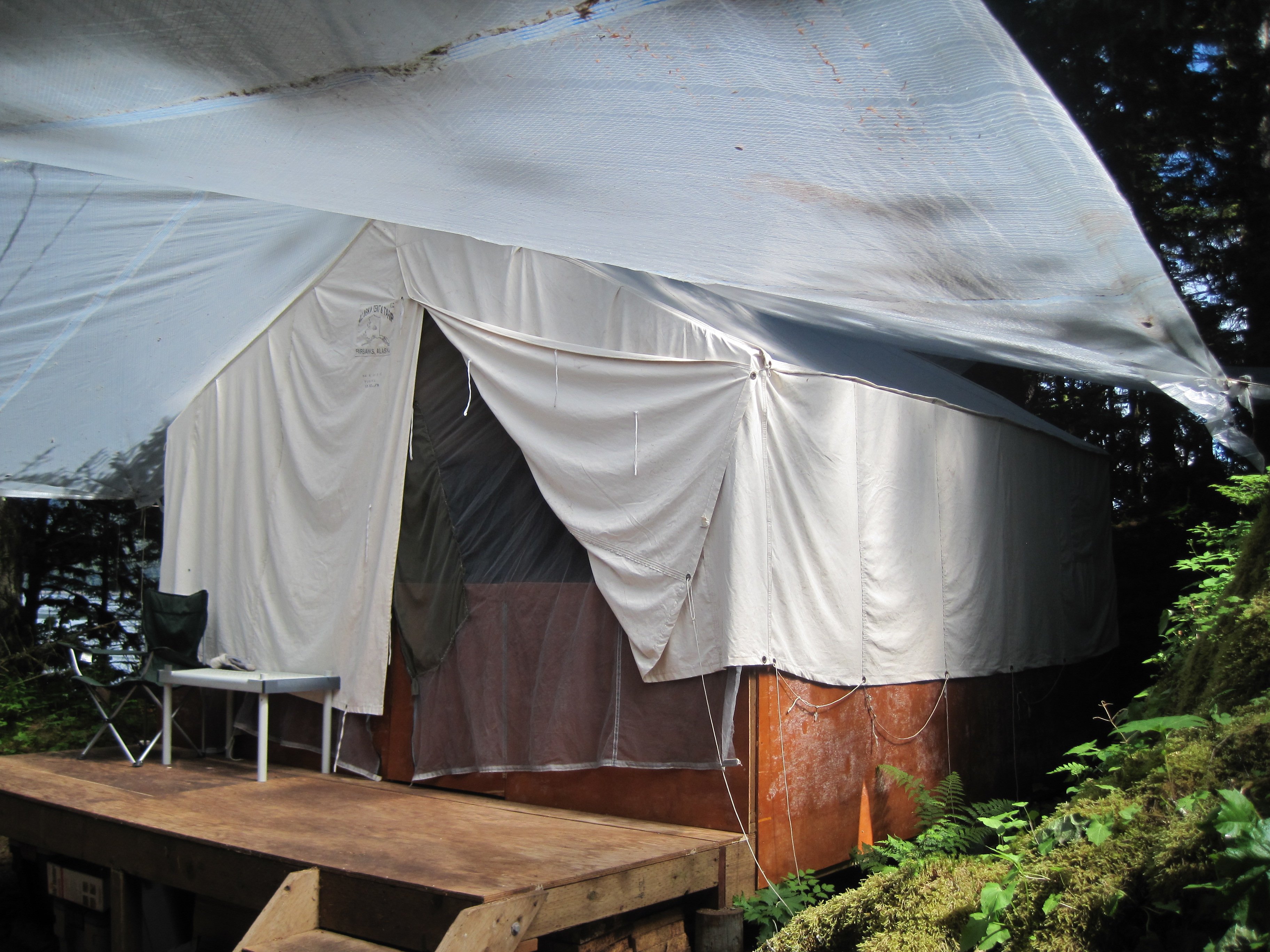
Living in a remote field camp for a week gave me a bit of an insight to what the staff that live there all summer experience daily. There are 3 tent platform structures. These are put up and taken down each year. The first one you see is the cook tent, it has a table, sink, stove/oven and many bear proof food boxes. There is a small propane heater here as well for those cold wet days of southeast AK. This structure is surrounded by a solar powered electric fence as even more assurance of bears not getting into the structure. IMG_1camp cooktent

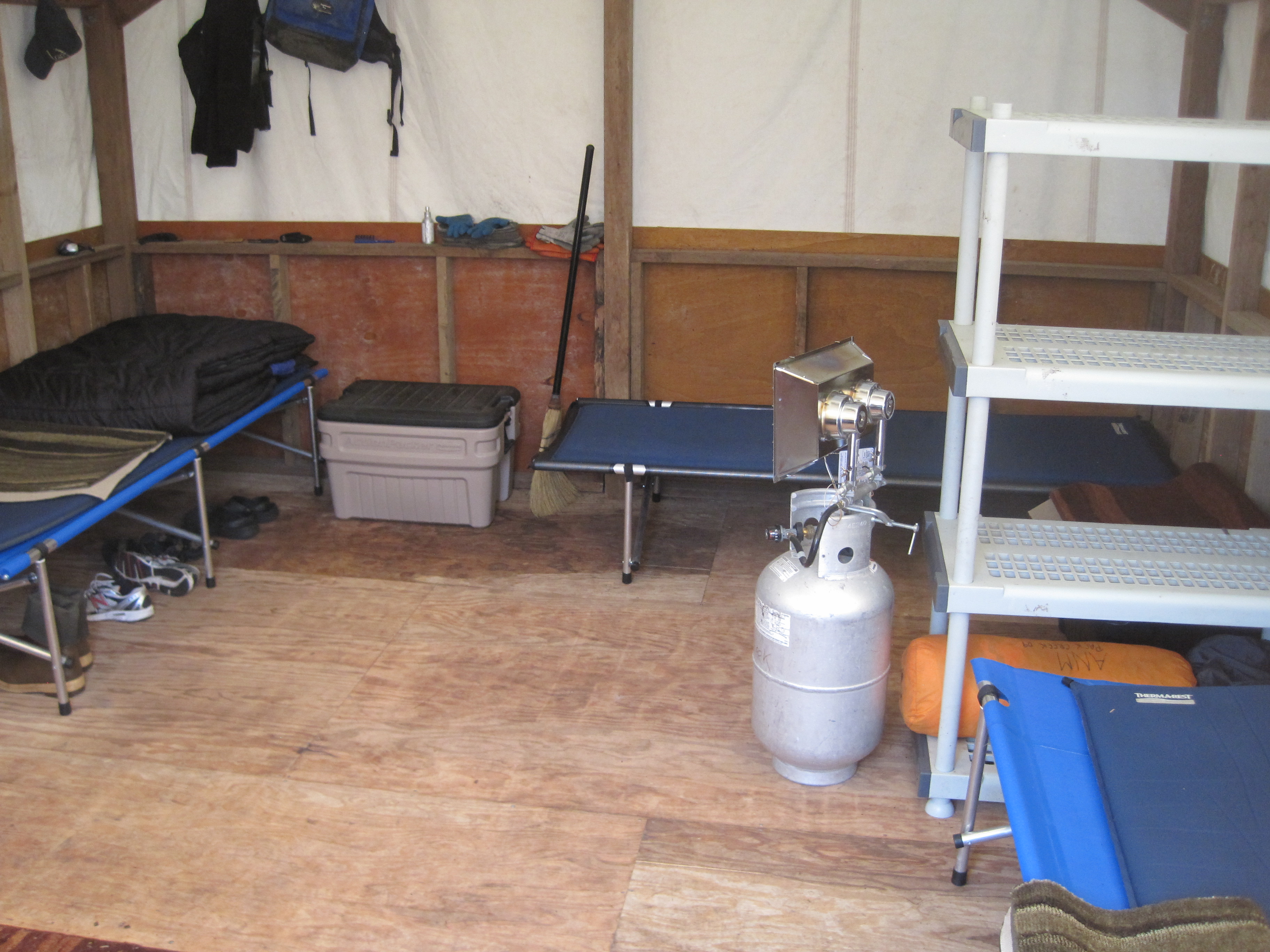
The staff and volunteers stay in one of two tent platform structures. There is one for Fish and Game folks and one for Forest Service folks. There are cots inside and a heater just in case it gets a bit cool. We never had to use it, but I am sure it is nice for those wet cold SE, AK nights. Each night I laid in bed reading (with my head lamp) and enjoyed the quiet of living so remote. One of the nights it rained, because of the tarp over the tent is sounded as if it were POURING, but it really wasn’t… the rain was a great white noise for sleeping!

IMG_9damp home

IMG_8camp home

our tent from the outside

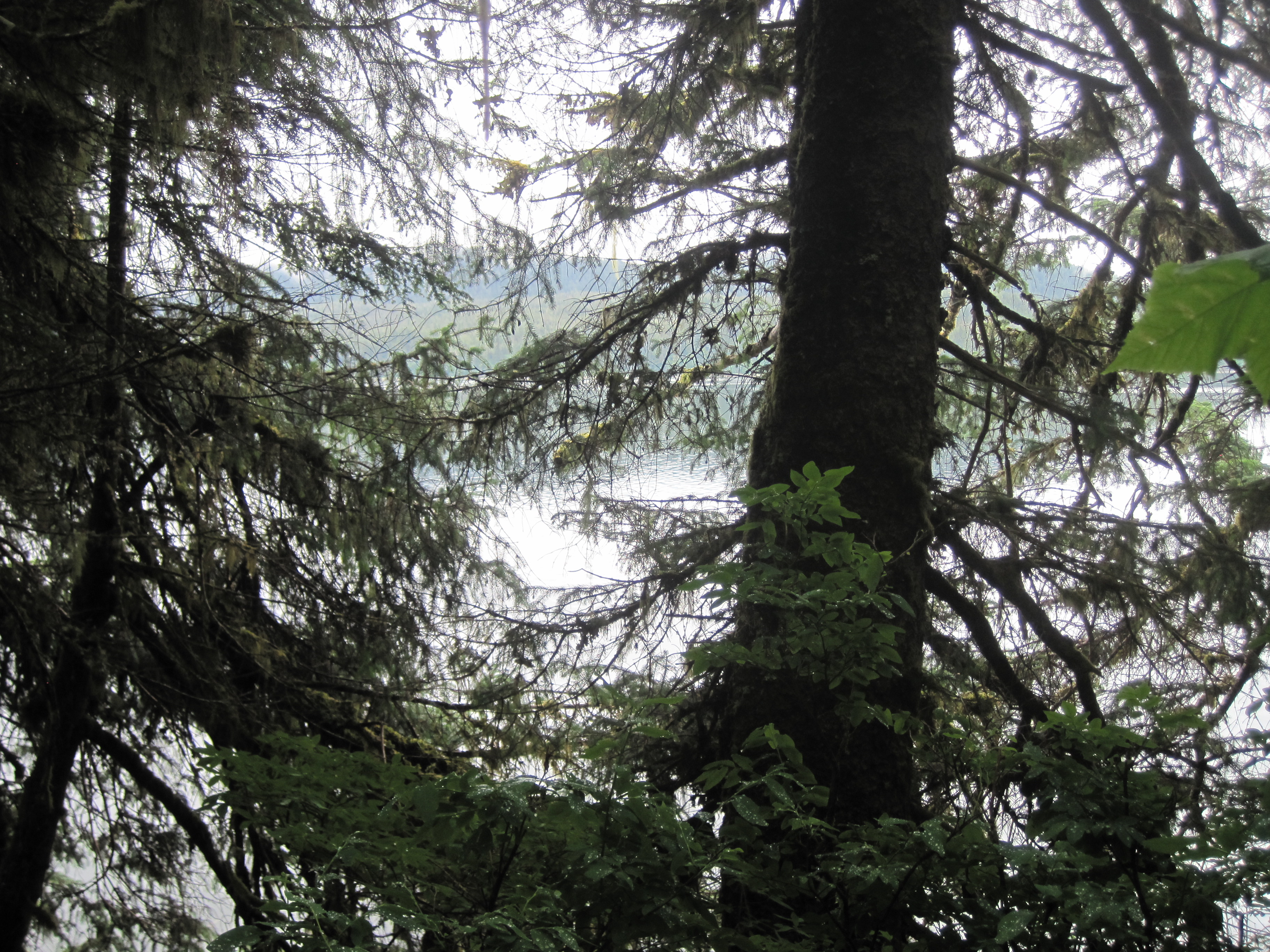
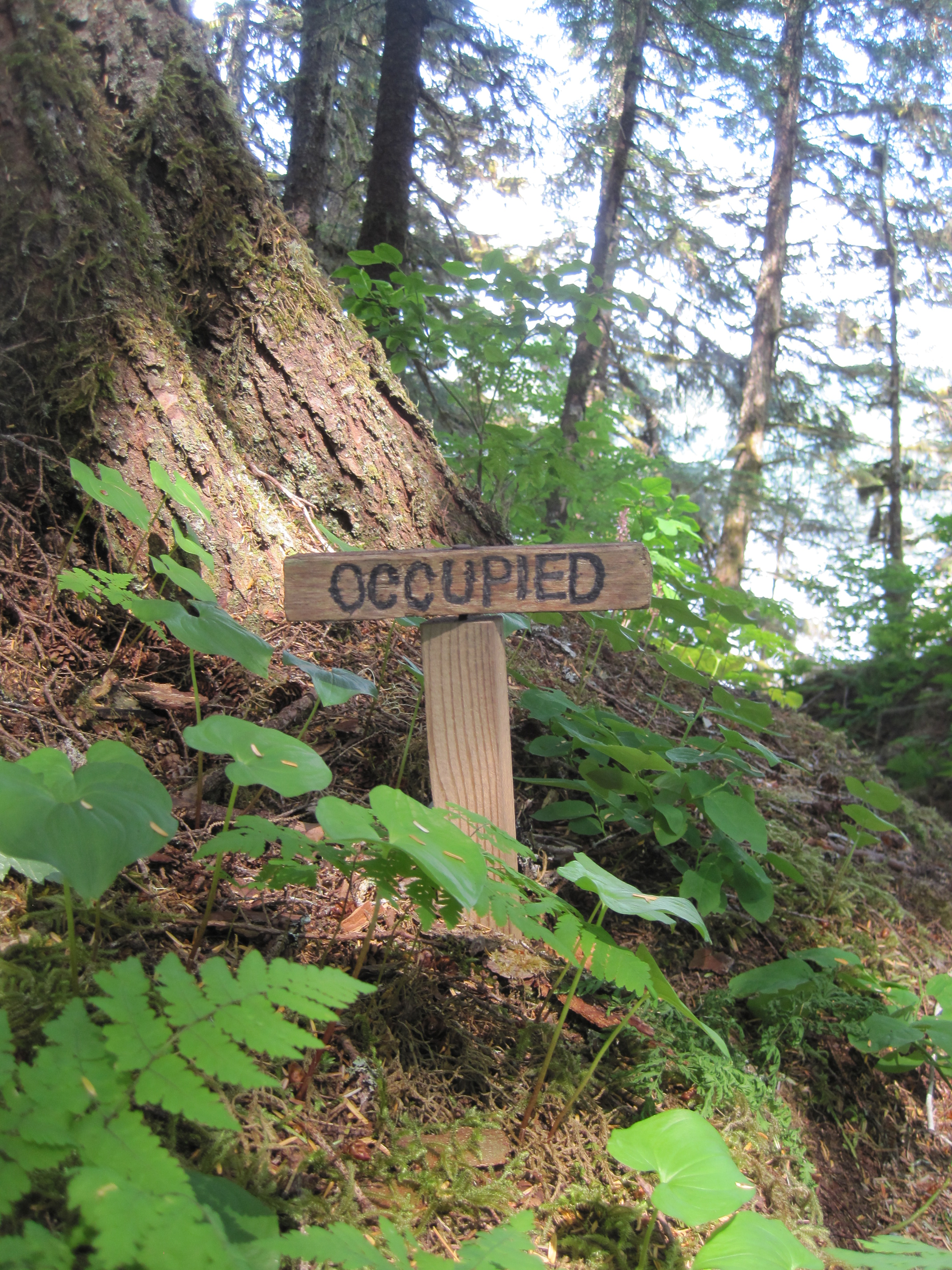
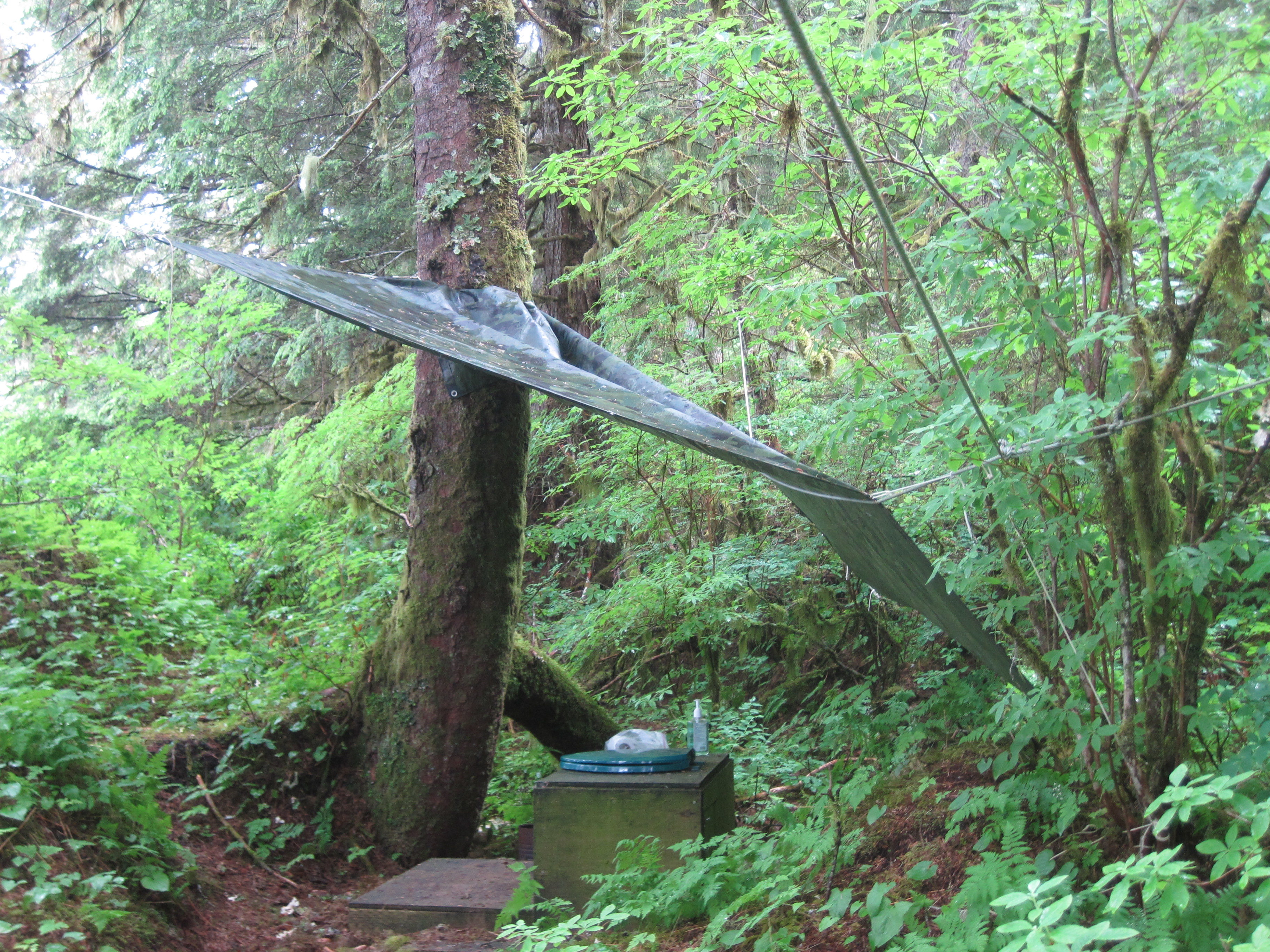
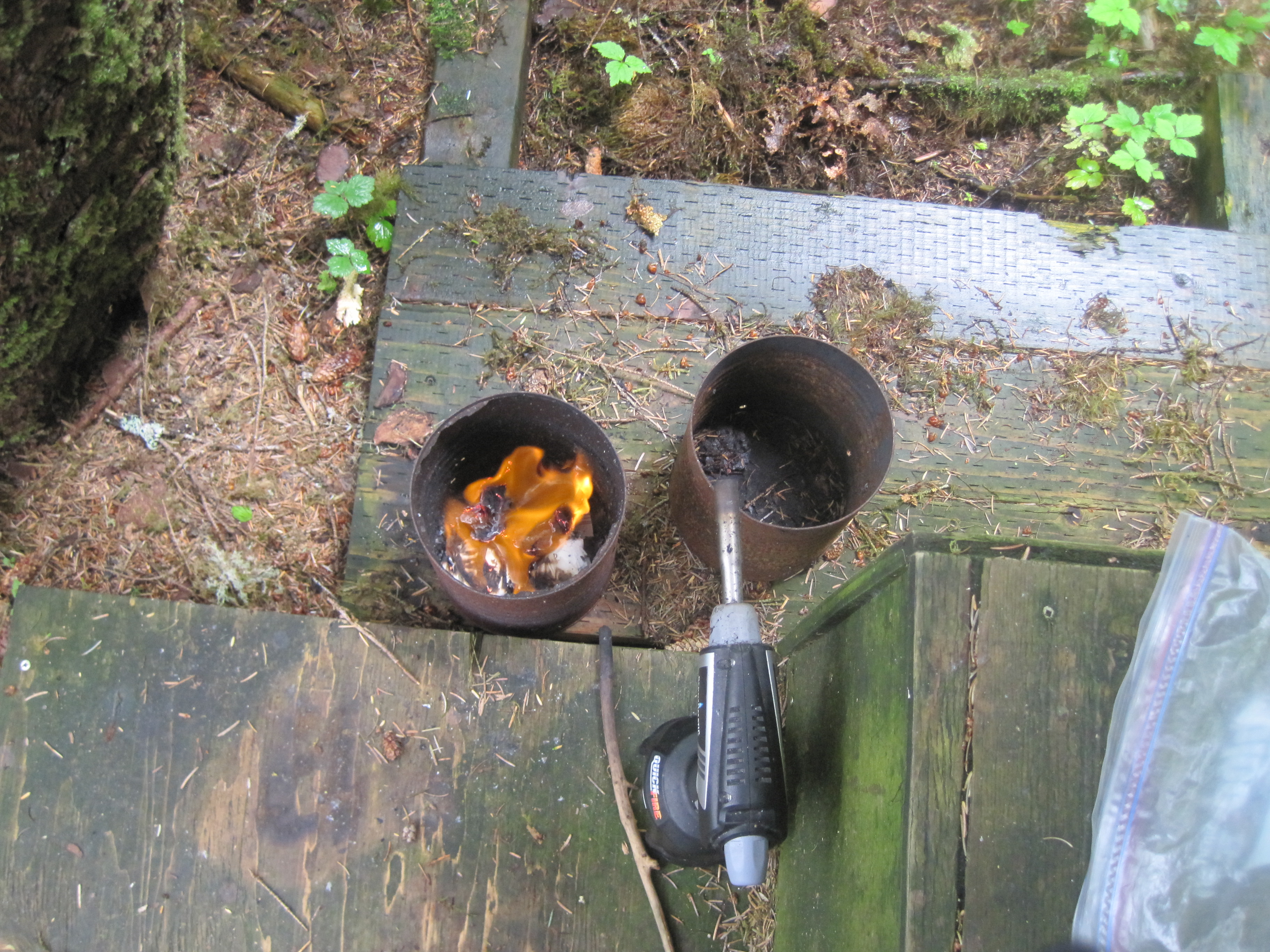
Using the ‘outhouse’ is certainly a part of life in the wilderness. The outhouse on Windfall is really just a tarp with a nice seat! The view is my favorite part of using the throne at camp! IMG_15camp outhouse view Before entering the toilet area you must first turn the sign around to indicate that it is occupied… when you leave you rotate it back to VACANT. IMG_6camp

Typically holes for outhouses need to be moved after a few years because they become too full or the smell too much to handle… however, this field crew has learned if you burn your TP after use and not put in the hole, it does not fill up so quickly AND the staff put a packet of RTB 740 into the hole… this speeds up the natural degradation process in the composting/outhouse toilet. Not only does it increase in digestion efficiency, odors are controlled by preventing their formation. Pit toilets will not have to be emptied or moved as often and composting toilets will function better with less chance of overload. It was amazingly nice for an outhouse.

IMG_11camp

the view as you approach the toilet!

IMG_12camp

the cans and torch to burn the paper in/with.

IMG_13camp

me taking care of my TP!

Lastly a few other shots of important parts of the field camp on Windfall Island!

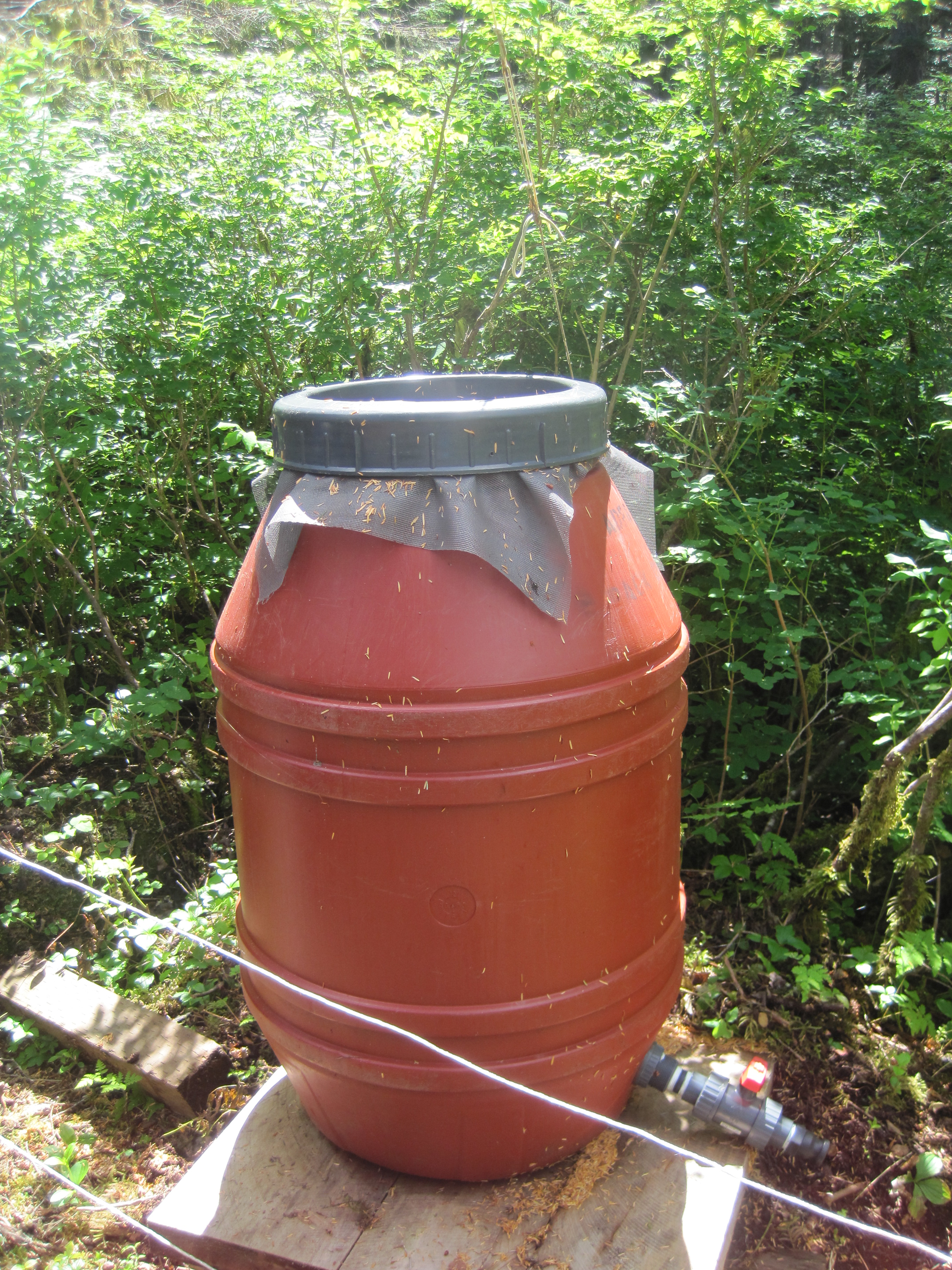
IMG_2camp water source

collection of rain water

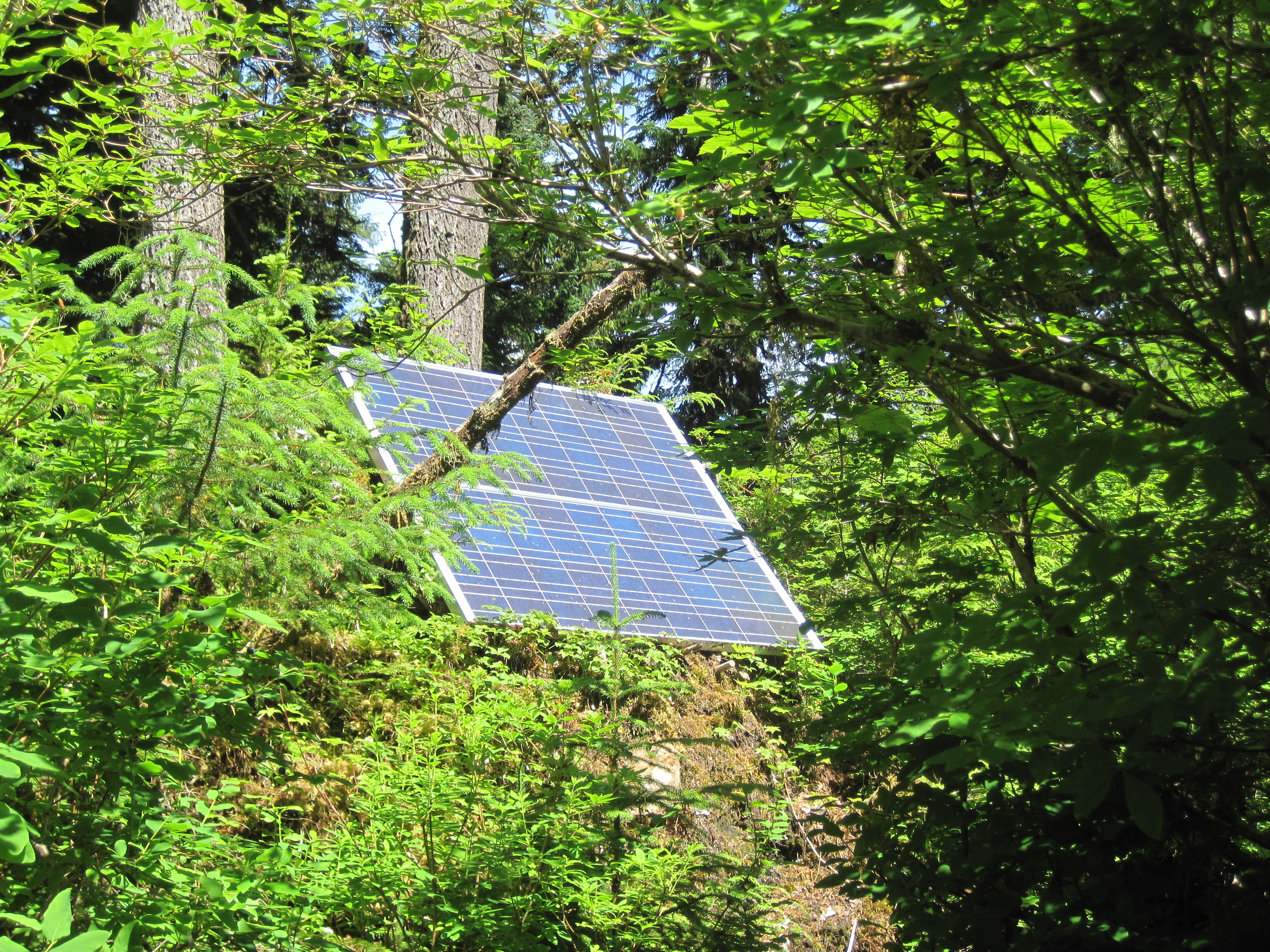
IMG_3camp solar

solar panel used to gather energy to charge items while at camp

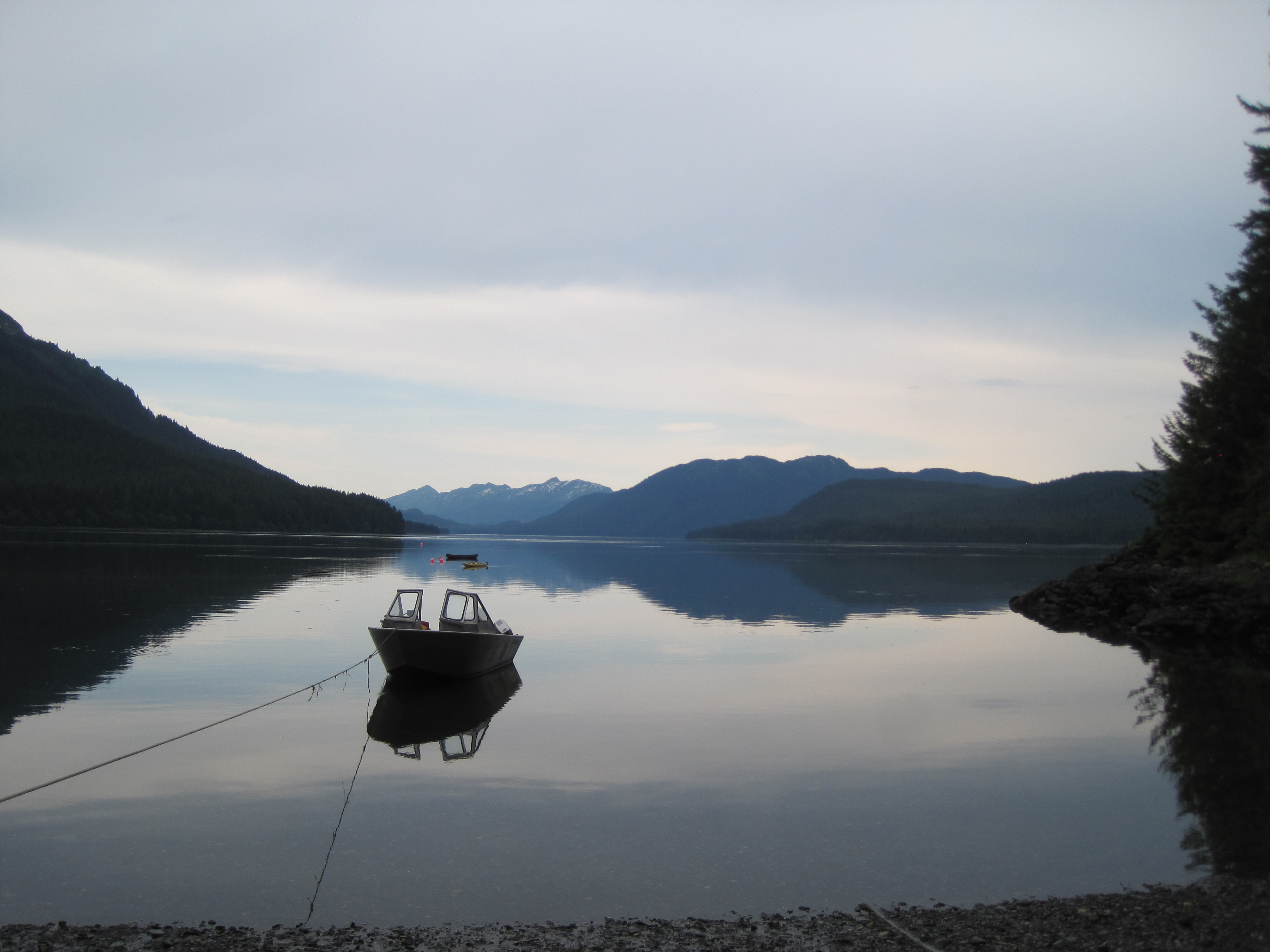
IMG_17camp

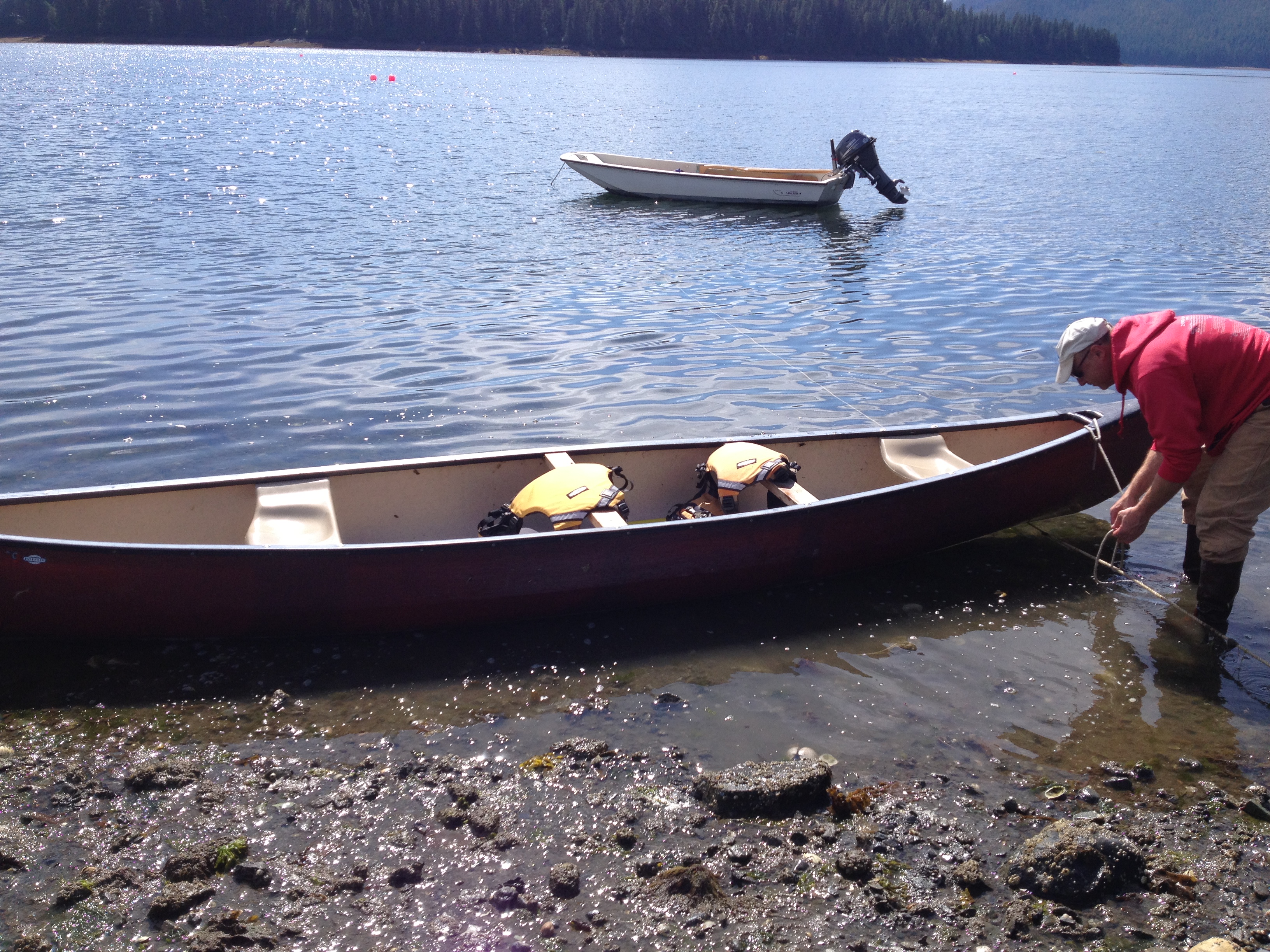
the boat outhaul for the skiffs, kayaks or canoes!

3 Comments »

Unalaska~ beauty on the Aleutian Chain of Alaska

July 2010

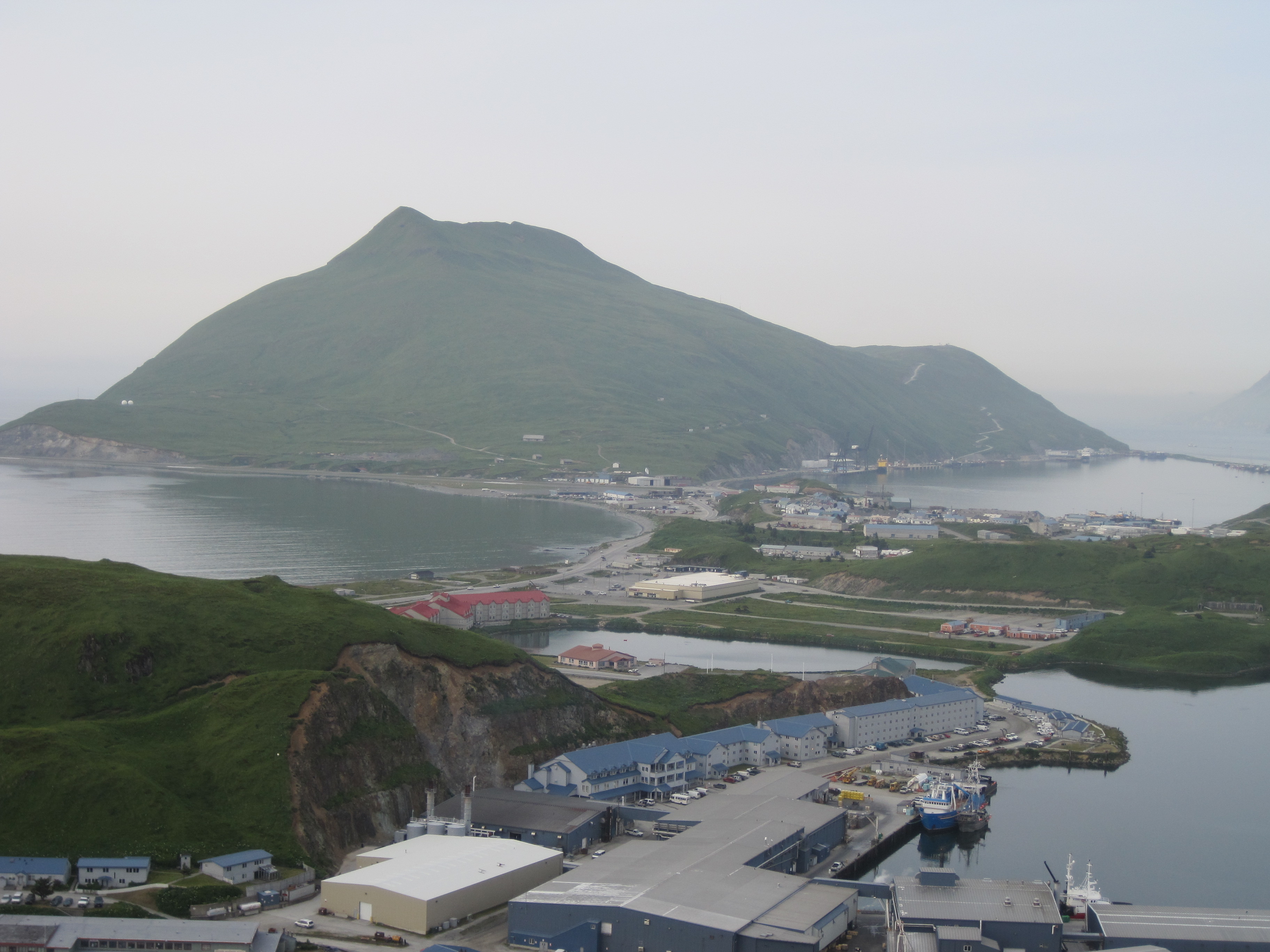
Work has its perks and traveling to the beautiful community of Unalaska / Dutch Harbor in July of 2010. This is a ‘retro’ blog to add some of my experiences pre setting up the blog.  I took great notes on our tour there and want to capture them here and now!

  • the average winter temperature in Unalaska is 36 degrees, winter average 55 degrees.IMG_2471
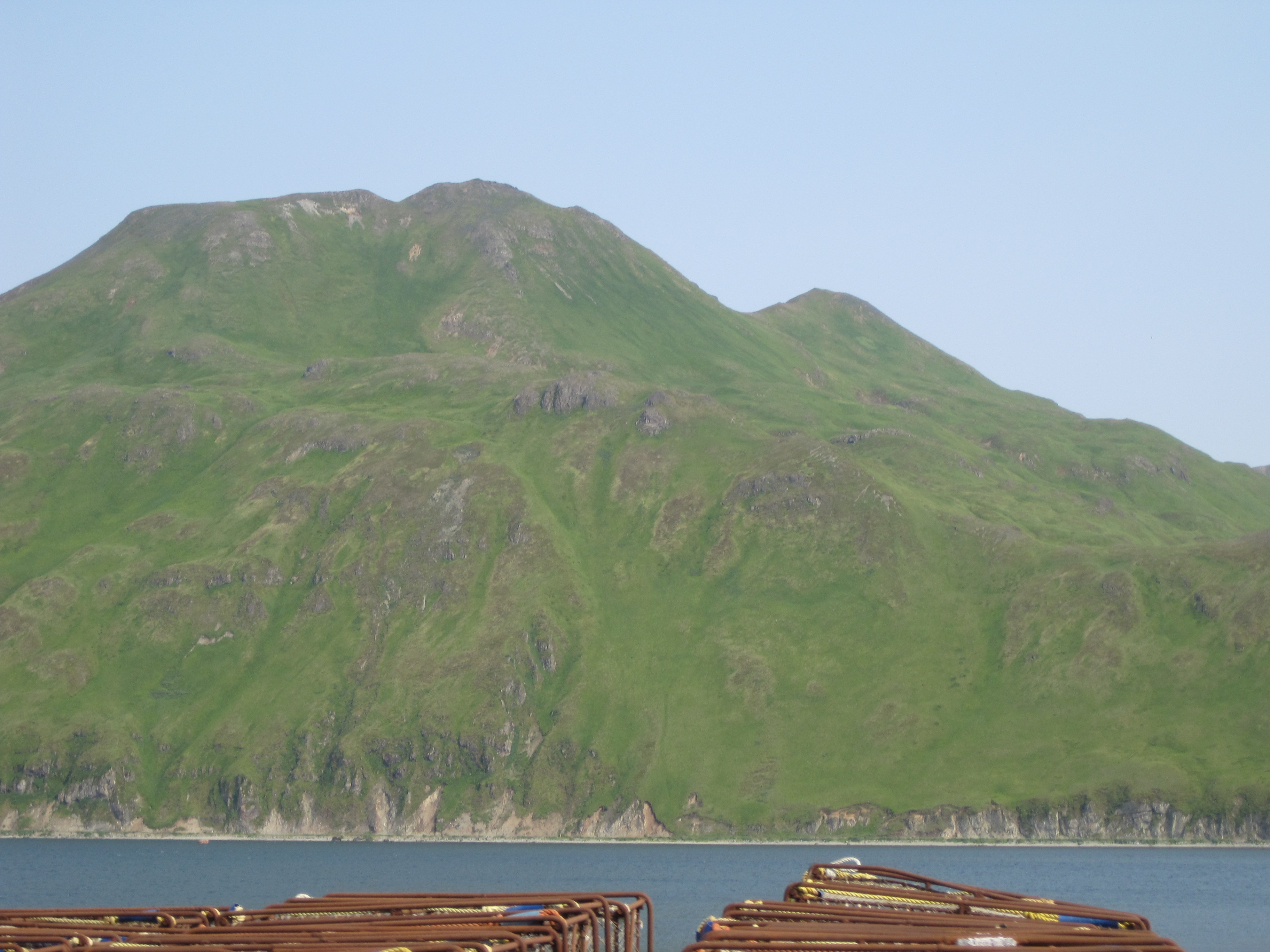
  • the islands were formed by volcanosIMG_2388 IMG_2391 IMG_2392
  • artifacts have been found that are over 9000 years old
  •  in the old days there was thought that the decedents were from the tip of Russia and that they came across the ice, however, Through DNA it is known that there is a direct decent from the Aleuts.IMG_2411
  • During WWII there was an Army Base here called Fort Mears.
  • On June 3/4, 1942 the Japanese bombed the area with upwards of 10,000 military troops.  This was six months after the attack on Pearl Harbor, and the Japanese aircraft struck at U.S. Army and Navy bases on Amaknak Island.  The Japanese were surprised as the air was filled with anti-aircraft fire due to the fact that  3 weeks before the US had ‘broken the code’ and the bases were on high alert expecting something like this.  The Japanese did not find an airfield nor a carrier fleet at Dutch (as they had expected) the Japanese pilots turned to secondary targets, dropped their stuff on Margaret Bay Naval barracks, killing 25 servicemen.  In total there  were 42 military deaths and 1 civilian death.
    IMG_2418

    from the museum

    IMG_2445

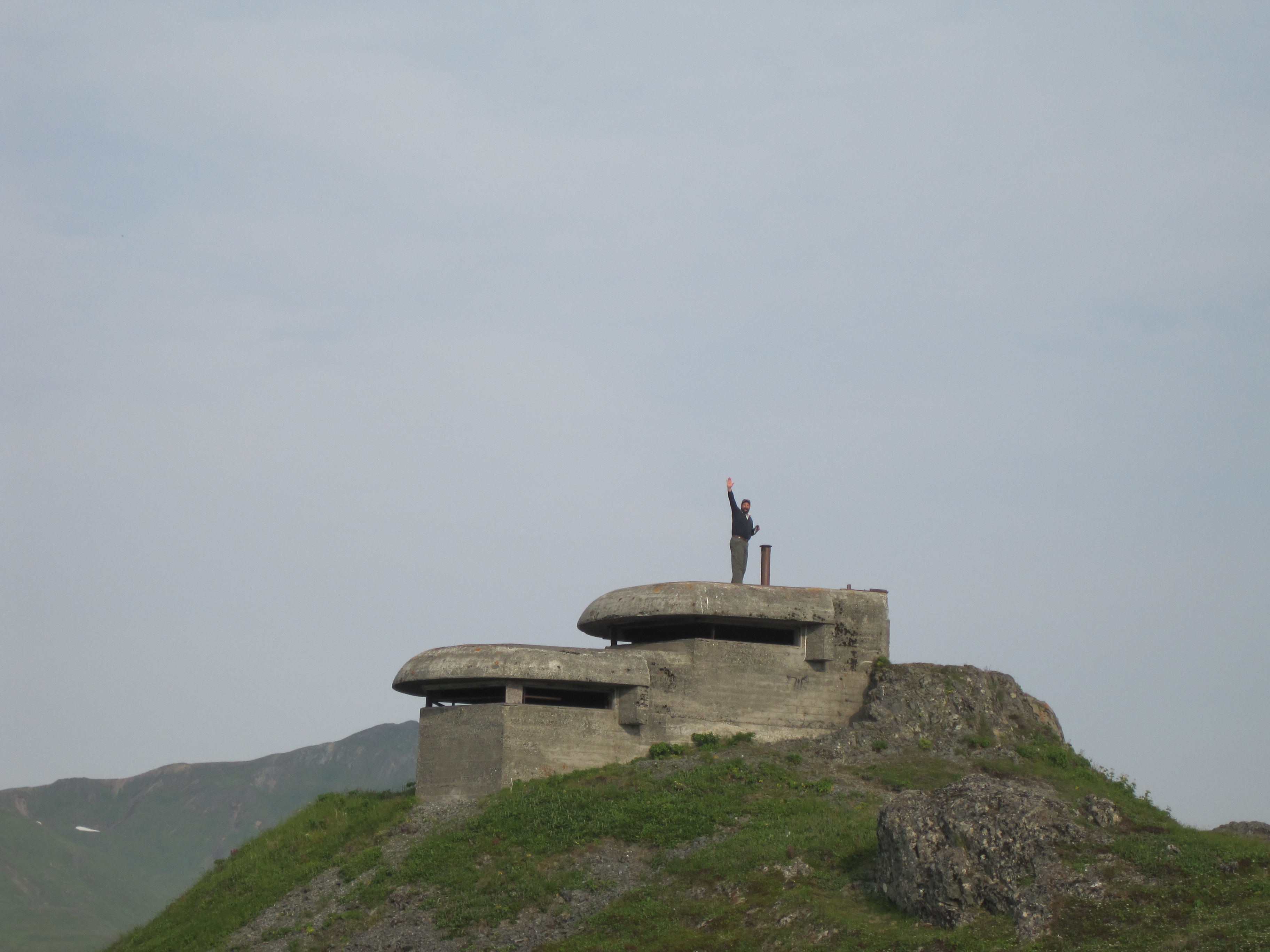
    bunkers

    IMG_2449

    bunkers

    IMG_2451

    during our nightly hike

  • Along the mountain sides were jagged lines which were trenches dug by all troops “Umnak” Airstrip was laid in 9 days so that fighter planes could continue to come in and land there.
  • Hog Island was named this because in the mid 1700’s pigs were brought there during the fur trade times simply to eat.
  • there were no road before WWII
  • 40-50,000 troops were on the island before 1947
  • in 1805 a Russian Orthodox minister planed 3 Sitka Spruce on the island
  • 120 types of wildflowers bloom here annually.
IMG_2477

crabbing gear

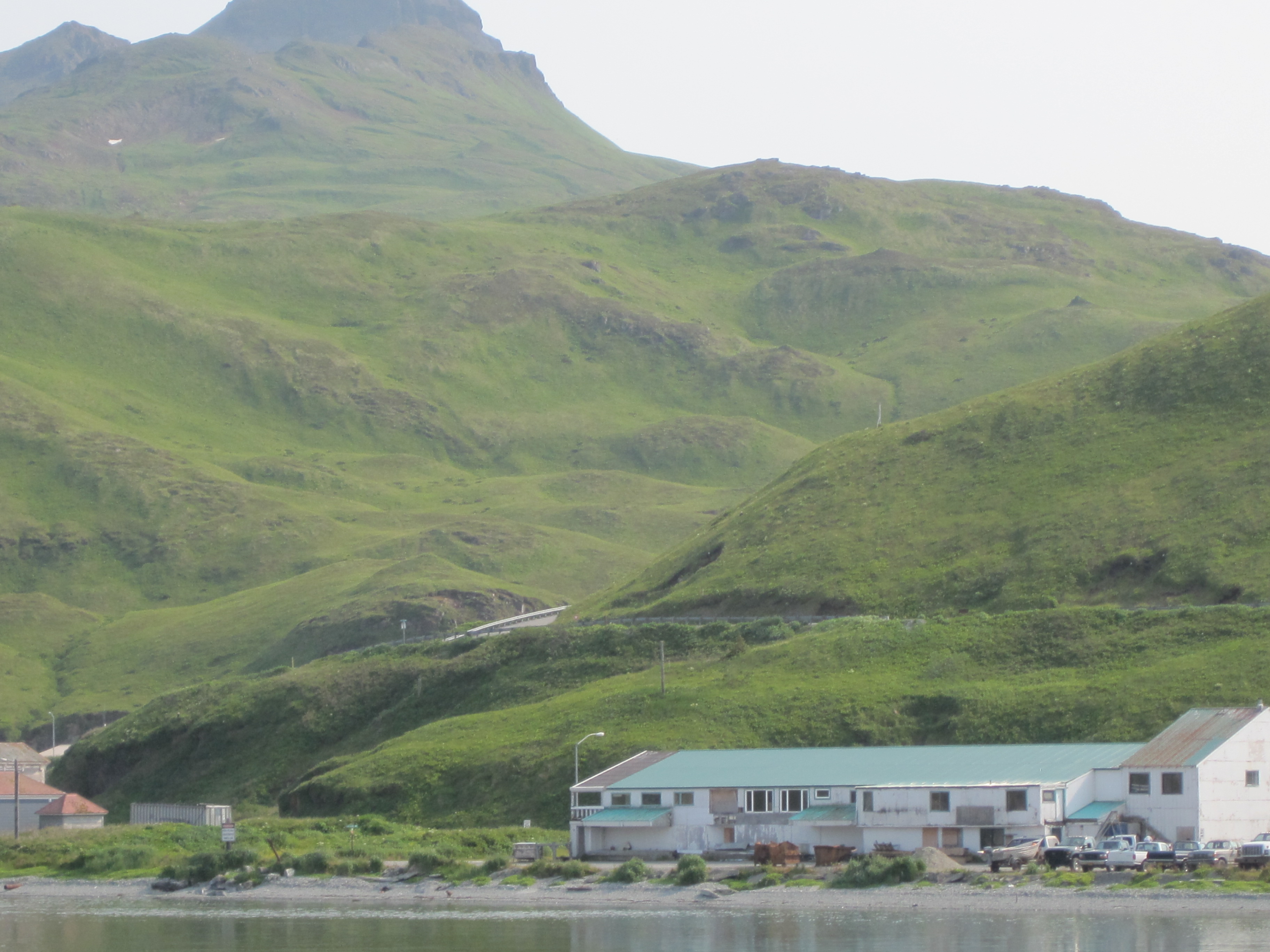
Now this area is known for it’s fish/crab processing.  It has the largest plant in Alaska as well as being the largest seafood plant in North America.  The Akutan facility sustains a year-round operations and on busy days processes over 3 million pounds of many species. Akutan’s precise daily production varies depending upon the season. There are a number of different seafoods that come from here: Alaska pollock, including frozen fillets, blocks, and surimi, as well as fishmeal and oil and halibut. The plant has  filleting capabilities and also produces both bulk and custom packs of Alaska king and snow crab. We got to have dinner at the plant, that is self-sufficient.  It has an amazing dining hall and dormitories for it’s 825 employees.   It was like college life all over again, except for the smell.

IMG_2460

after the hike to the top

IMG_2482

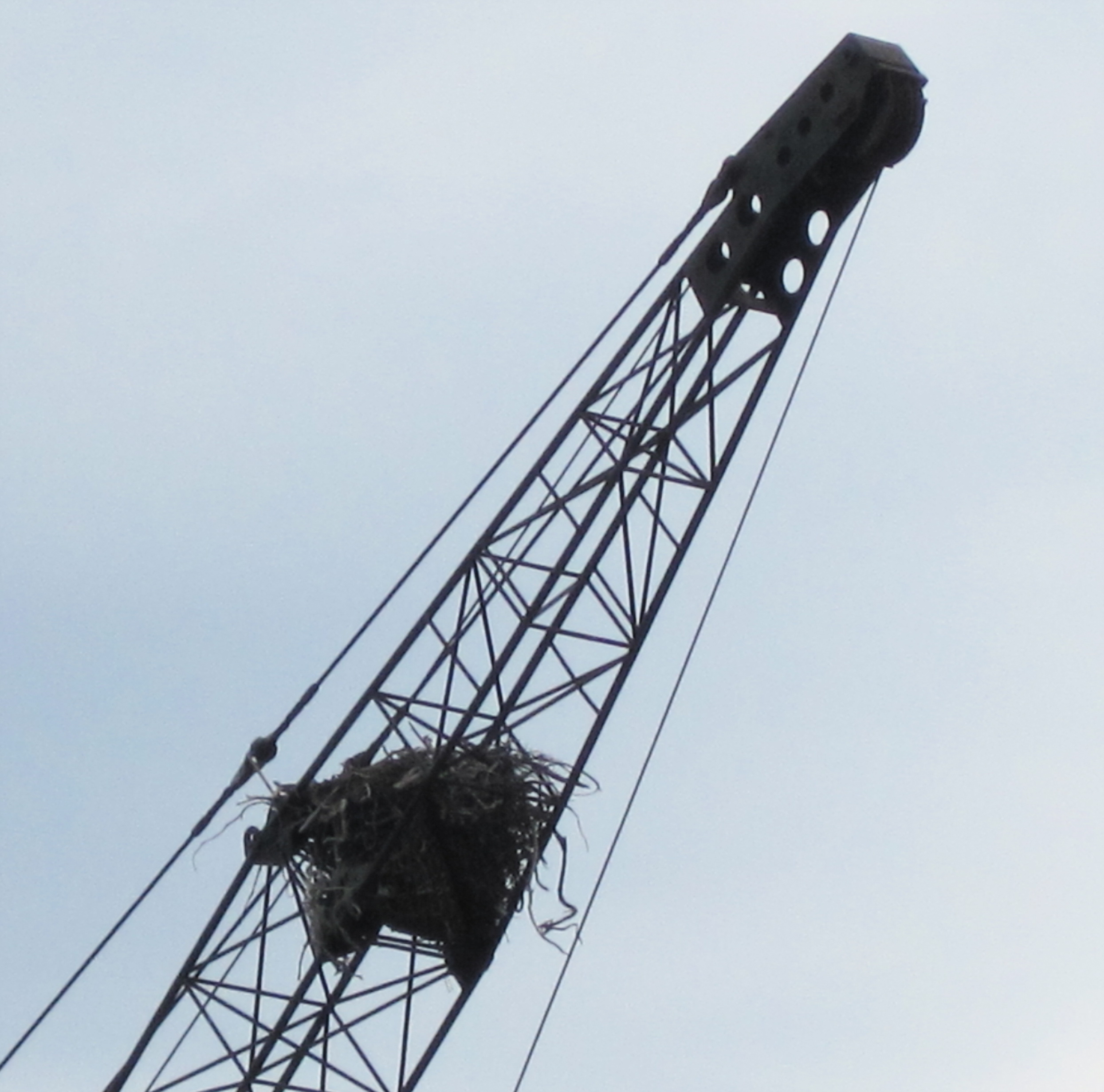
Eagle’s Nest, they will build anywhere!

IMG_2429

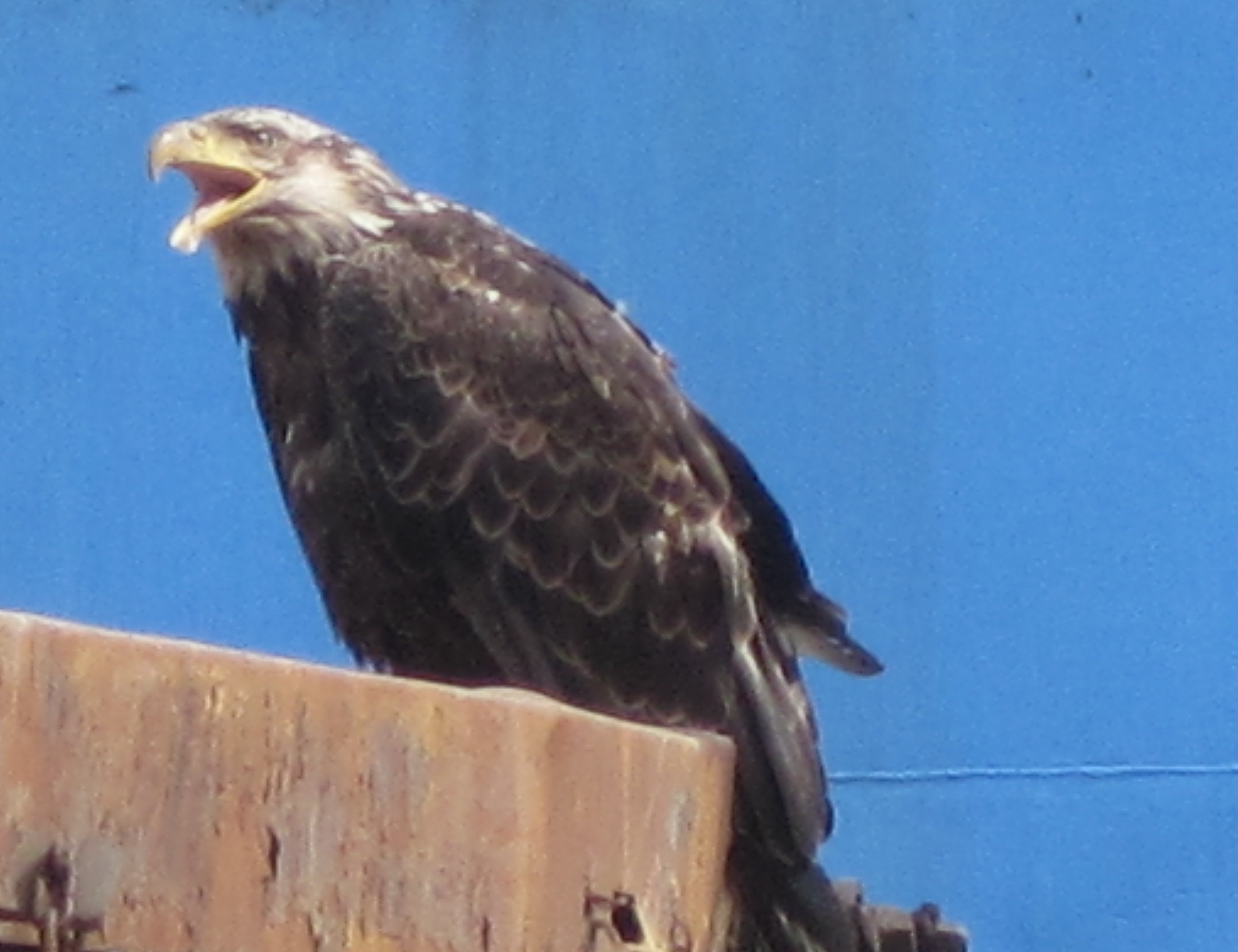
Eagle talking to us!

IMG_2408

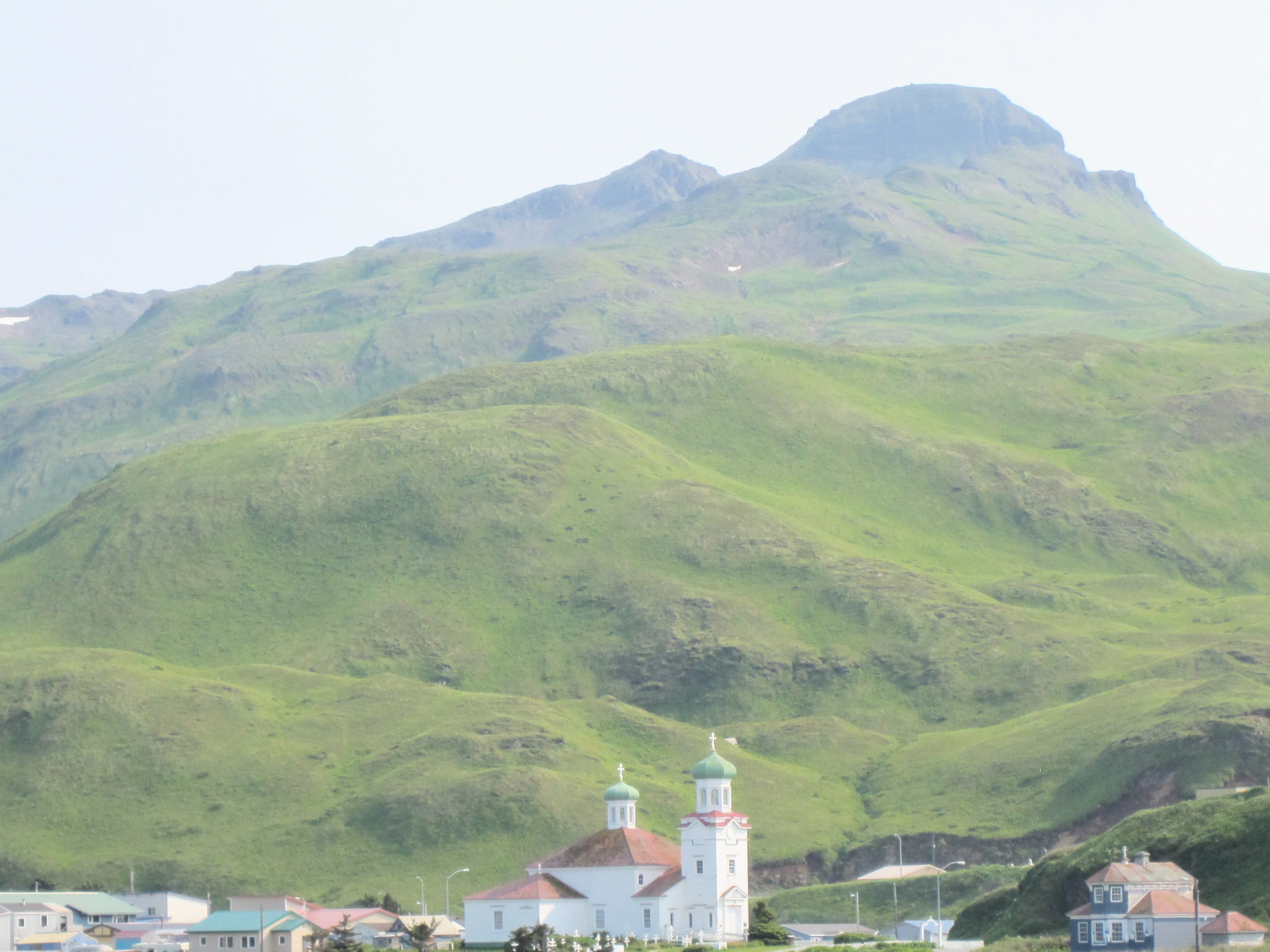
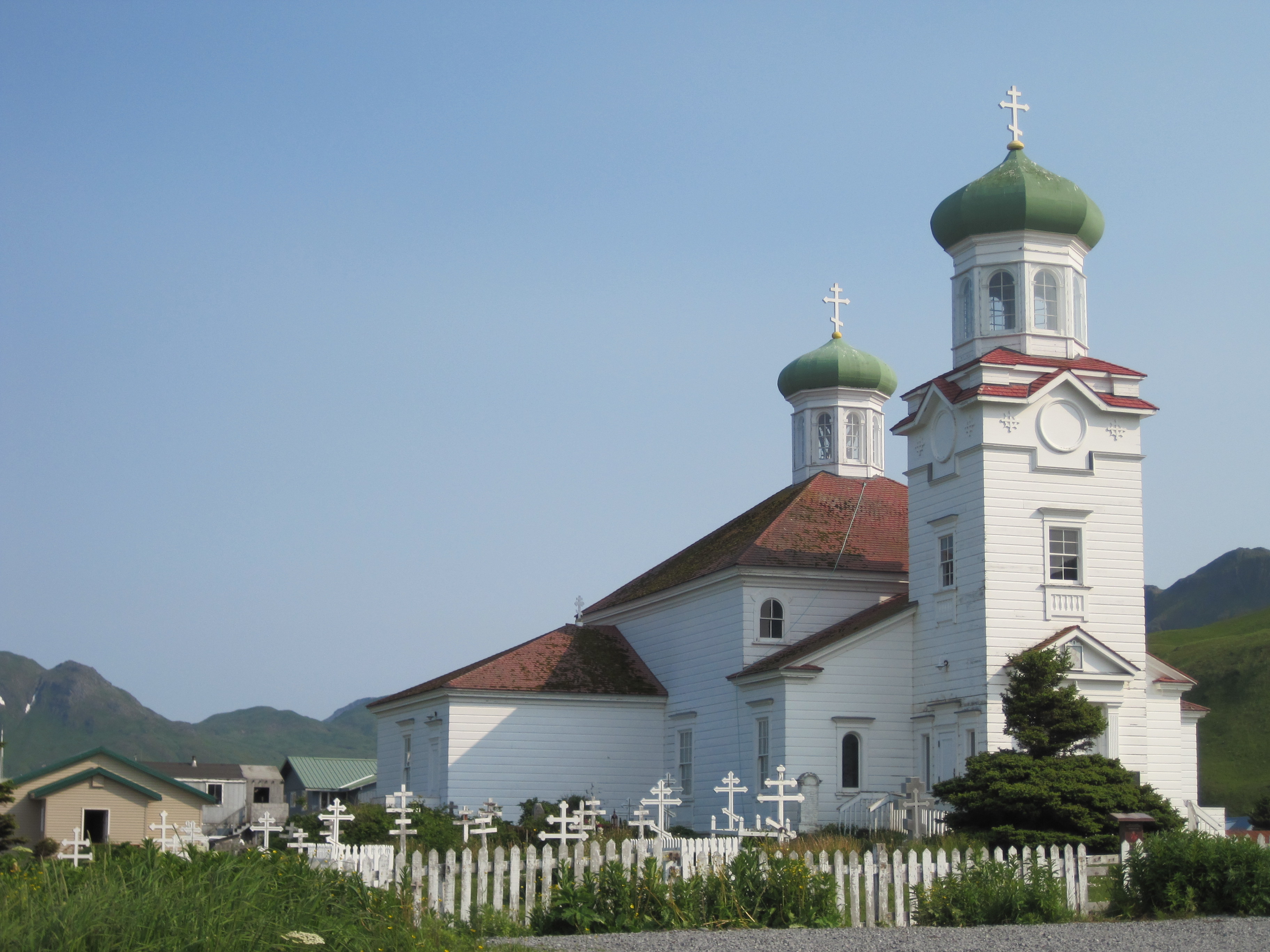
Russian Orthodox Church

IMG_2462 IMG_2398

1 Comment »

Surprise at the Unalakleet Airport

Saturday, Feb. 9, 2013

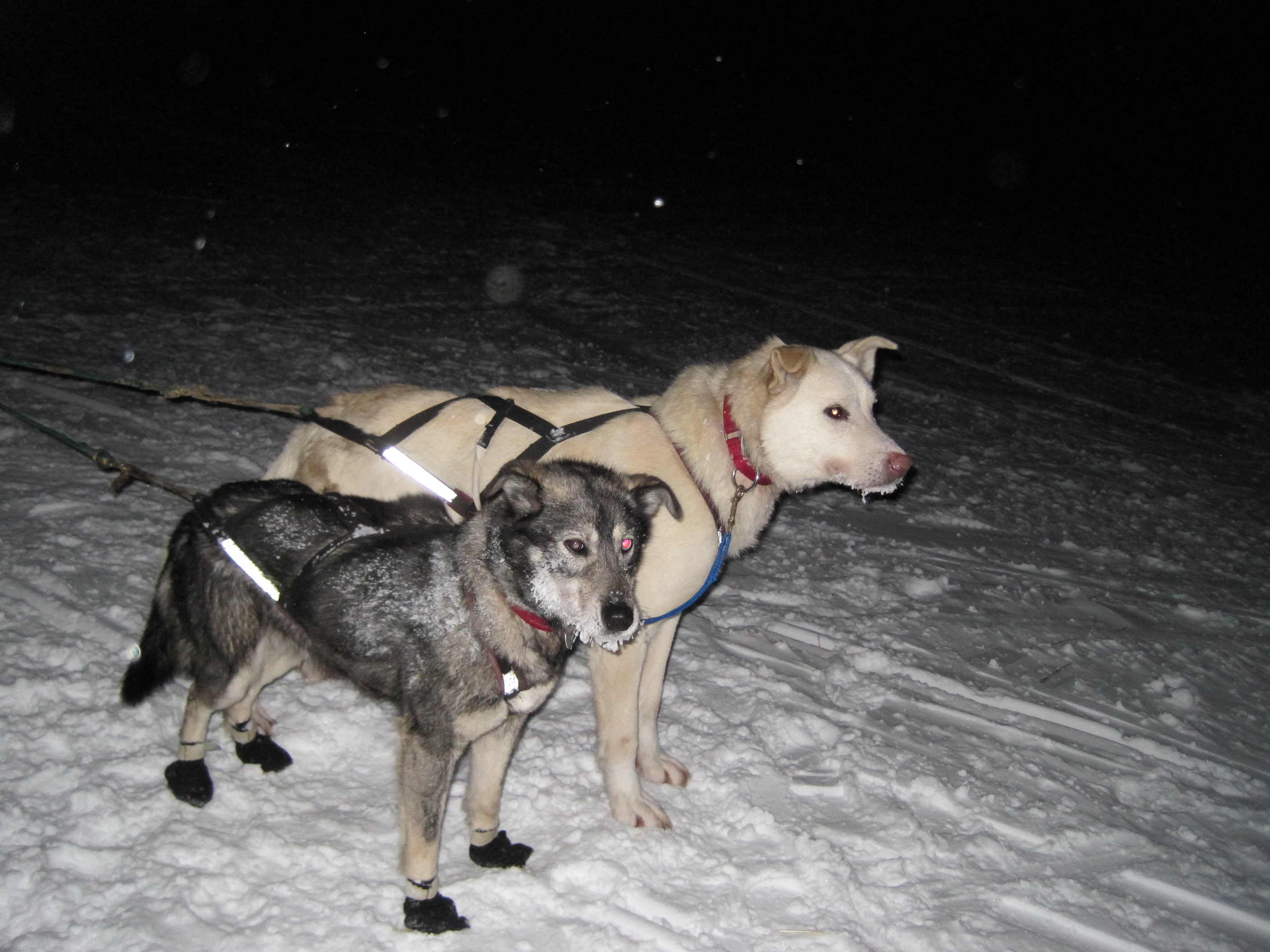
Okay, I am behind in my trips, but this was worth sharing.  After 2 days in Unalakleet, I was headed home.  The airport was full of travelers and 2 looked very familiar to me.  Once I realized that I had some Alaska ‘rock stars’ with me I got a bit awe struck.  The female was DeeDee Jonrowe and we admired each others bright colors!  DeeDee has run the Iditarod race for many years and has been in the top 10 finishers over a dozen times and was the 2nd place finisher 3 times.  She has the fastest finish for a female ever in 9 days, 8 hours, 26 minutes, and 10 seconds.  In 2002 she was diagnosed with breast cancer, but managed to come in 18th place the next year and is a huge supporter of breast cancer research… you will always find her in pink.

One of the reason I admire her so is this, “DeeDee has won numerous awards for the care of her dogs throughout her career, including the best-cared for team, the best dog care award (given by staff veterinarians), the dog’s best friend award, and the Iditarod’s Alaska Airlines Leonhard Seppala Humanitarian Award for excellence in dog care. Because her dogs are a top priority, she became a founding member of Mush with PRIDE, which provides responsible information of a dog’s environment, exhibiting her commitment to set the standards for all aspects of sled dog care.”

Once I said hi and asked for a picture we spent a lot of time chatting about her dogs and she was so excited to share her love of them with me.

The other face in the picture is 4 time winner of the Iditarod Race, Martin Buser.  He won, in 1992, 1994, 1997, and 2002.  He was as nice as DeeDee and happy to allow a picture.

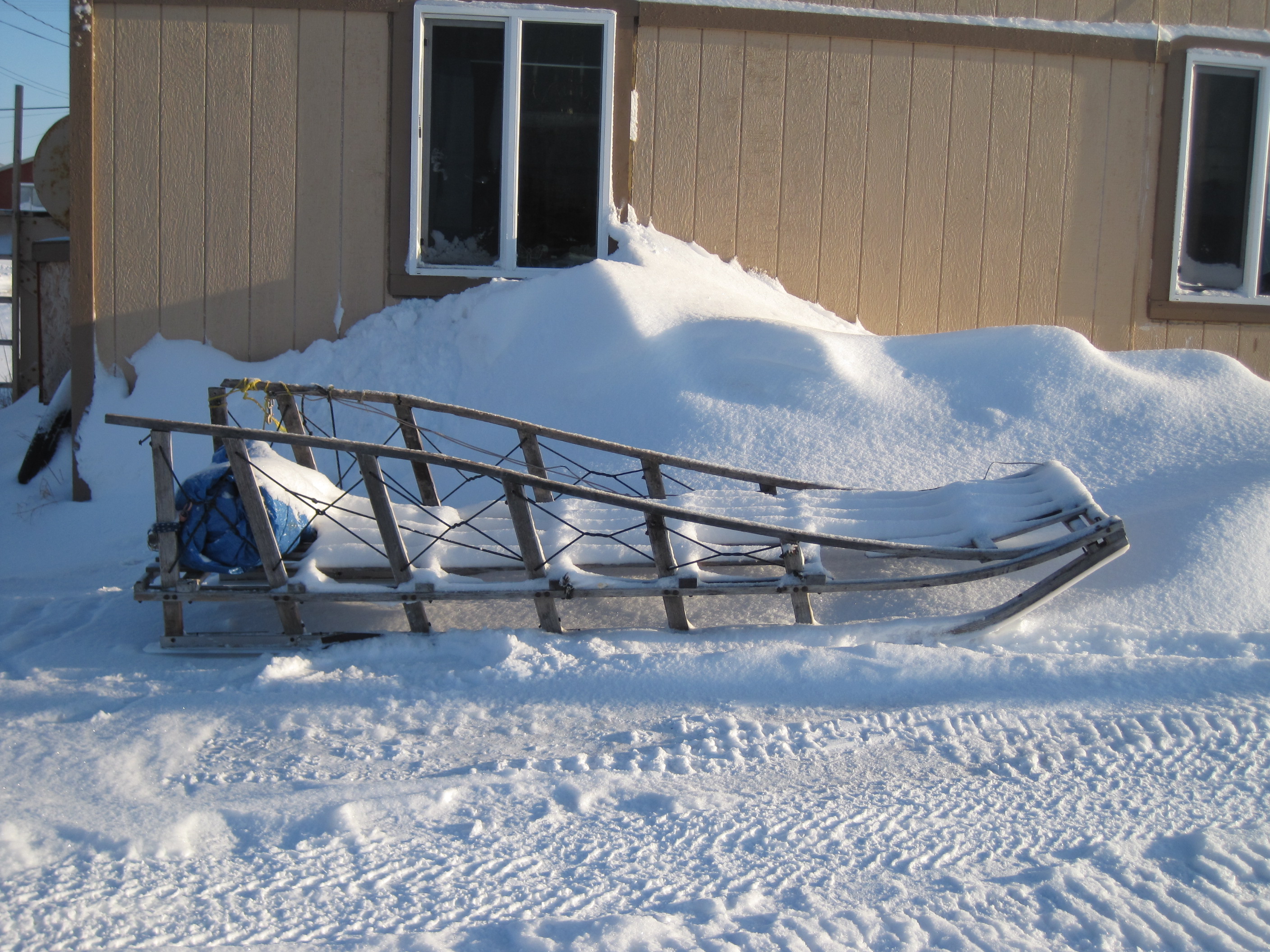
They were there b/c they were racing a shorter race in preparation to the Iditarod, but they got weathered out and were heading back to town with their dog teams.  IMG_0298

I did take some other pictures on this trip so here they are!

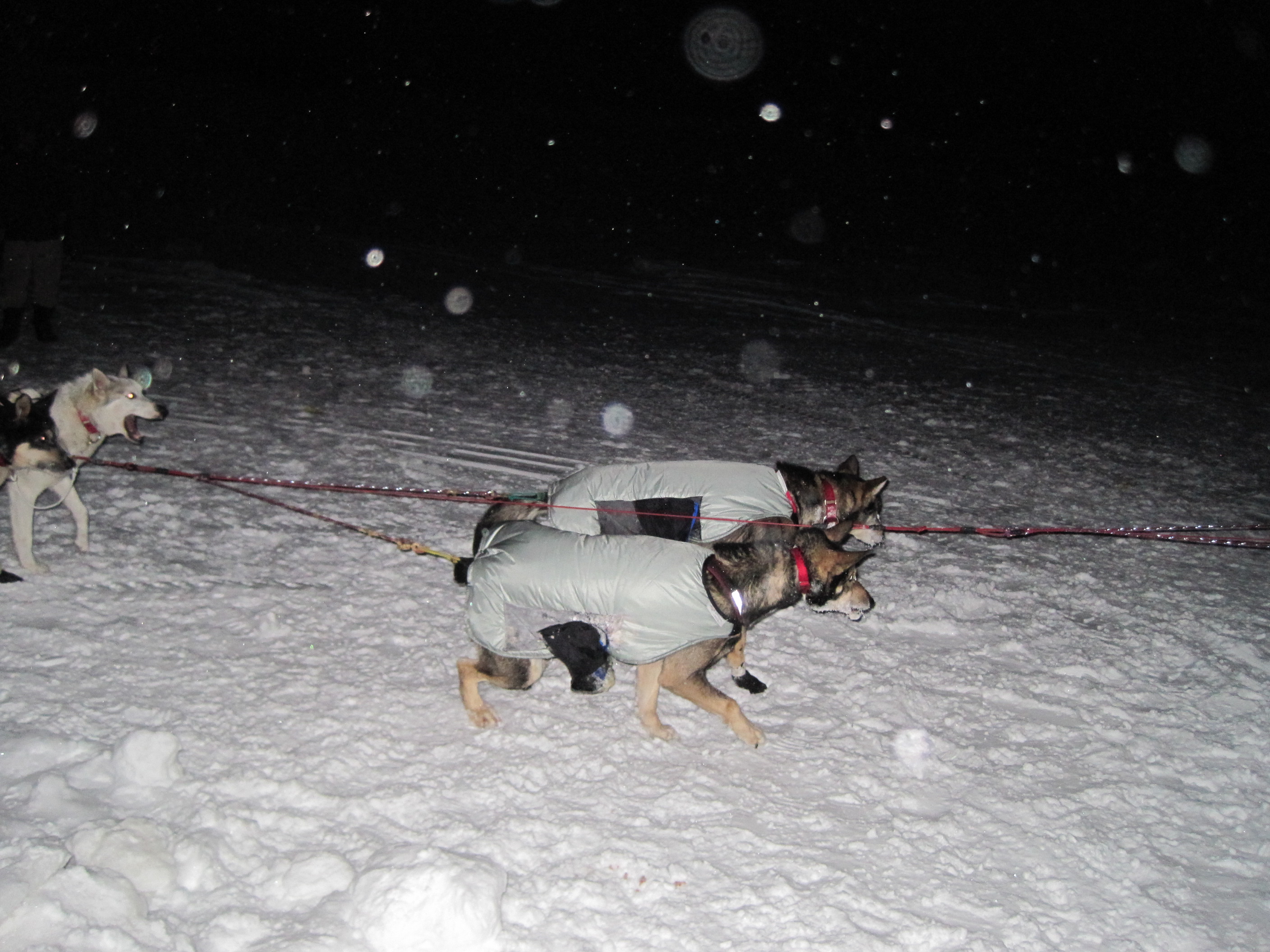
IMG_9457

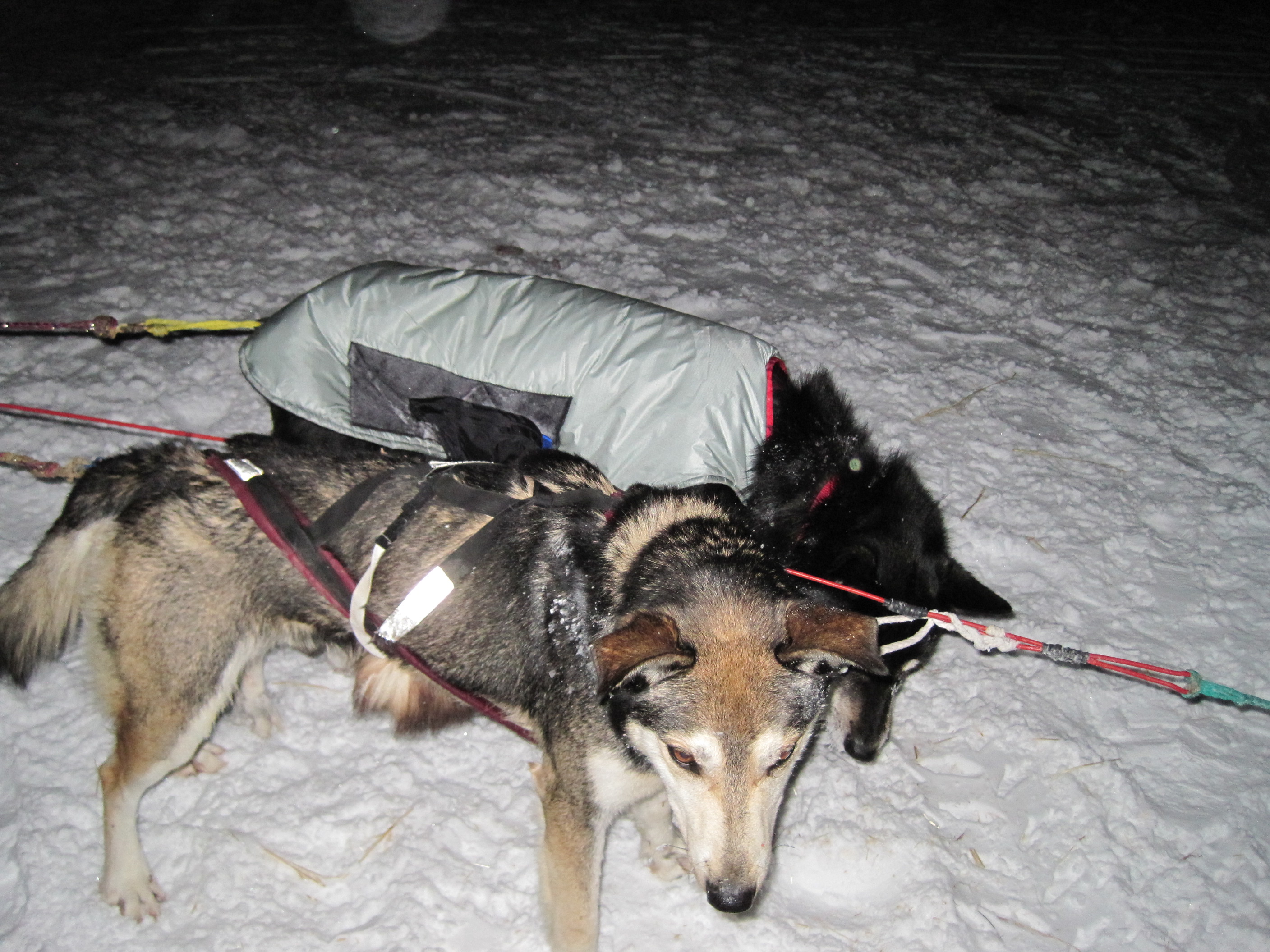
dog races on their way through one night

IMG_9423

one of the stored in town

IMG_9426

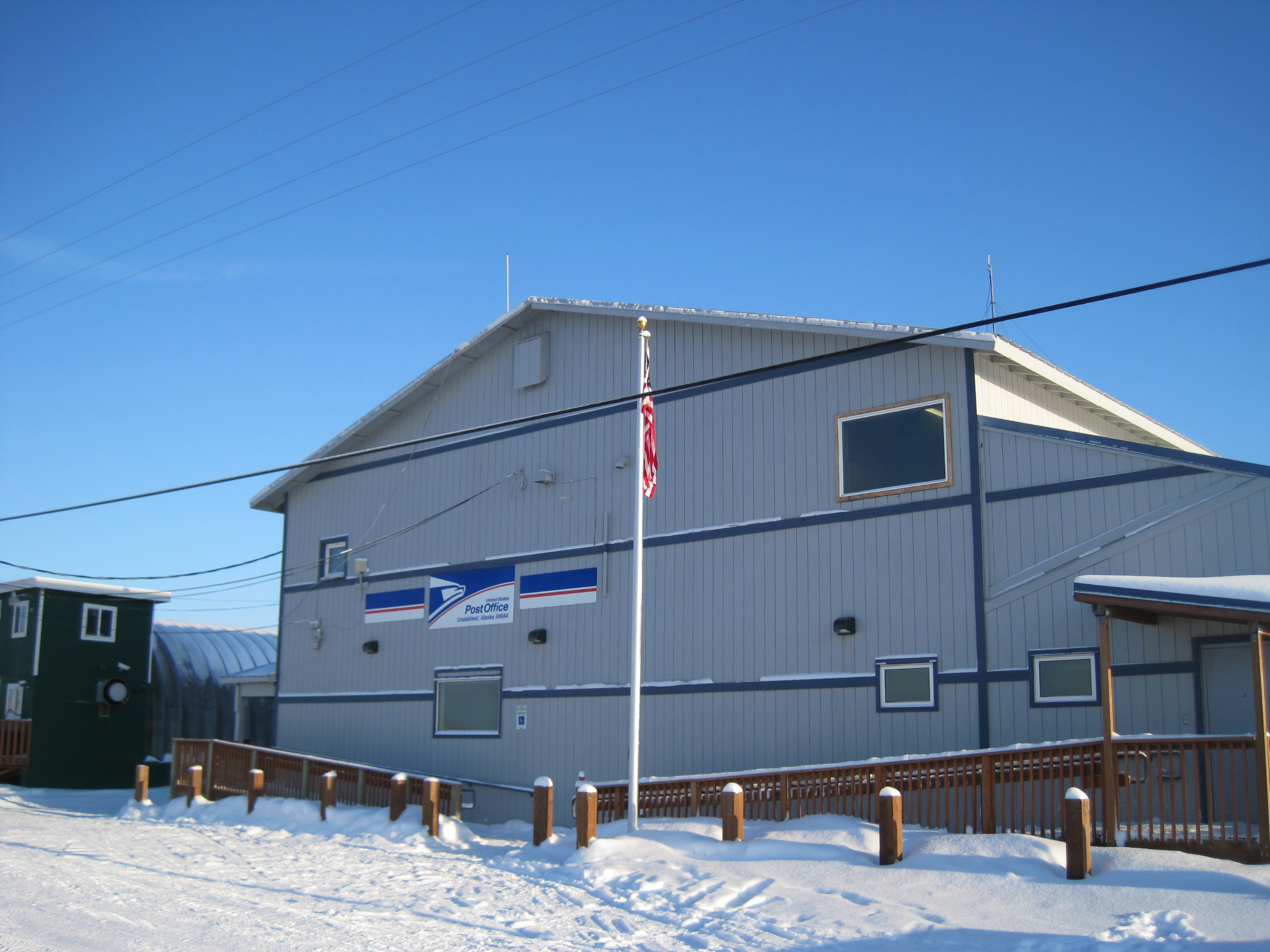
post office

IMG_9397

inside the entry to the school… this is safety at its best

IMG_9395

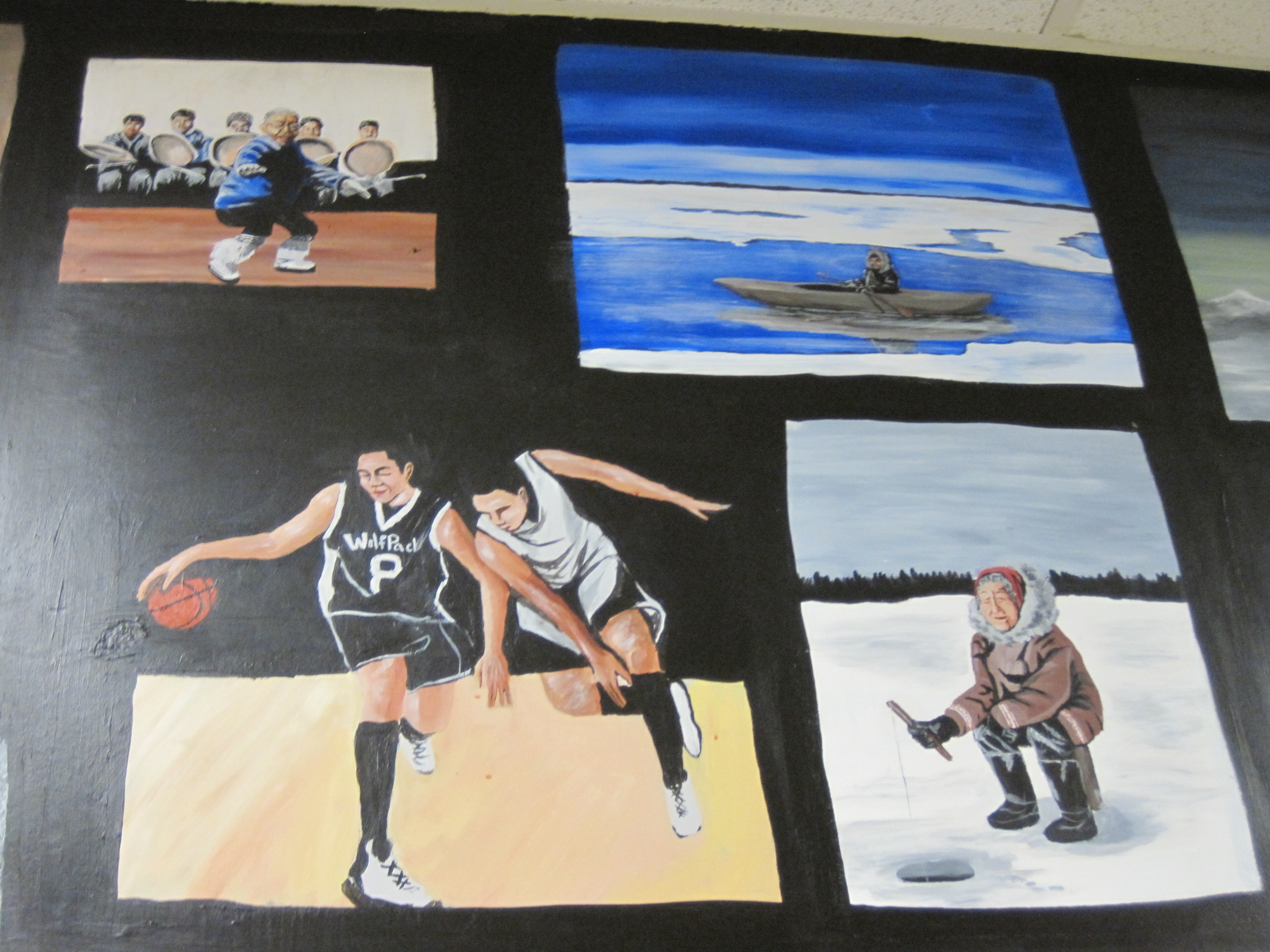
murals on the walls of the schools

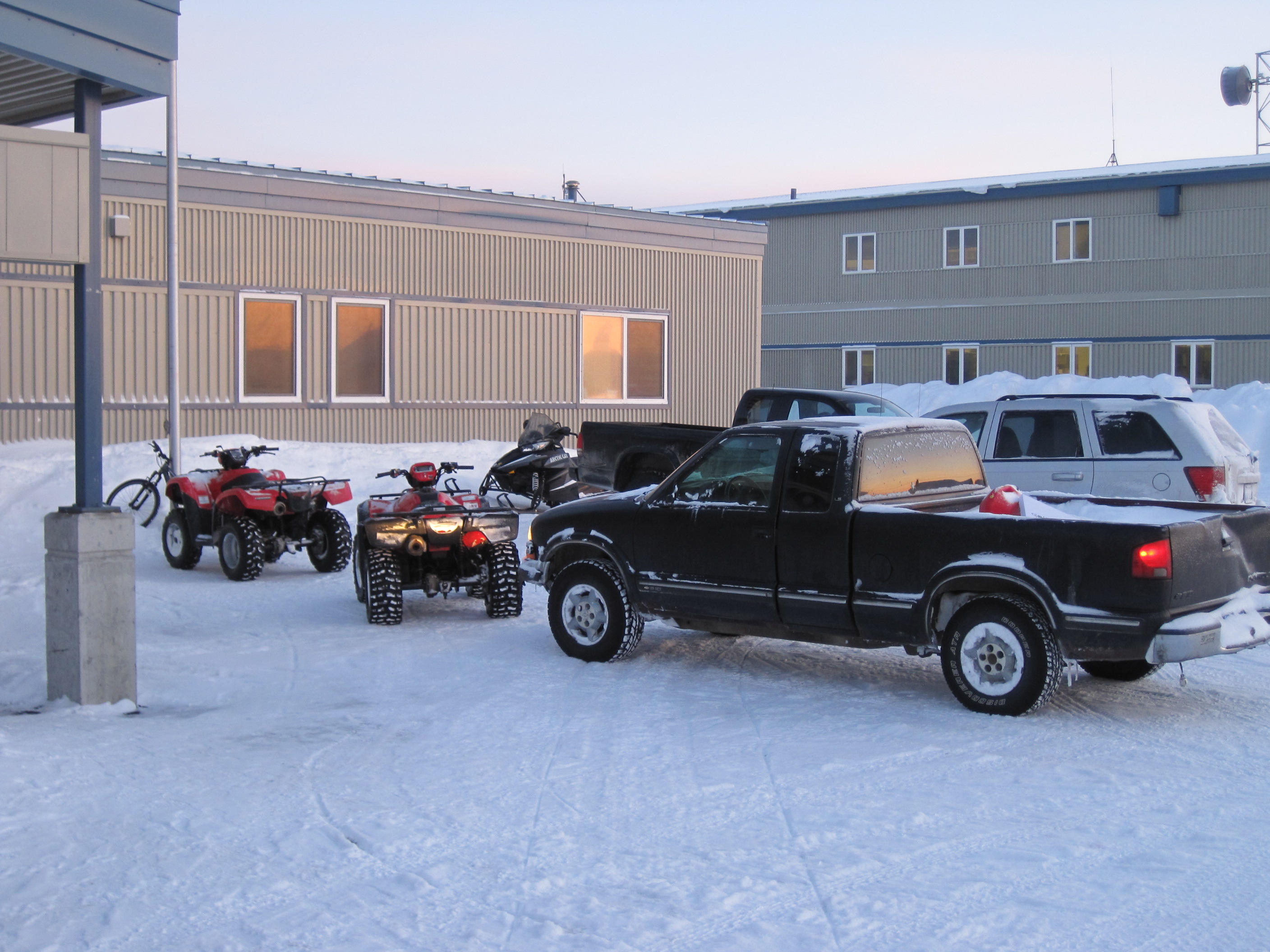
IMG_9394

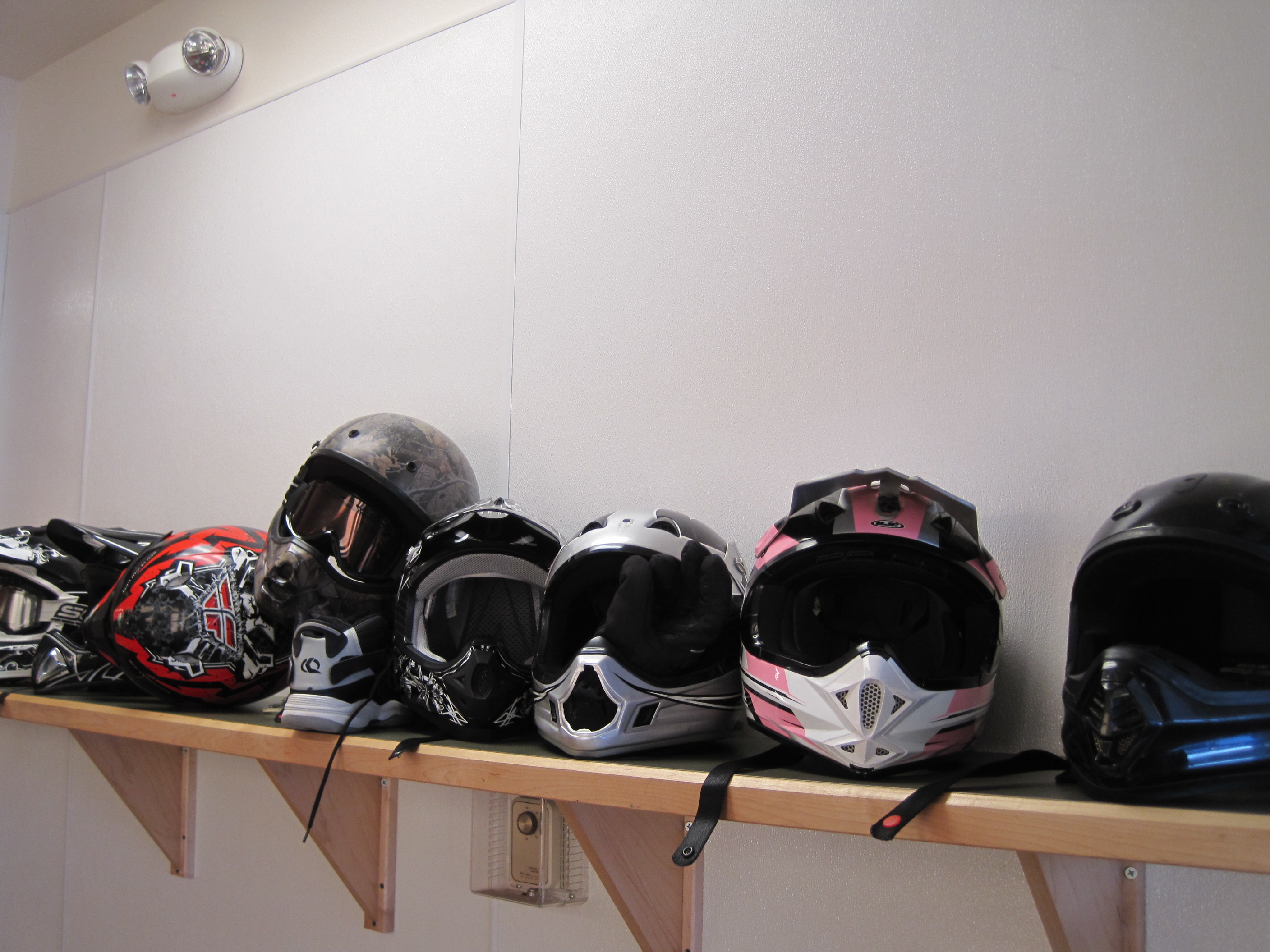
modes of transportation to school

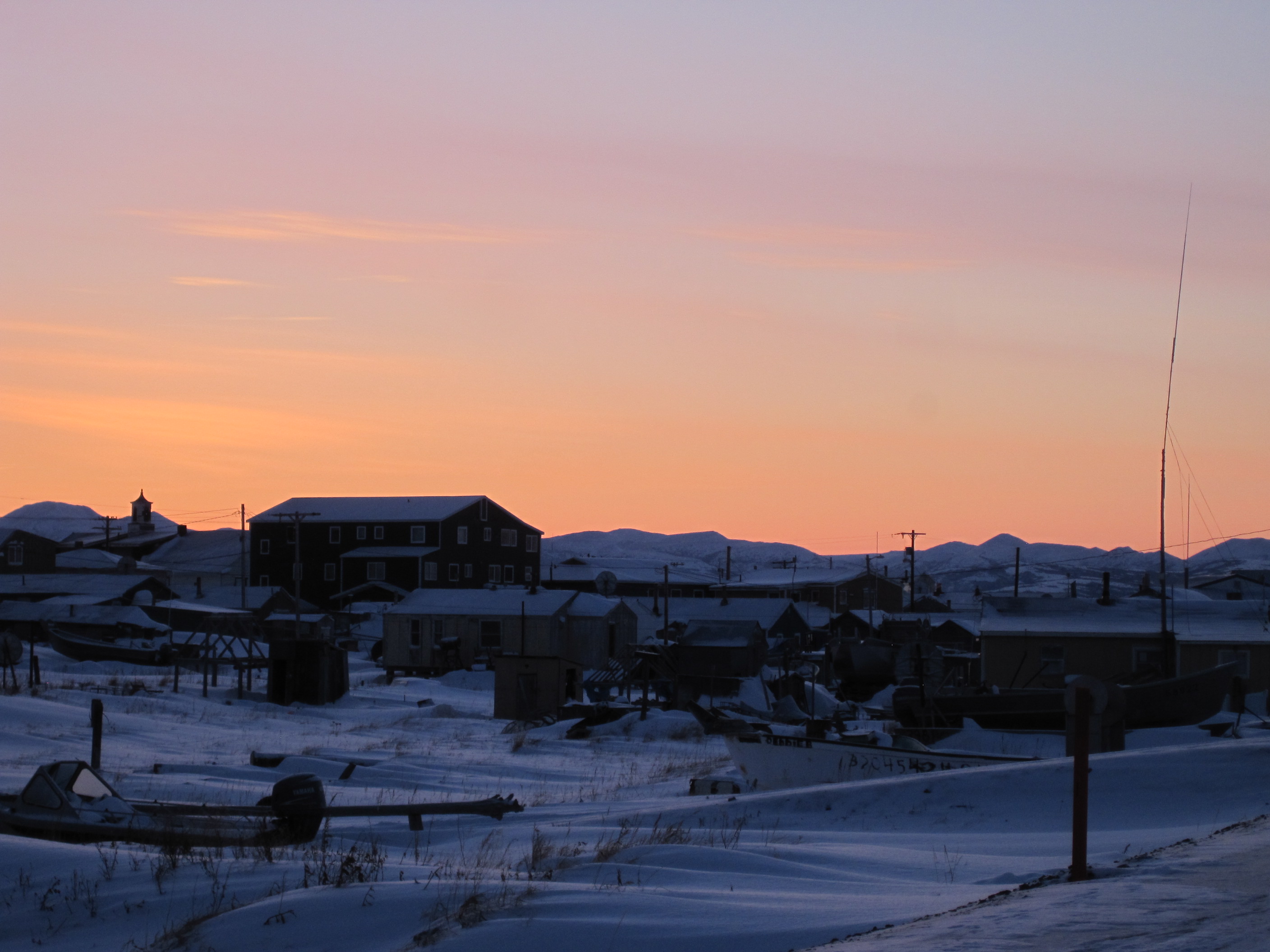
IMG_9392

sunrise

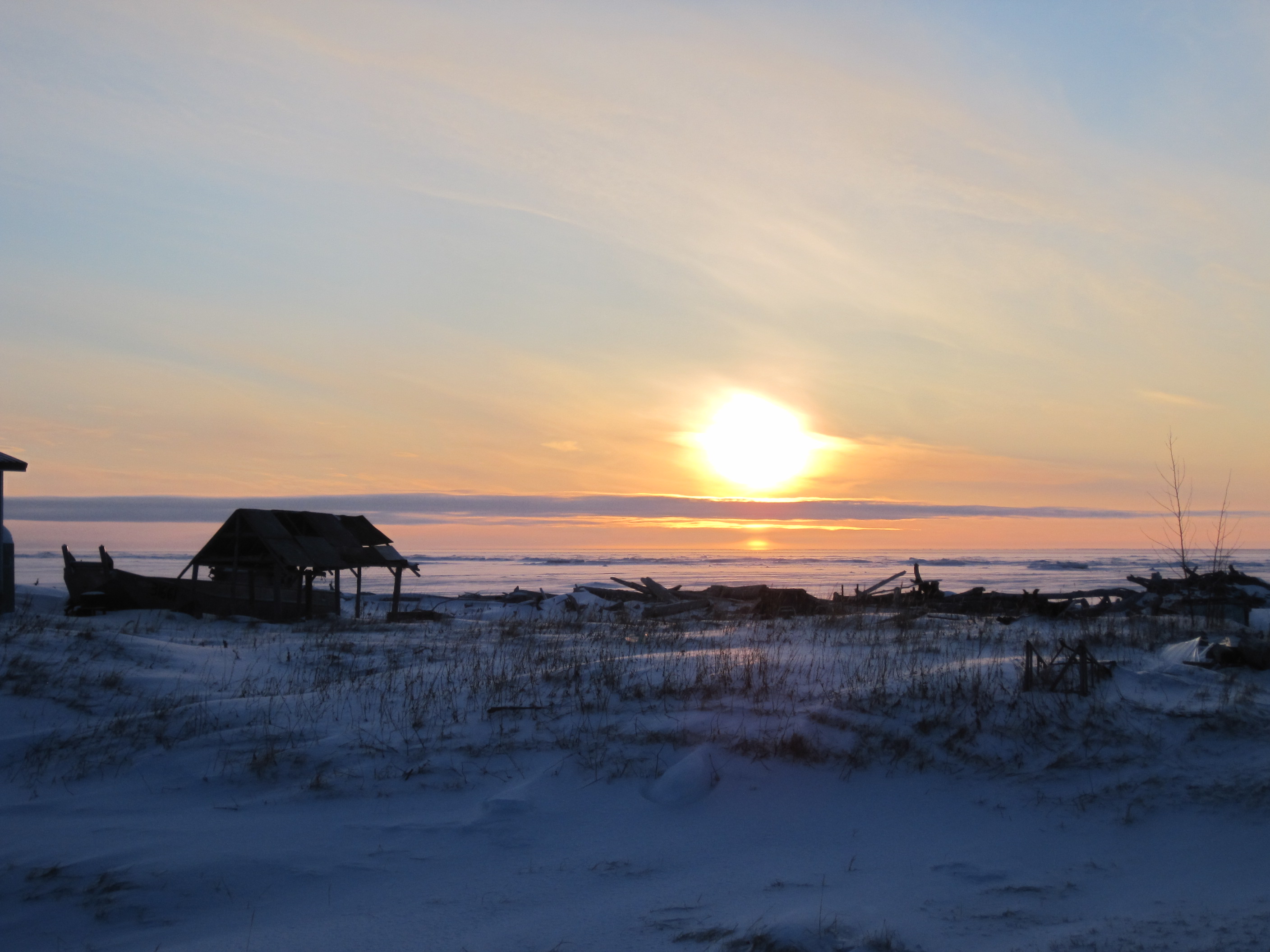
IMG_9449

sunset on the Bering Sea

IMG_9439

for drying fish

IMG_9458 IMG_9454 IMG_9453IMG_9444 IMG_9438 IMG_9435 IMG_9434 IMG_9432 IMG_9430 IMG_9428 IMG_9427 IMG_9425 IMG_9393 IMG_9391 IMG_9390 IMG_9389

Leave a comment »