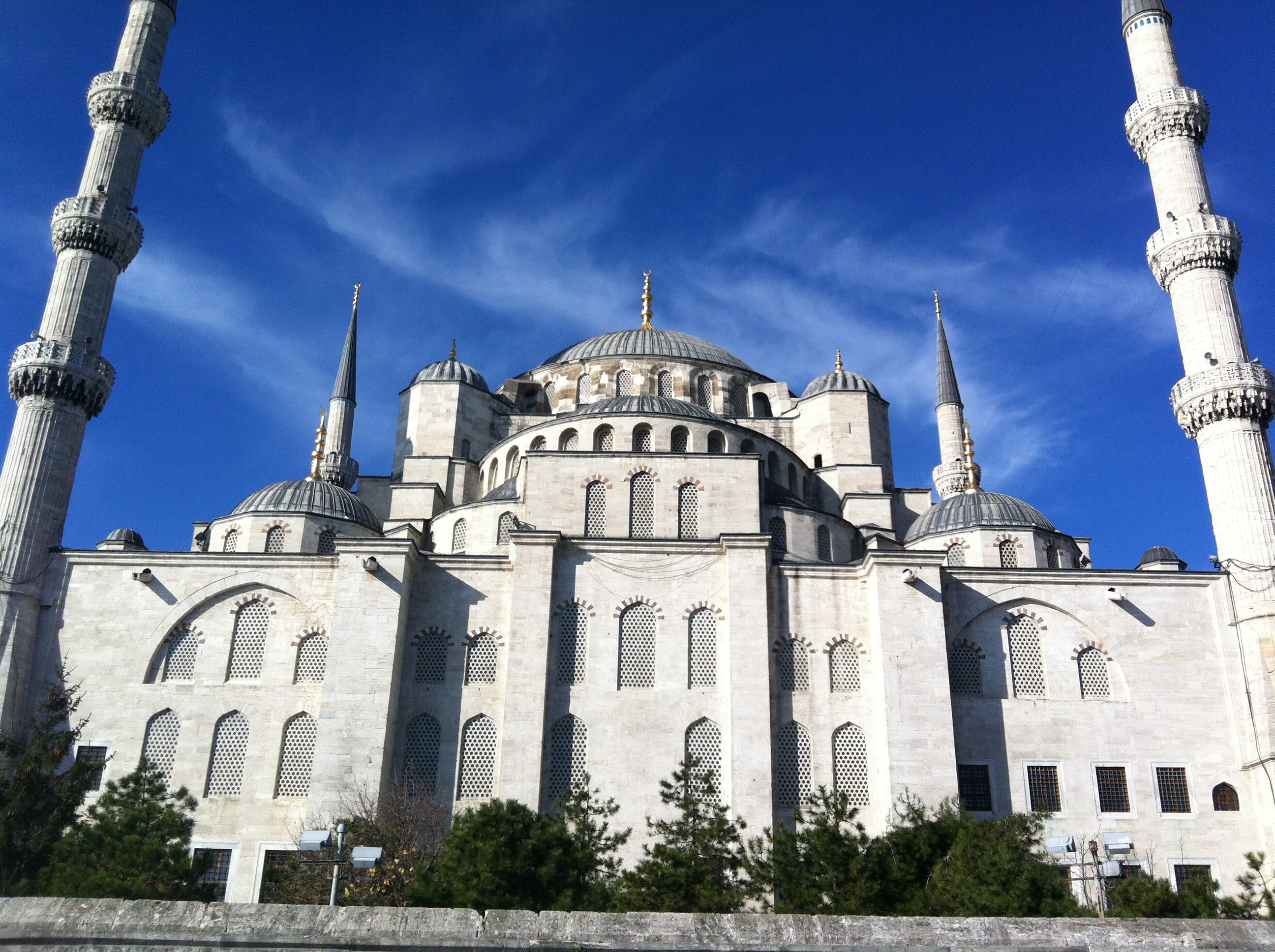
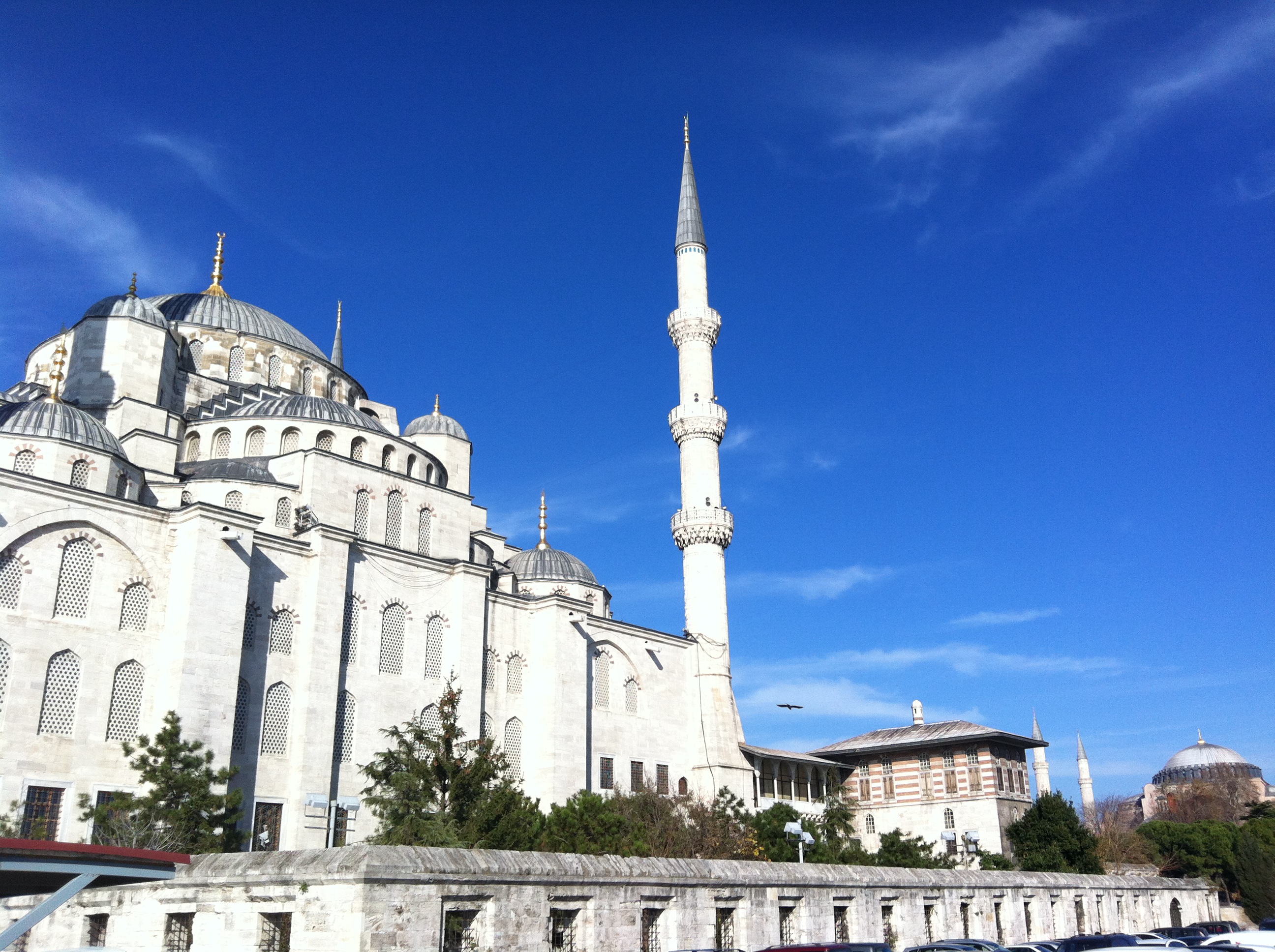
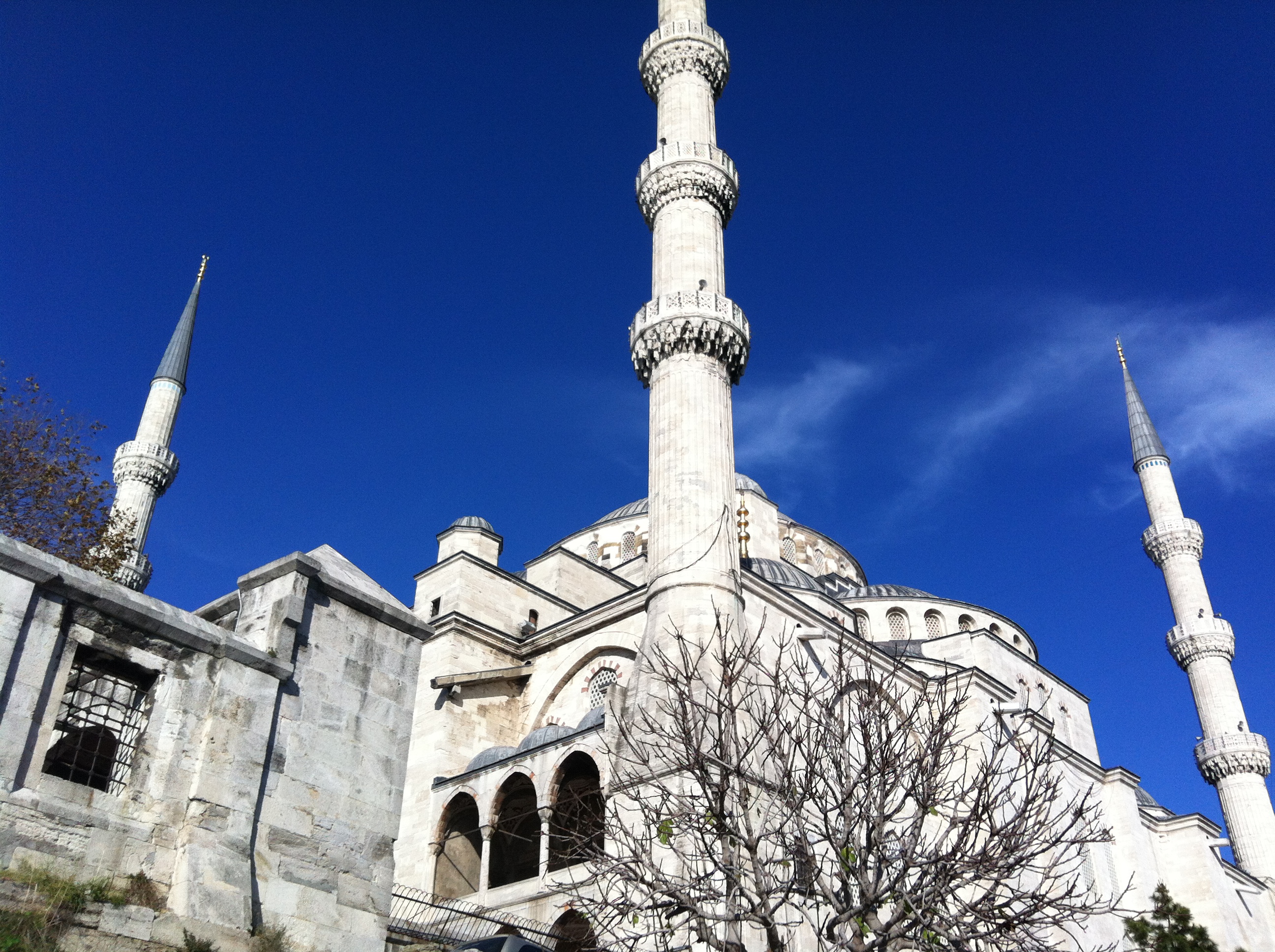
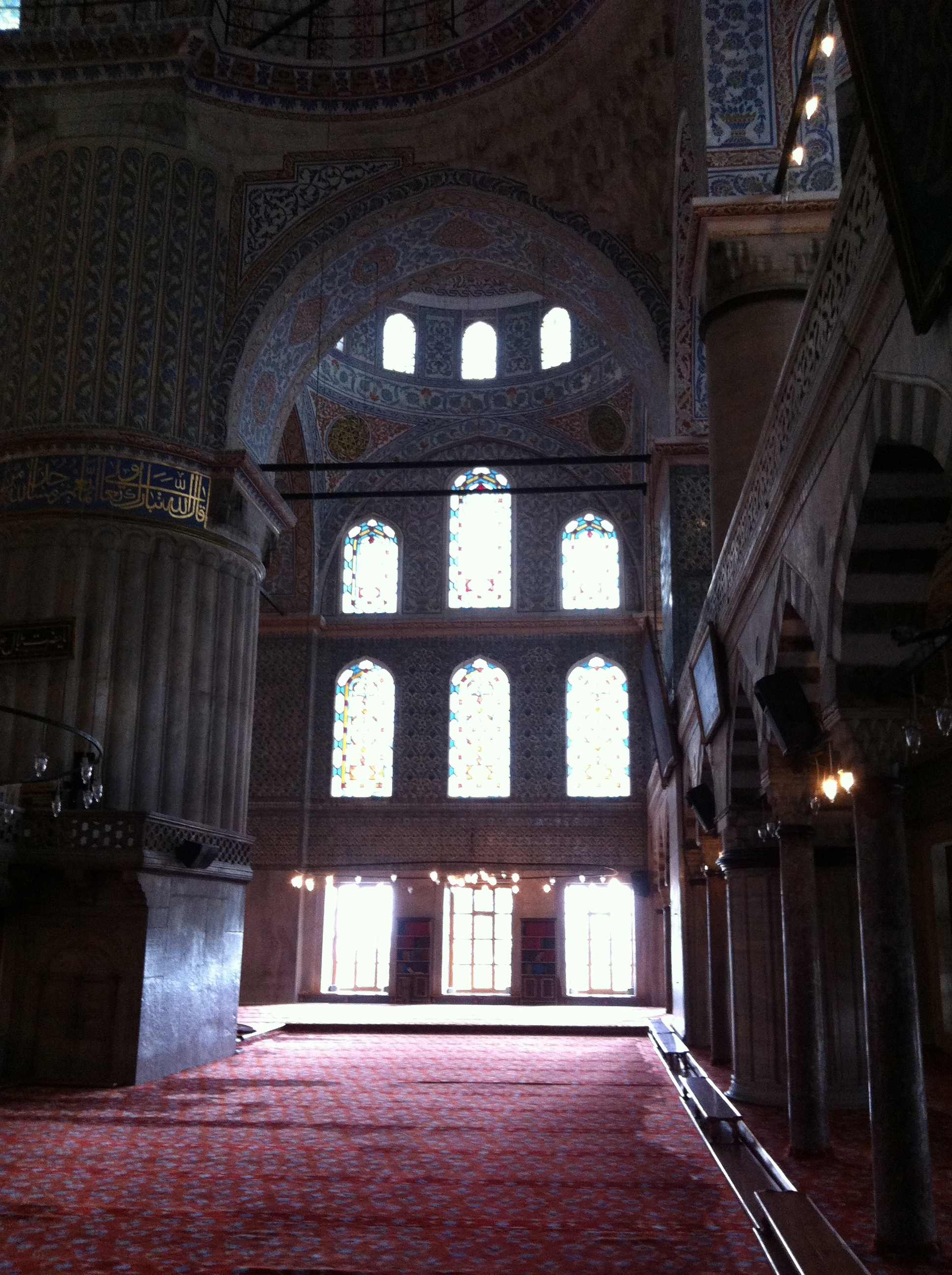
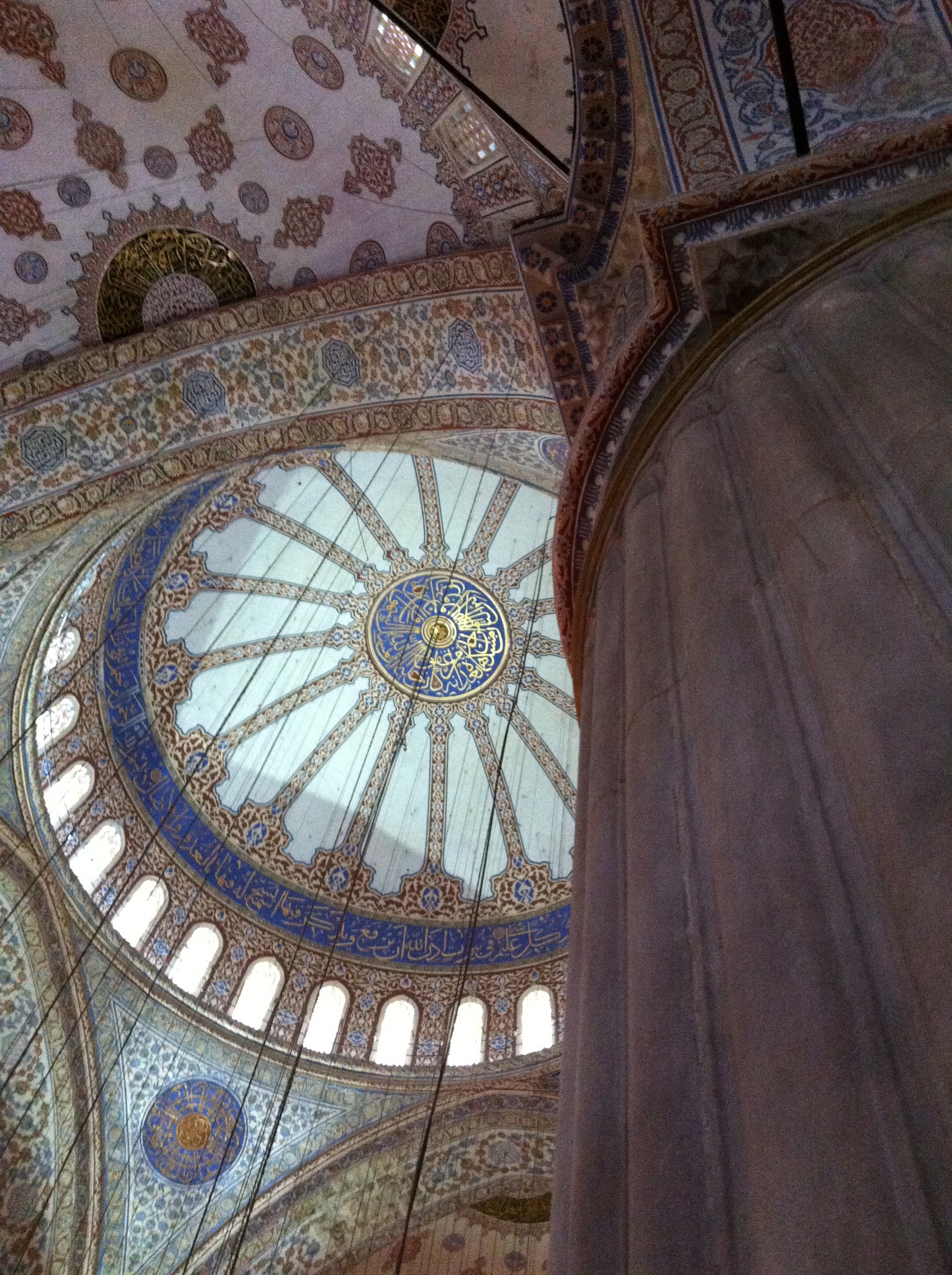
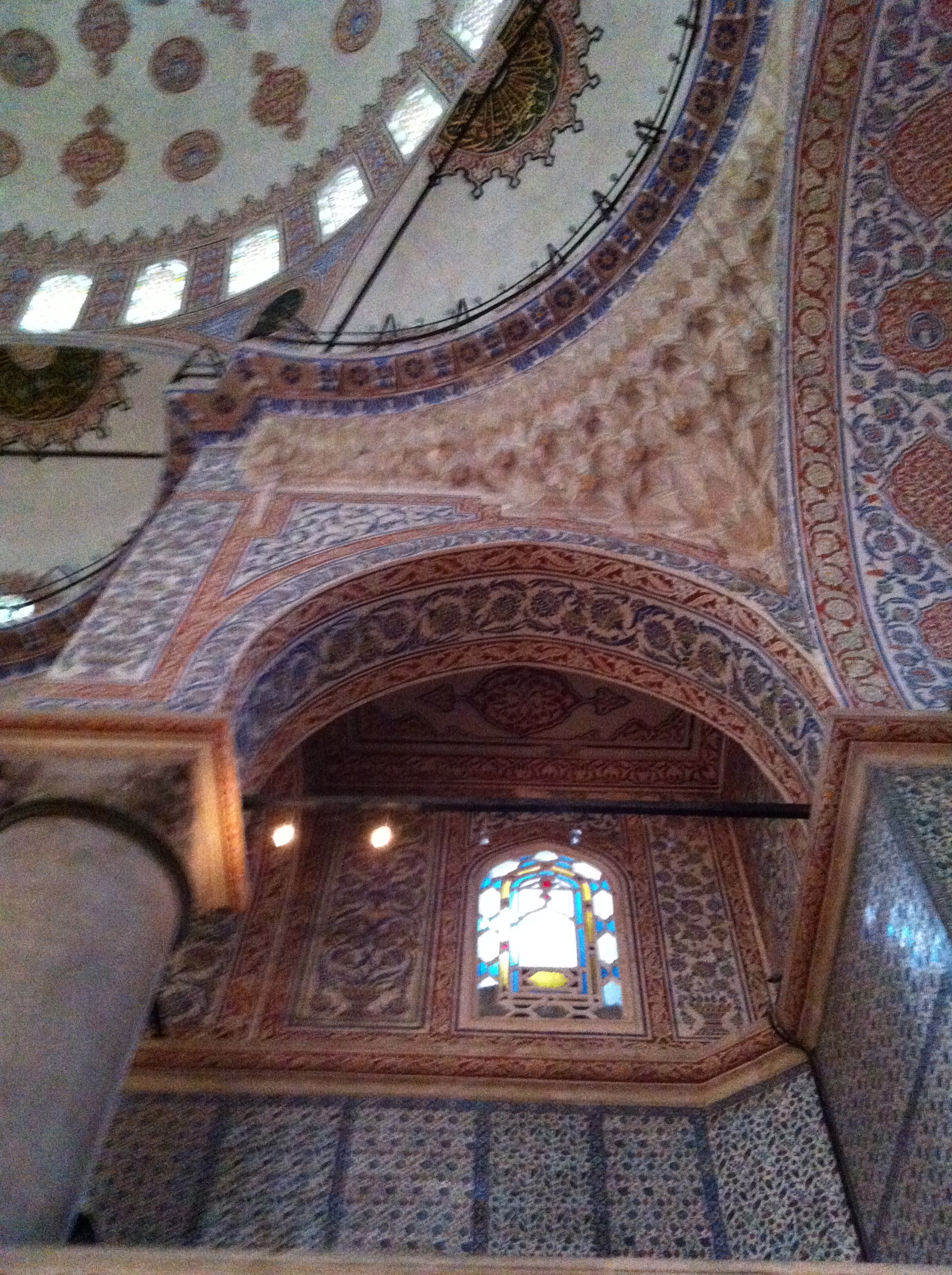
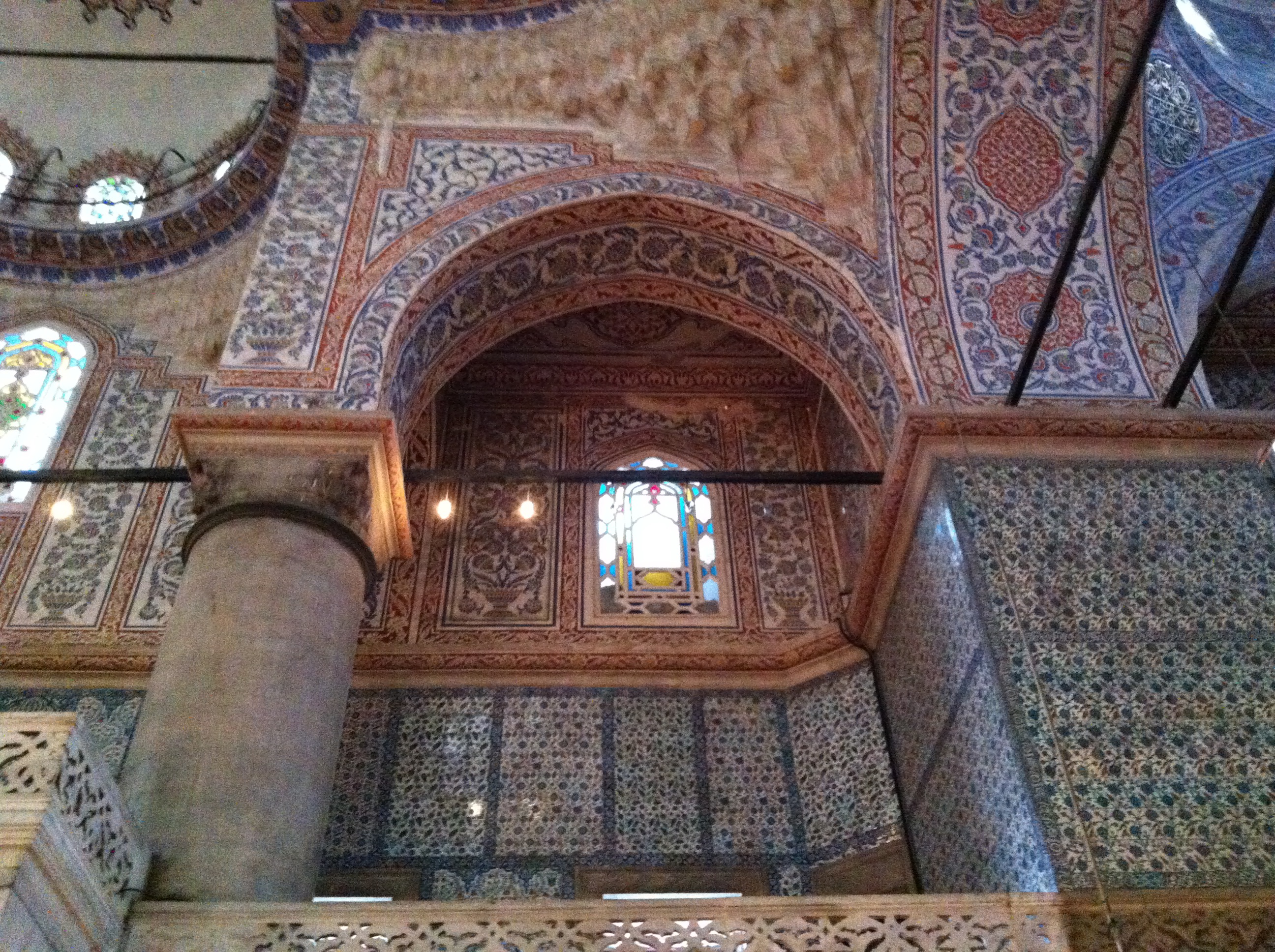
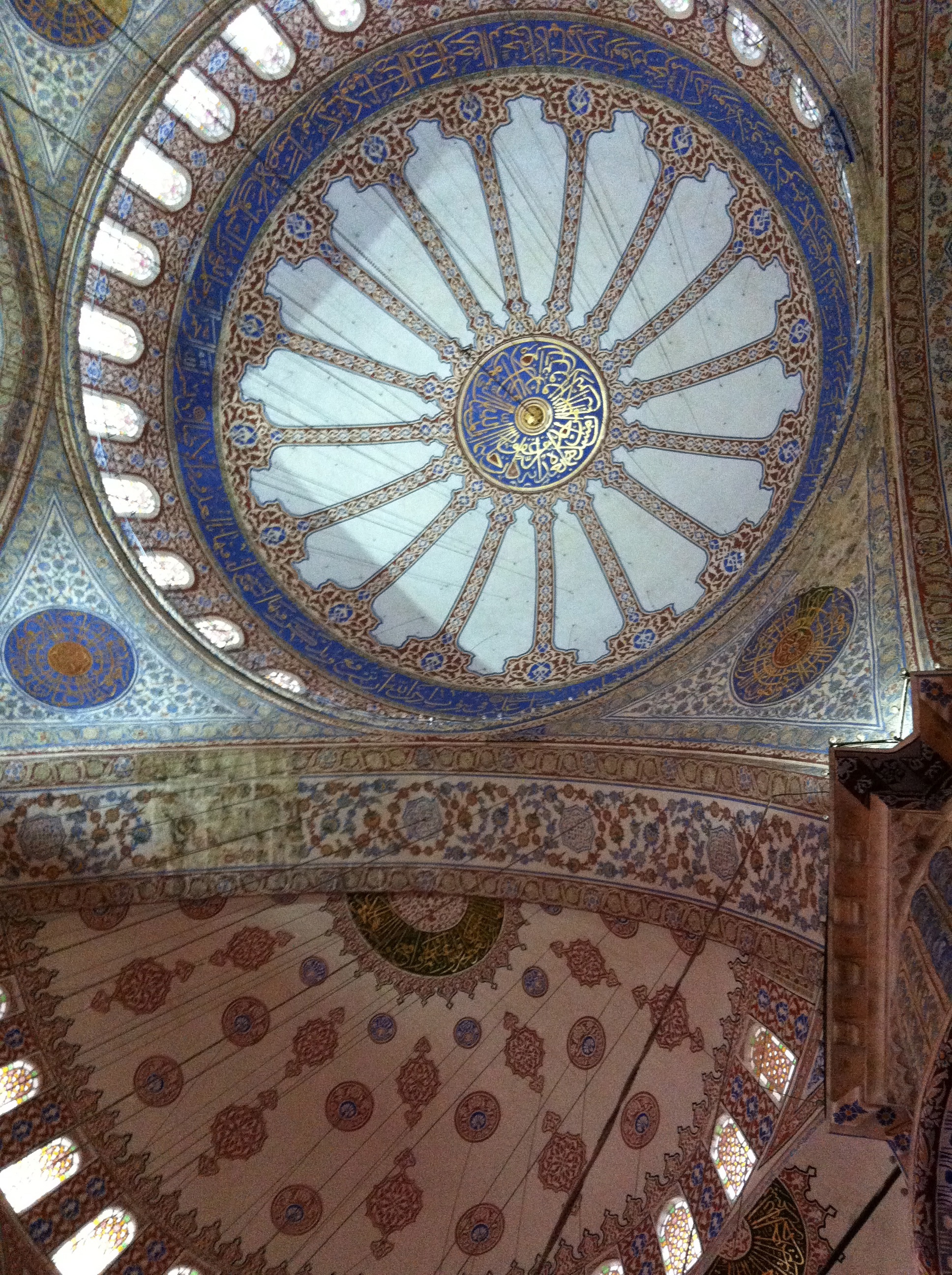
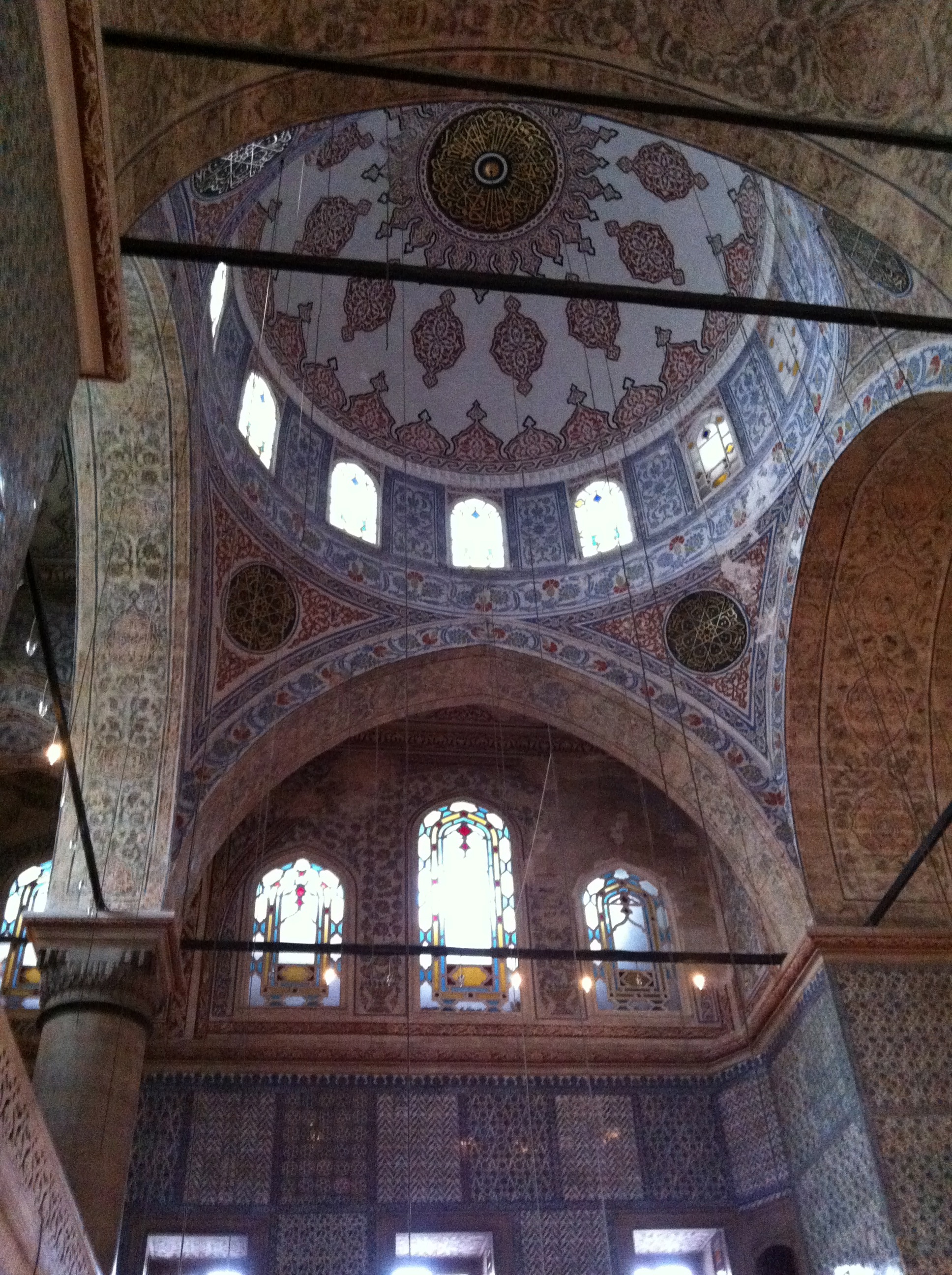
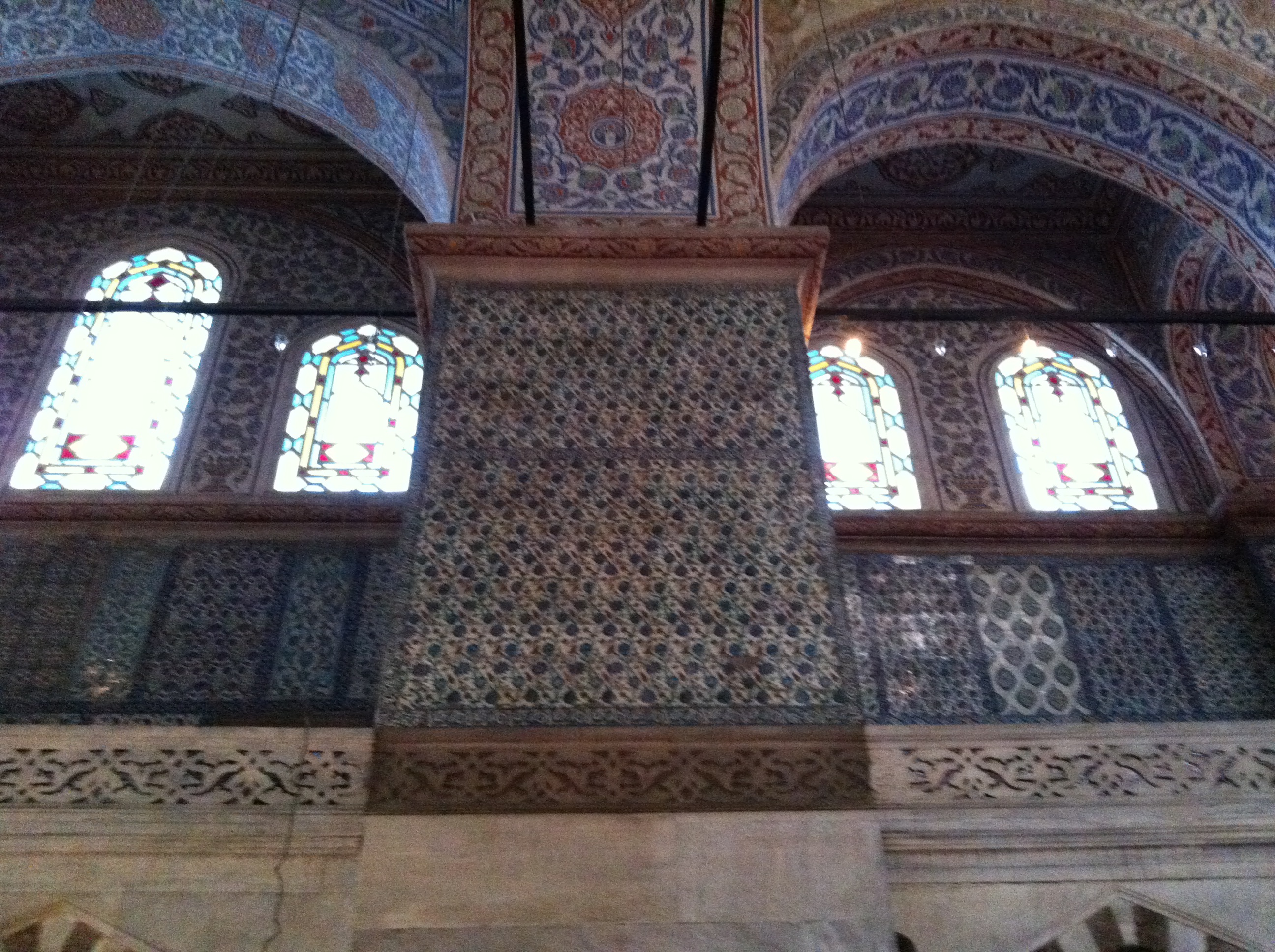
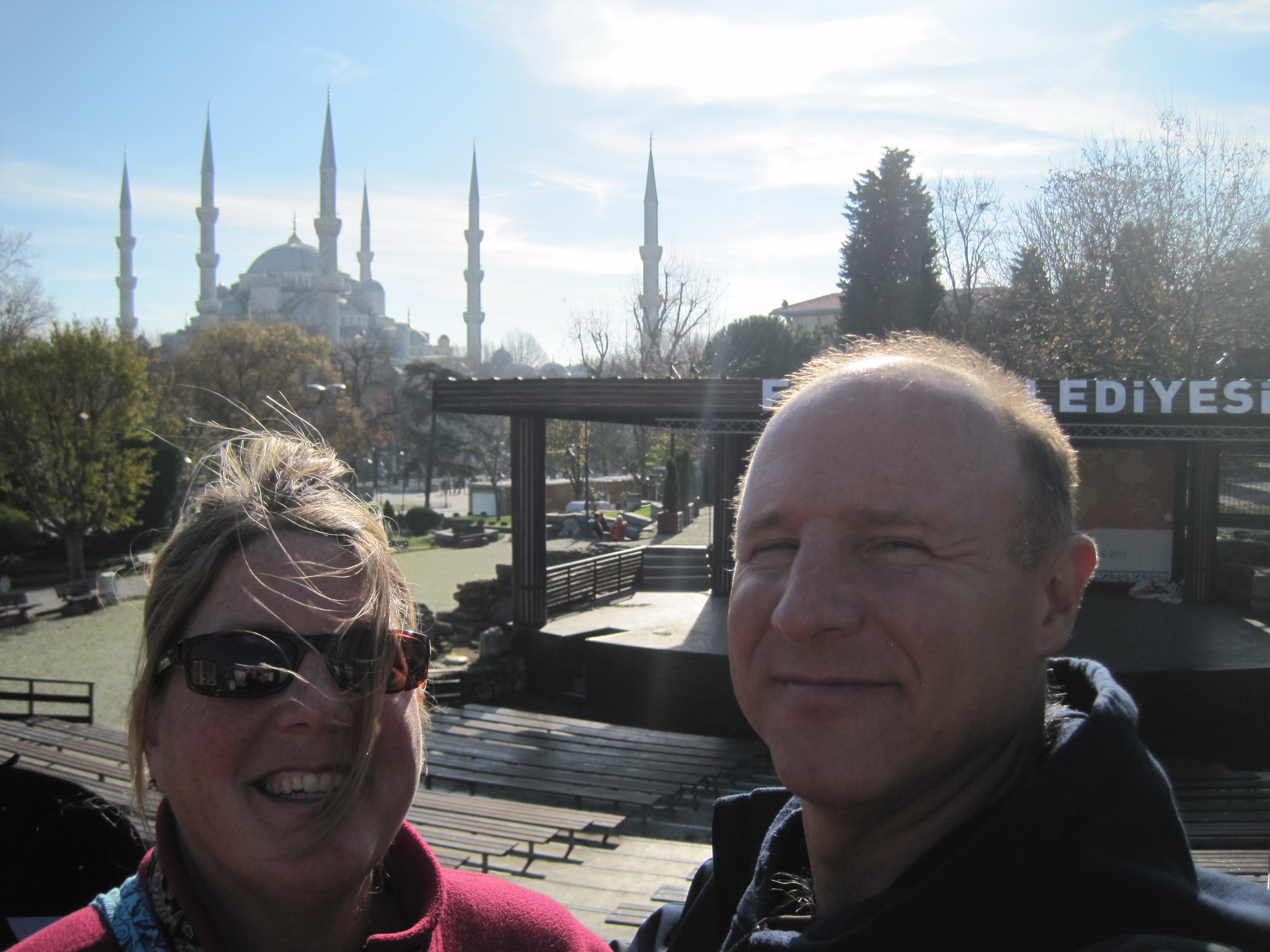
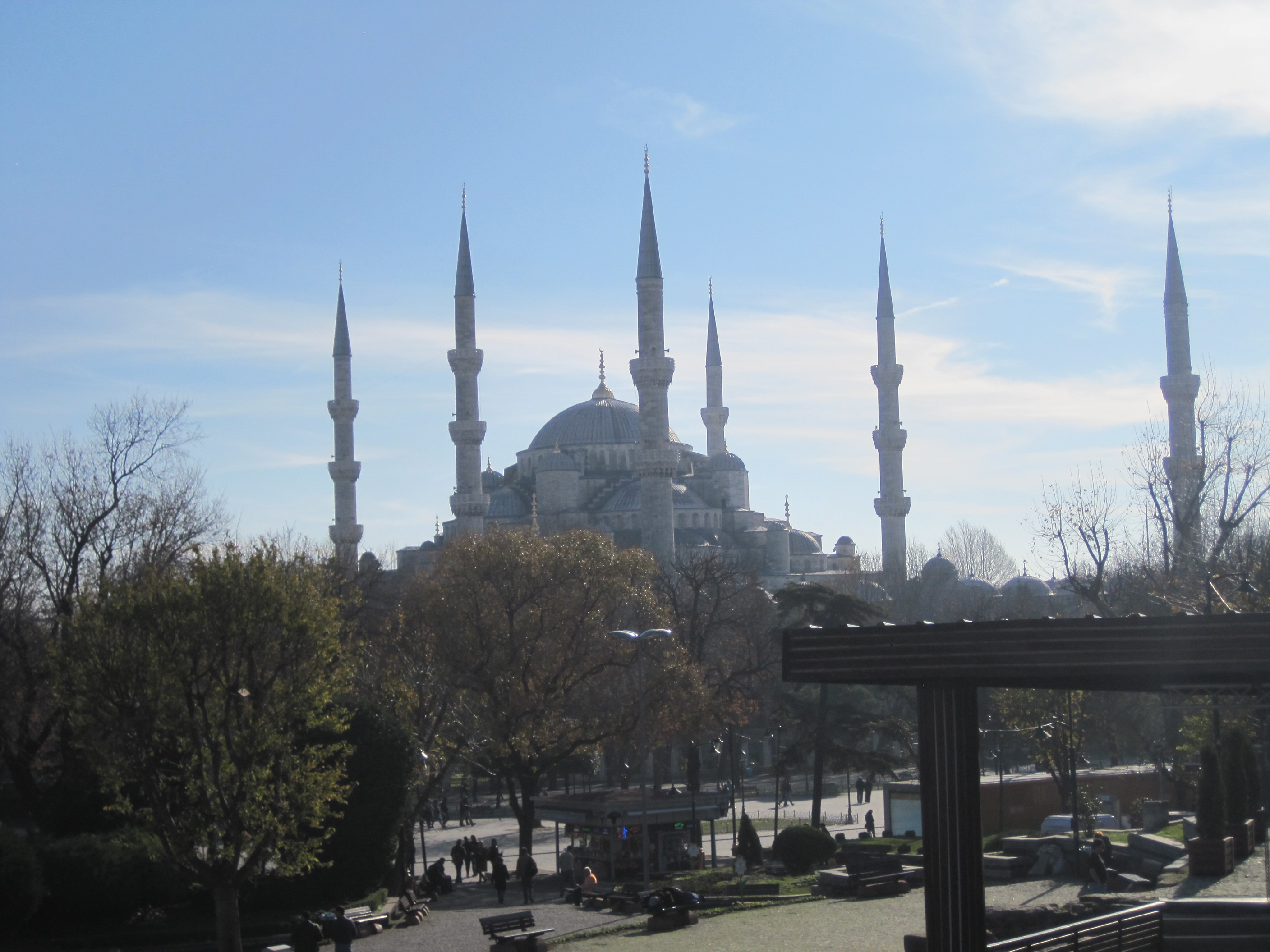
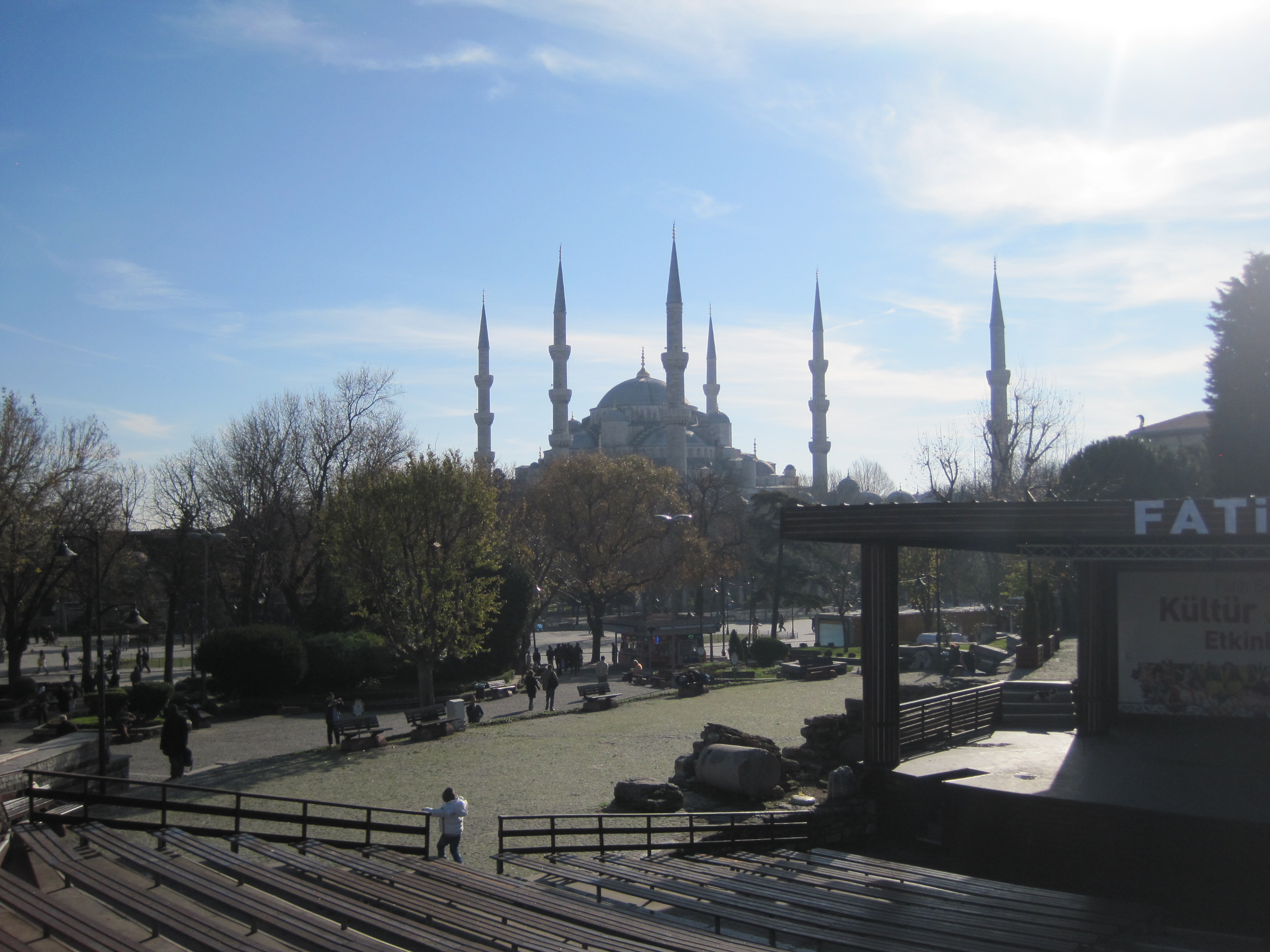
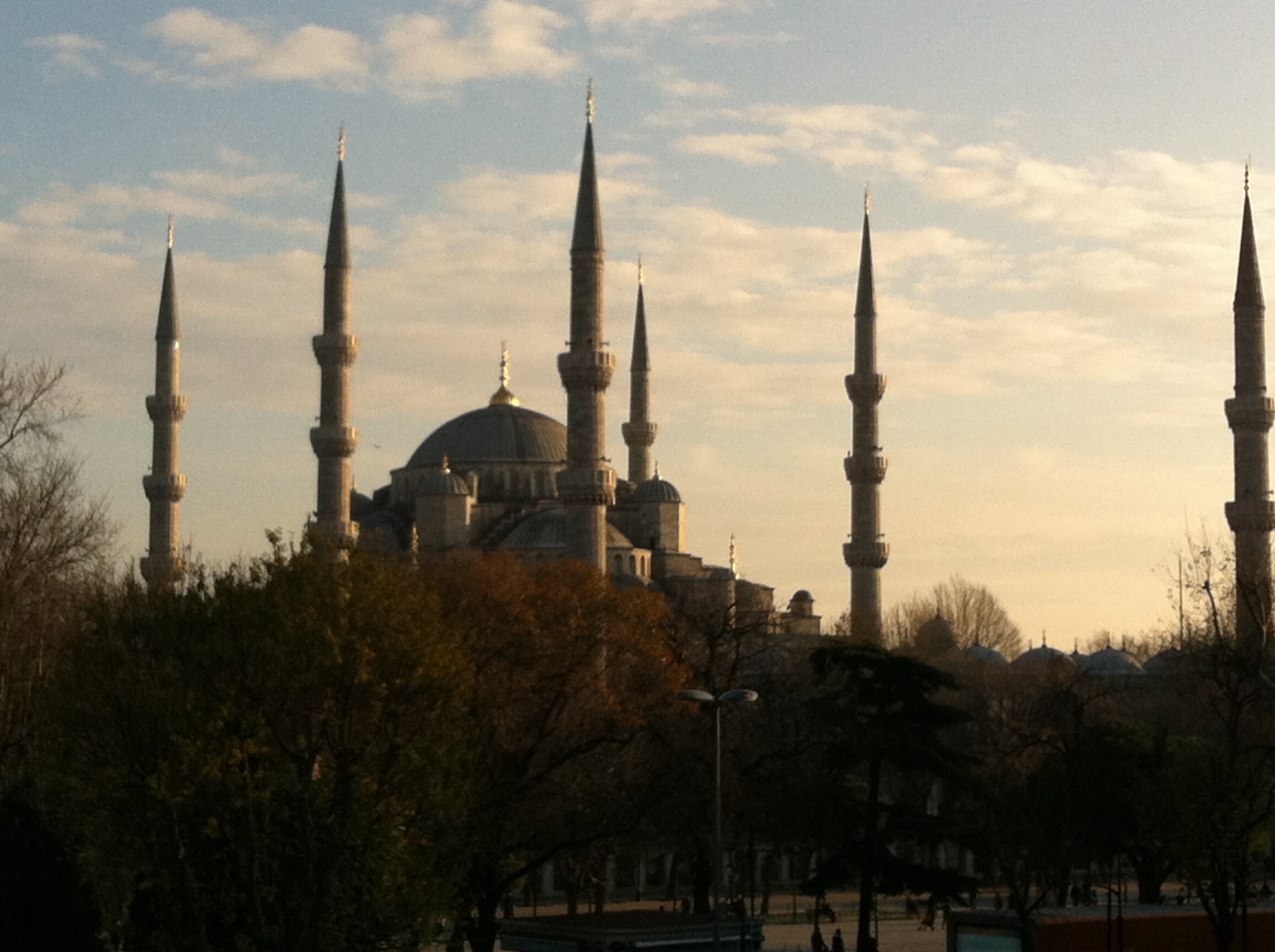
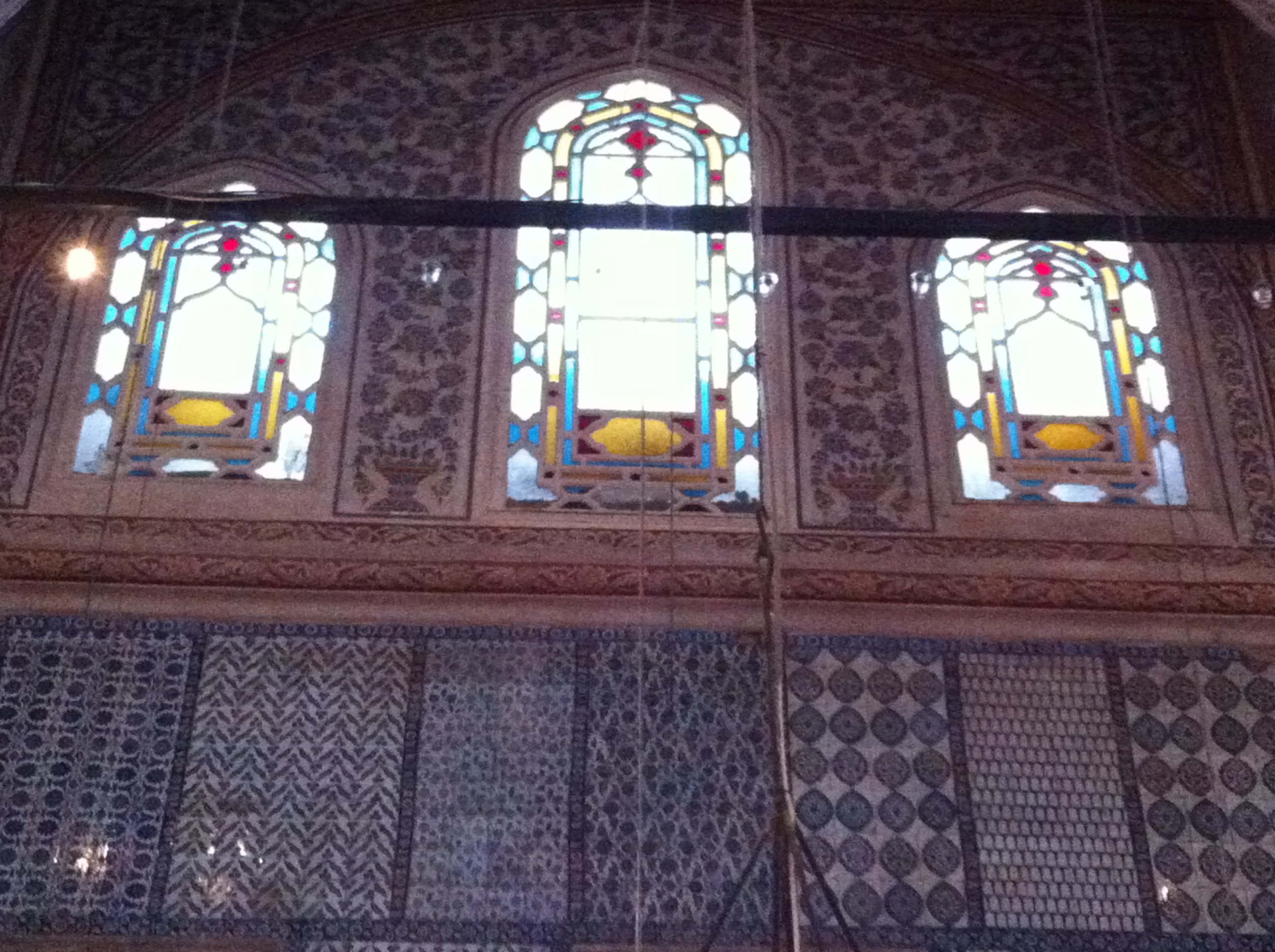
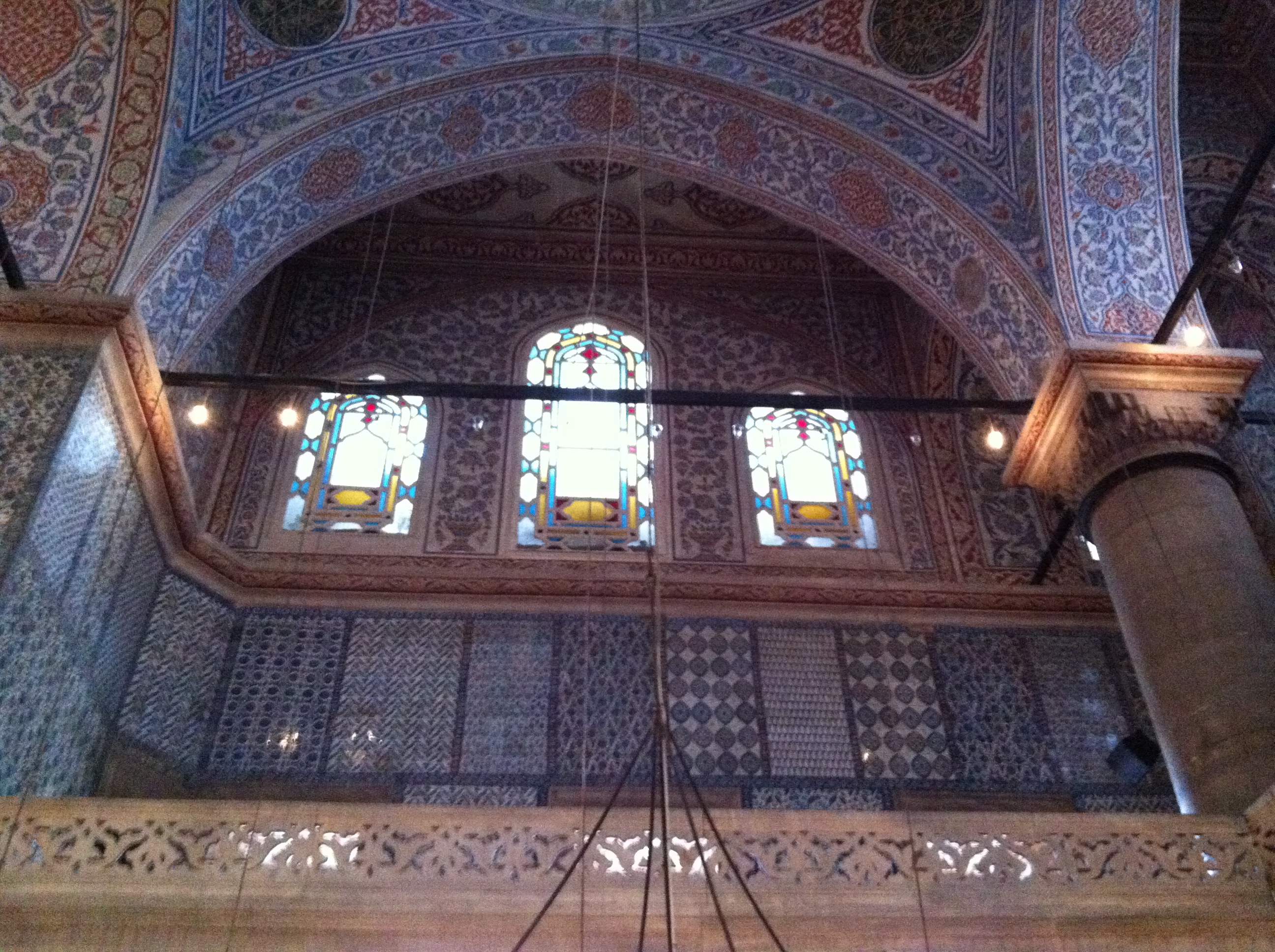
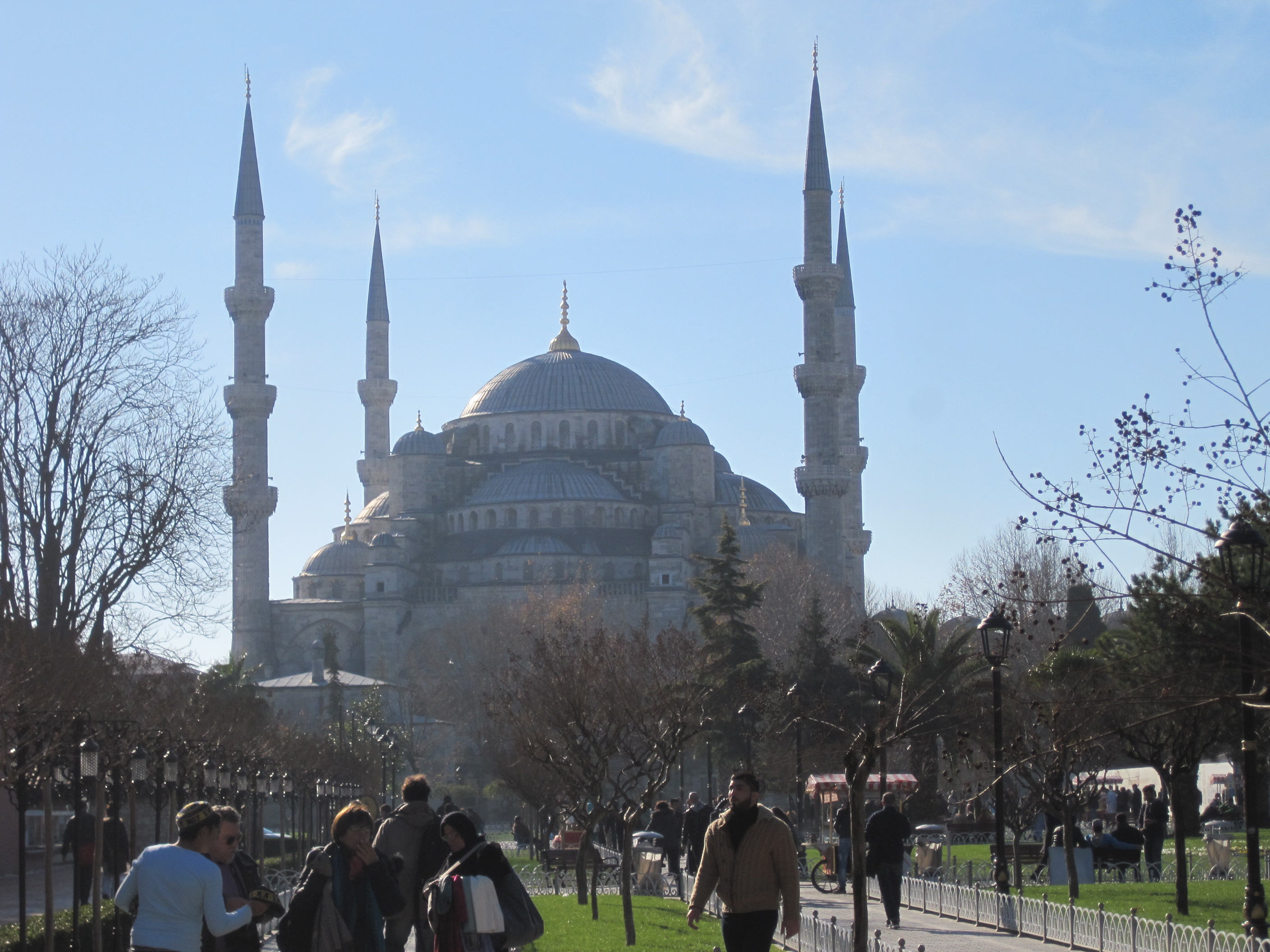
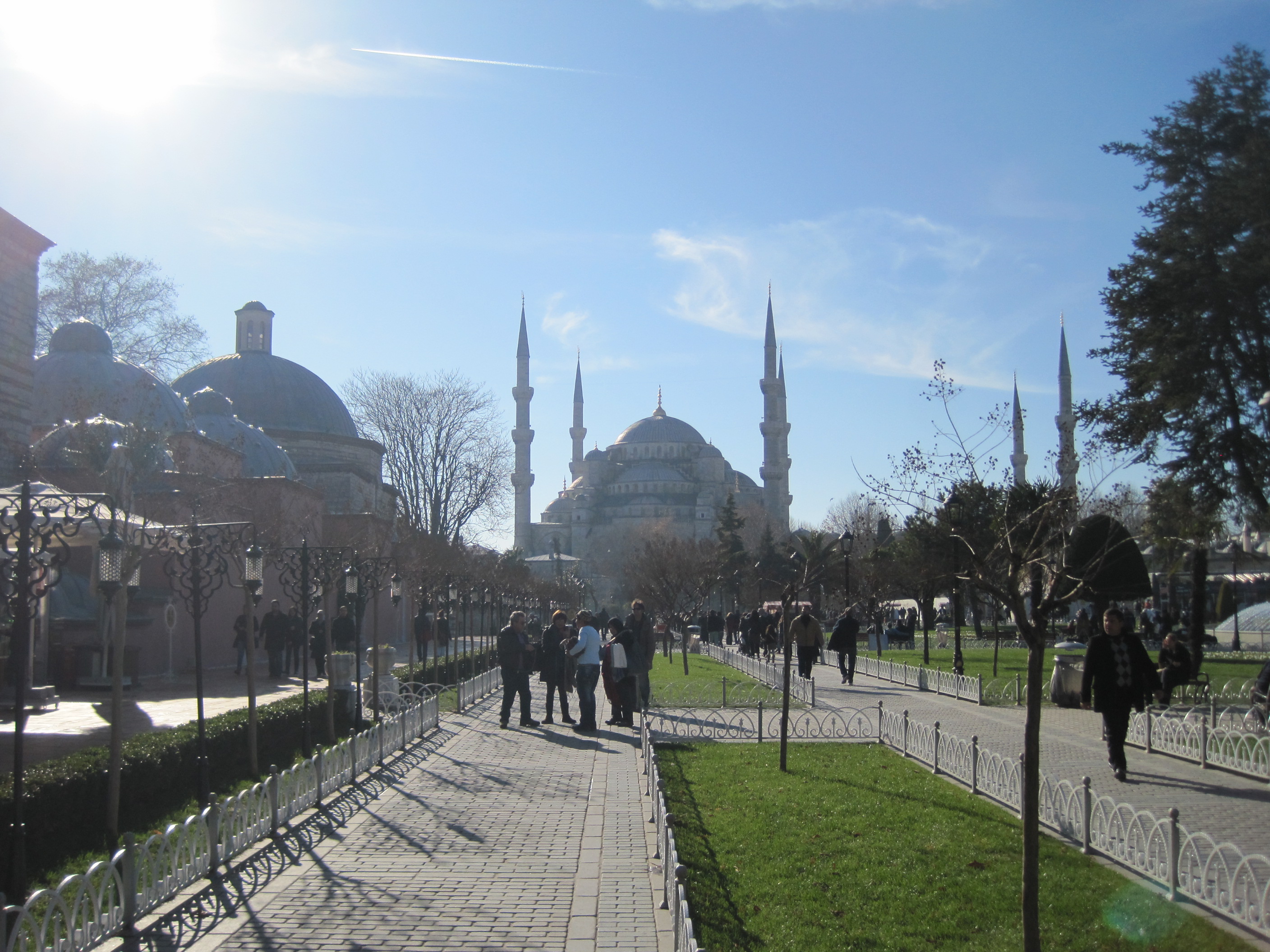
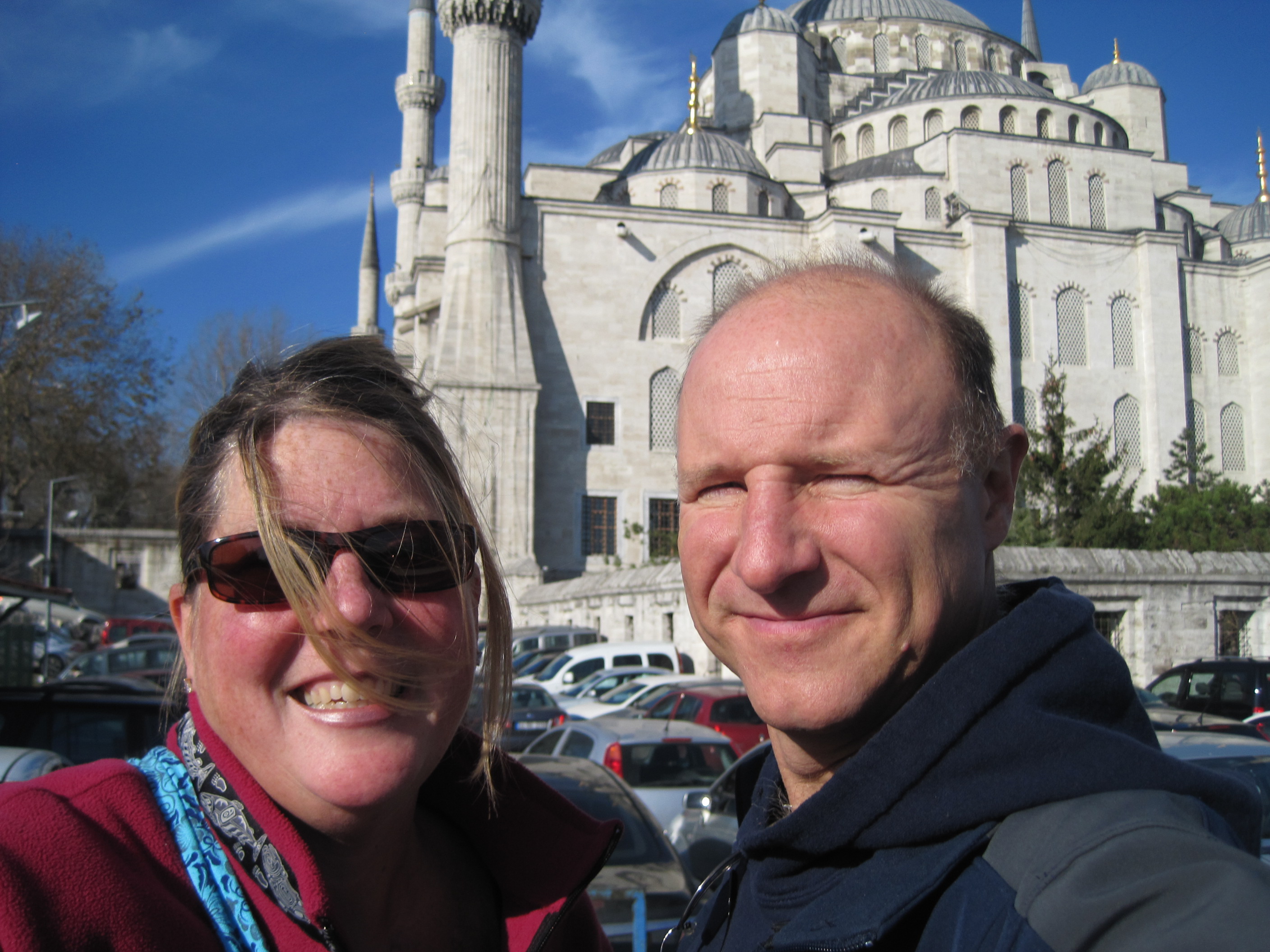
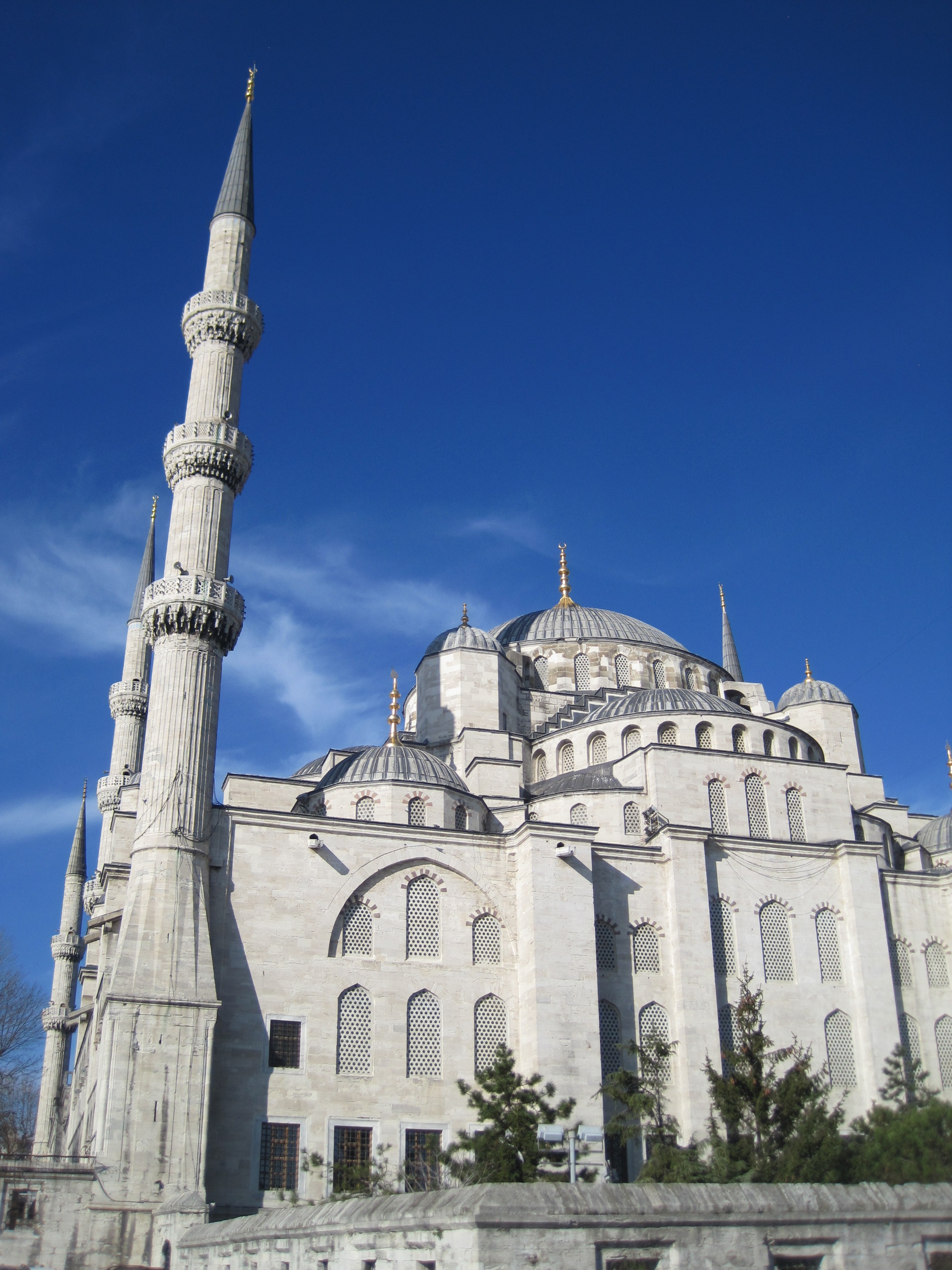
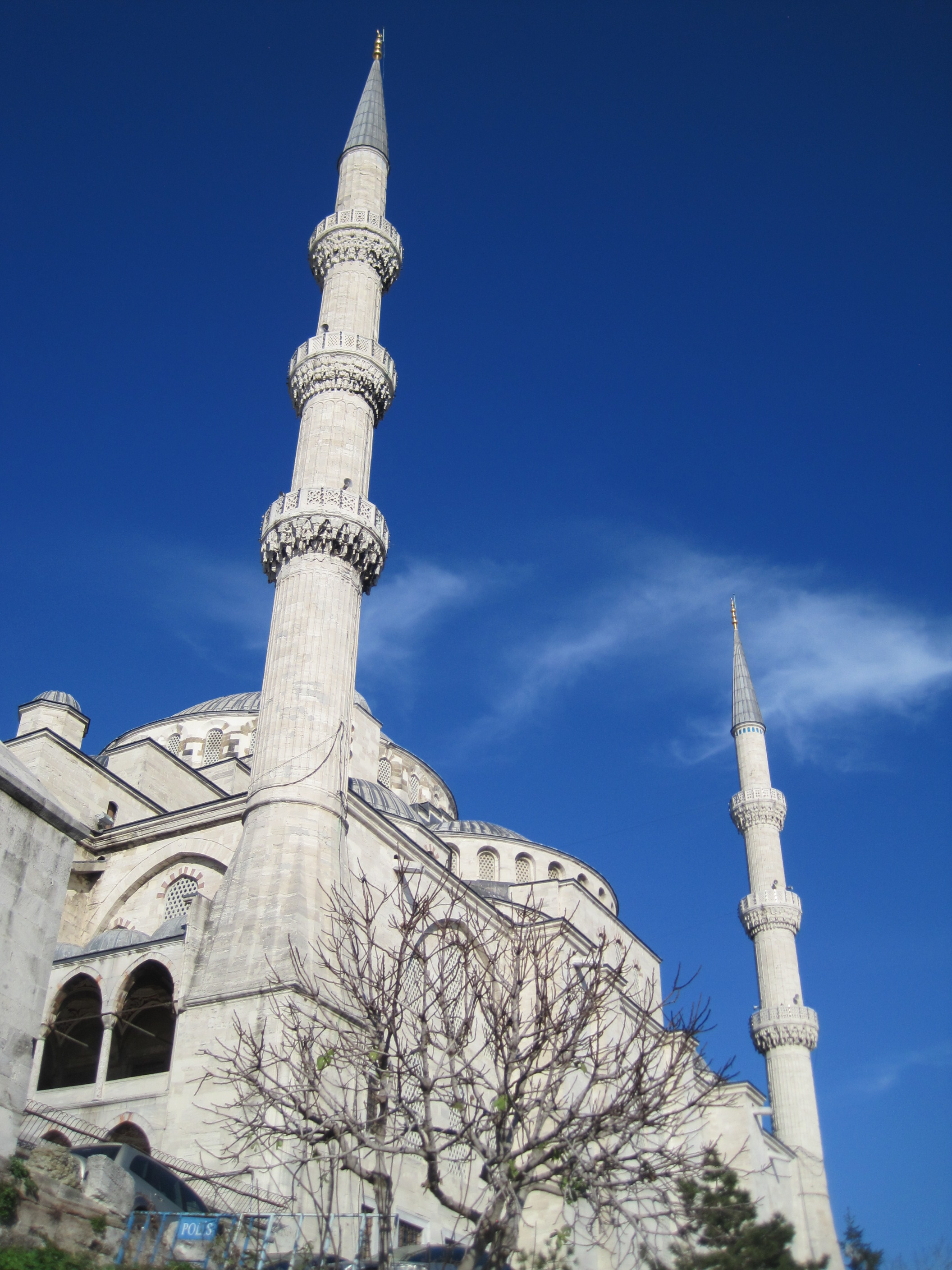
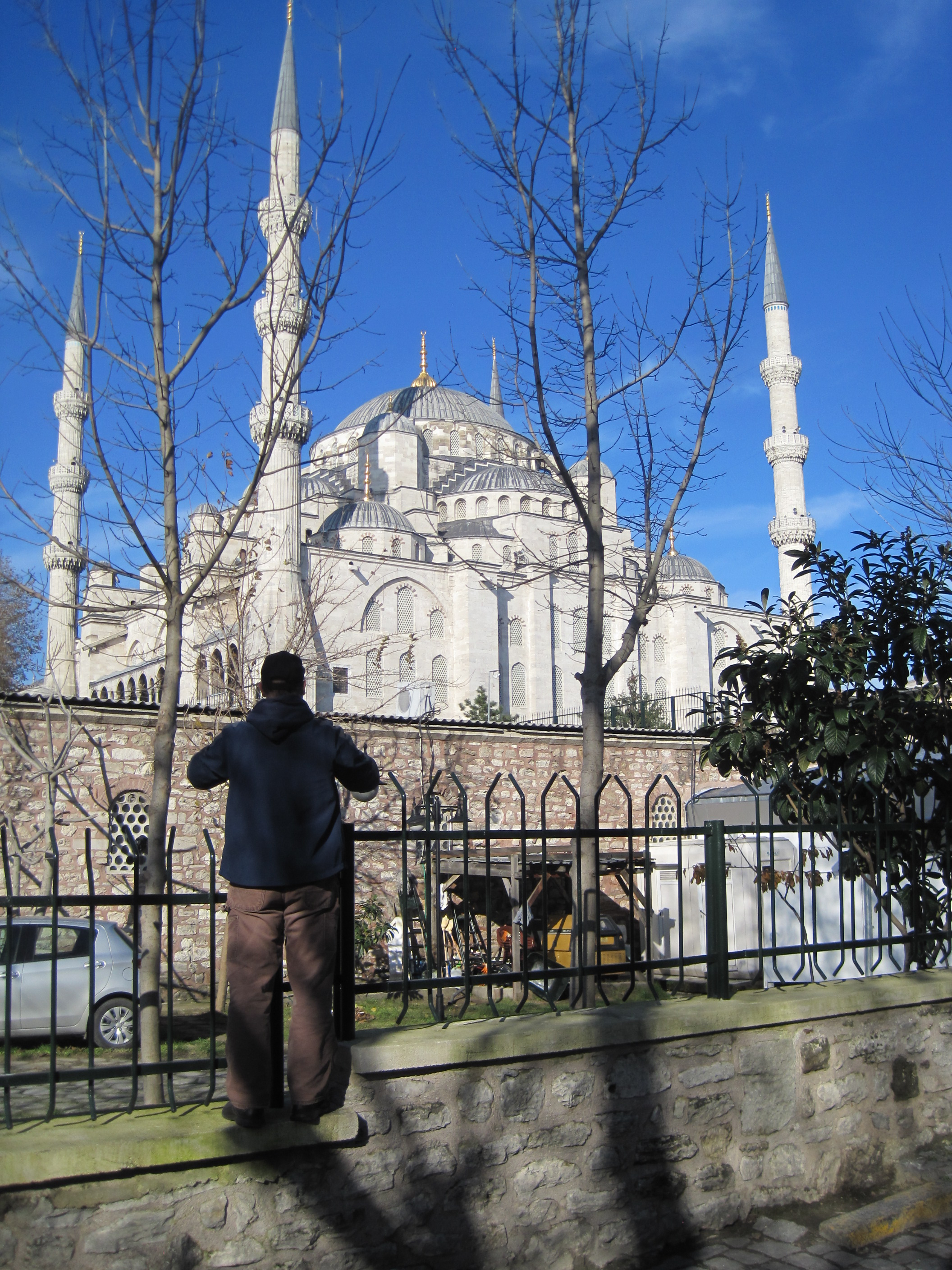
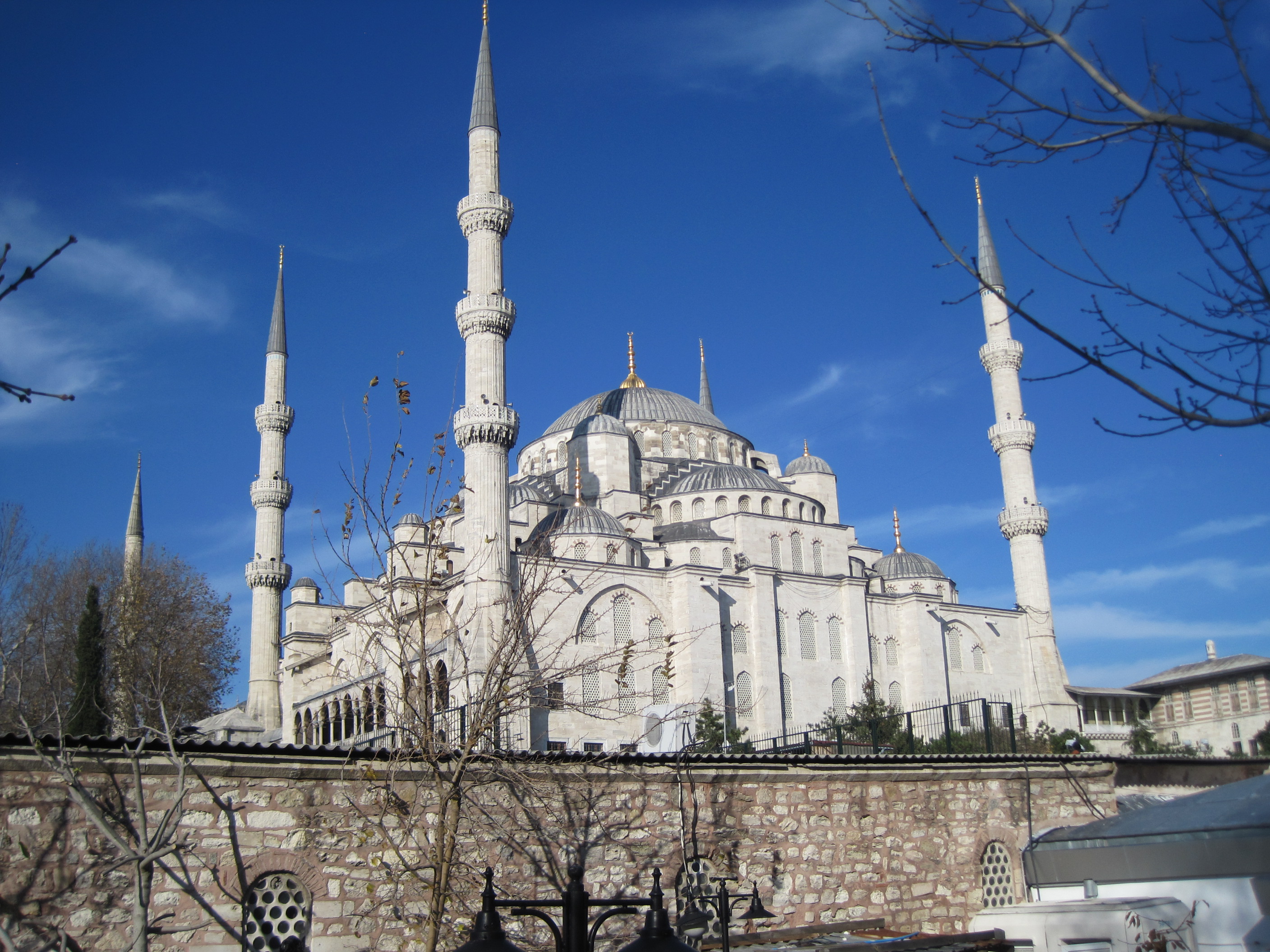
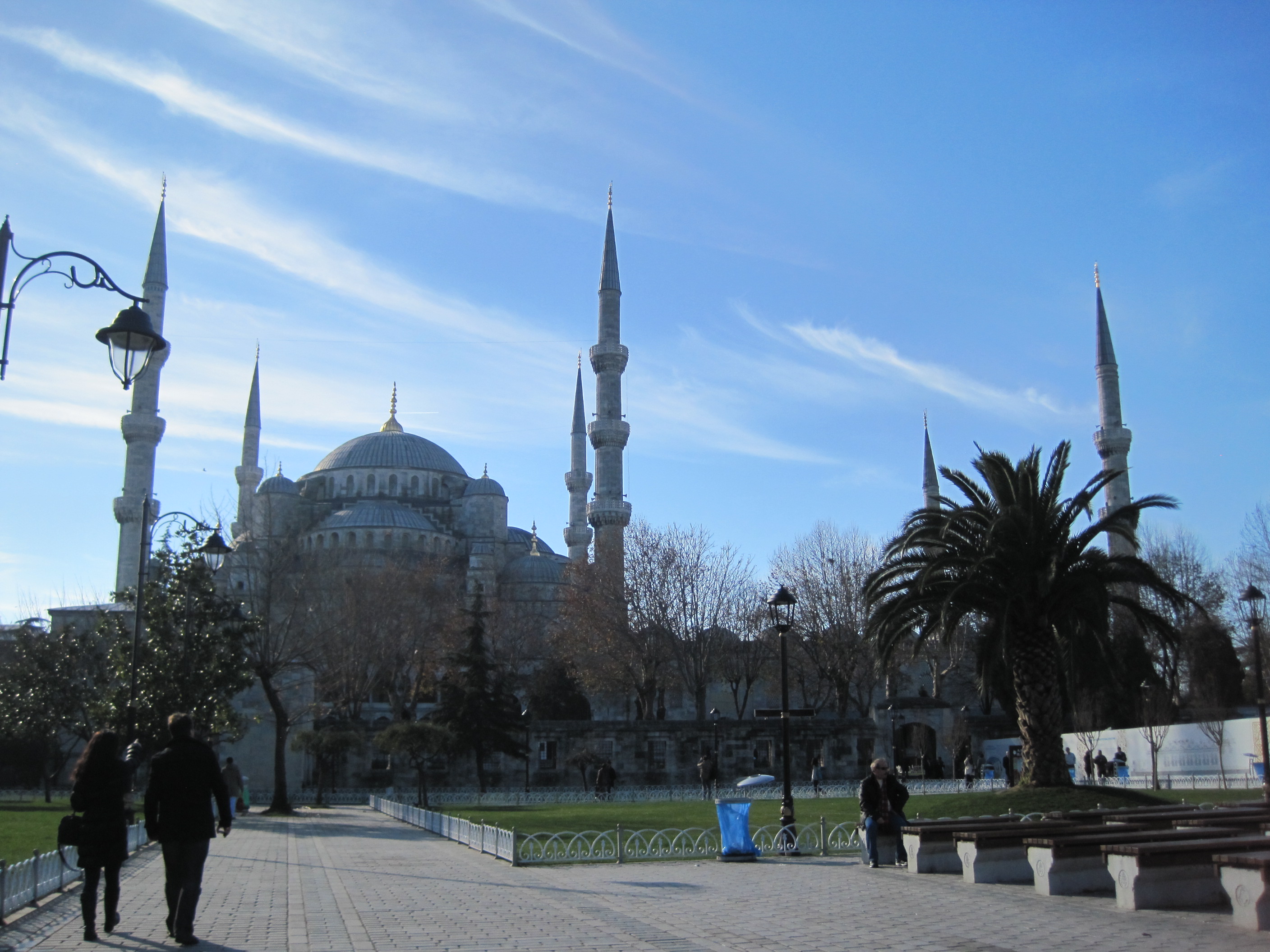
We decided that today was as good as any to take a tour of the Blue Mosque. We had several photos of it from the outside and had learned some interesting things about the Mosque. Technically it is called Sultan Ahmed Mosque, but is more commonly called the Blue Mosque because of the tens of thousand blue tiles that are on the inside walls.
It was built from 1609-1616 and was built to compete with Aya Sophia, which is 1000 years older; it was to be bigger and more beautiful. It is a beautiful building with 260 windows, many made of beautiful stained glass, and a huge prayer space in the middle. The original windows are no longer in tact, but came from Venice. To enter you are required to take off your shoes and women are asked to cover their head with a borrowed scarf or one of their own.
There is NOT an admissions fee, but you can make a donation upon leaving the building, which to us was a no brainer, I hope that many future generations get to see this beautiful building.]
One story we heard from a local merchant that was trying to get us to go to his carpet shop was that there are 6 minuets, more than any other mosque in the world. One other one has 7, but most don’t come close to 6. The story he told us was that the Sultan wanted this beautiful mosque, again to be more outstanding that Aya Sophia. The word Gold and Six are very similar in the Turkish language and somehow when saying build the mosque with lots of gold got turned into six minuets. Not sure if we got the story right but it was a ‘good’ story!
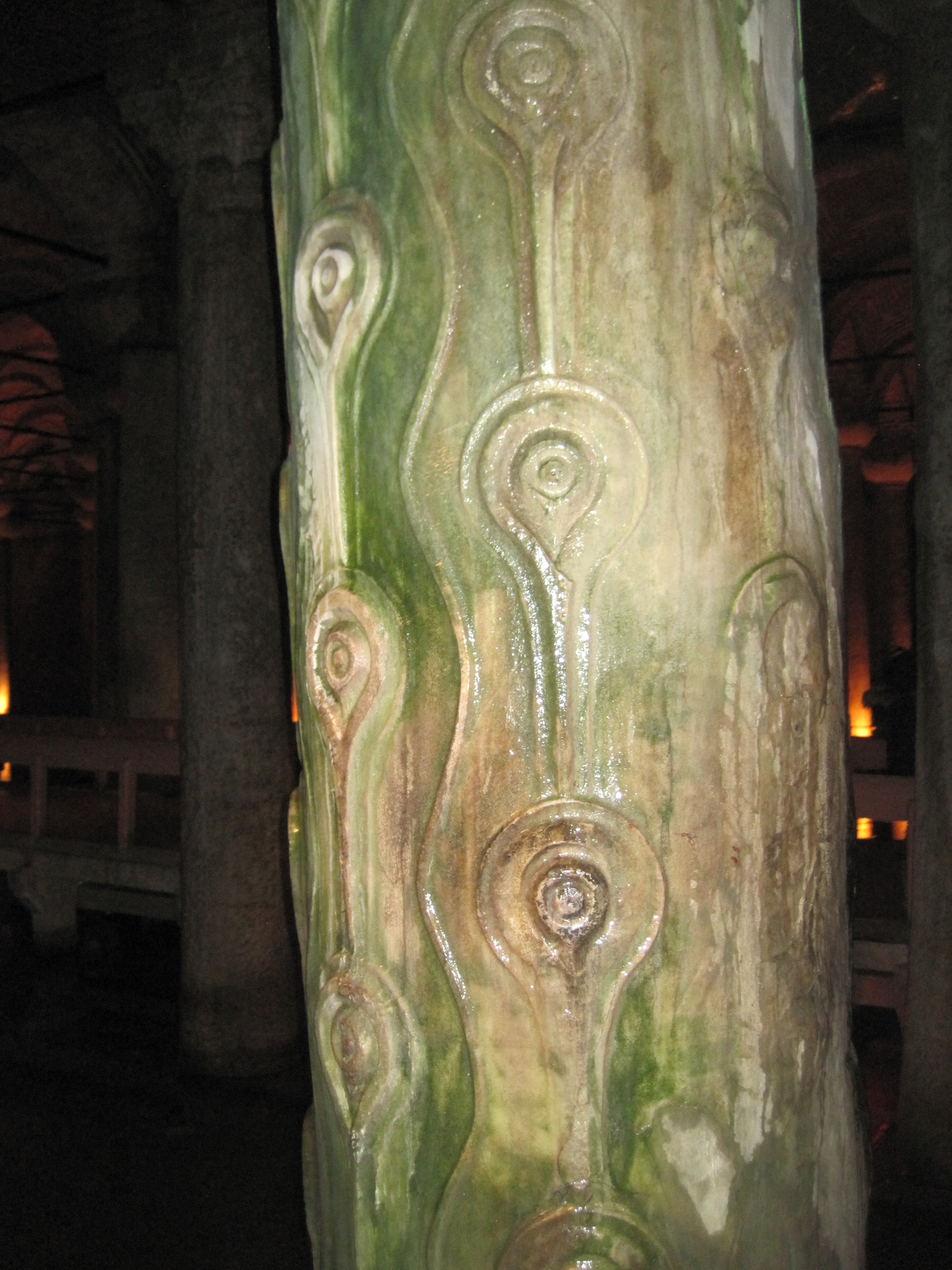
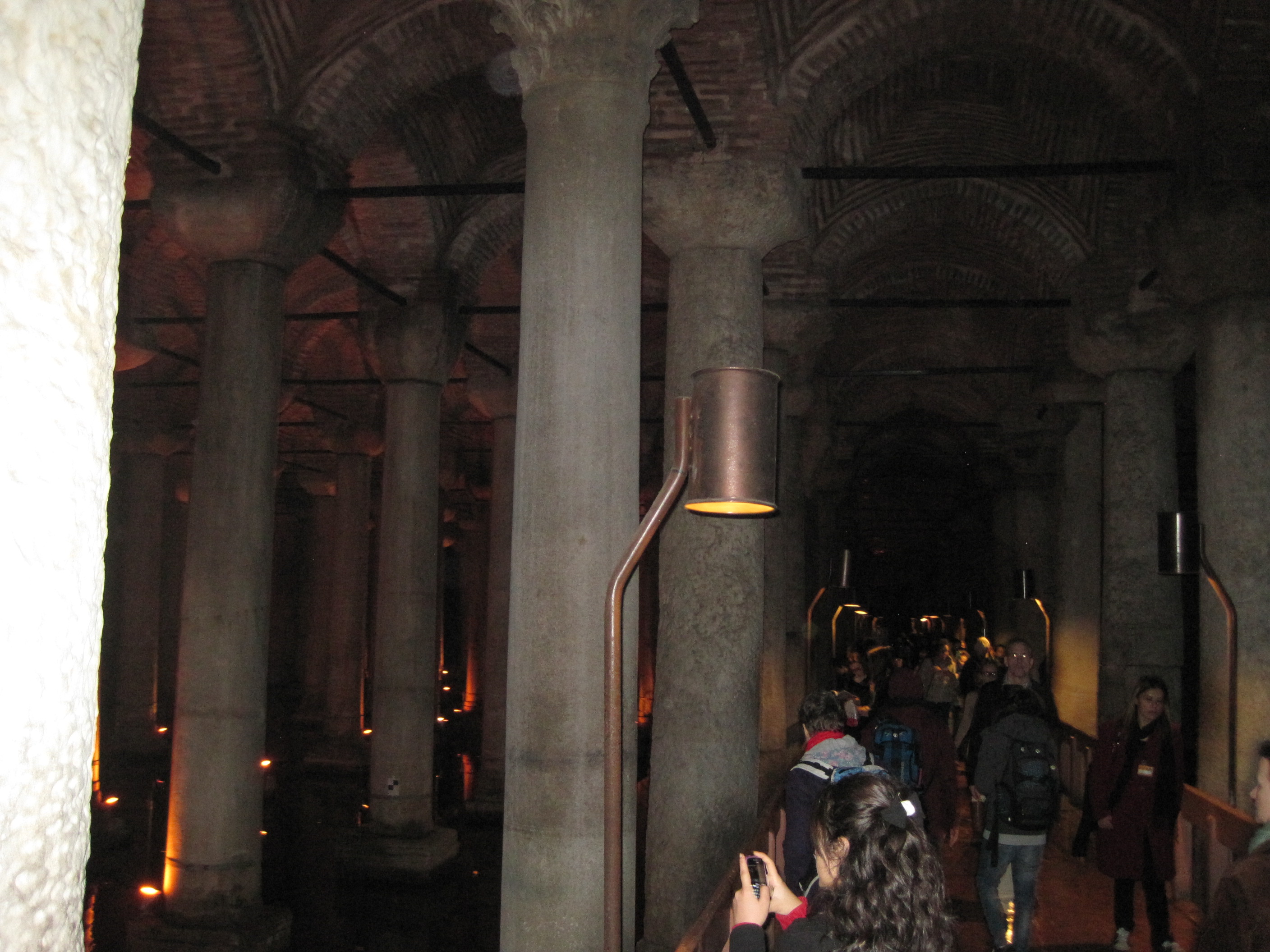
I must admit when we read about the ‘cisterns’ I thought, what’s the big deal? Why would I care to go to an underground water-gathering place? In the end I was wrong, this was very cool.
Though there are many cisterns under ground in Istanbul, there are only 2 currently open to the public. This cistern is close to Hagia Sophia, just across the train tracks. There seemed to be a long line all the time, mostly school-aged kids out on a class trip. We lucked out as when we arrived, we had almost no one in line.
The cistern was built in the 6th century. Originally this area was the First Hill of Constantinople and the Stoa Basilica, and before it was turned into a cistern, the great Basilica that stood here was built in the 3rd and 4th centuries. There were over 7000 slaves that helped with the construction of the cistern. It had been basically forgotten until 1545 when it was a Frenchman was looking into the area and discovered that many locals got water by putting pails into holes in their basements.
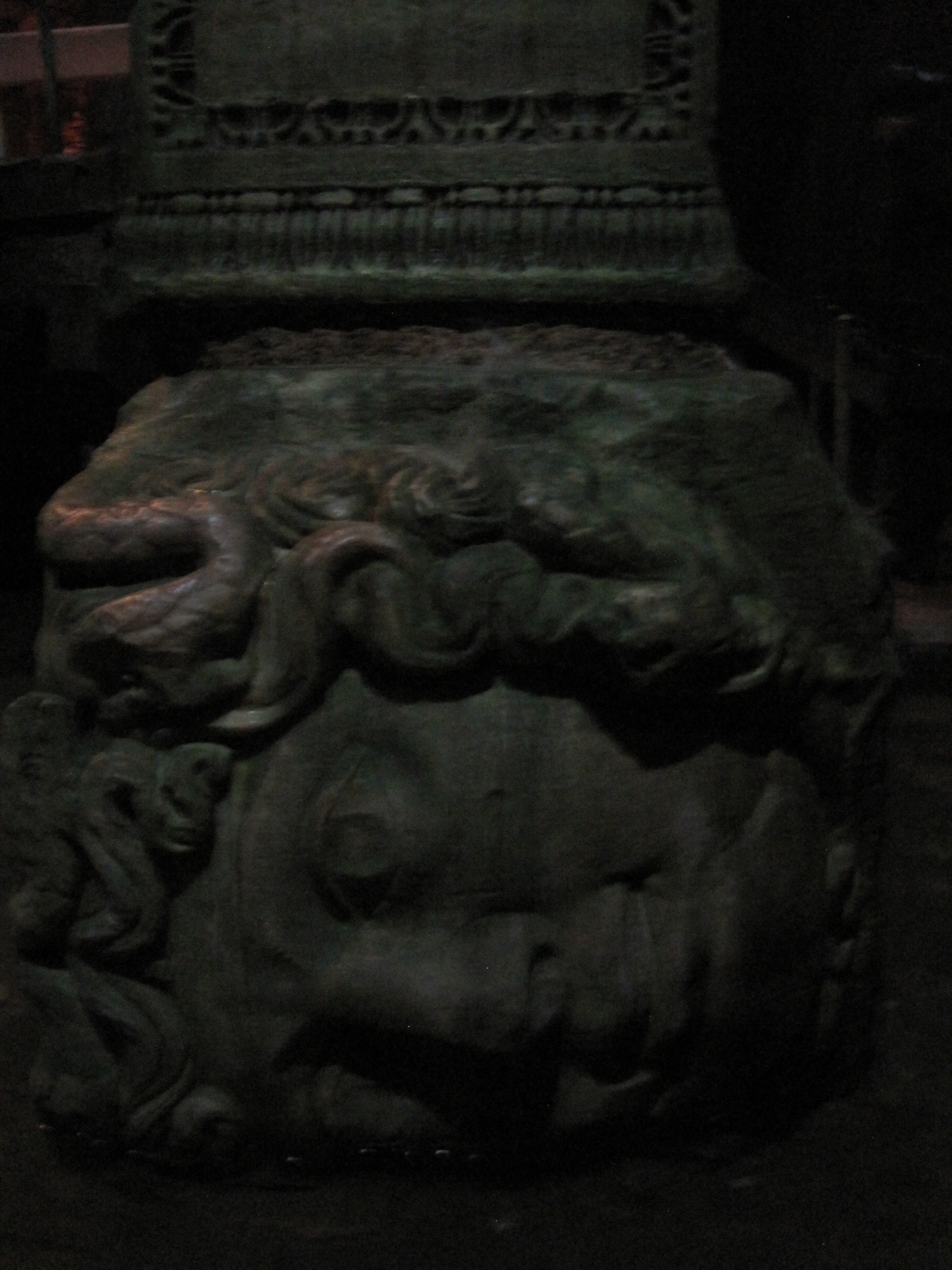
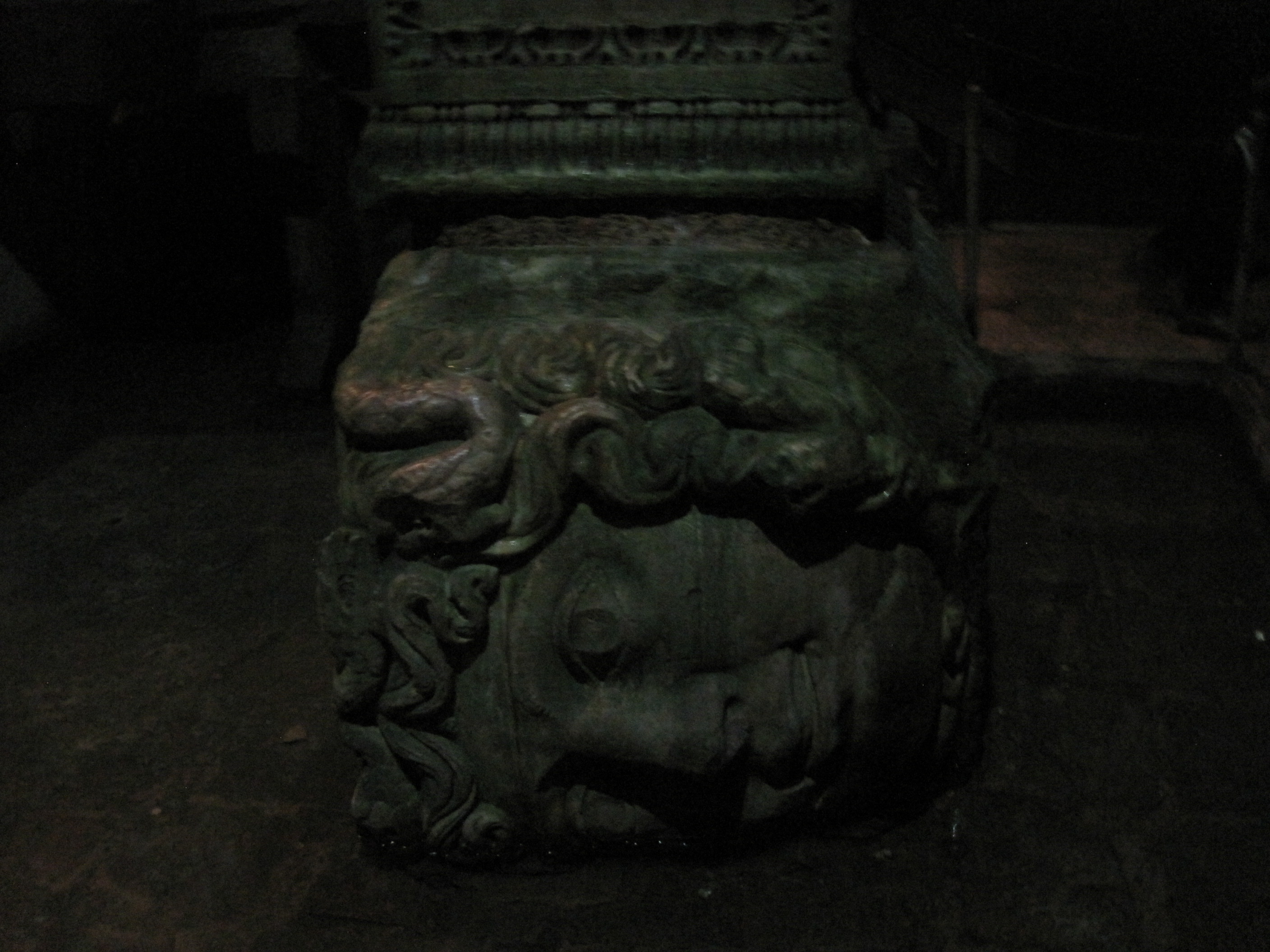
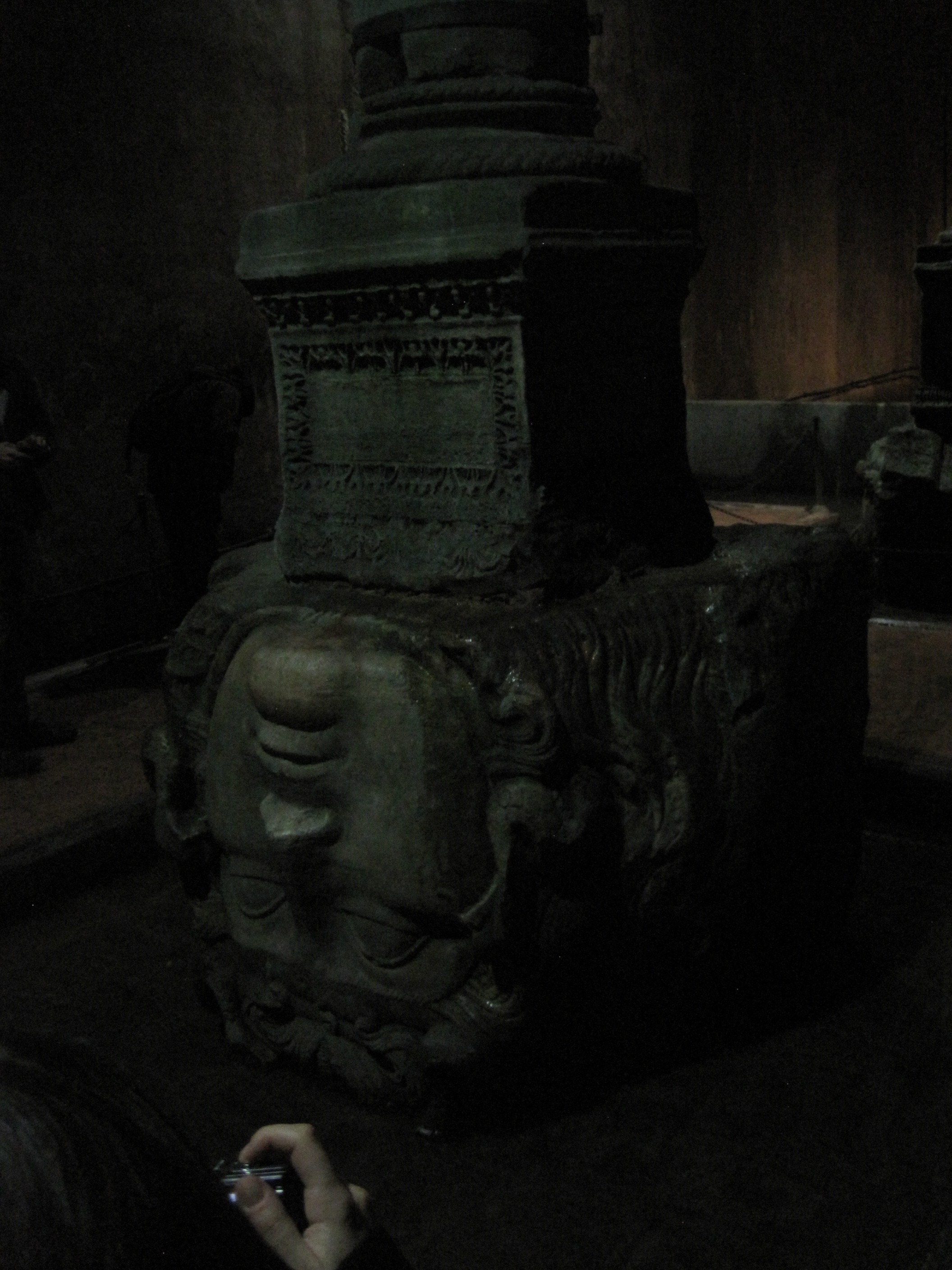
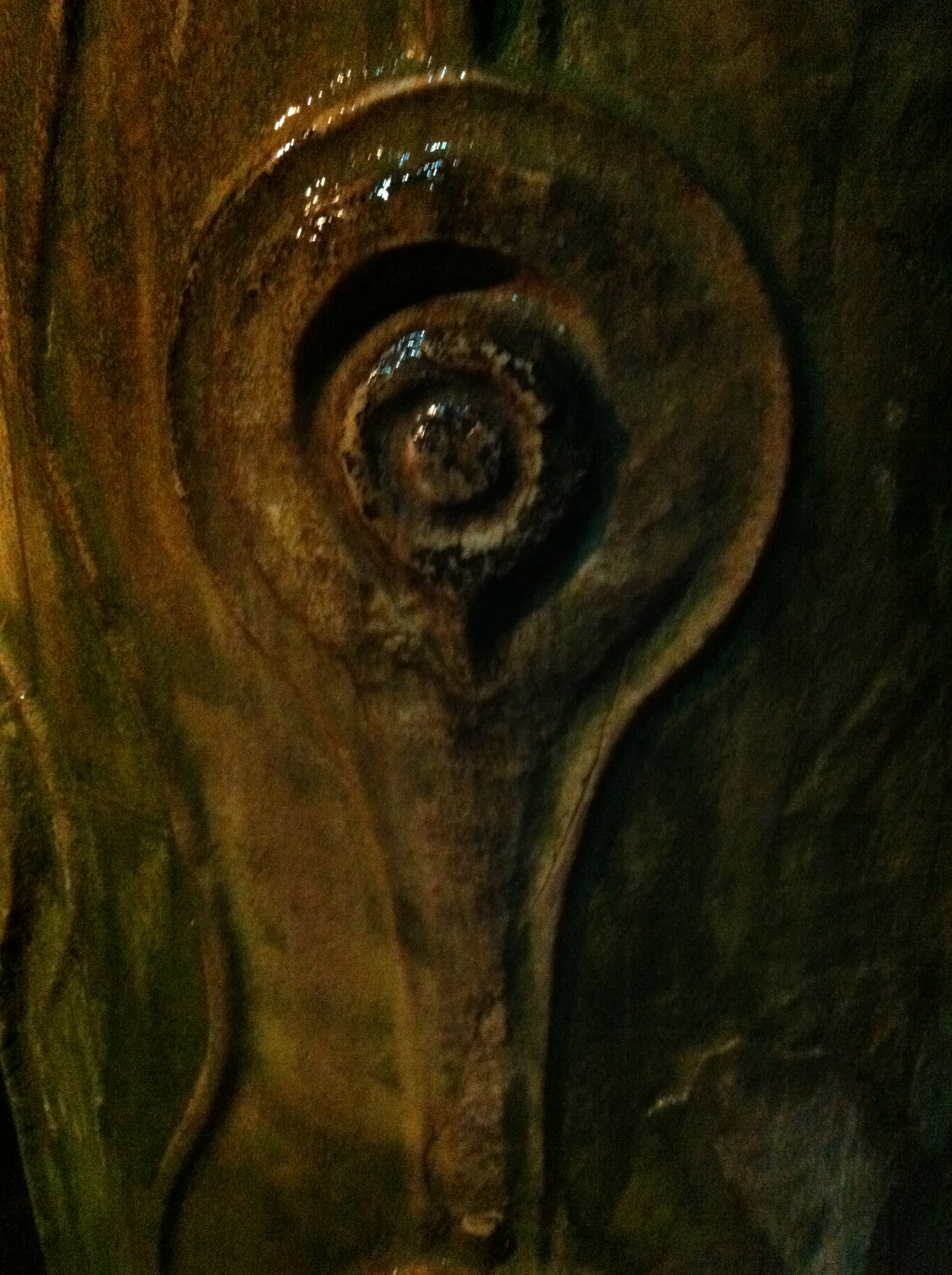
In the far left hand corner from the entry, there are 2 Medusa heads on columns. One head is upside down and the other is on its side. No one really knows why they are here, but there is thought that these columns were from another building in town that was built during the late Roman period.
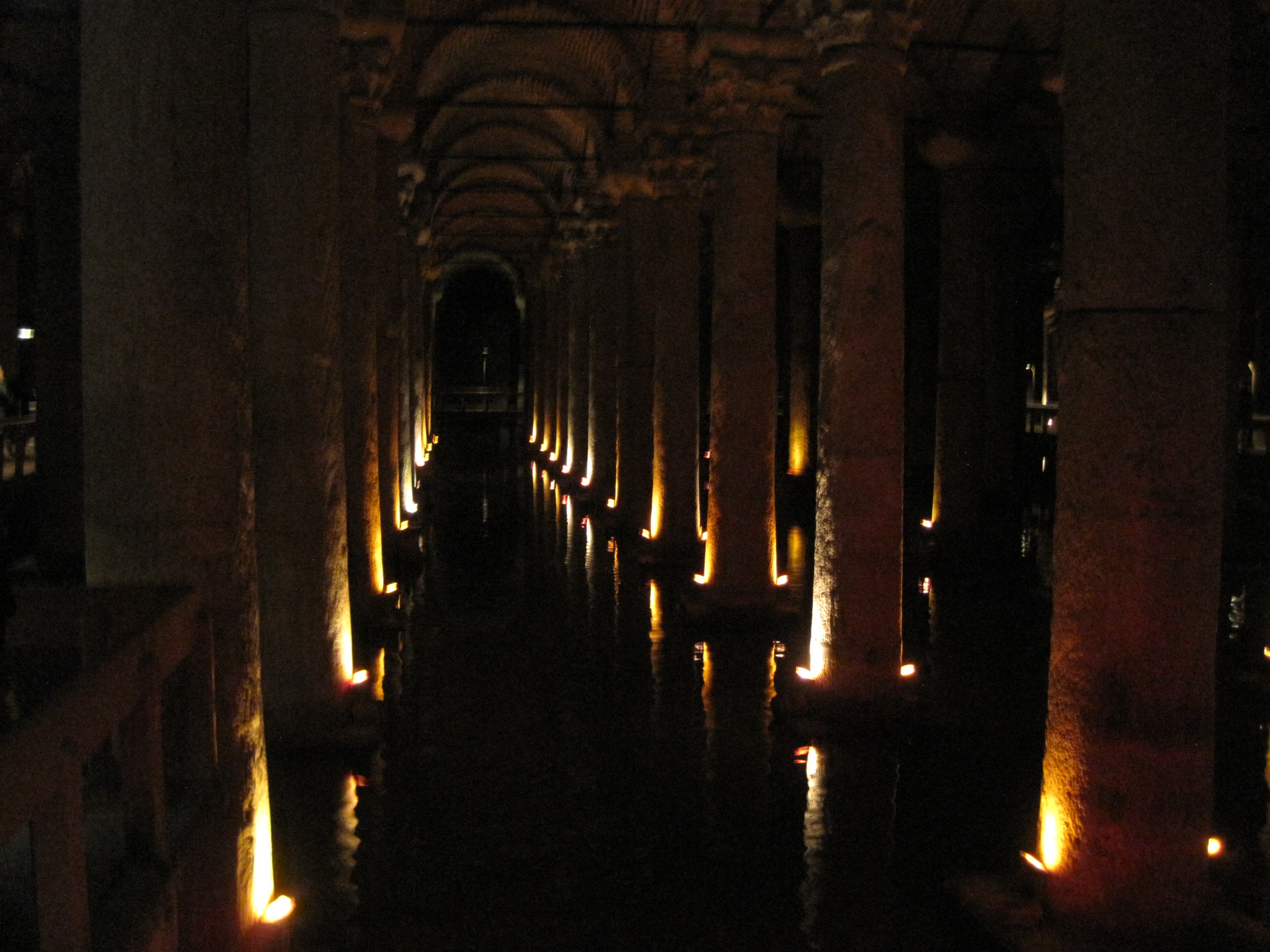
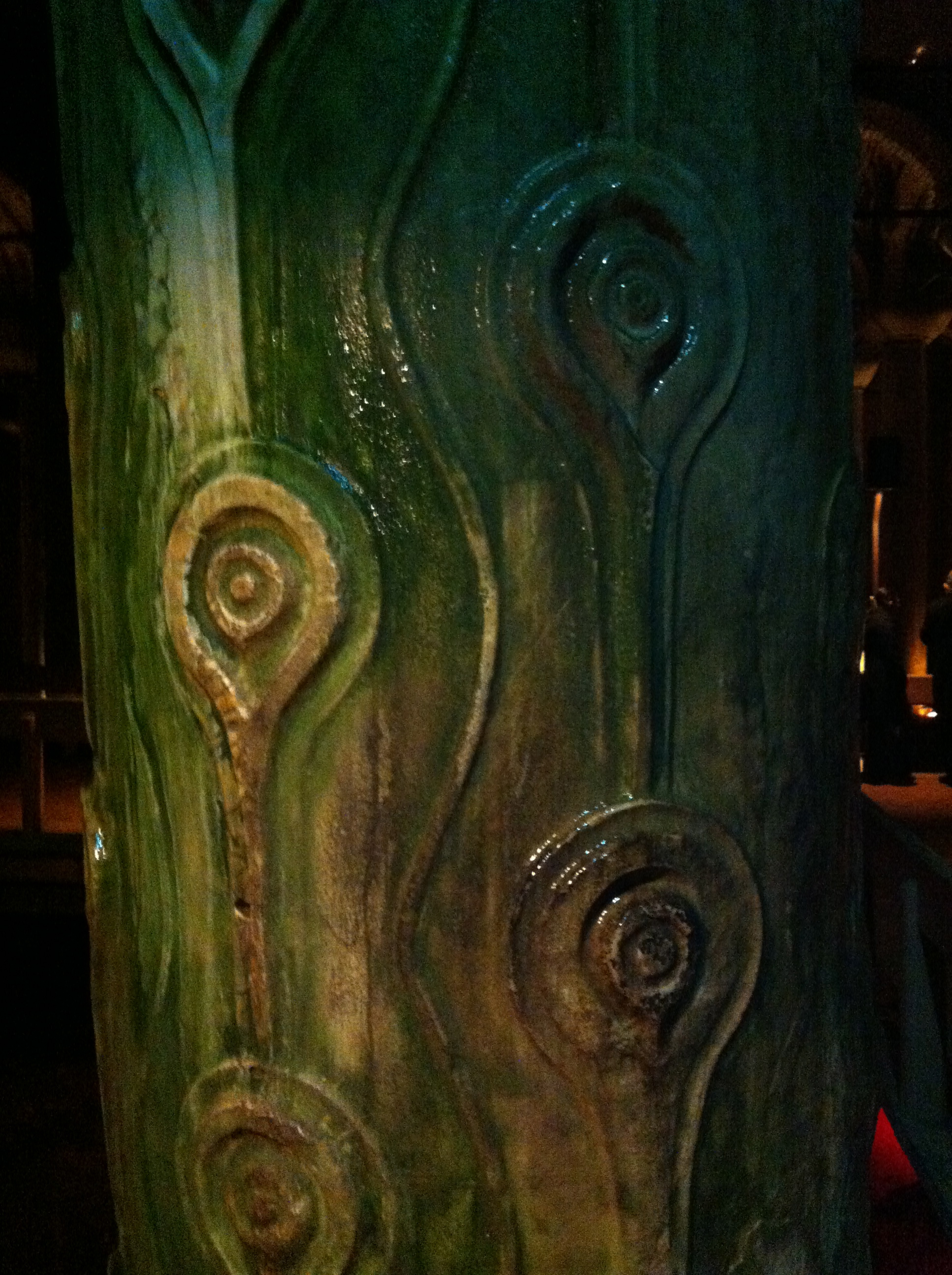
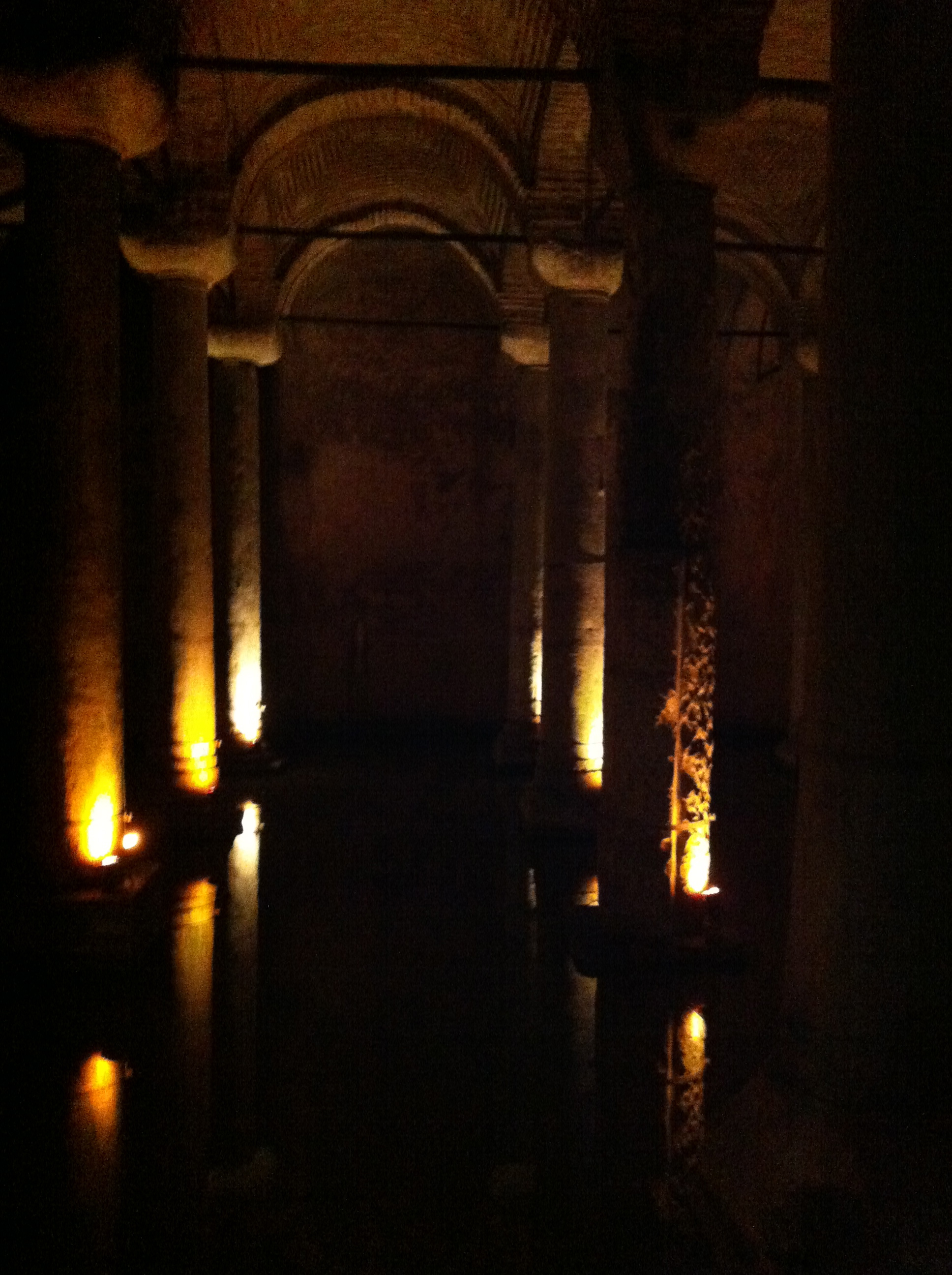
Water was provided to the Great Palace of Constantinople from this cistern and most of the area. When in the cistern it seems like a forest of marble columns, there are 336 all together! They are all 9 meters tall and spaced 4 meters apart. There are 12 rows of 28 columns!
Cistern holds over 22,000 gallons of water. James Bond spent time in this Cistern in the movie From Russia with Love!
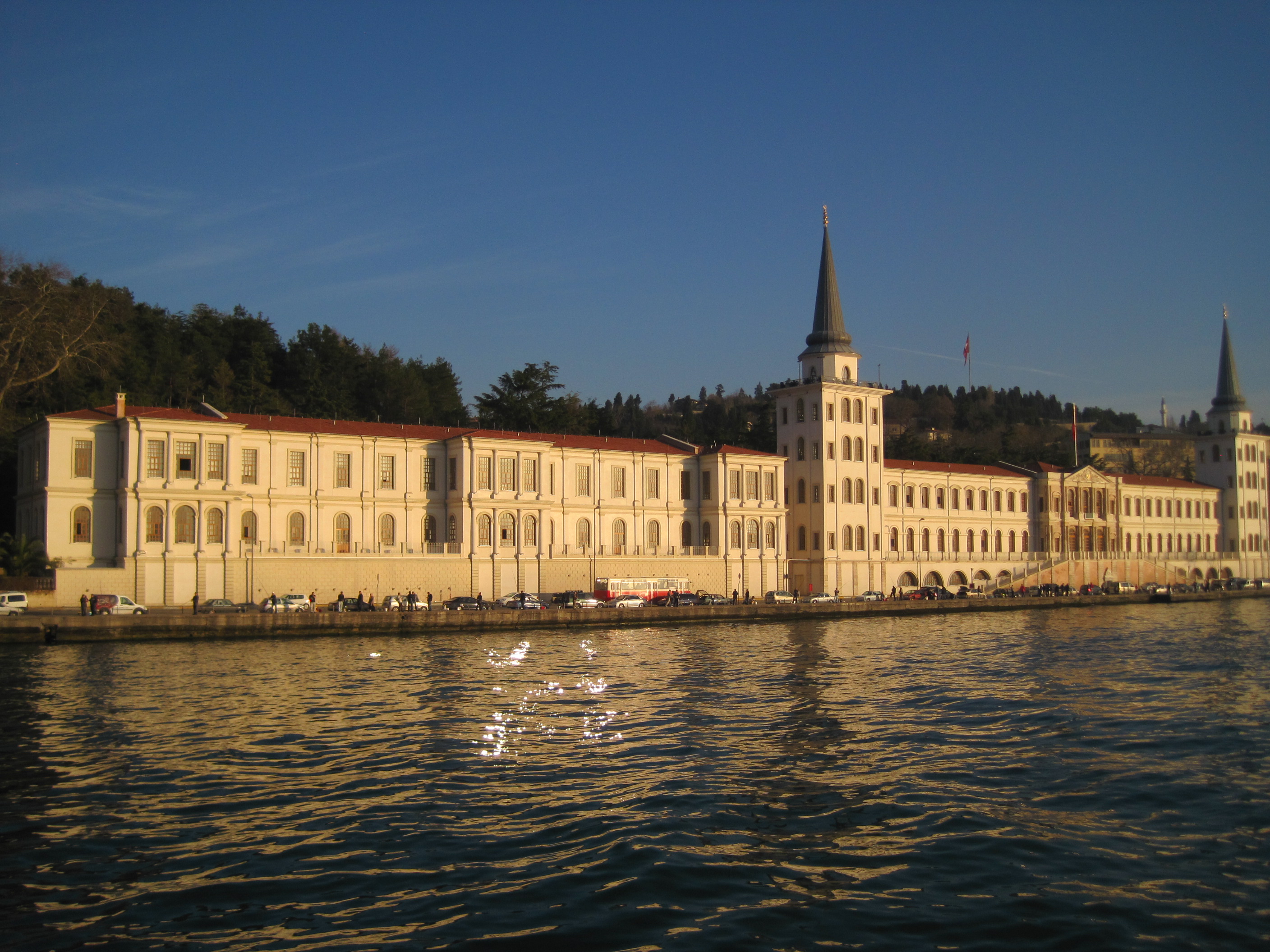
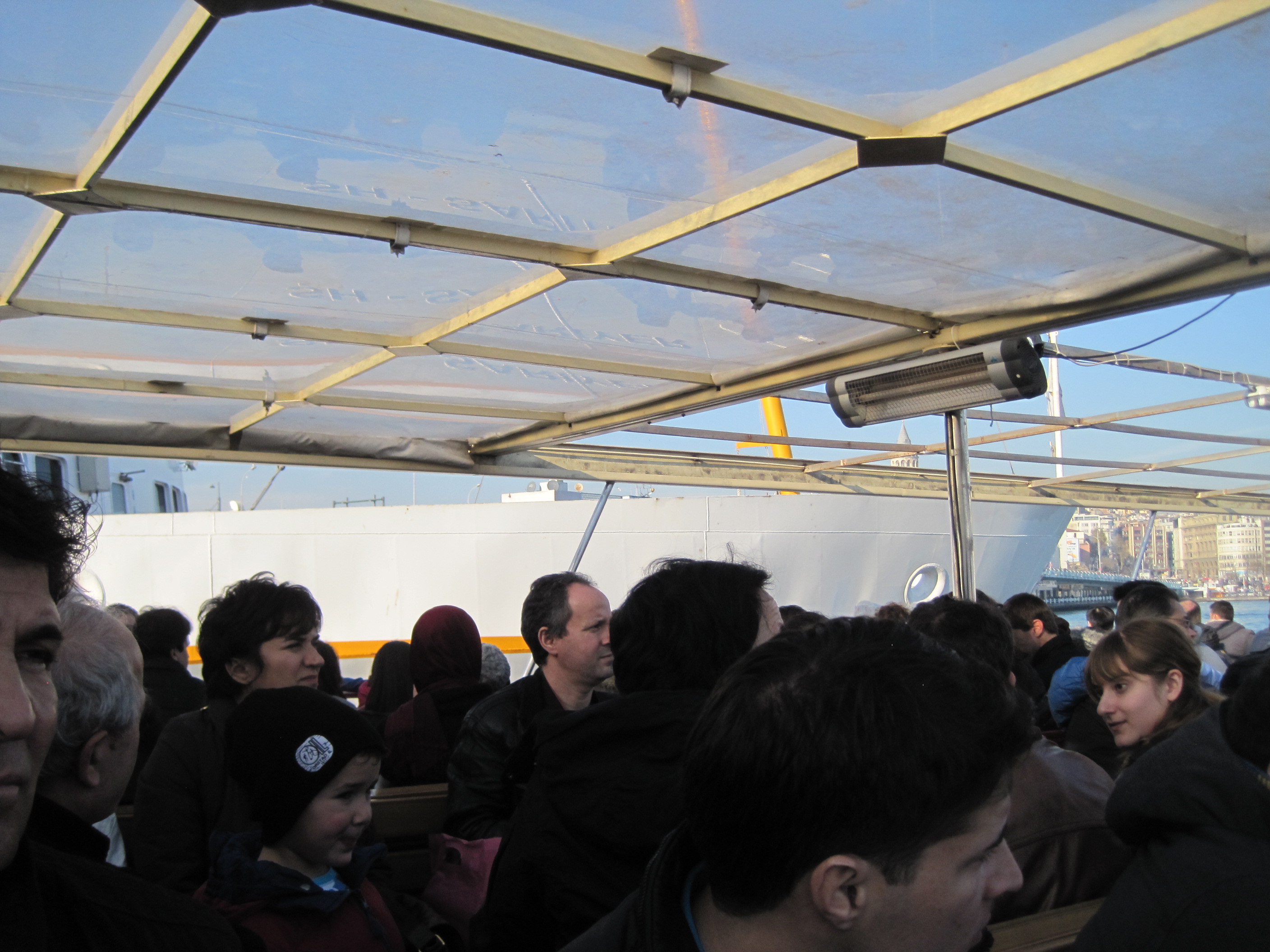
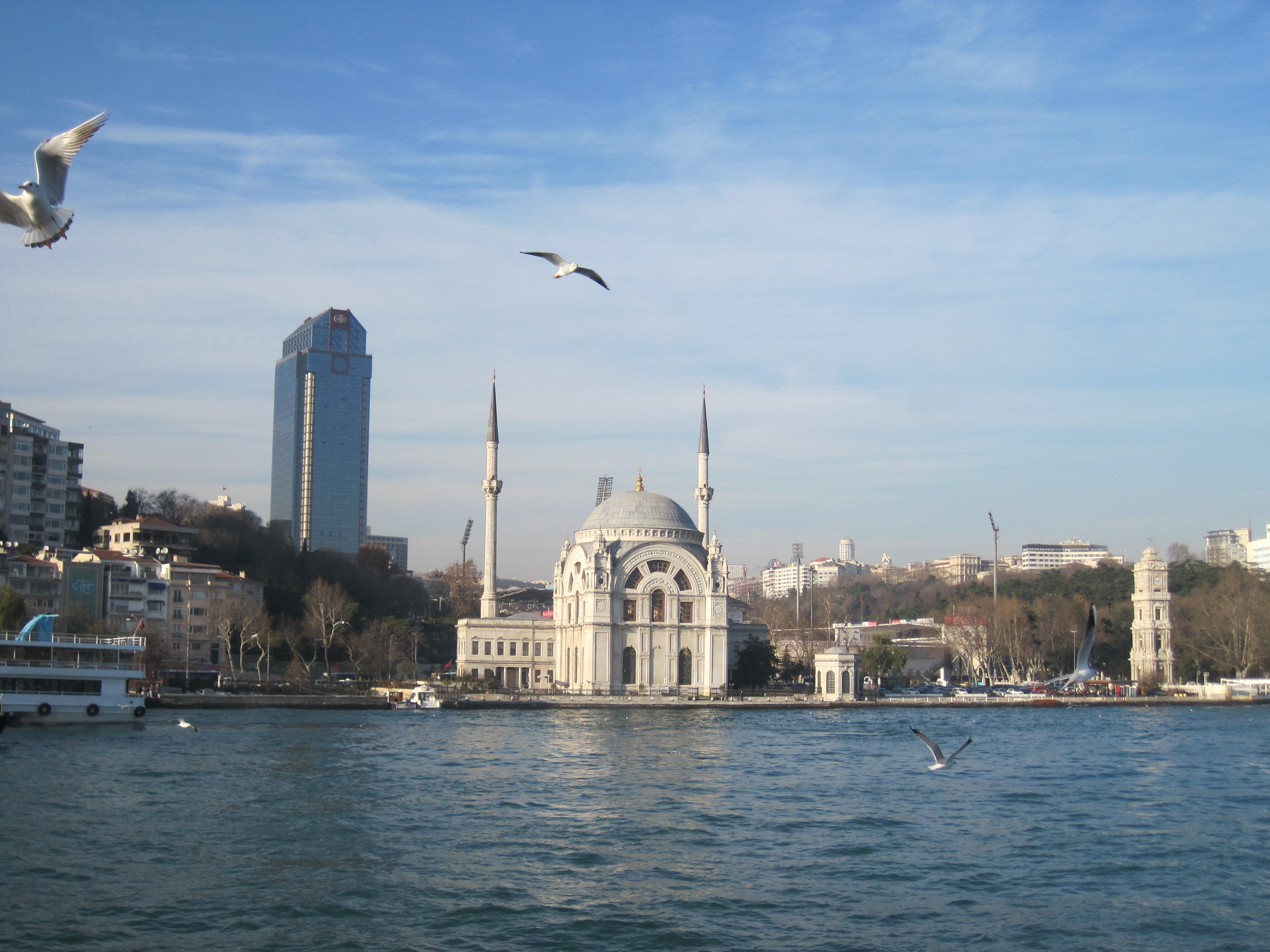
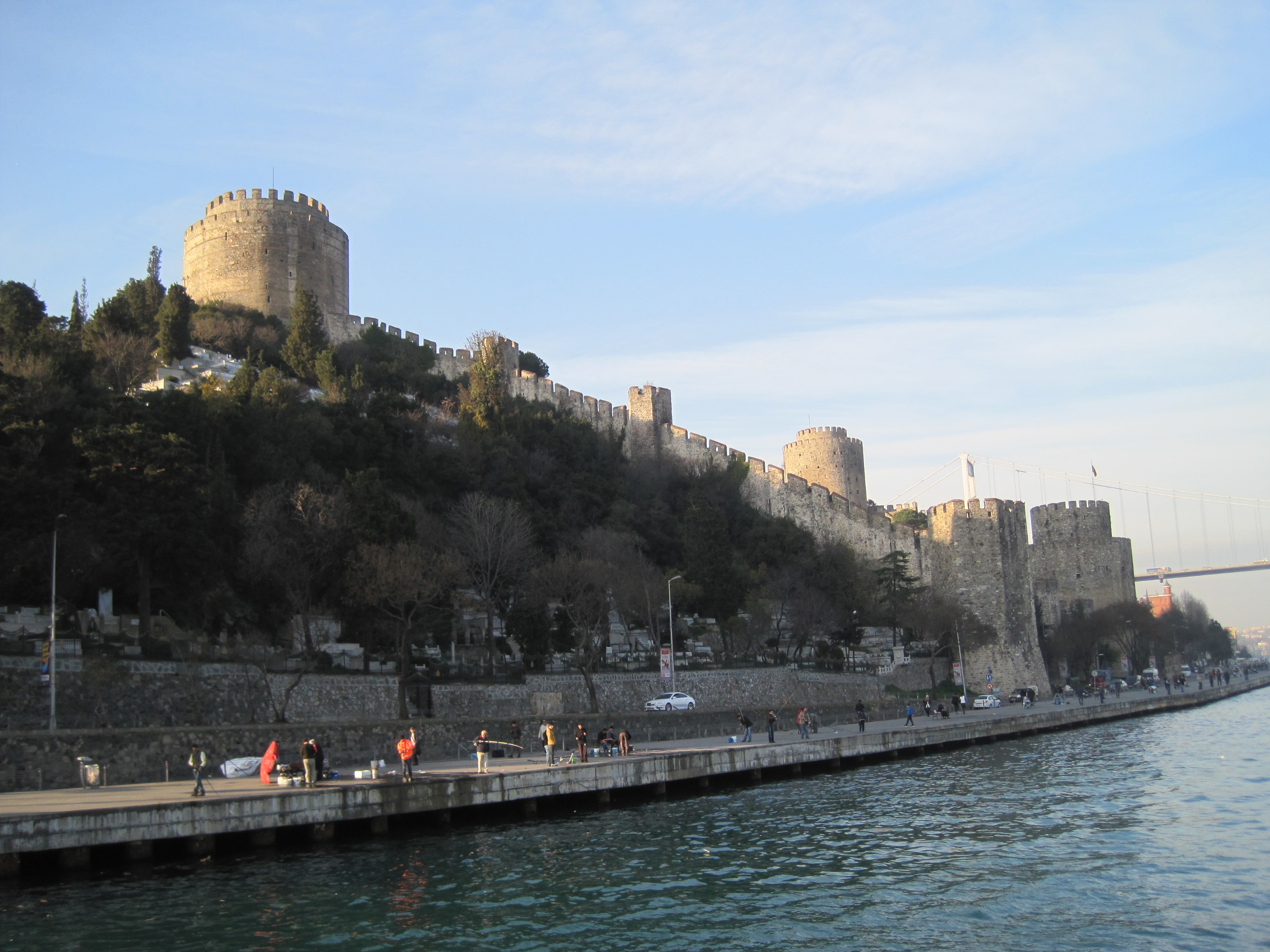
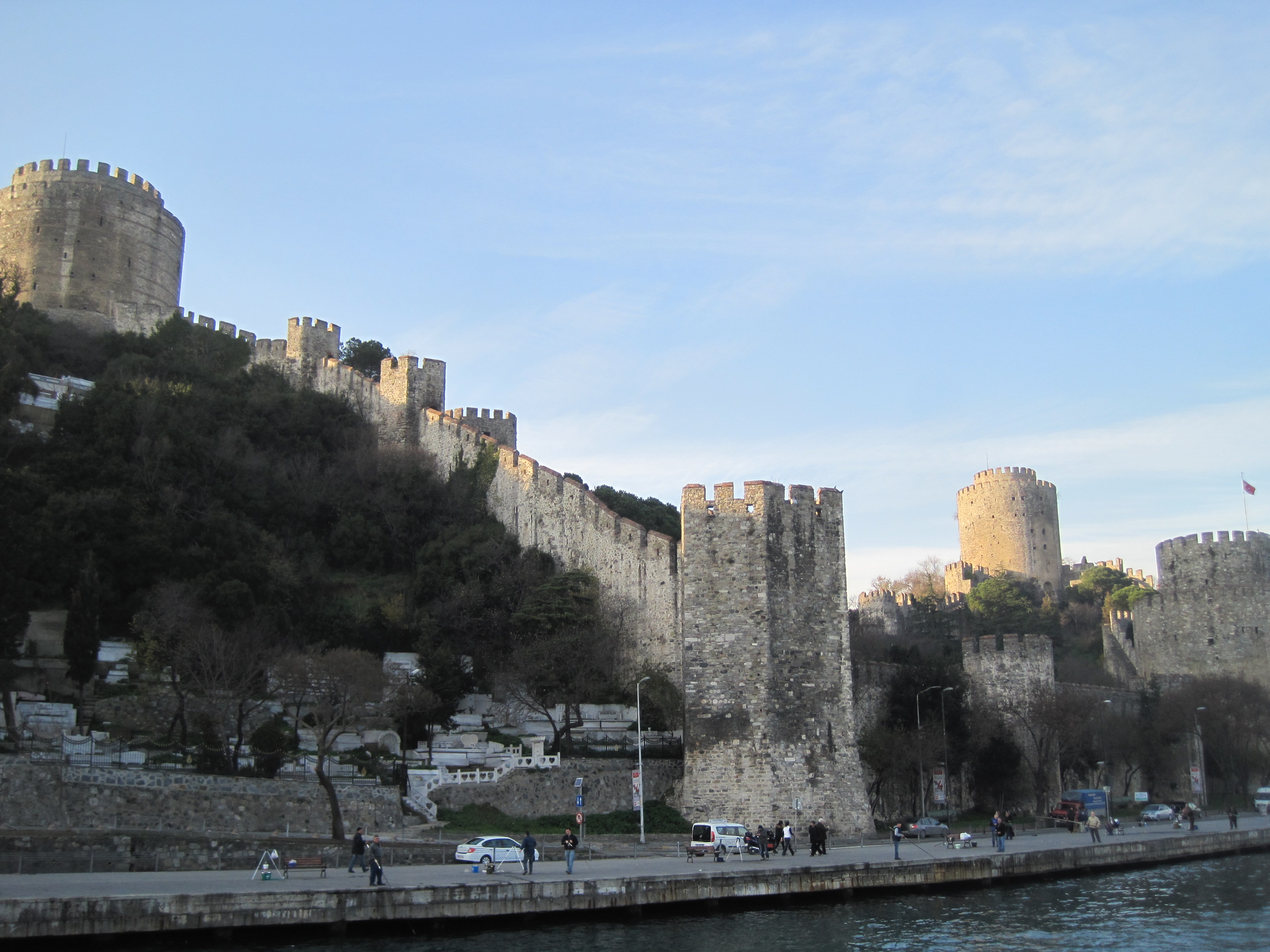
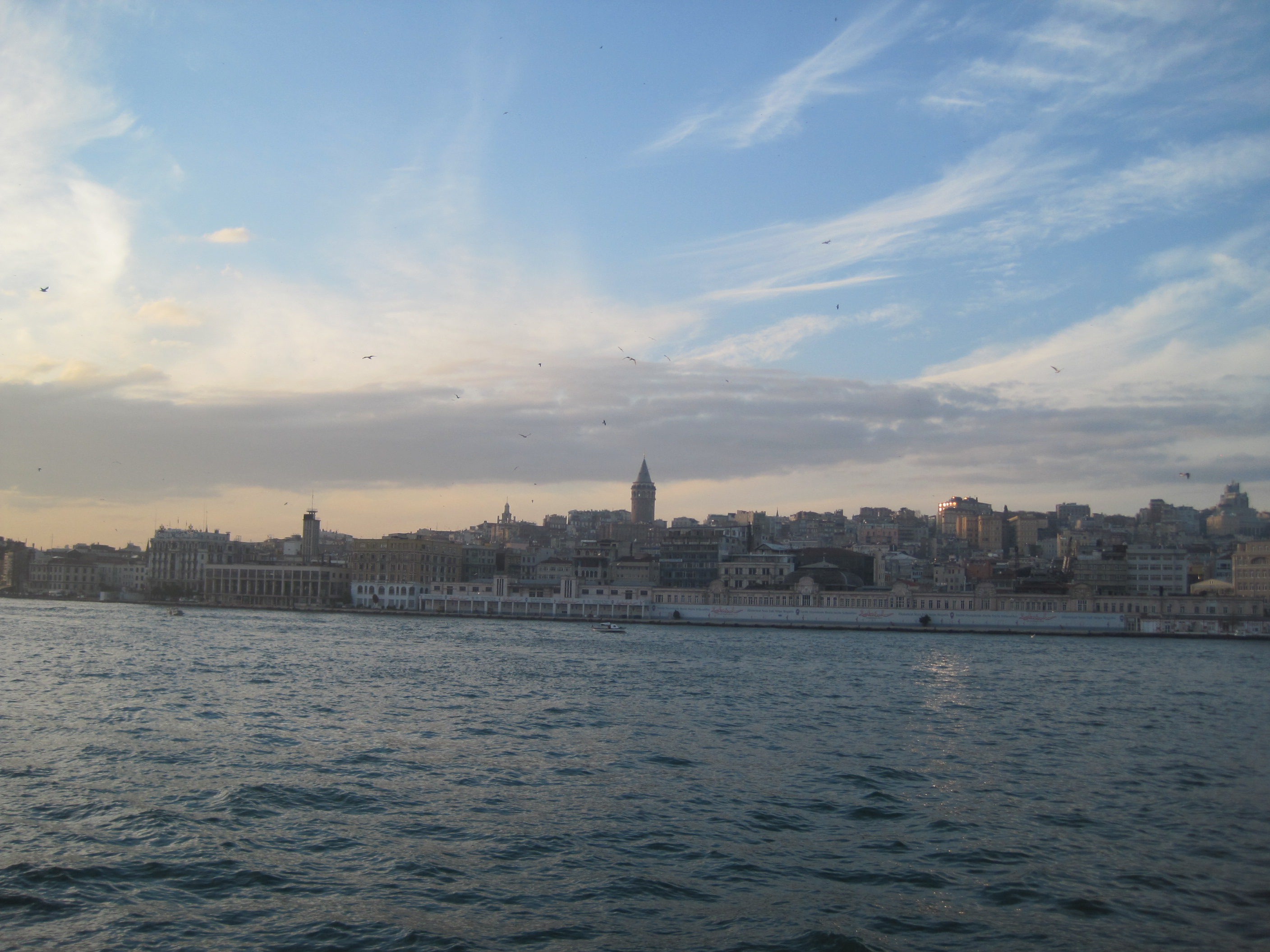
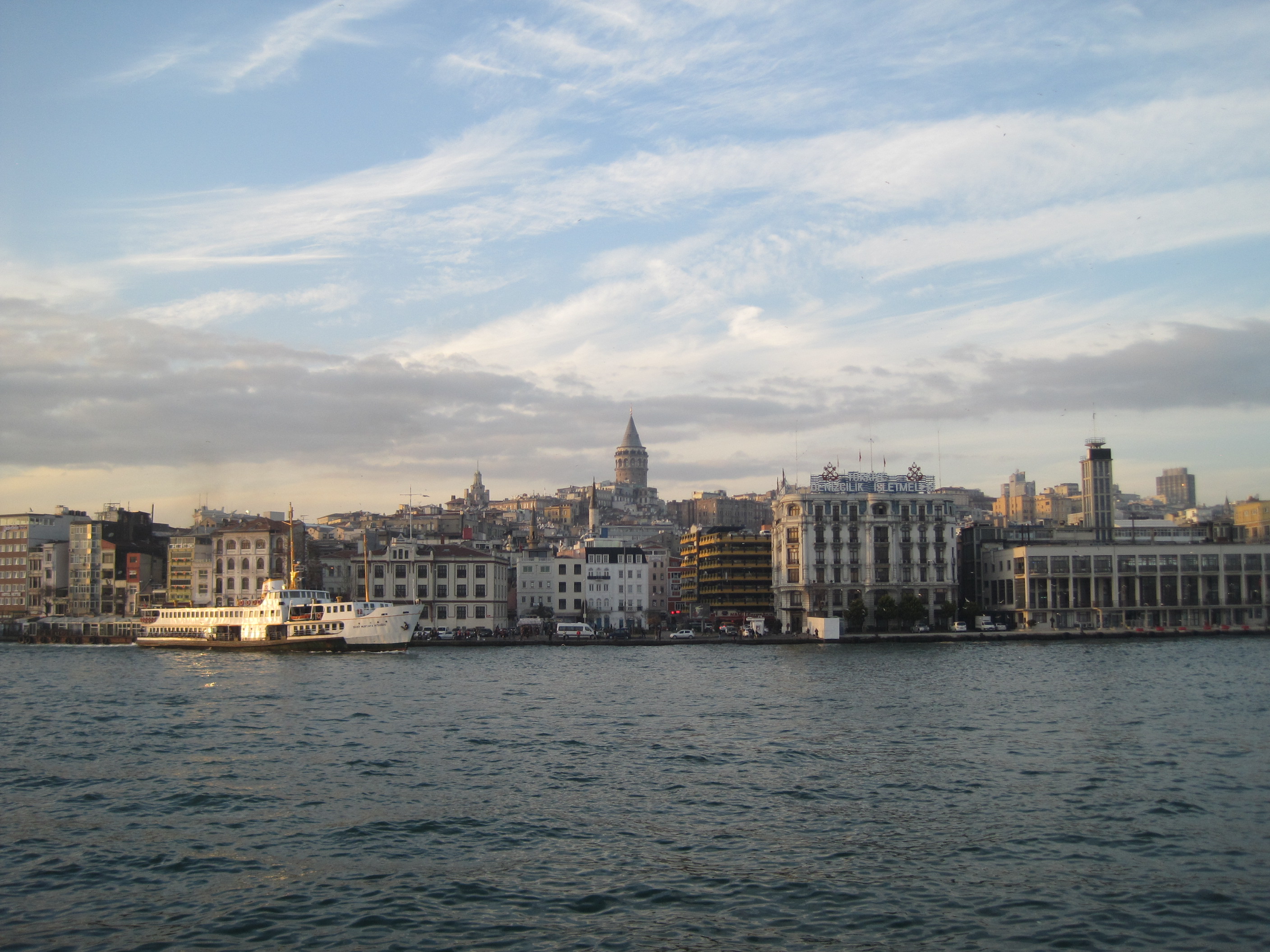
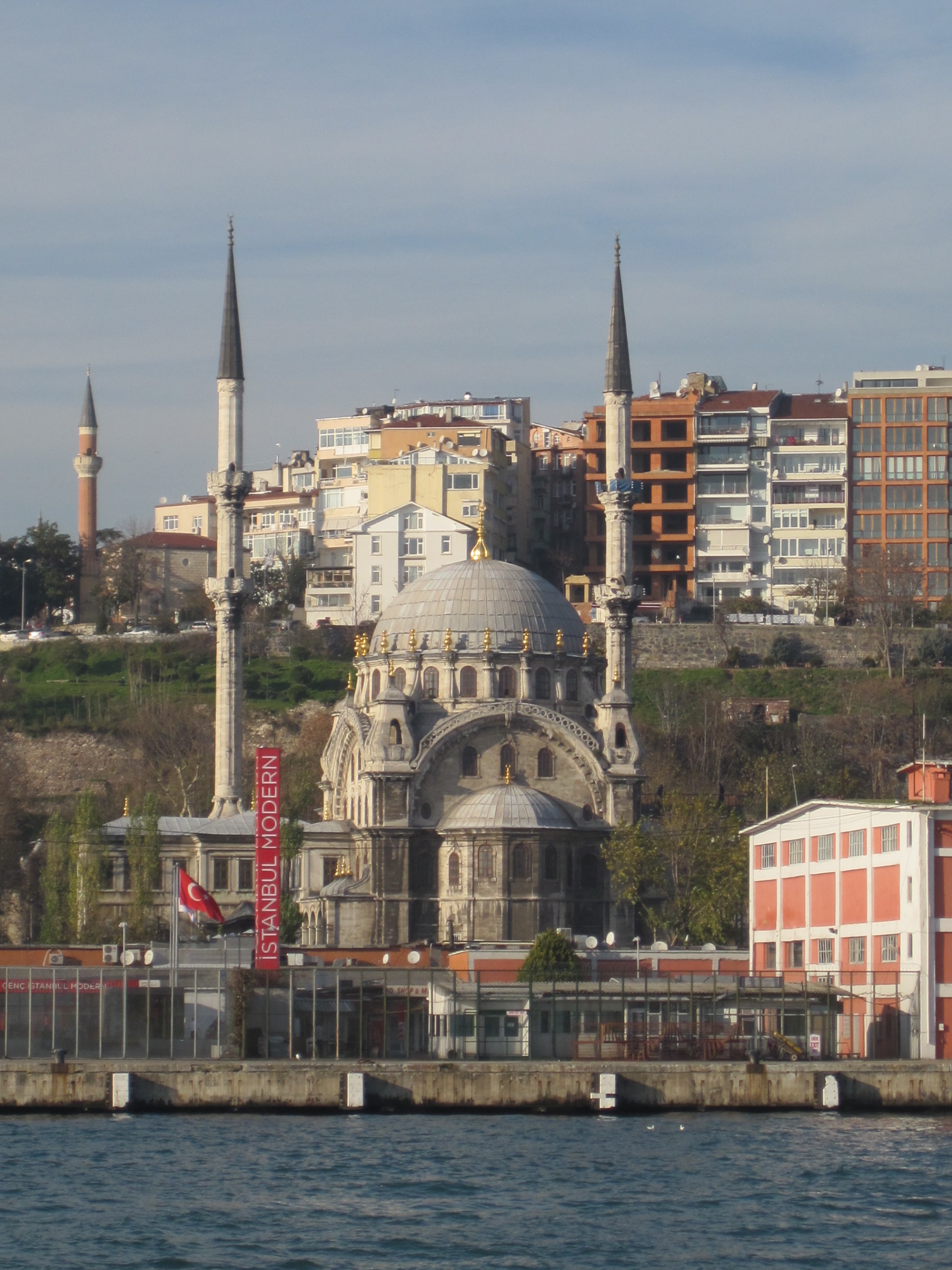
Enjoyed the day exploring the streets around the spice market. We headed towards the train with the idea of taking it to the end of the line, but as we walked around the area we noticed that there were 1.5-hour boat tours of the Bosphorus Sea for 10 TL (about $6). It was a beautiful sunny day, so we jumped on the opportunity. The first ½ of the trip followed along our side of the river, we viewed the Dolmabahce Palace https://timistravels.wordpress.com/wp-admin/post.php?post=1047&action=edit and eventually all the way down to the Rumelihisari Fort https://timistravels.wordpress.com/wp-admin/post.php?post=1850&action=edit&message=6&postpost=v2 before turning around. It was sunny and very nice.
Once we turned around and headed back following along the Asian side of the water it got much more chilly.
It was a great ride but the best part was watching the sunset as we were pulling back into the harbor.
For dinner we had some lamb kabobs and 3 of them cost a grand total of 22 L well under $10.
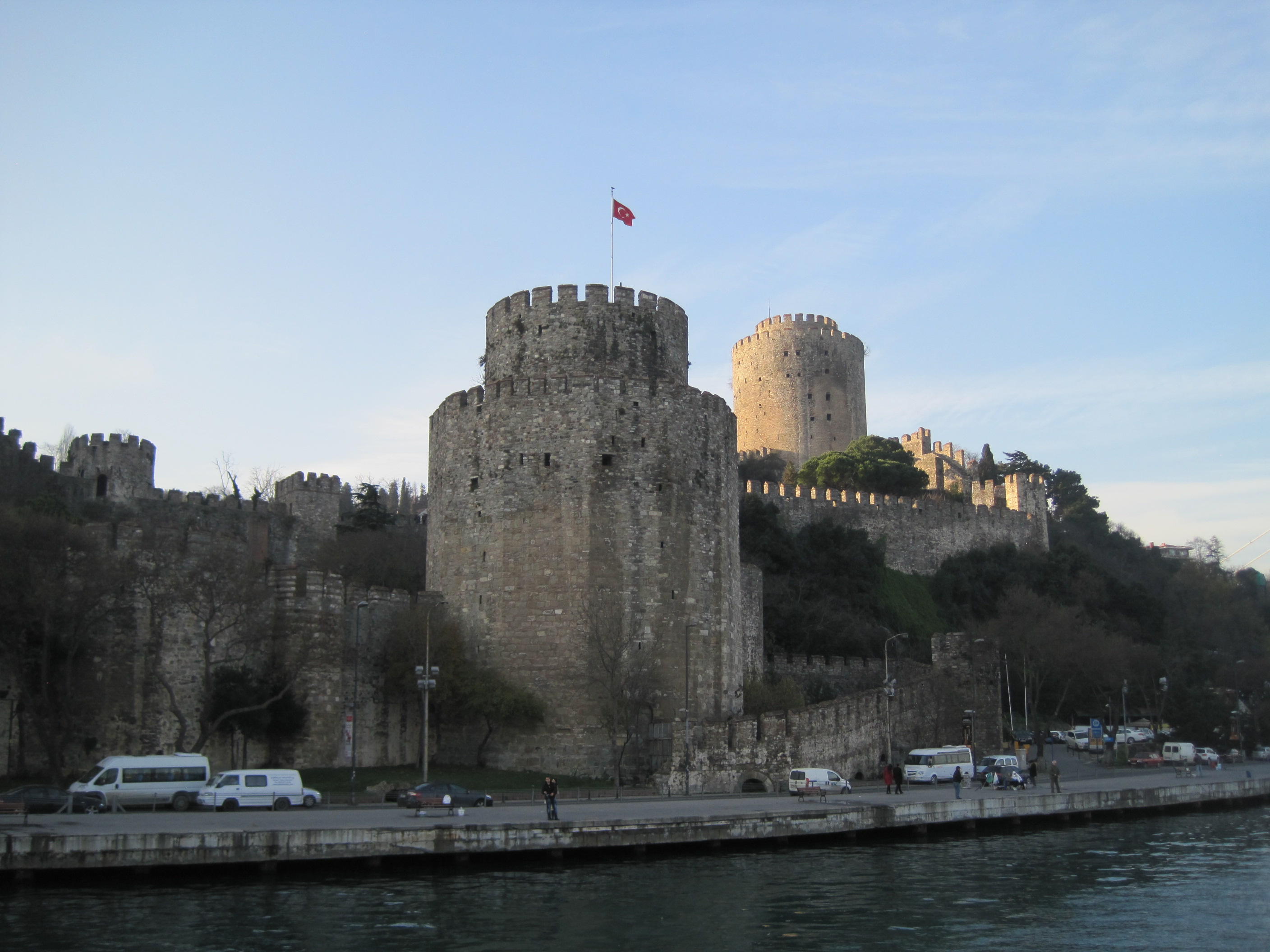
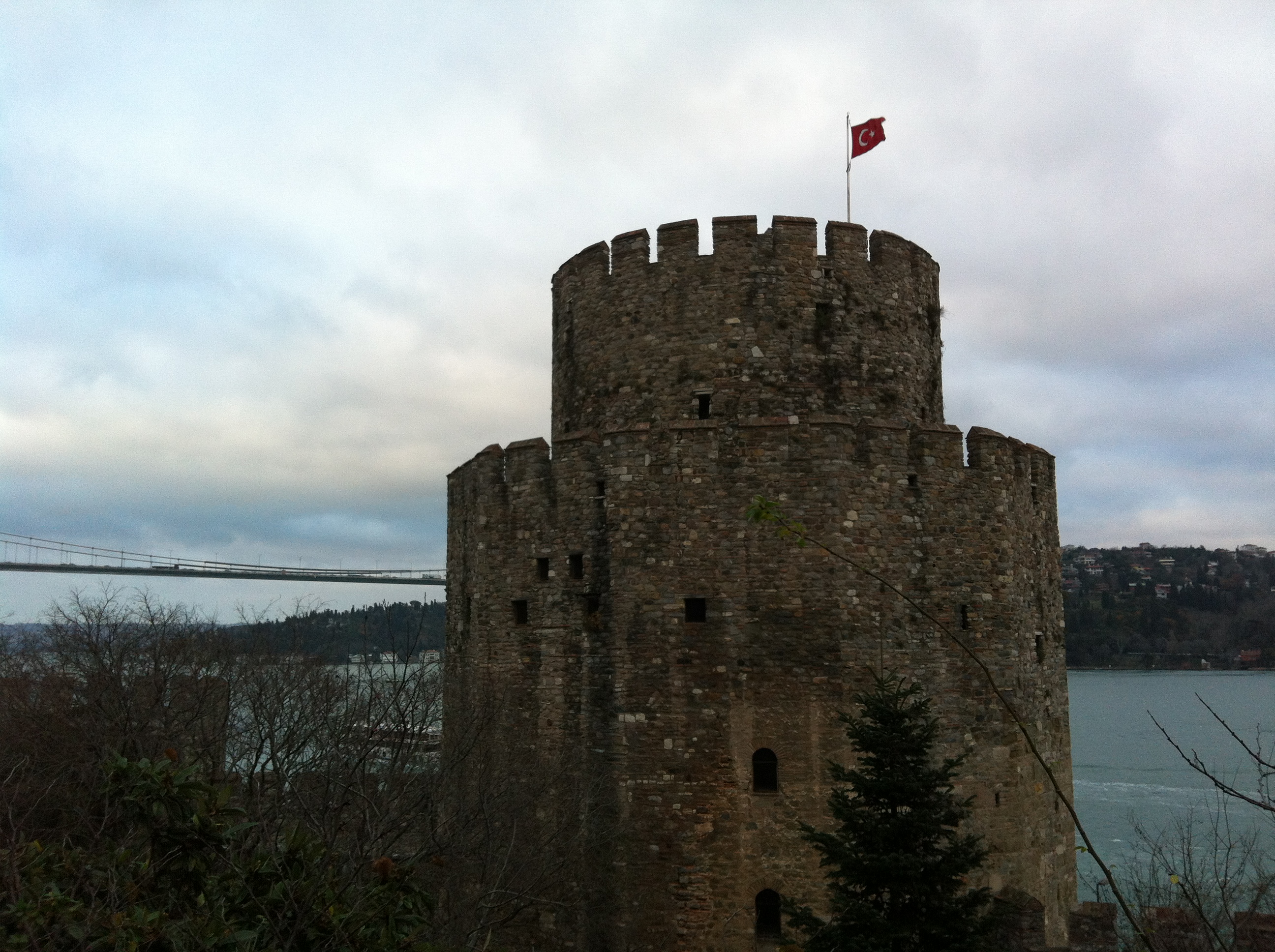
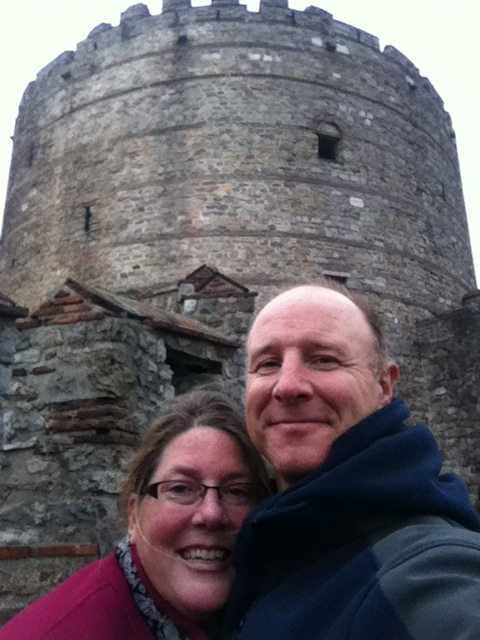
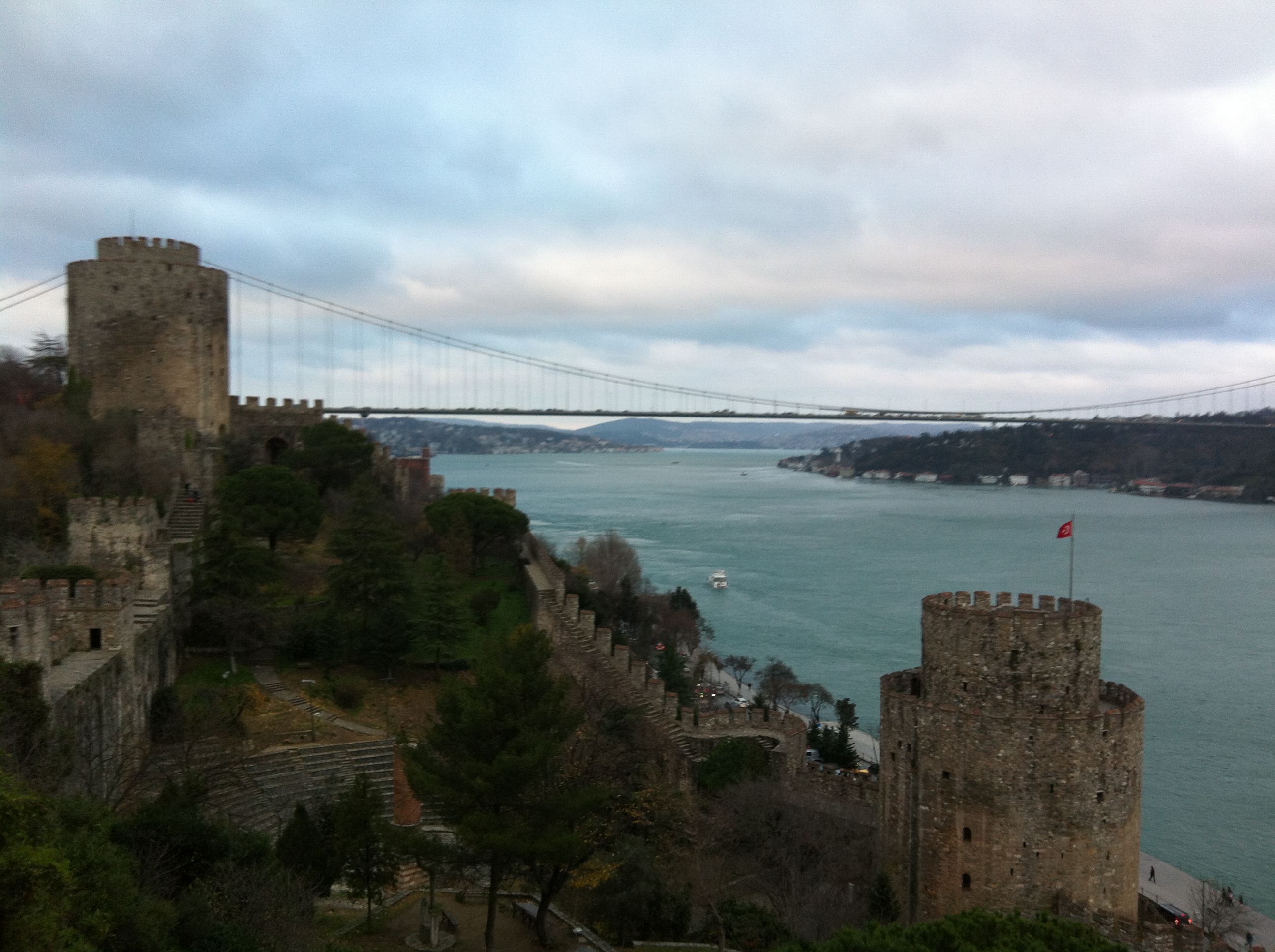
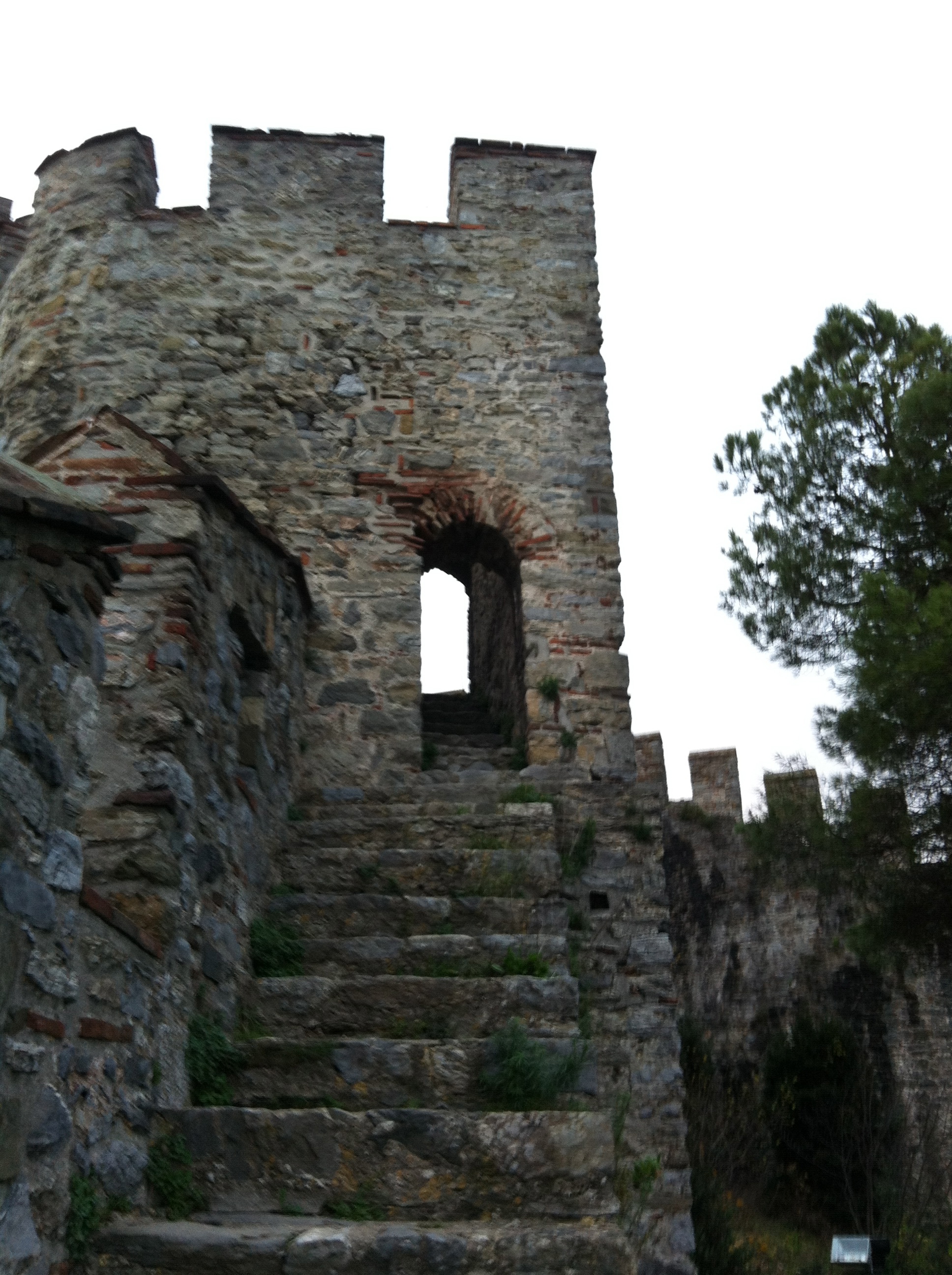
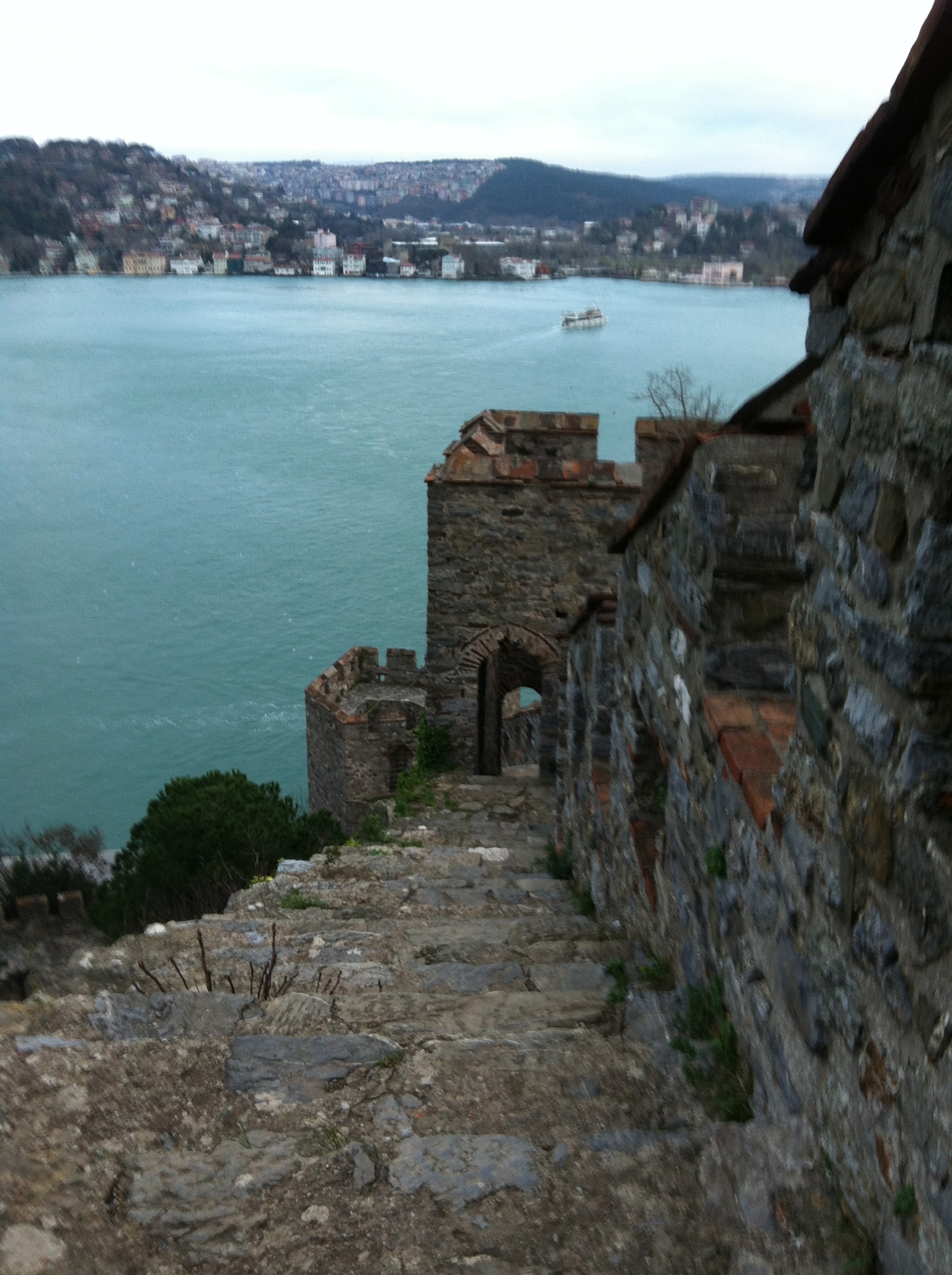
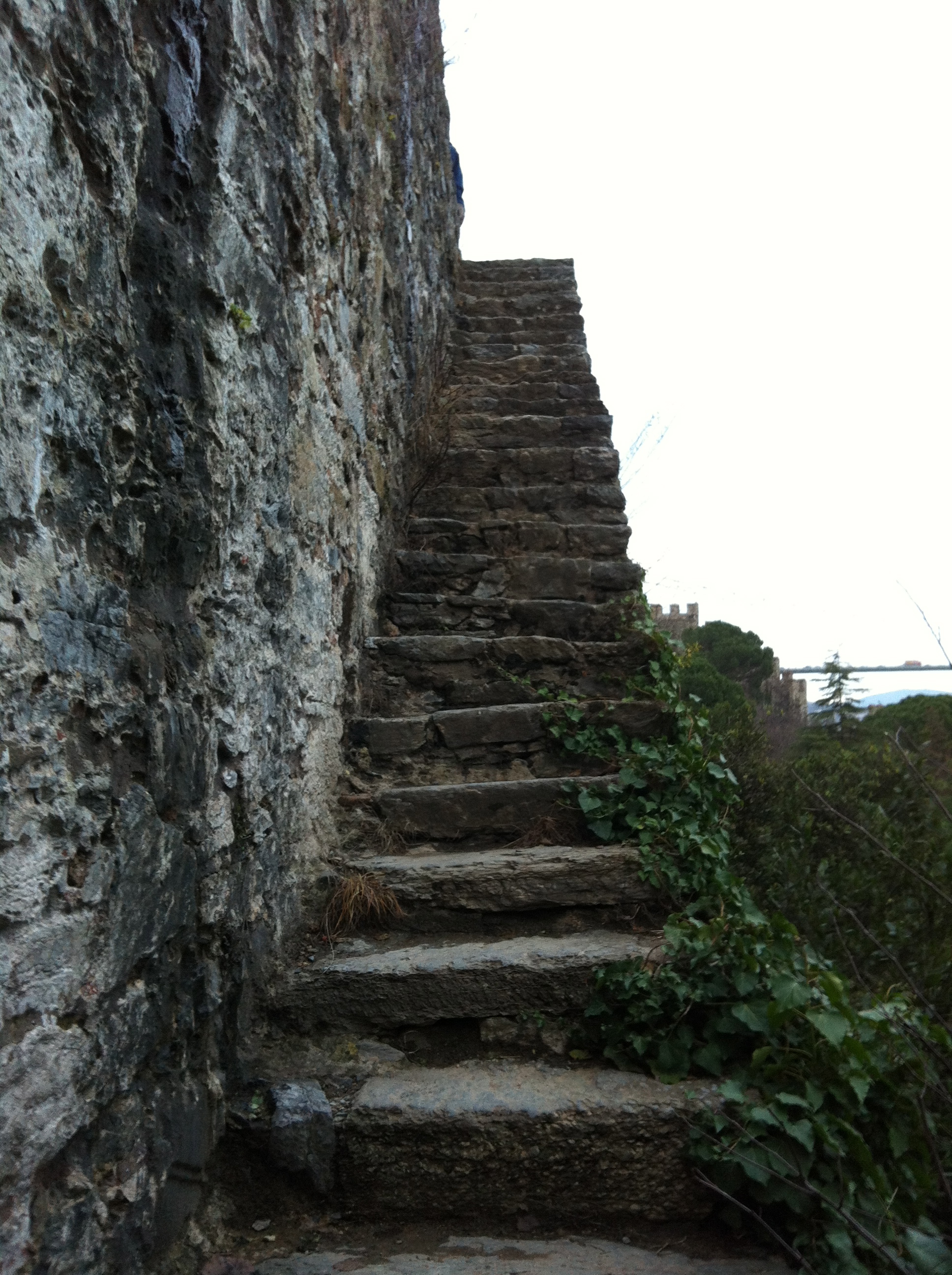
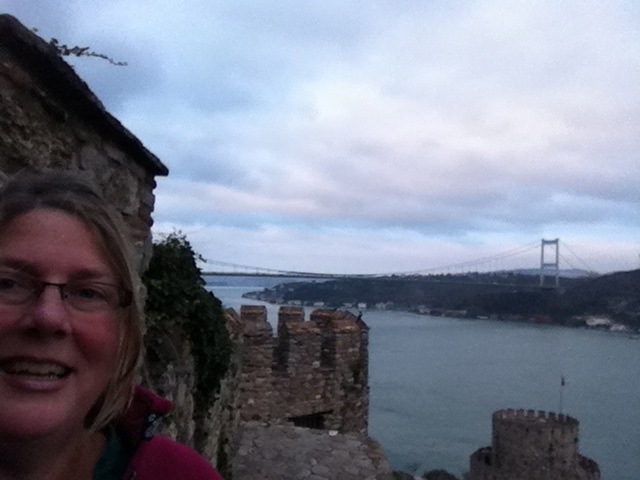
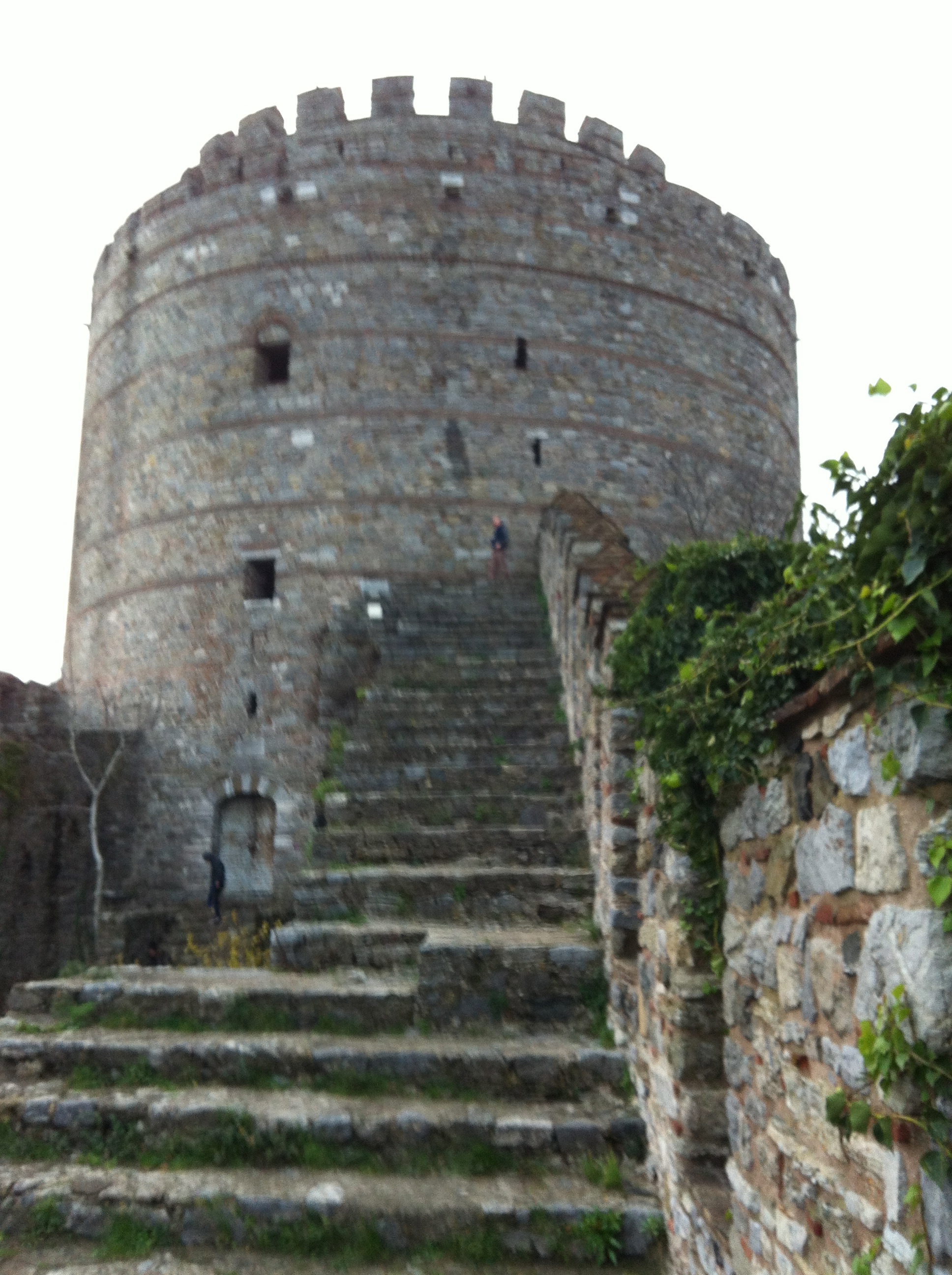
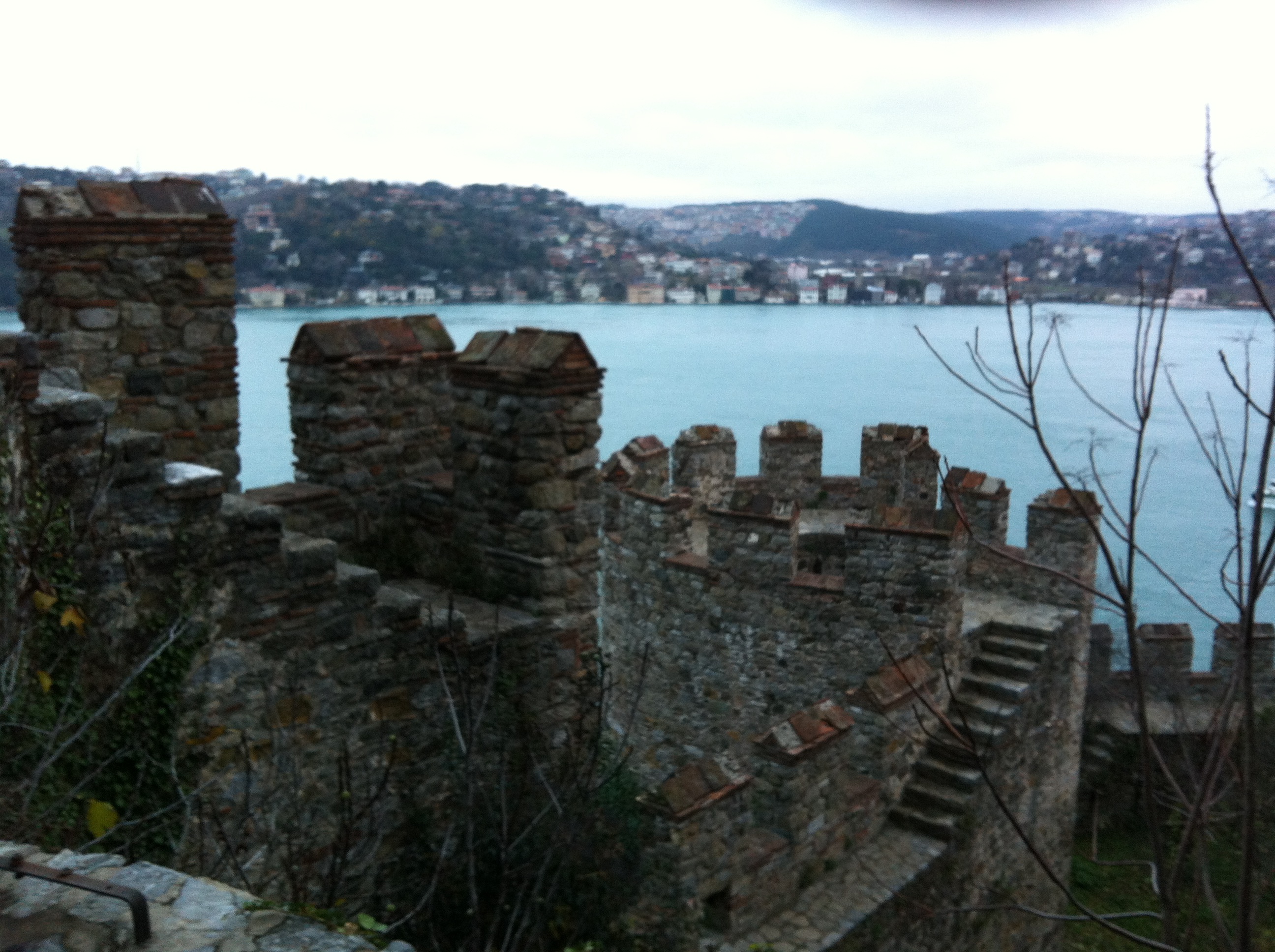
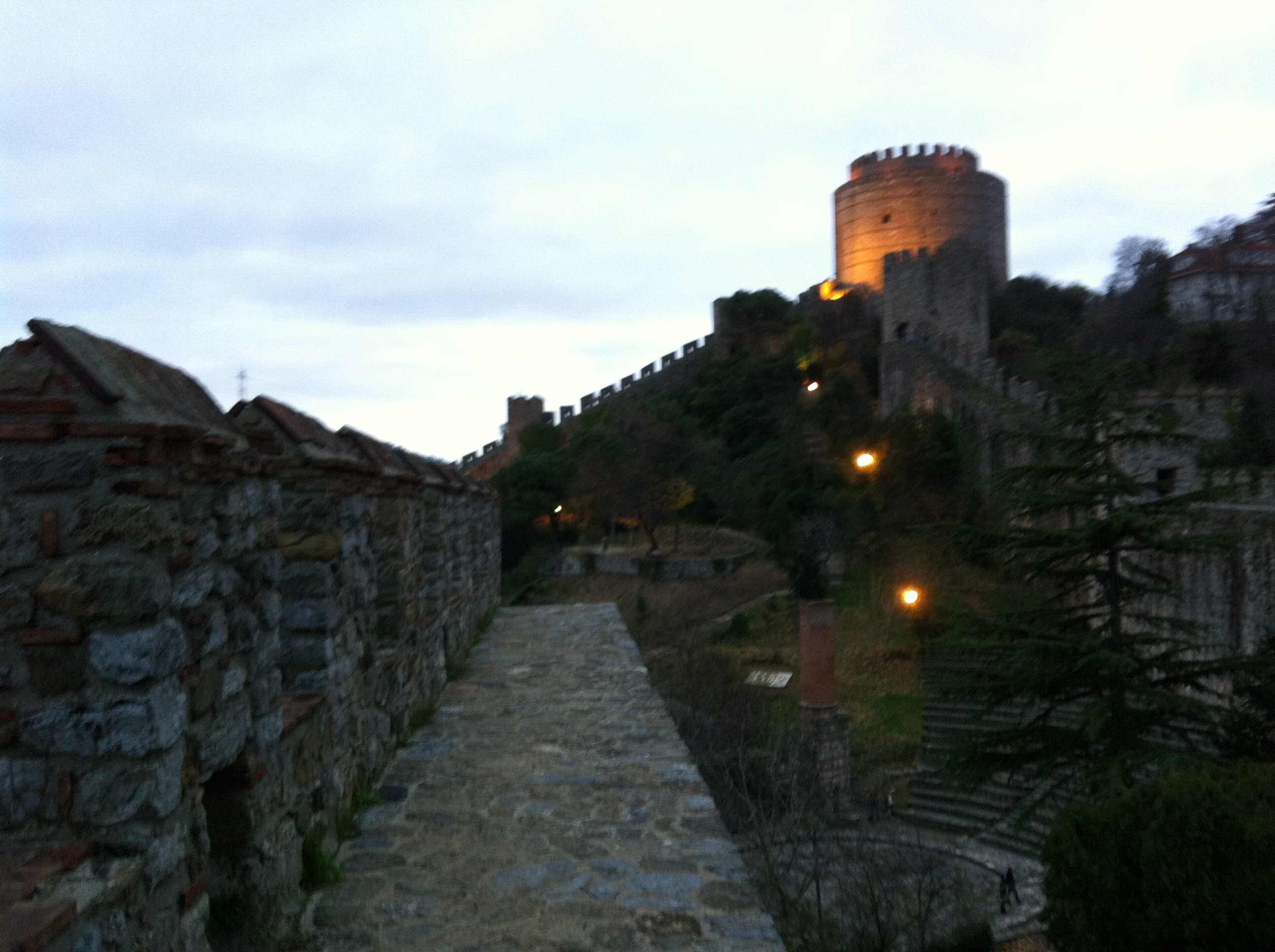
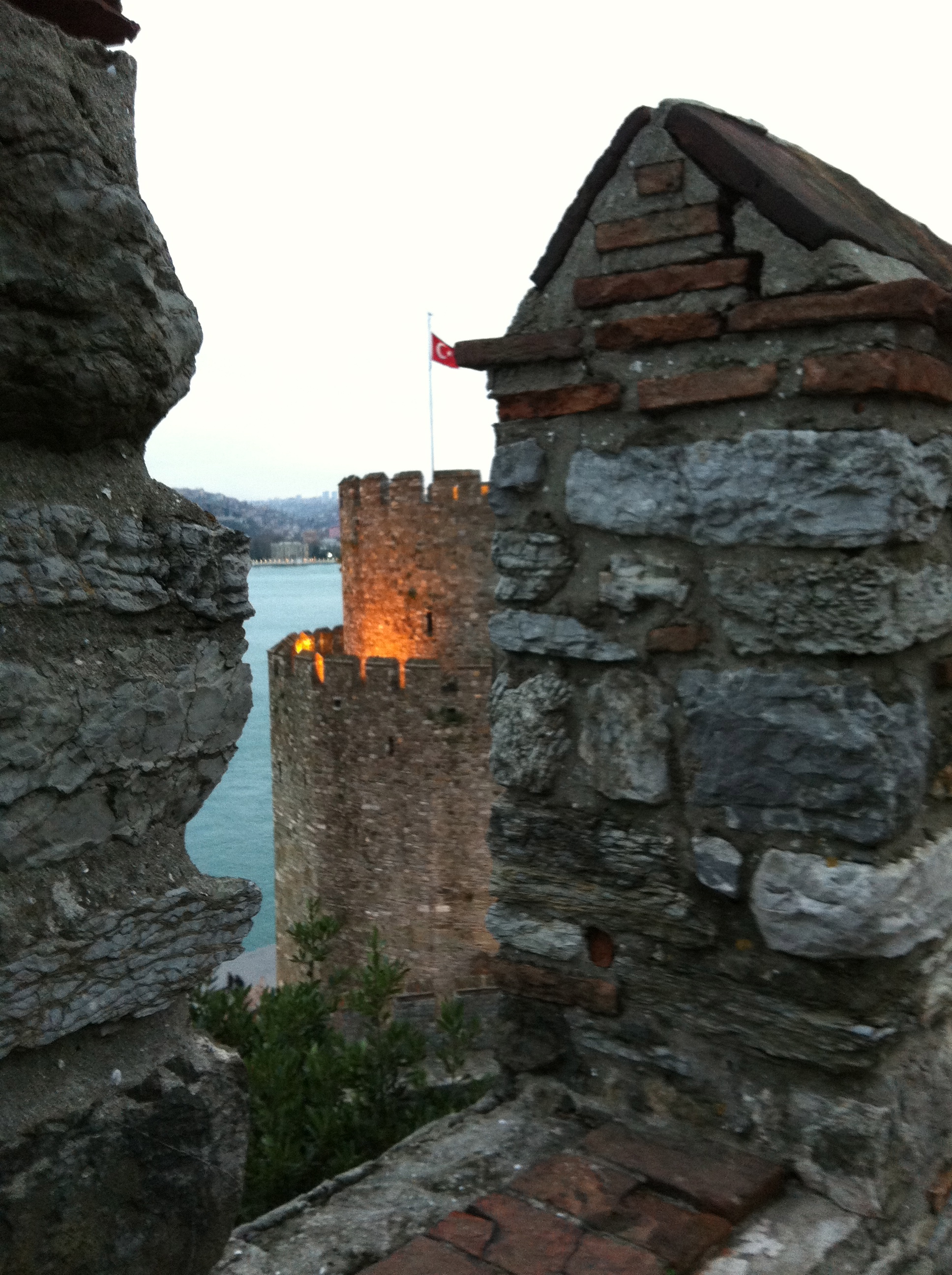
We were unaware of the fort when we were planning our trip to Istanbul, but the day we took the Bosphorus Sea tour we saw the fort from the water, and came home to investigate how to get there. It is built on the hill on the European side of the narrowest part of the Bosporus. From notes we read on line it wasn’t going to be that hard, we took the blue line to the end and then hopped on bus 23, the return was the opposite but the bus to take us back was 22. The fort is open every day except Wednesdays from 9:00 to 4:30 though they did not ‘kick’ us out until after 5:00.
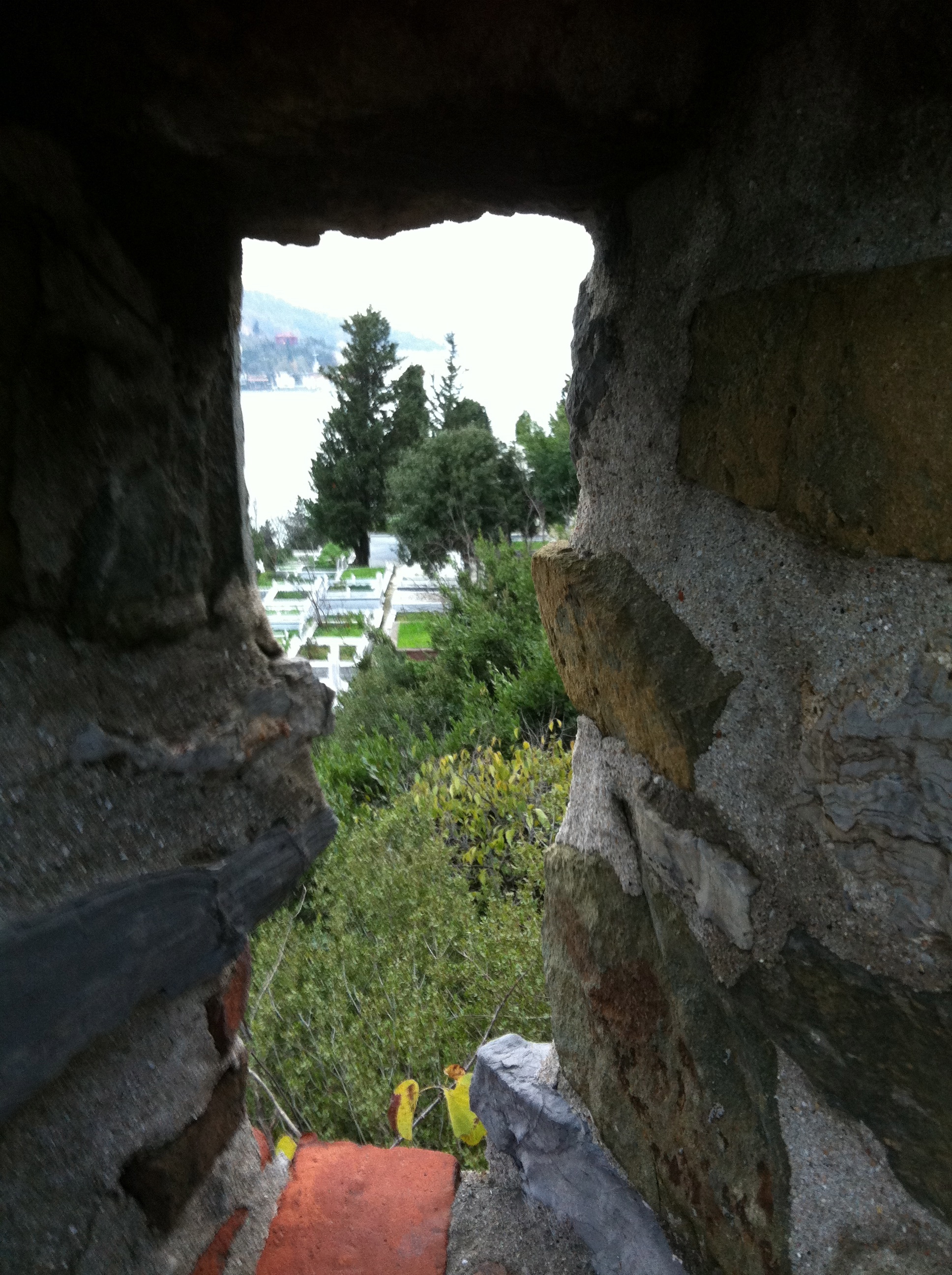
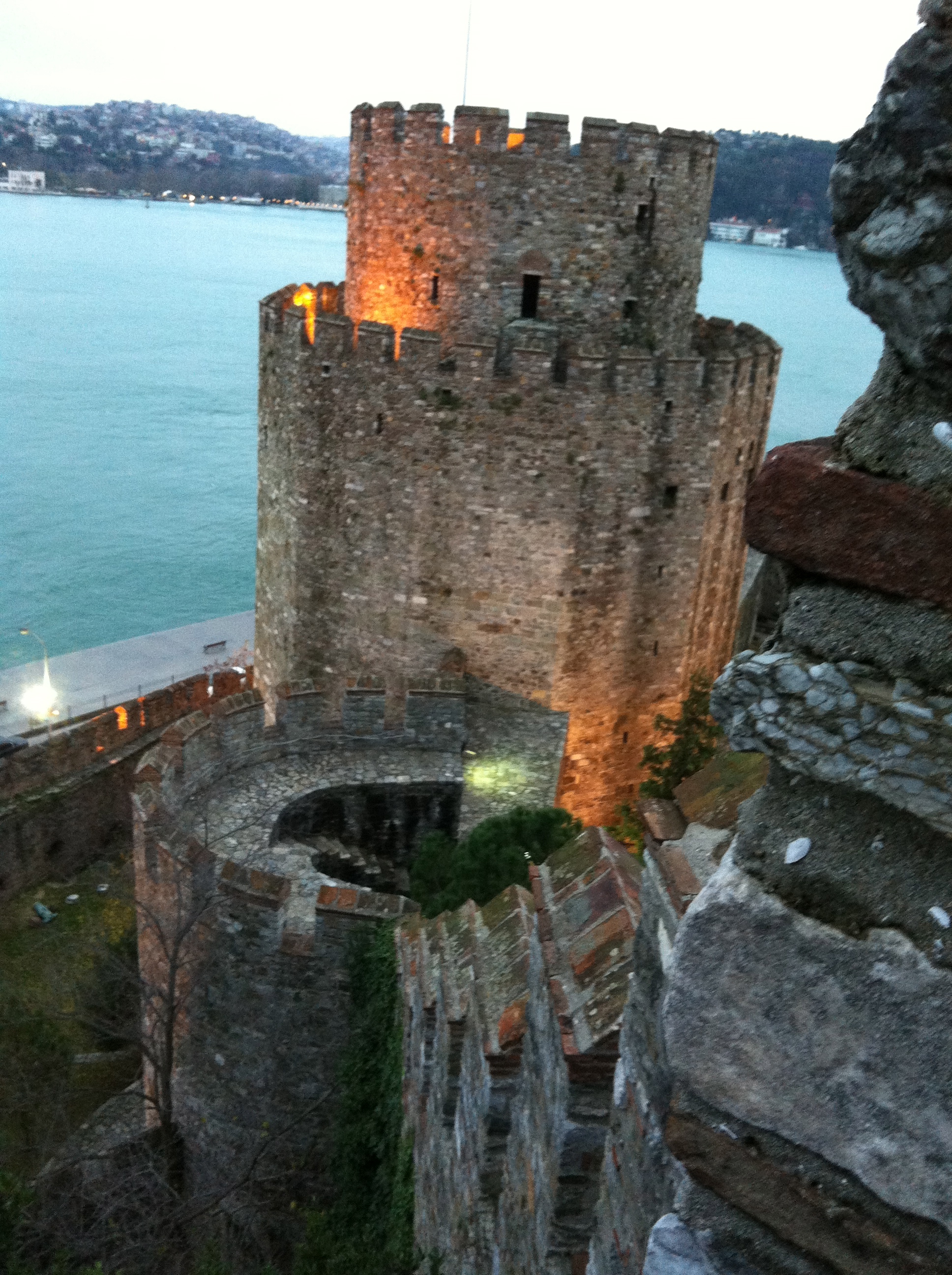
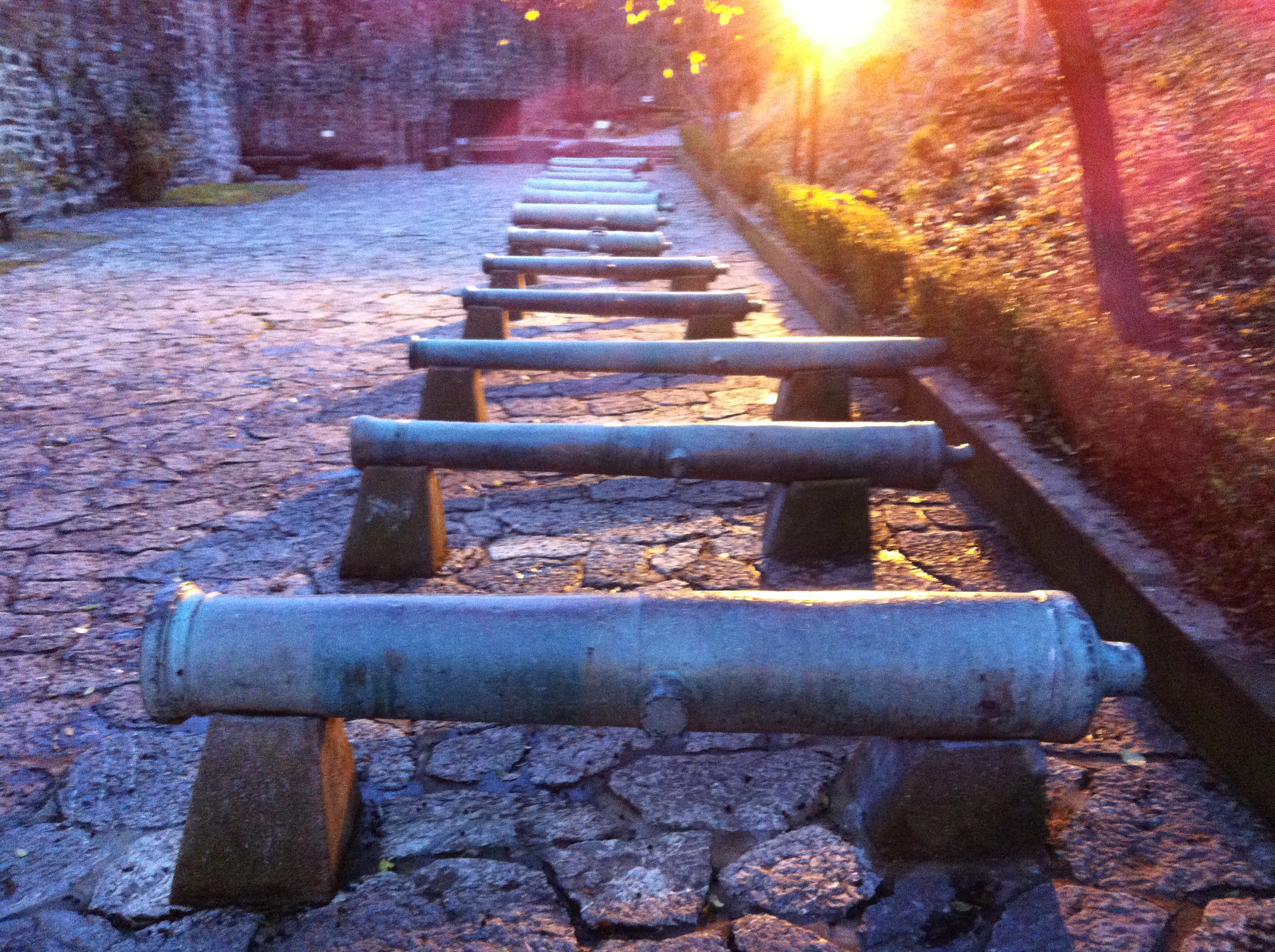
The fort was amazing mostly because as we explored it we learned that it was built in 4 months, and 16 days, the entire thing was built between April and August in 1452, it took thousands of people to do it this quickly. It was built so that the water traffic could be monitored. There are 3 main gates by each large tower. The towers and the walls are 16-50 feet tall. Inside there are 15 other smaller towers of different shapes and sizes.
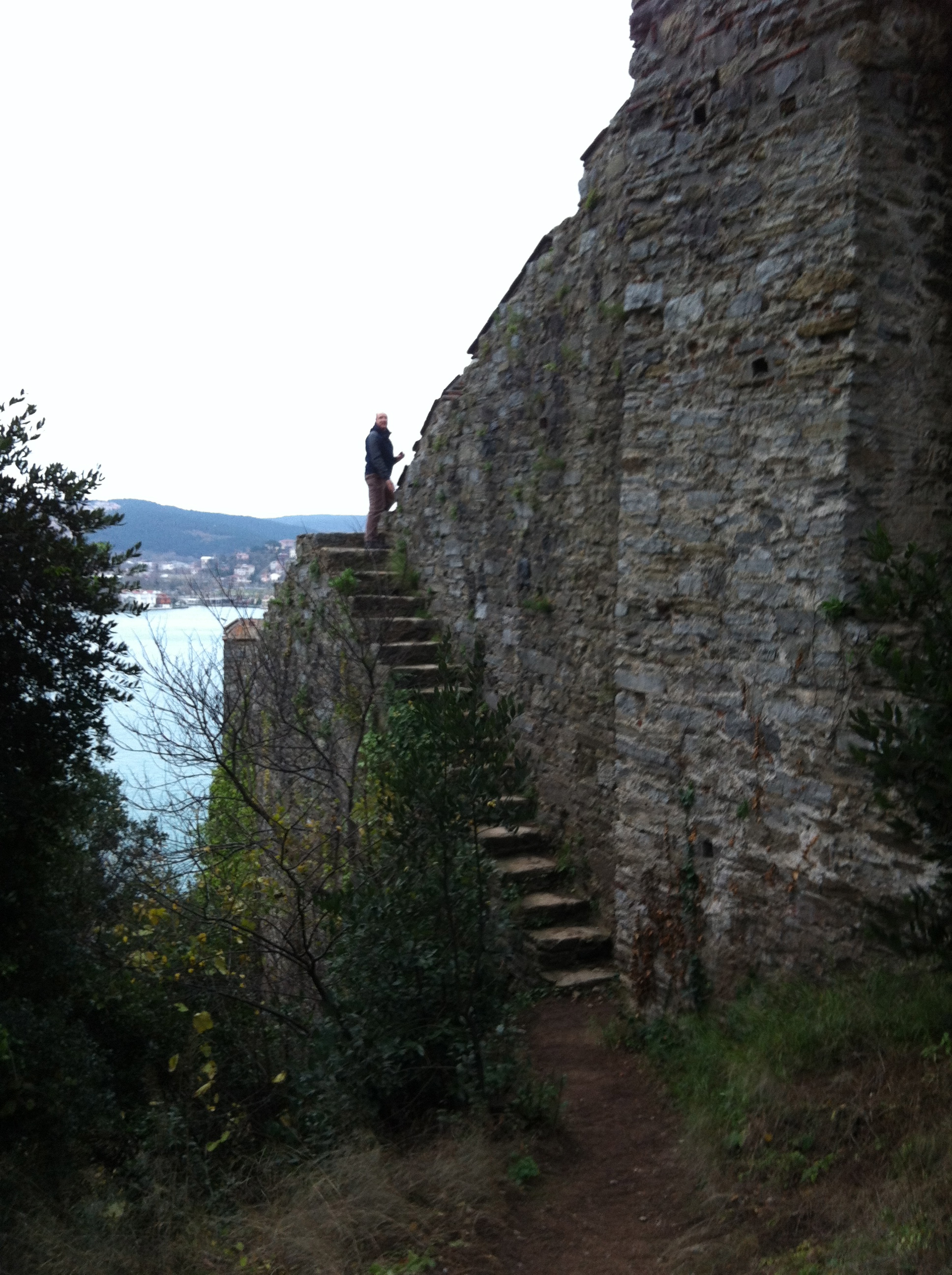
We, with our American frame of reference, were shocked by the lack of railings or handrails in the fort. We were able to climb many of the steps, but I must admit there were moments I worried about falling off! We actually spoke to an American lawyer there who said “In the states this is how I make a lot of money, this is a lawsuit waiting to happen.” Not in Turkey dude!
The Saruca Pasha Tower is so large that it has 7 floors and is over 90 feet tall, and amazingly 30 feet thick.
After it was no longer used as a ‘fort’ it was:
a customs check point after the fall of Constantinople,
a prison in the 17th Century.
in 1509 destroyed part of the fort
in 1746 a fire took out all the wood in the towers.
In 1960 it became a museum and the outdoor theatre is used for concerts throughout the summer.
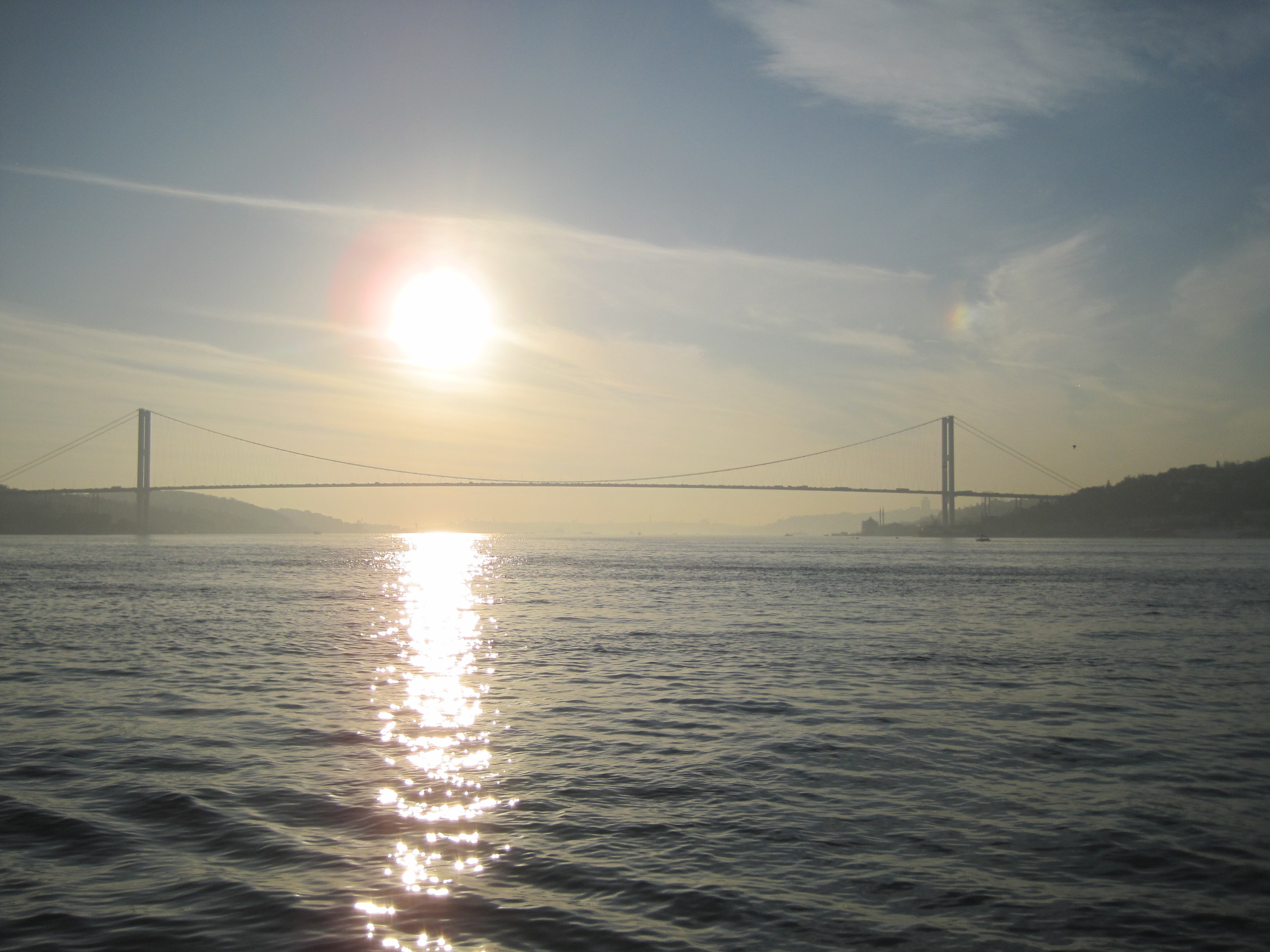
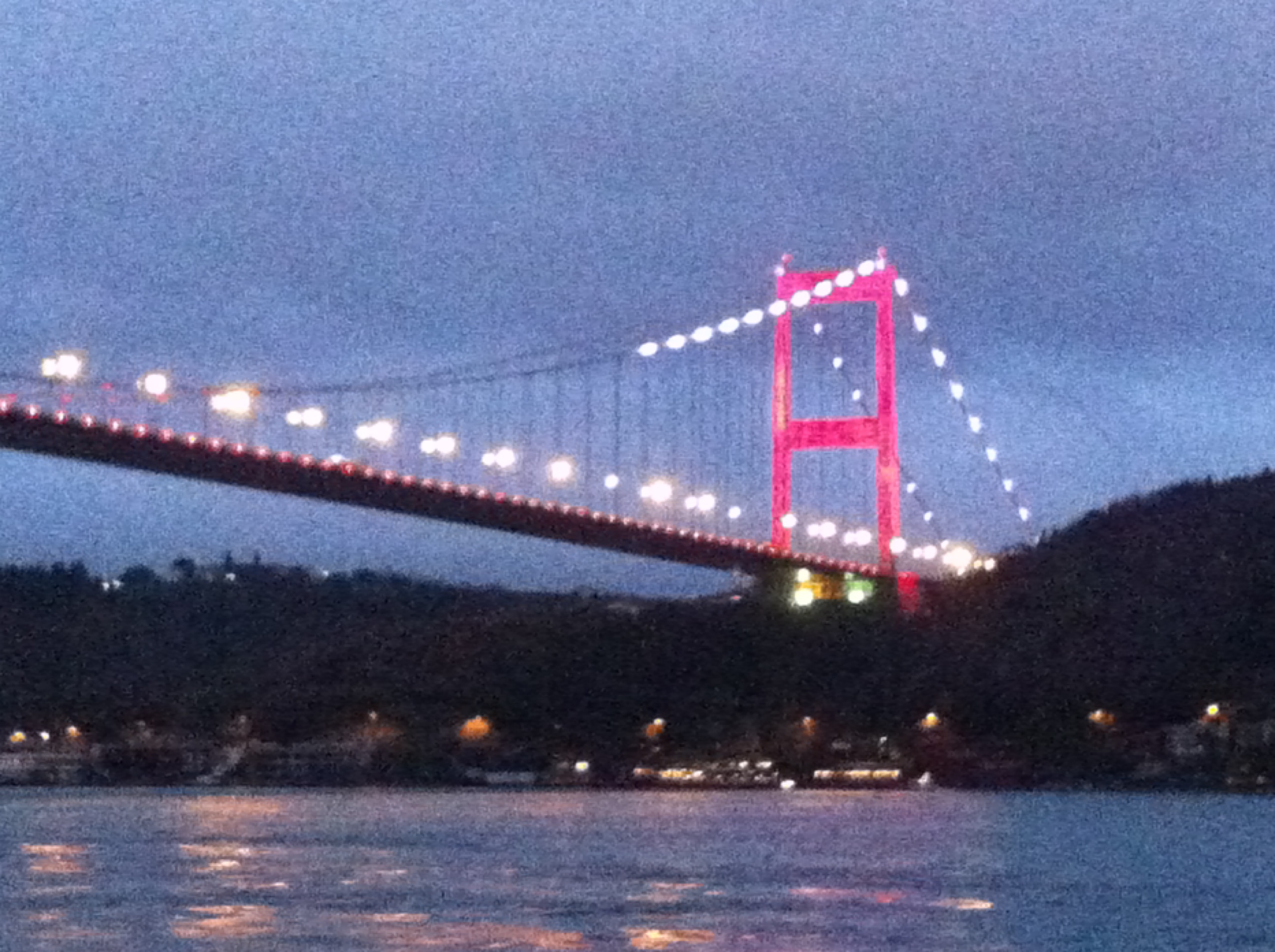
You can see the Fatih Sultan Mehmet Bridge from the fort and it was lit up at night as we left for home.
One of the biggest complaints of many Alaskans is “Why does XXXX company not include free shipping to Alaska, we are part of the United States.” If USPS is the mode of shipping it costs NO more to the sender to send anything to AK. It costs the same to mail something 10 houses down the street from you or 10,000 miles away to rural Alaska.
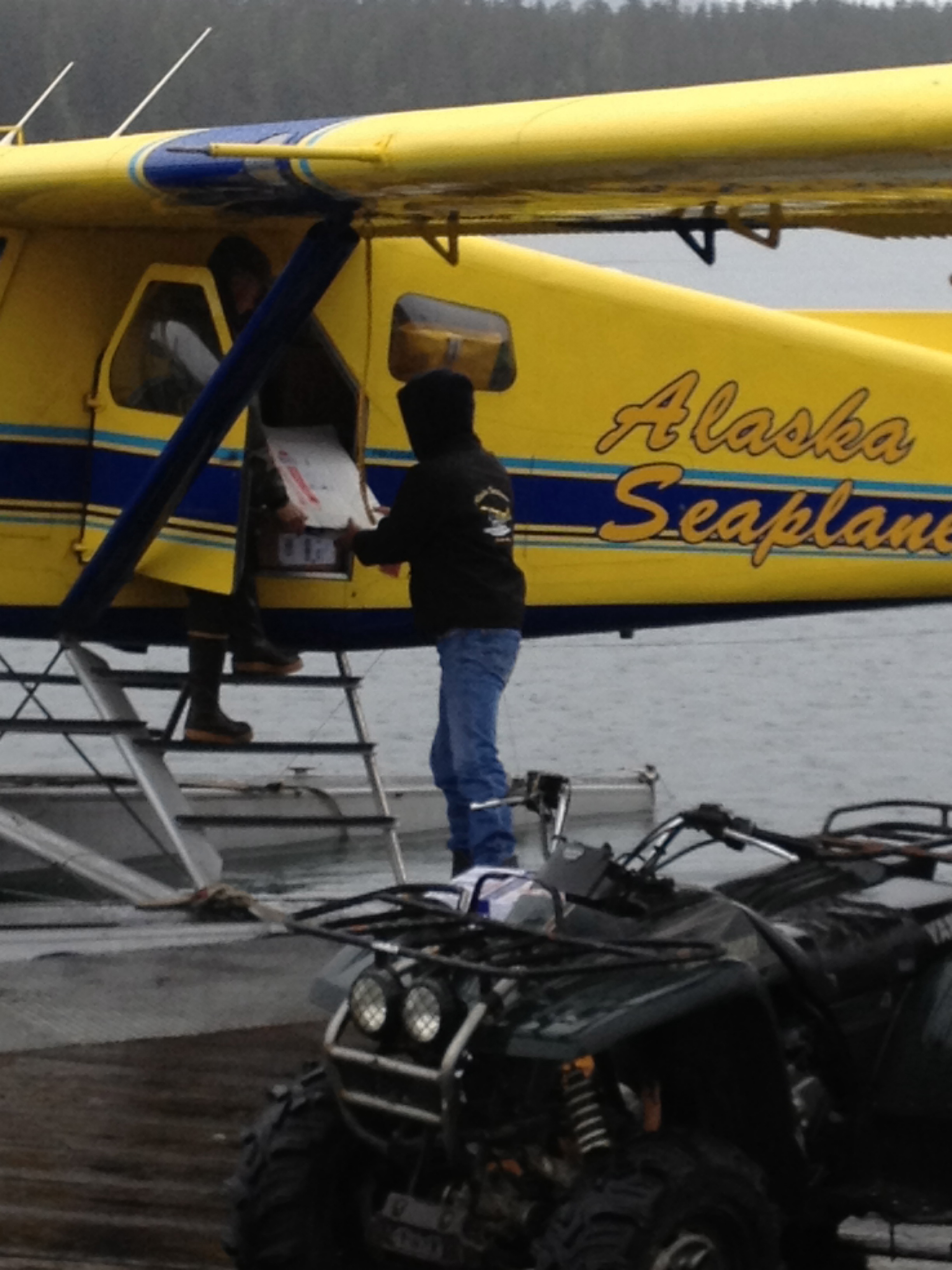
However, there IS an additional cost to get items to our small rural towns. There is a Bush Mail subsidy that costs millions of dollars each year. The Post Office must work with small airlines to deliver to our rural communities. This is also how groceries are sent to our communities that don’t have road access.
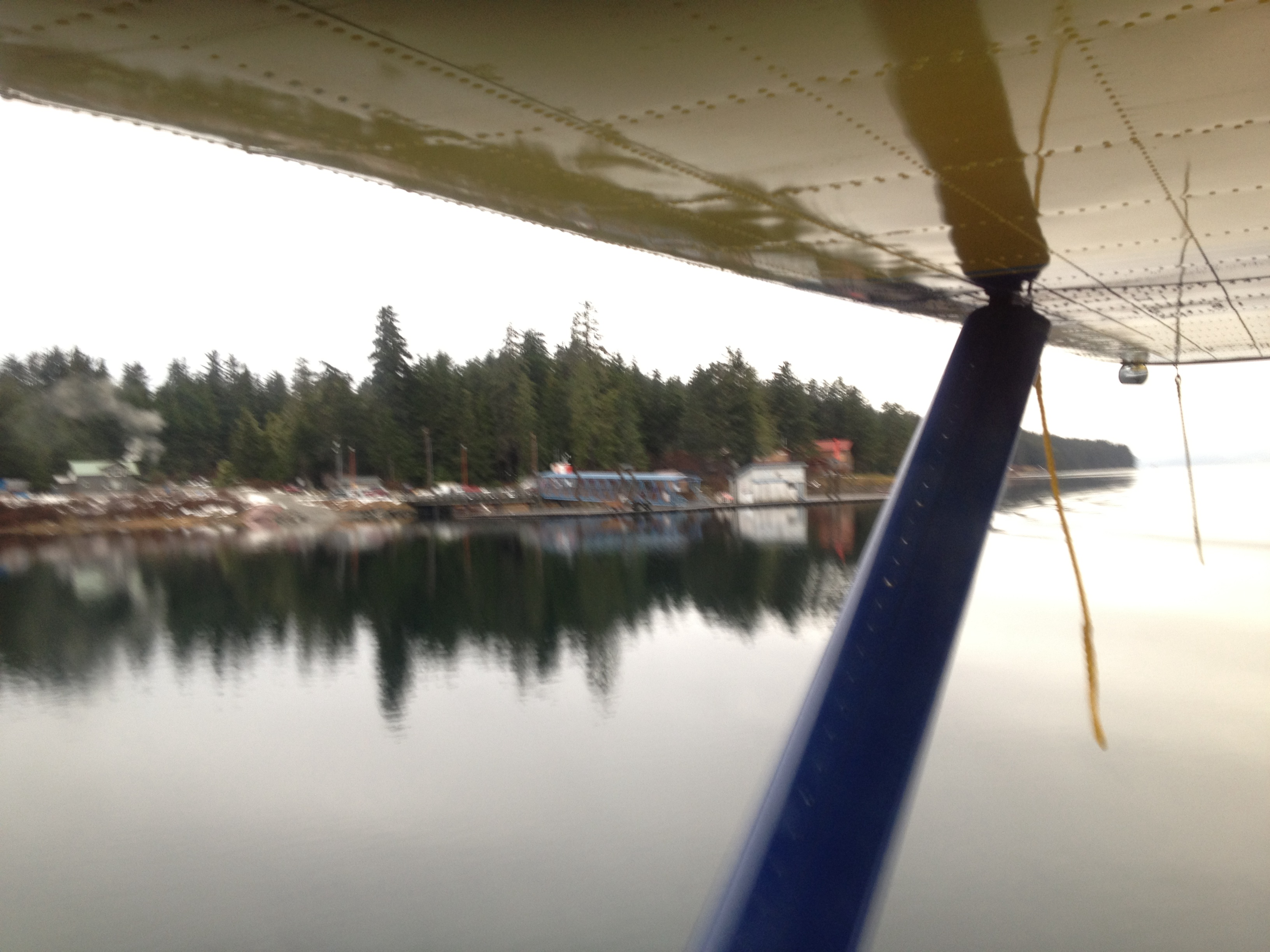
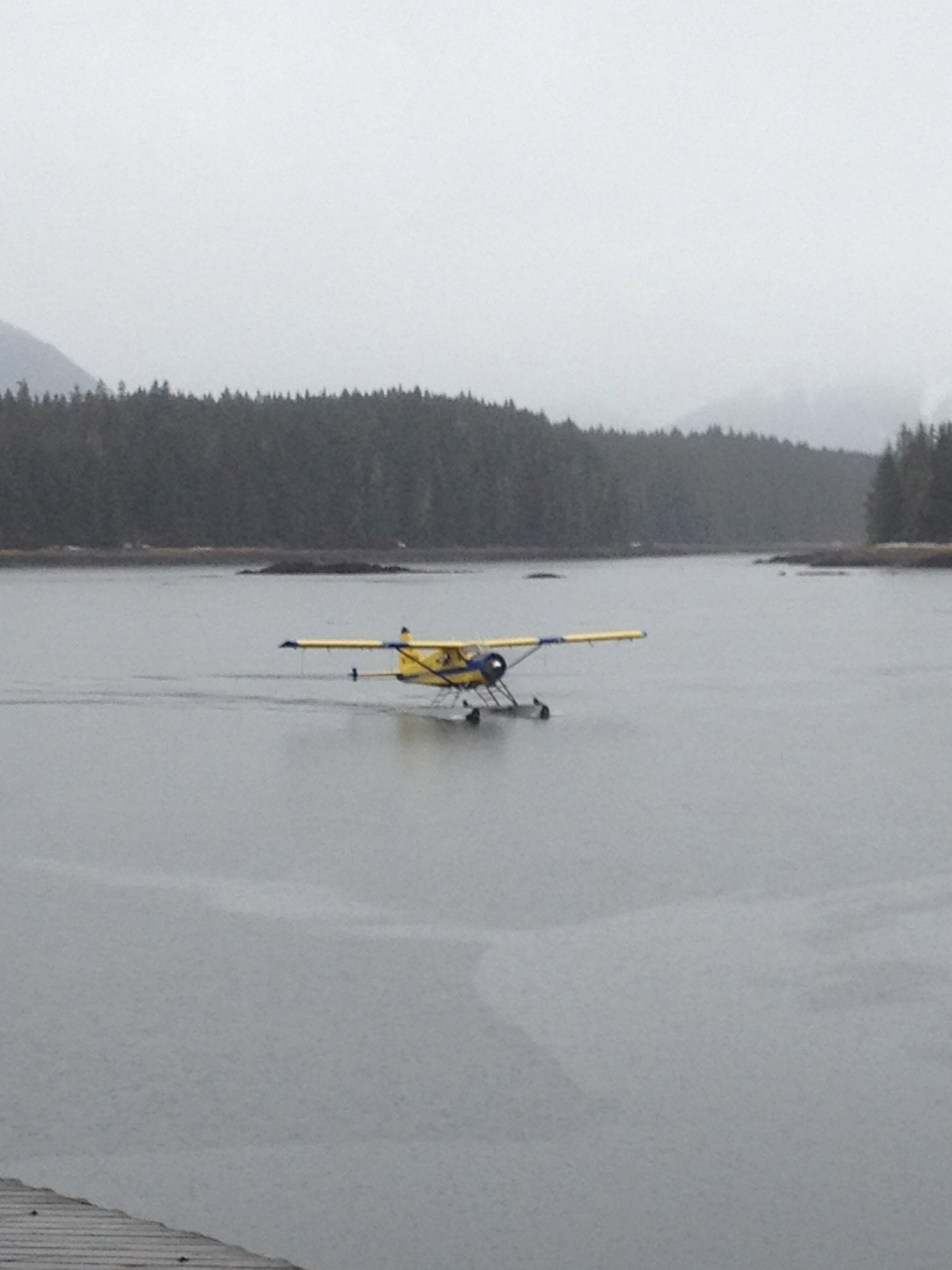
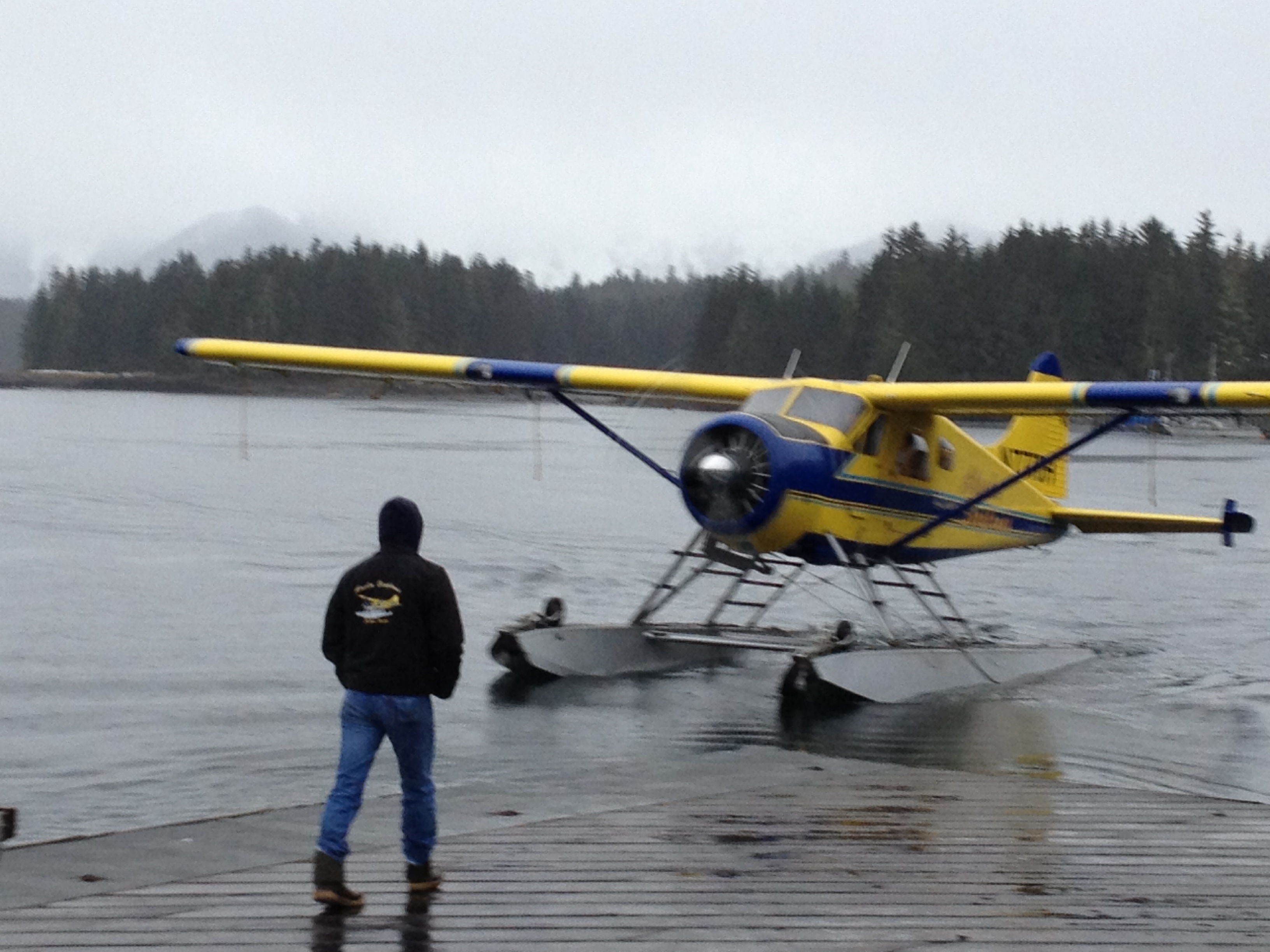
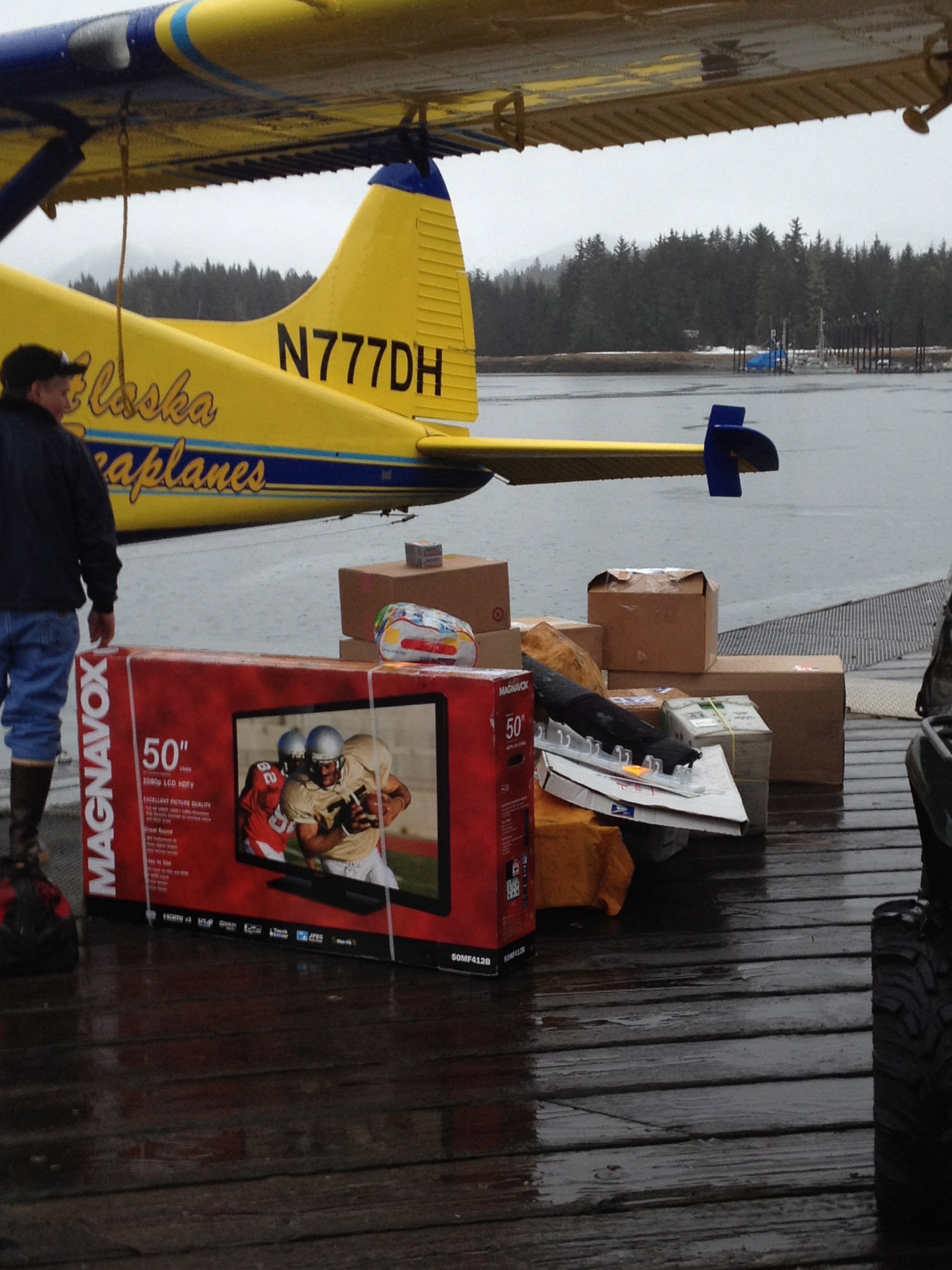
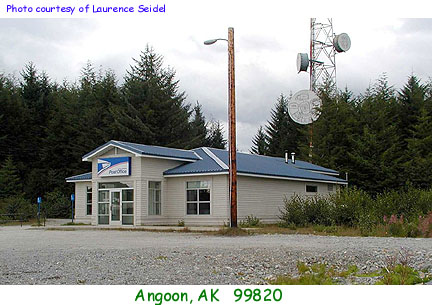
I was in Angoon, Alaska this week and got to experience watching the mail come in on the plane I was due to fly home on. As I watched the plane off load I saw many interesting items. Everything from a shot gun (for hunting no doubt), decorative hooks for a newly decorated room, a large flat screen TV, and many, many, many boxes that had been mailed from different parts of this country.
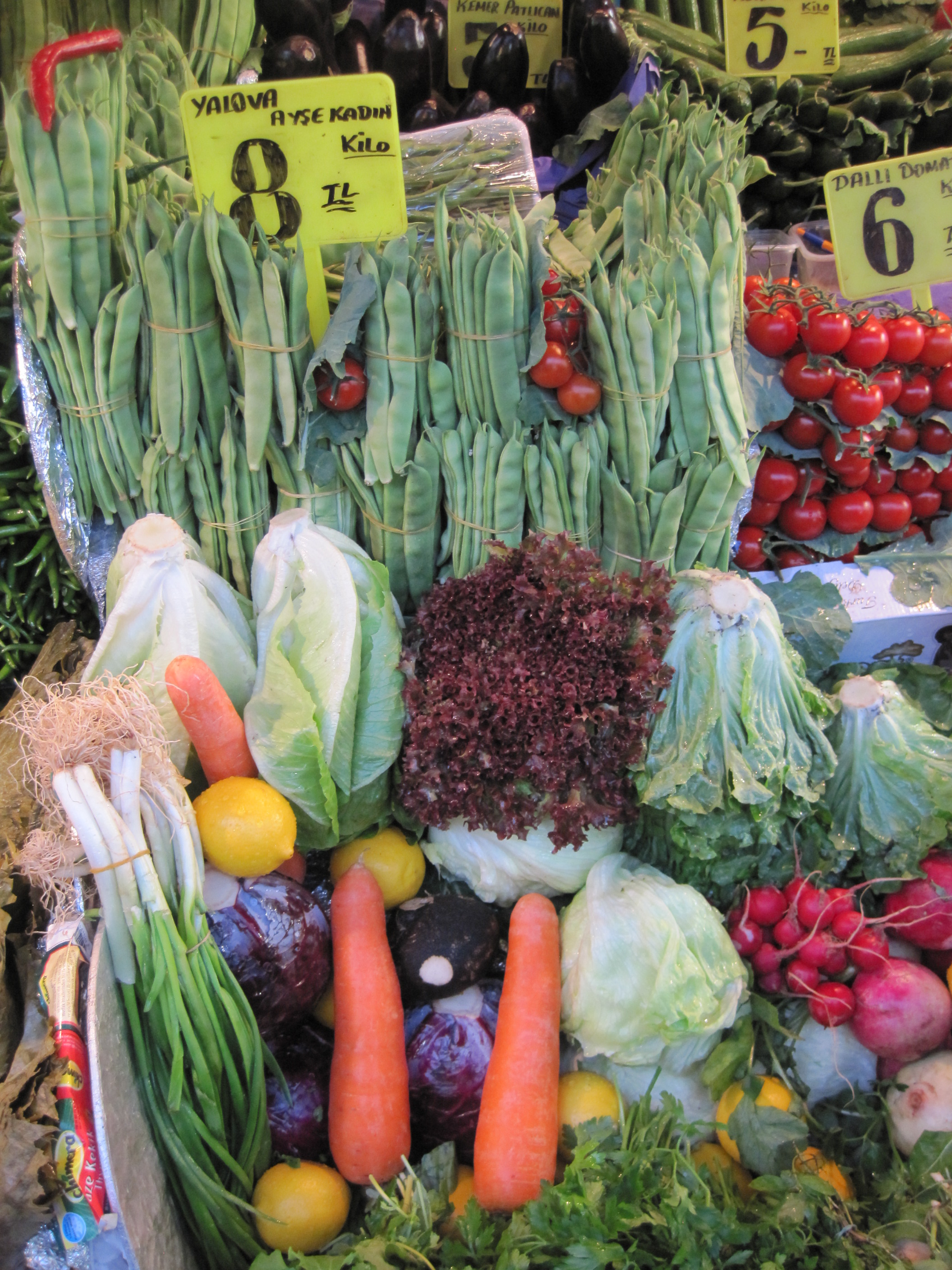
Most people take getting mail for granted, but in rural, AK mail is the lifeline to many items that others may take for granted. Think about waiting for mail to get fresh fruit or veggies?
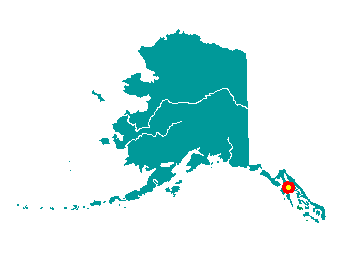
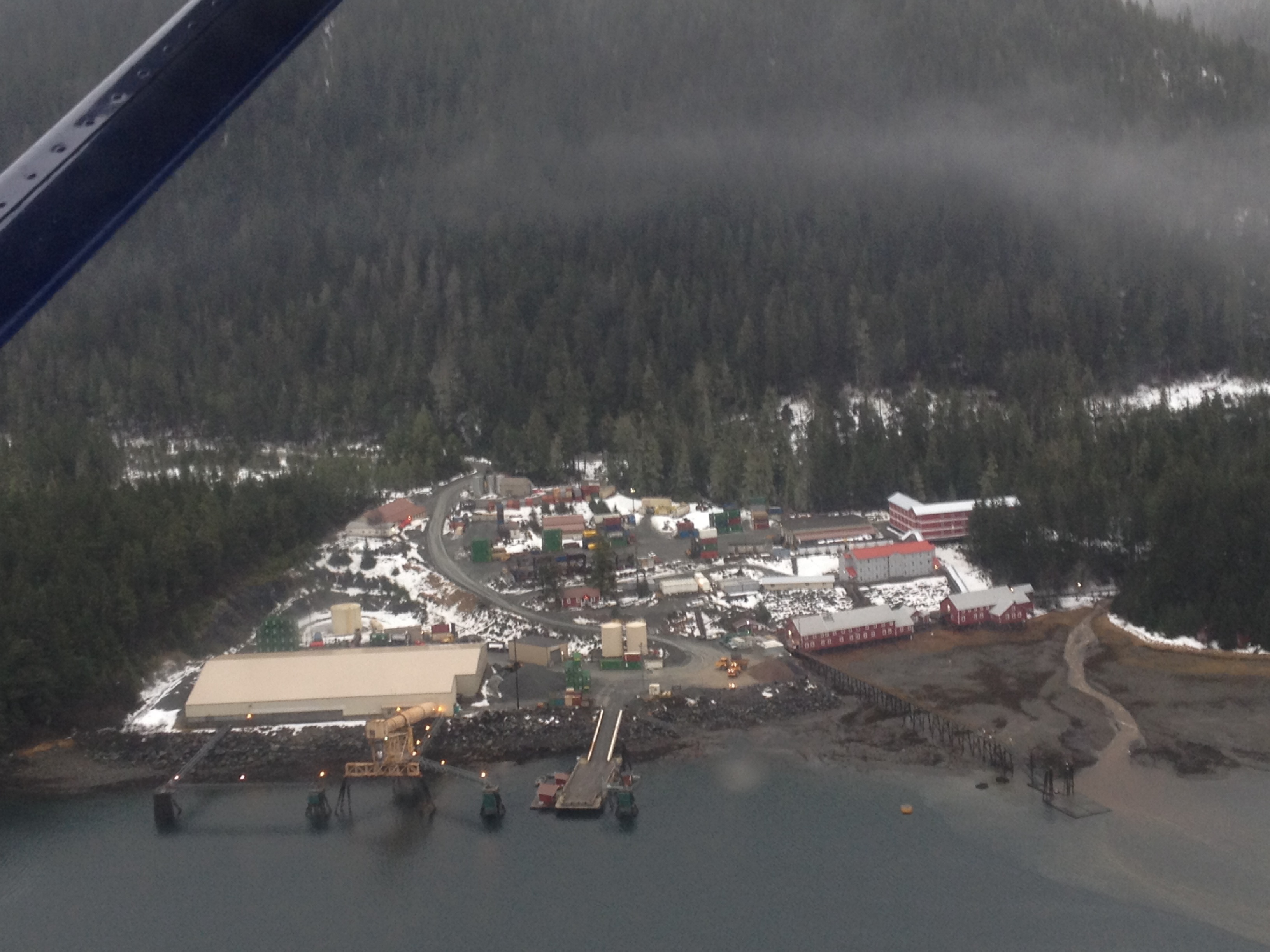
Angoon is part of the Chatham School District and is the only community on Admiralty Island. It is the 7th largest island in the US at 90 miles long and 35 miles wide at the widest point. Only about 500 people, mostly of Tlingit heritage, live here and it is about a 45 minute small plane ride from Juneau.
My husband works on Admiralty Island as most of the island is part of the Admiralty National Monument. Kootznoowoo (fortress of the bear) Wilderness is known for the large number of brown bear that live on the island, about 1 bear per square mile. He works at Pack Creek a brown bear viewing area.
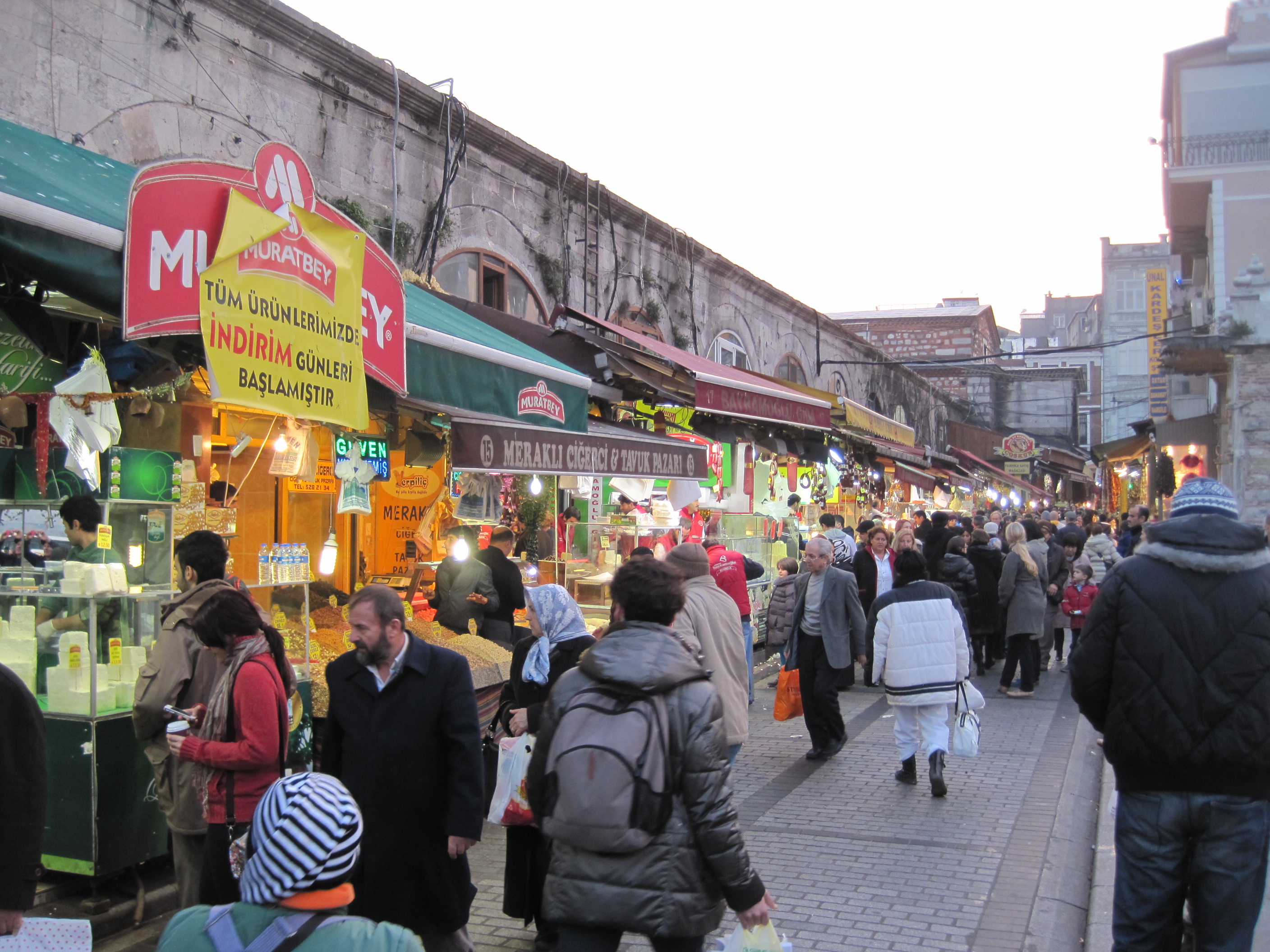
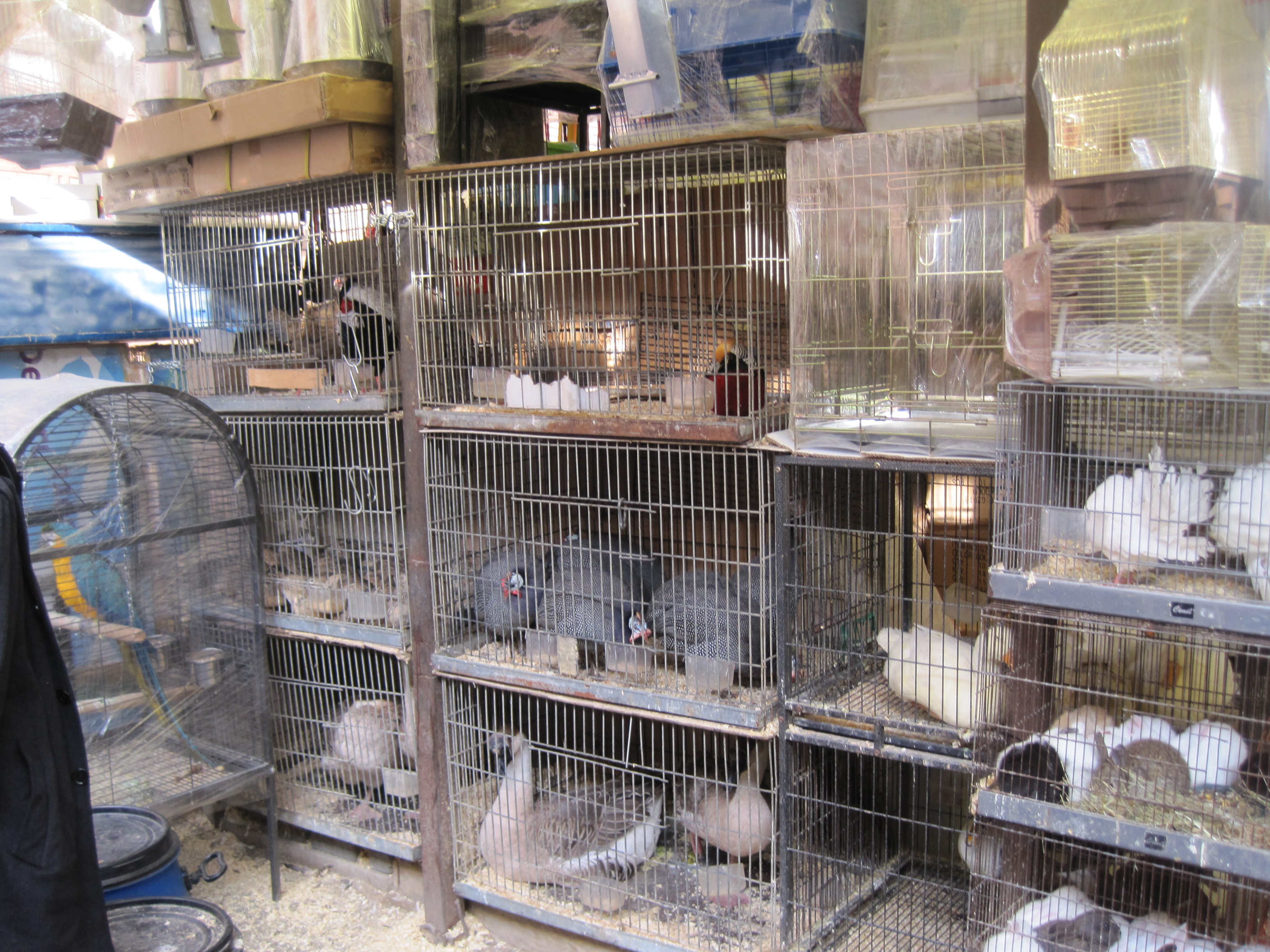
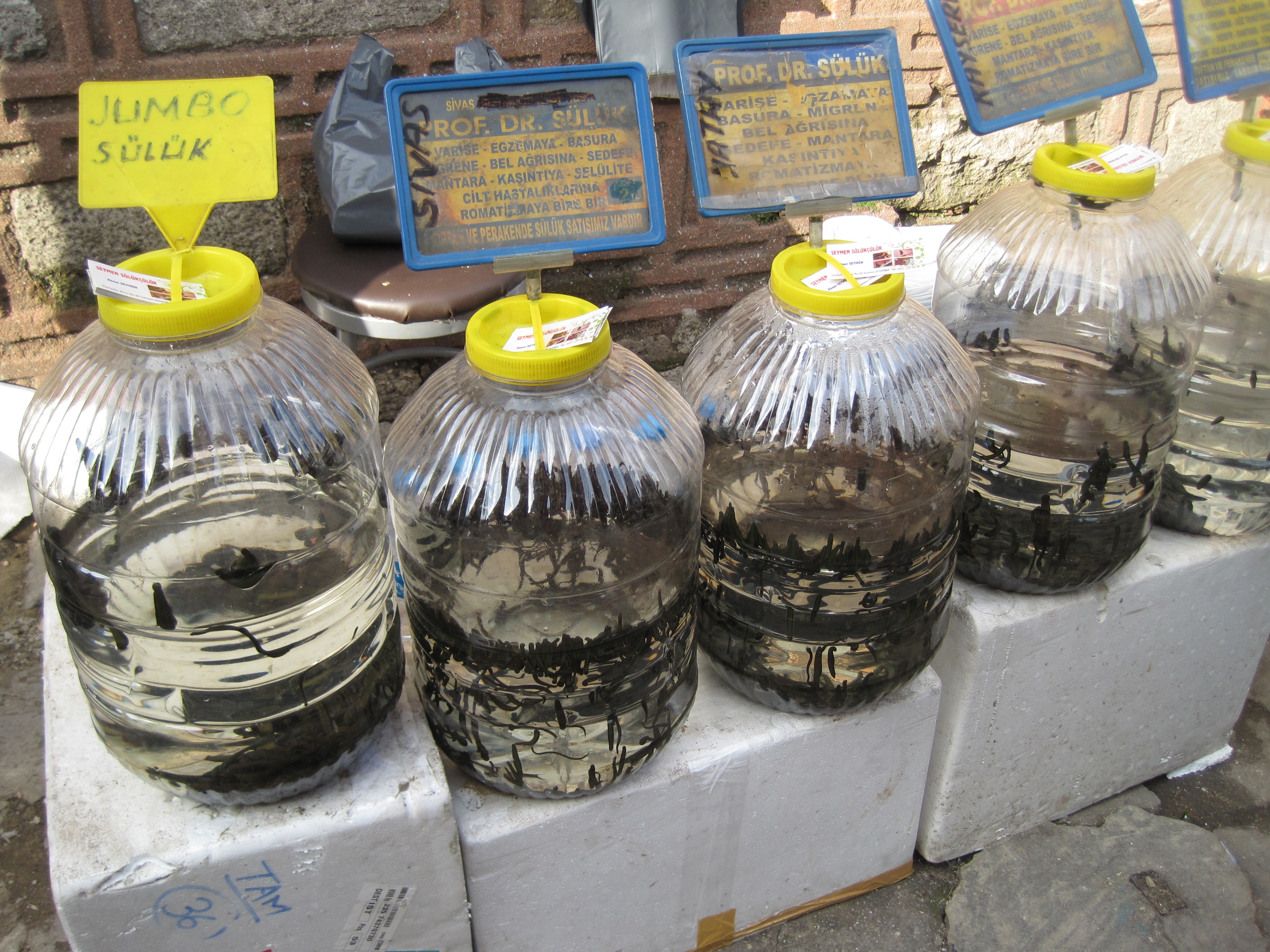
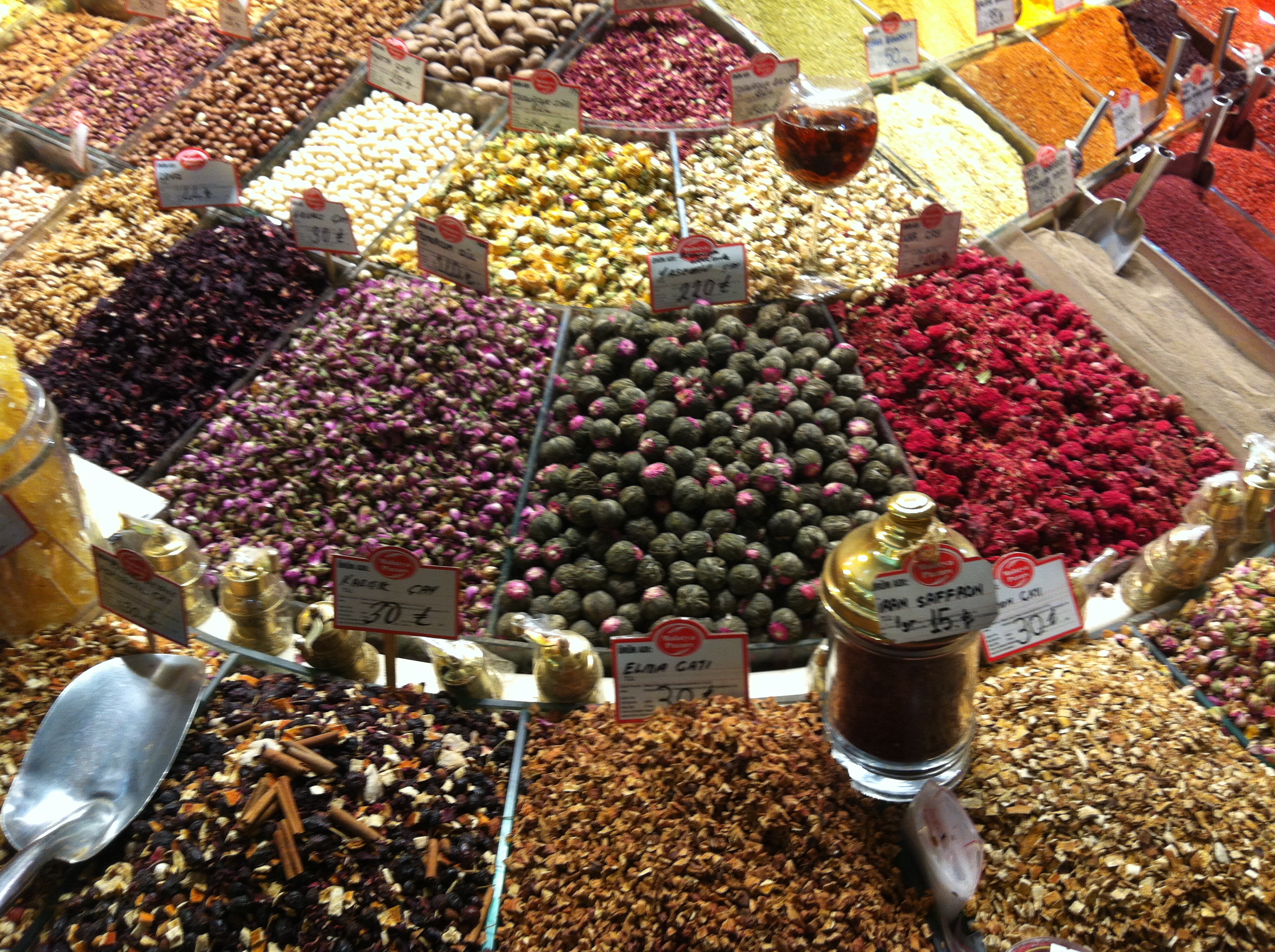
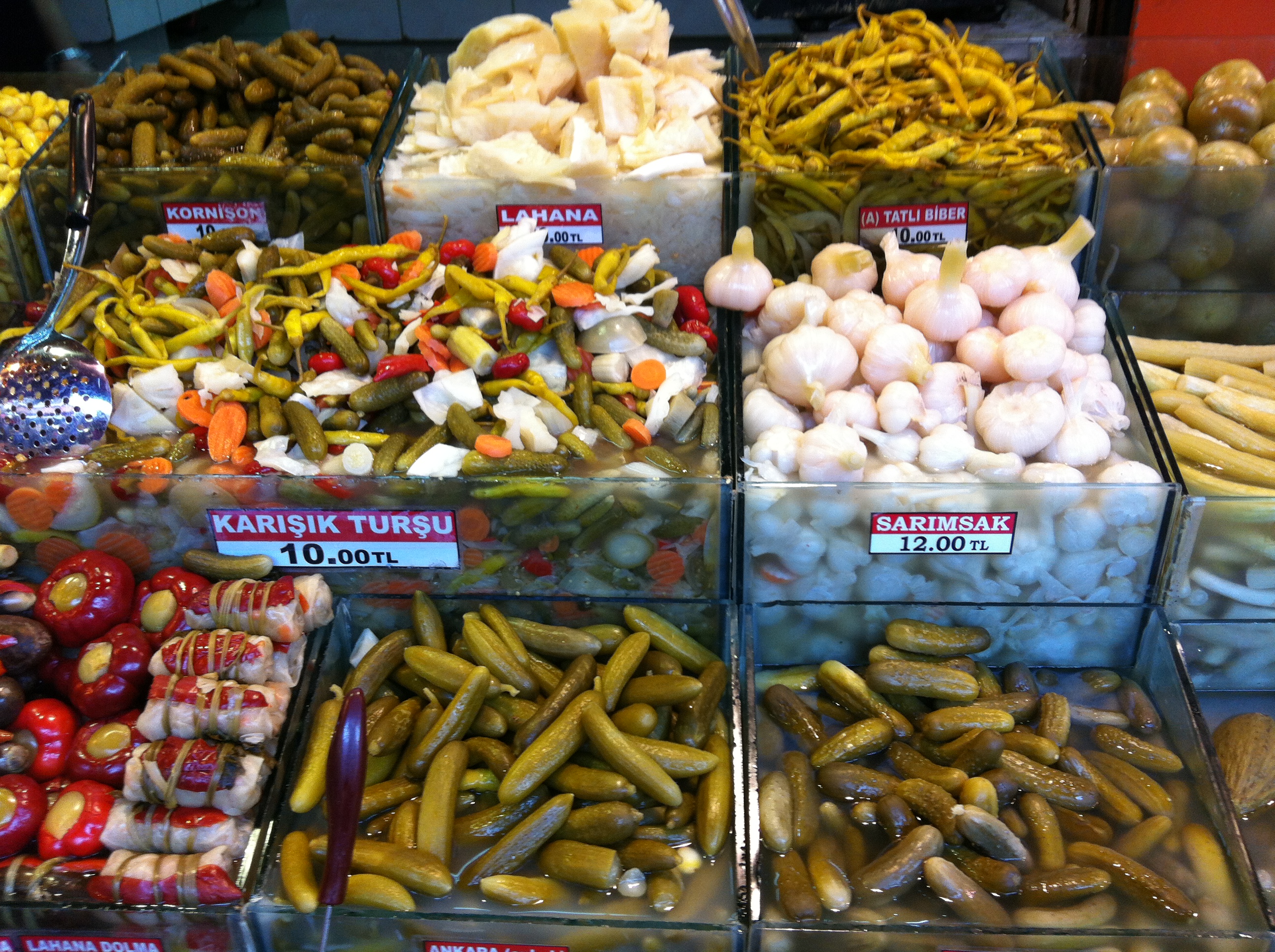
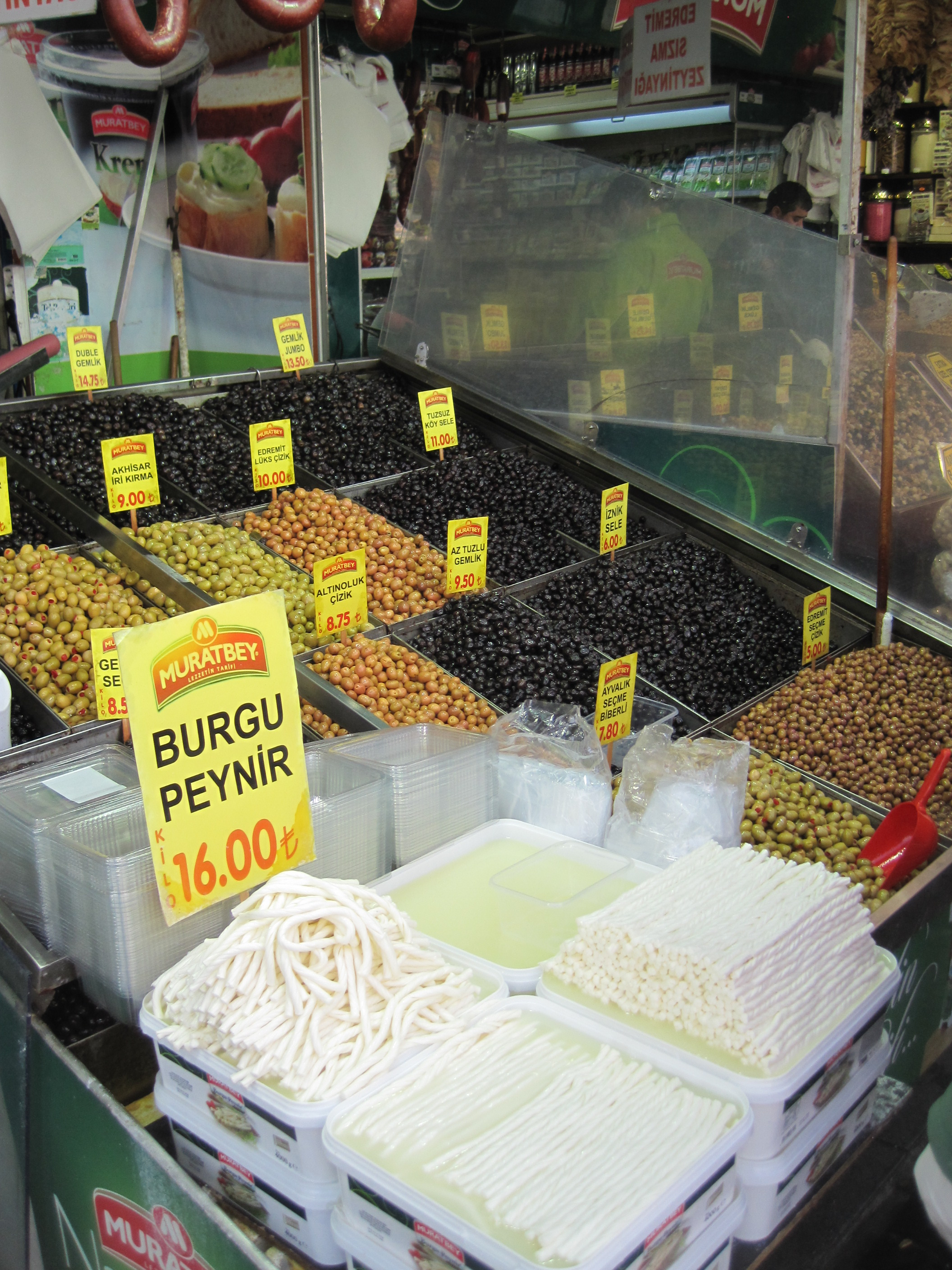
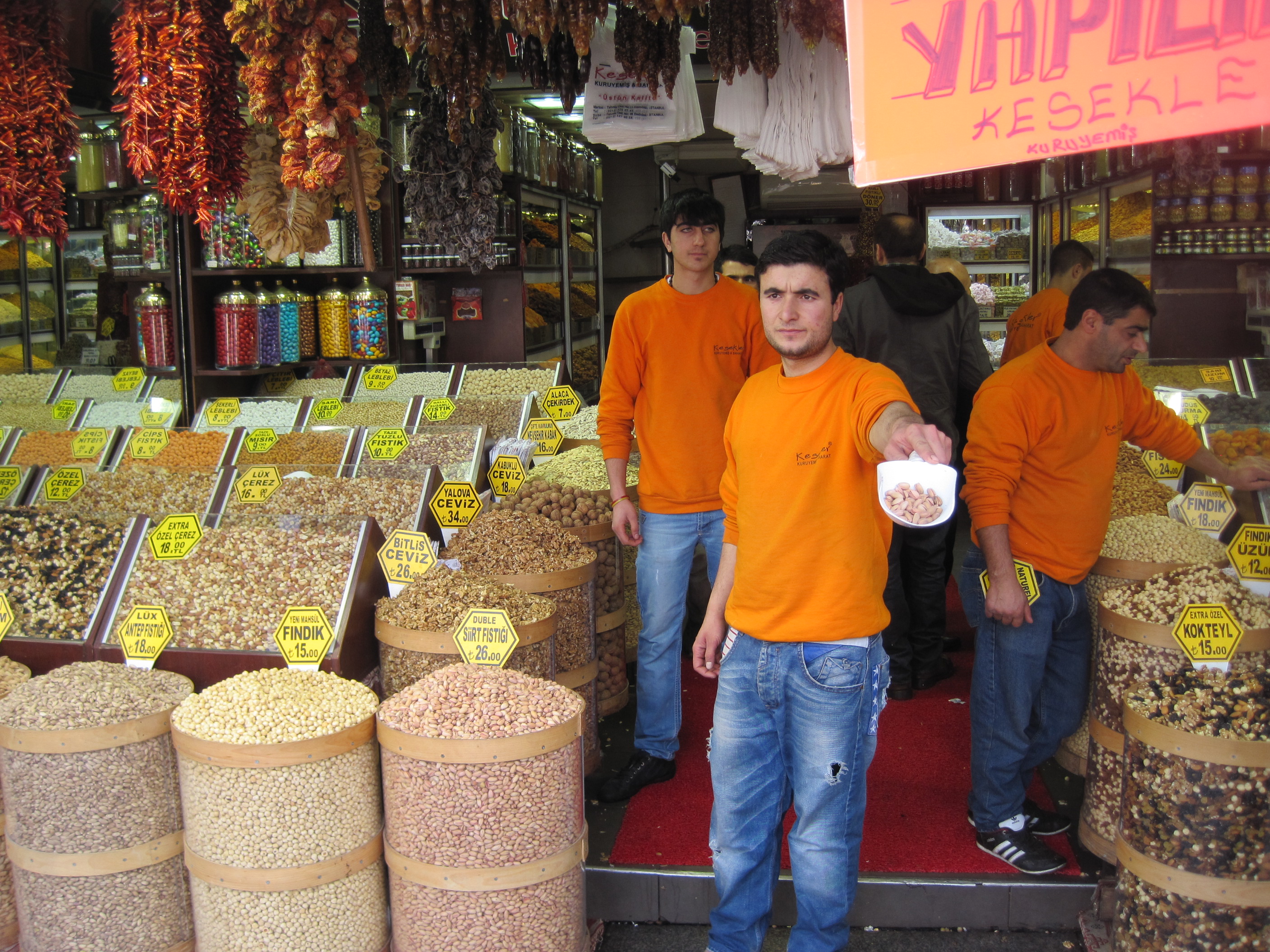
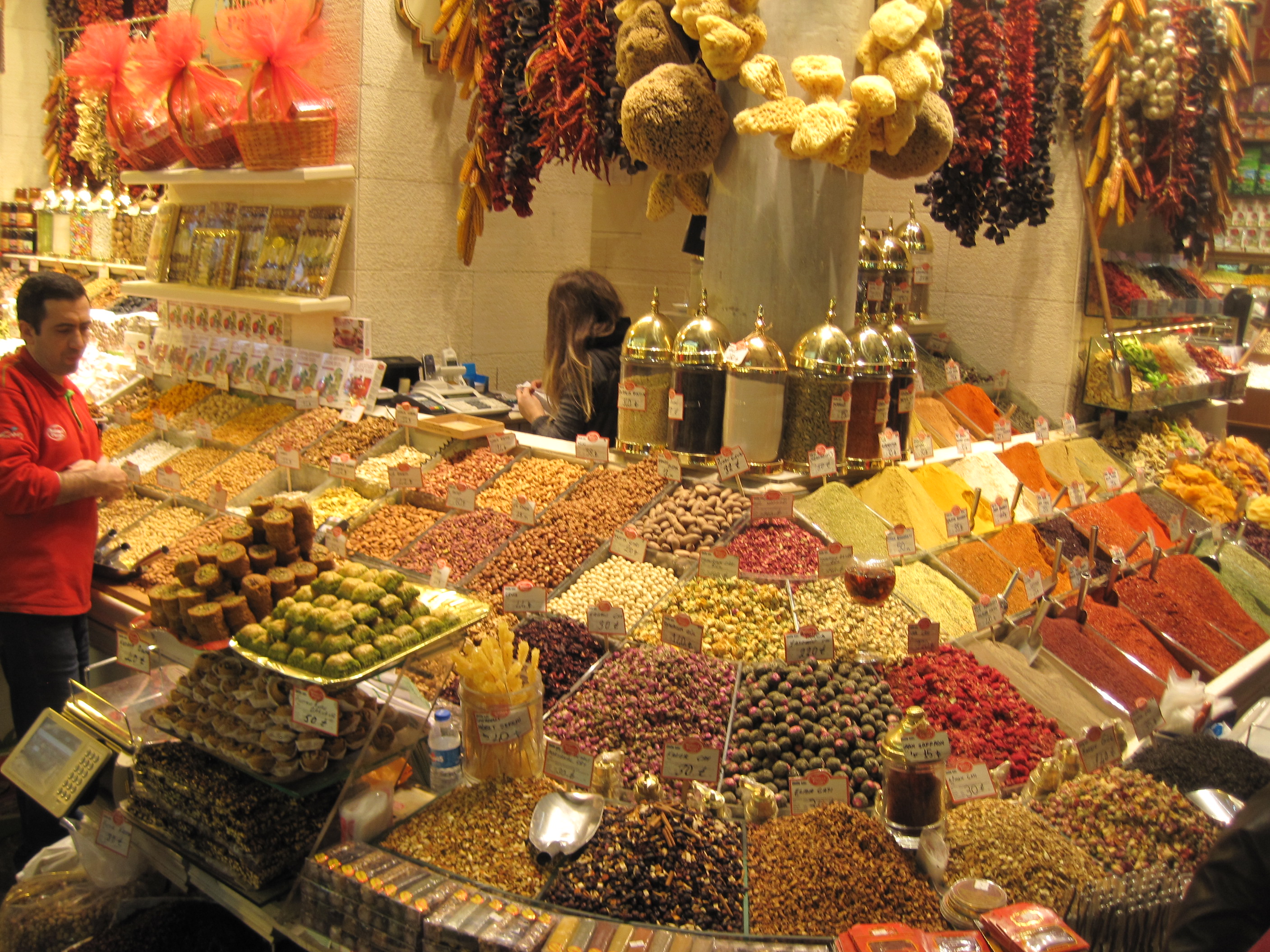
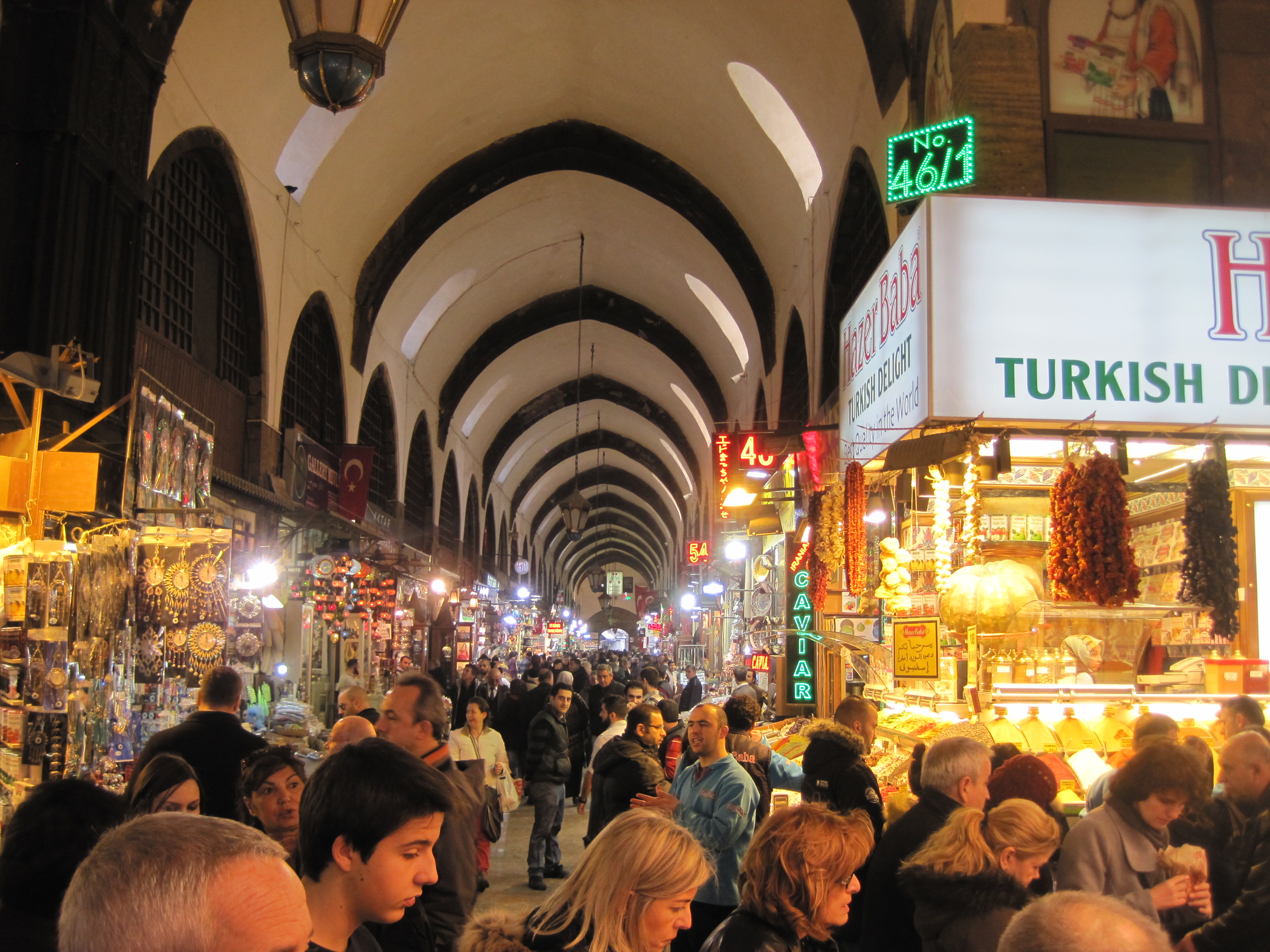
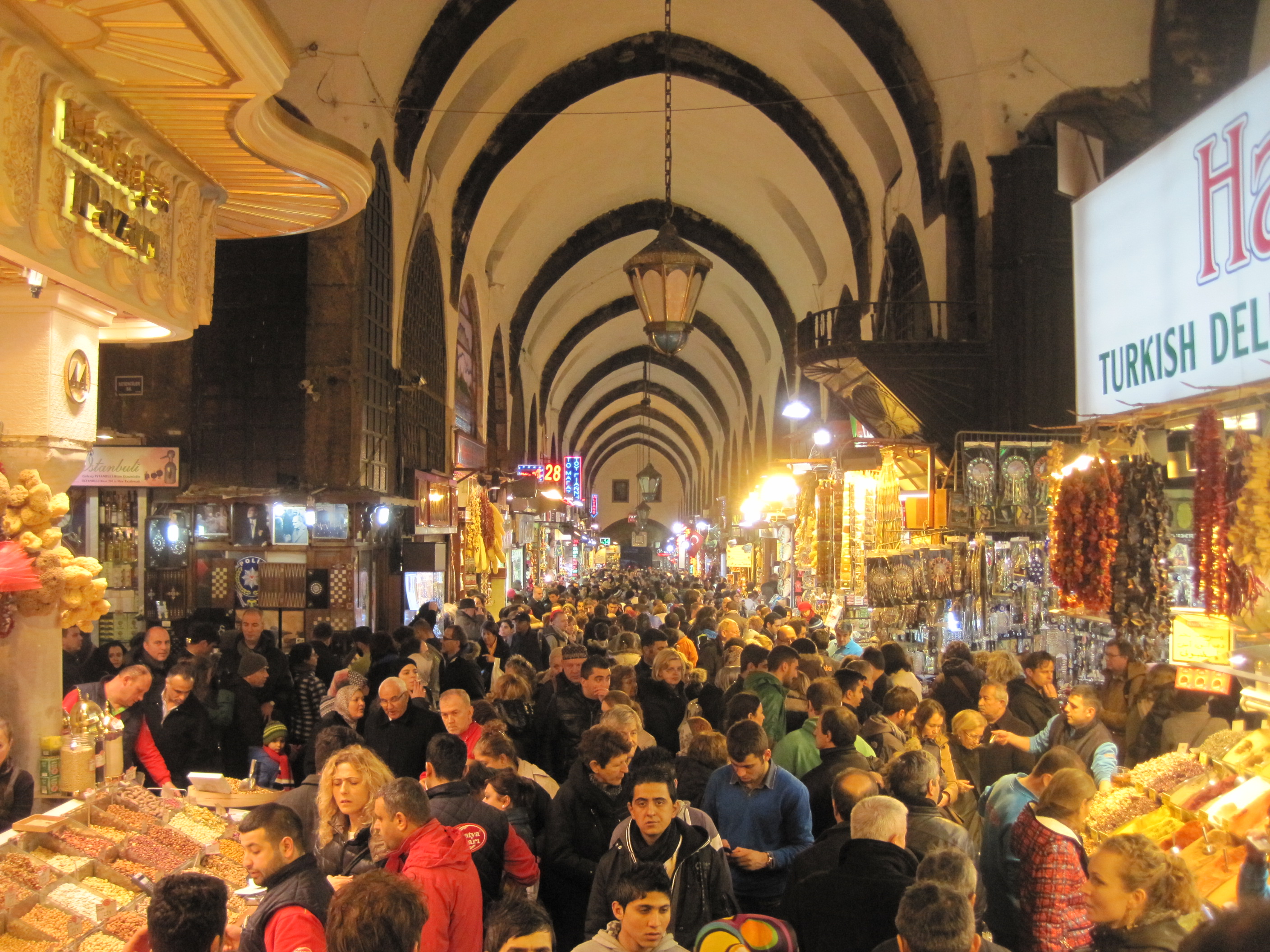
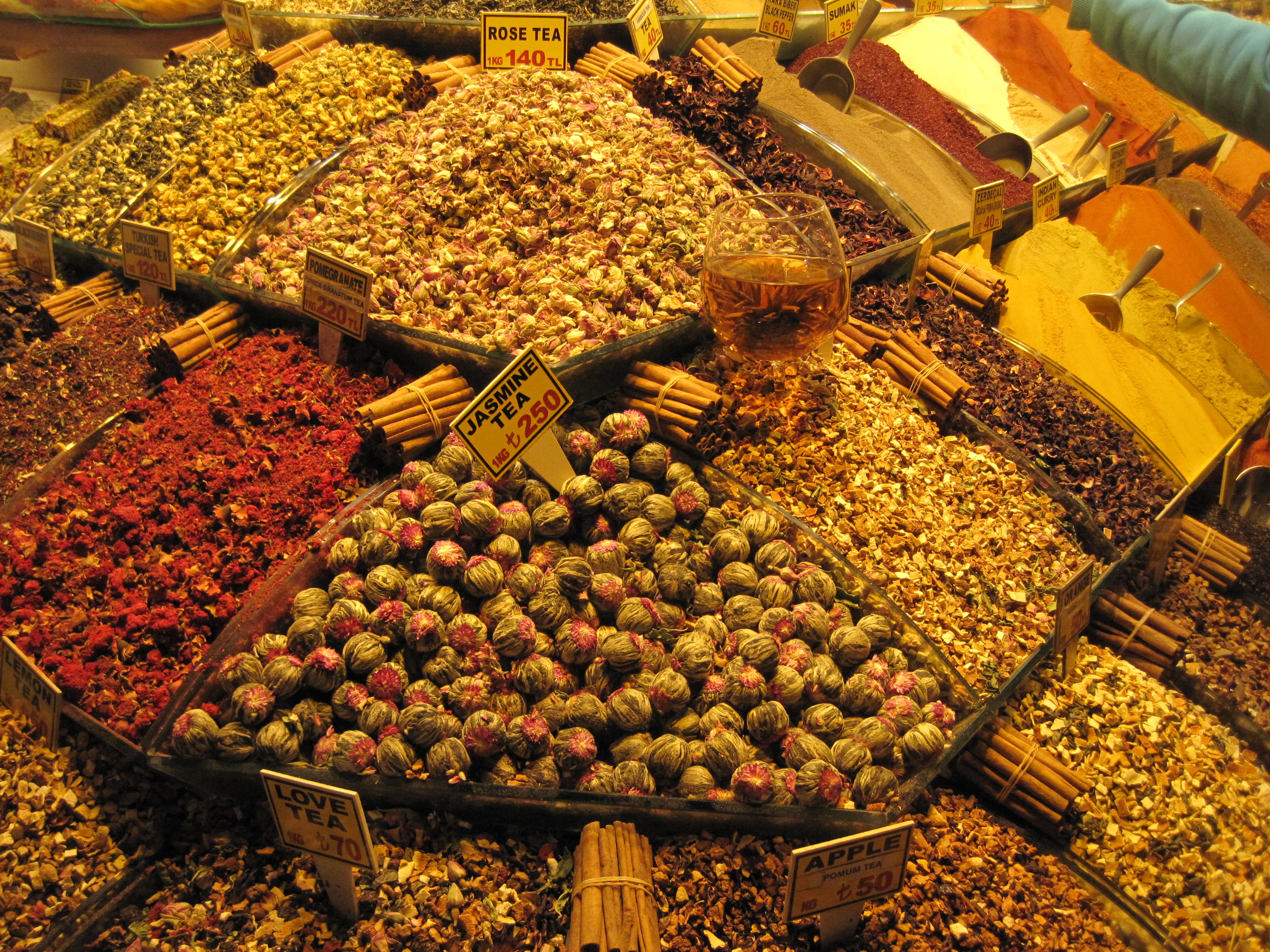
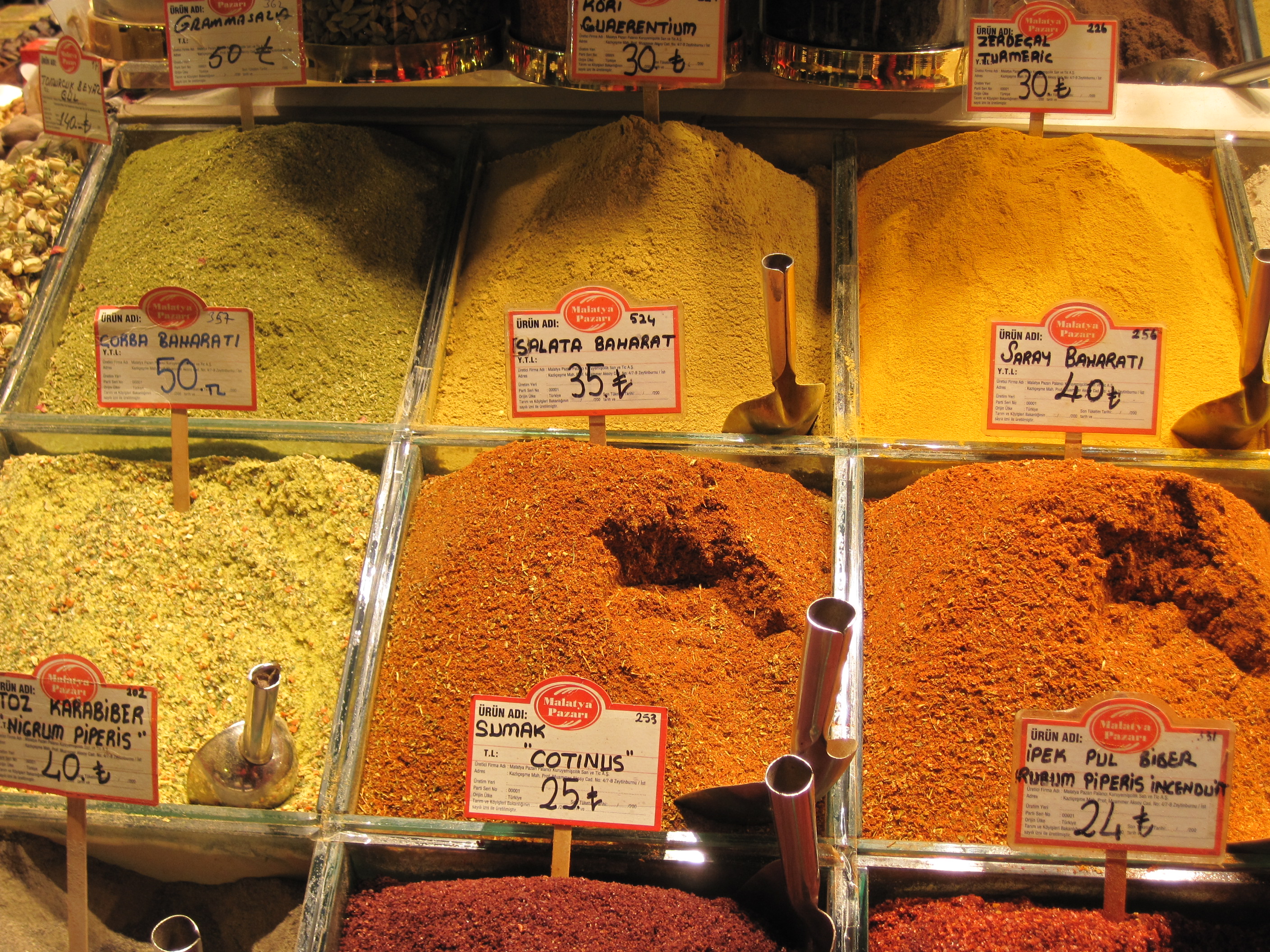
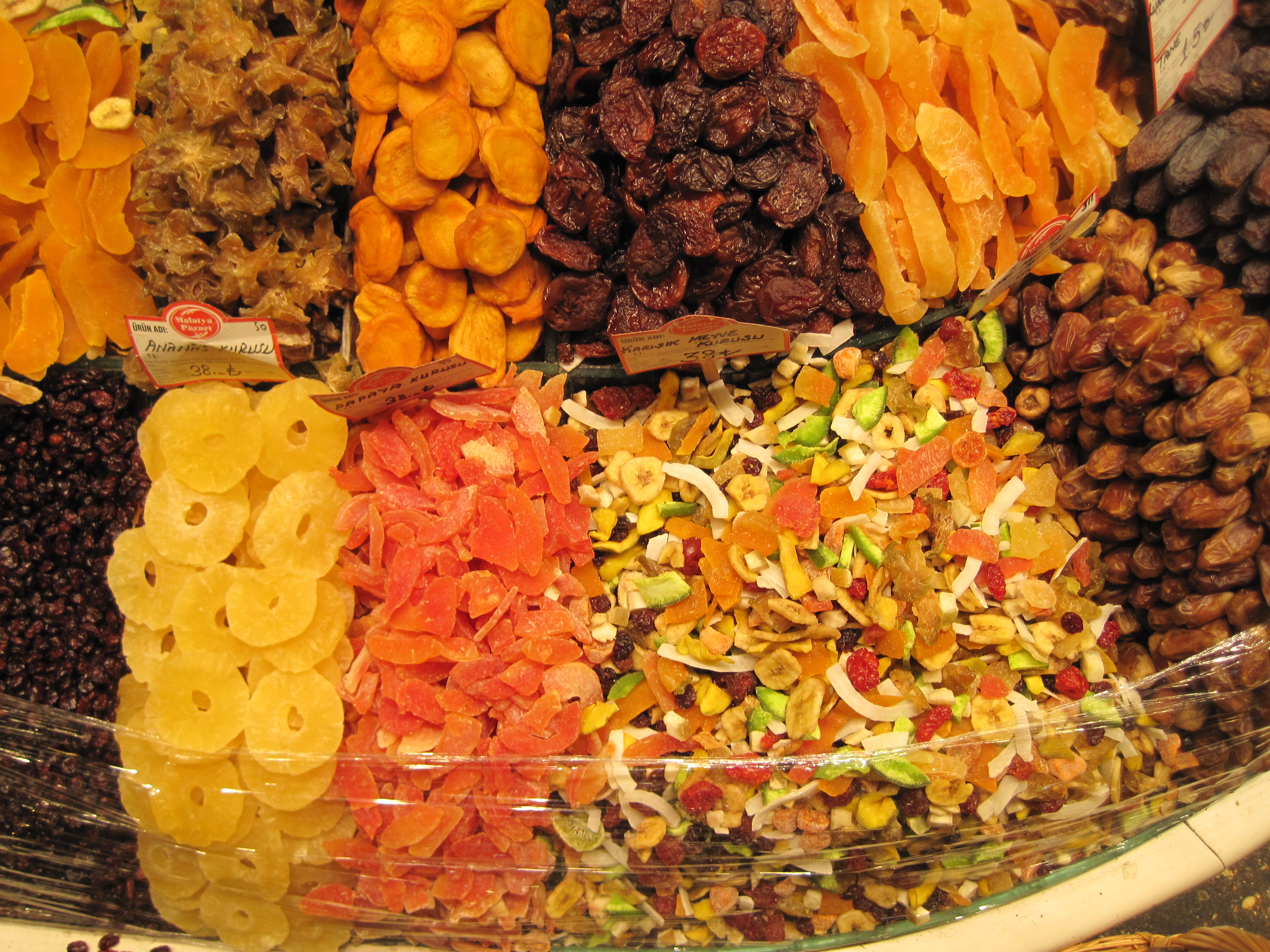
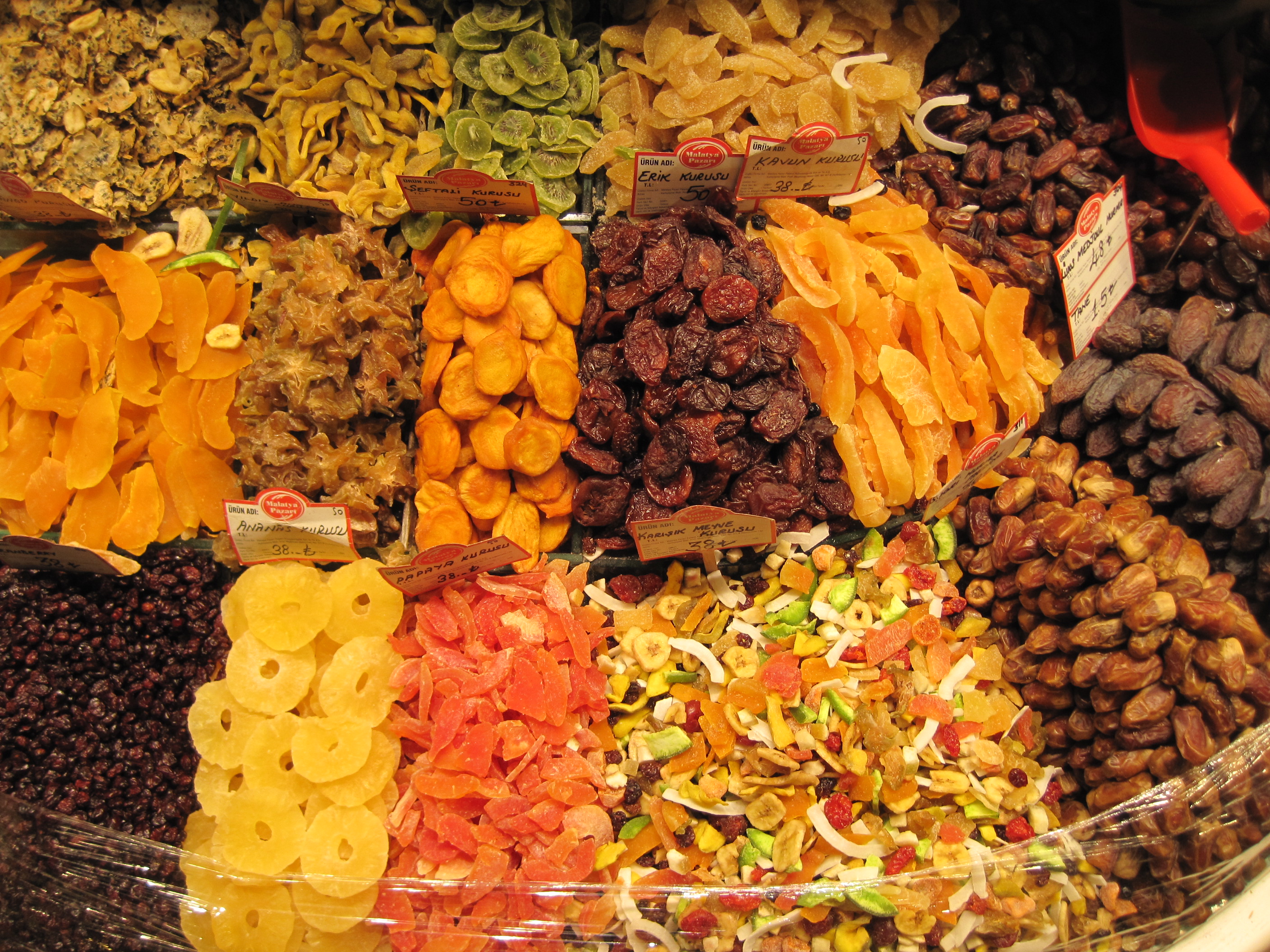
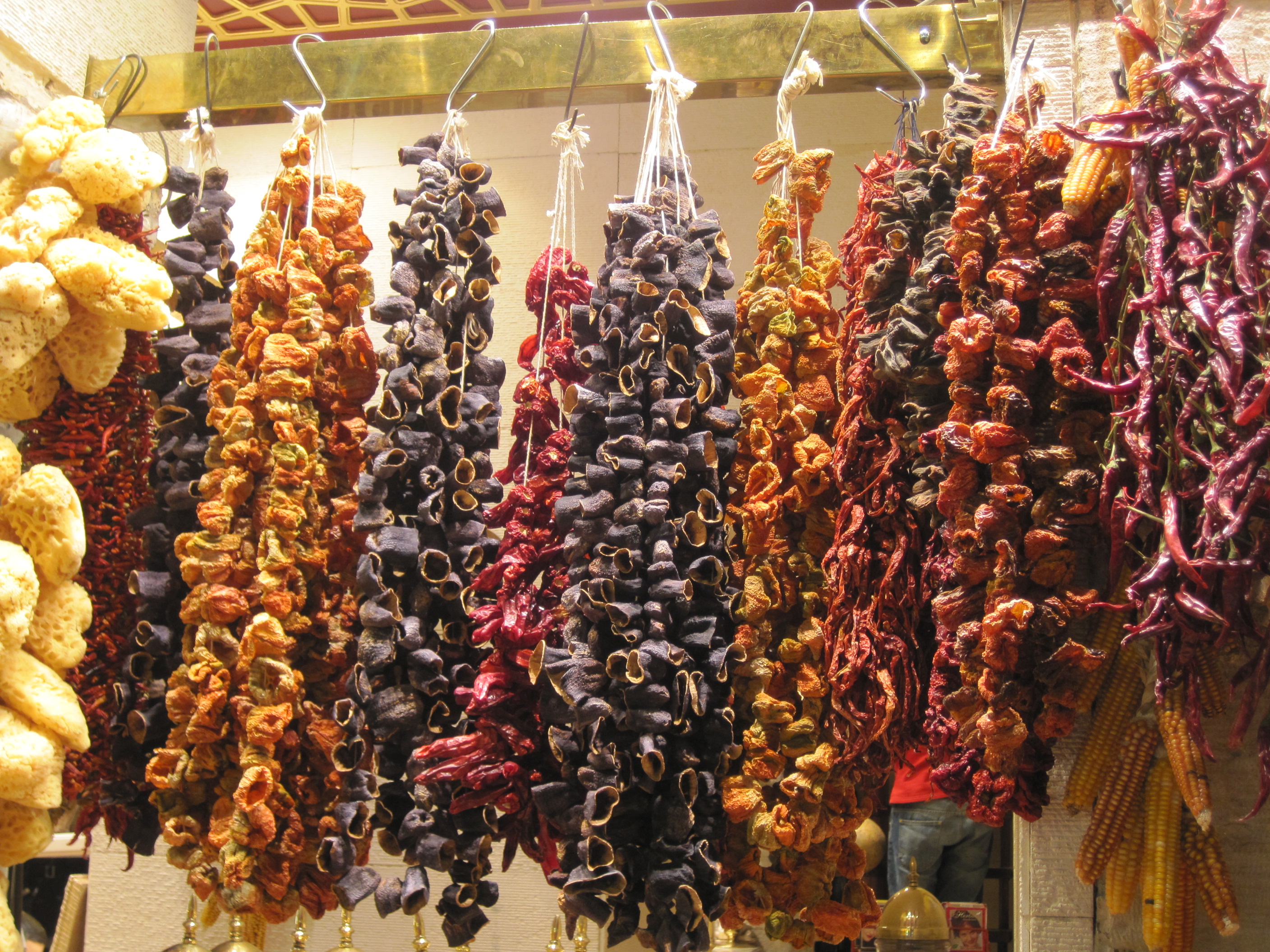
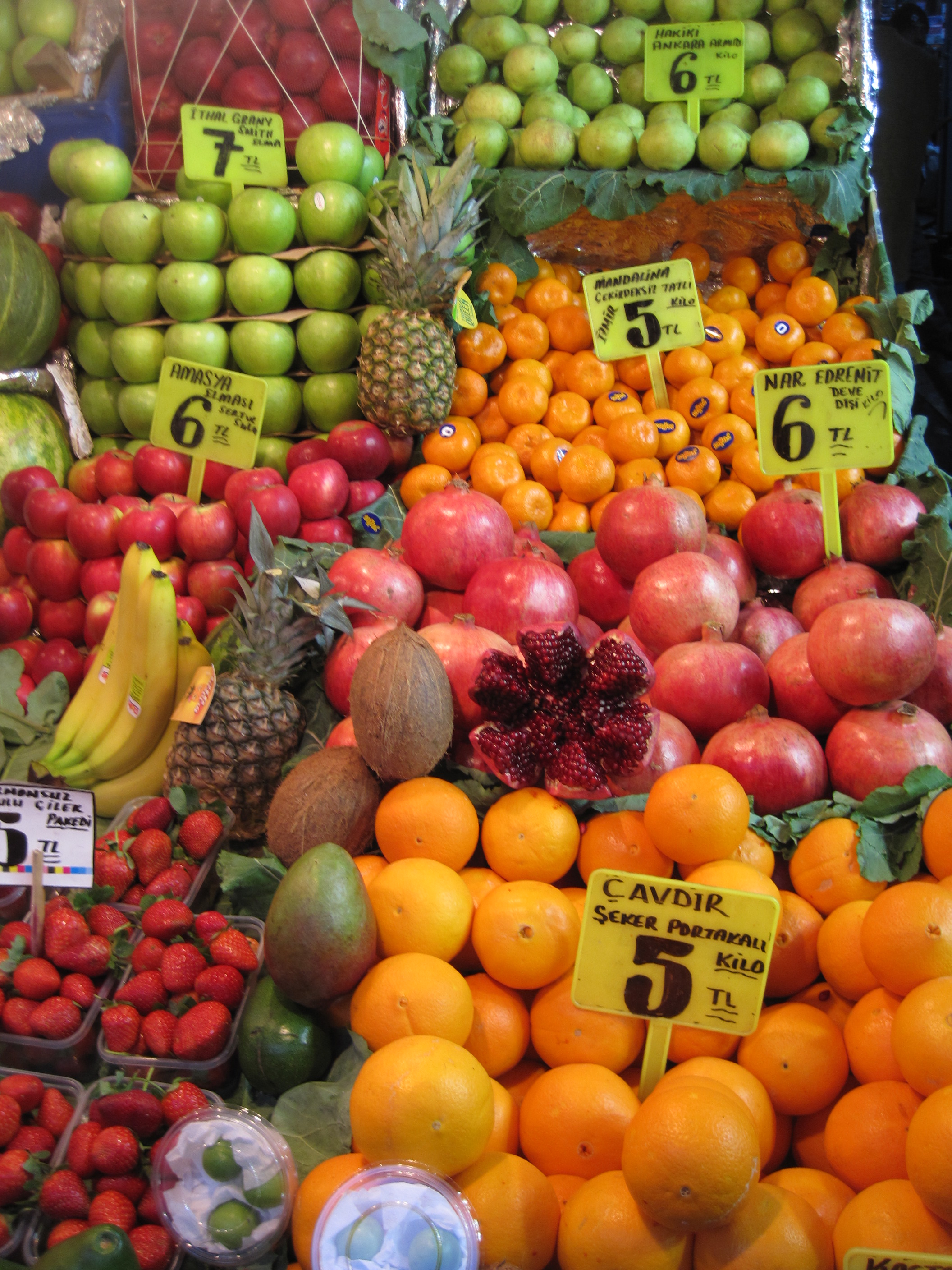
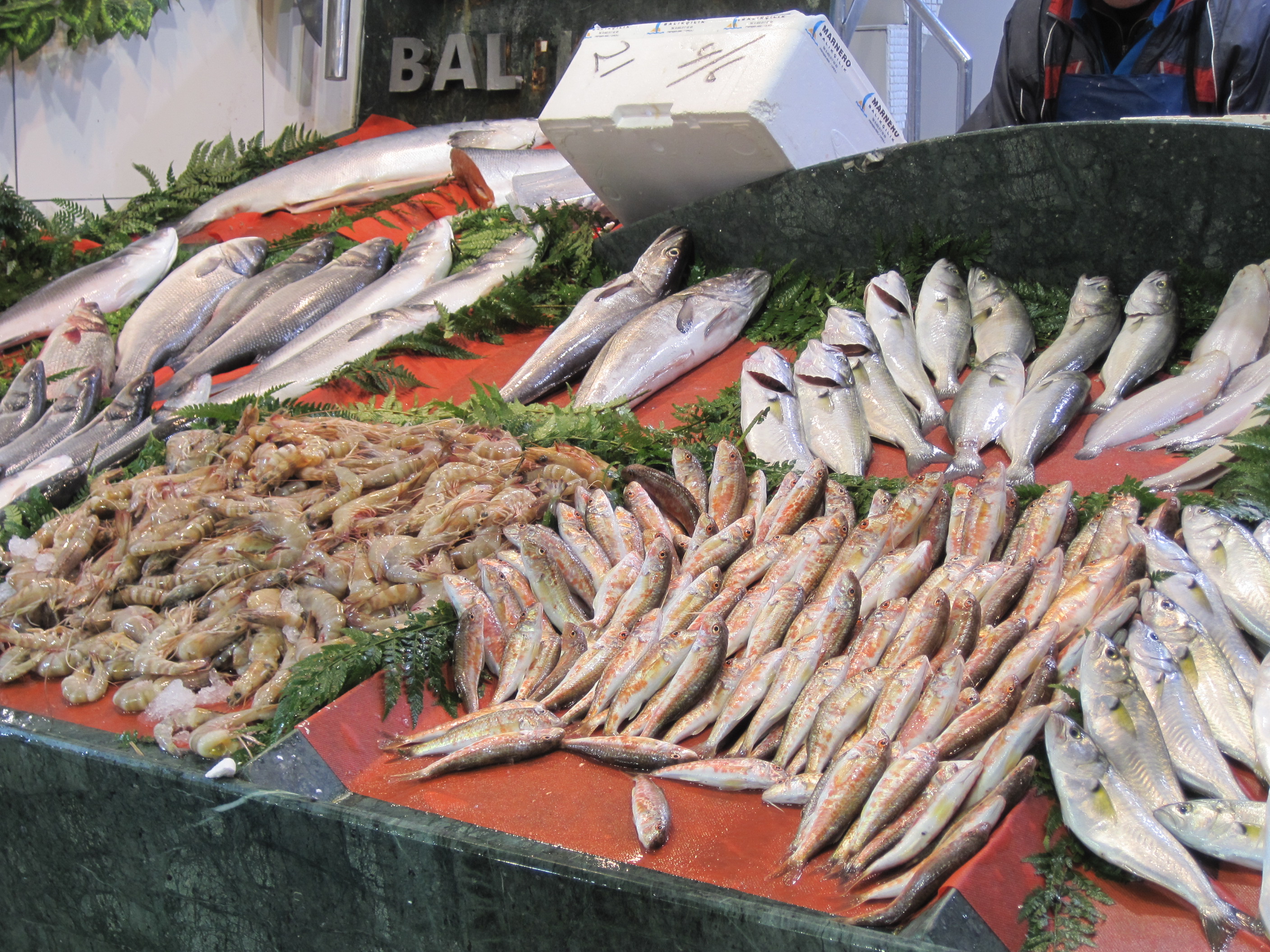
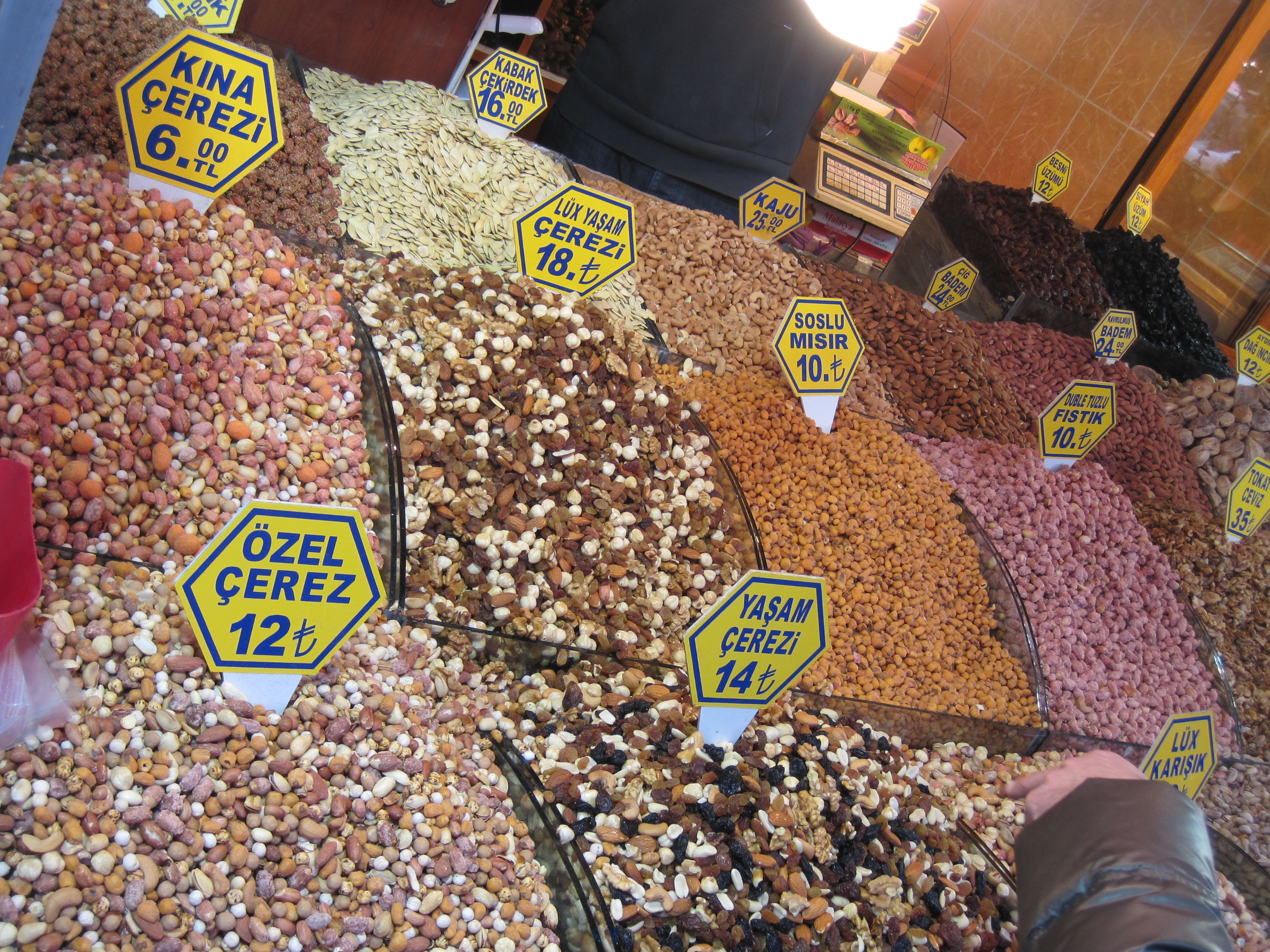
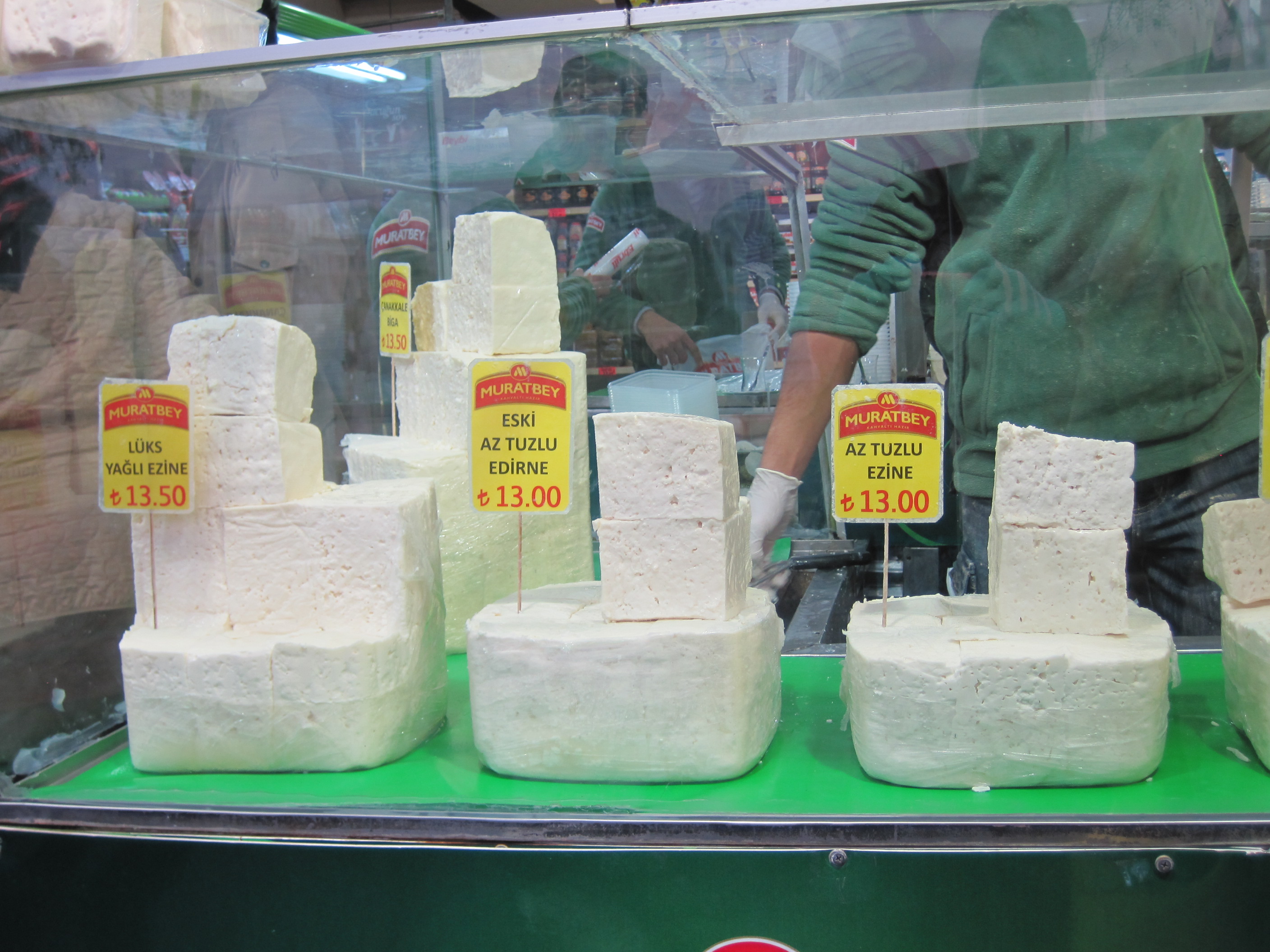
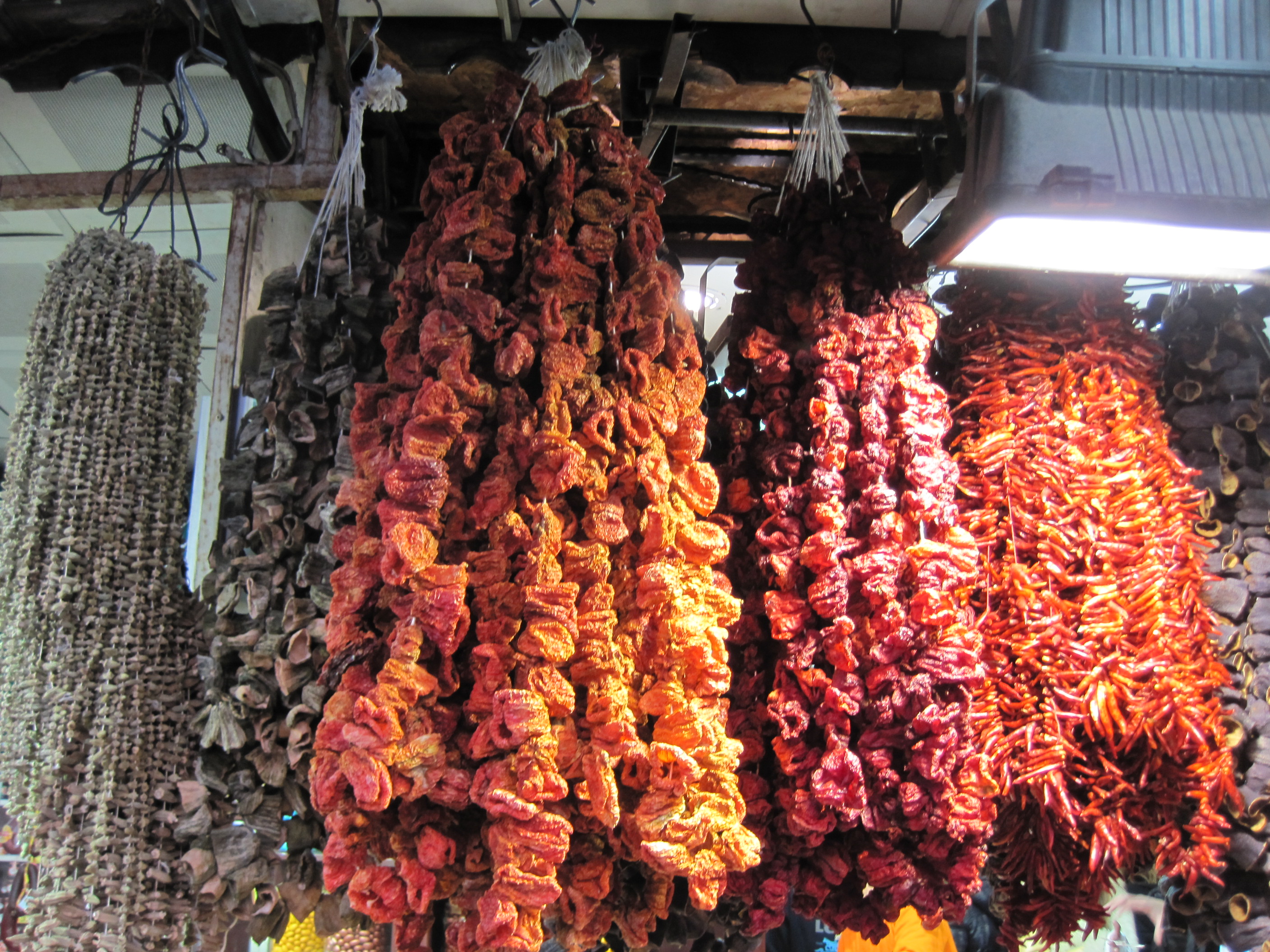
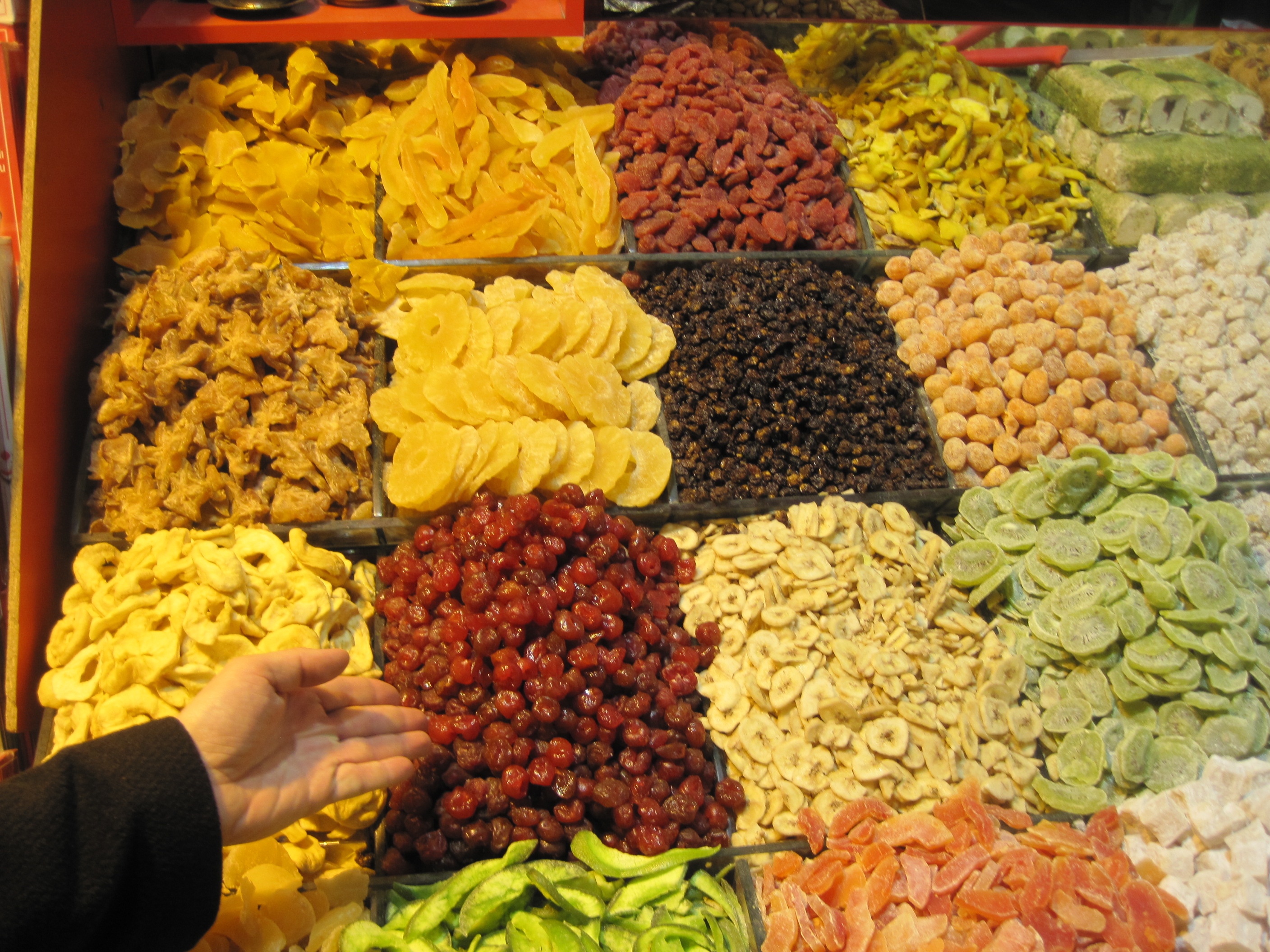
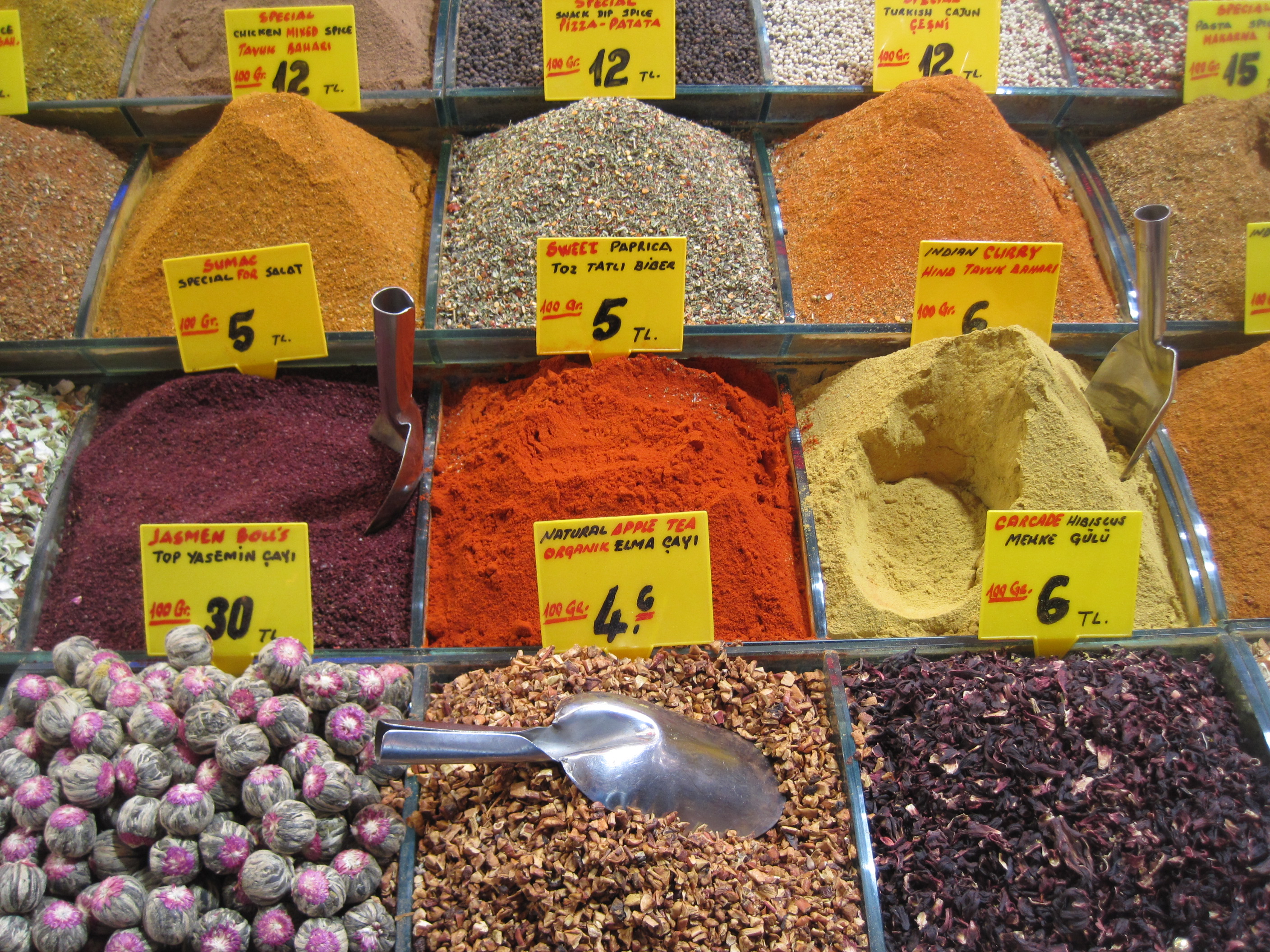
The Istanbul Spice Bazaar is also called the Egyptian Bazaar. It was built in 1664 so has a LONG history. There are 88 spaces/shops that are in an “L” shaped building. There are also a number of shops outside on the W side of the building. There is also an animal section towards the E side which was interesting to explore as well. This bazaar was right at the base of the Galata Bridge, the bridge we crossed every day.
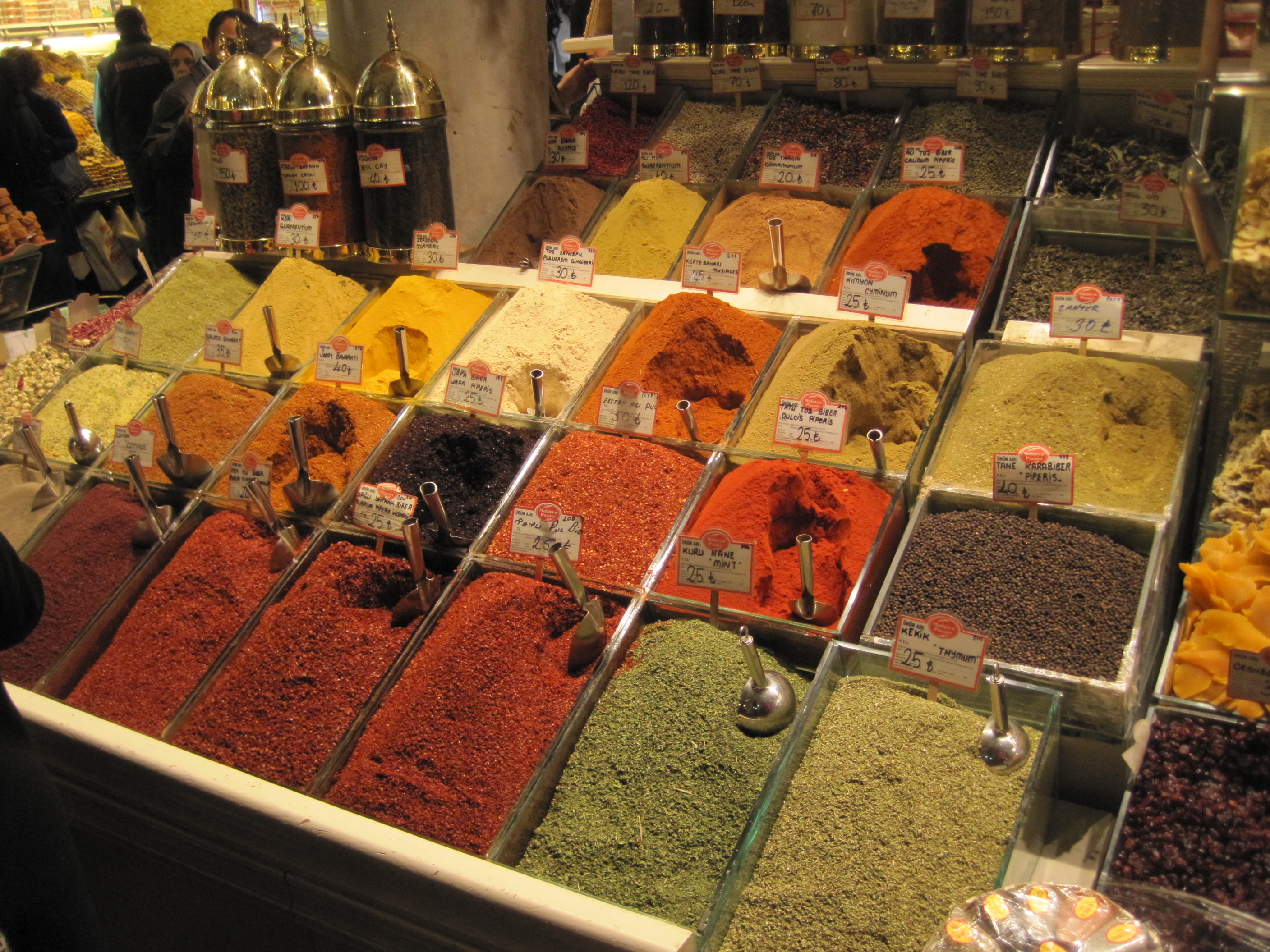
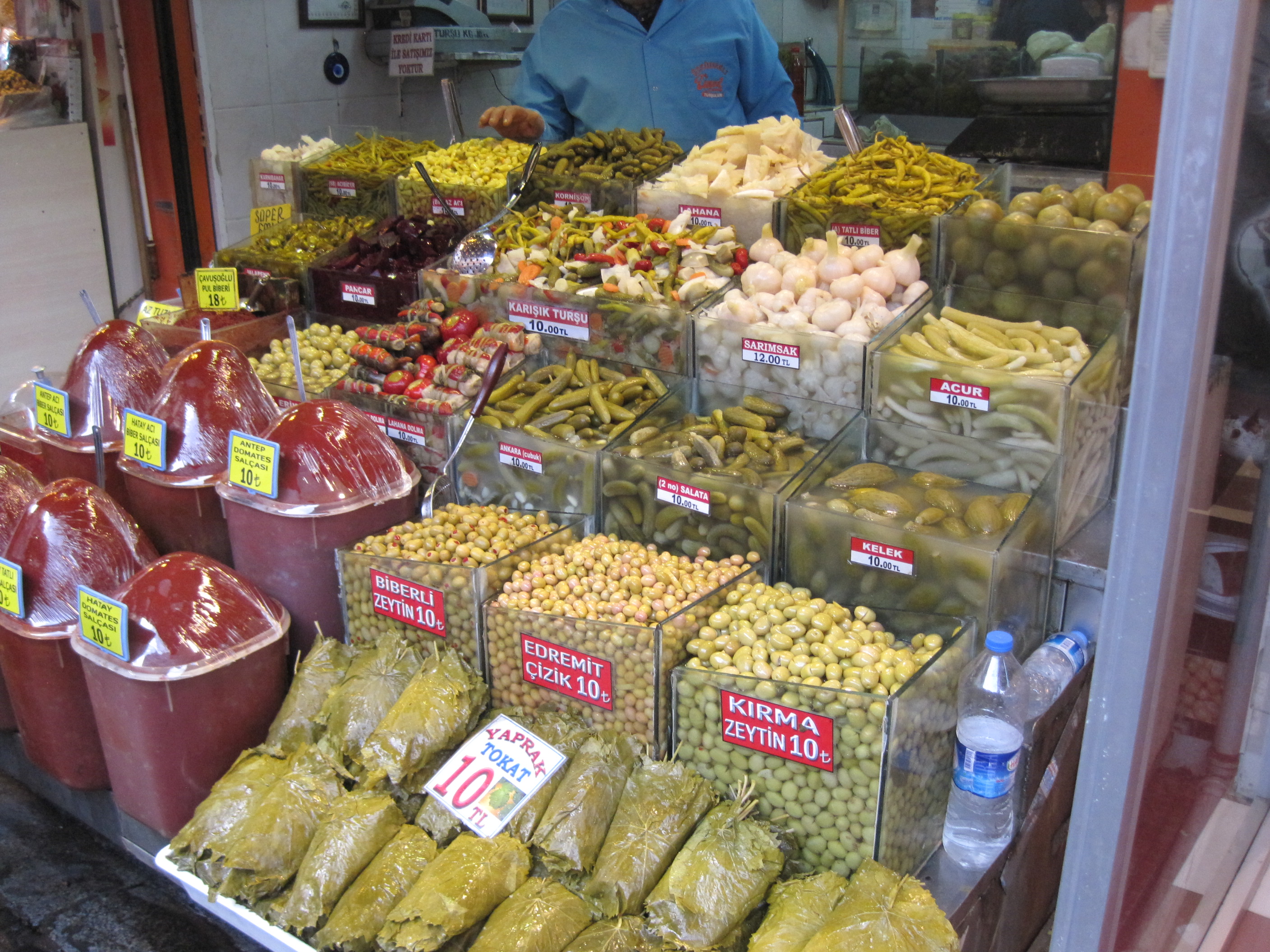
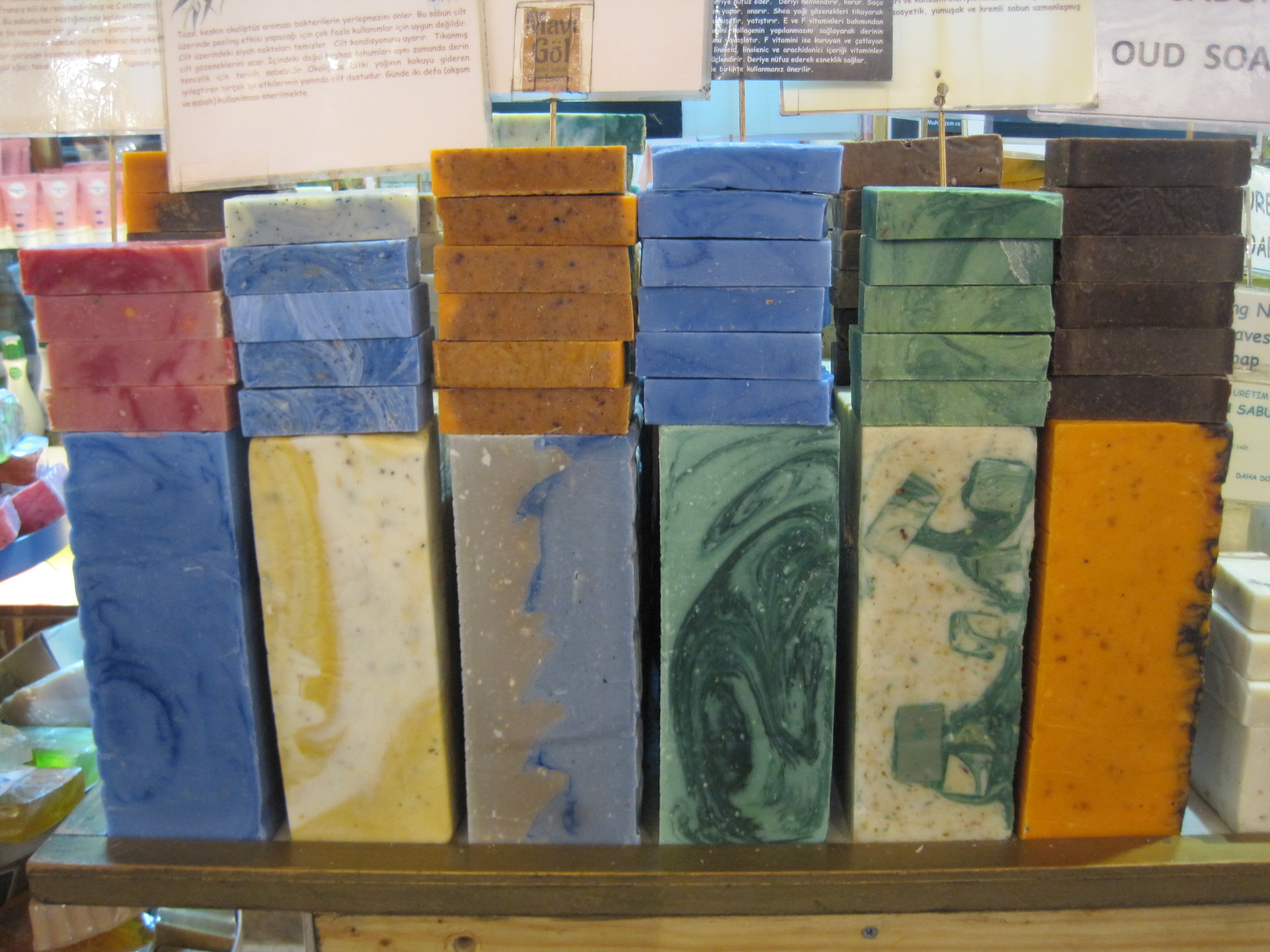
It is full of spices (of course), dried fruit, teas, cheese, meats, nuts, pickled veggies and olives!!!! Over the last few years, to the disapproval of locals and visitors, some of the shops now offer jewelry, carpets and other Istanbul treasures. The Grand Bazaar has many of these items so the feeling is to sale of items separate.
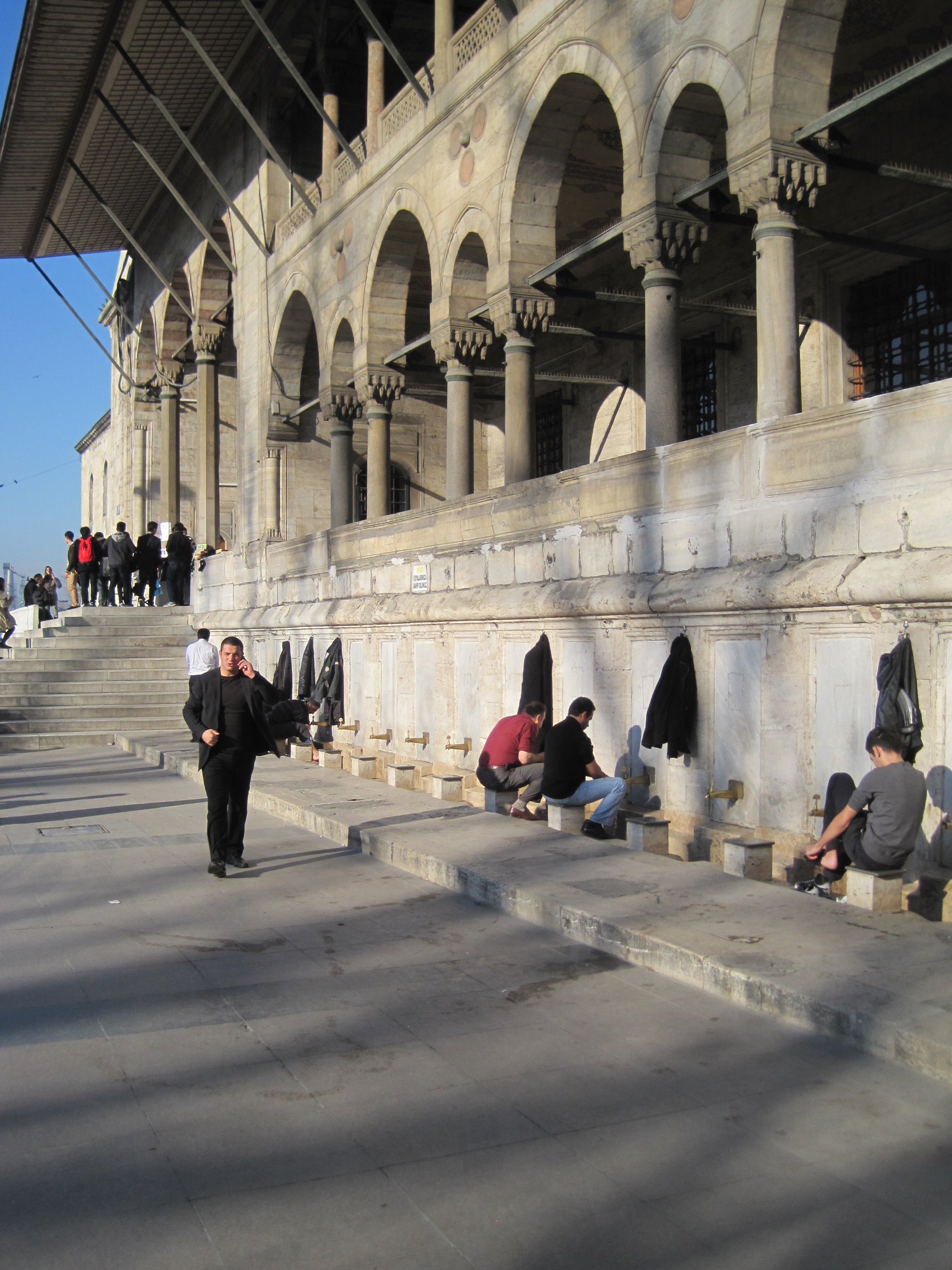
It is free to go to the Bazaar and it is open every day, so it was good filler for us. We also spent a lot of time walking around the streets near the Bazaar. Next to it is the New Mosque which helps round out the point.
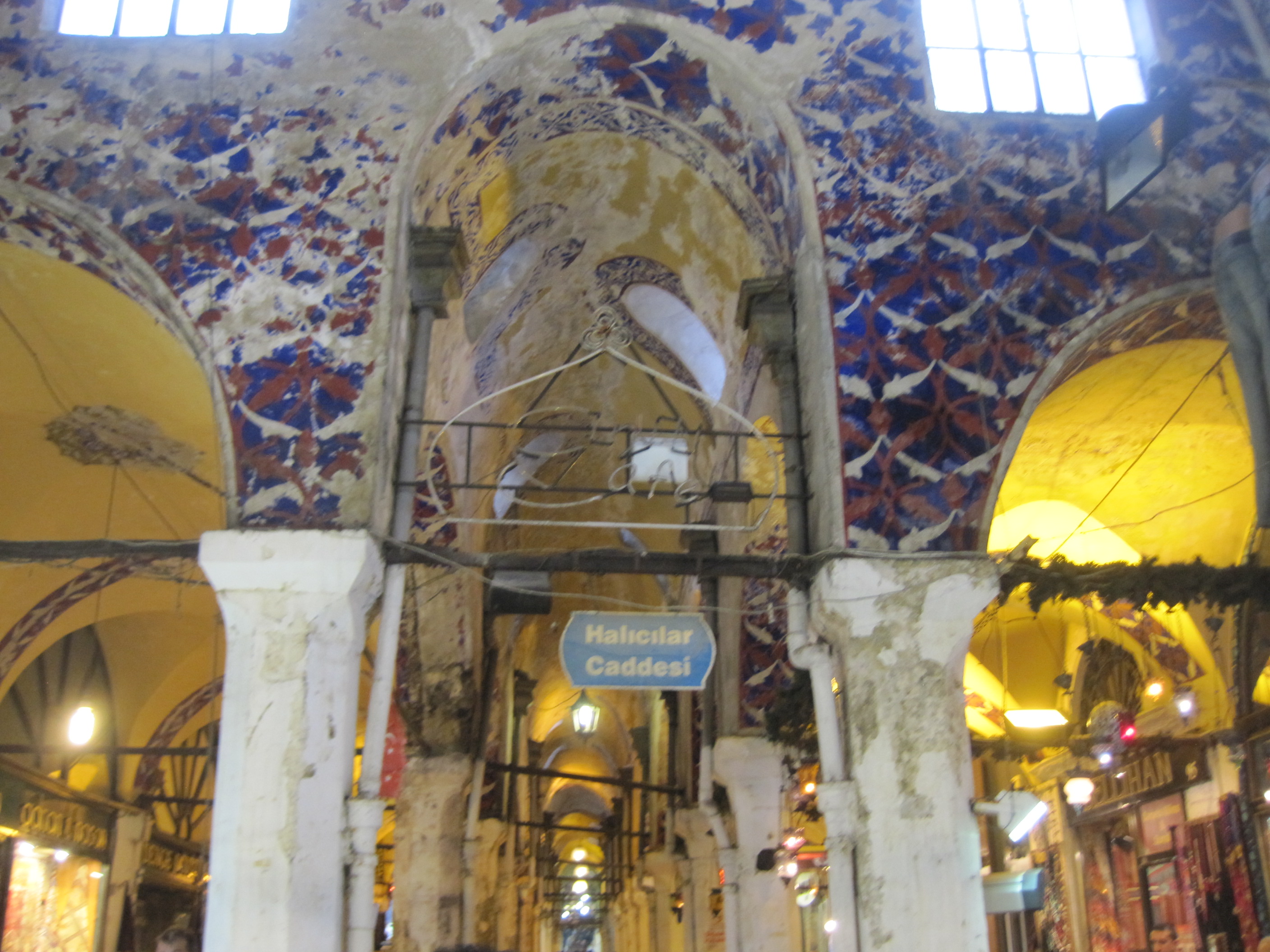
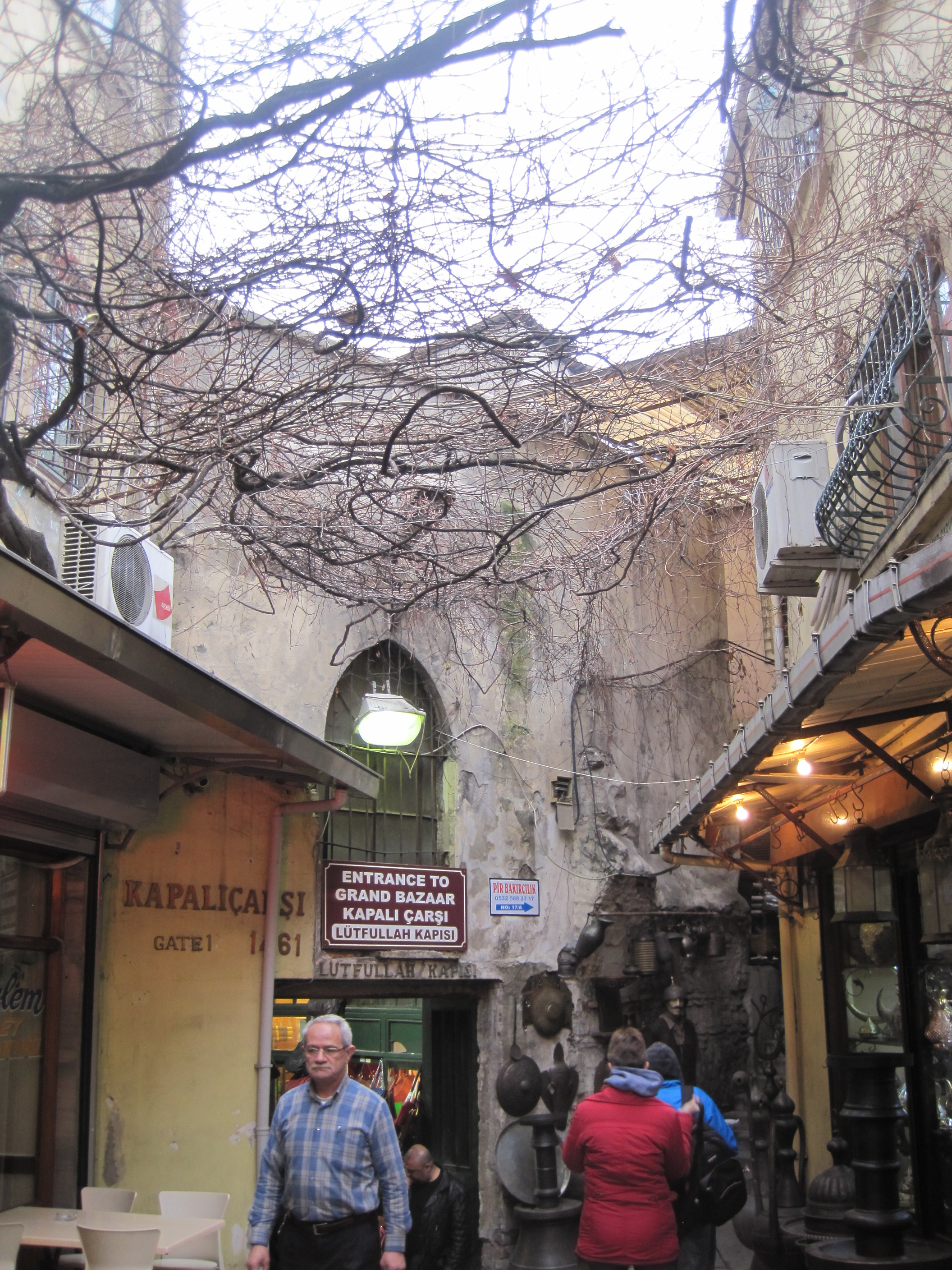
The Grand Bazaar was one of the places I was really looking forward to exploring, but instead it ended up being a bit overwhelming. It is one of the oldest covered markets in the world and was built in 1455-56. Over the years many disasters have happened to the Bazaar including fires and earthquakes, the last quake in 1894.
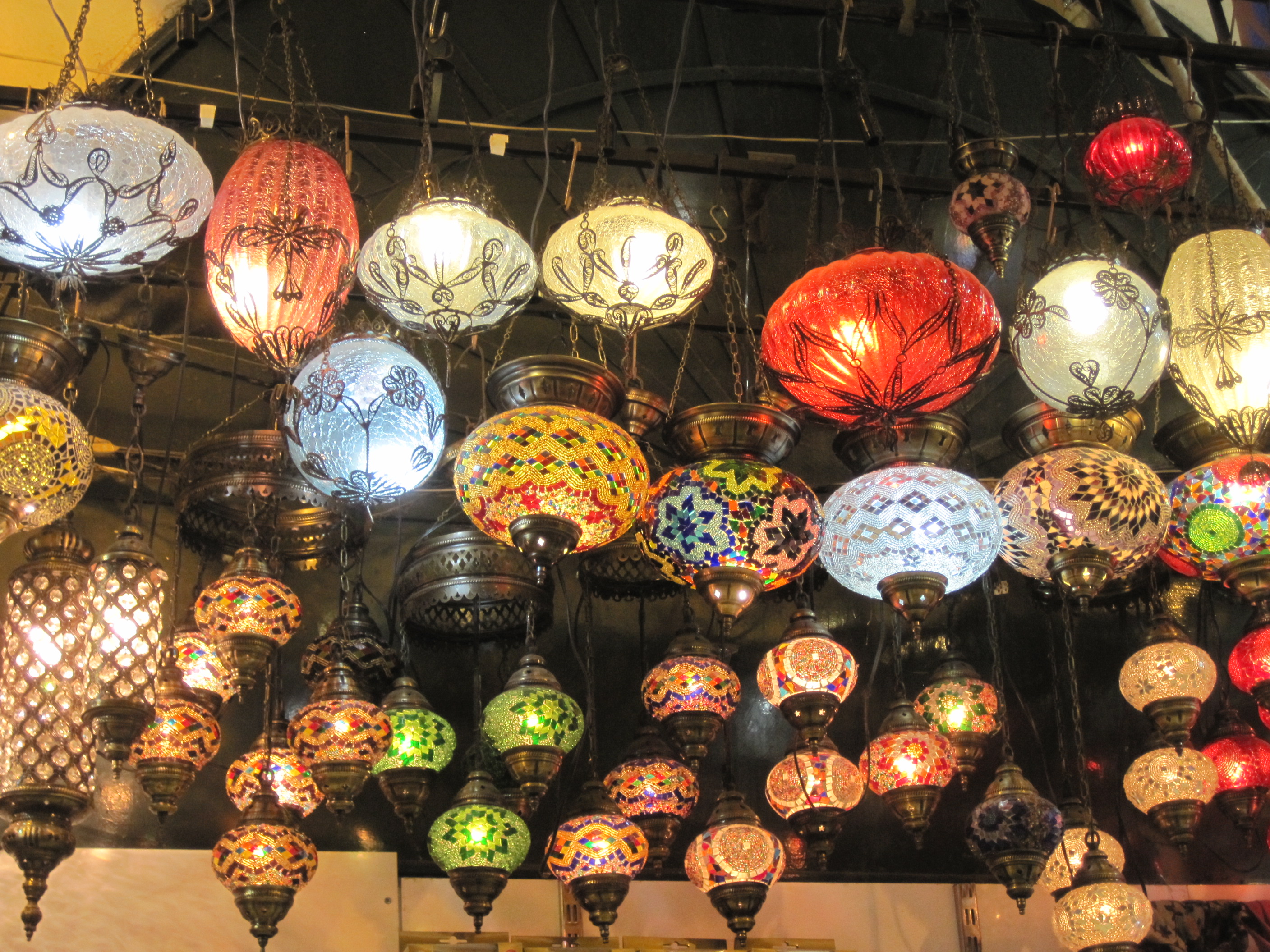
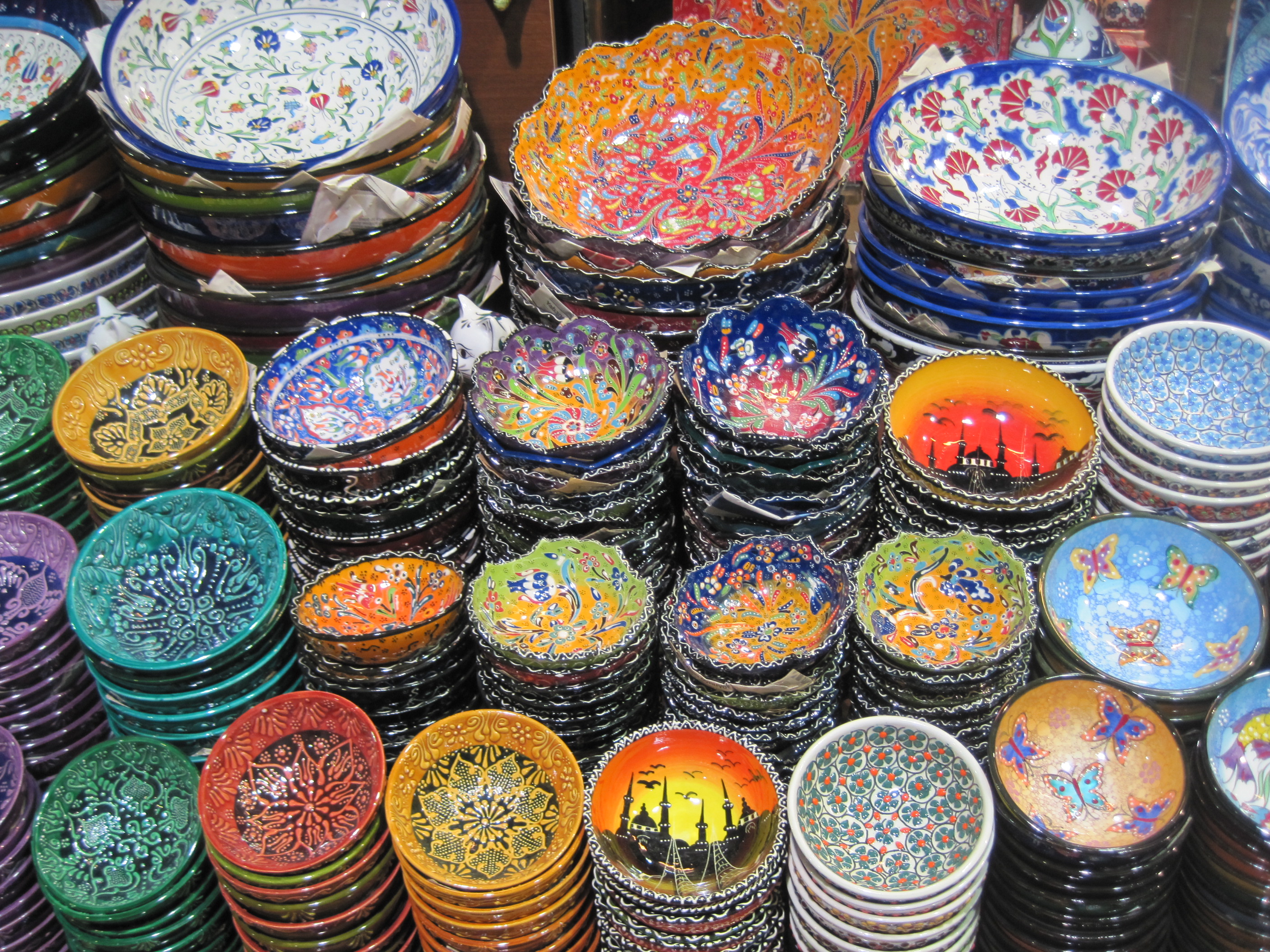
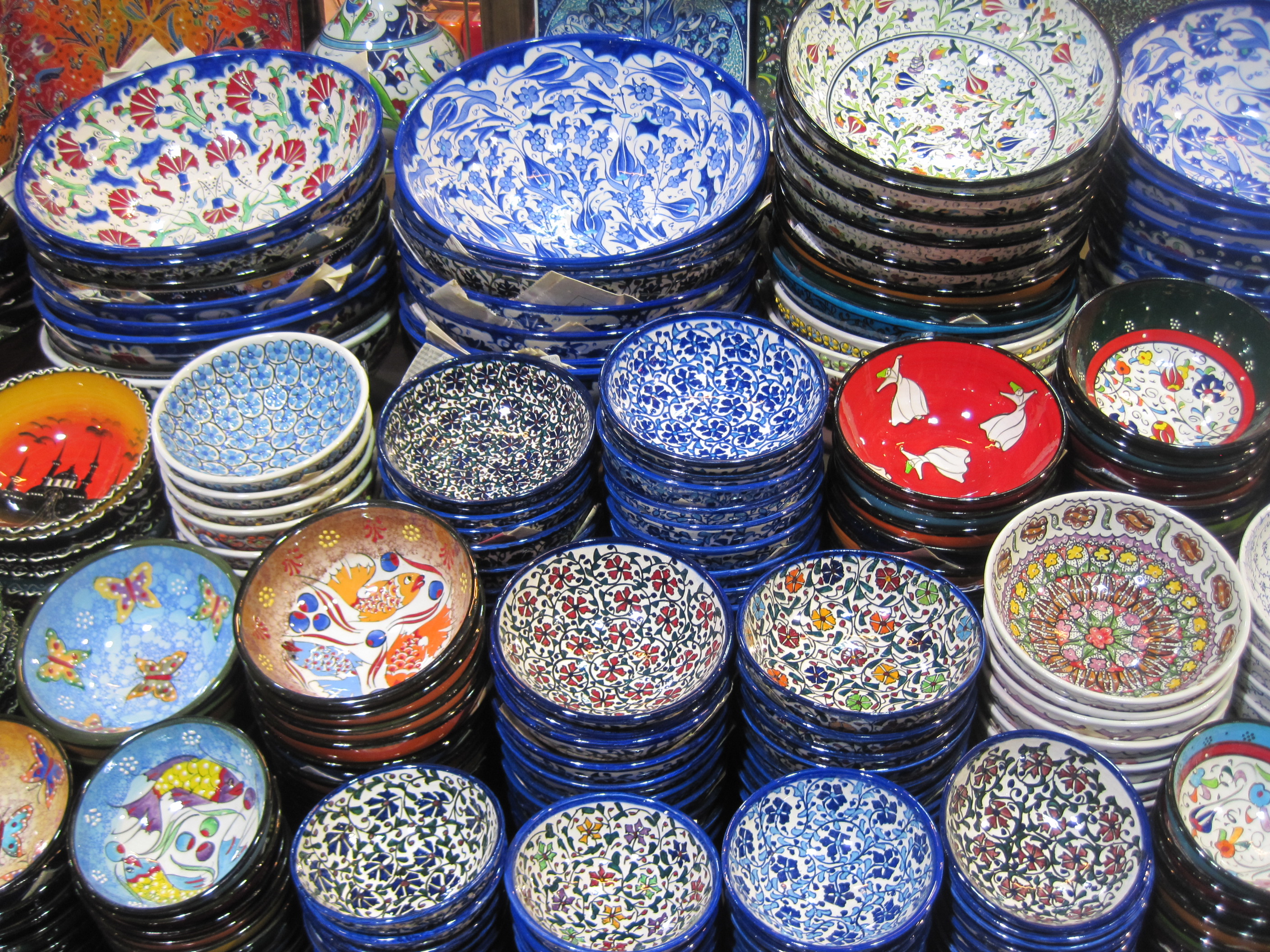
There are over 4000 shops and as you can imagine there are many, many, many people that visit it daily, estimated to 250,000-400,000 a day! There are supposedly different sections of items including, jewelry (gold), clothing, furniture, carpets, lamps, leather, kitchen ware, pottery, etc. and I could see some division, but it is not as clearly delineated as you might expect.
I loved looking at the different items for sale, but did not like the pressure to buy items. I loved the smaller booths that were down some of the quieter arms of the big rows. It wasn’t so hectic down some of the side isles. I did not appreciate “hey lady look at ….” I really just wanted to look on my own without any pressure.
I did get a scarf, but after much looking and much pressure. Happily down one of the quiet rows we found a many with some great jewelry and I bought many pairs of earrings from him. We also got one pillowcase and lastly I got some ‘belly dancing carves with bling on them’ for my Zumba class.
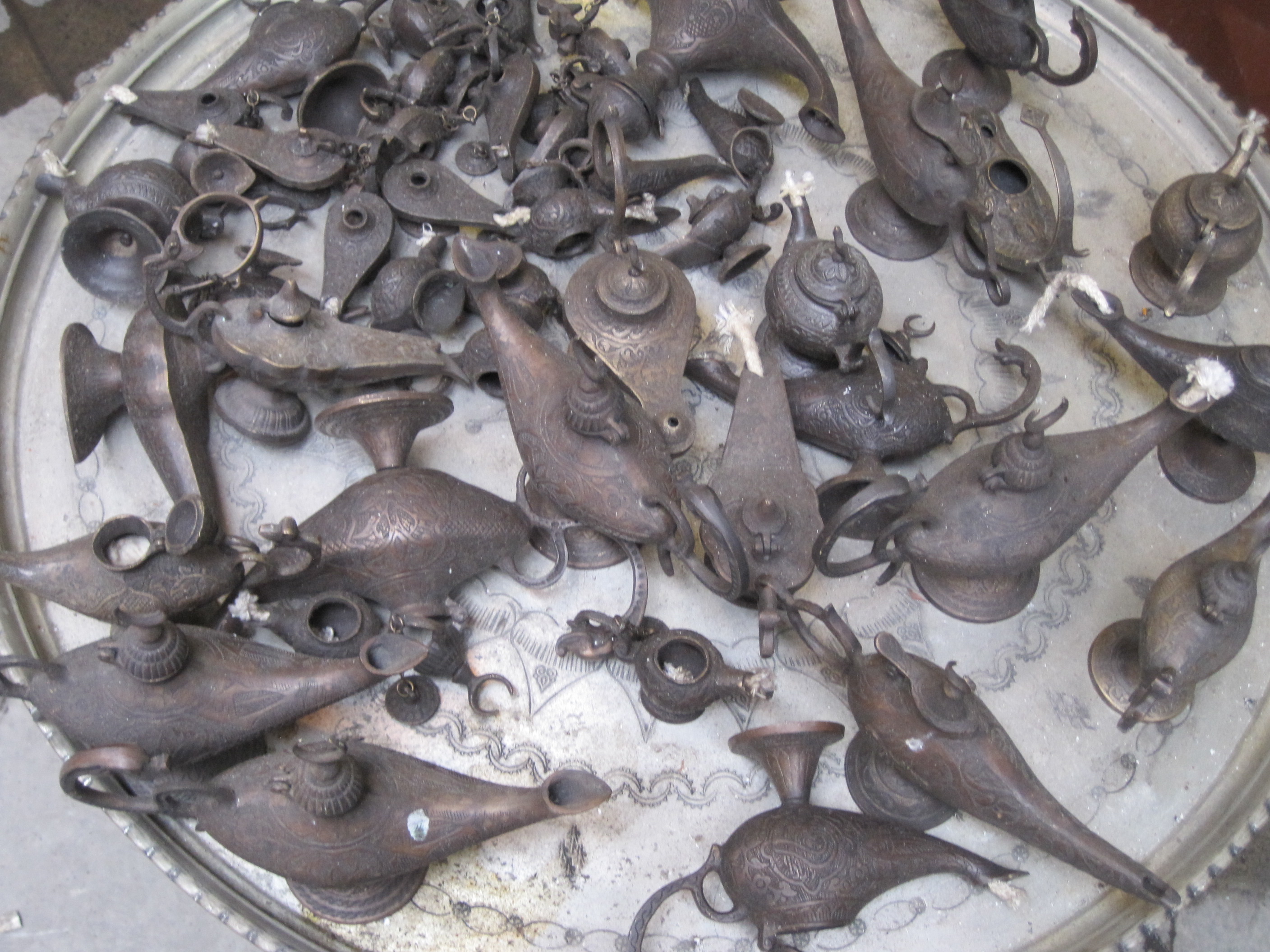
We also enjoyed the shops on the streets surrounding the bazaar, especially the ones that had antiques. We got a ‘magic lantern’ (oil lamp) for our travel room back home.
Enjoy the pictures, as the views were my favorite things!
While on vacations, we try to eat as much local food as possible, but at times must admit that we miss some of our favorites from home.
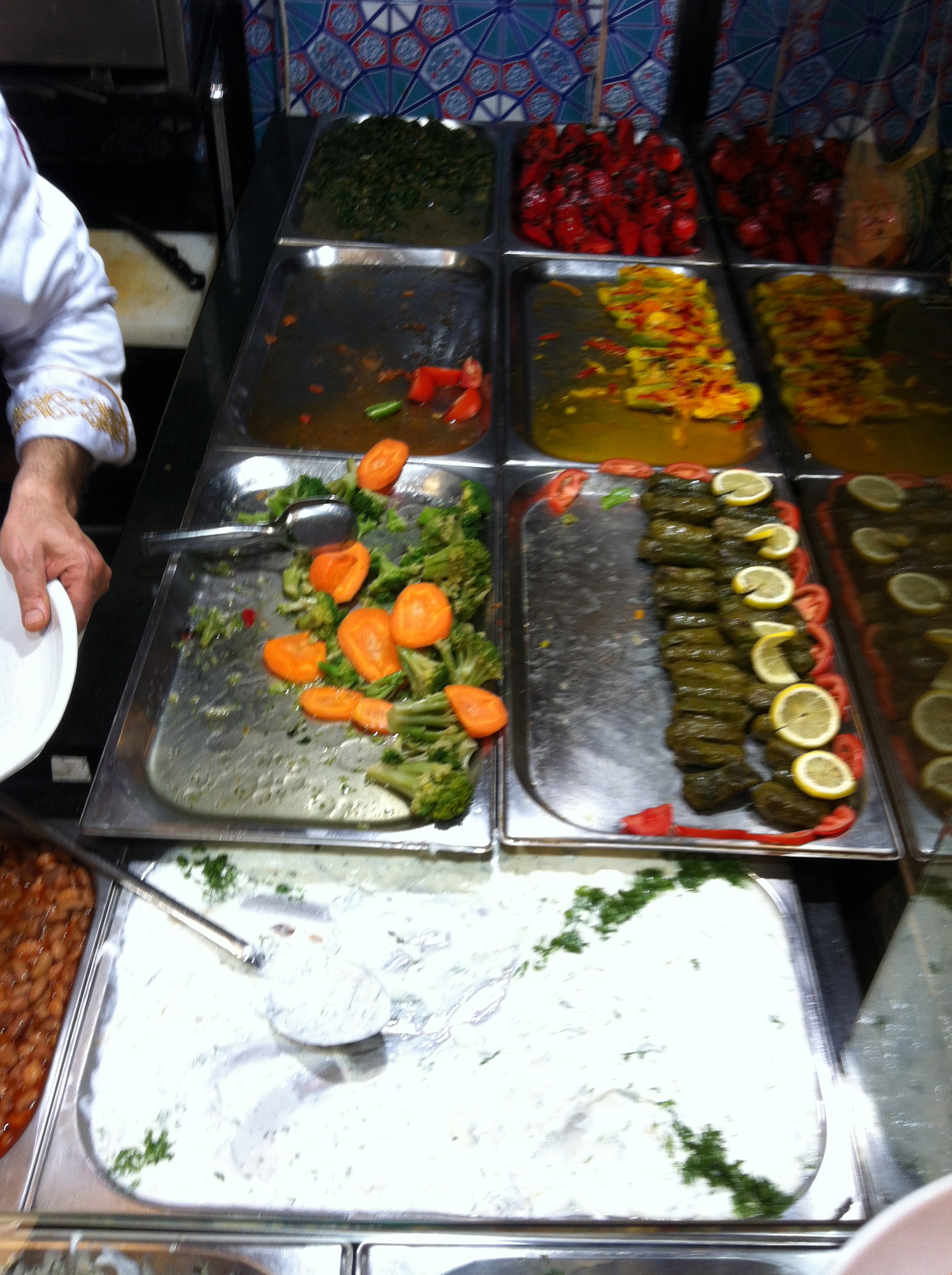
trays of food, red peppers, a yogurt dish etc. you picked what you wanted. veggies, grape leaves wrapping rice etc.
We had read a lot about the food in Turkey and we were excited to try many of the dishes. One of the things we read, but did not sink in until we actually were eating it is that food is served luke warm to cold.
There are different kinds of places to eat in Turkey, small little specialty types (kebab’s, pizza boats, crepes), cafeteria-style places and then sit down restaurants.
The best kabob I had was the first one we tried. It was a chicken one, with some veggies and then some yummy red (tomato?) sauce on it, then put in a griddle to crisp up the pita. After that one, I found most kabobs dry and not nearly as good as the ones in Greece. There was not tzatziki sauce or any type of yogurt sauce to put on them, OR if there was we did not know how to ask for it. One other thing about the kabobs is that they were always stuffed with greasy semi cold french fries, we learned quickly to ask for them without fries.
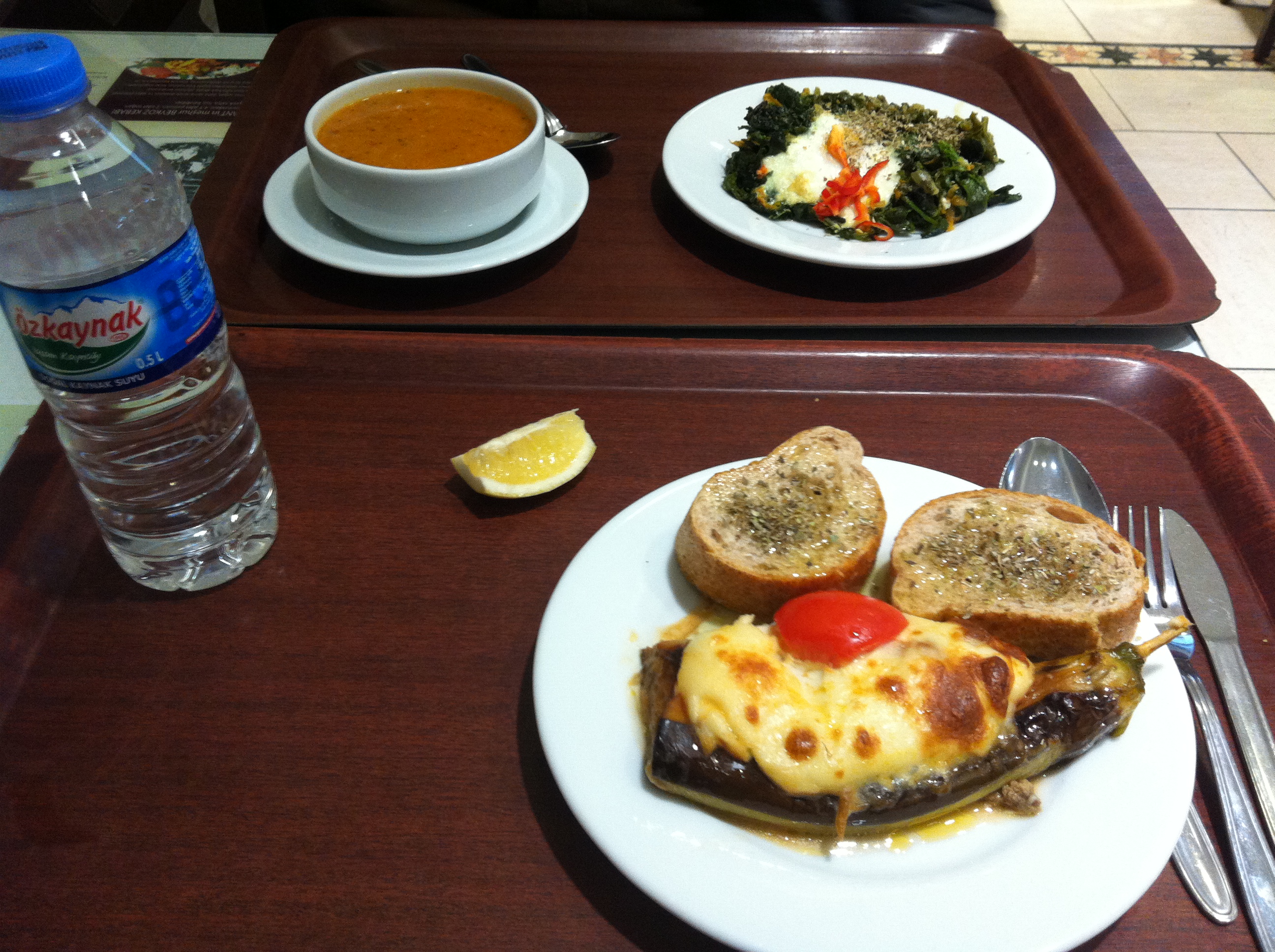
We ate most often at the cafeteria-style places. You walked in, grabbed a tray and pointed to what you wanted. Often times chicken stew type dishes that were good and warmer than most dishes. There were a lot of eggplant dishes that for the most part were sadly cold, but always tasty. Easily the best dishes at any of these places were the lentil soup and the beans. Lentil soup was hot J and so were the beans. The beans were typically cooked down with a tomato based sauce. Yummy. We could eat, including drinks for about $12 total.
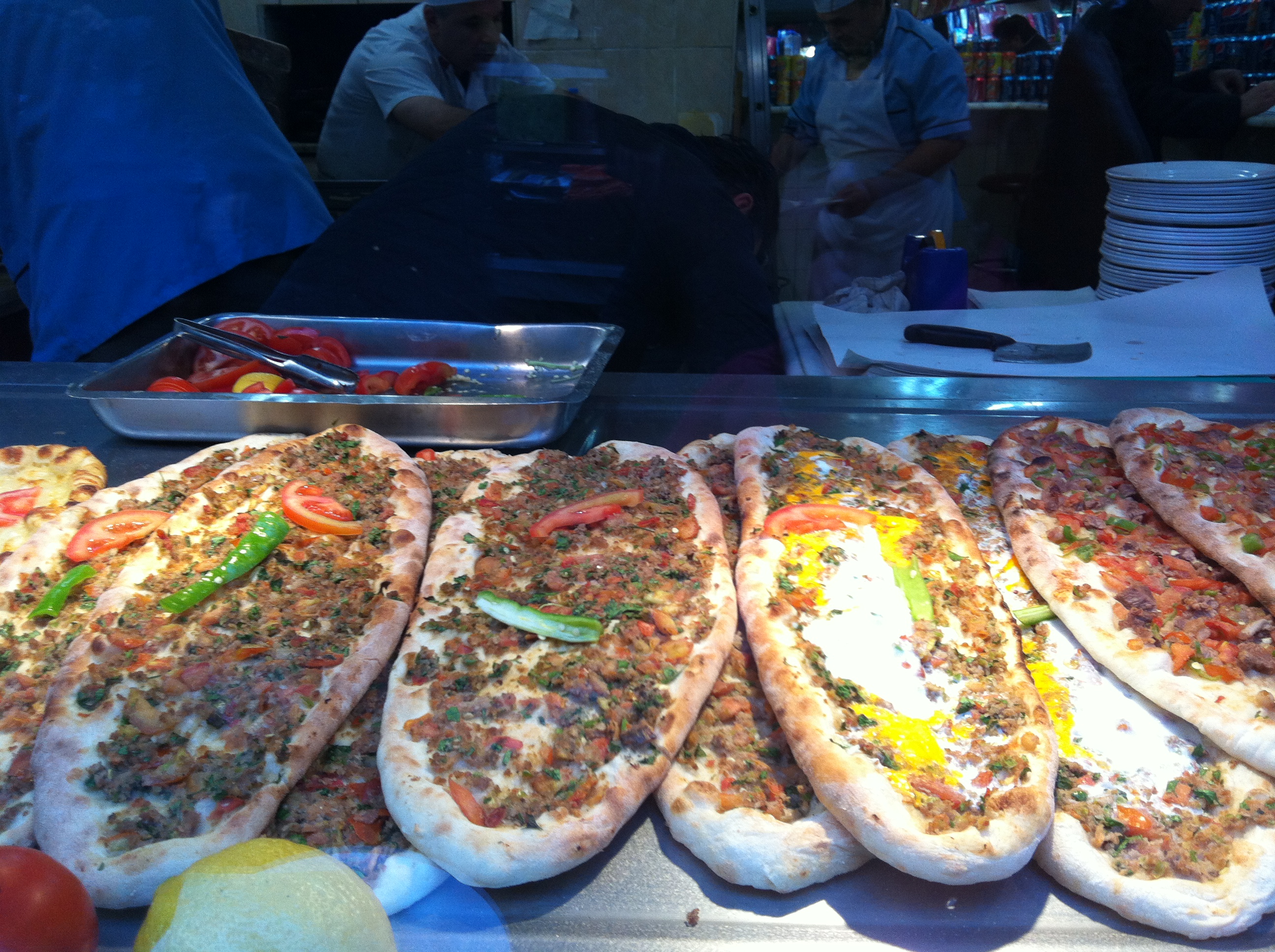
samples of our dinners I called these boat pizzas. That is a fried egg, not cheese on the top of one of them.
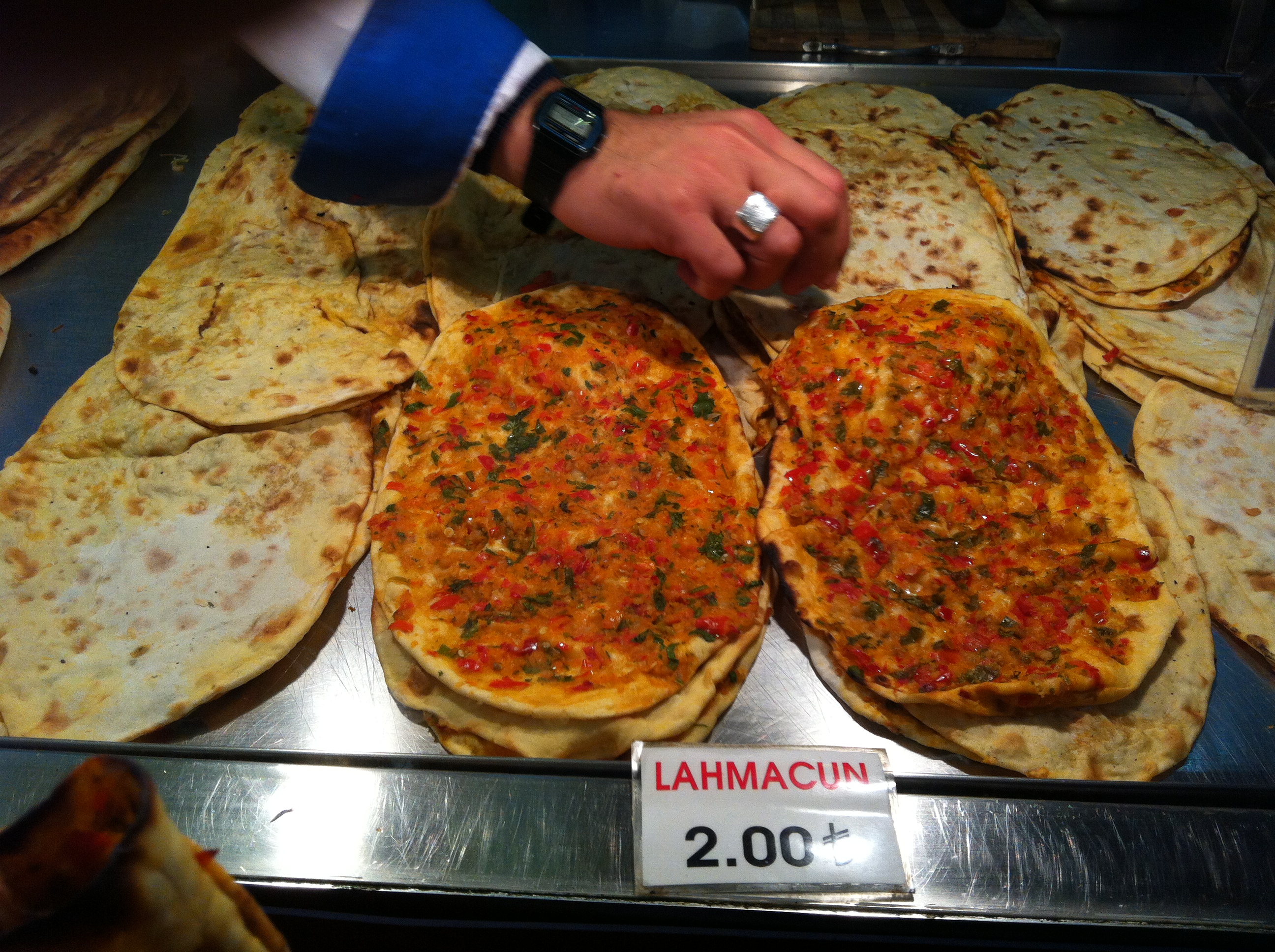
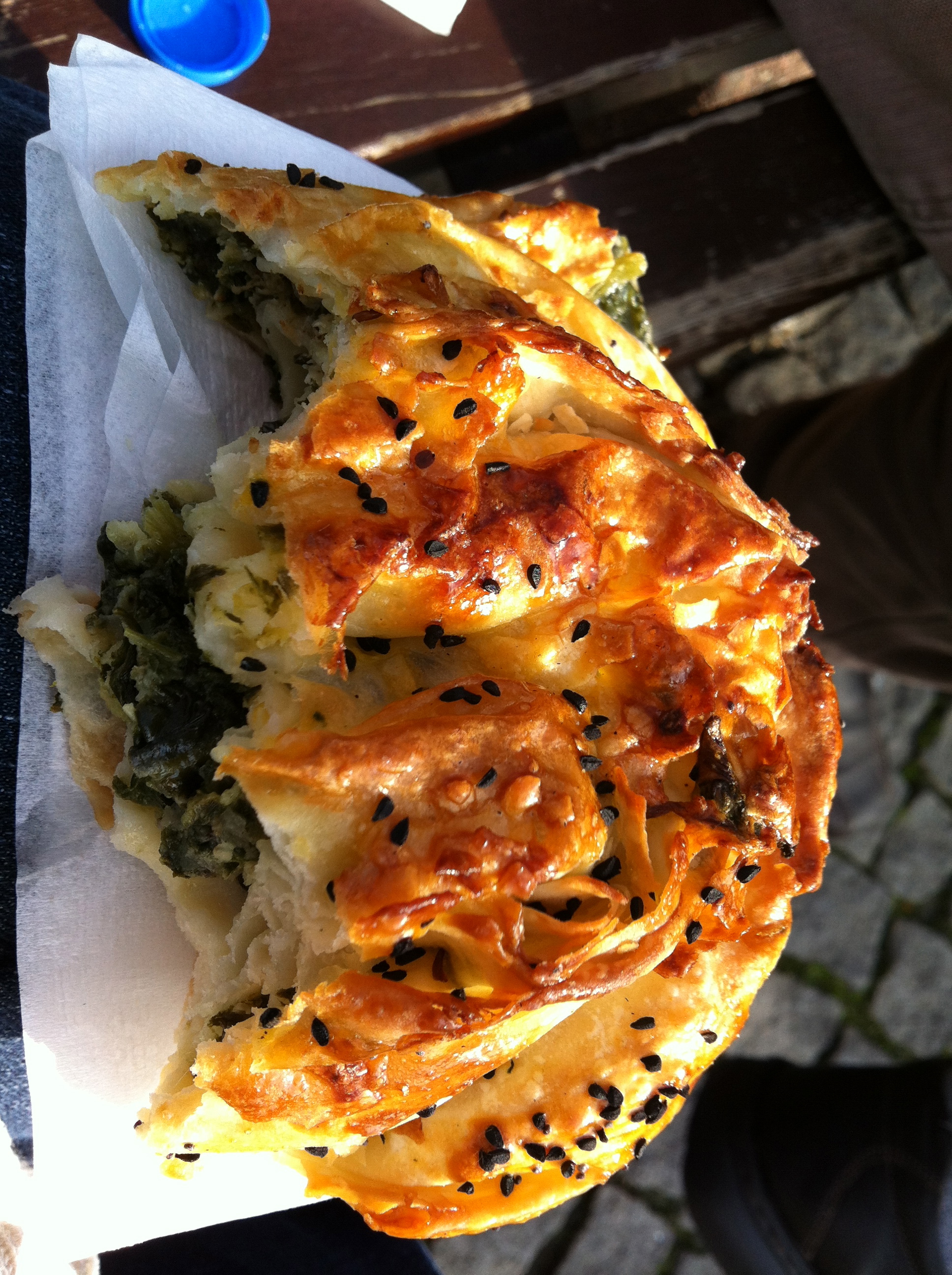
I loved the bakeries that had spinach stuffed pastry that was a great thing to eat mid day. Sometimes they had cheese, other times not. I also loved the pizza boats. These came in a variety of sizes and an equally large variety of toppings. They typically had an olive oil base, some cheese and then different toppings, including meats, veggies, or even eggs. Cost about $2-4 a piece depending on size.
spinach wrapped in filo dough, my favorite daytime snack
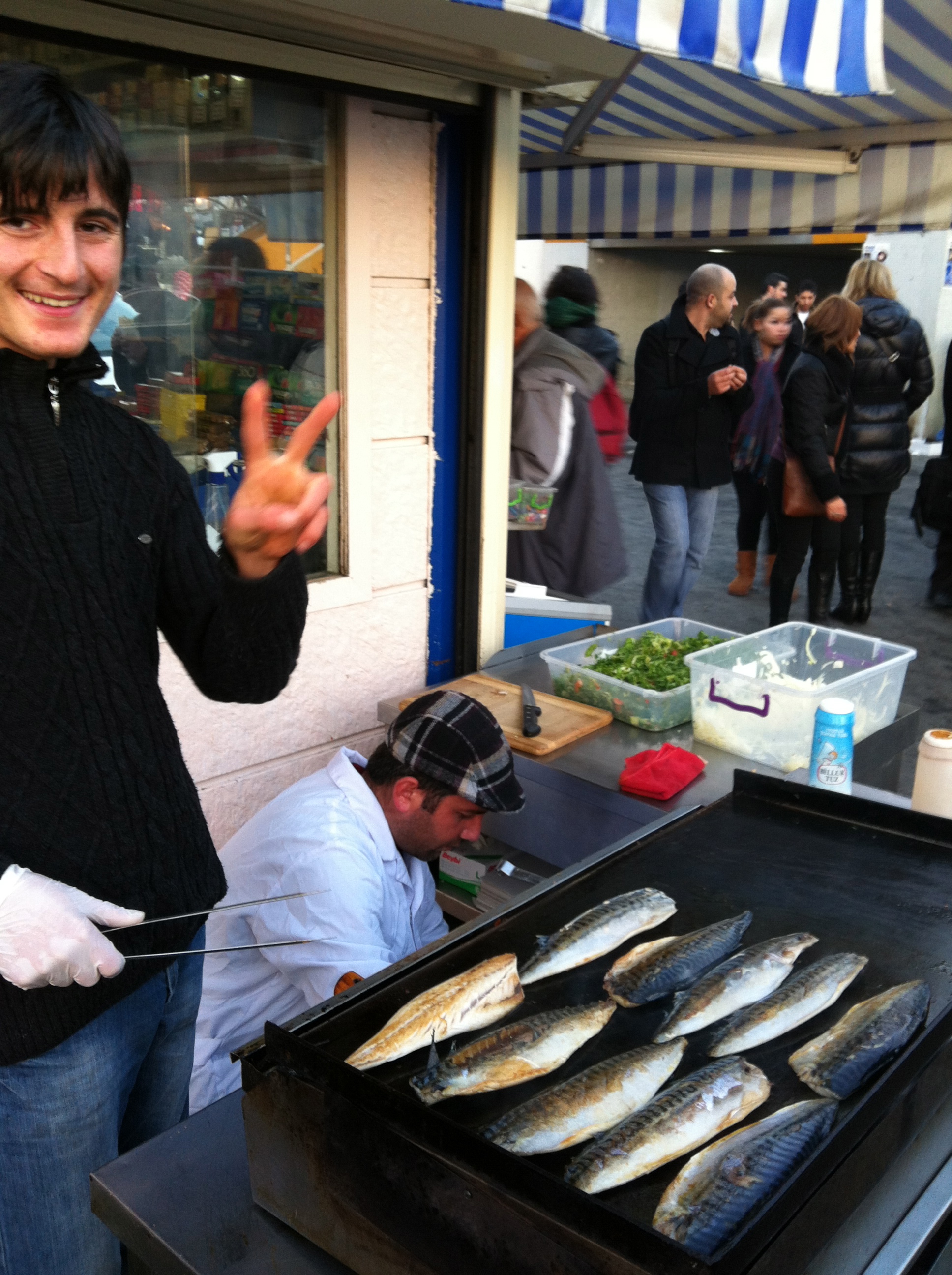
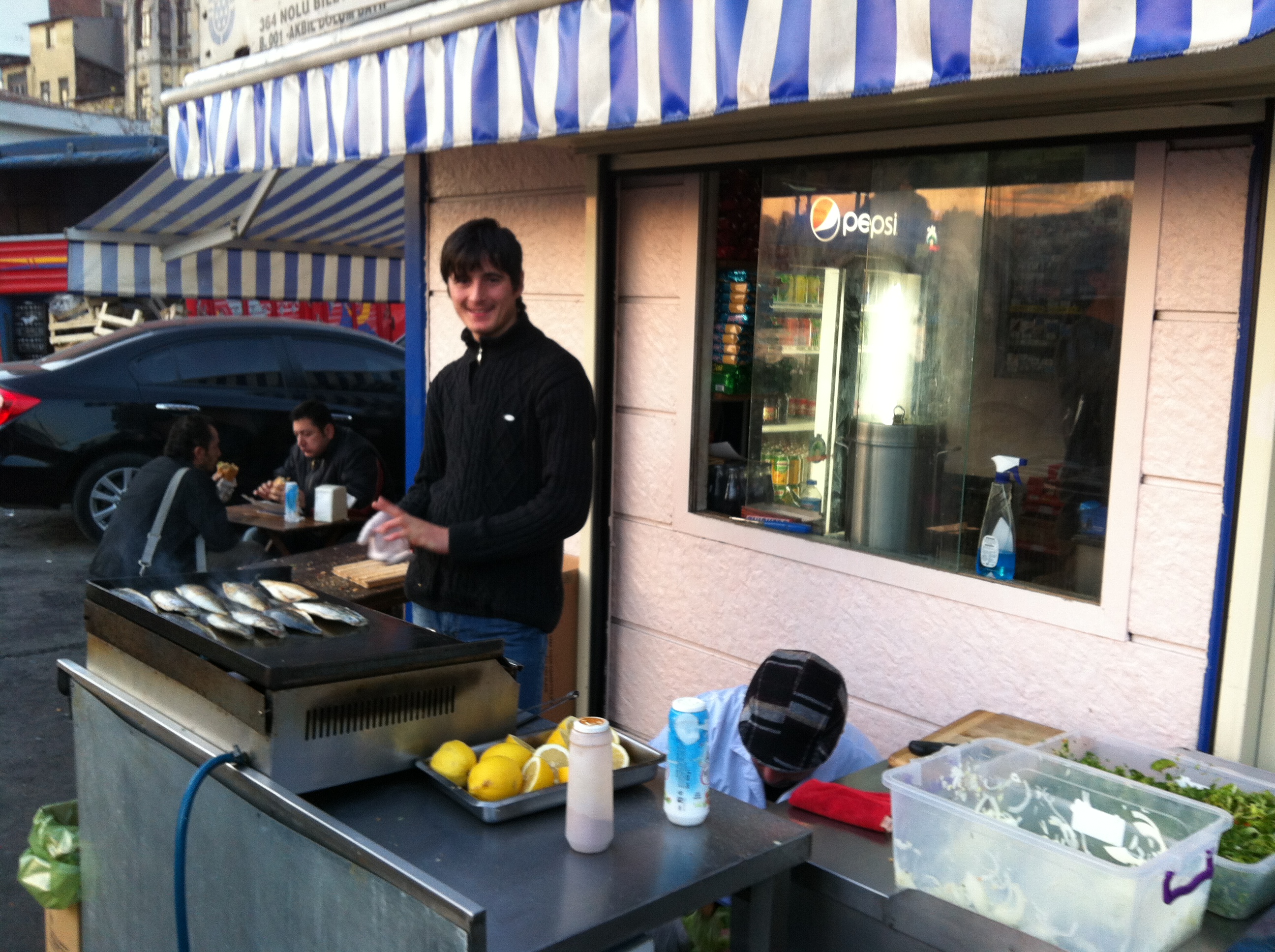
The grilled mackerel sandwiches that we got at the base of the bridge were also a favorite. We had these a few times. They cooked the fish right in front of you, opened up a rustic roll in which the fish was placed and finally topped with lettuce, tomatoes, onions, and some great seasoning. These ran about $2.50 a piece!
Our ‘friend’ was happy to see us come back for more. He liked practicing his English, as we found very common in Istanbul.
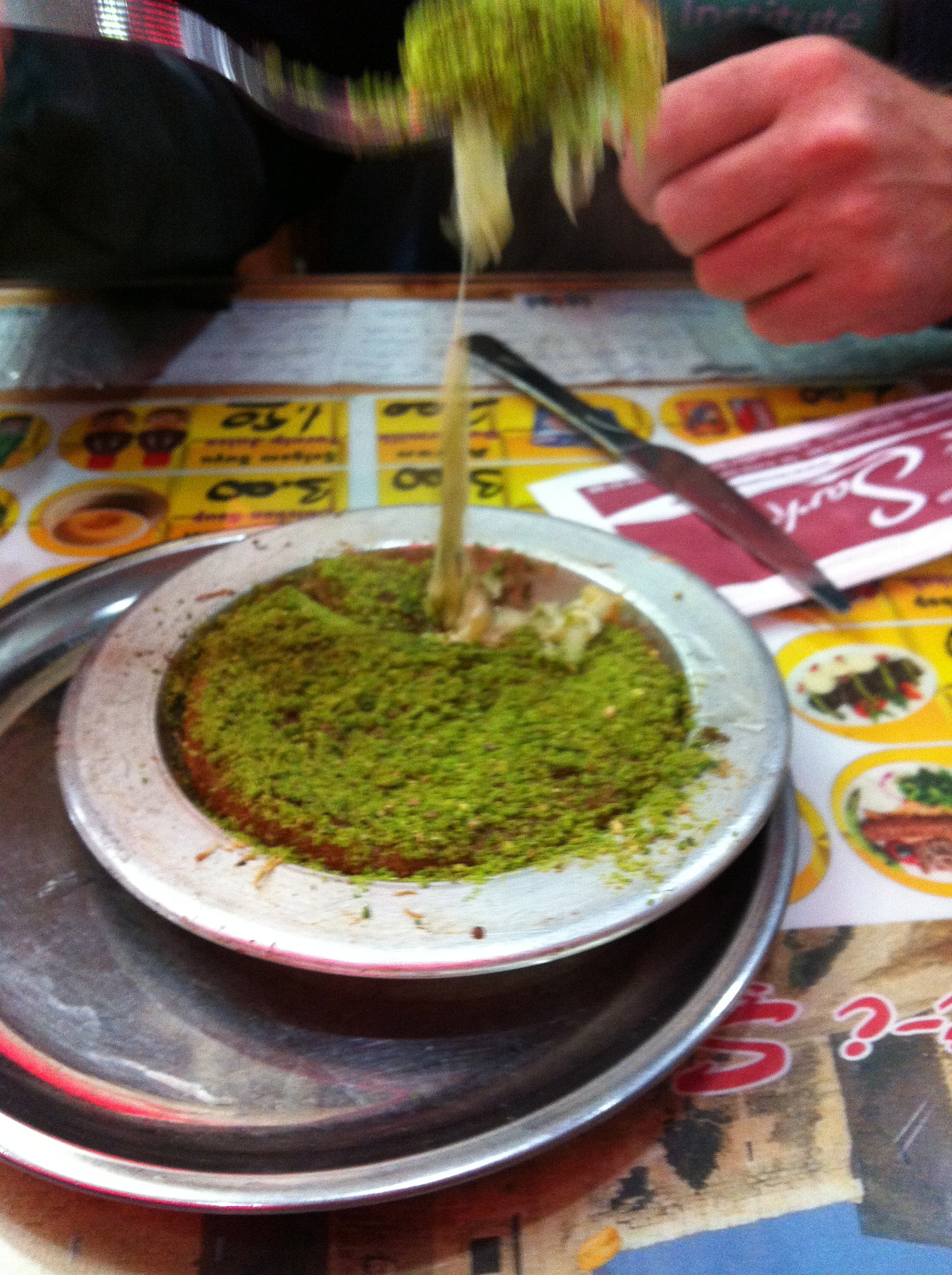
fried cheese with syrup over it!
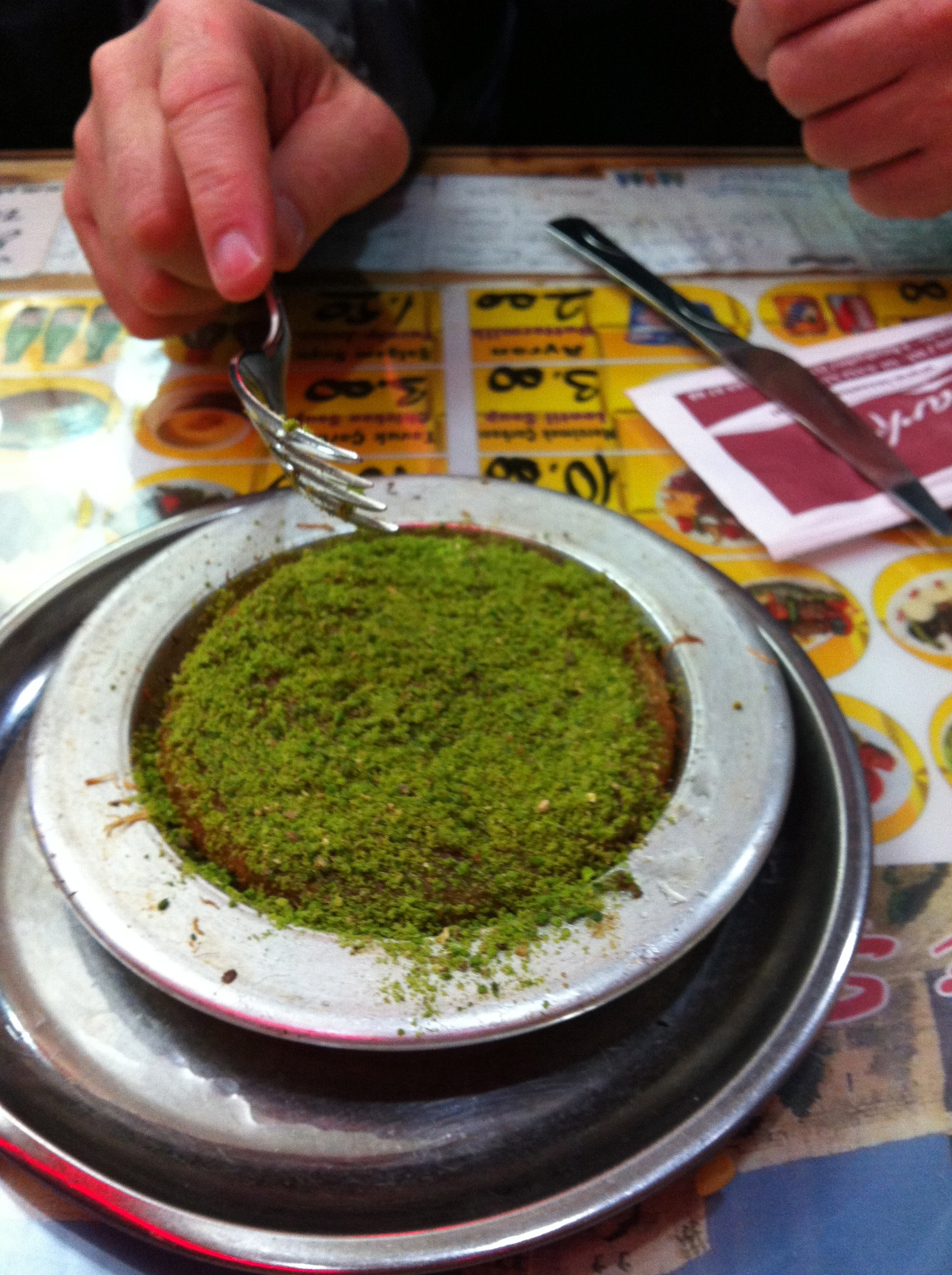
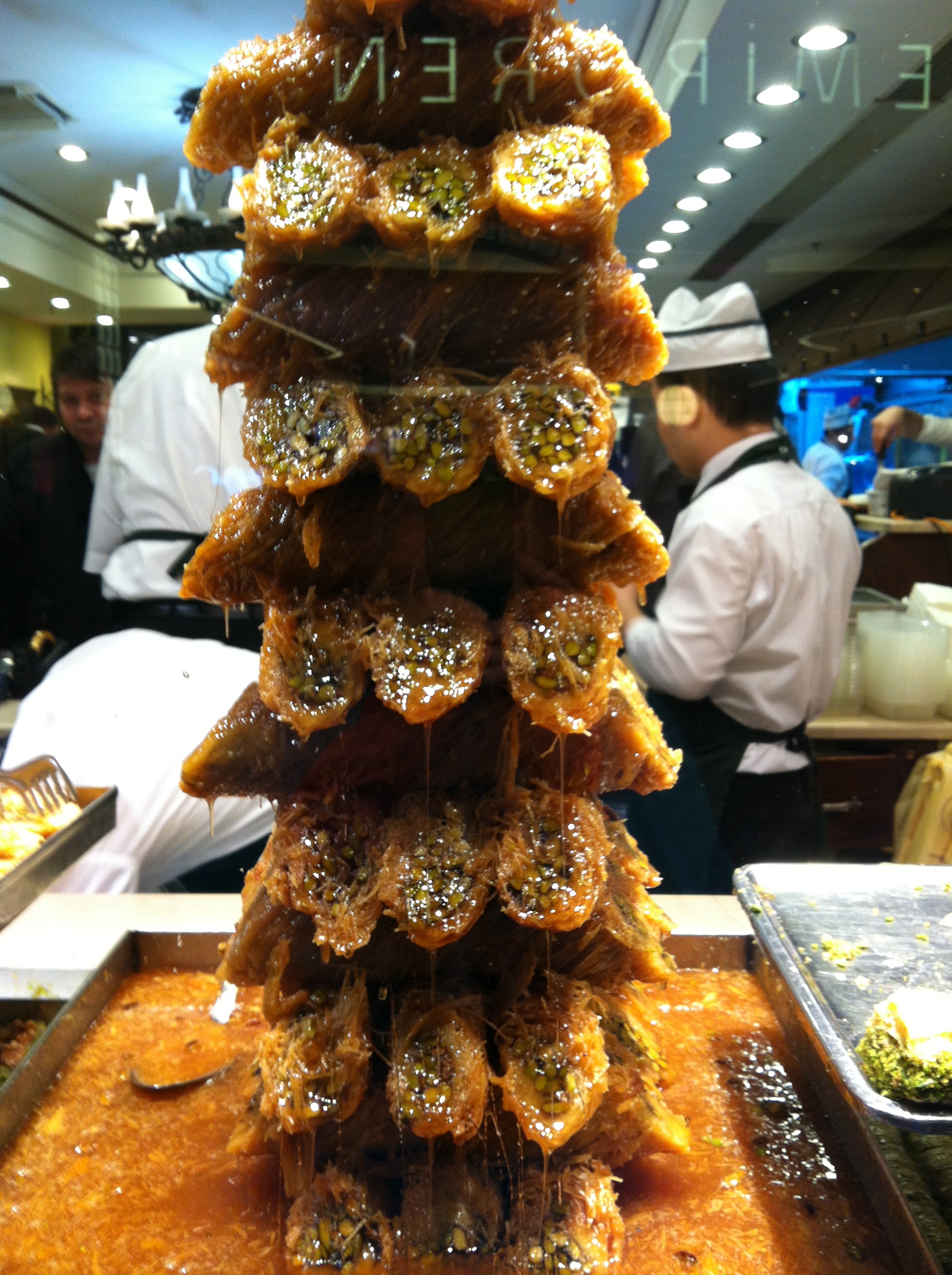
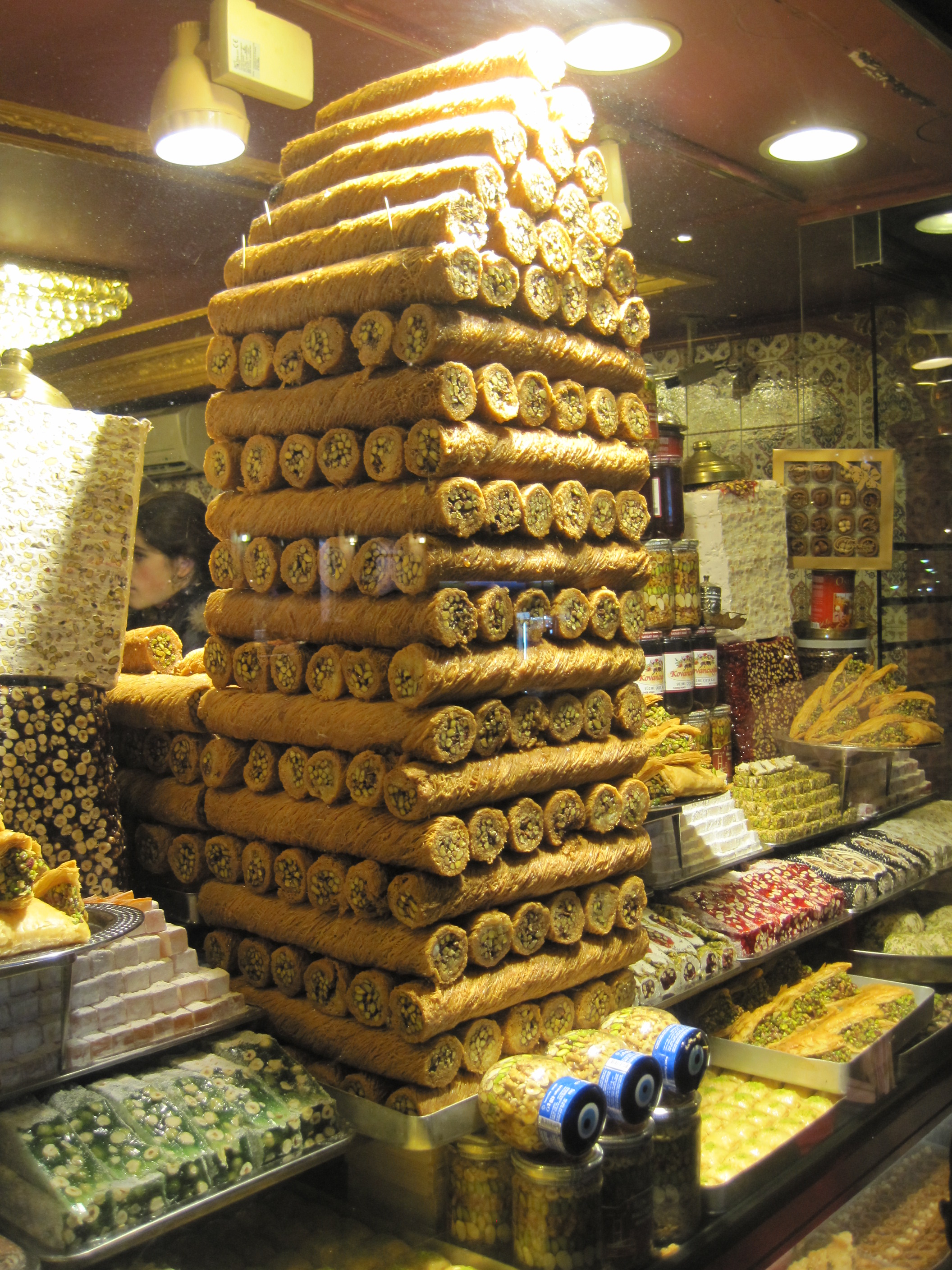
By far the best food in Turkey were the desserts! An unusual but yummy treat was a grated cheese that was grilled over fire, once grilled syrup was poured over the dish and then it was topped with copped pistachios. Of course there was also a lot of baklava displayed in a variety of ways! It was fantastic, especially when it was warm. Cost, $2-$3.
tower of baklava
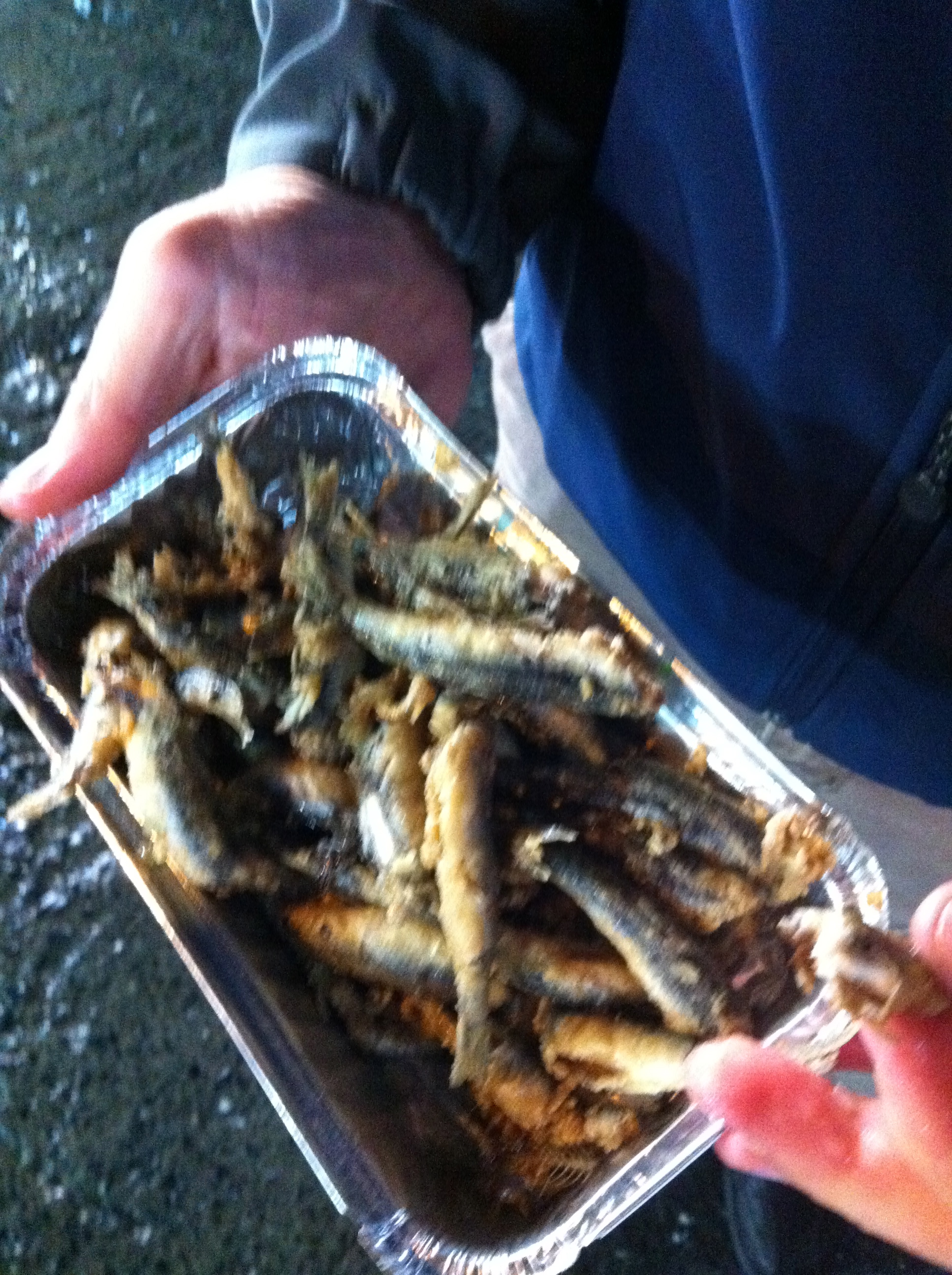
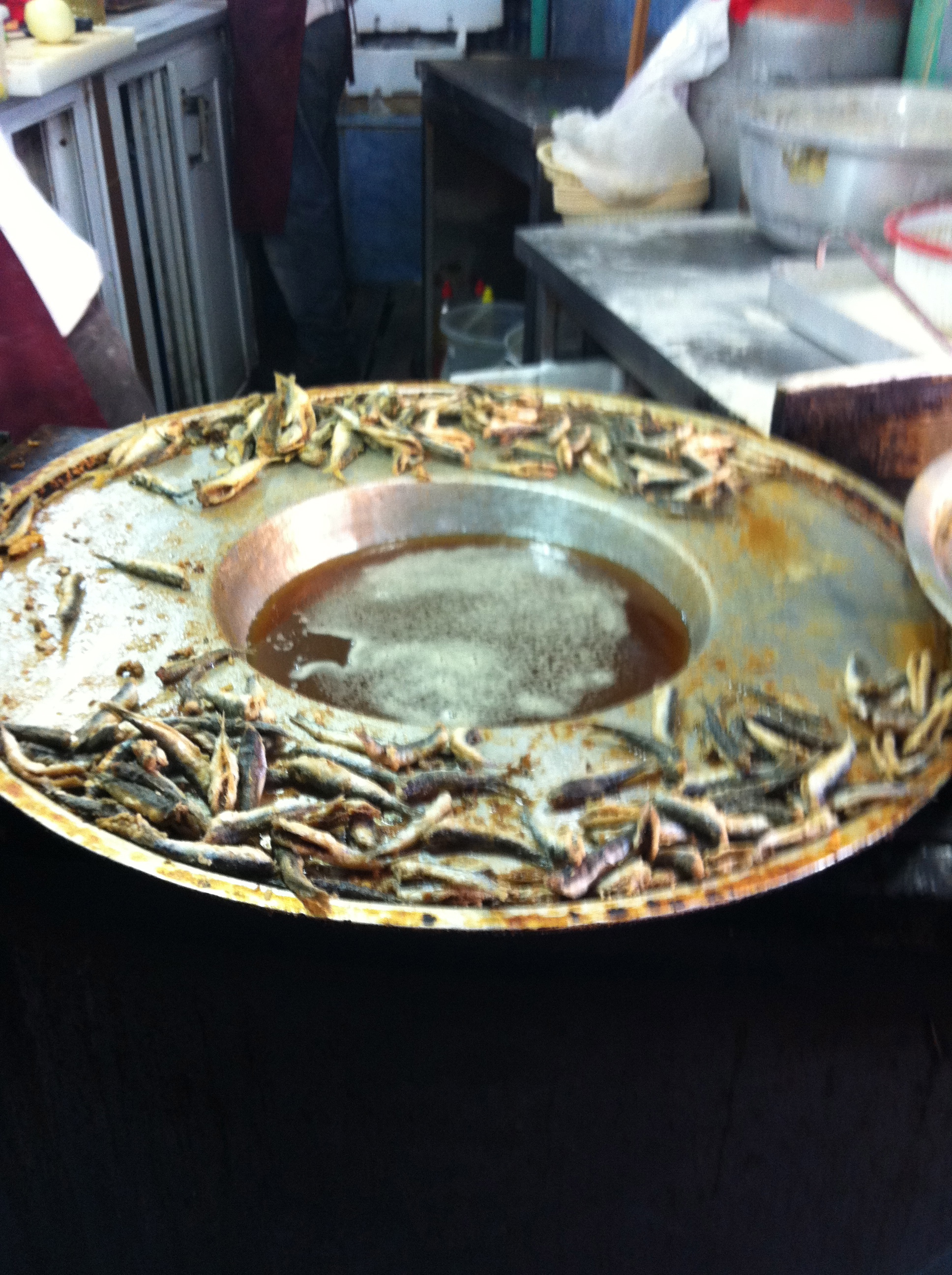
Lastly, my favorite food: the deep friend anchovies. We’d seen people eating these during our nights near the bridge, and finally decided to get a tin; we were NOT disappointed, though the tin was plenty for the 2 of us… you can’t eat too many at once. Total cost $3.
anchovies! YUMMMMMY
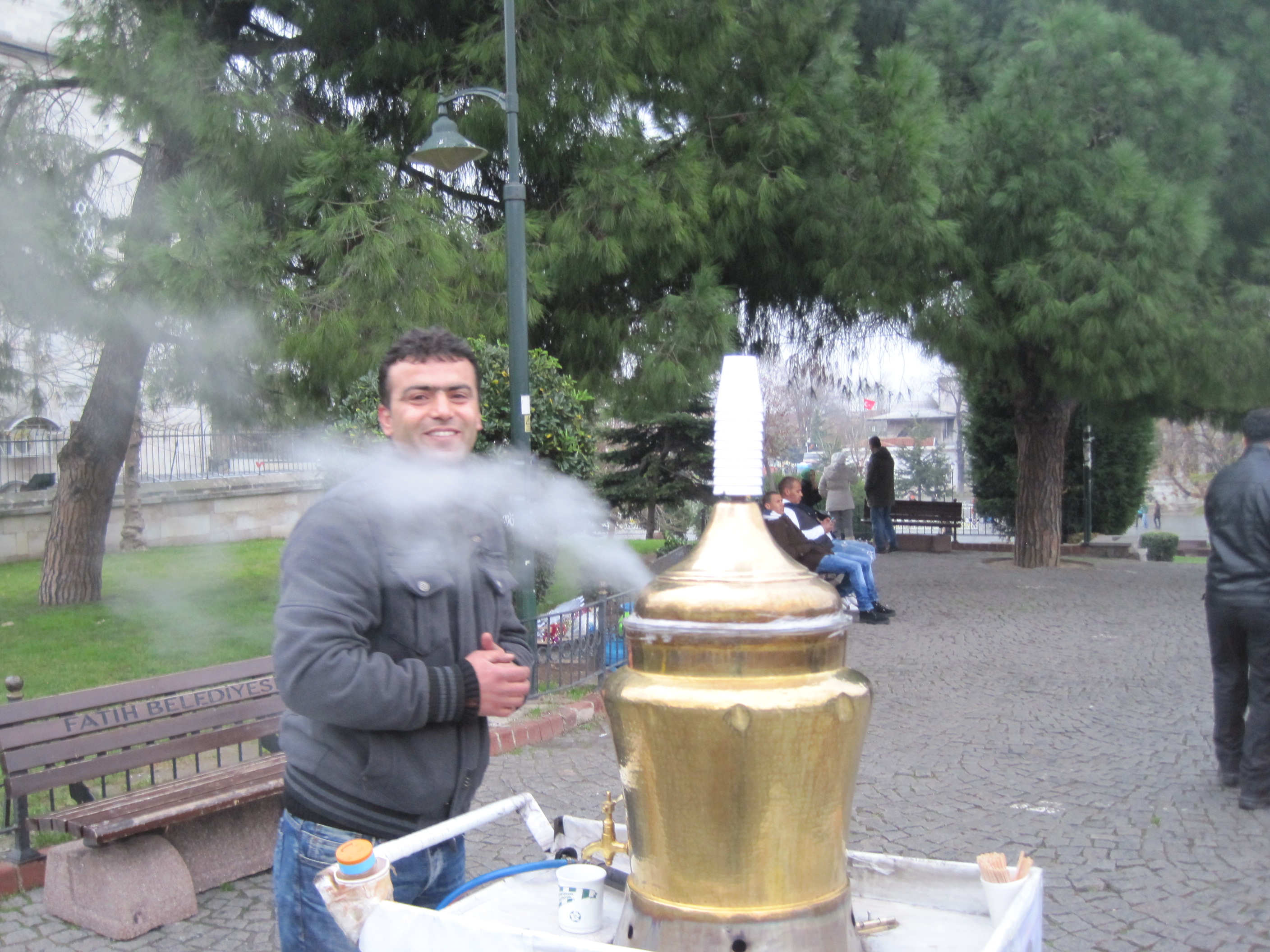
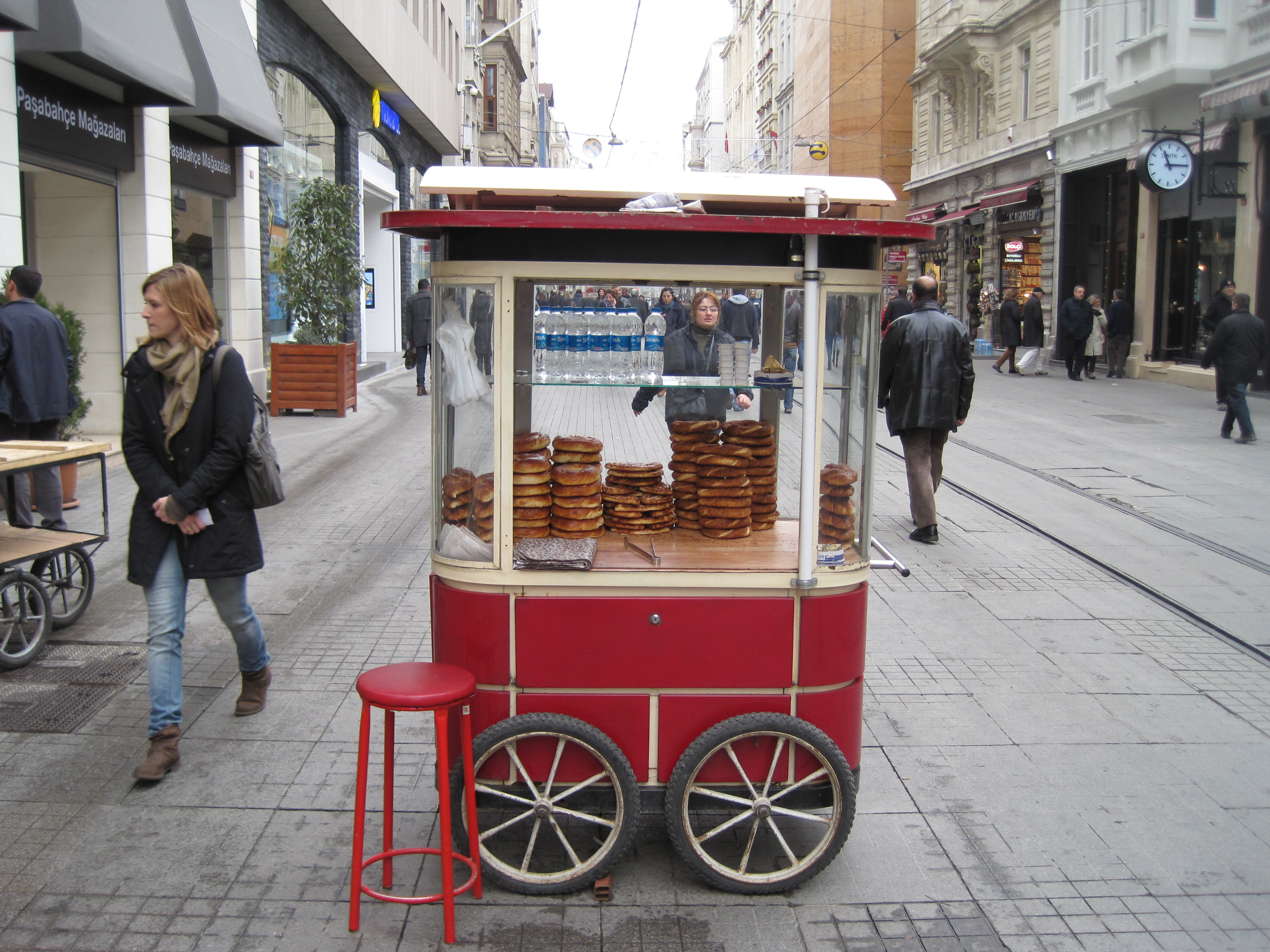
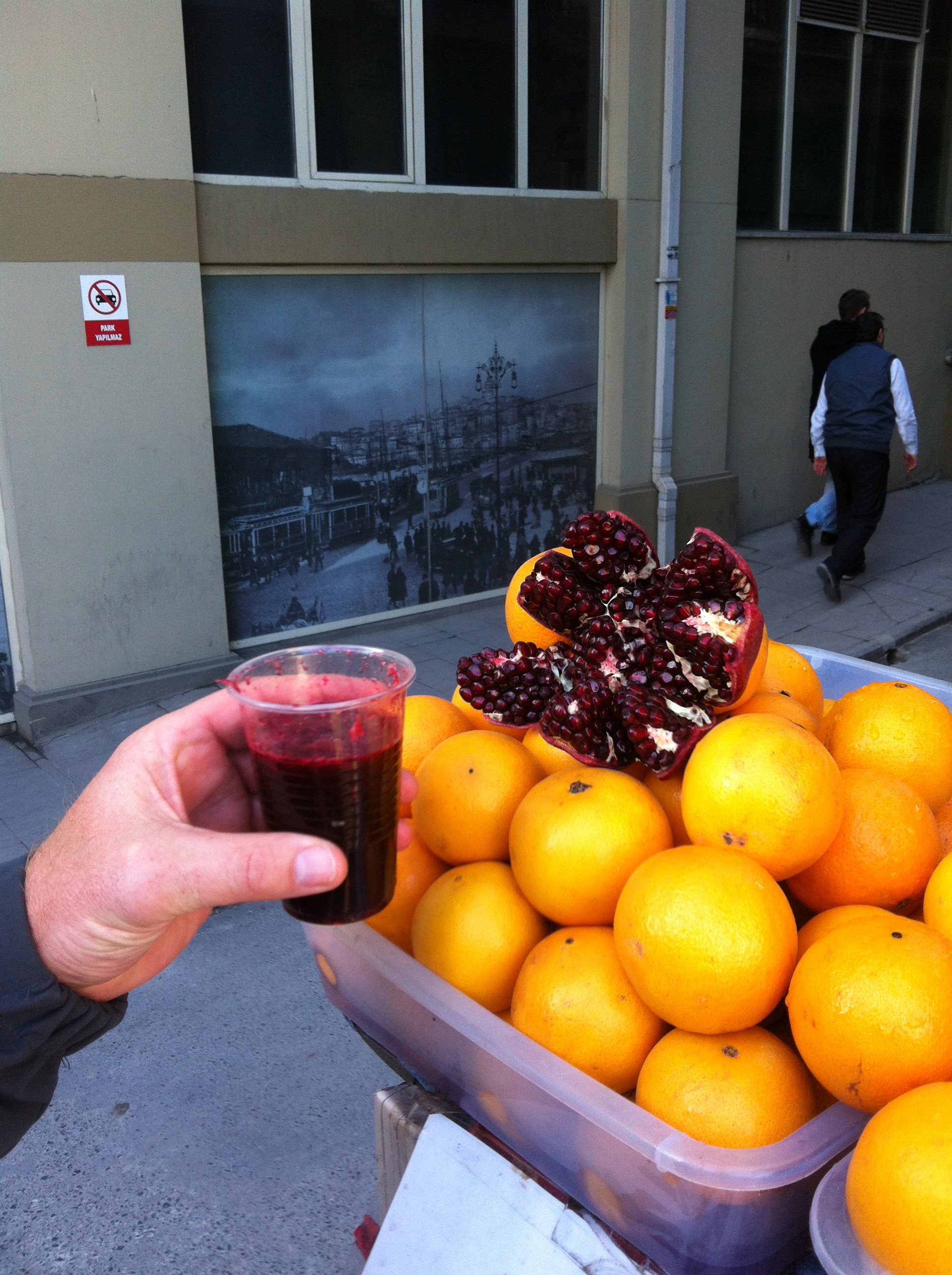
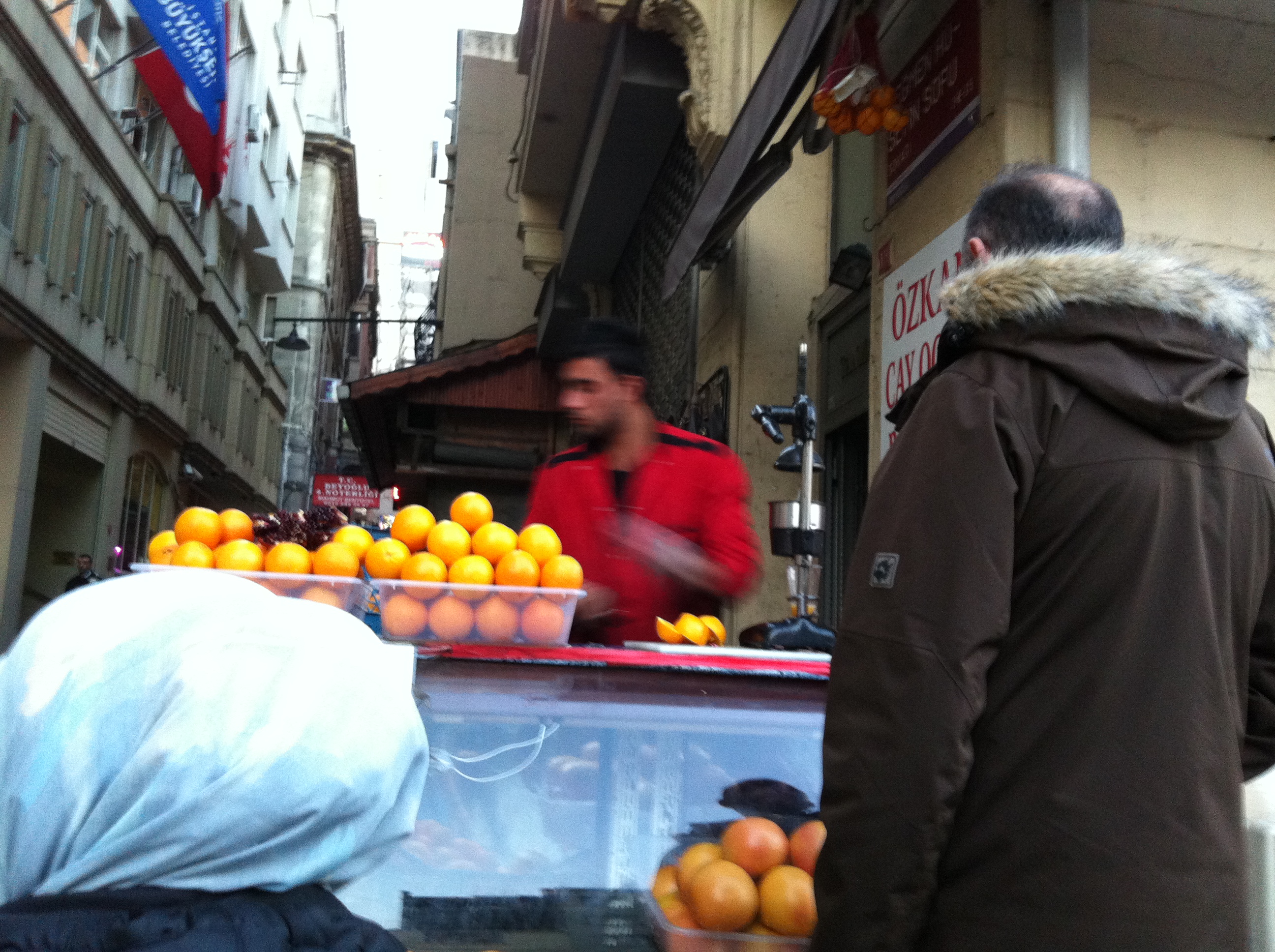
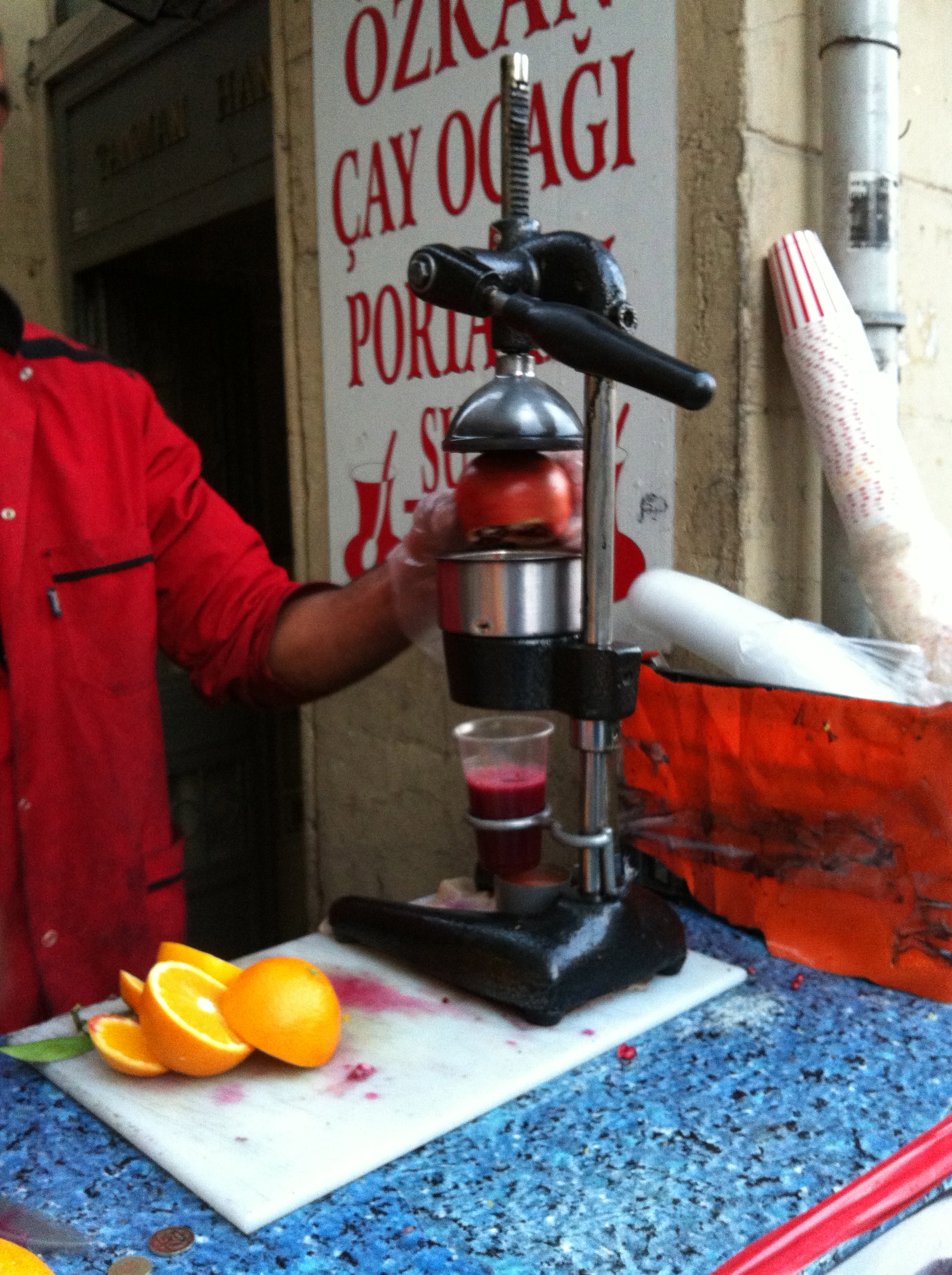
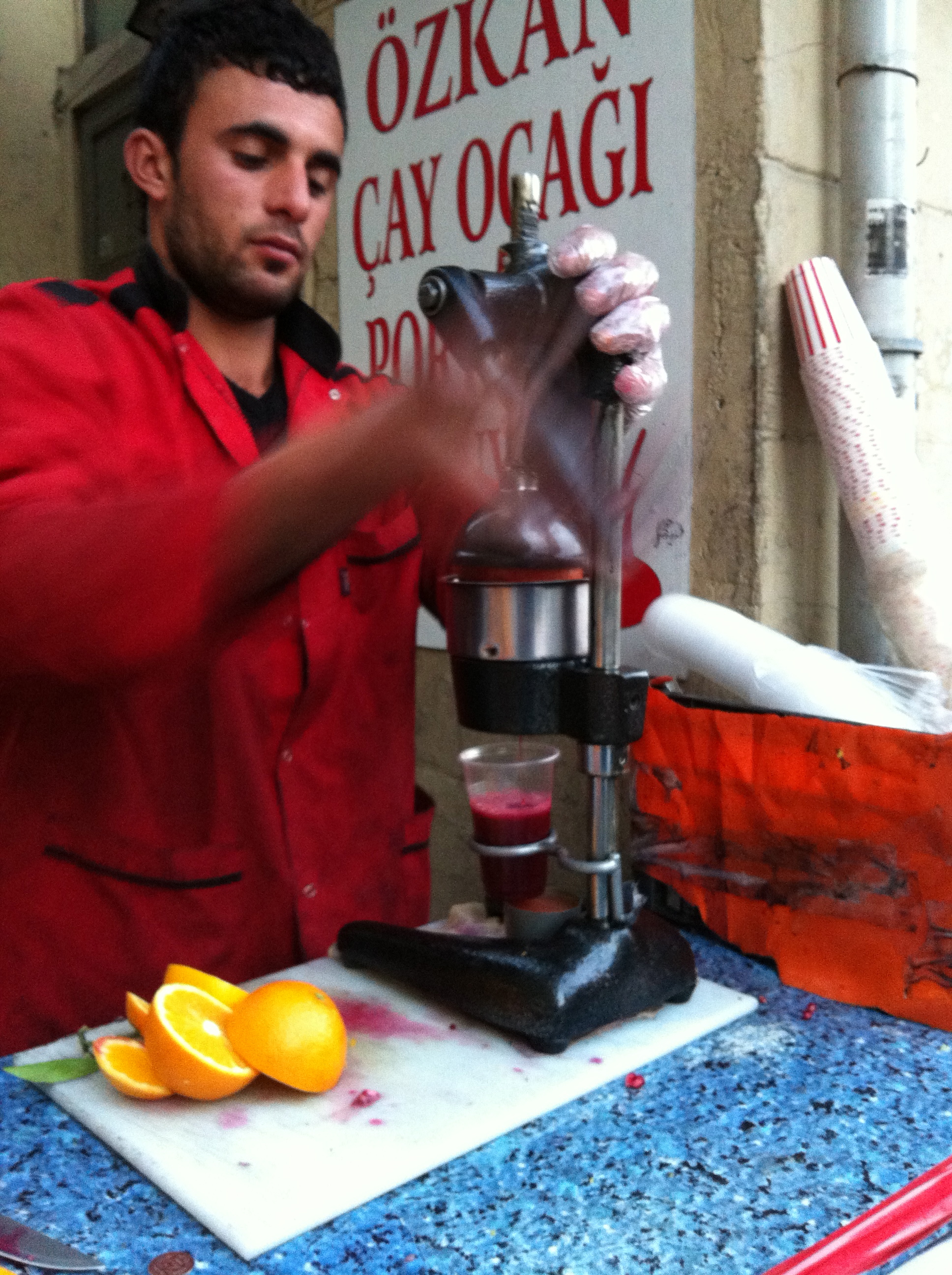
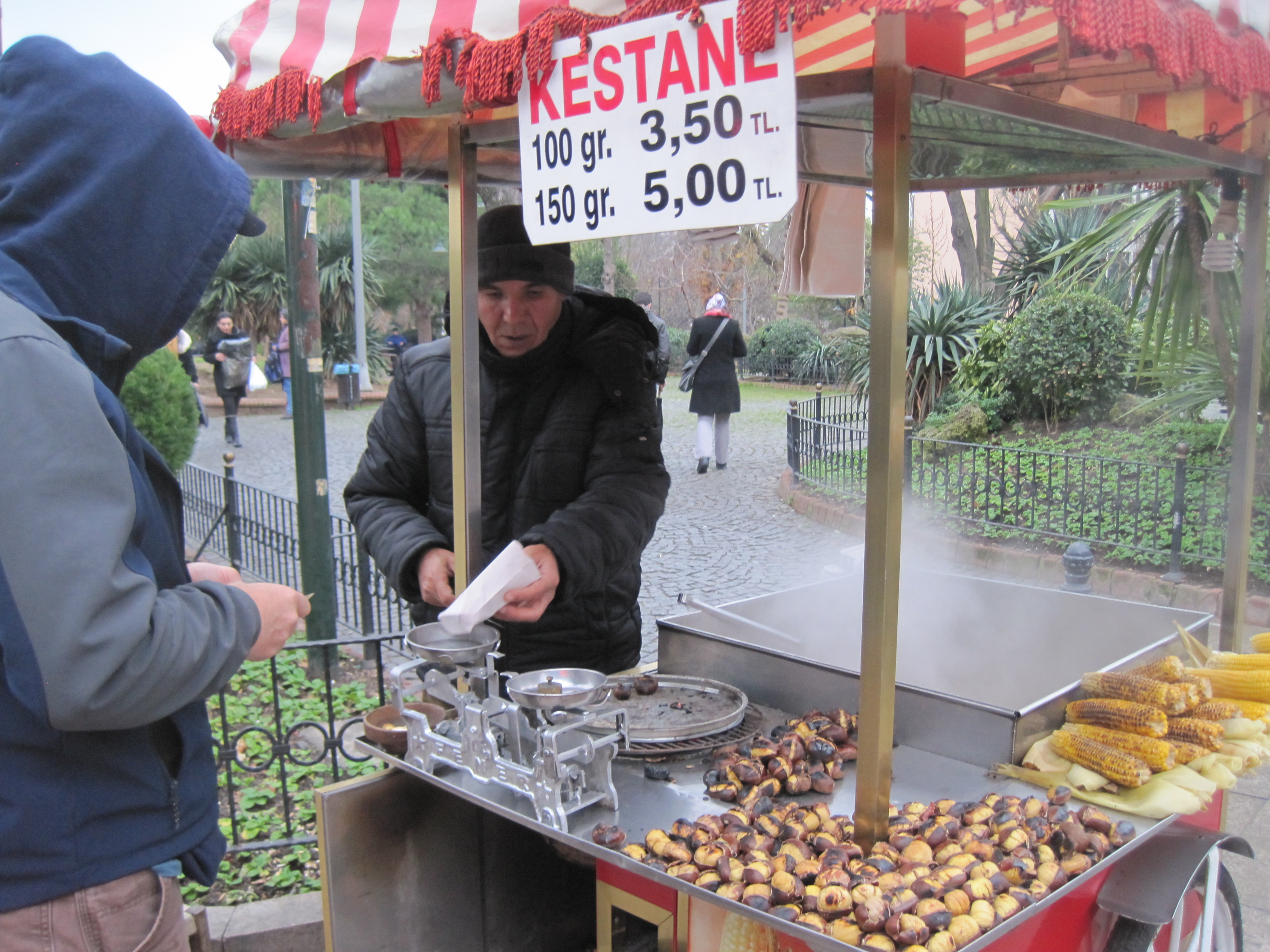
While walking through town we’d occasionally get some snacks from street vendors including roasted chestnuts, and yummy rolls. We really grew fond of the drinks that we could buy from street vendors, including fresh squeezed orange OR pomegranate juice. But the biggest surprise was the Sahlep. It is a hot drink that is made from milk, flour, honey, vanilla, and cinnamon as well as other ‘special spices’. It is a thick drink that is served HOT.
Sahlep was sold by street vendors!
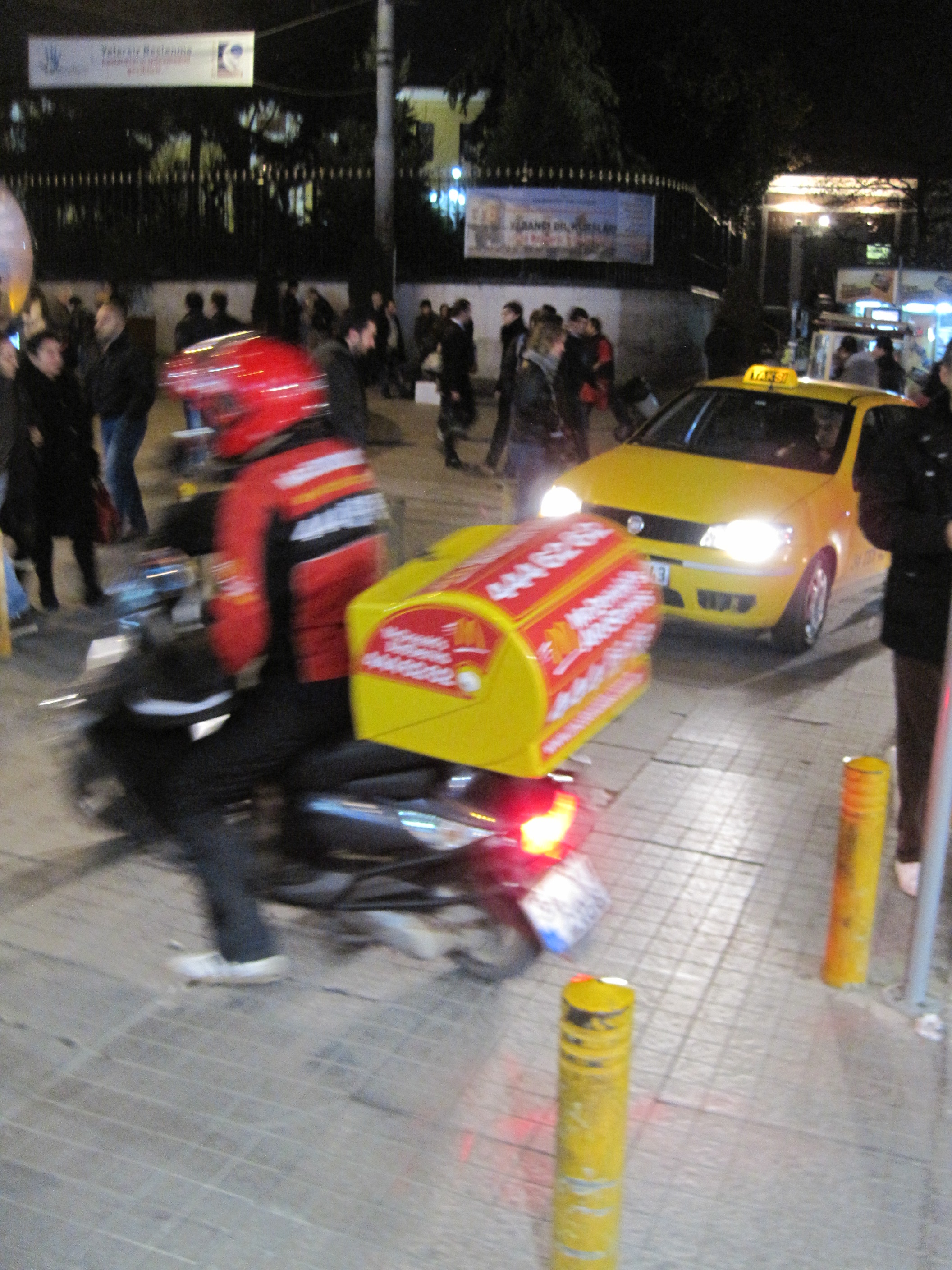
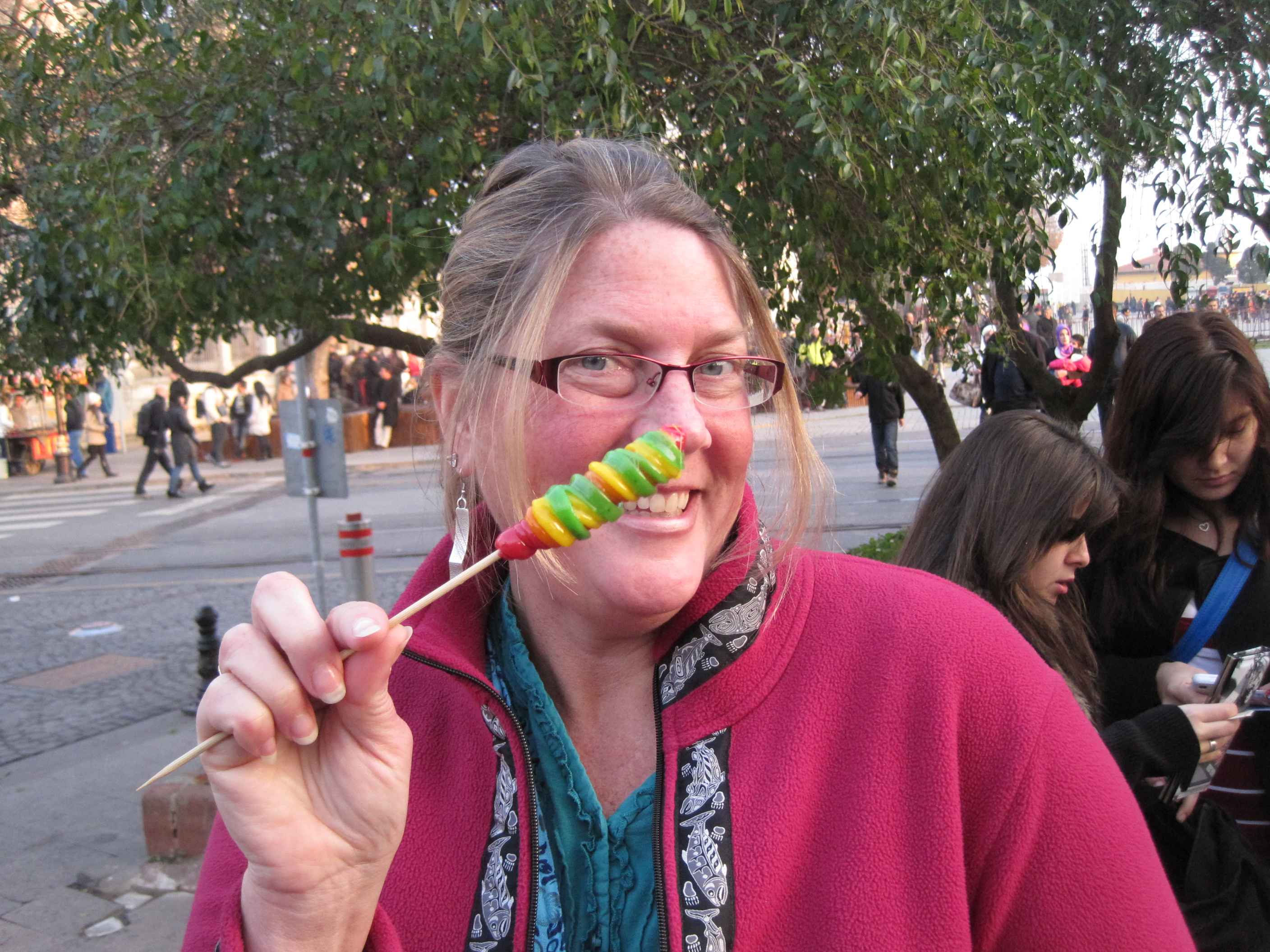
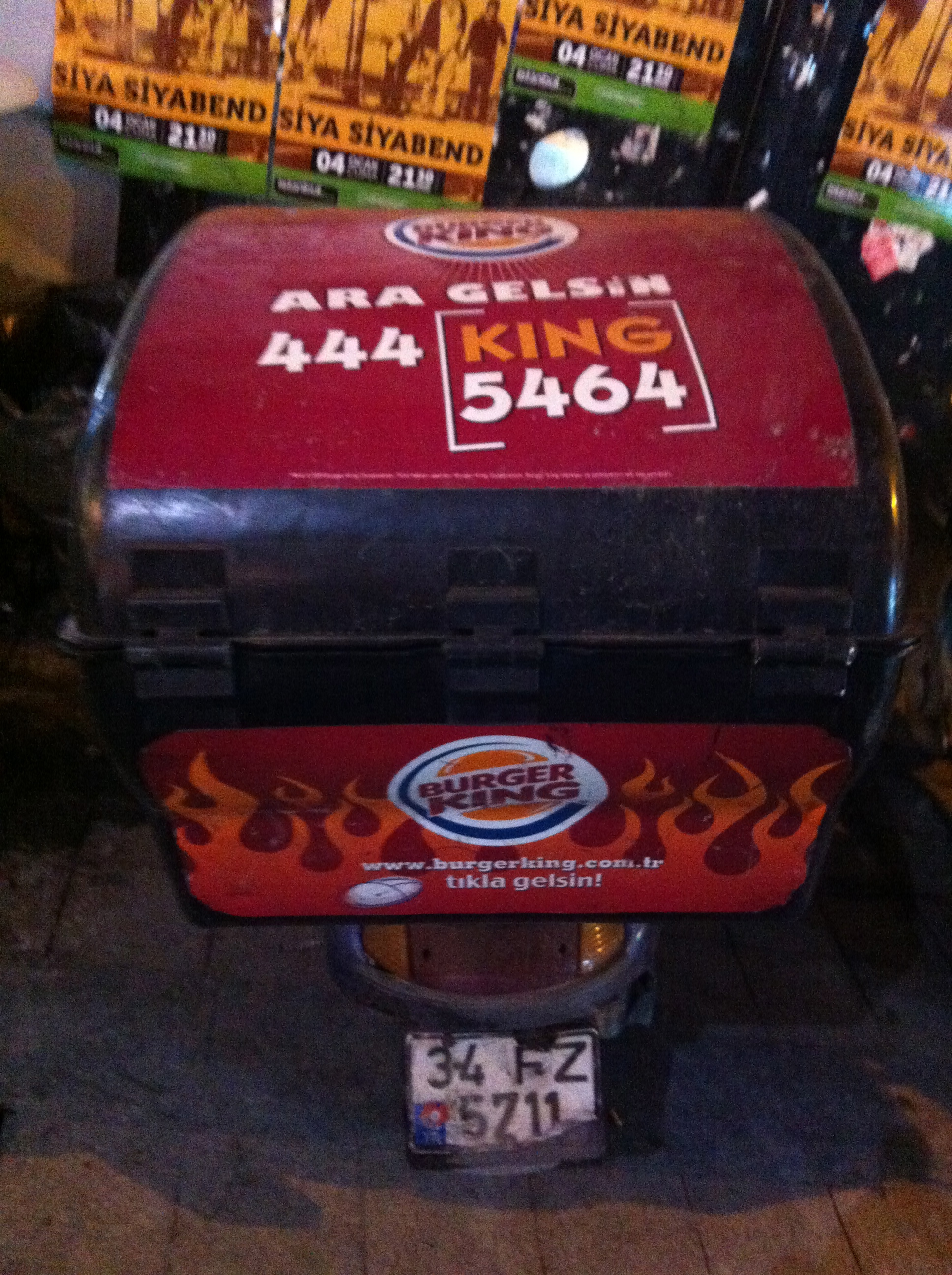
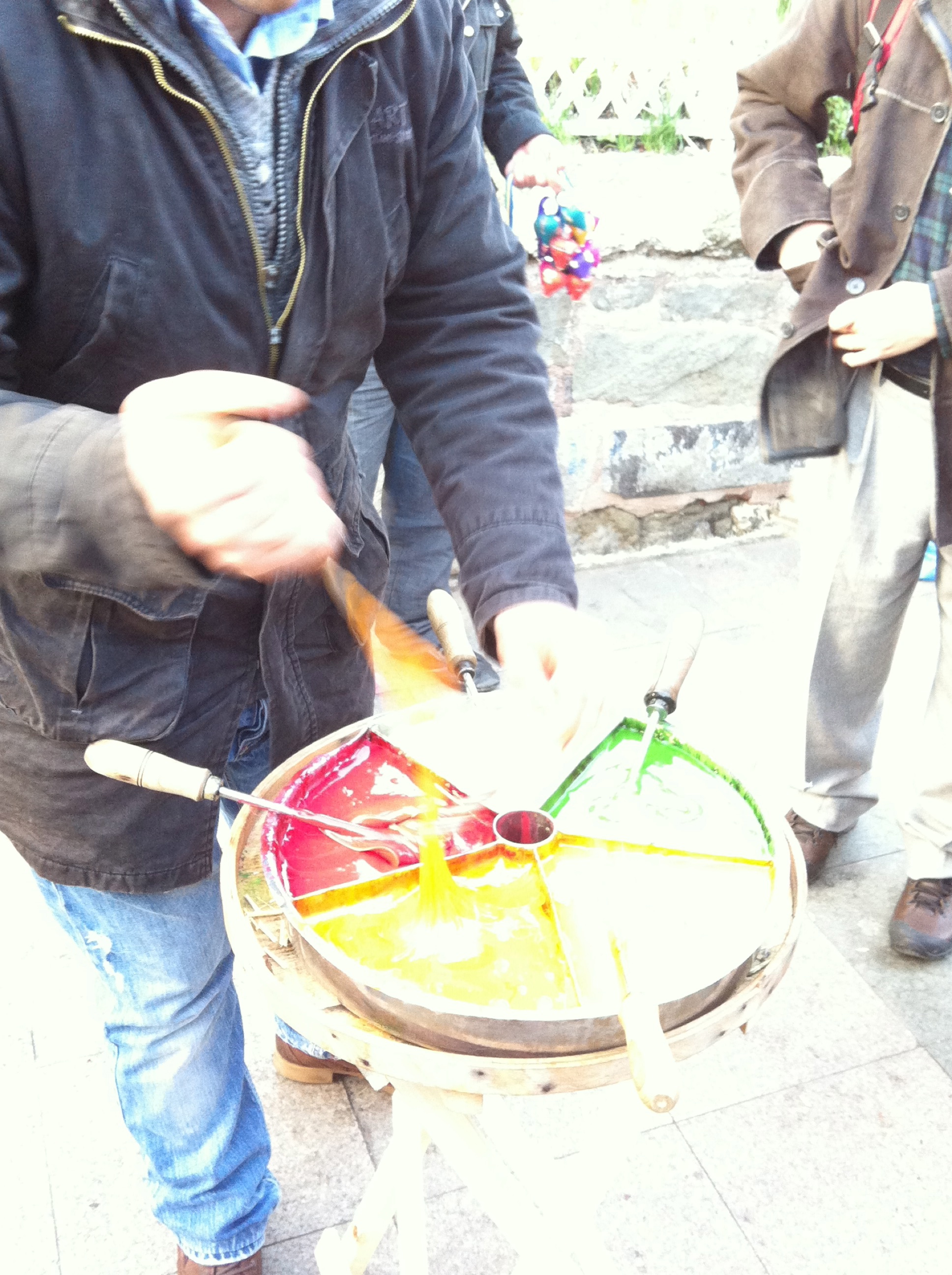
funny things also included bright sugary candy that was rolled onto a stick and the fact that McDonalds AND Burger King delivered (NO we never ate at one of them OR had them delivered).
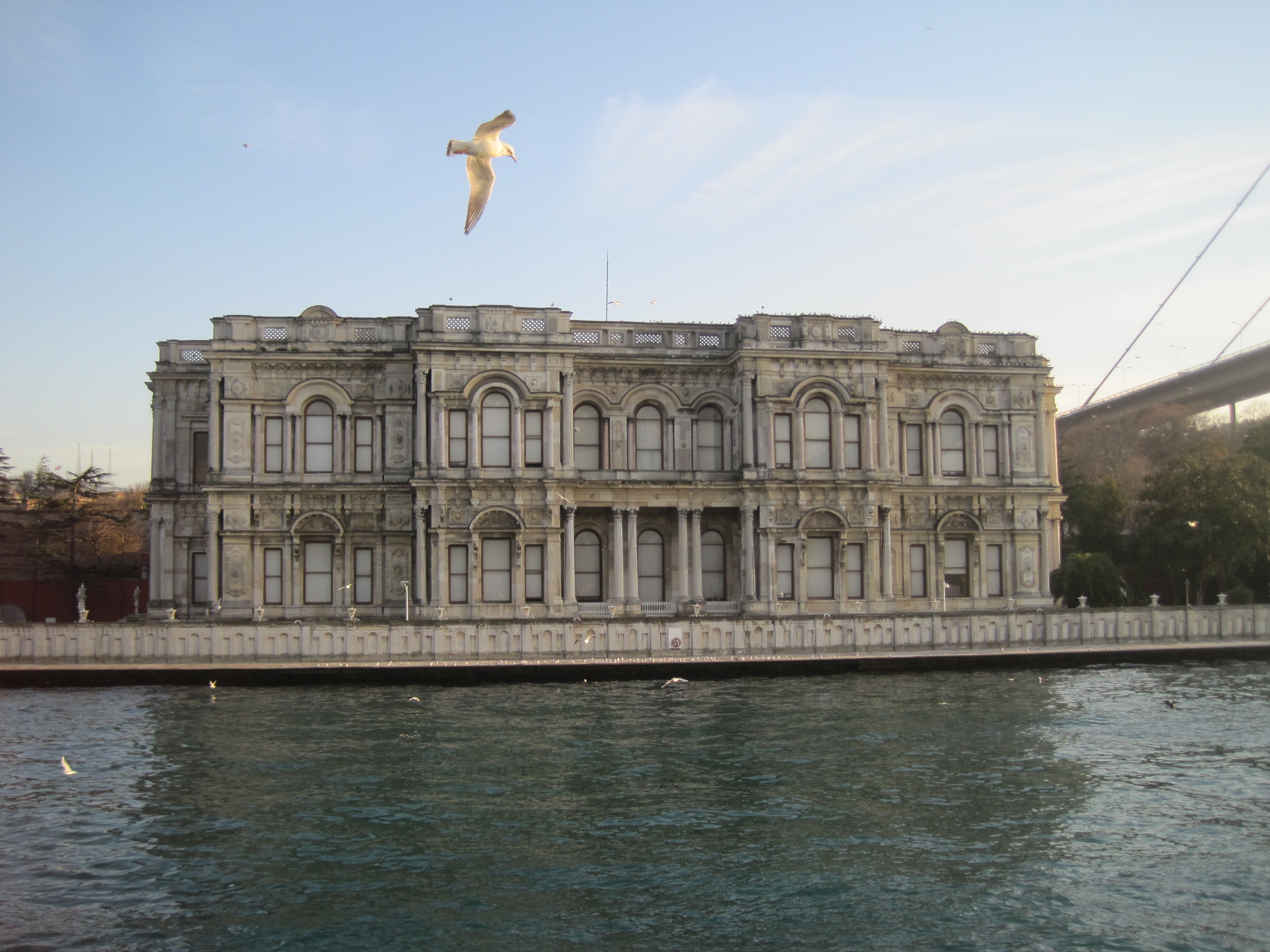
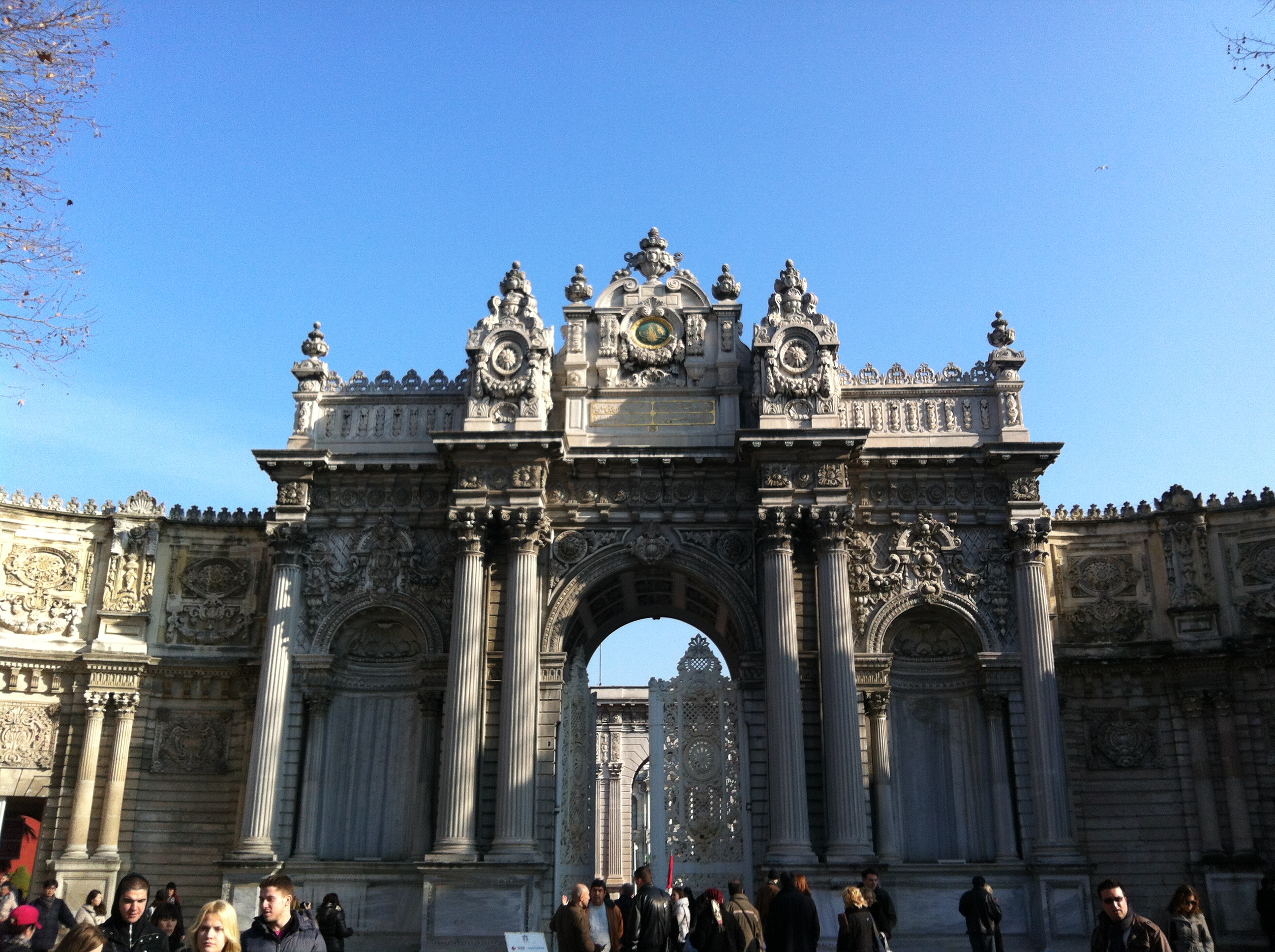
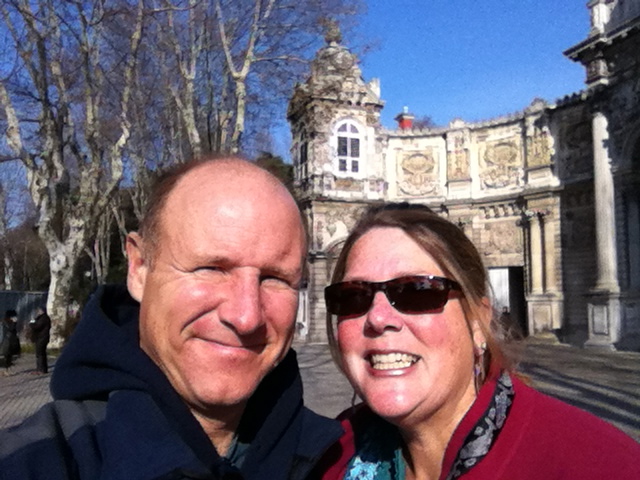
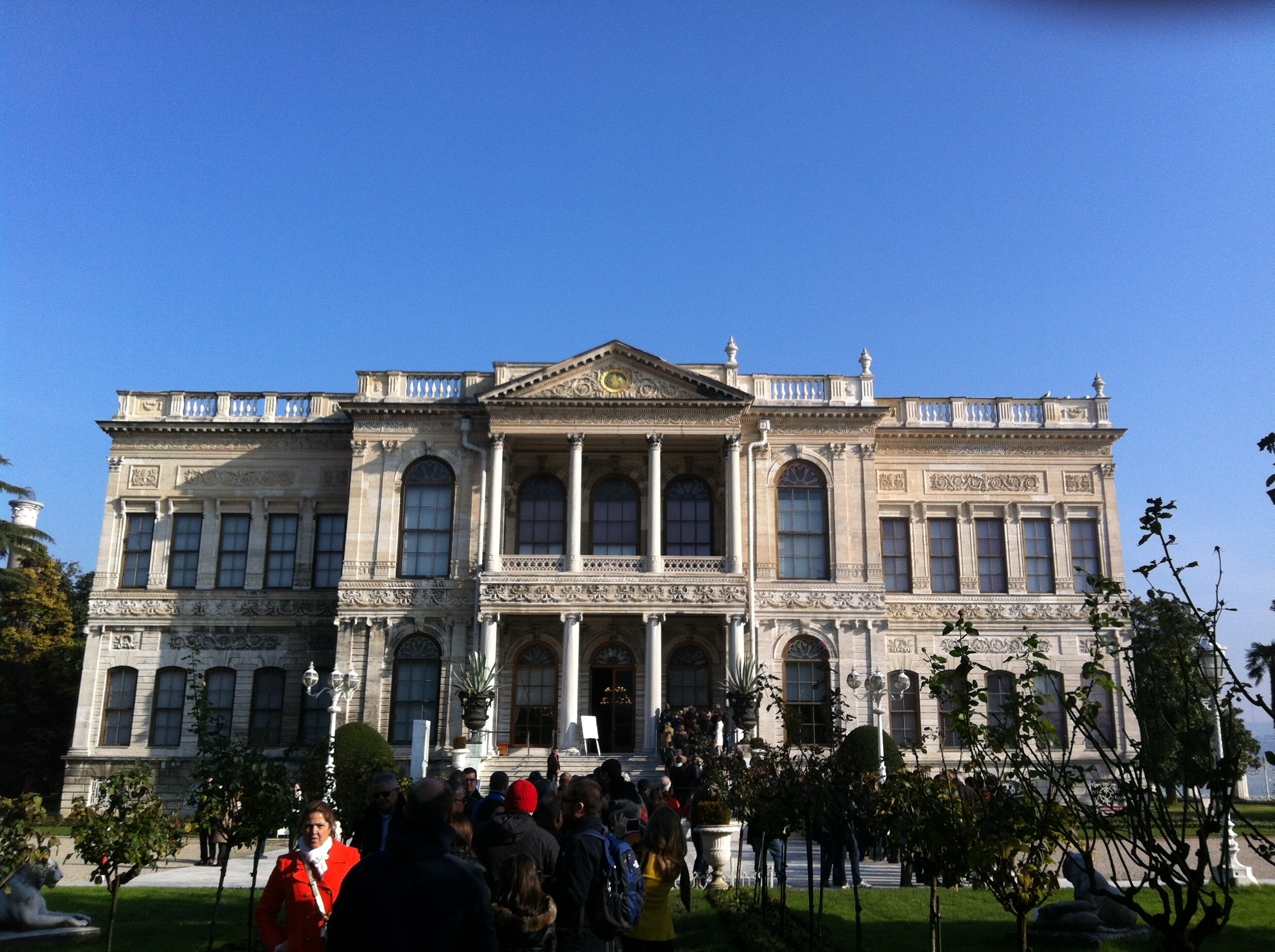
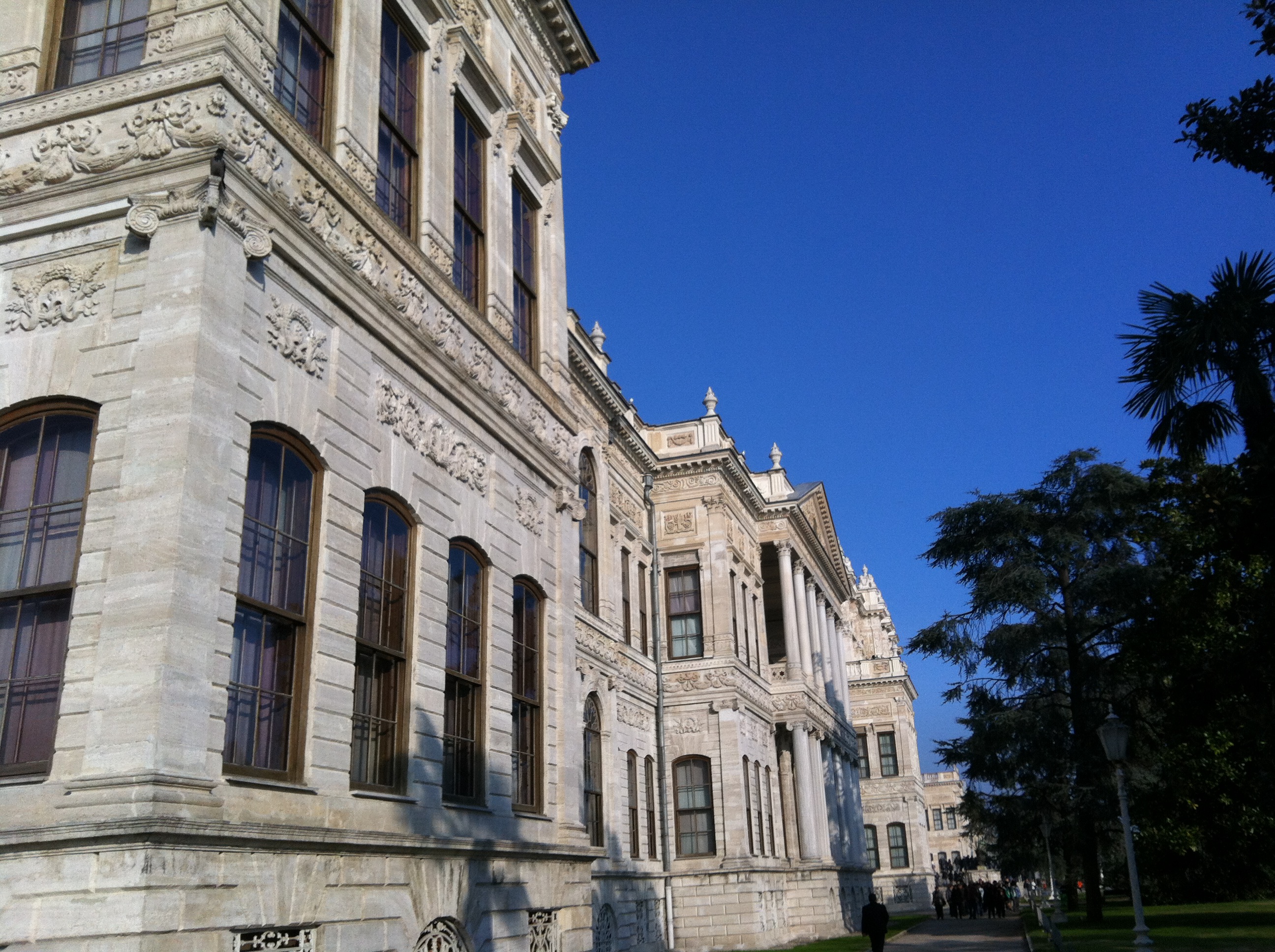
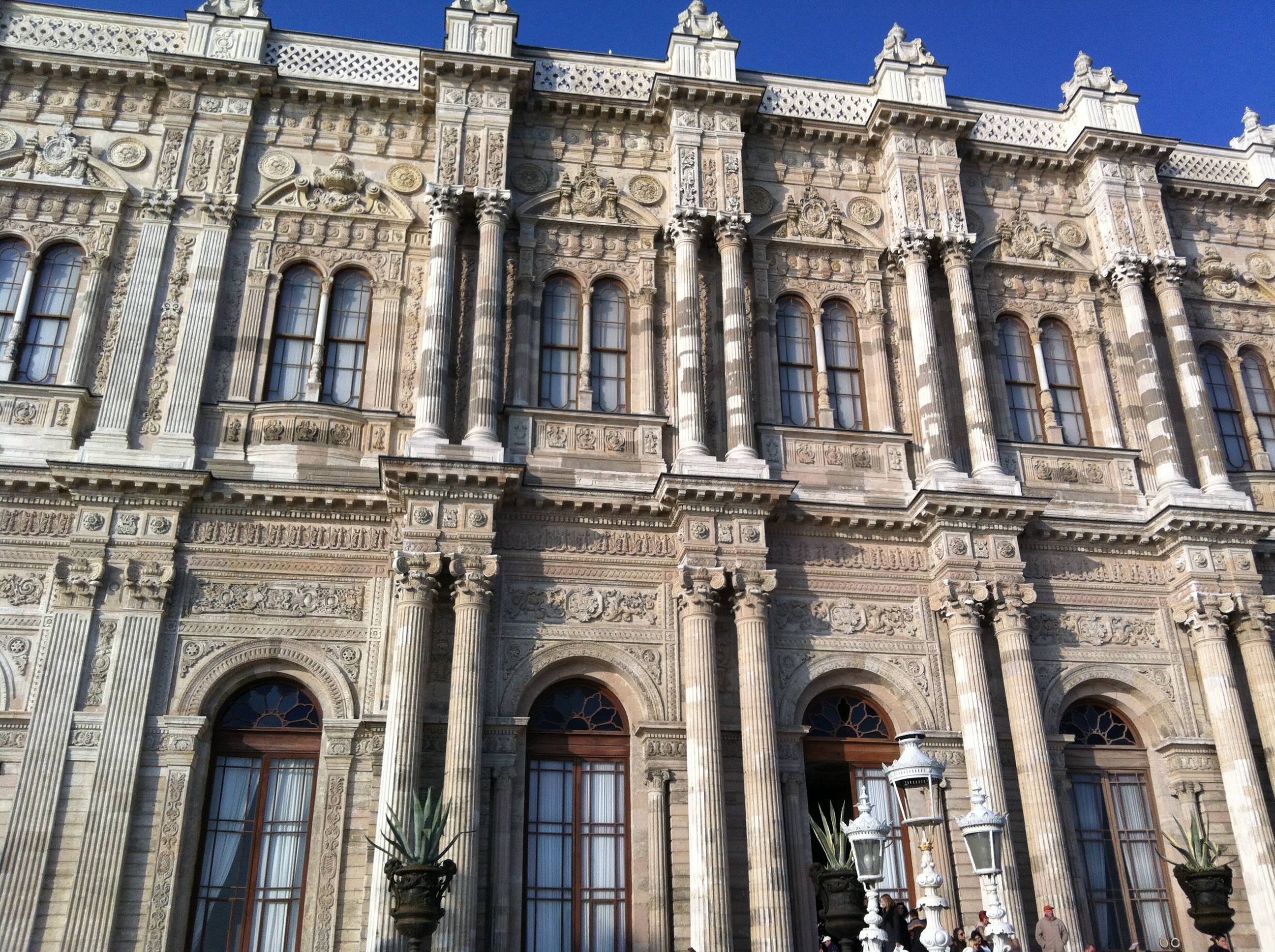
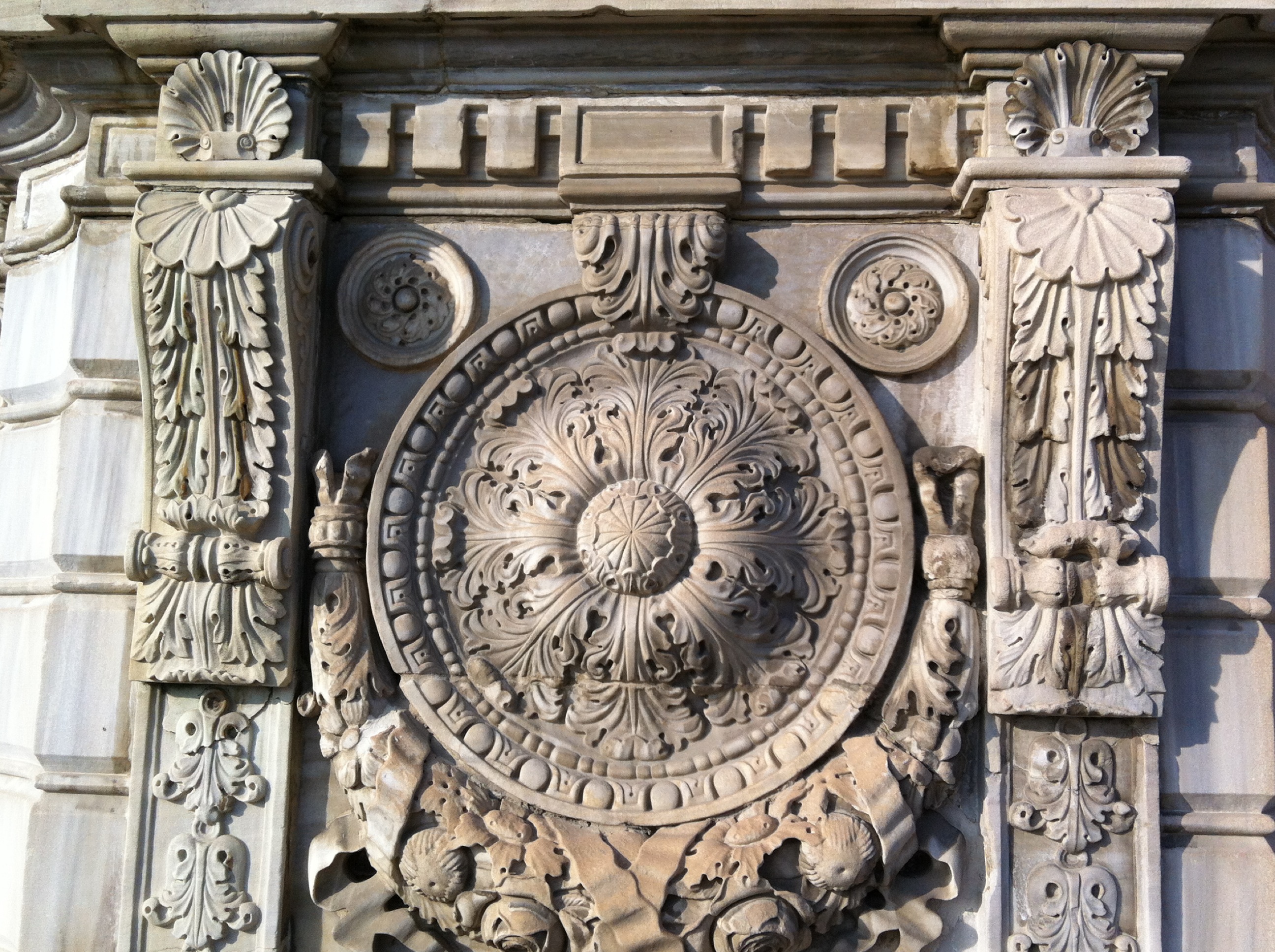
Dolmabahce Palace1/2/13Dohlmabahce Palace was built between 1843 and 1856 as the Sultan wanted to keep up with the rest of Europe and have an even more elaborate palace than Topkapi. The palace is large and elegant and well worth touring, though a bit frustrating. We first came by on Tuesday, (New Year’s Day) as it was NOT listed on their website that it was closed that day, and we knew it was closed on Monday’s and Thursday’s but no indication it was closed other days. Sadly we had to return the next day.
clock tower outside of palace
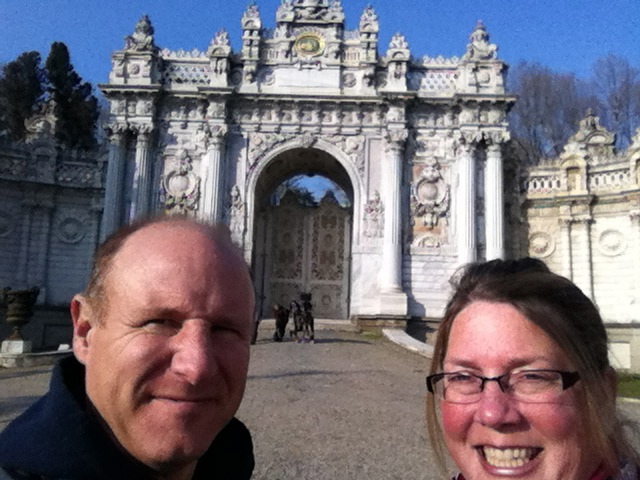
entry gate
yep the sunshine was wonderful
the entrance to the palace
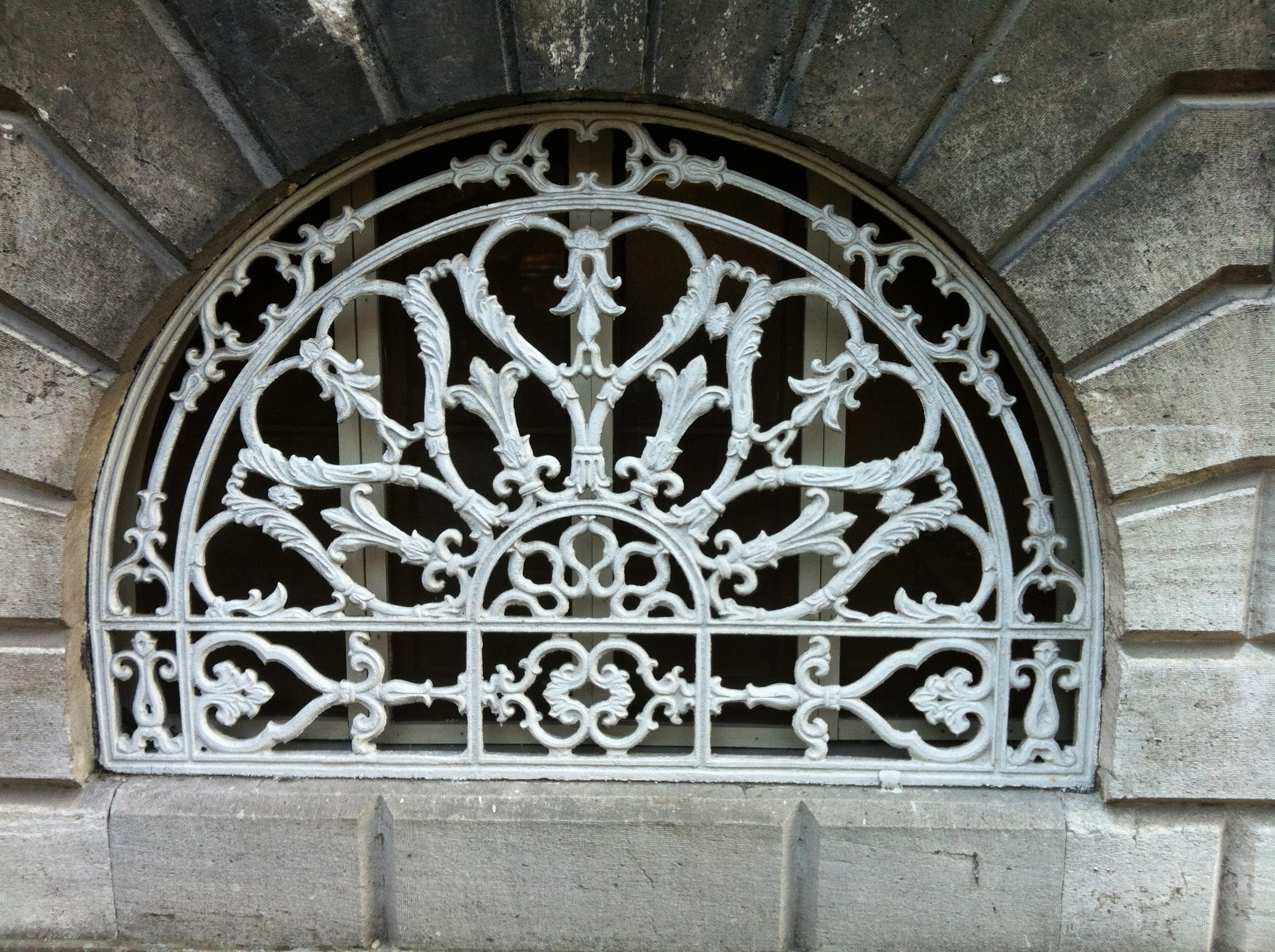
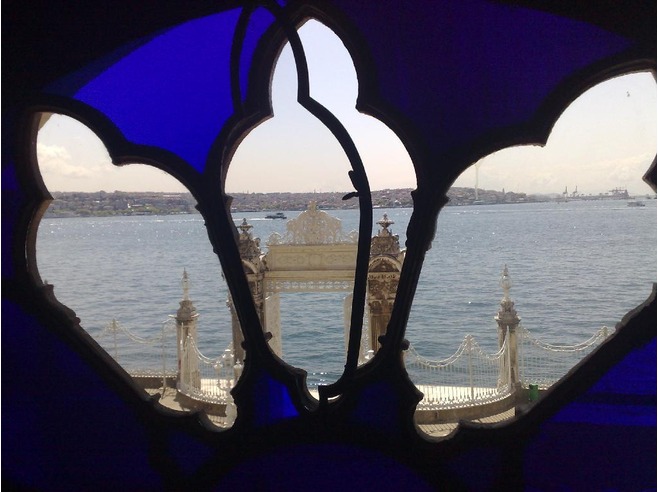
outdoor window covering
this is from the inside looking out and the pic beside is the same window outside looking in.
the window from the outside looking in
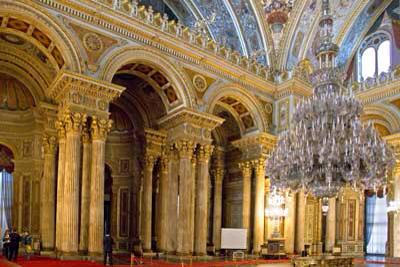
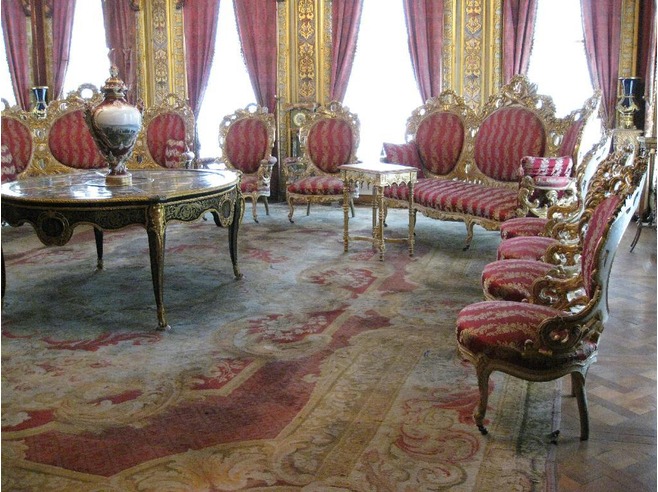
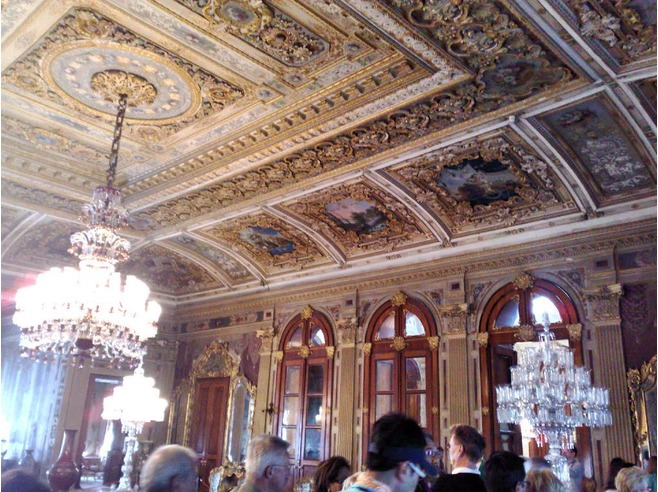
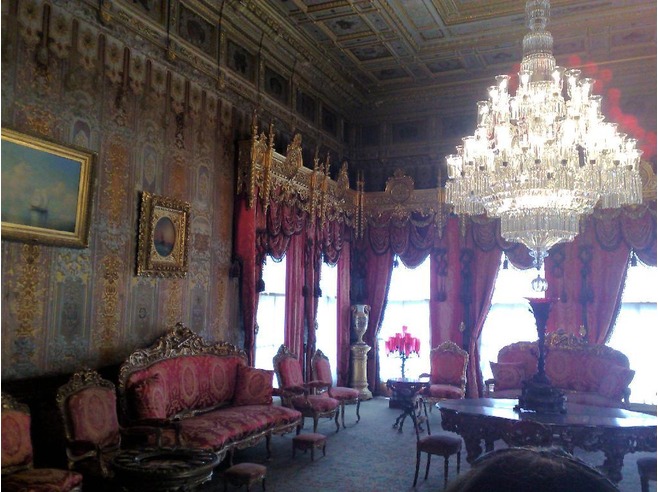
Once we got there on Wednesday, the first line just to get tickets in was ridiculously long and slow. It took over an hour as they only had one window open selling tickets. Once inside you must go on a “tour” so we had to wait in another line to join a 50 person tour. We opted for the longer tour that would include a tour of the state rooms, where you get to go through the large and ornate rooms where the Sultan entertained his guests. Then we toured the harem, which are the rooms where the Sultan’s family, his concubines, and their servants lived. The harem’s rooms are nice, but not as spectacular as the state rooms. They do not allow any photo’s to be taken inside either, so any pictures you see here I got off their website. We did take the outdoor pictures, as that is allowed.
Dolmabahce Palace is closed on Monday and Thursday!
The palace was built in 19th century is said to be one of the most glamorous palaces in the world. It has 285 rooms and 43 large salons. The tour of the Selamlık begins with anterooms, then a climb up the crystal staircase. There are lots of decorations, LOTS of gold painted items. There are also many large chandeliers in the palace, but the largest is made of Bohemian glass and weights over 4.5 Tons, it has 660 light bulbs in it. This Bohemian chandelier was given to Ottoman Sultan as a present from Queen Victoria.
After exiting the palace you go outside and around to the harem. Shockingly, we had to wait in another line to tour the harem! The harem is where the family and help lived and is certainly more moderate than the palace. 6 sultans and 2 presidents lived in this area over the160 years before it became a museum.
Dolmabahce palace is very important to the Turkish people because the supreme leader, Mustafa Kemal Ataturk, used the palace as a residence until he passed away in 1938 at 9:05 a.m. All the clocks in the palace are stopped at this time to honor him.
It is easy to get there from anywhere in Istanbul by taking the blue line tram to the Kabatas end and walking about ¼ mile. You will see the clock tower first then the lines begin! It is about $15 for the palace and another $12 for the Harem. Before you go in you have to put plastic bags over your shoes so to not damage the floor.
I’d have to say that this was one of the highlights of our days on Crete.
this maps out the route we took. Highly recommend going through one of the gorges on the island! Well worth the trip.
It would surprise no one that knows us that we ‘happened’ up a brewery while on Crete. We literally were driving down a road and saw a sign for it. I immediately pulled over anxious to let Harry try a micro brew while in Greece. However to our disappointment this is what the sign read when we got to the front door:
so sad that we could not go on a tour!
Brewery tours are possible every first Saturday of the month between 10:00 and 12:00 in the morning.As you can imagine, that is now when we were there so no beer tasting for us!
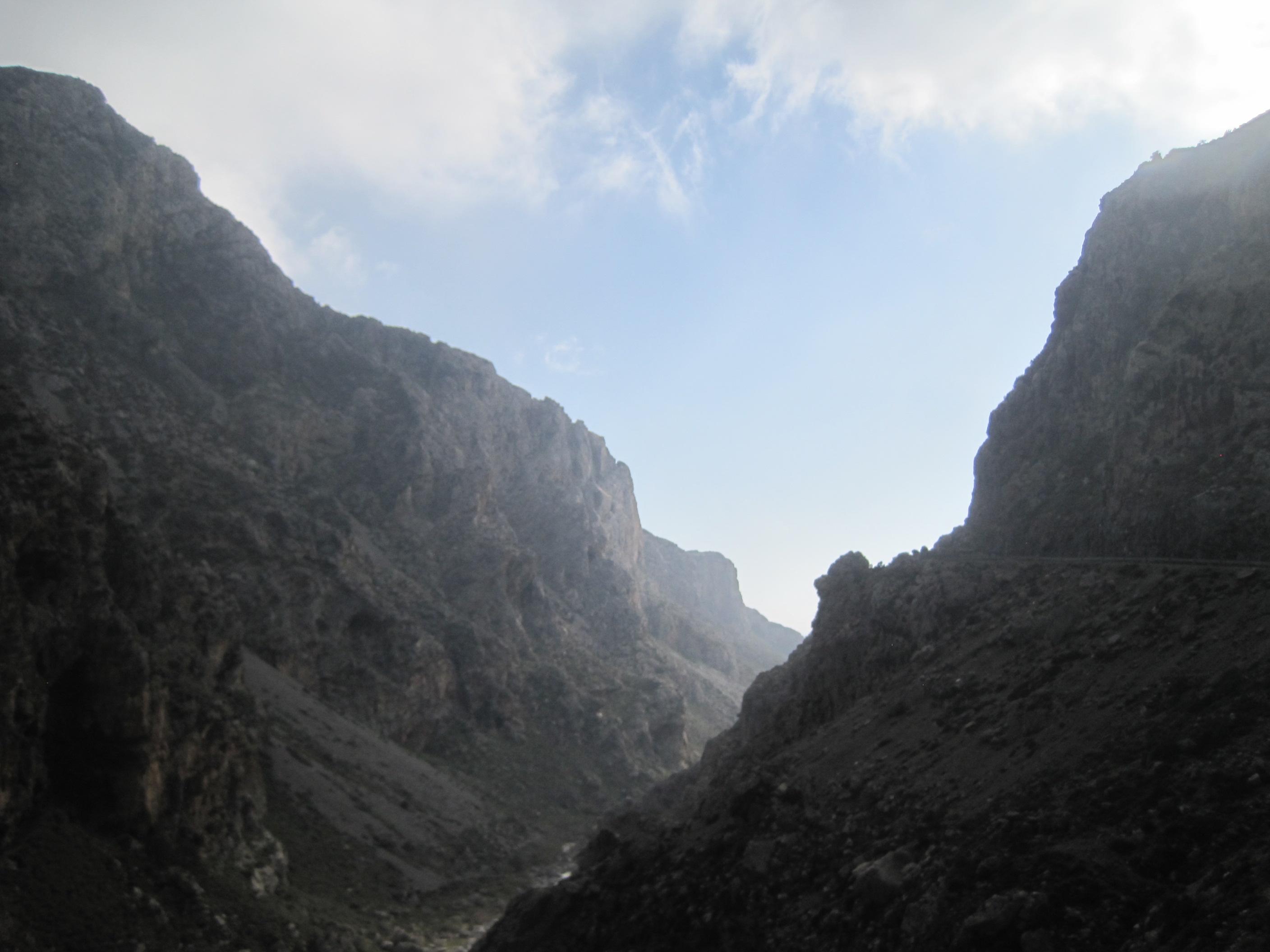
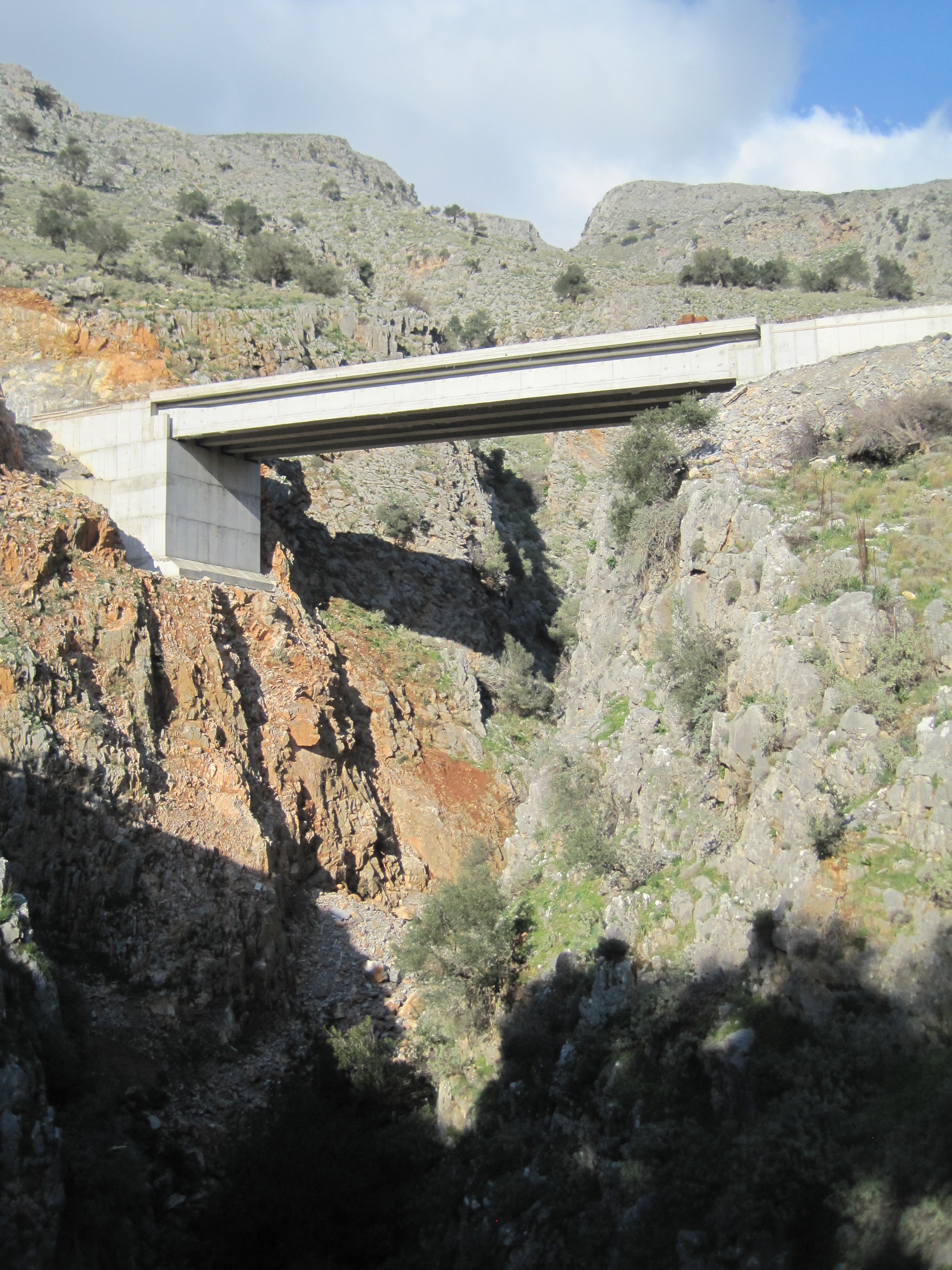
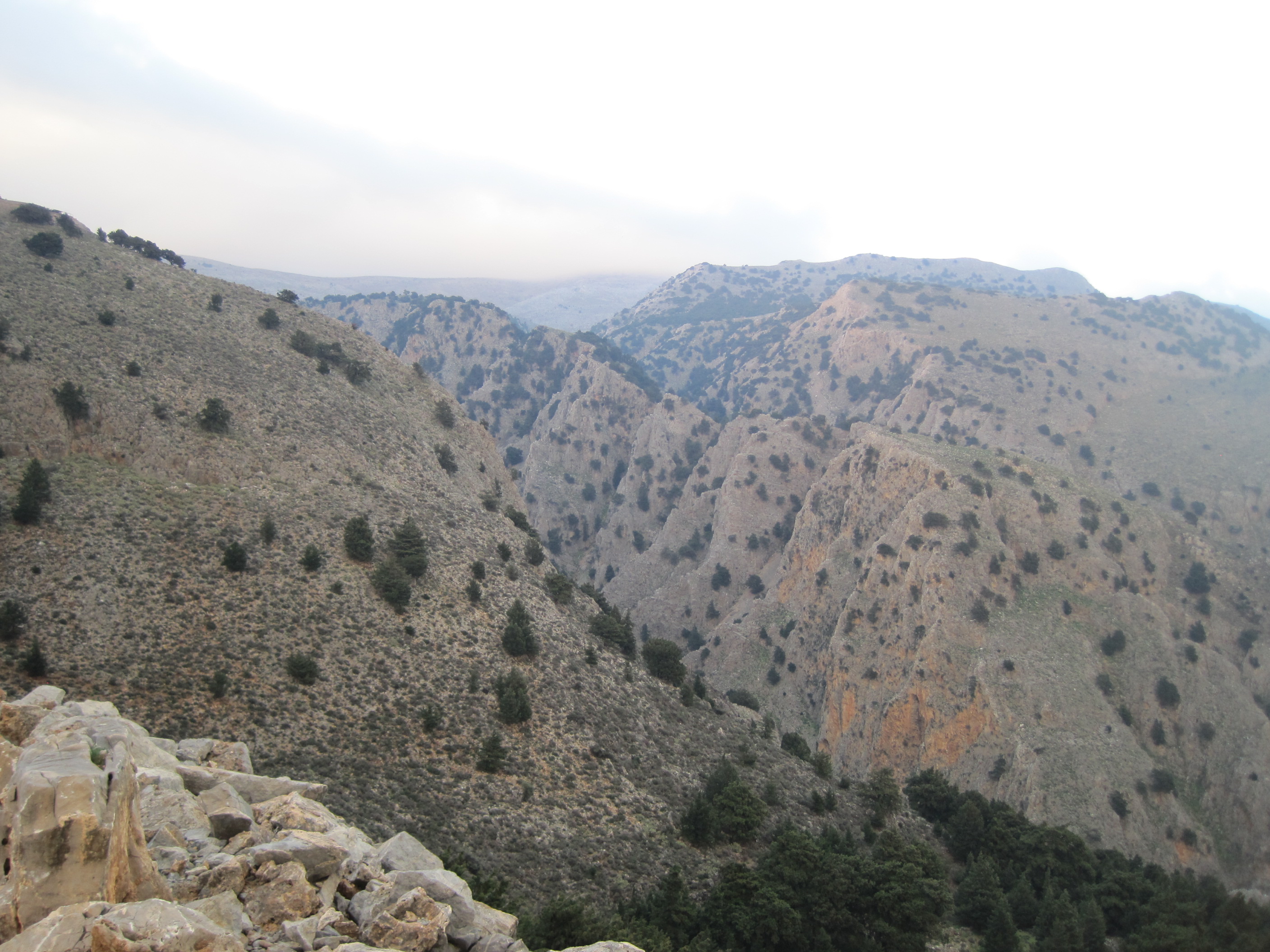
we could see that there was sunshine on the south part of the island and we were excited to get to it! hard for a picture to show the gorge but it was incredible.
We drove from our place in Almyrida towards Rethymno and then turned inland. We proceeded to the village of Alikianos and Aghia Irini. This was the Gorge of Kourtaliotiko
the river running out of the gorge
(or so we think that is the one, there were not a lot of maps, so this information comes from the sweet woman, Yarniss that helped us with our rental car). It possibly could have been the Selia Gorge, but regardless it was amazing!
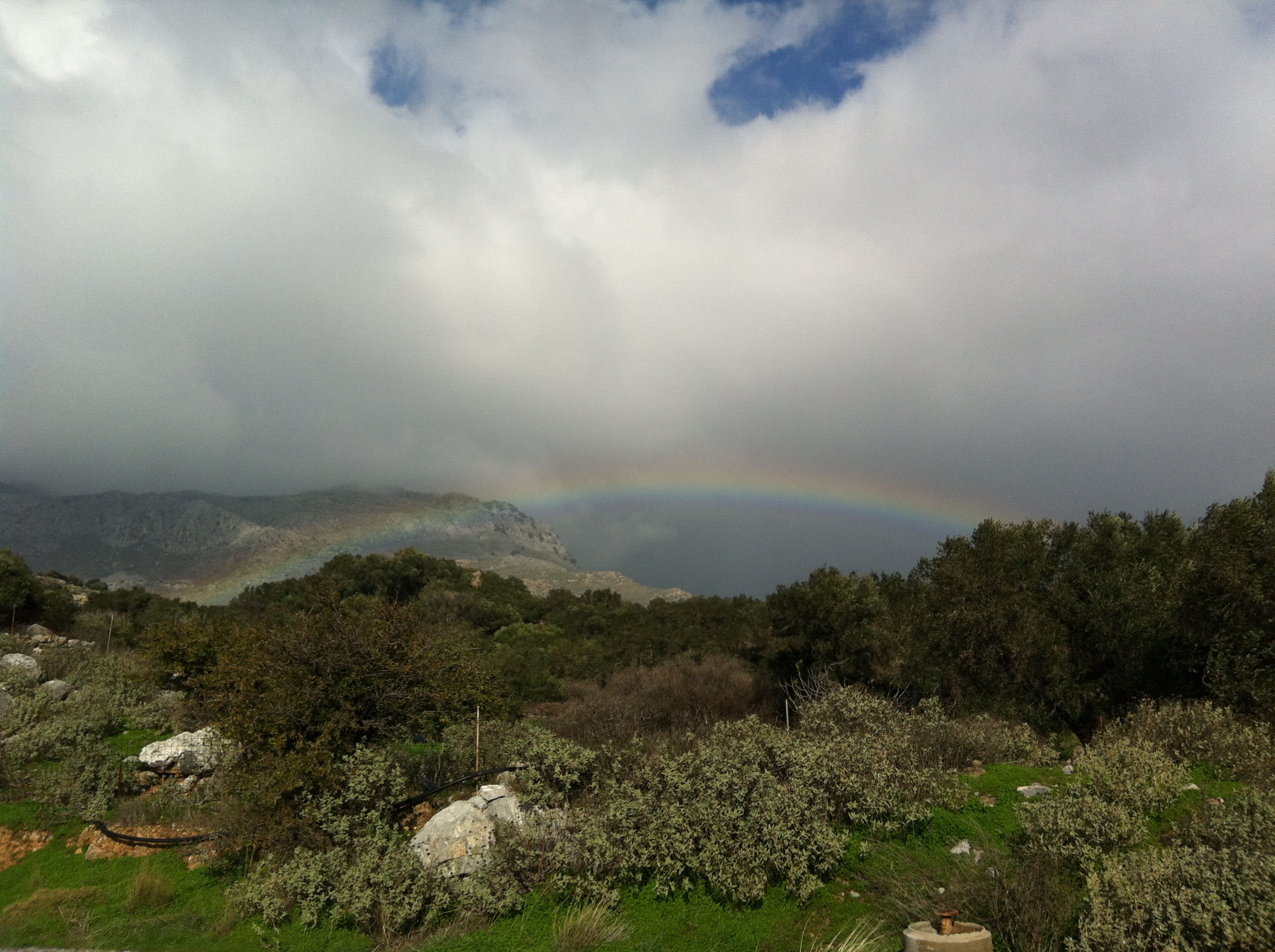
rainbow! looking back on Mirthianos Plakias
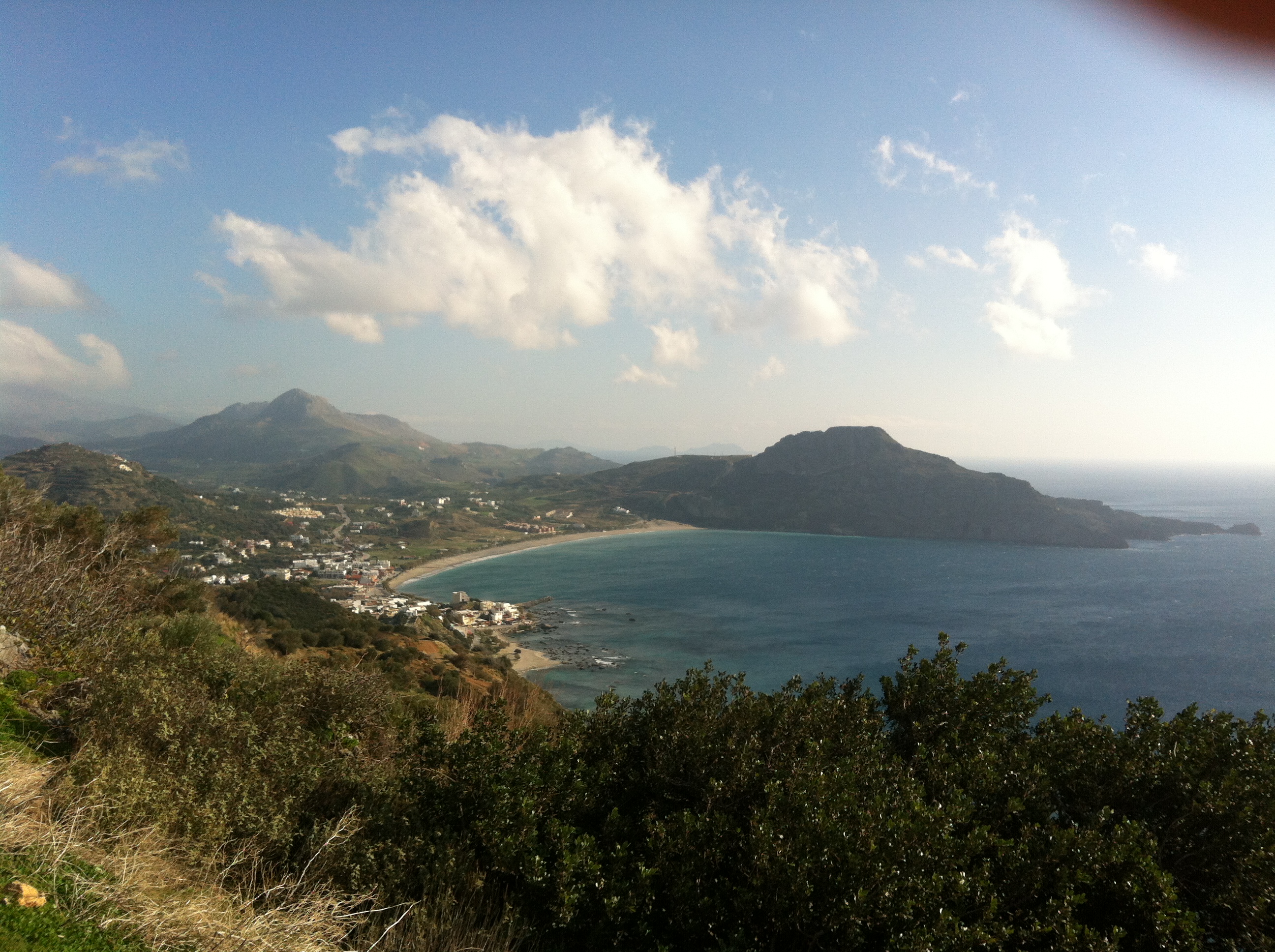
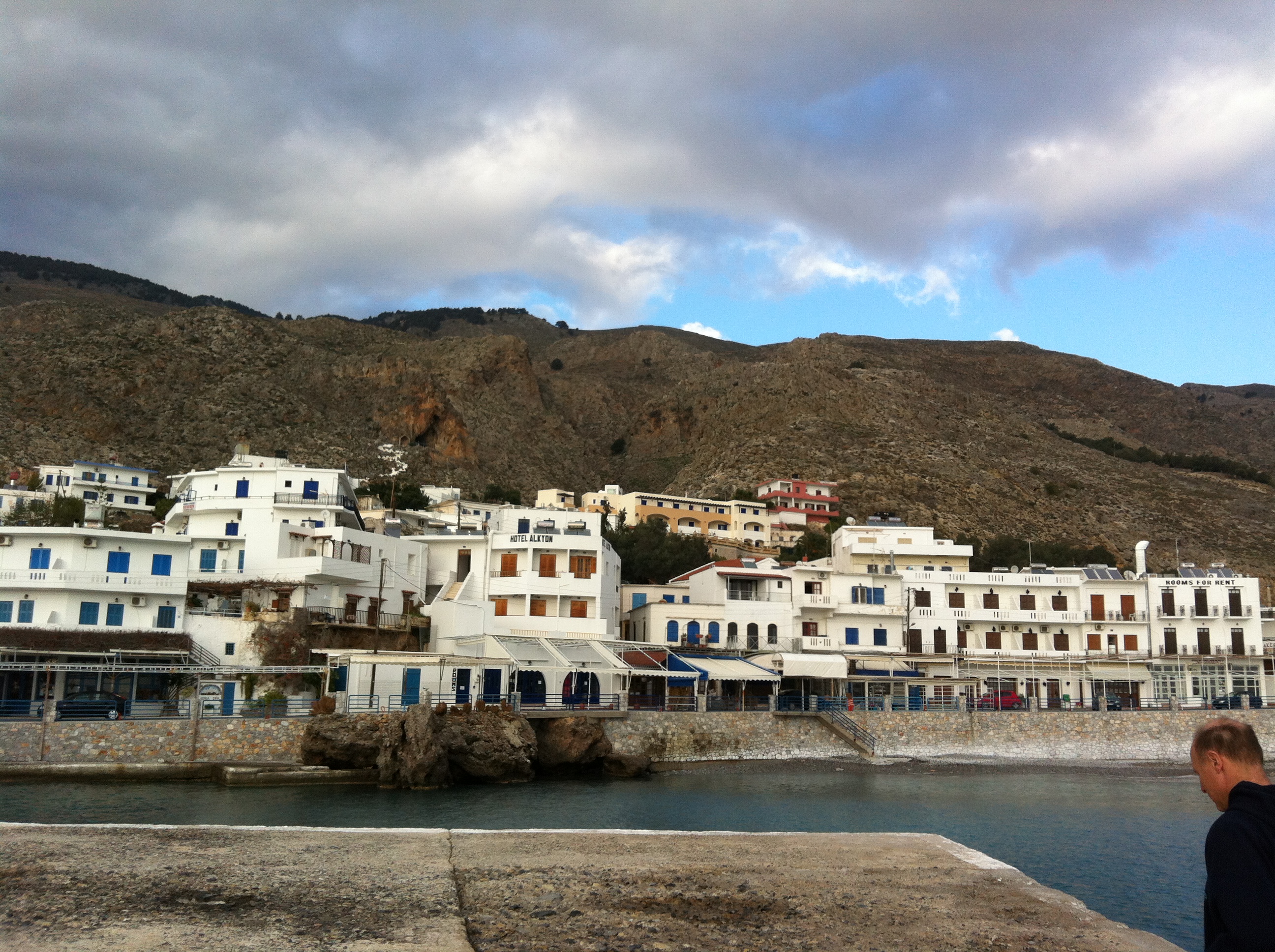
We even picked up a few hitch hikers along the way. They only rode about 5 miles with us, one of them was Greek the other from England. We took them to Mirthianos Plakias their final destination and we continued to Hora Sfakion a BEAUTIFUL coastal town.
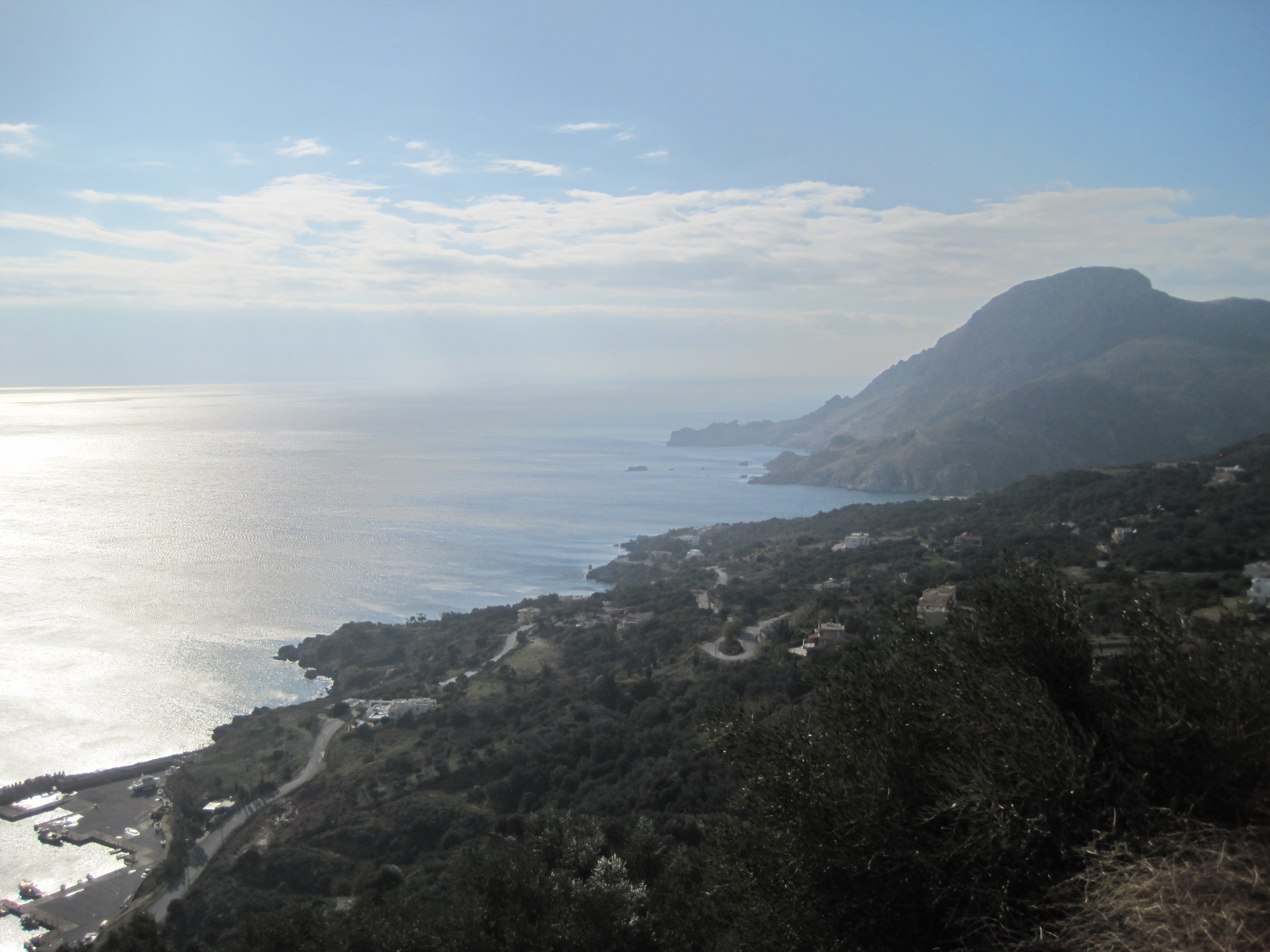
looking towards the west though we loved Crete it did rain many of the days we were there, so the sunshine made us smile!
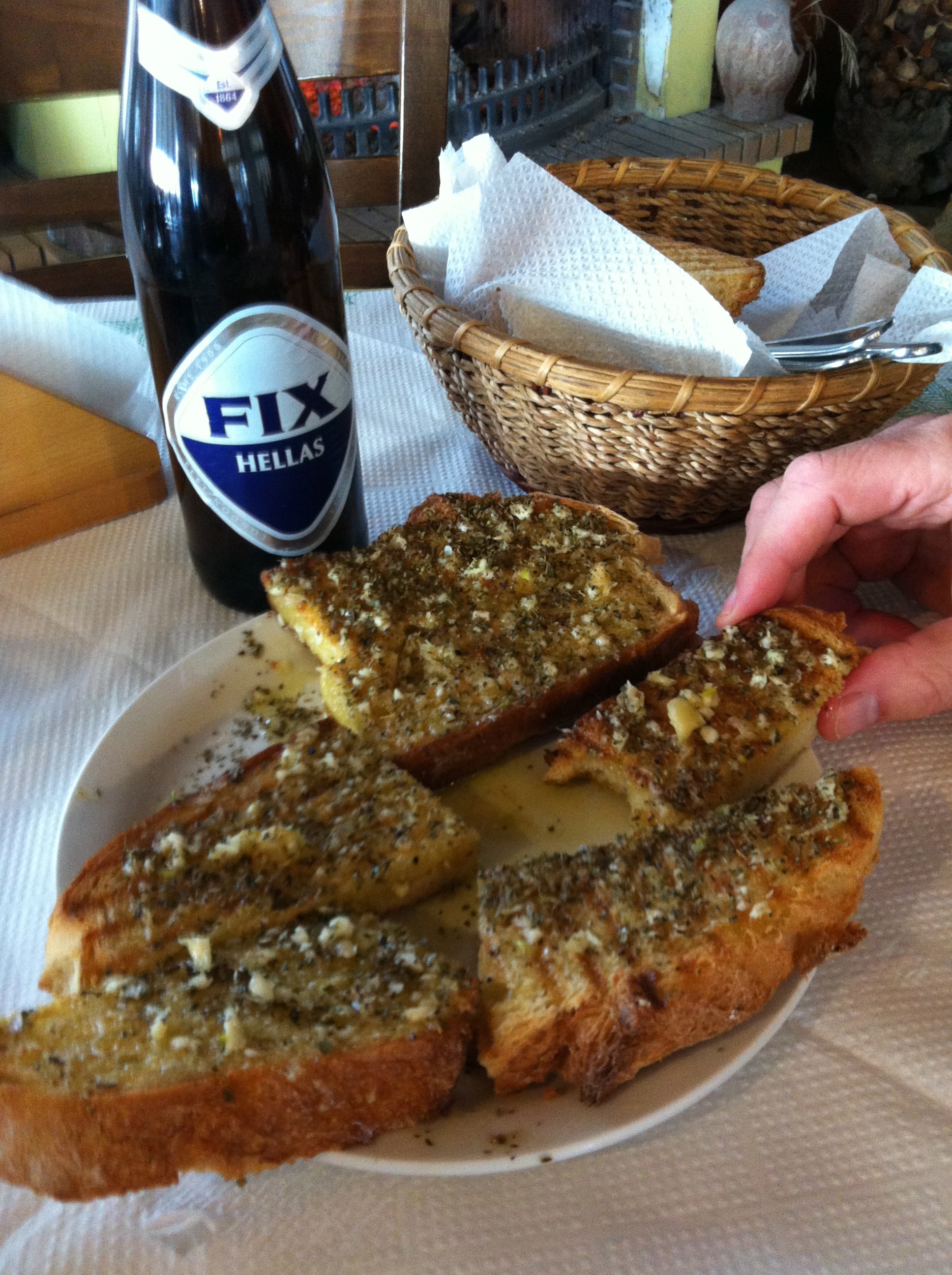
It was Christmas Eve and our last day on Crete. We stopped for dinner at a delightful family owned restaurant where we were treated as special guests. We had fantastic meals, one lamb with yogurt and one lamb with onions. They also brought us the best garlic bread we’ve ever had and then Christmas cookies for dessert.
Hora Sfakion was a tourist town and for the most part closed down for the winter, but we had a nice time there and a great dinner!
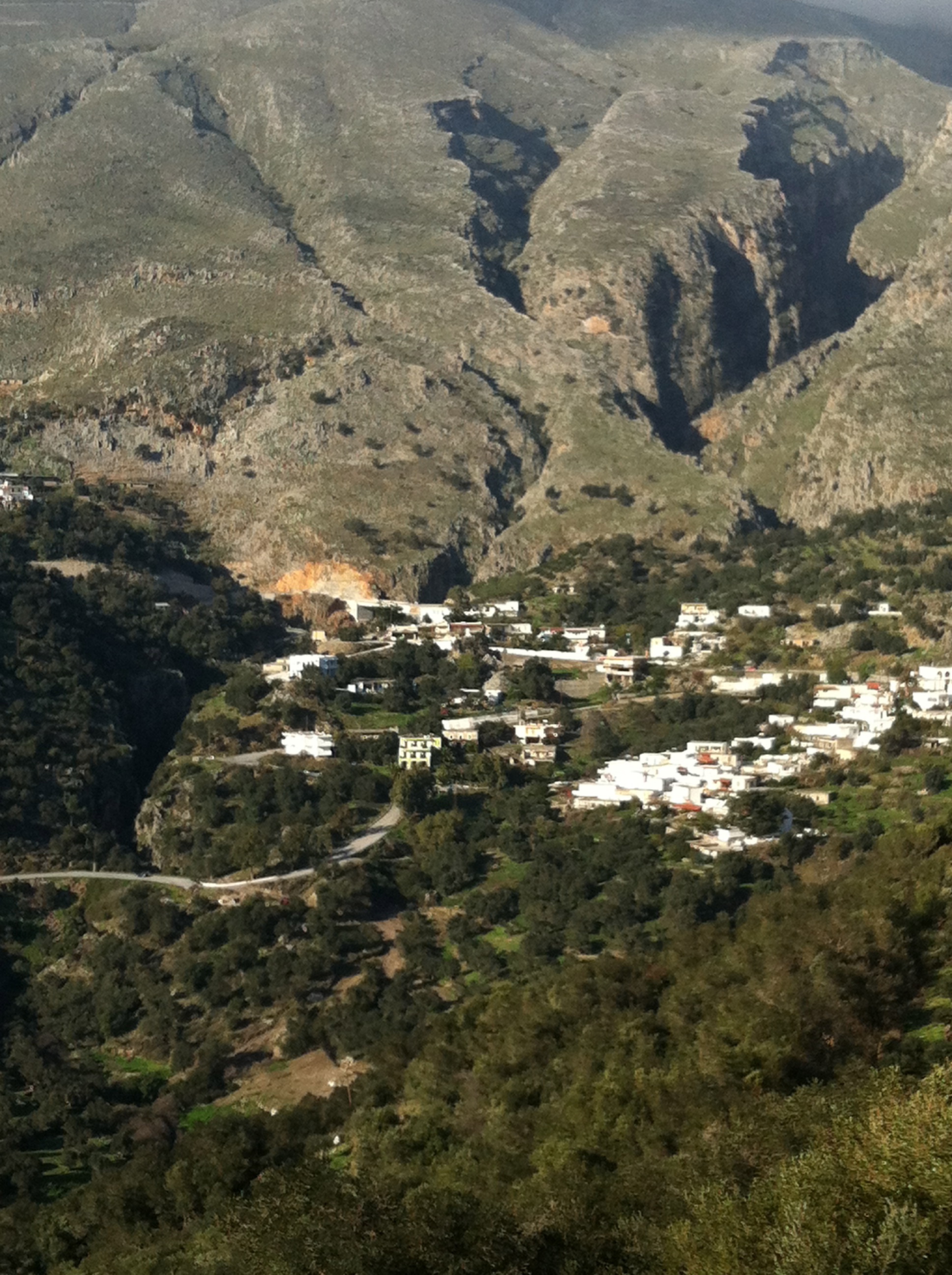
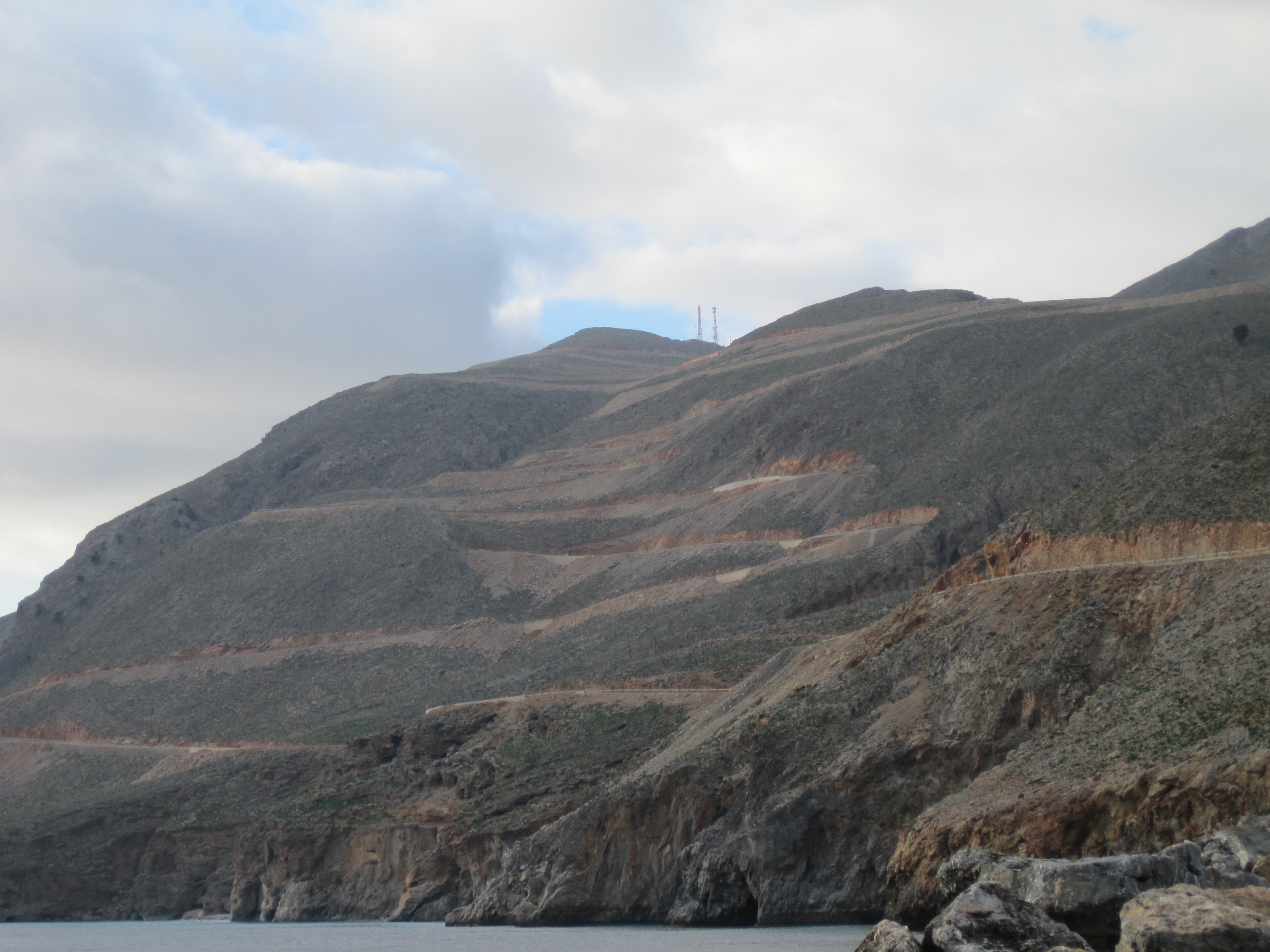
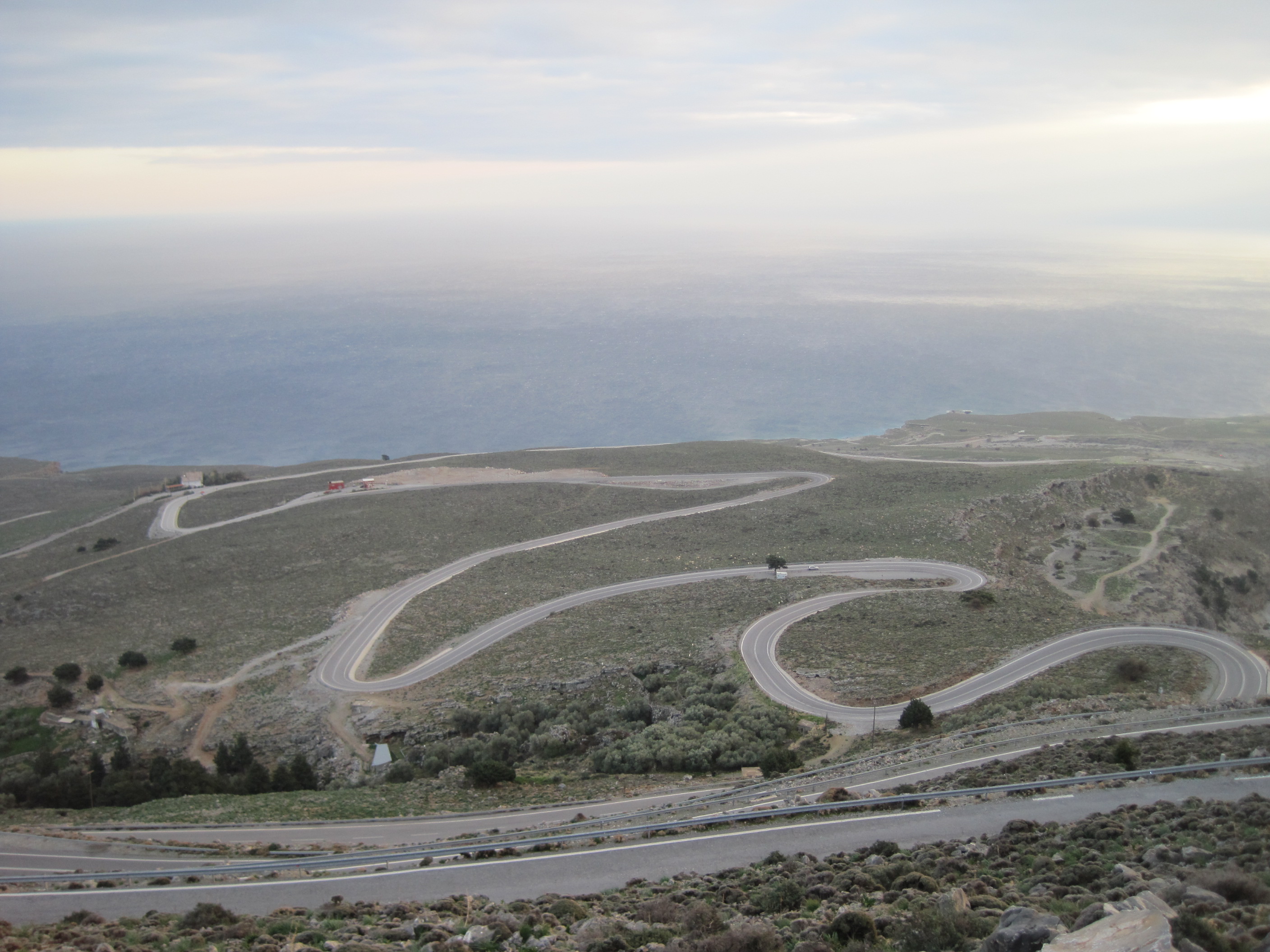
We headed back through another gorge towards Almyrida and marveled at the drive once again. There were many, many winding roads and a beautiful sunset as we got near the top.
We would highly recommend this drive to anyone that has a car and is interested in seeing some beautiful scenery.
look at those cuts into the mountain
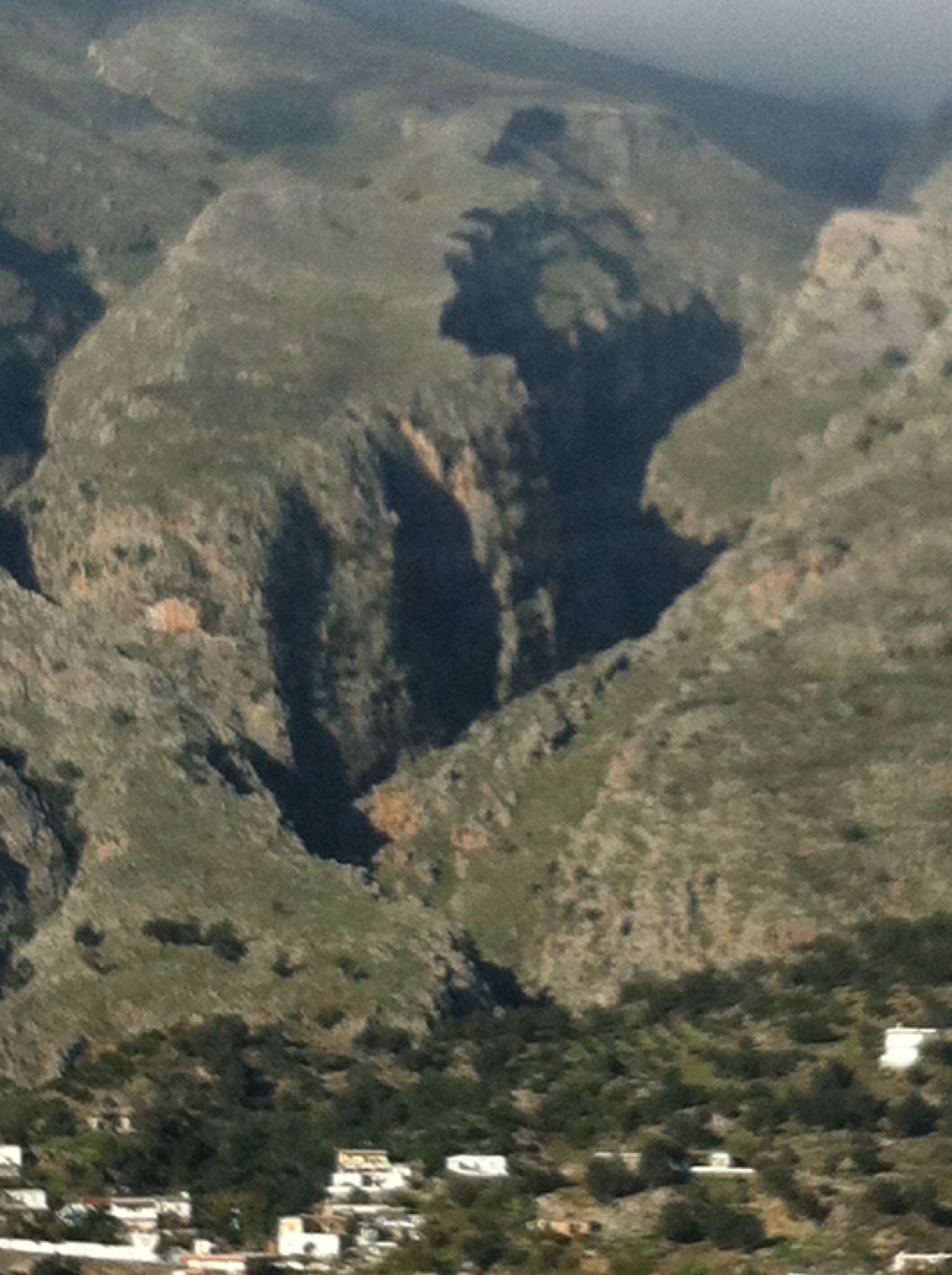
up close view of the gorge
look at these winding roads, we did not think it was our road, but in the end it was! amazing sun set
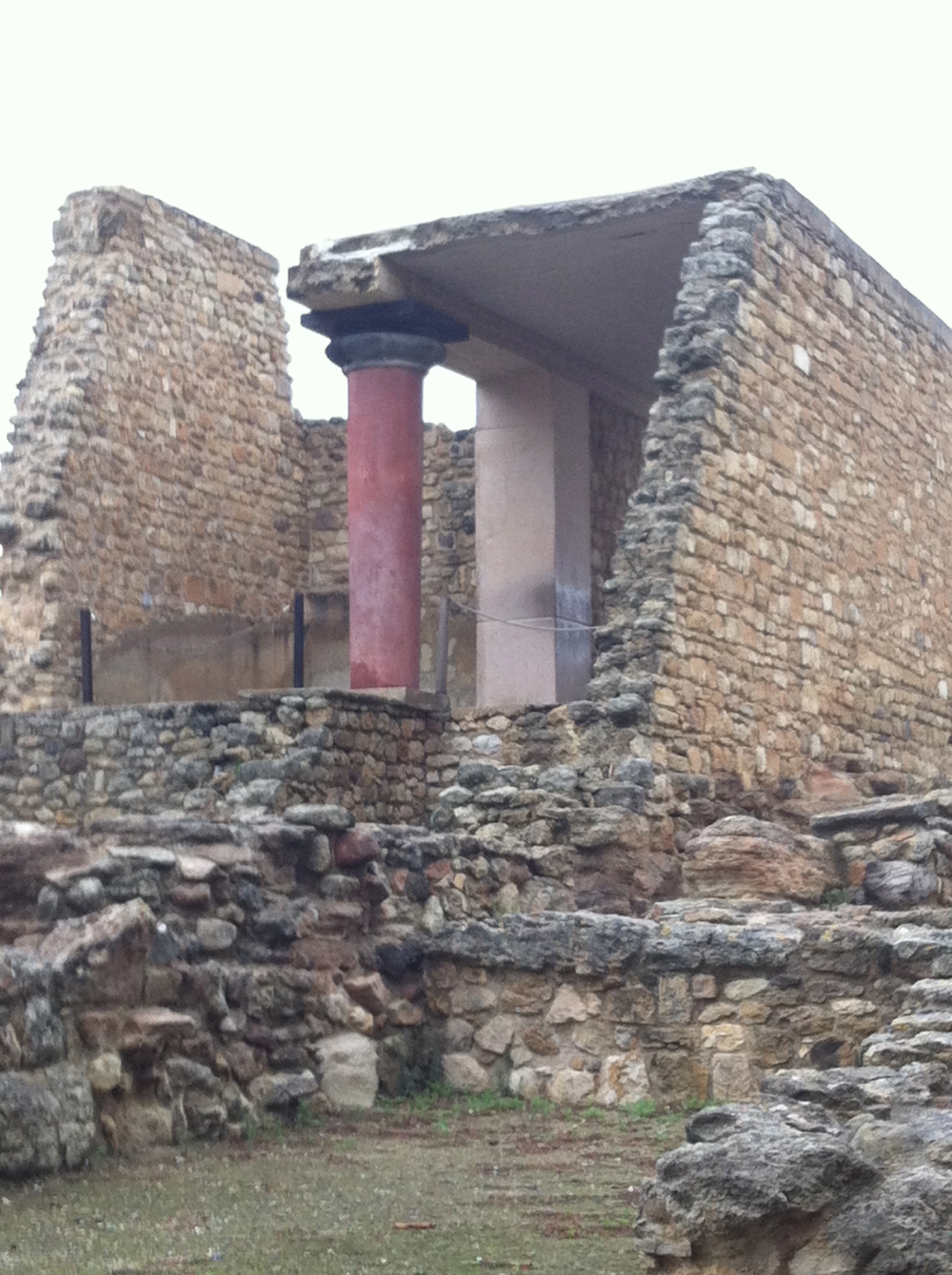
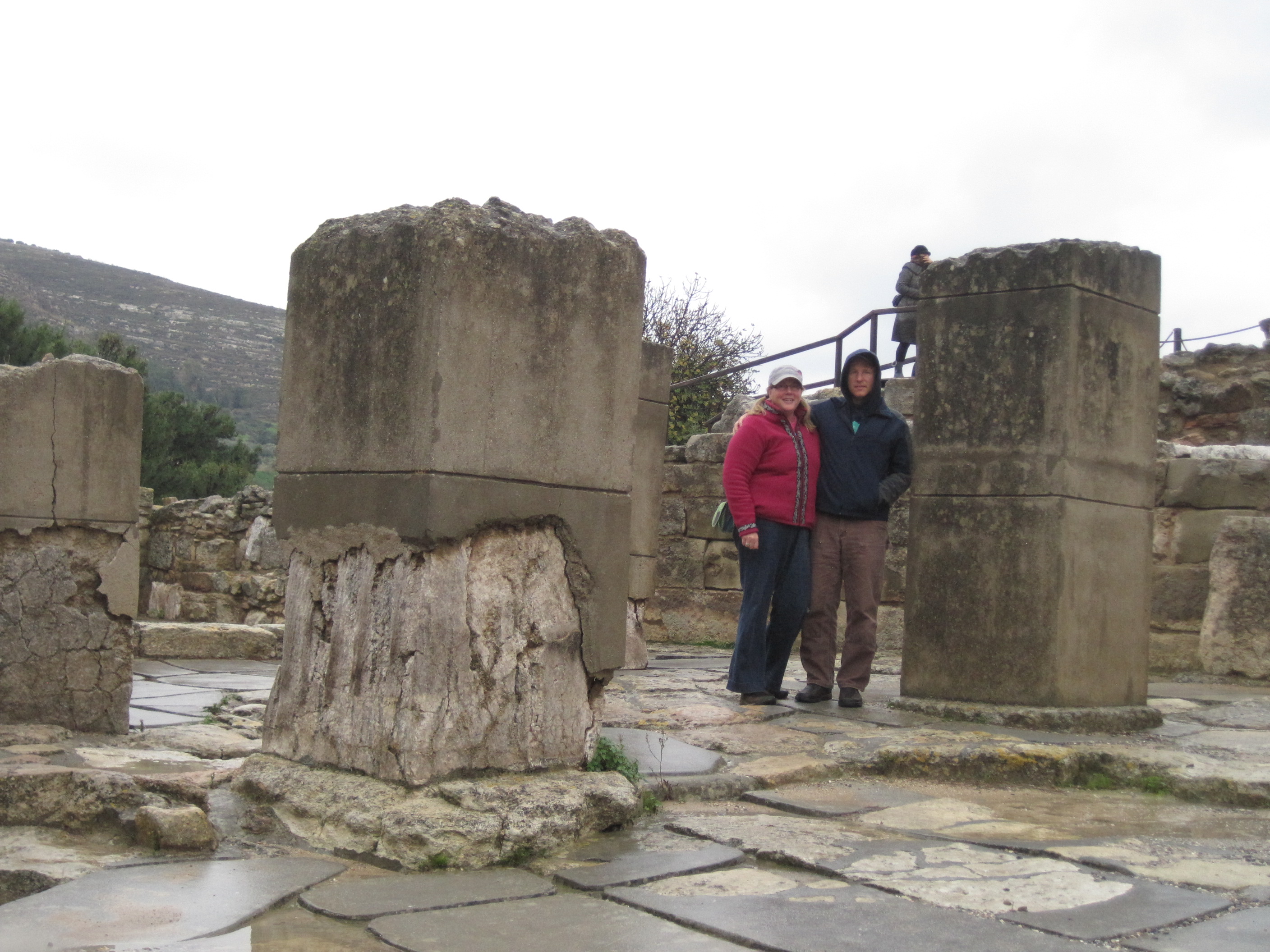
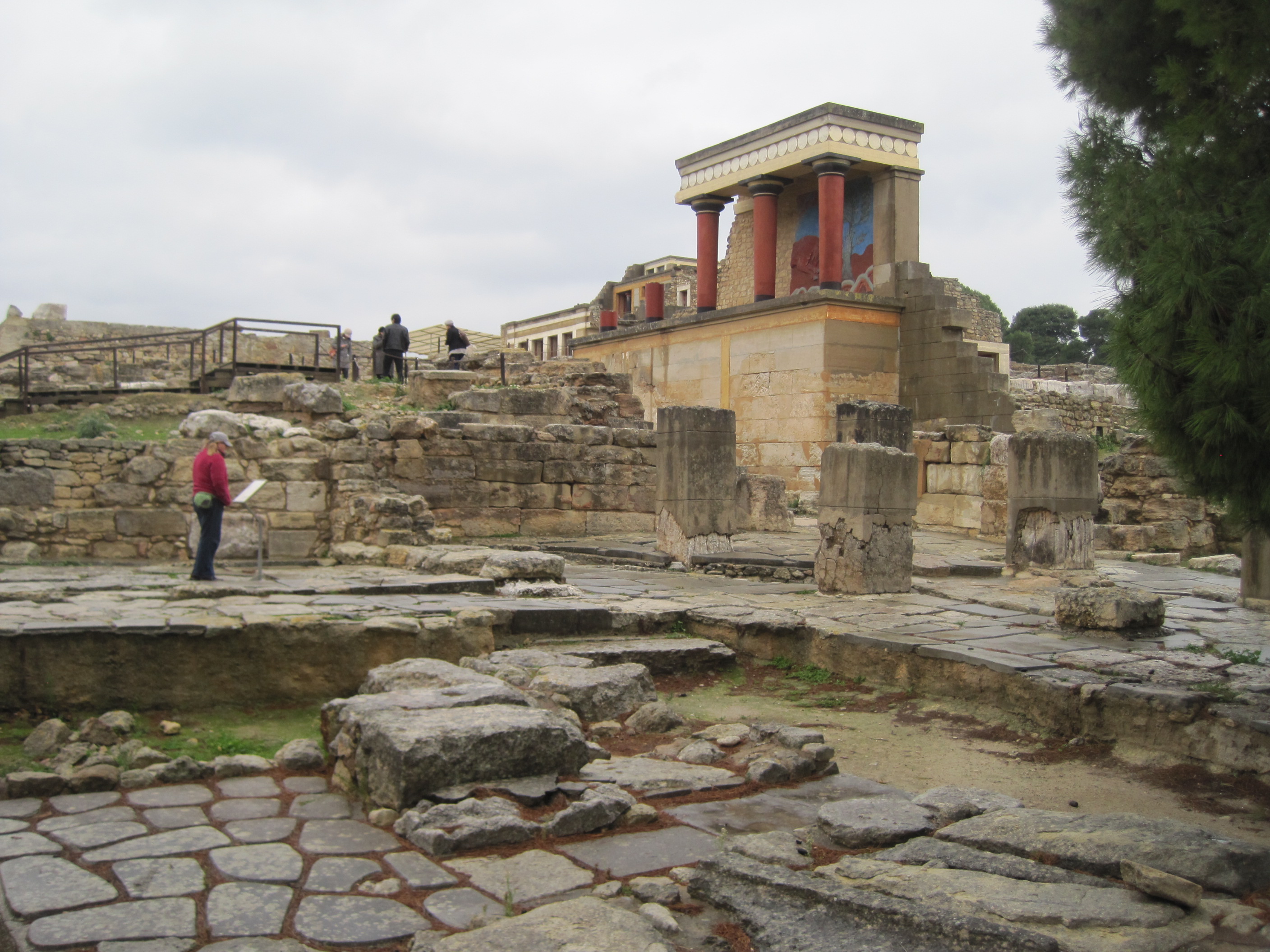
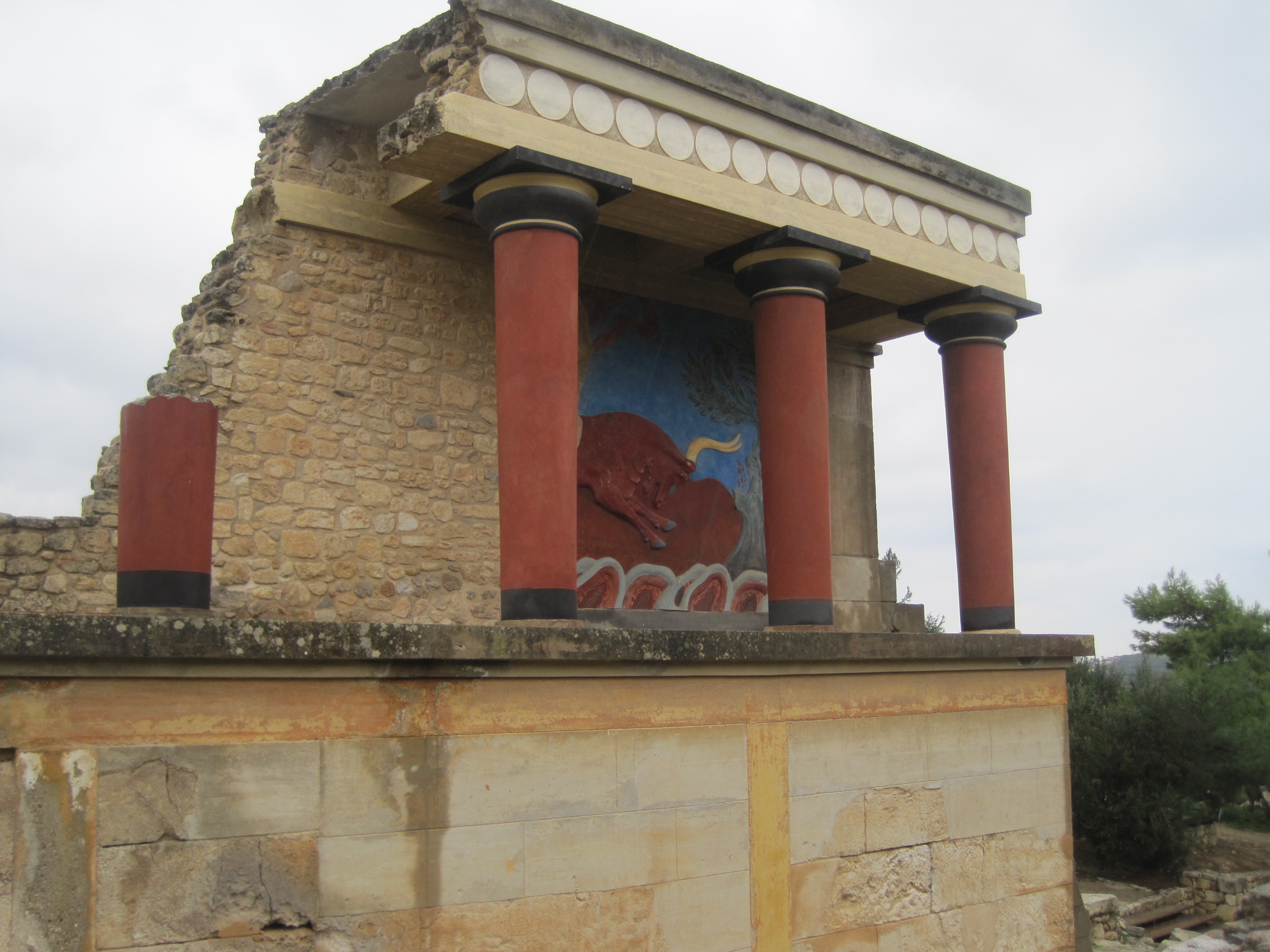
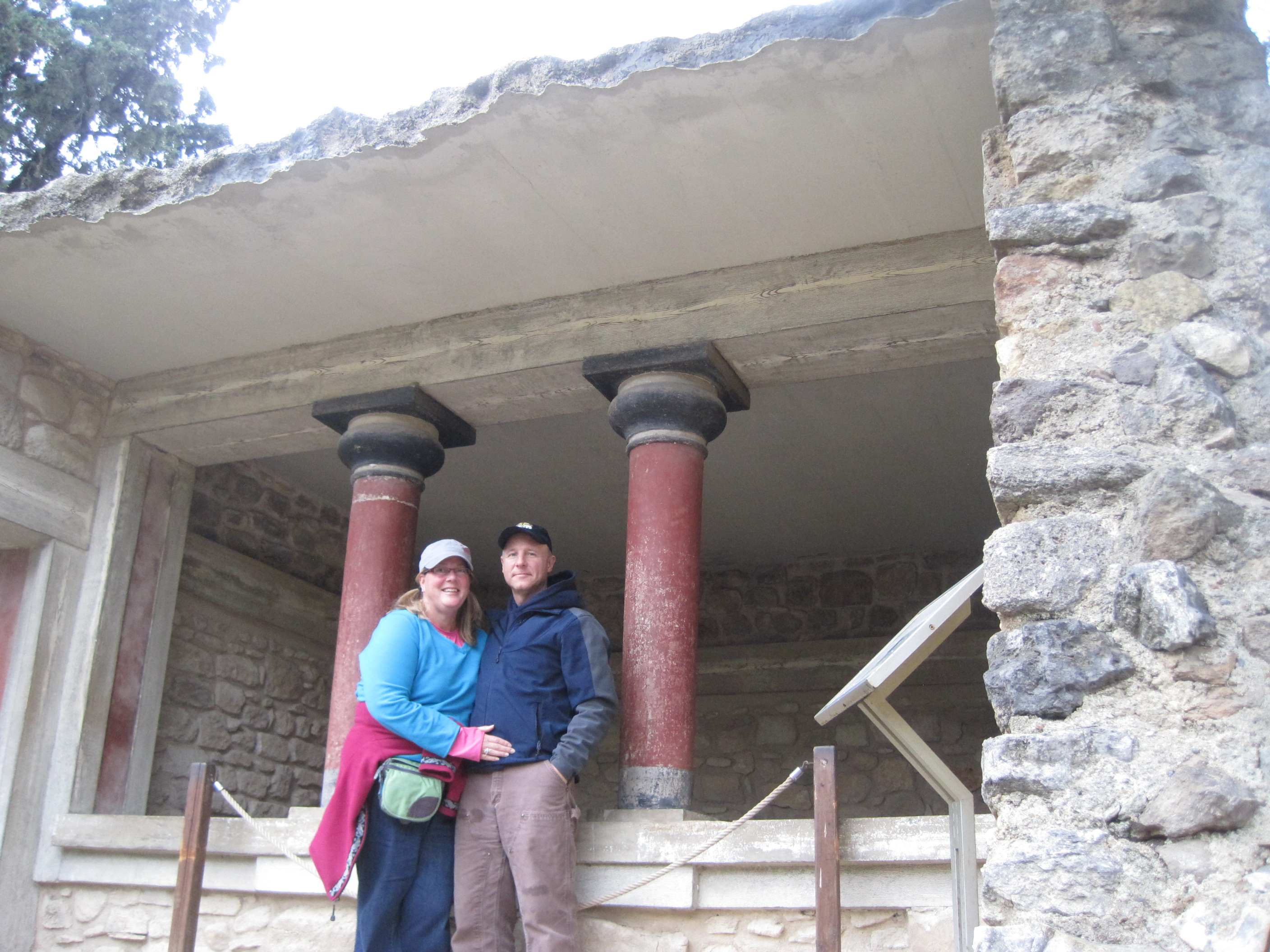
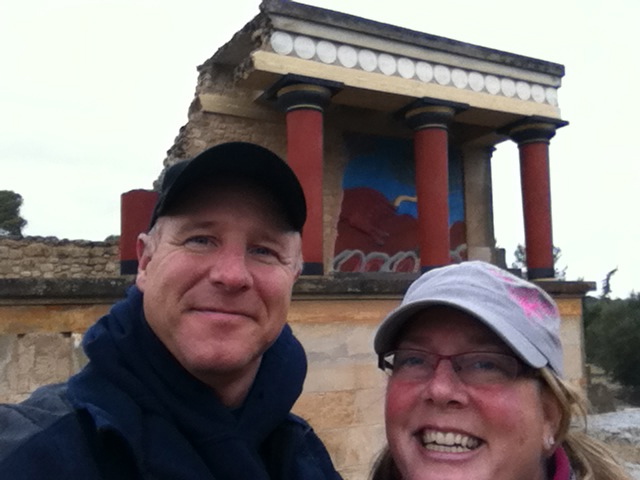
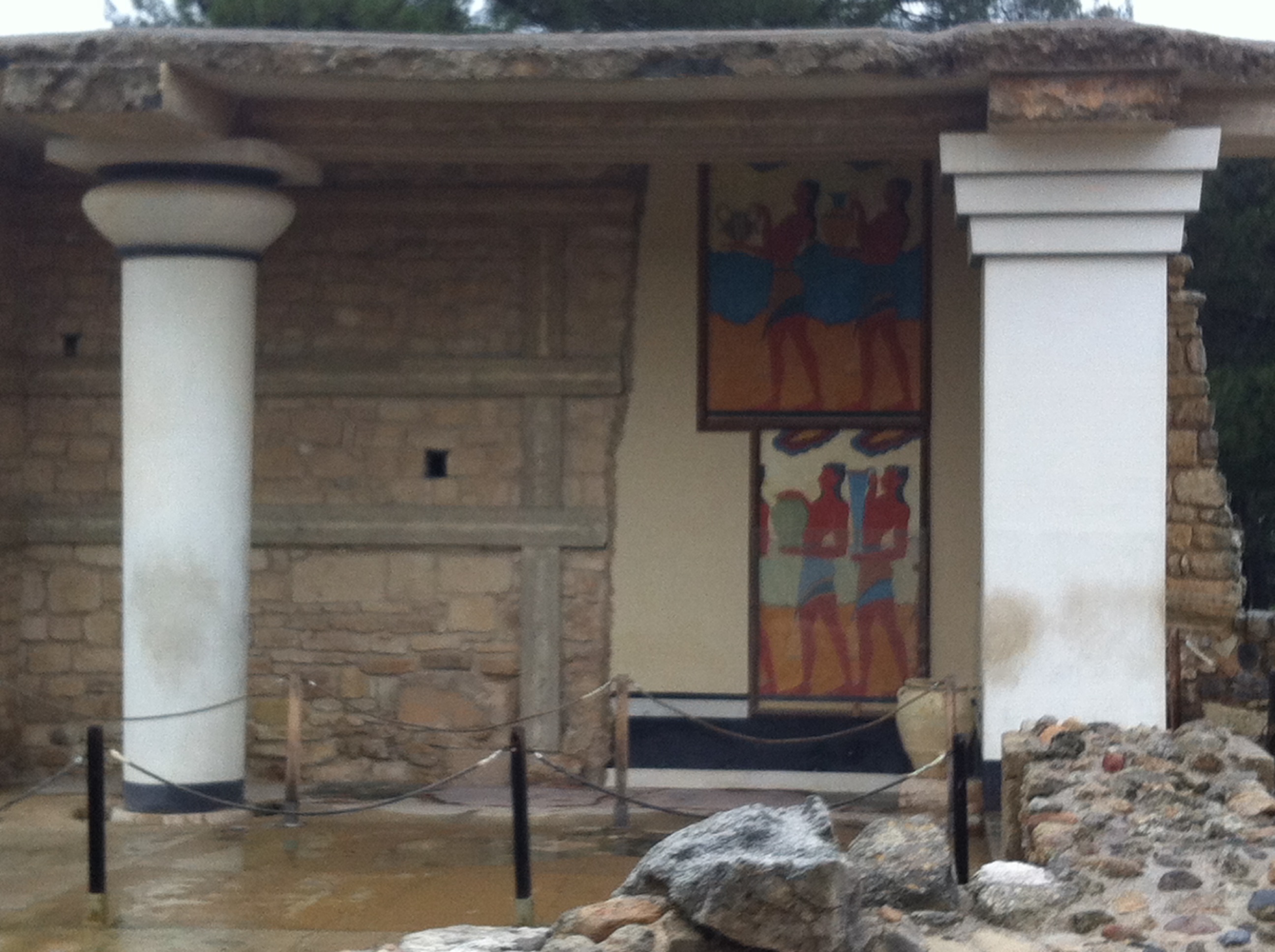
On Crete the most popular or talked about ruins is the ancient city of Knossos. We had read a lot about Knossos and though we had read about how a British archaeologist, Arthur Evans, found and attempted to restore the site in the early 1900’s we were not prepared for how poorly his work effected the site. Because of his efforts, the ruins were somewhat ruined. Sadly his attempt to ‘repair’ things to their original state ended really taking away from the structures and it is thought that many of his repairs were inaccurate.
Very disappointing.
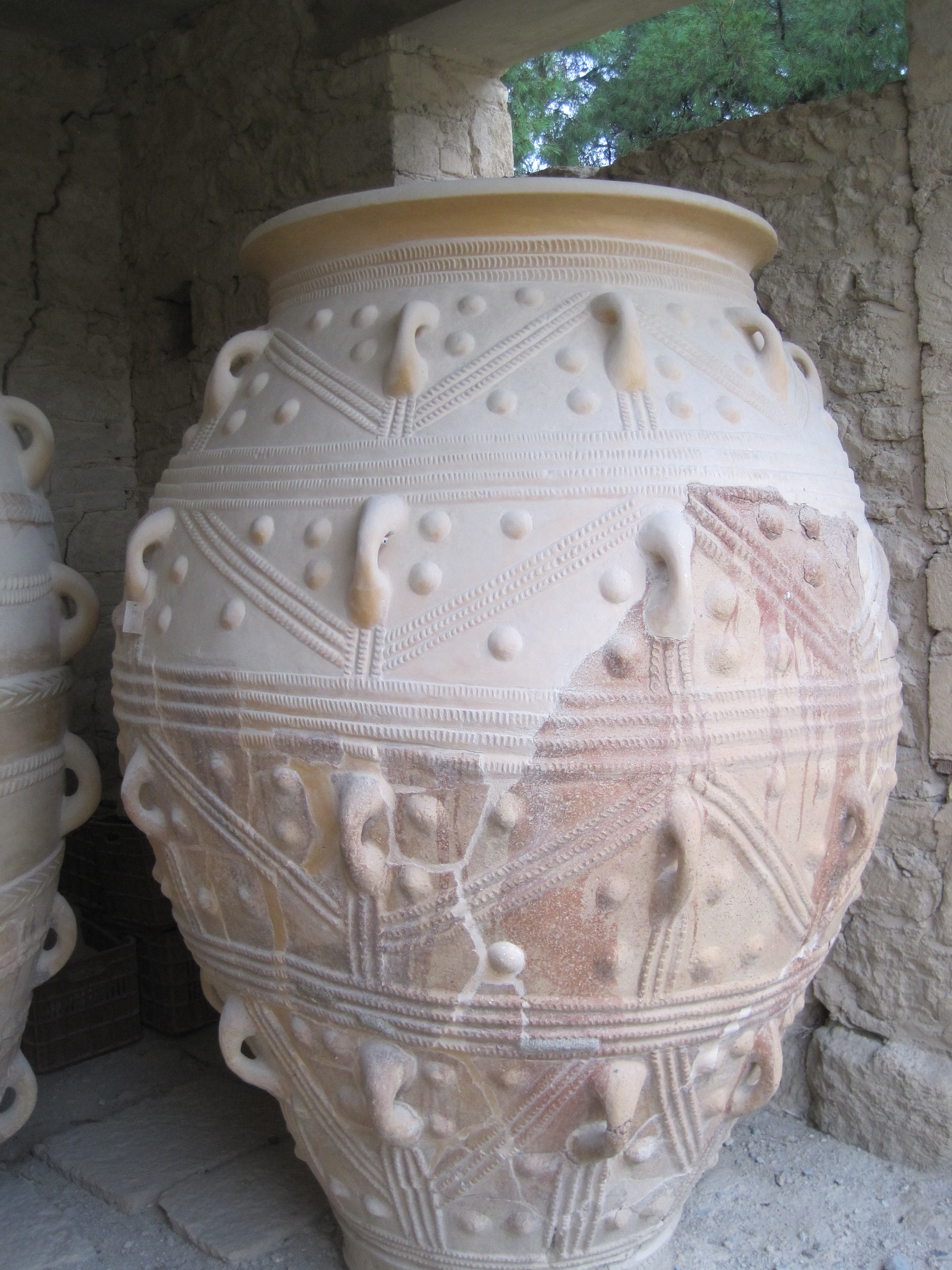
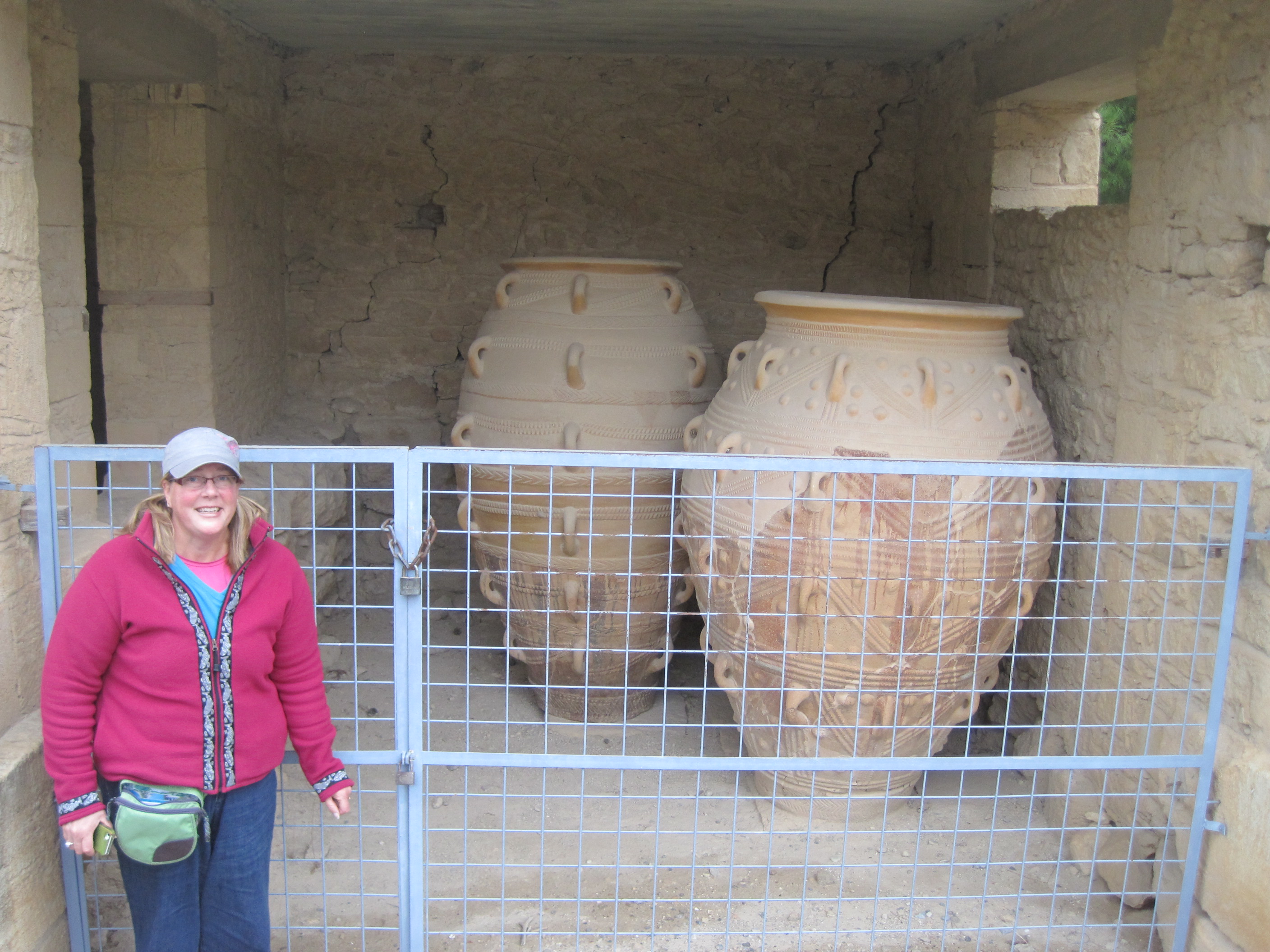
Minoan pottery
and old stadium
Originally Knossos was inhabited in 7000 BC. We really had to stop and think this place is OLD and wondered how can things be that old??? In the United States, things that are 250 to 300 years old it is OLD and in Alaska, where I live, 100 years old is old, so this area just took our breath away.
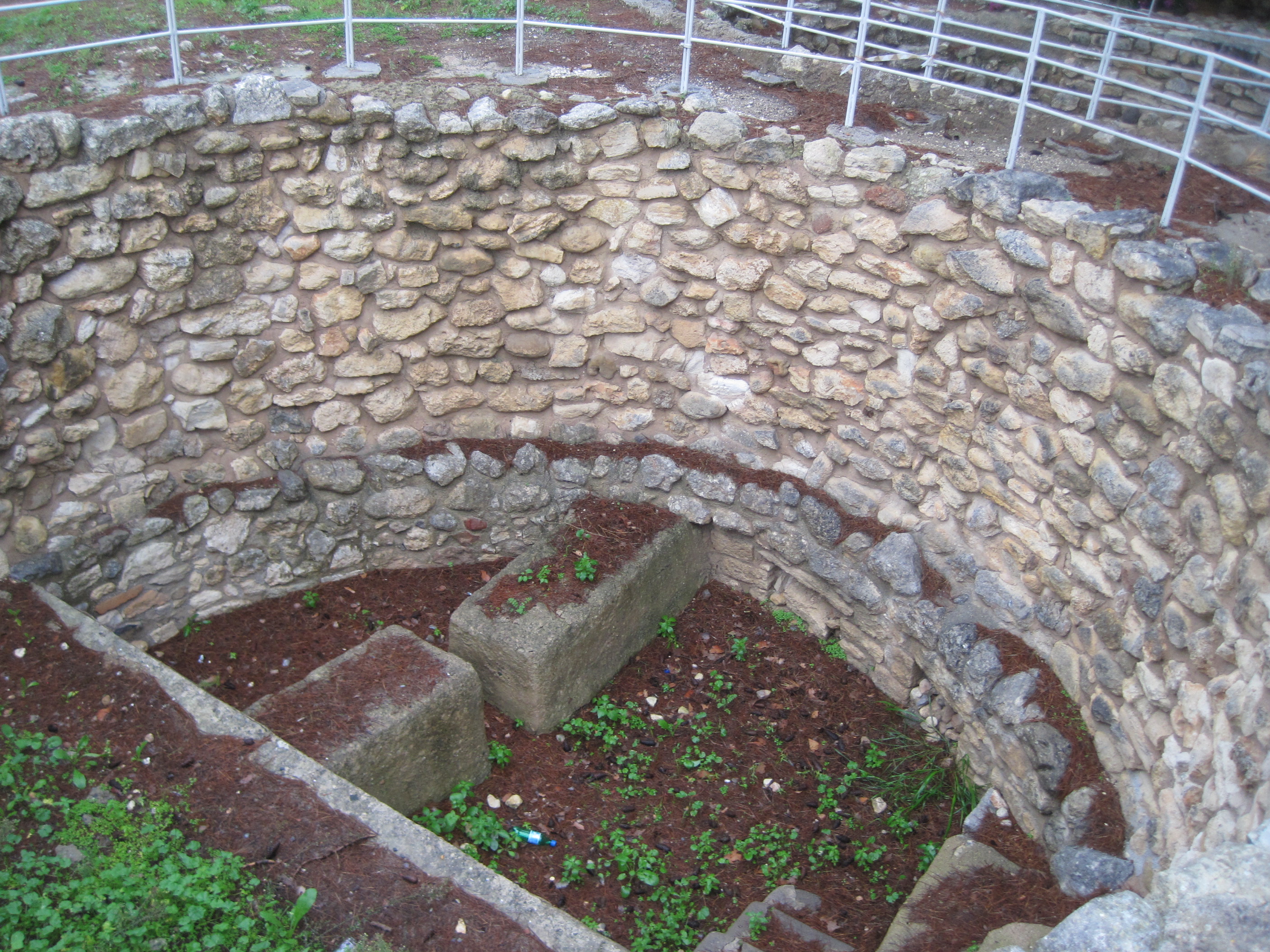
as soon as you enter, there are three large kouloures, large round pits and deep bottoms.
looking into a kouloures
Pithoi, or storage jars, at Knossos. Hard to believe how big they are
The people living here in 1375 BC left marking the end of the end of the Minoan civilization. The first palace to be built here was built around 1900 BC on top of the ruins from earlier people. It is thought that an earthquake took down this palace around 1700 BC but rebuilt quickly and again destroyed by an earthquake or volcano in 1450 BC. However, many of the remains are still visible.
The North Entrance
We spent a few hours here walking around and exploring. As typical of our December visit to Crete we were two of about a dozen visitors on this day!
Here is a photo of what the palace is thought to look like when it was in use. Also a birds eye view as what it looks like today.
a birds eye view
what the palace looked like when it was actively being used





































































 timistravels