timistravels

My job allows me to visit a lot of Alaska on a yearly basis. I wanted to capture the trips in one location!

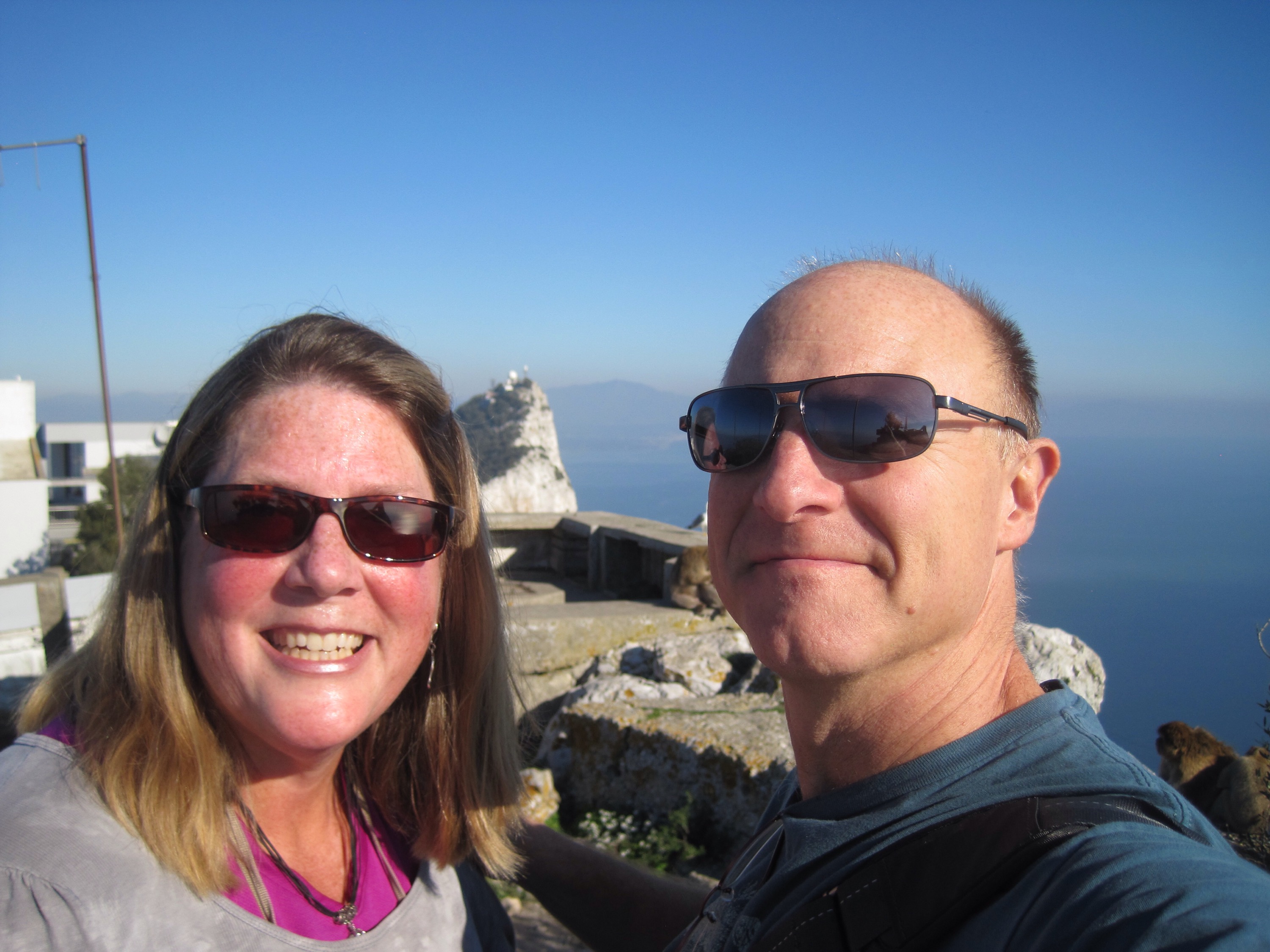
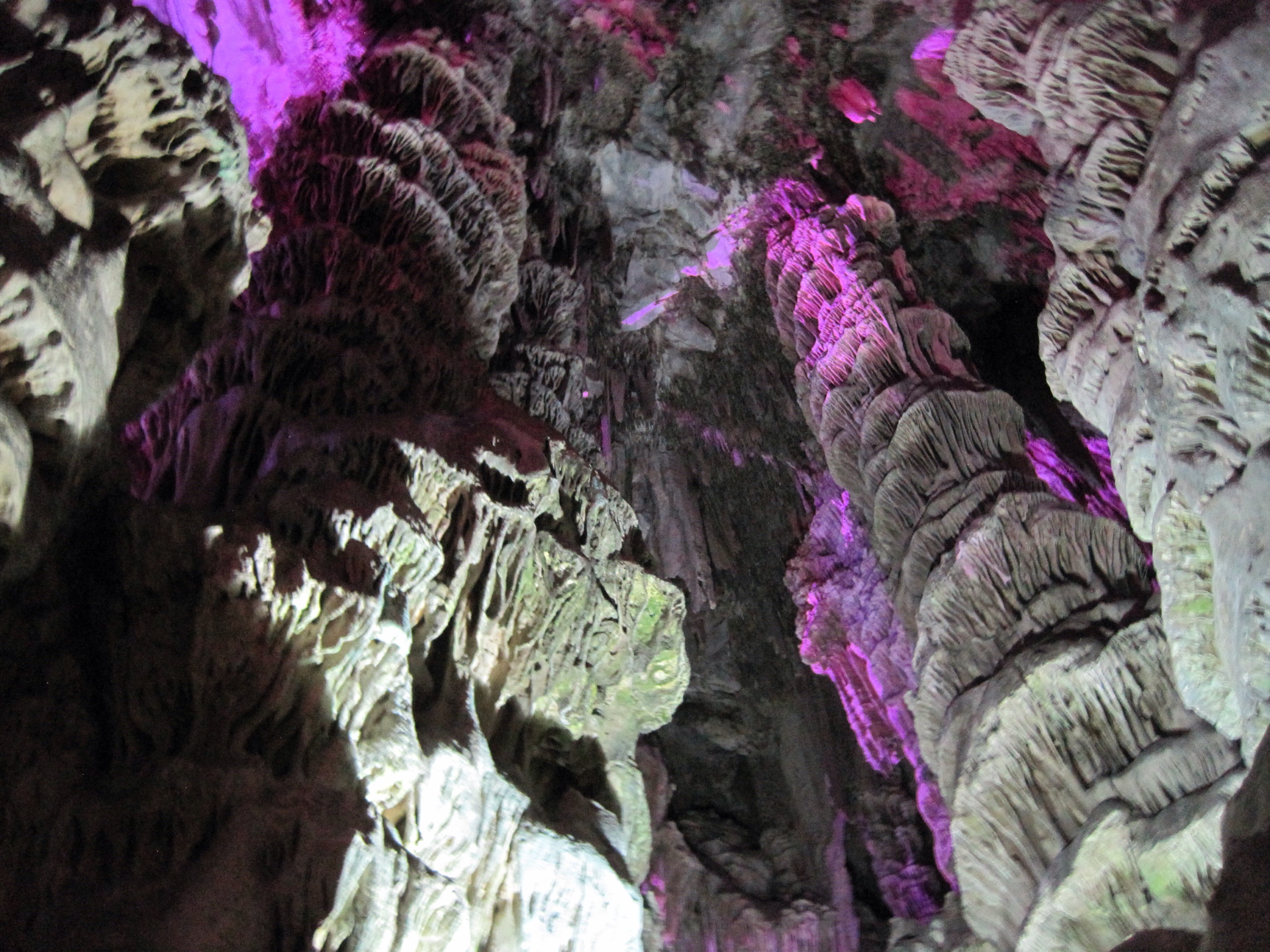
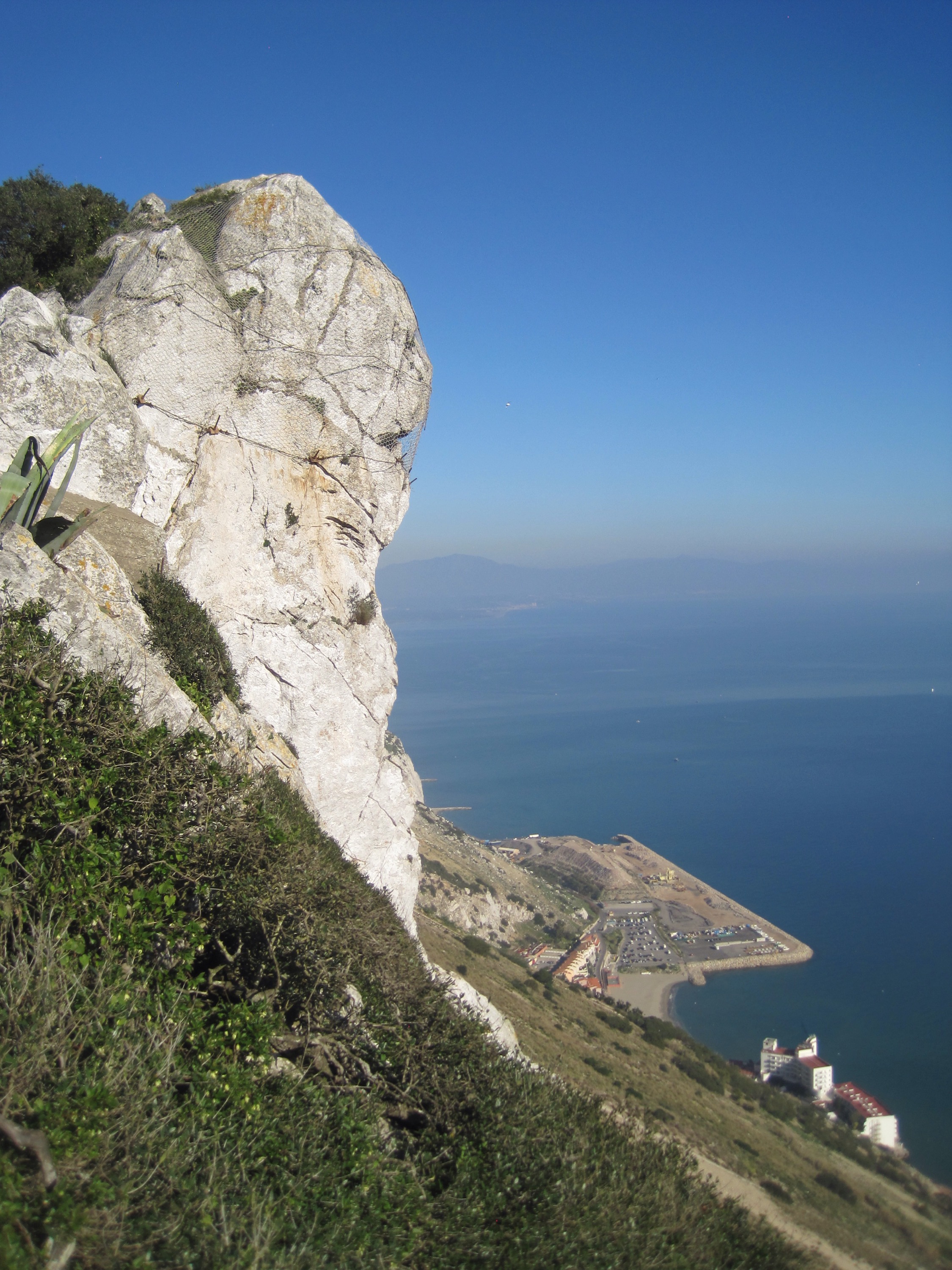
Gibraltar quick stop to see “the Rock”

Jan. 5, 2014

Unfortunately we were not able to take the ferry ride over to Morocco. This gave us an opportunity to visit Gibraltar and explore the upper rock a bit more. During the visit several times I commented that Gibraltar reminded me of Juneau. A tourist town surrounded by water and cliffs.

We had to show our passports as we enter Gibraltar as it is part of Britain. There are 8000 to 9000 Spaniards that enter Gibraltar on a daily basis to work. The gentleman at the information center indicated that they mostly did jobs that the British did not want to do. A tad bit condescending but I suppose if it’s good for the Spaniards then I’m happy for them.

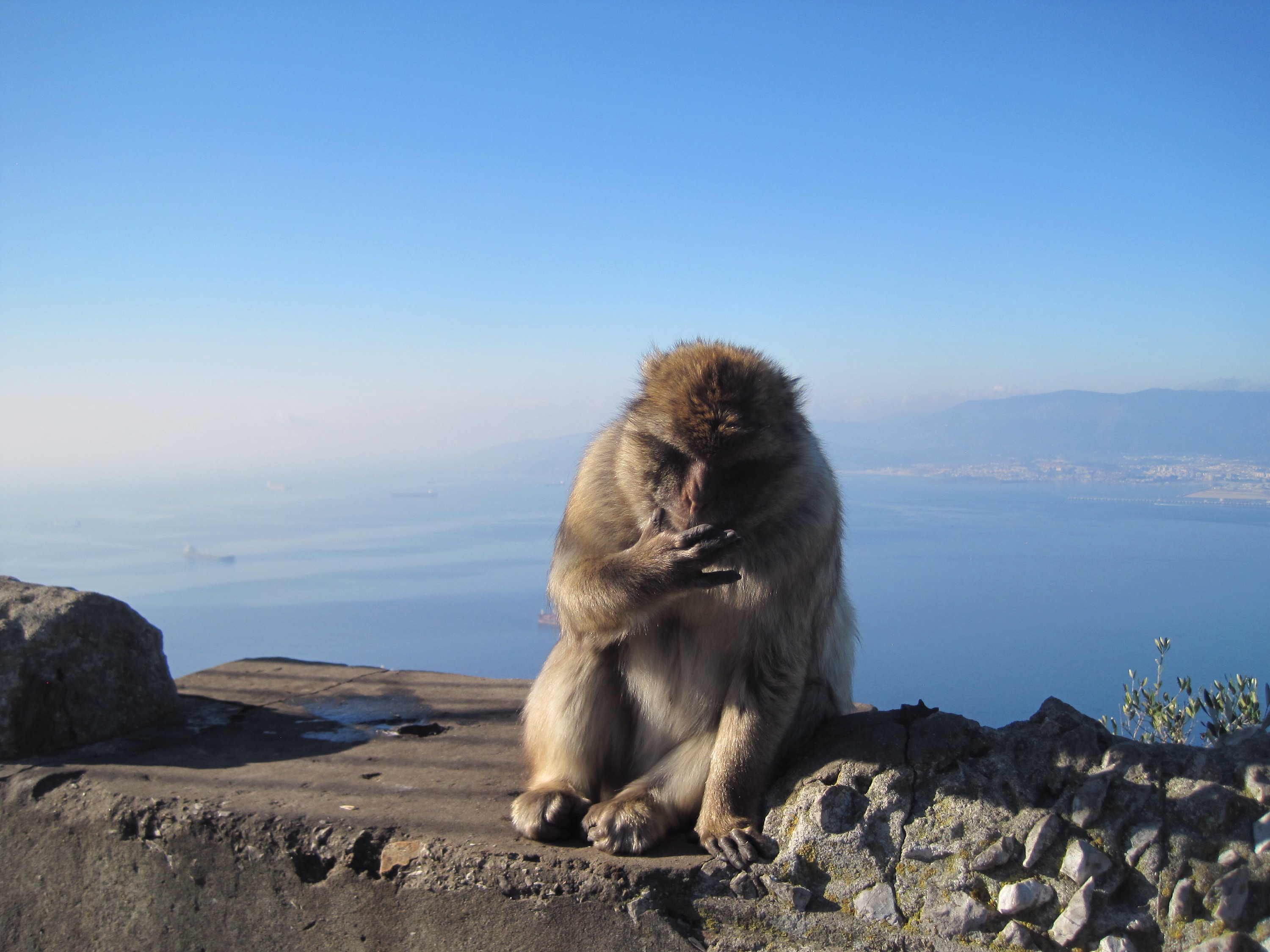
We got directions on how to go to the upper rock. Once we arrived we parked the car and took off on a hike to the very tip top of the rock. Along the way we saw several monkeys and surprisingly they were not aggressive at all. There’s a huge fine if you are caught feeding them. In many ways I felt as if we were hiking to the top of Mount Juneau at home. It was steep, however here they were sidewalks to hike on.

It ended up being a beautiful day and we can see for miles and all directions including down to Morocco. The gentleman at the information center also indicated that we were on the most southern tip of Europe however we disagree with him and think that Tarifa, Spain is the most southern tip of Europe. Typical Gibraltar to think that they are better than Spain!

Gibraltar is only 2.3 sq miles and all 30,000 residents live in those 2.3 sq miles. One of the most interesting things is that as you enter Gibraltar you actually drive across the regional airport runway, planes often make car stop is there taking off or landing, kind of crazy.

Historically this rock plays a big part in the history of Europe. There has been much military presence there over thousands of years. Most everyone has heard the saying “solid as the Rock of Gibraltar”. This usually refers to a person that is unfathomed by a situation, as this rock remains in tact after centuries of war!

Certainly not the best stop on the trip, but can say we’ve been there. Locals were quick to say they’d accept Euros but gave a terrible exchange rate. The only thing we paid for was park entry so we used cc for better rate. The British Pound is high in value currently.
/home/wpcom/public_html/wp-content/blogs.dir/99b/31551210/files/2015/01/img_4247.jpge

/home/wpcom/public_html/wp-content/blogs.dir/99b/31551210/files/2015/01/img_4232.jpg

/home/wpcom/public_html/wp-content/blogs.dir/99b/31551210/files/2015/01/img_4252.jpgo

/home/wpcom/public_html/wp-content/blogs.dir/99b/31551210/files/2015/01/img_4211.jpg</a
/home/wpcom/public_html/wp-content/blogs.dir/99b/31551210/files/2015/01/img_4254.jpg

Leave a comment »
Sun filled Sevilla Spain

Jan. 3 & 4, 2015

Sevilla is surrounded by farmlands and orchards, and full of history and Morrish Influence. As we drove towards the city it is a quick transition from these rural areas to the city. Ride bus #3 into the town center and back to our hotel. (1.4 Euro pp.)

First stop Torre Del Orso. This tower marks the spot where ships would return to Spain after their exploration of the new world. They would offload all the gold they had collected and give it to the Queen. The cost to go to the top was only 3 euro, and gives you a great view of the city.

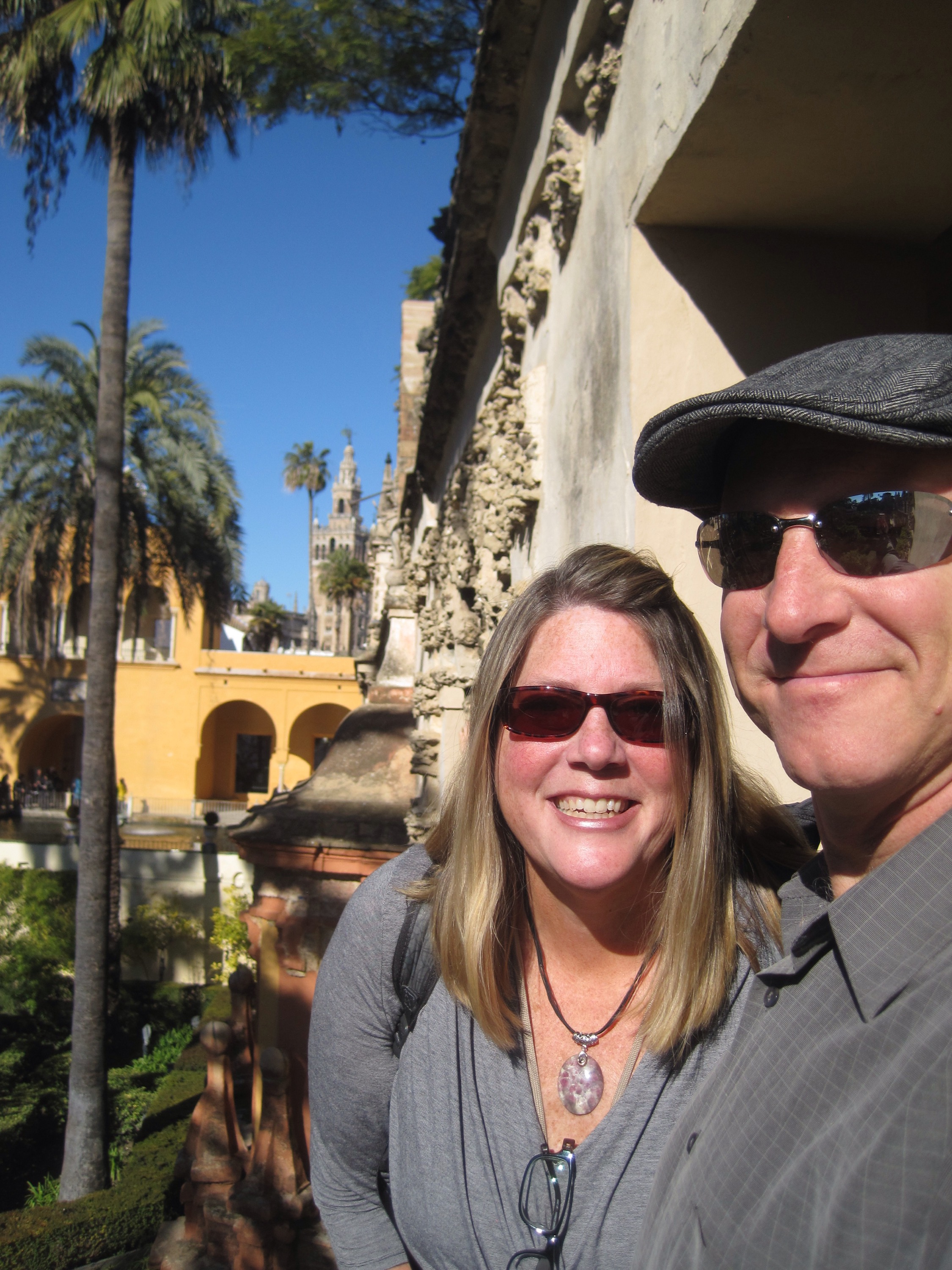
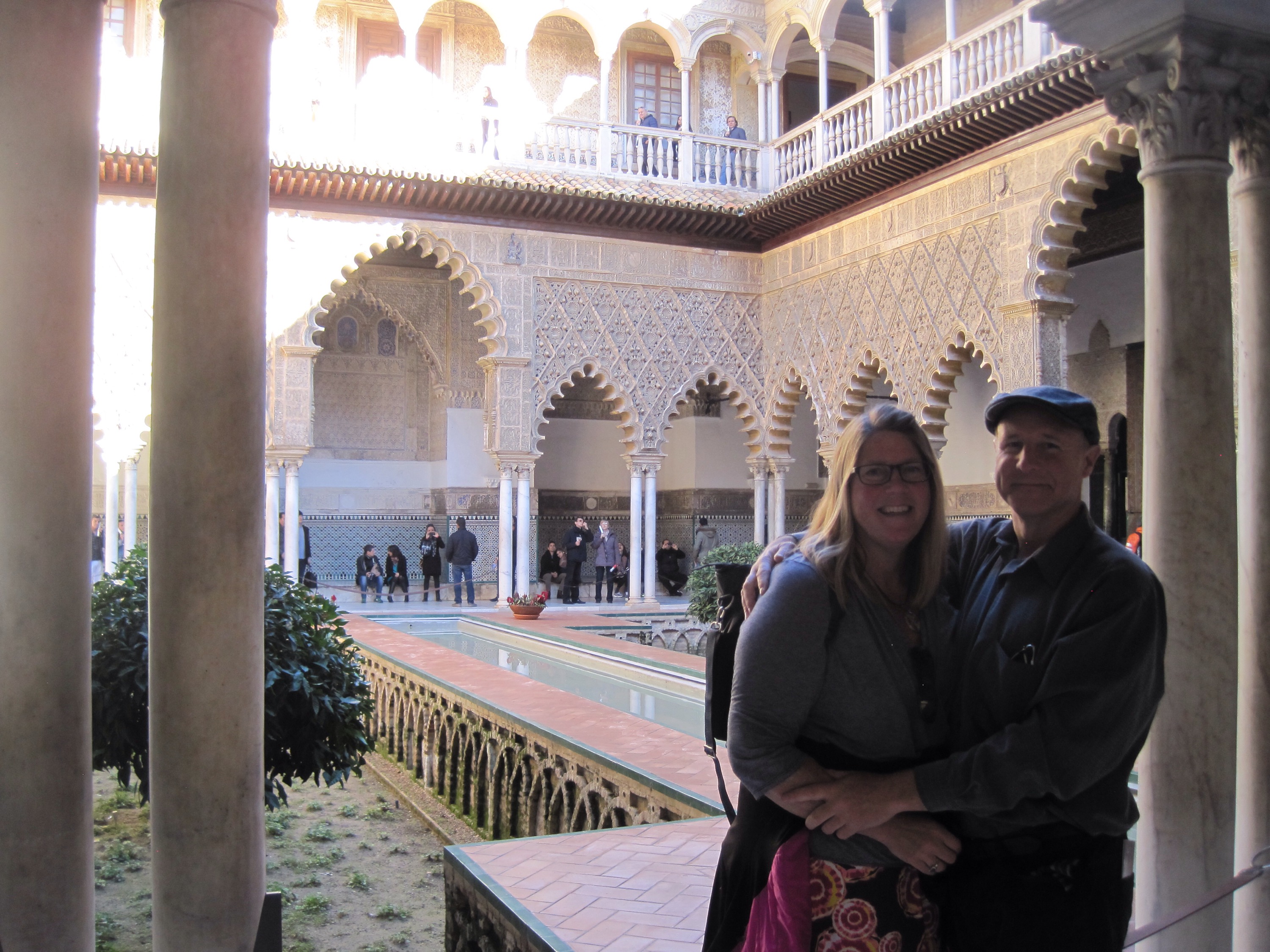
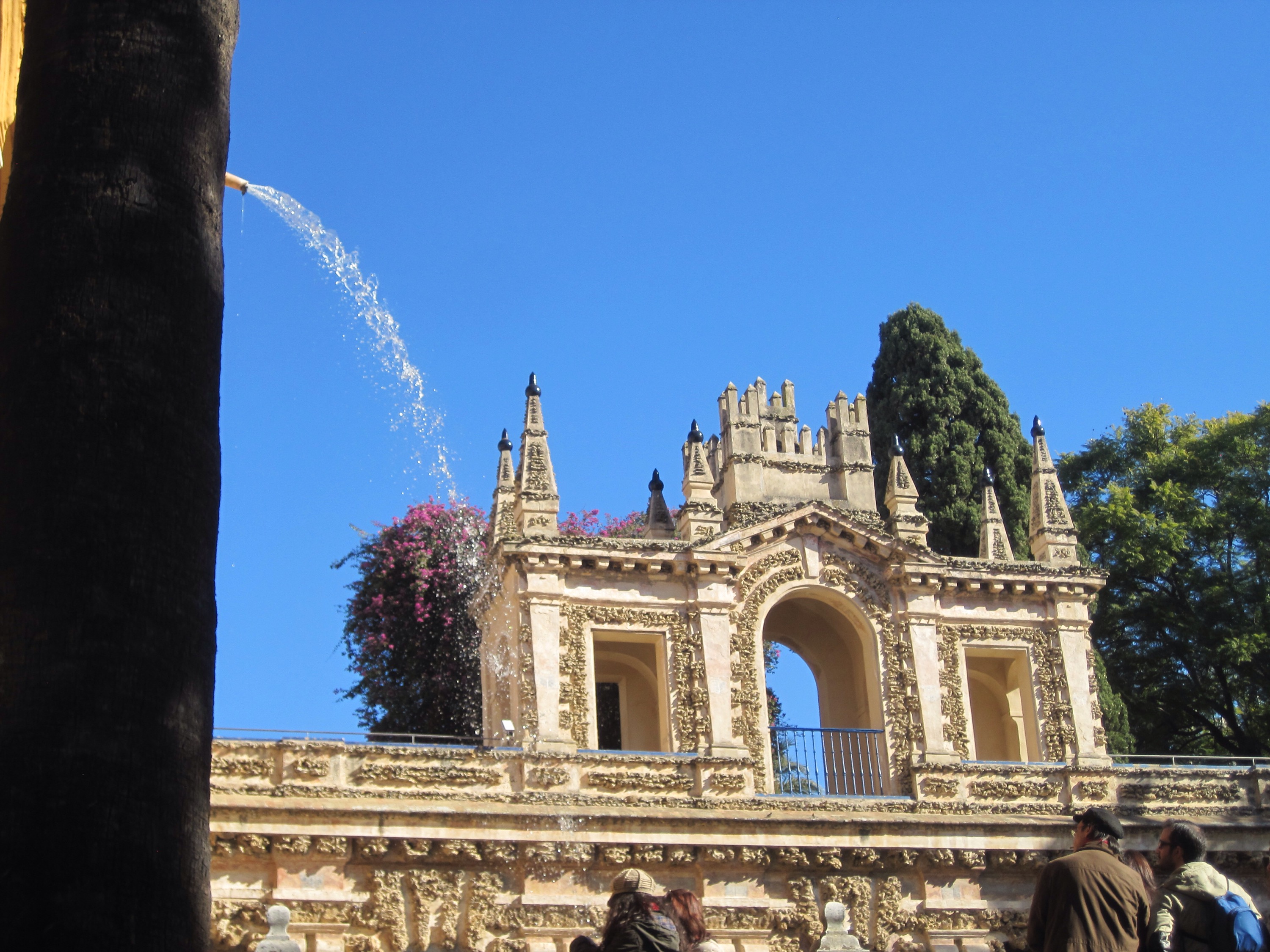
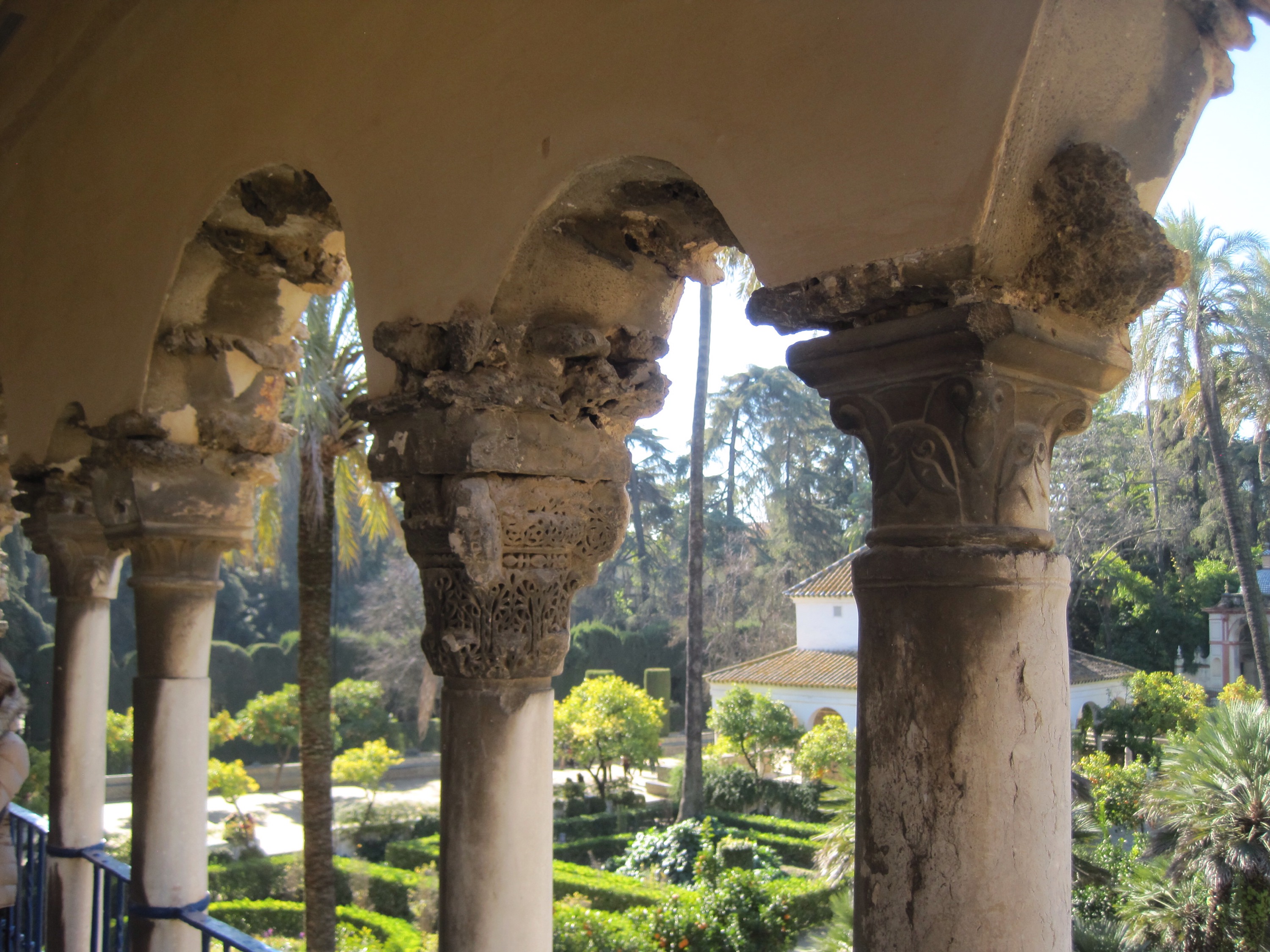
Next stop the Alcázar of Seville or the royal palace in Seville, Spain. It too has Morrish roots as it was originally a Moorish fort. The palace is the oldest royal palace still in use in Europe, and it was registered in 1987 by UNESCO as a World Heritage Site! The palace is much less elaborate than other palaces we’ve visited on this and other trips but has the most beautiful gardens we’ve seen. There is much Morrish influence that mostly shows in the tiles that adorn every corner of the palace.

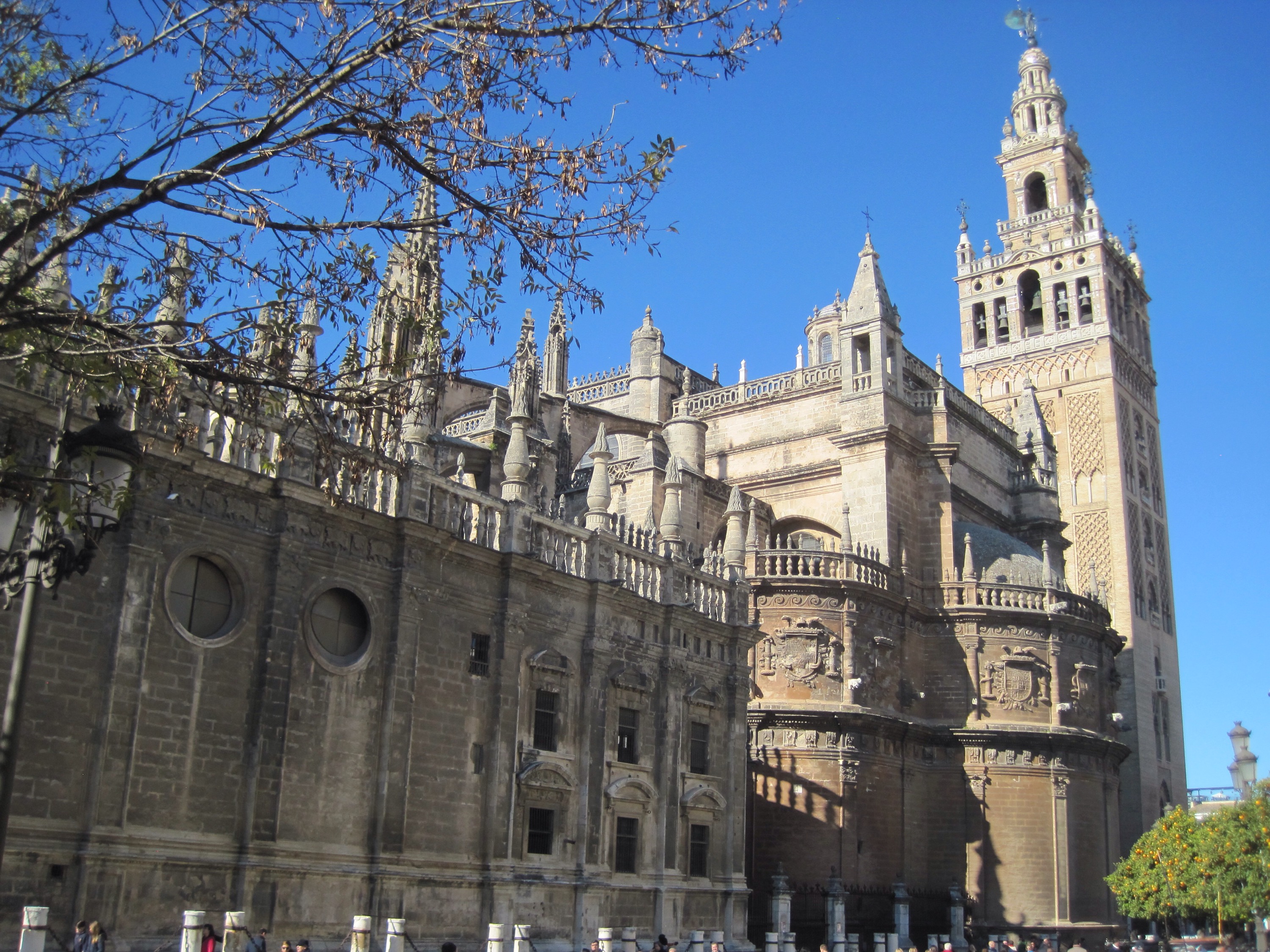
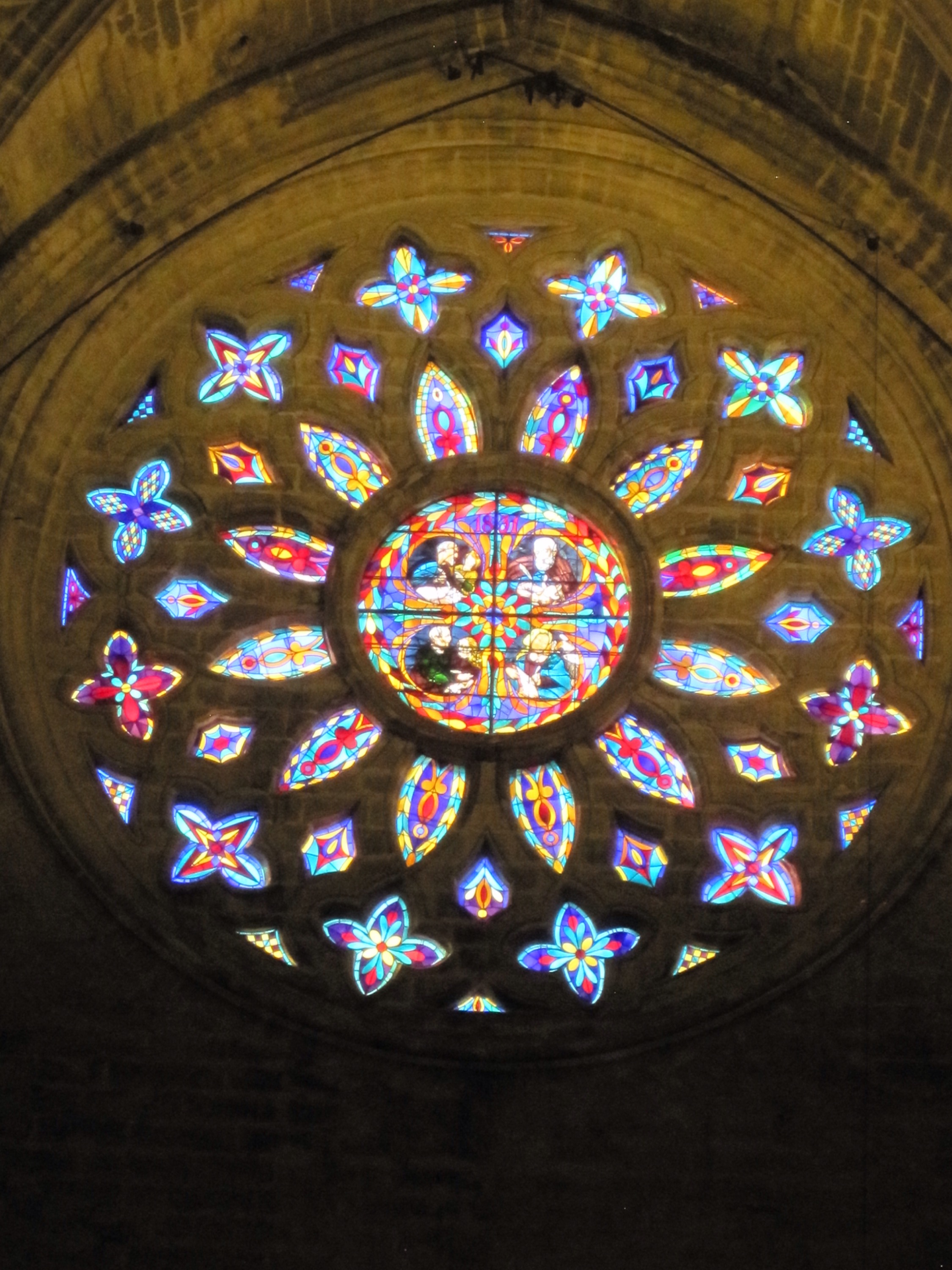
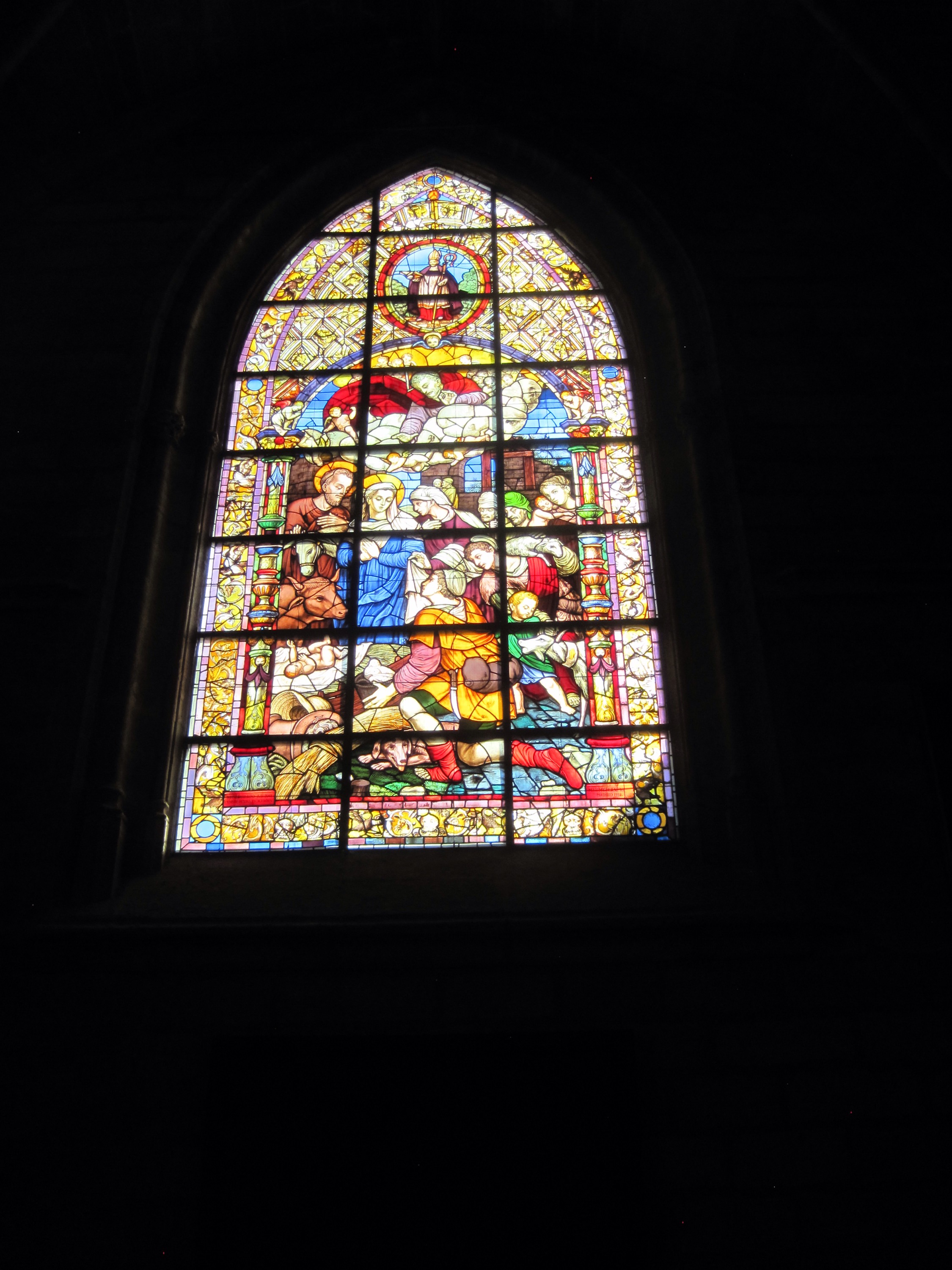
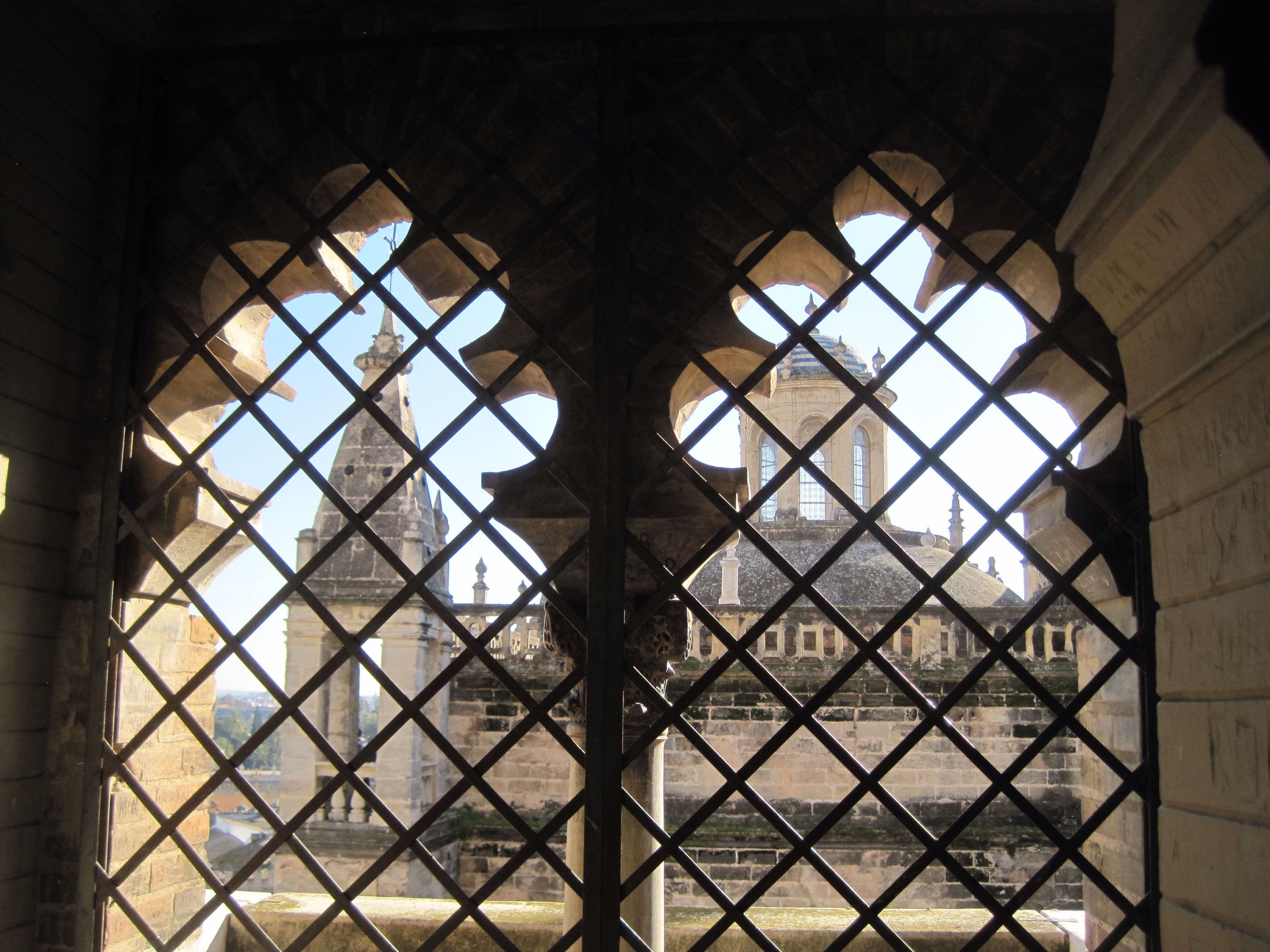
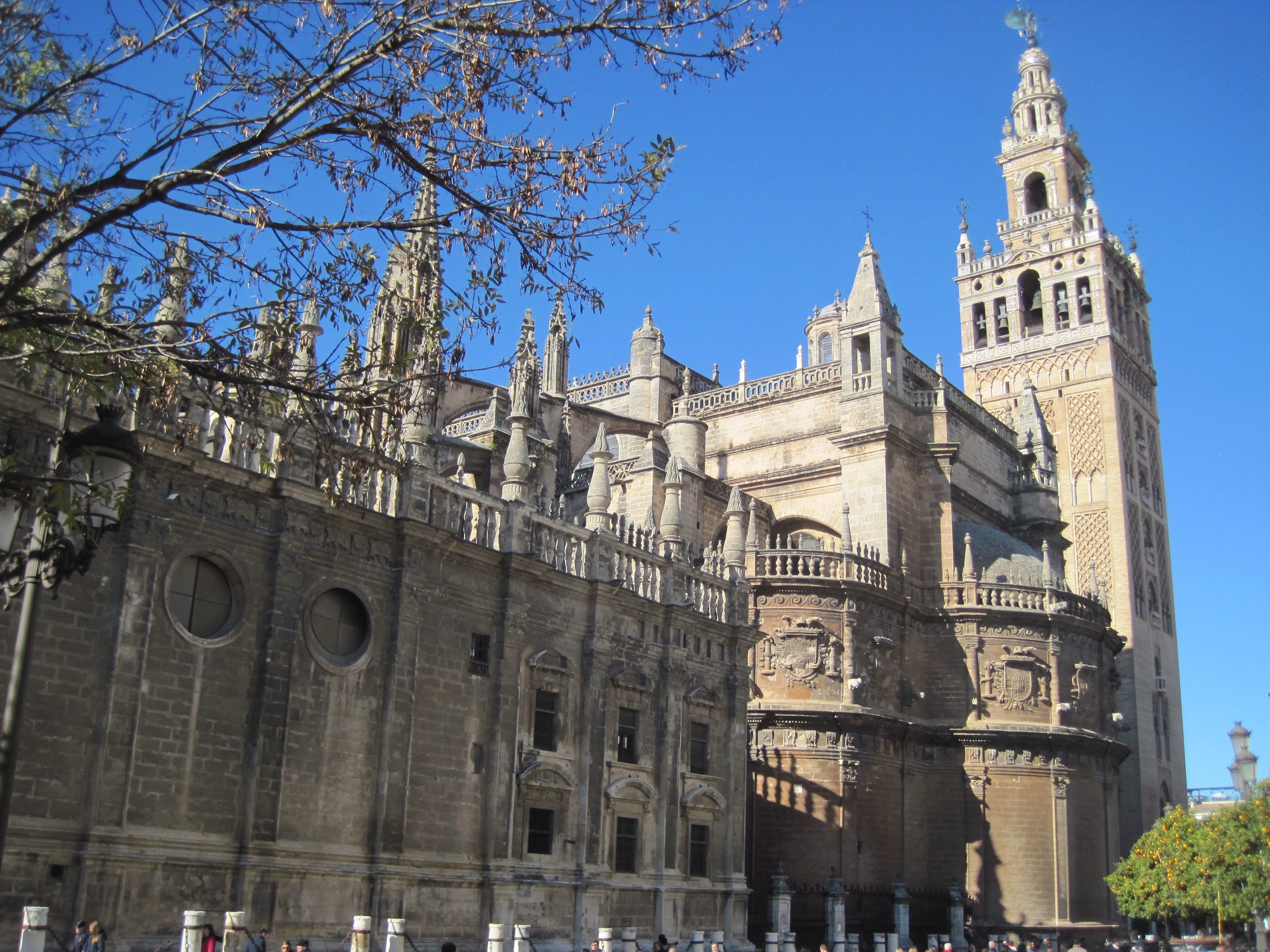
Final major stop, the Sevilla Cathedral, is right across the street from the palace. This cathedral took our breath away. Originally it was built as a mosque though most of that was torn down by the Christians who desired to build an even more impressive place I worship. The only remaining part from the mosque is 2/3-3/4 of the bell tower, or the Giraldais, it was originally built as a minaret during the Moorish period, with a Renaissance style top added by Spaniards. It too became a World Heritage Site with UNESCO in 1987.

We enjoyed the climb to the top, 34 flights but no steps. It was purposely built without steps so historically during the Morrish period horses could take people to the top to call for prayer!

There’s a lot to see and do in Sevilla, we tried to hit the highlights in our short time there, getting a good sense of the city. Out big take away, they smoke a lot of cigarettes and there are 1000’s of babies/children in strollers everywhere.

/home/wpcom/public_html/wp-content/blogs.dir/99b/31551210/files/2015/01/img_3939.jpg

/home/wpcom/public_html/wp-content/blogs.dir/99b/31551210/files/2015/01/img_3982.jpg

/home/wpcom/public_html/wp-content/blogs.dir/99b/31551210/files/2015/01/img_4010.jpg

/home/wpcom/public_html/wp-content/blogs.dir/99b/31551210/files/2015/01/img_4029.jpg

/home/wpcom/public_html/wp-content/blogs.dir/99b/31551210/files/2015/01/img_4052.jpg

/home/wpcom/public_html/wp-content/blogs.dir/99b/31551210/files/2015/01/img_4063.jpg

/home/wpcom/public_html/wp-content/blogs.dir/99b/31551210/files/2015/01/img_3957.jpg

/home/wpcom/public_html/wp-content/blogs.dir/99b/31551210/files/2015/01/img_4041.jpg

/home/wpcom/public_html/wp-content/blogs.dir/99b/31551210/files/2015/01/img_3942.jpg

/home/wpcom/public_html/wp-content/blogs.dir/99b/31551210/files/2015/01/img_3915.jpg

/home/wpcom/public_html/wp-content/blogs.dir/99b/31551210/files/2015/01/img_4116.jpg

/home/wpcom/public_html/wp-content/blogs.dir/99b/31551210/files/2015/01/img_4029-0.jpg

Leave a comment »

Two days= 2 rural Monasteries! Guadalupe and San Francisco Palma Del Rio

Jan. 1-2, 2015

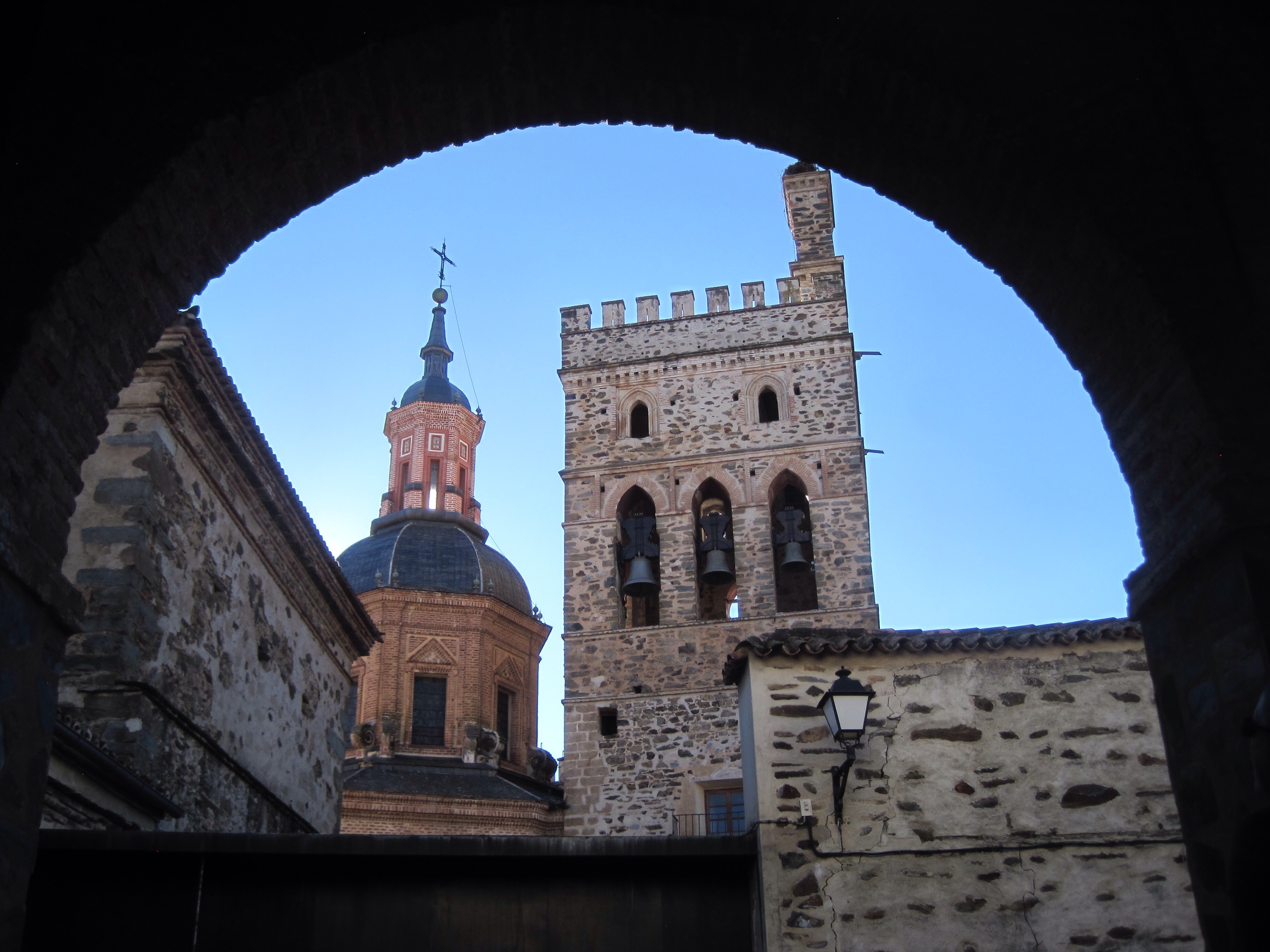
After ringing in the new year with friend in Madrid we took off for our southern route visits. First stop, Guadalupe Sanctuary and Monastery. The drive from Madrid was beautiful and quickly we found ourselves in farm land, fruit, chestnuts and olive trees! We had booked a room in the monastery and signs were trying to direct us there, however they sadly were not helpful. We parked in a community lot and went on foot to find it, finally getting to our room!

We toured the Monastery (5 euro pp) and enjoyed all we saw, but understood very little of what the tour guide said as it was all in Spanish! A fellow tourist helped us a few times translating a few thoughts to us. They explained that they have made a conscious effort to NOT offer tours in other languages because they don’t want it to become a huge “tourist destination” rather a place people want to come because they feel a connection to the place.

The sanctuary was built sometime near the end of the 1200’s. But in 1330 Alfonso XI, King of Castille and Leon thought it was too small and ordered another be built which occurred from 1336-38. The monks of Jeronimo used this location for the next 4 centuries. It became a National monument in 1879 and in 1907 Our Lady Of Guadalupe became its patron saint.

Beautiful small town with a charming central plaza. We had a delightful dinner of regional food: beans with chorizo, garlic soup, goat stew and fish with spinach sauce! Though Guadalupe is “off the beaten path” some pass on visiting here. We sure are glad we didn’t miss it.

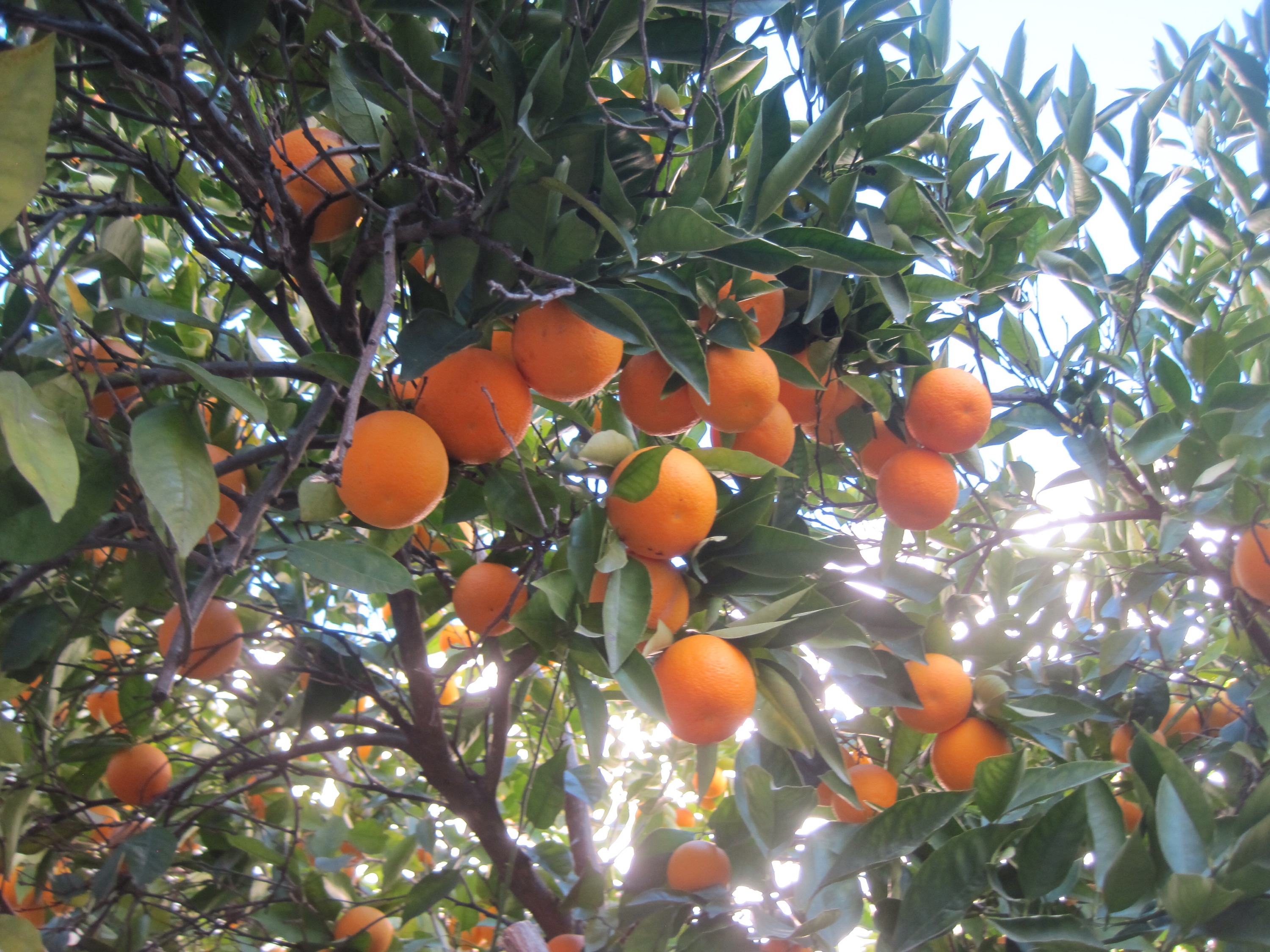
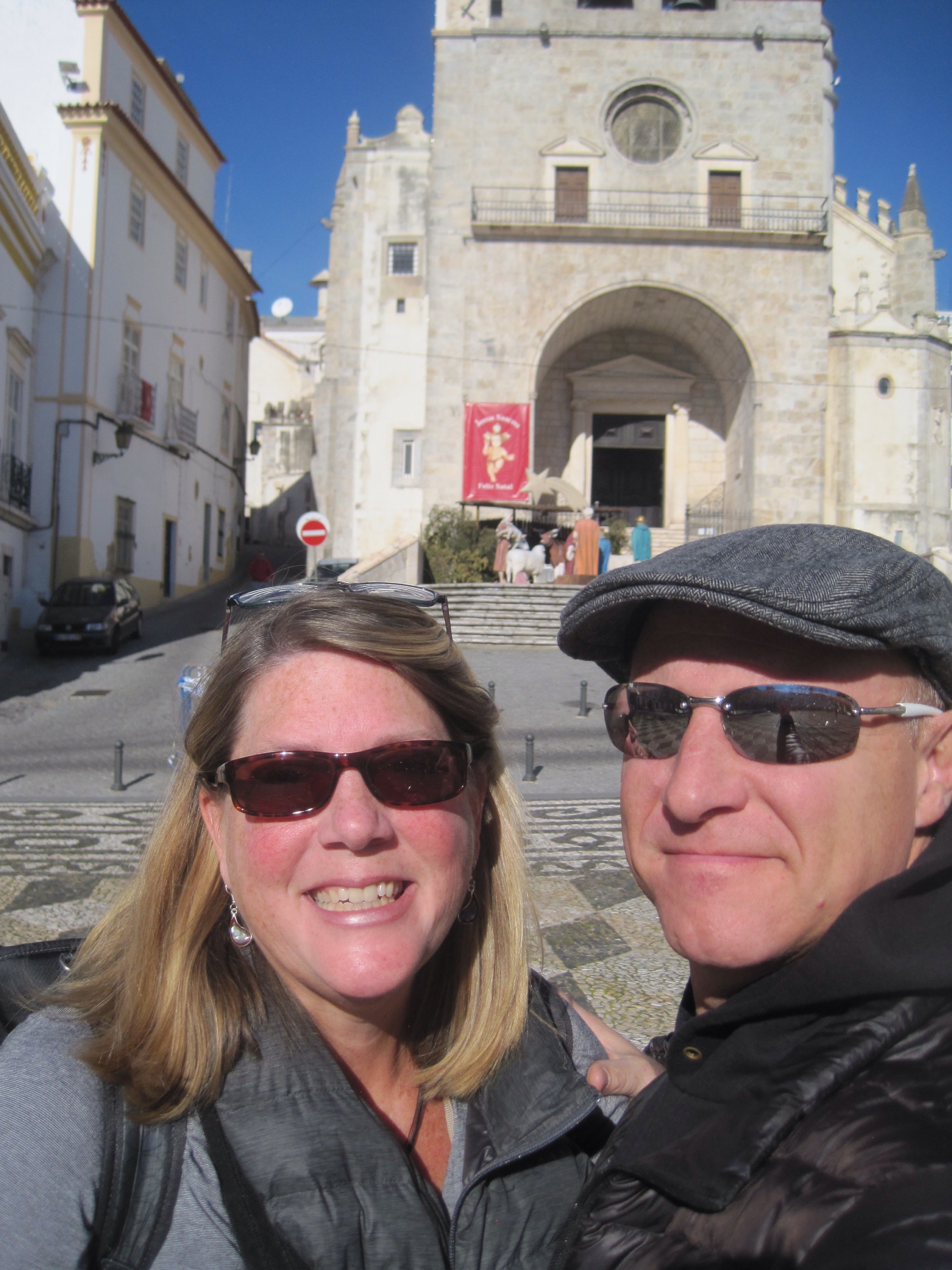
The next day we awoke and headed to our second monastery, San Francisco Palma Del Rio. However we decided to stop in Portugal before heading there. We had lunch in Elvas, Portugal the took back roads to Palma Del Rio. Enjoyed the country side we saw along the way including cattle, sheep, pigs, etc. as well as storks, hawks, and blue herons. But most of all we saw orange trees, this is the area they obviously come from.

Arrived to our room easily tough had some issues with booking. Finally figured it out but must thank Anna at the front desk for all her hard work. I’d say we could have skipped Palma Del Rio as there is nothing exceptionally interesting here but the drive through farmlands were nice.

/home/wpcom/public_html/wp-content/blogs.dir/99b/31551210/files/2015/01/img_3660.jpg

/home/wpcom/public_html/wp-content/blogs.dir/99b/31551210/files/2015/01/img_3675.jpg

/home/wpcom/public_html/wp-content/blogs.dir/99b/31551210/files/2015/01/img_3685.jpg

/home/wpcom/public_html/wp-content/blogs.dir/99b/31551210/files/2015/01/img_3669.jpg

/home/wpcom/public_html/wp-content/blogs.dir/99b/31551210/files/2015/01/img_3739.jpg

/home/wpcom/public_html/wp-content/blogs.dir/99b/31551210/files/2015/01/img_3759.jpg

/home/wpcom/public_html/wp-content/blogs.dir/99b/31551210/files/2015/01/img_3731.jpg

1 Comment »

Avila and Segovia 2 more stunning Spanish towns

Dec. 30, 2014

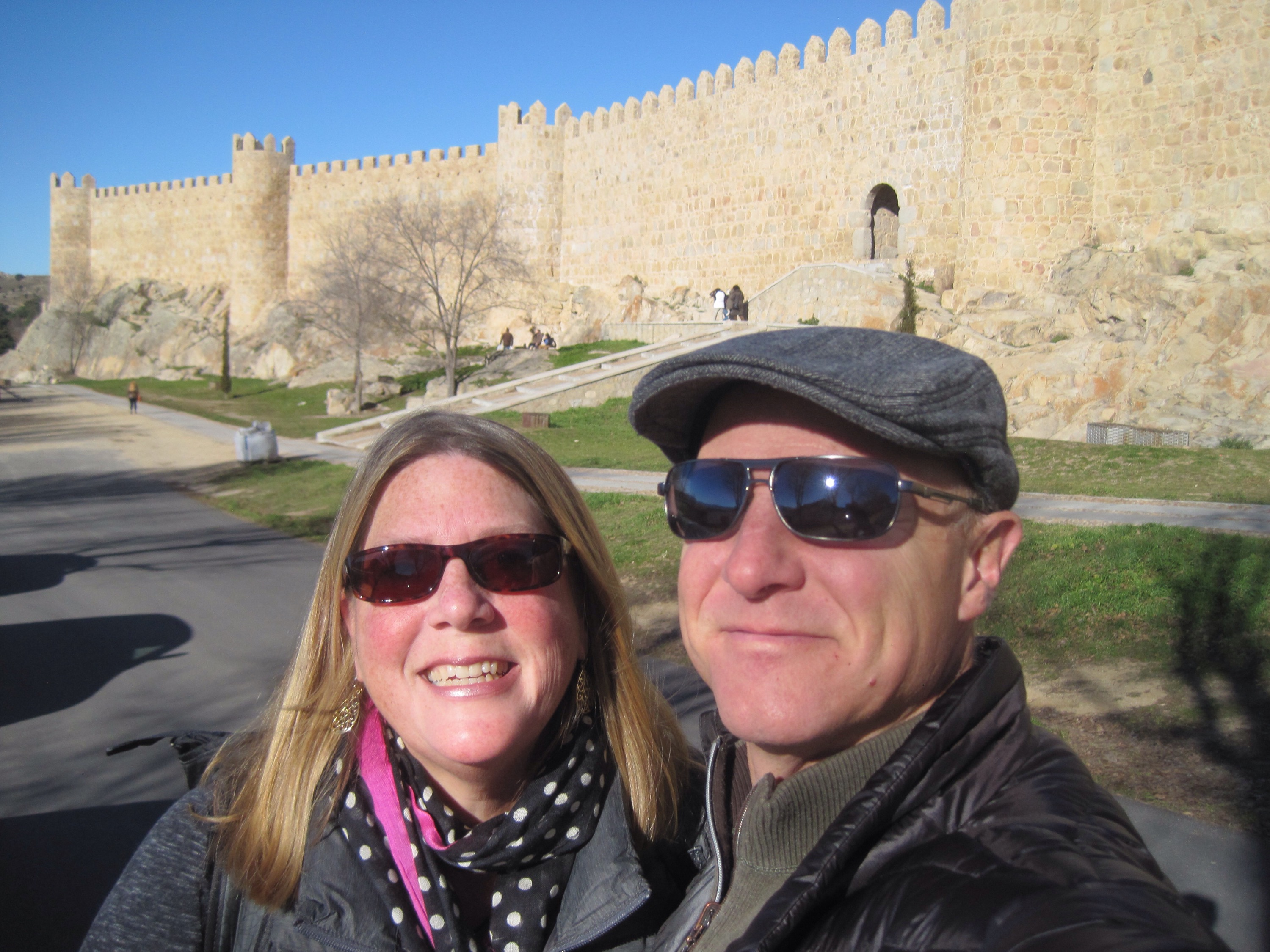
Left Salamanca after a morning walk and headed to Avila. Sits 3714 feet above sea level. It is the highest provincial capital in Spain. The main reason we stopped here was to see the Walls of Avila that date back to 1090 when construction on the walls began. The stone wall encircles most of town. There are 9 gates in which to enter and the average height is 39 feet tall! We found FREE parking outside of the walls and hiked up to it for the viewing. Worth a stop!

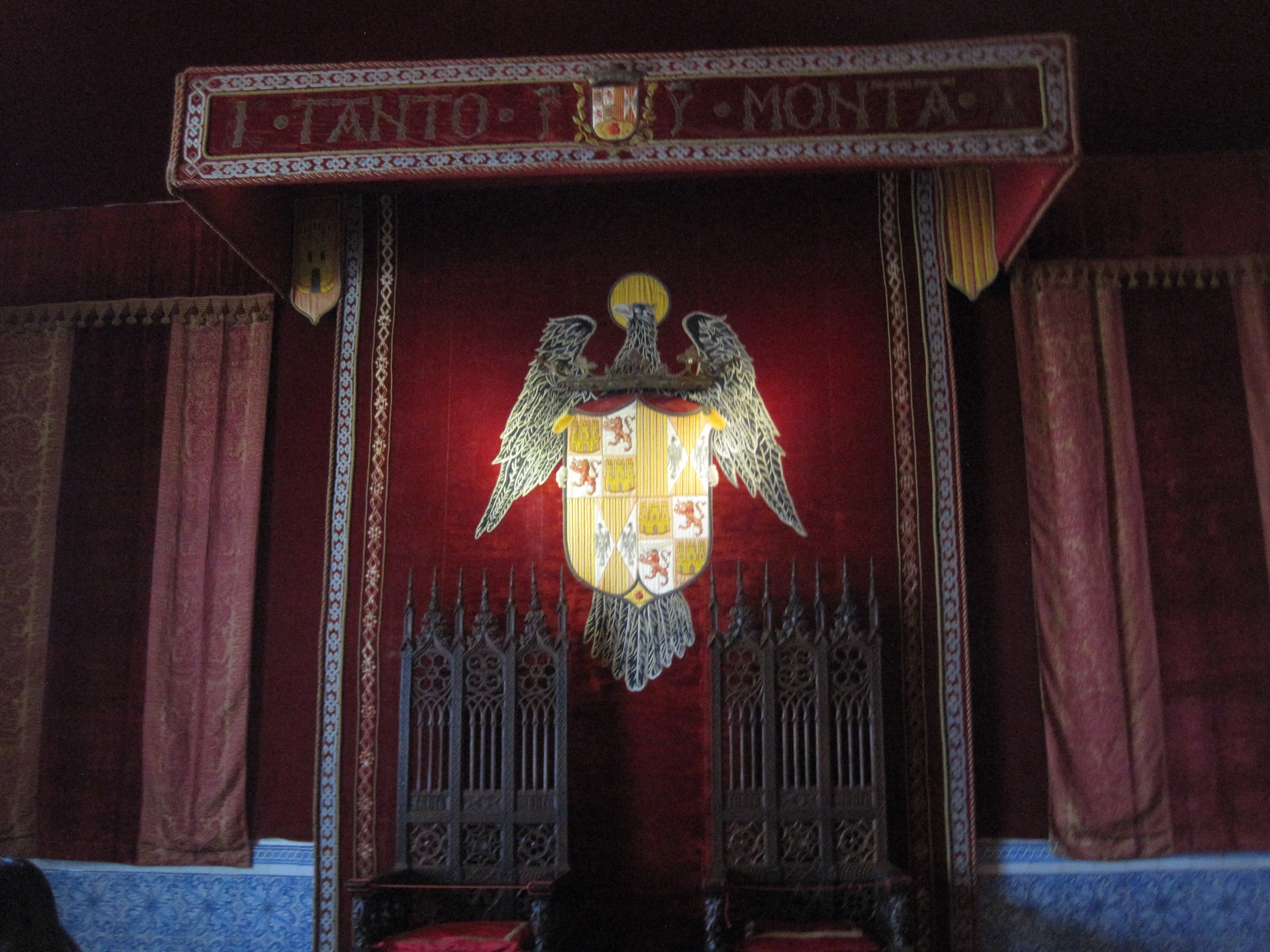
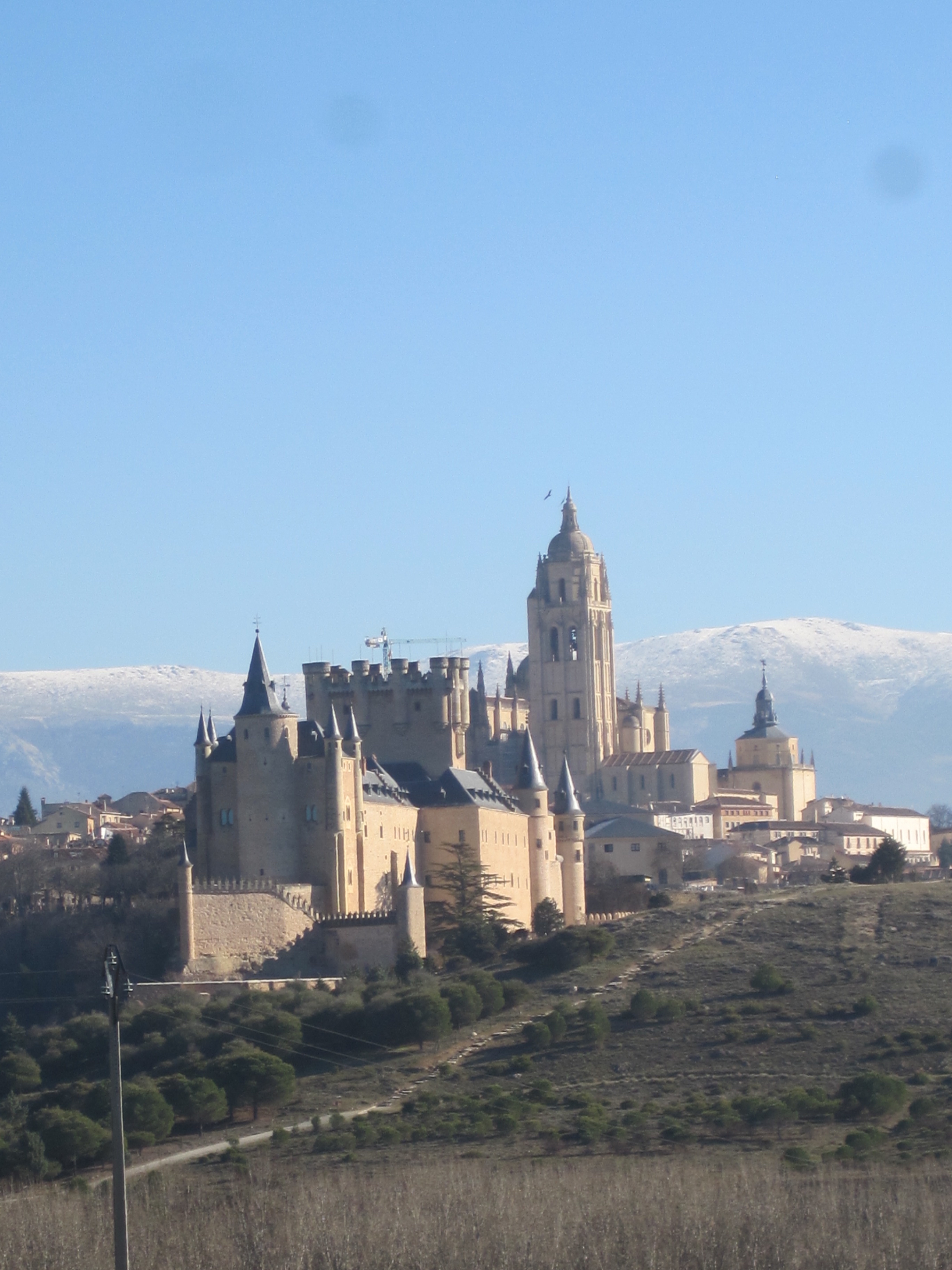
Then we took off for Segovia because I really wanted to see the Alcázar of Segovia. This castle sits at the top of Guadarrama Mountains and is said to be similar to the shape of a ships bow. Originally it was was built as a fortress and later it was used as royal palace, Royal Artillery College, state prison and military academy, and still hosts a military artillery museum. The building of the Alcazar was started in 1120 and part of the original building burnt in a fire in the 1896.

We drove out of town and up a few side roads, then hiked across a farmers field to take a picture from out of the city. Once back in town we toured the castle and got to the top for a view of the city!

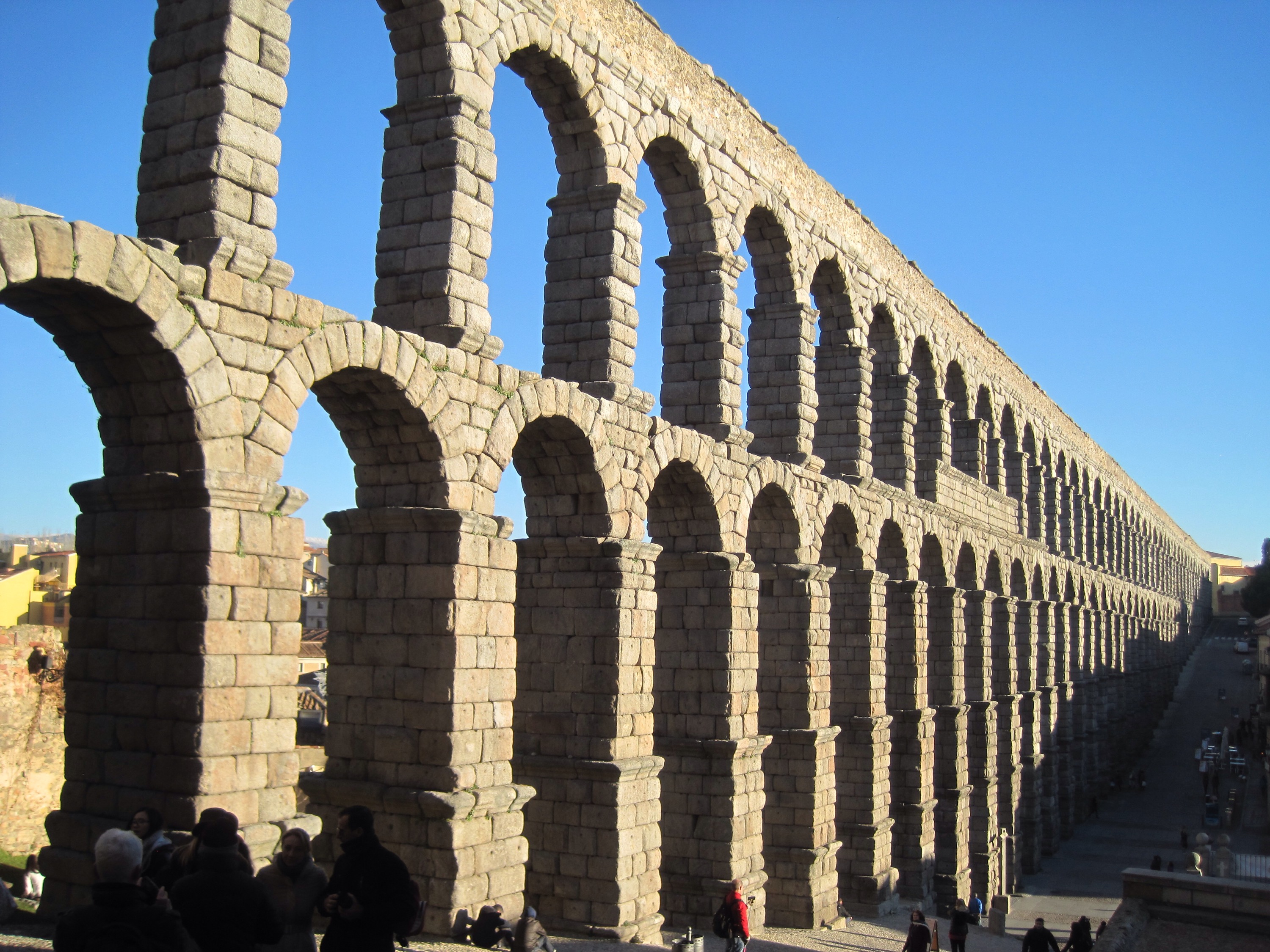
One other noteworthy part of Segovia is the aqueducts. No one is sure when this was constructed though archeologists think it was during the 1st century AD. Parts were destroyed by the Moors in 1072, but restored in the 1400’s. Historically water was transferred from Fuente Fría river, about 11 miles away in the mountains, water ran just over 9 miles before arriving into the city. Again amazing city well worth a stop.

/home/wpcom/public_html/wp-content/blogs.dir/99b/31551210/files/2014/12/img_3519.jpg

/home/wpcom/public_html/wp-content/blogs.dir/99b/31551210/files/2014/12/img_3458.jpg

/home/wpcom/public_html/wp-content/blogs.dir/99b/31551210/files/2014/12/img_3553.jpg

/home/wpcom/public_html/wp-content/blogs.dir/99b/31551210/files/2014/12/img_3536.jpg

/home/wpcom/public_html/wp-content/blogs.dir/99b/31551210/files/2014/12/img_3517.jpg

/home/wpcom/public_html/wp-content/blogs.dir/99b/31551210/files/2014/12/img_3445.jpgIMG_3474

3 Comments »

Salamanca, Spain; Historic College Town

Dec. 29, 2014

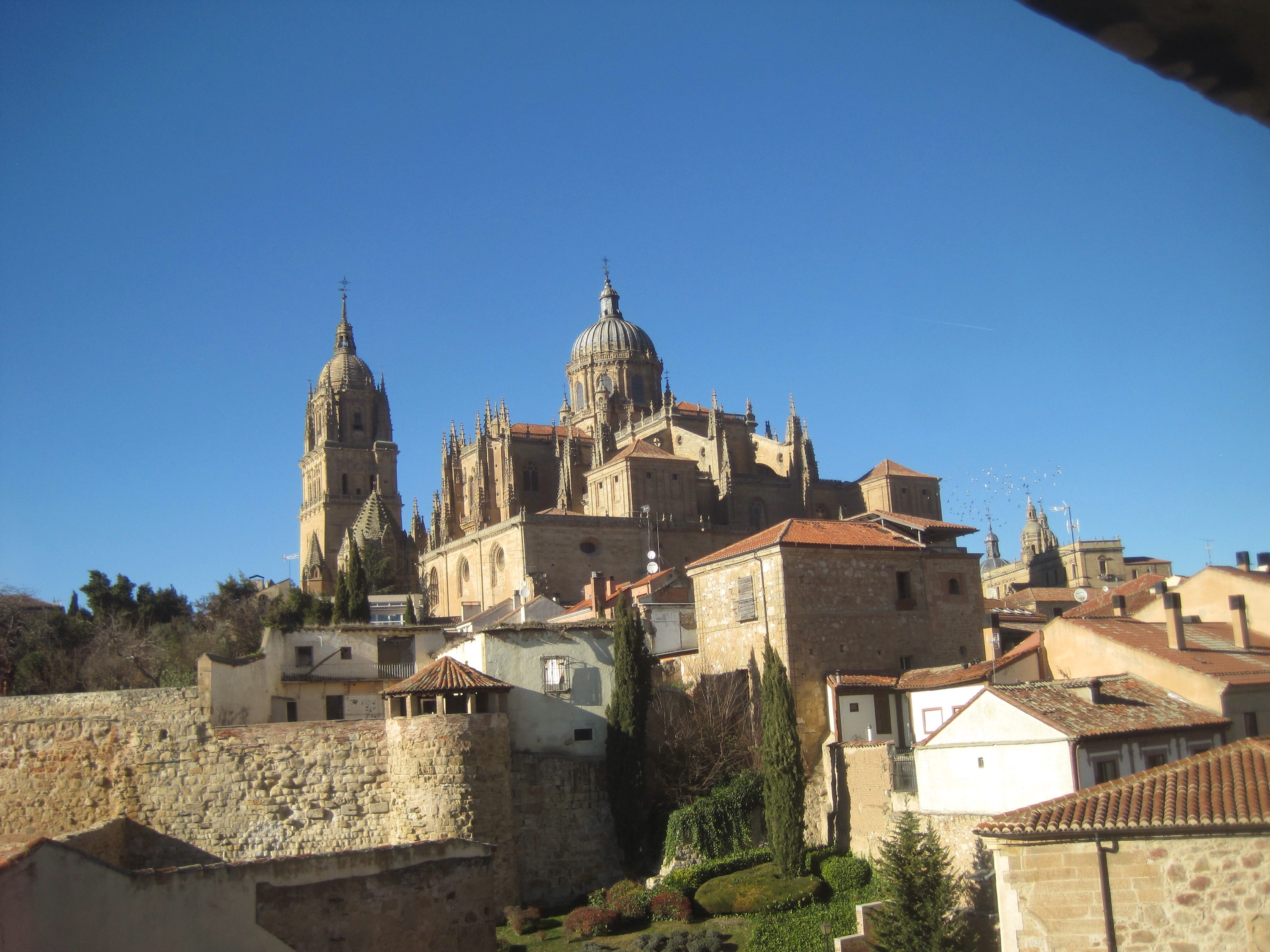
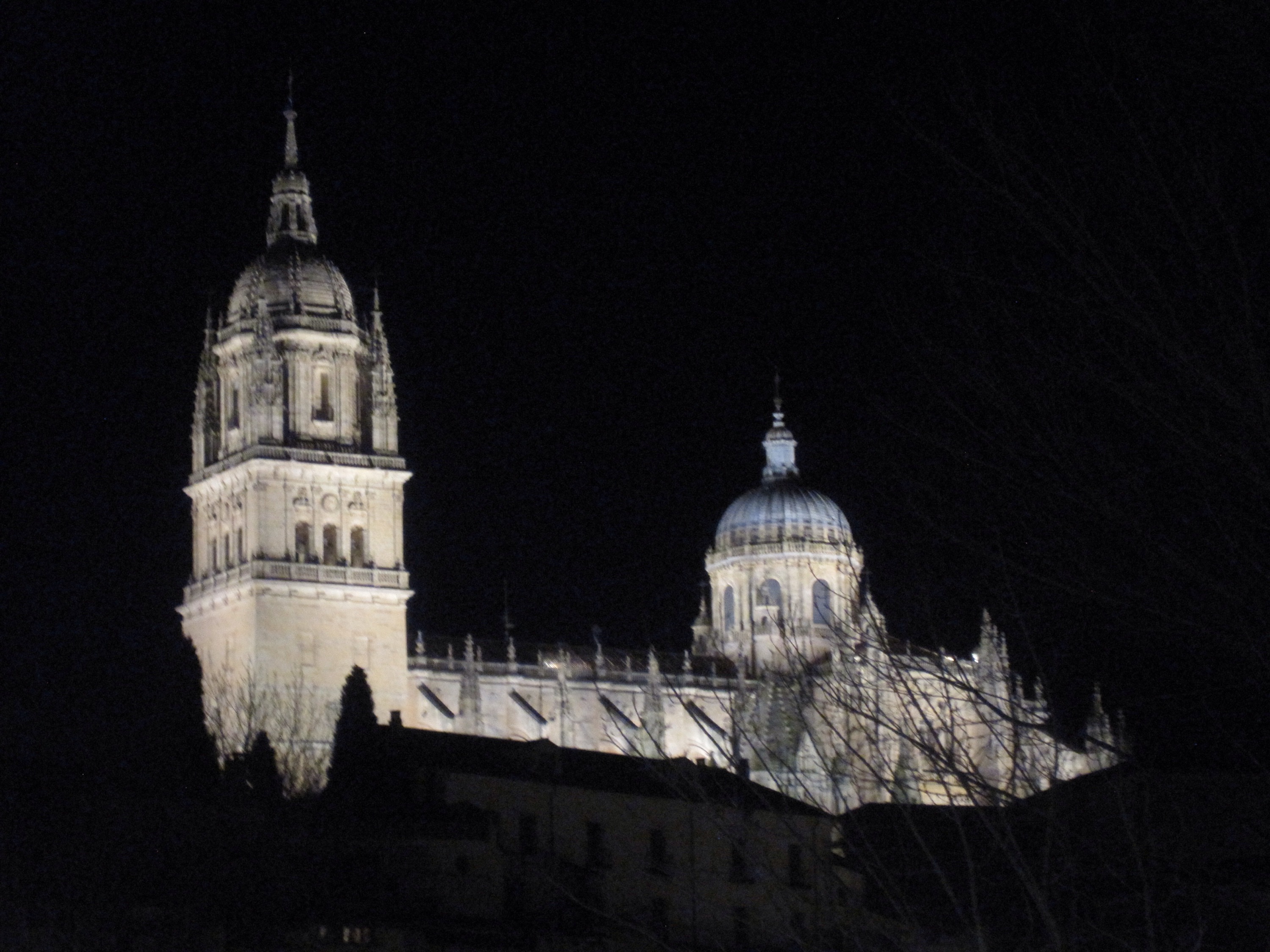
On a sunny, but cool day we pulled into Salamanca, and we’re thrilled we’d booked a room near the Cathedral Vieja, University (universidad de Salamanca) and Plaza Mayor, all highlights of our visit here. Almost all the historic buildings were built with sandstone and have a bright, golden look to them.

The University has been in existence since 1134. It is the oldest university in Spain and the fourth oldest in Europe. Columbus came to this school for travel information. Many exchange students come here, including many Americans, specifically to study the Spanish language!

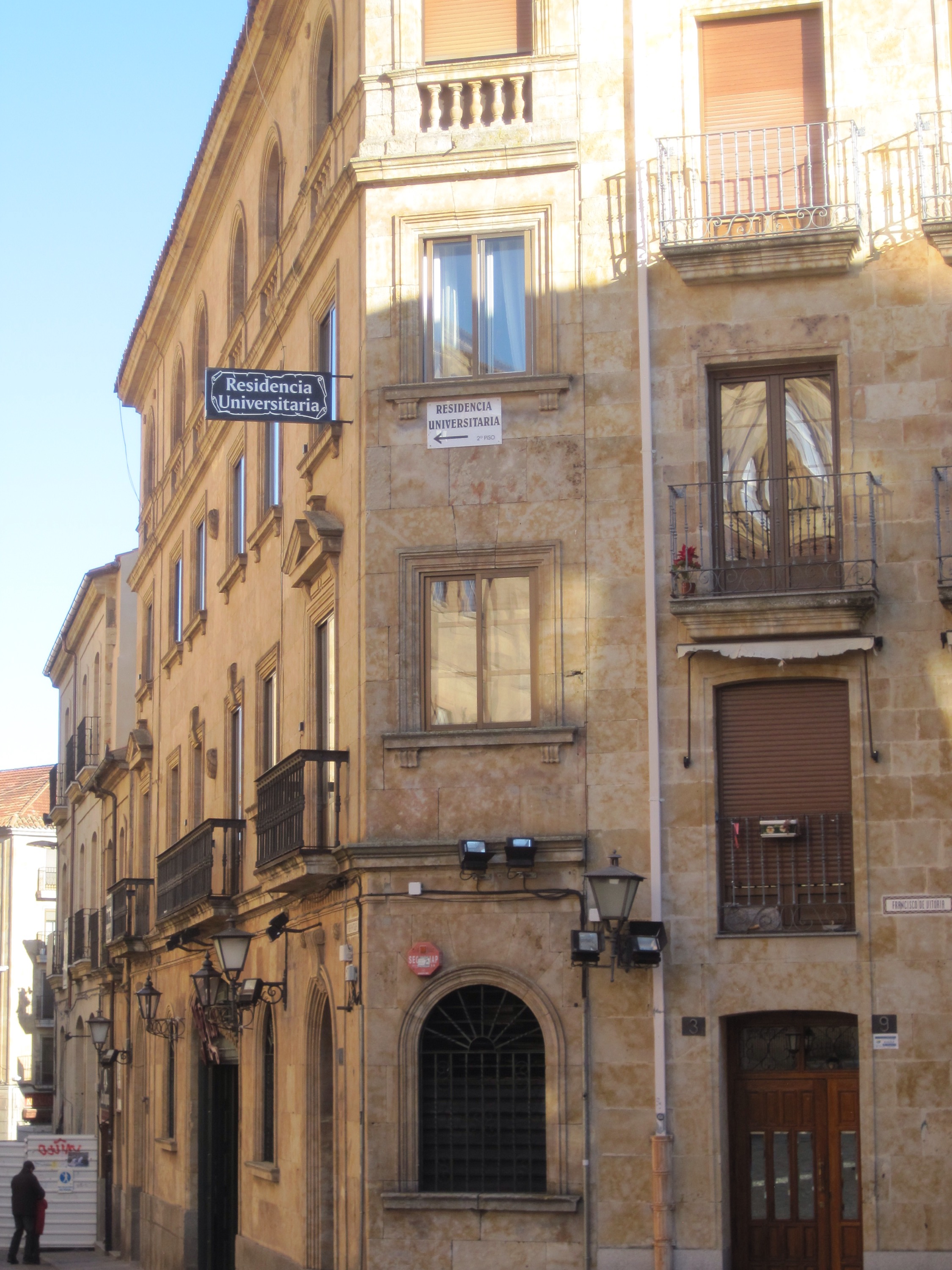
I, of course, was thrilled to see “residence” buildings after I lived in U housing for many years both during college and later as a hall director! Wish I could have gotten inside one for a tour!

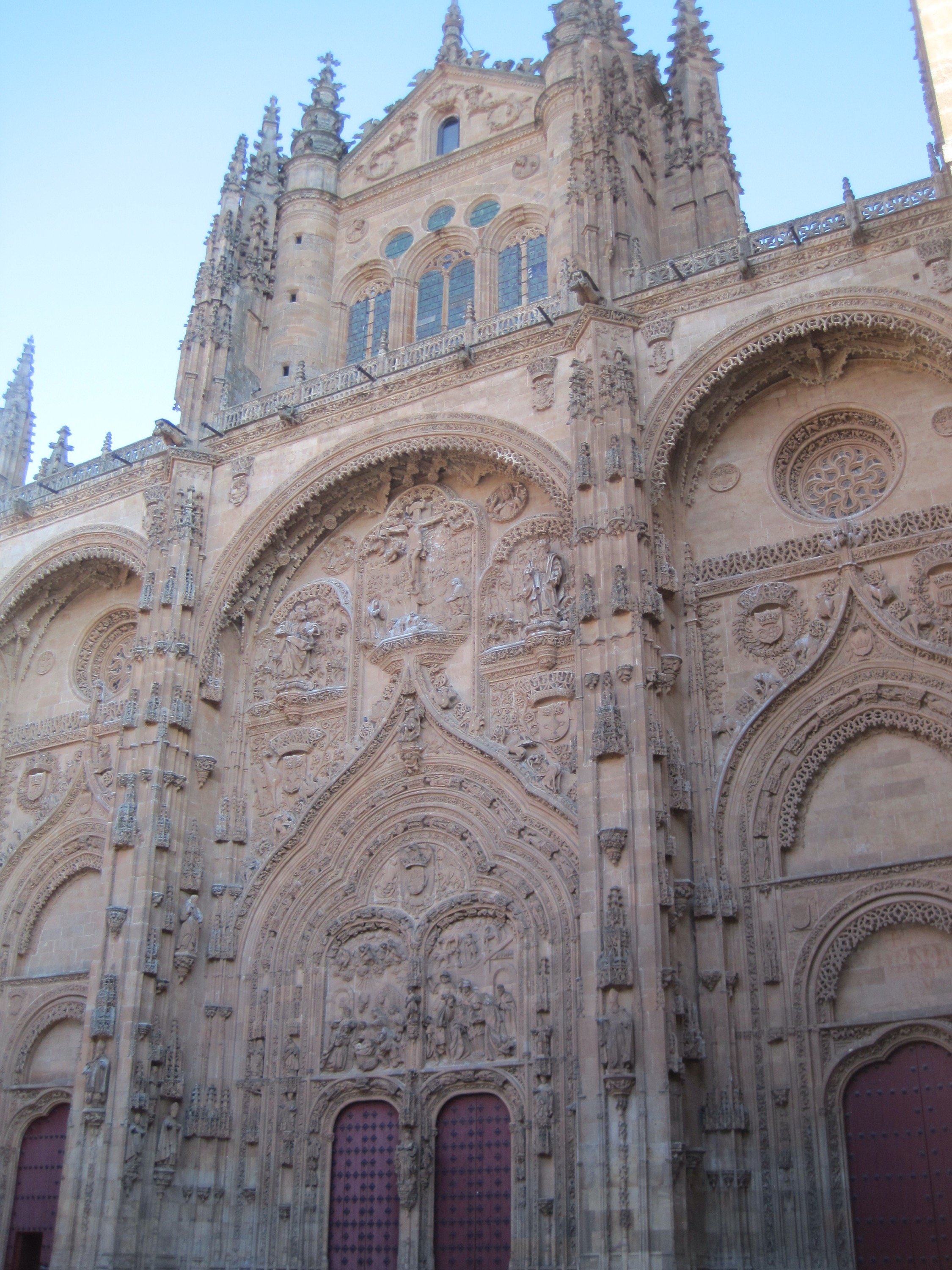
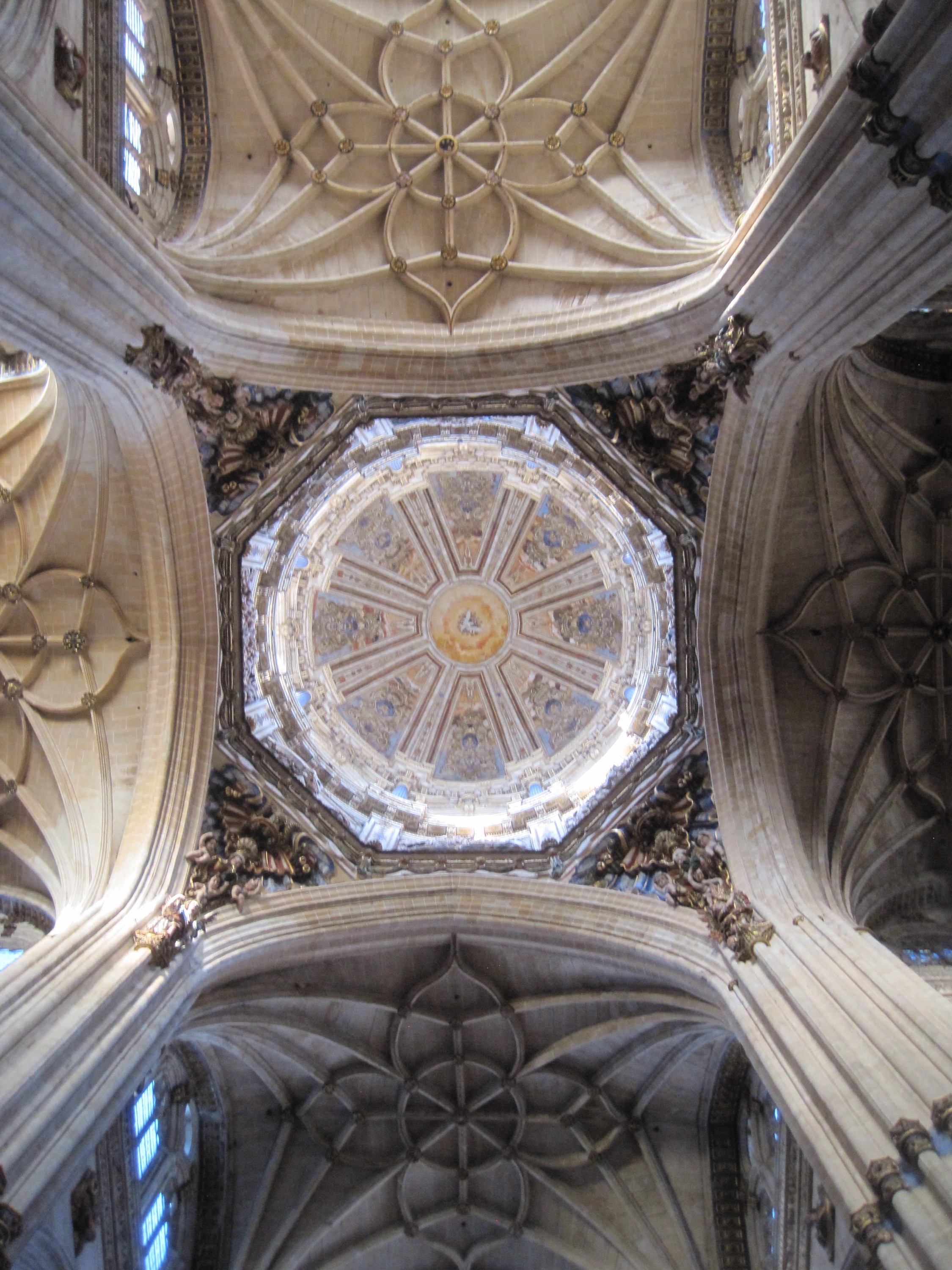
Cathedral Vieja is also one of the oldest in Europe. It was started to be built in 1513 and finished in 1733. It’s been a national monument since 1887. It’s stunning inside and worth the 4euro charge to enter.

Plaza Mayor is all its claimed to be, full of life especially in the evening. The alleys around it come alive around 5 pm. The plaza itself is a beautiful square that dates back to the 1700’s. Historically it held bullfights but now it is full of eateries, coffee, and trinket shops. It too is built from sandstone and has a soft look to it.

Glad it was sunny as it was around freezing, but we bundled up and enjoyed Salamanca’s old town area.

/home/wpcom/public_html/wp-content/blogs.dir/99b/31551210/files/2014/12/img_3304.jpg

/home/wpcom/public_html/wp-content/blogs.dir/99b/31551210/files/2014/12/img_3280.jpg

/home/wpcom/public_html/wp-content/blogs.dir/99b/31551210/files/2014/12/img_3305.jpg

/home/wpcom/public_html/wp-content/blogs.dir/99b/31551210/files/2014/12/img_3290.jpg

/home/wpcom/public_html/wp-content/blogs.dir/99b/31551210/files/2014/12/img_3400.jpg

/home/wpcom/public_html/wp-content/blogs.dir/99b/31551210/files/2014/12/img_3309.jpg

/home/wpcom/public_html/wp-content/blogs.dir/99b/31551210/files/2014/12/img_3324.jpg

/home/wpcom/public_html/wp-content/blogs.dir/99b/31551210/files/2014/12/img_3335.jpg

/home/wpcom/public_html/wp-content/blogs.dir/99b/31551210/files/2014/12/img_3353.jpg

Leave a comment »

San Sebastián Spain, a summer tourist town, dead in the winter!

Sunday, Dec. 28, 2014

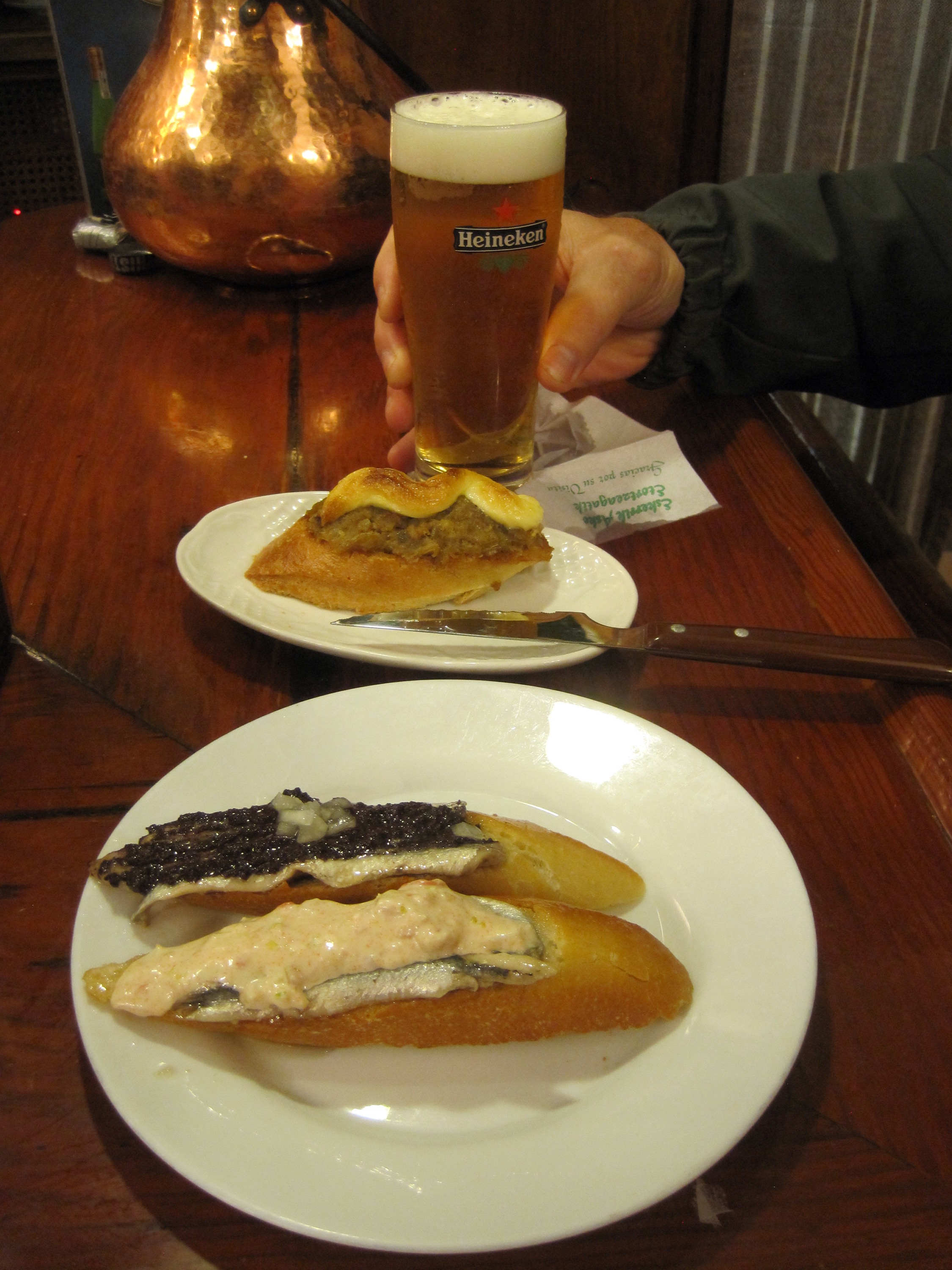
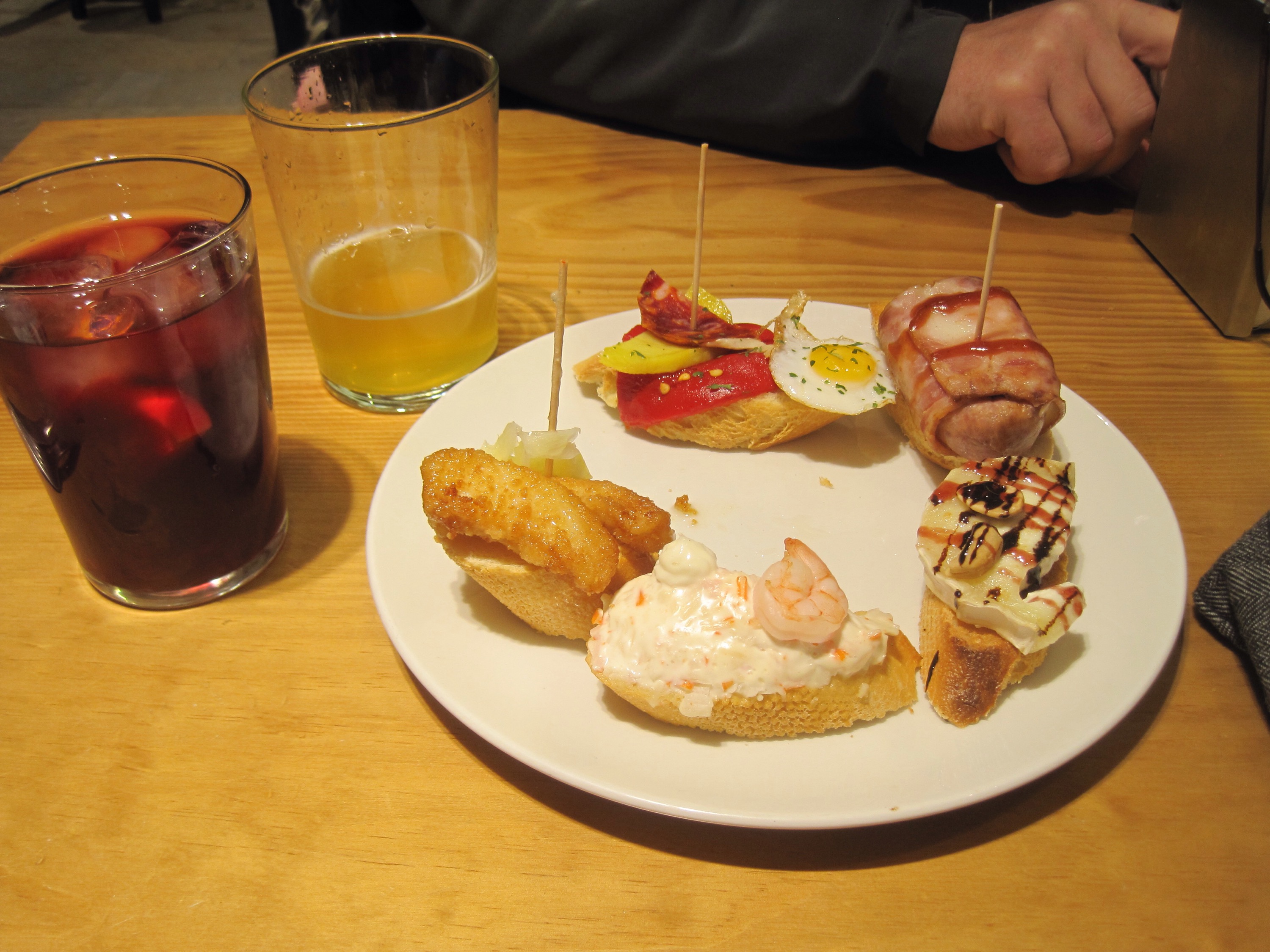
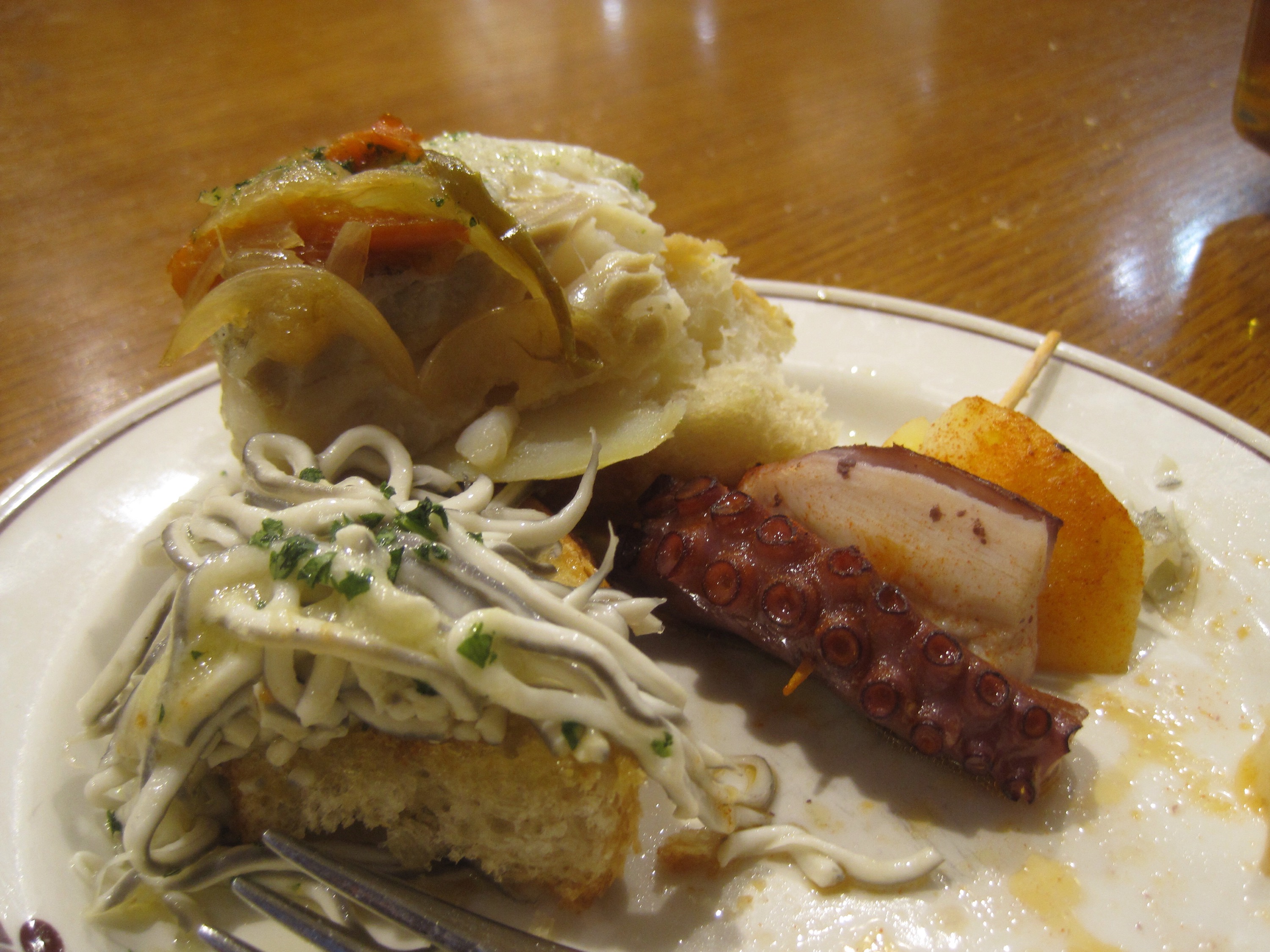
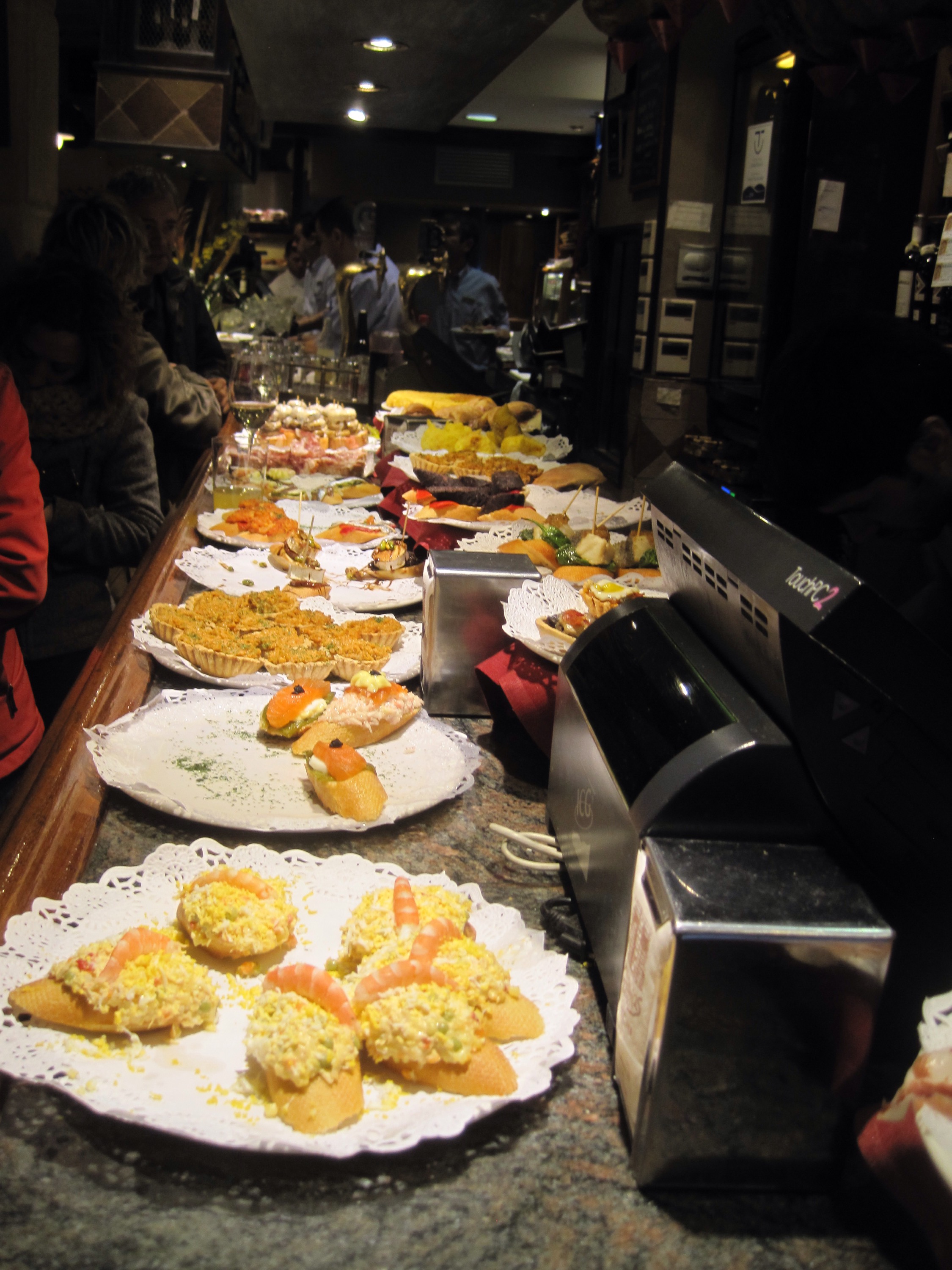
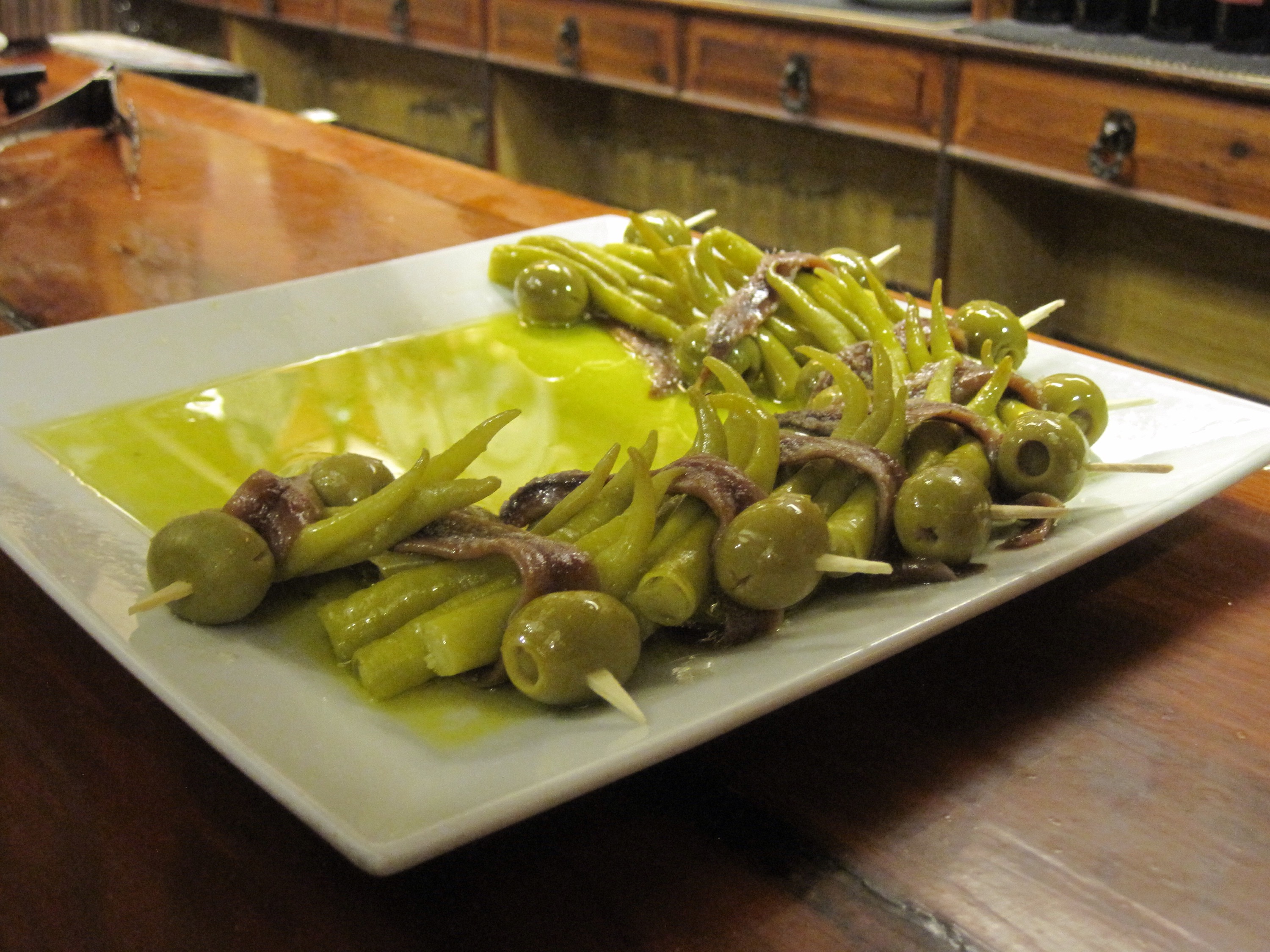
Let me start by saying I’m happy we came to San Sebastian if for nothing else to eat the pintrxos, the Basque word for tapas.

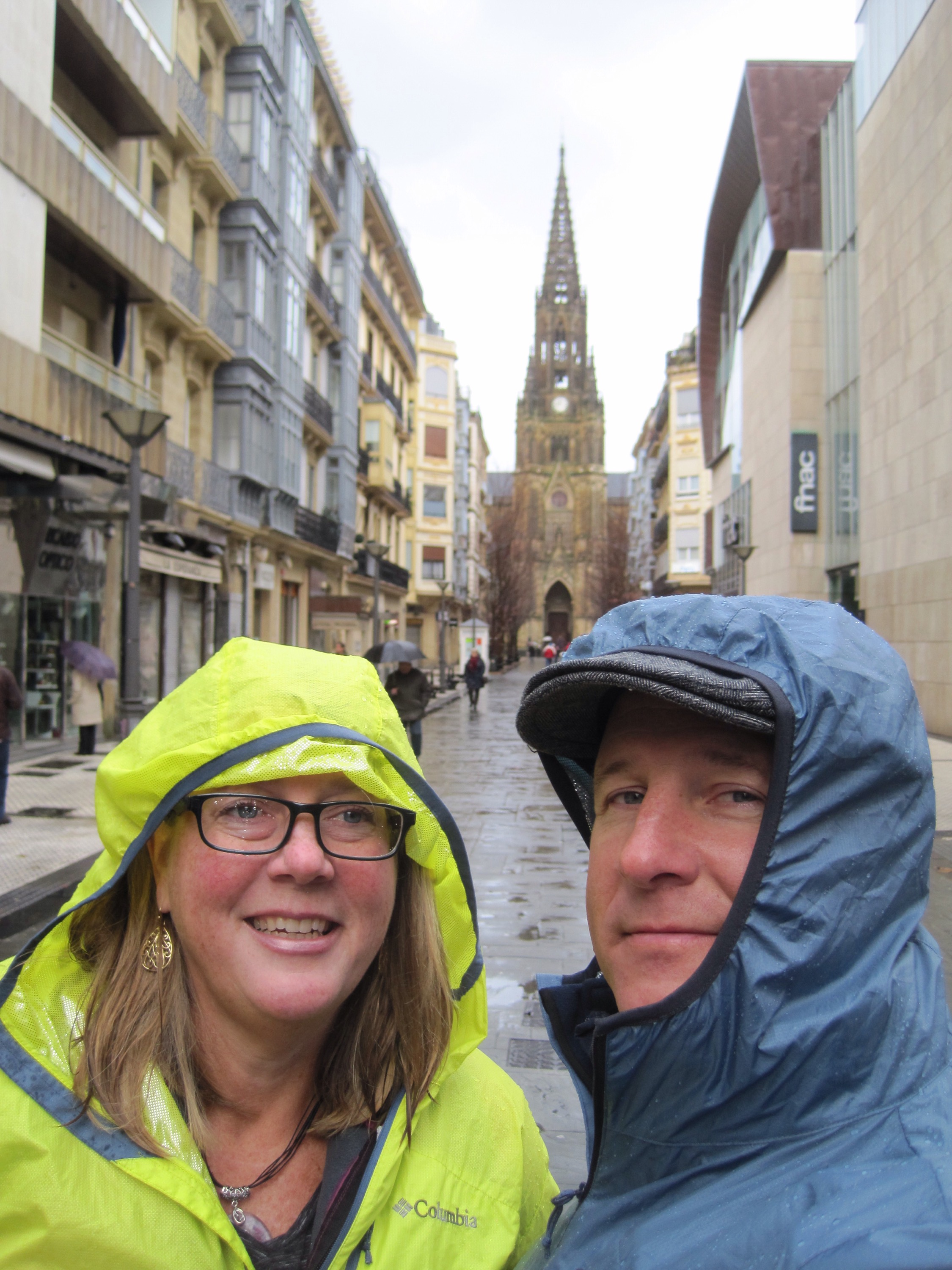
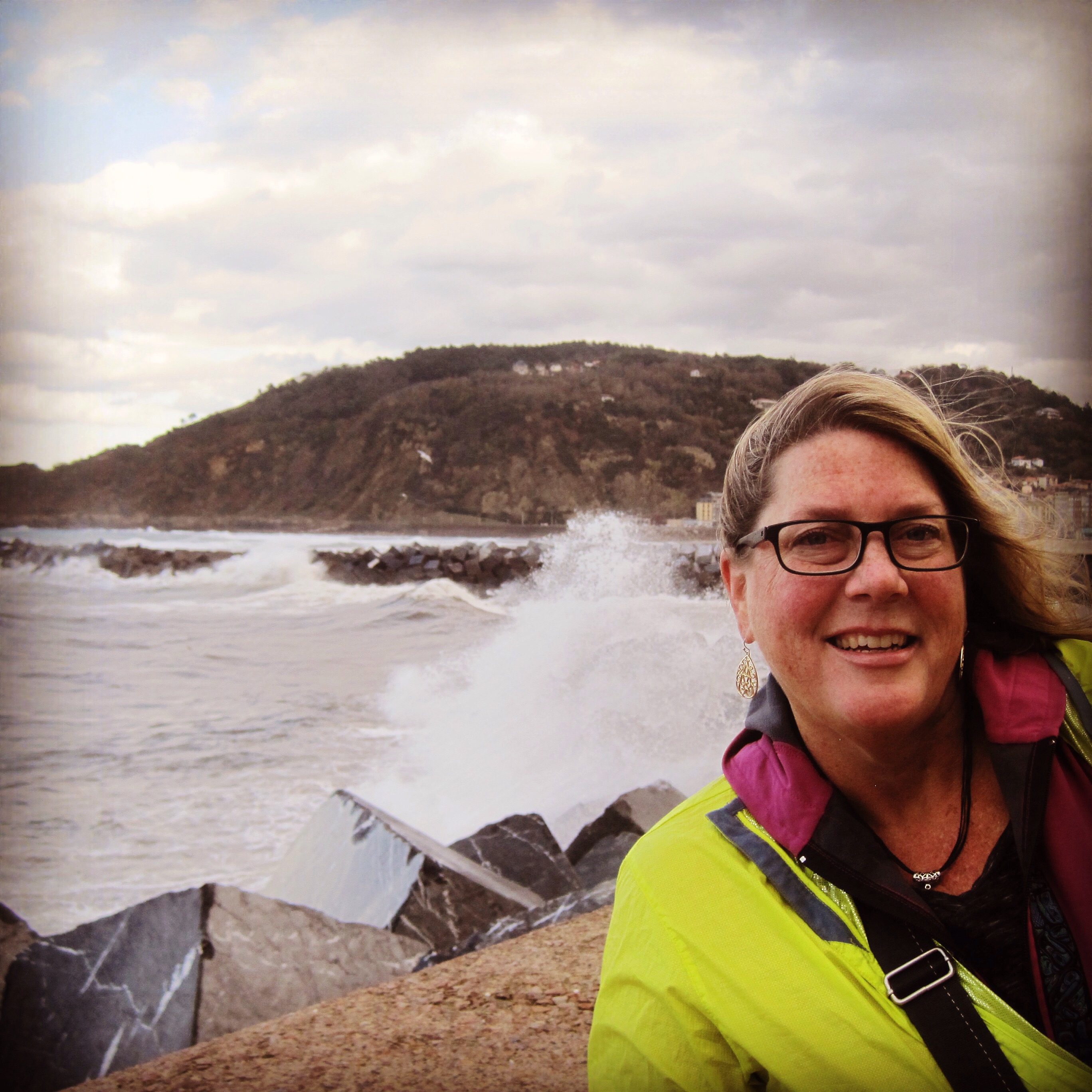
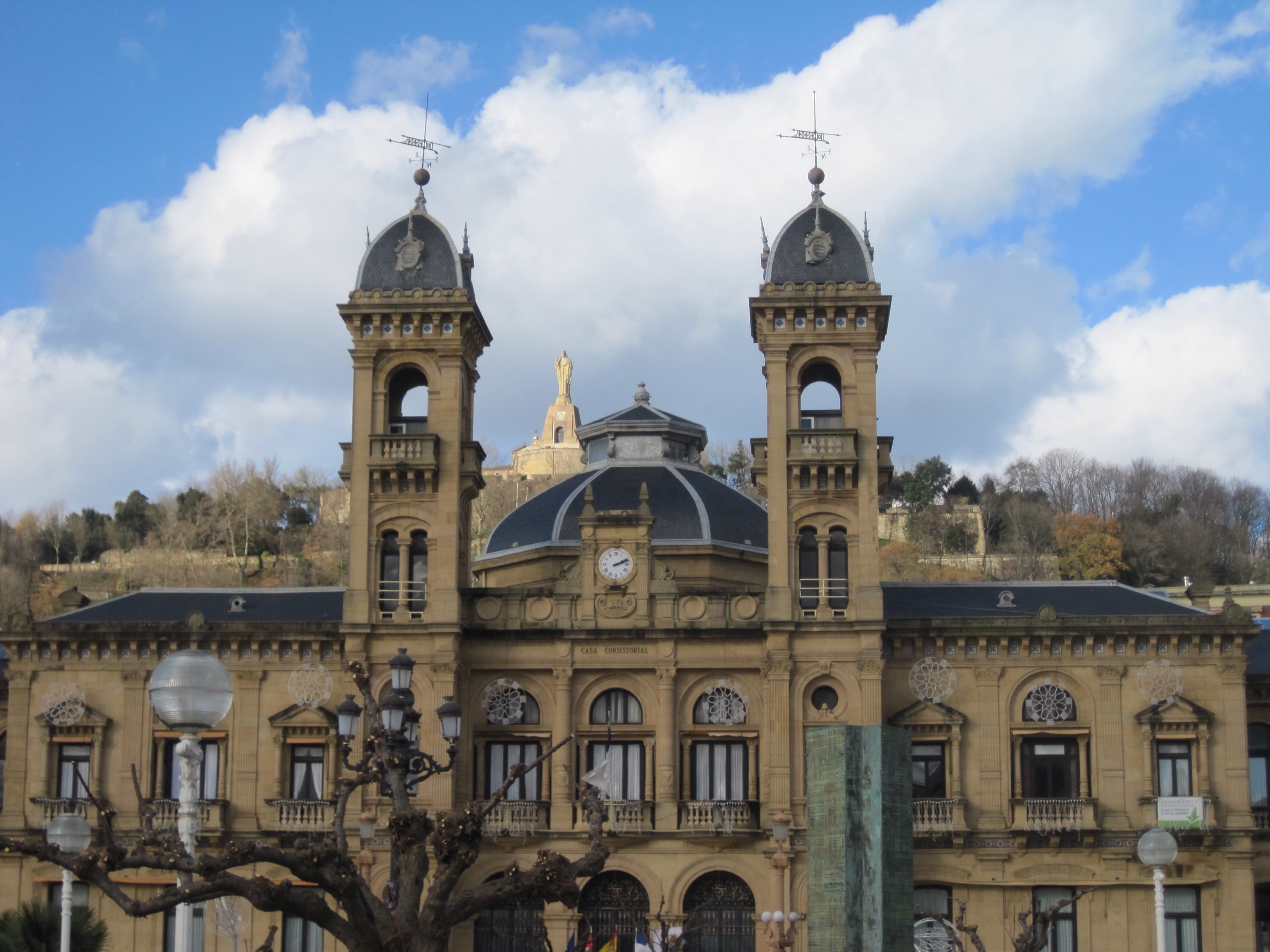
We drove our car to the train stopped and without much problem bought round trip tickets into town! When we got off the train in downtown San Sebastian it was pouring rain, it reminded us of Juneau on in October day. It was just before noon and downtown was absolutely dead, the only people we saw where those headed into the church for noon mass. We continue to old town where at least there was a little more activity, however nothing really came alive until about 1 PM. Suddenly all the bars were opened up and there were tons of people crowding them trying to get some food and beer and wine.

We decided to do as the locals do and as we’d read about; we hopped from bar to bar to “txiquiteo” as the locals call it. We just walked up and down the street entering different bars and filling our plates with 2 to 4 pintrxos! Some were cheese and vegetables, some seafood others were ham with toppings but my favorite or any of them that had anchovies. Paired with a glass of beer or a glass of sangria we enjoyed each stop.

Once the rain stopped and actually cleared up a bit almost becoming sunny though it was cold and windy most of the day. We were still marveling at the fact that most of the stores were closed and that it seemed to be quite quiet town considering it’s such a tourist destination. I’m sure in the summer it’s just the opposite and again, in some ways it reminds us of home, everything closed down until all the tourists come back. We are sure it had also had a lot to do with it being Sunday though it was disappointing to be such a ghost town.

San Sebastian is a community of almost 200,000 people and in the summer tourism about doubles! But on this cold rainy winter Sunday it was more or less a deserted town. The community sits on the Bay of Biscay, and the winds hollow through town, and today was no exception. I’m sure in the summer the be winds off the water are refreshing but today they made it chilly.

The main language here is not Spanish it is actually Euskara, the Basque language, which made it even more challenging for us to interact with people. All the signage and menus were also Euskara so we resorted to pointing to much of the food!

We’re glad we visited but don’t think we got a true idea of the community.

/home/wpcom/public_html/wp-content/blogs.dir/99b/31551210/files/2014/12/img_3156.jpg

/home/wpcom/public_html/wp-content/blogs.dir/99b/31551210/files/2014/12/img_3241.jpg

/home/wpcom/public_html/wp-content/blogs.dir/99b/31551210/files/2014/12/img_3189.jpg

/home/wpcom/public_html/wp-content/blogs.dir/99b/31551210/files/2014/12/img_3187.jpg<

/home/wpcom/public_html/wp-content/blogs.dir/99b/31551210/files/2014/12/img_3245.jpg

/home/wpcom/public_html/wp-content/blogs.dir/99b/31551210/files/2014/12/img_3246.jpg

/home/wpcom/public_html/wp-content/blogs.dir/99b/31551210/files/2014/12/img_0757.jpg

/home/wpcom/public_html/wp-content/blogs.dir/99b/31551210/files/2014/12/img_3193.jpg

/home/wpcom/public_html/wp-content/blogs.dir/99b/31551210/files/2014/12/img_3165.jpg

4 Comments »

Probably our most favorite night in Europe EVER: Sos del Rey Católico

Dec. 26-27, 2014

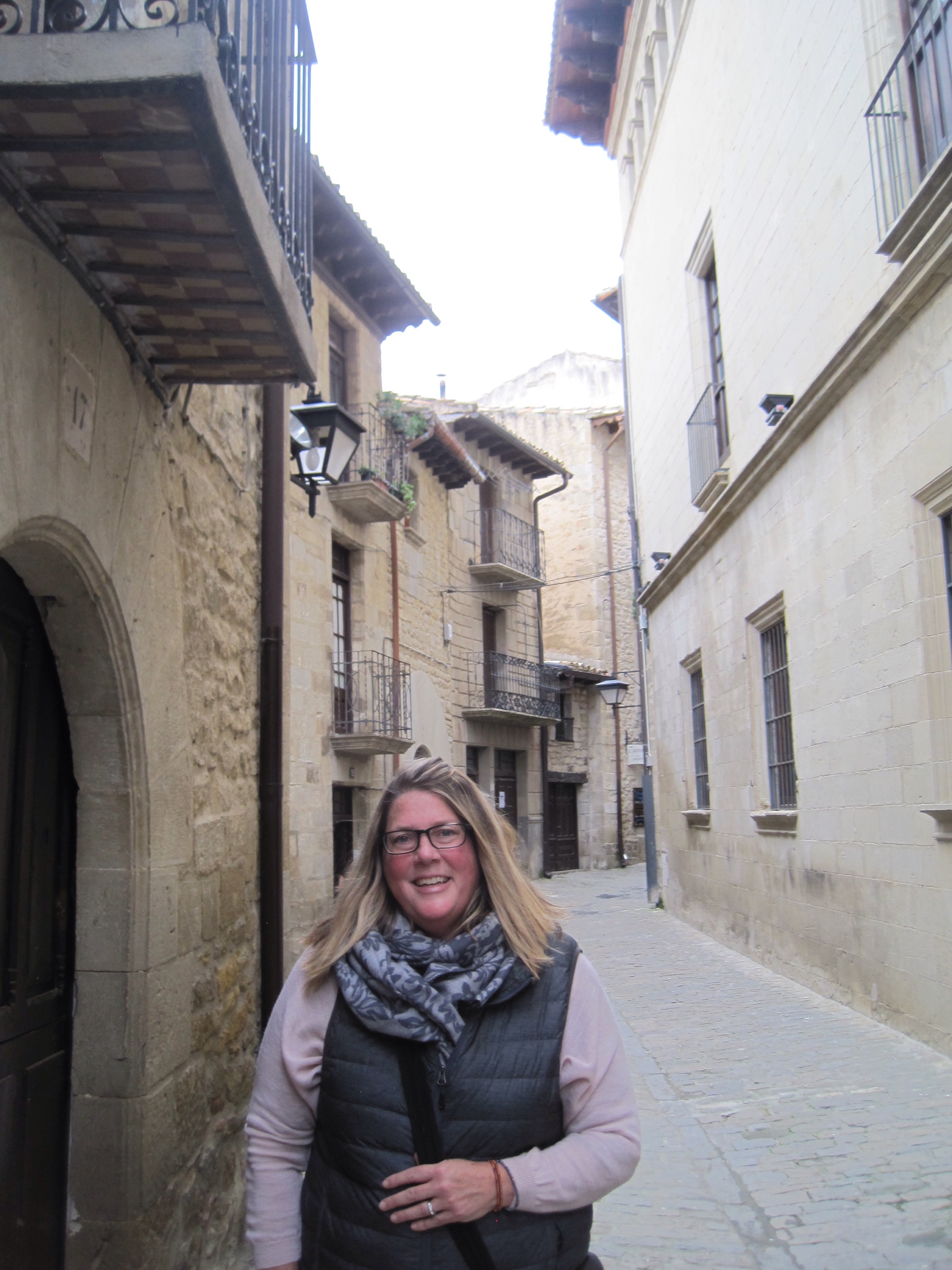
We rolled into town as the sun was setting and arrived just before dark. Found our hotel easily and I actually cried with joyful tears as we entered our room. This was the ideal hotel and town, the one that I’d imagined in my mind small town Spain would be like.

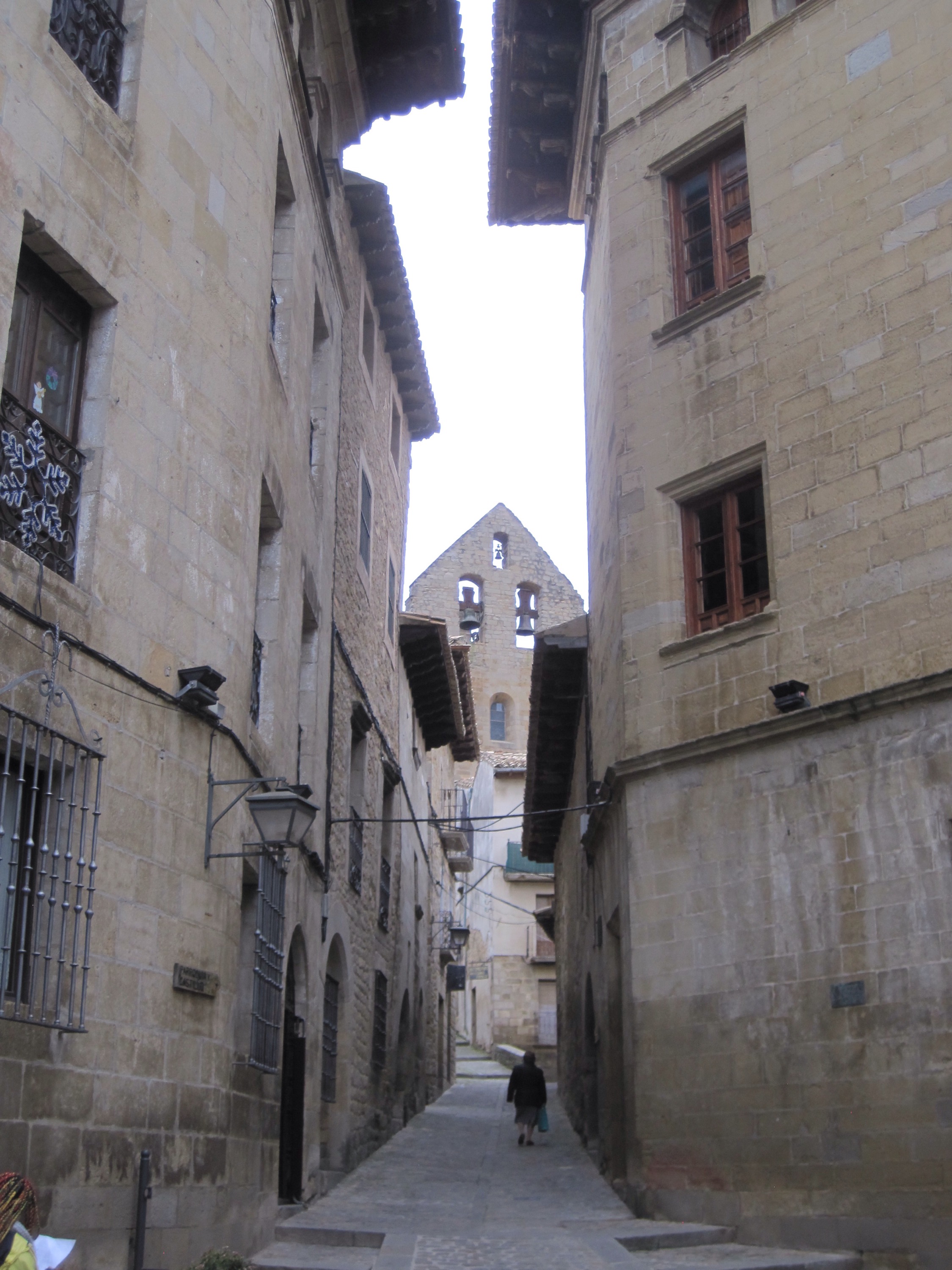
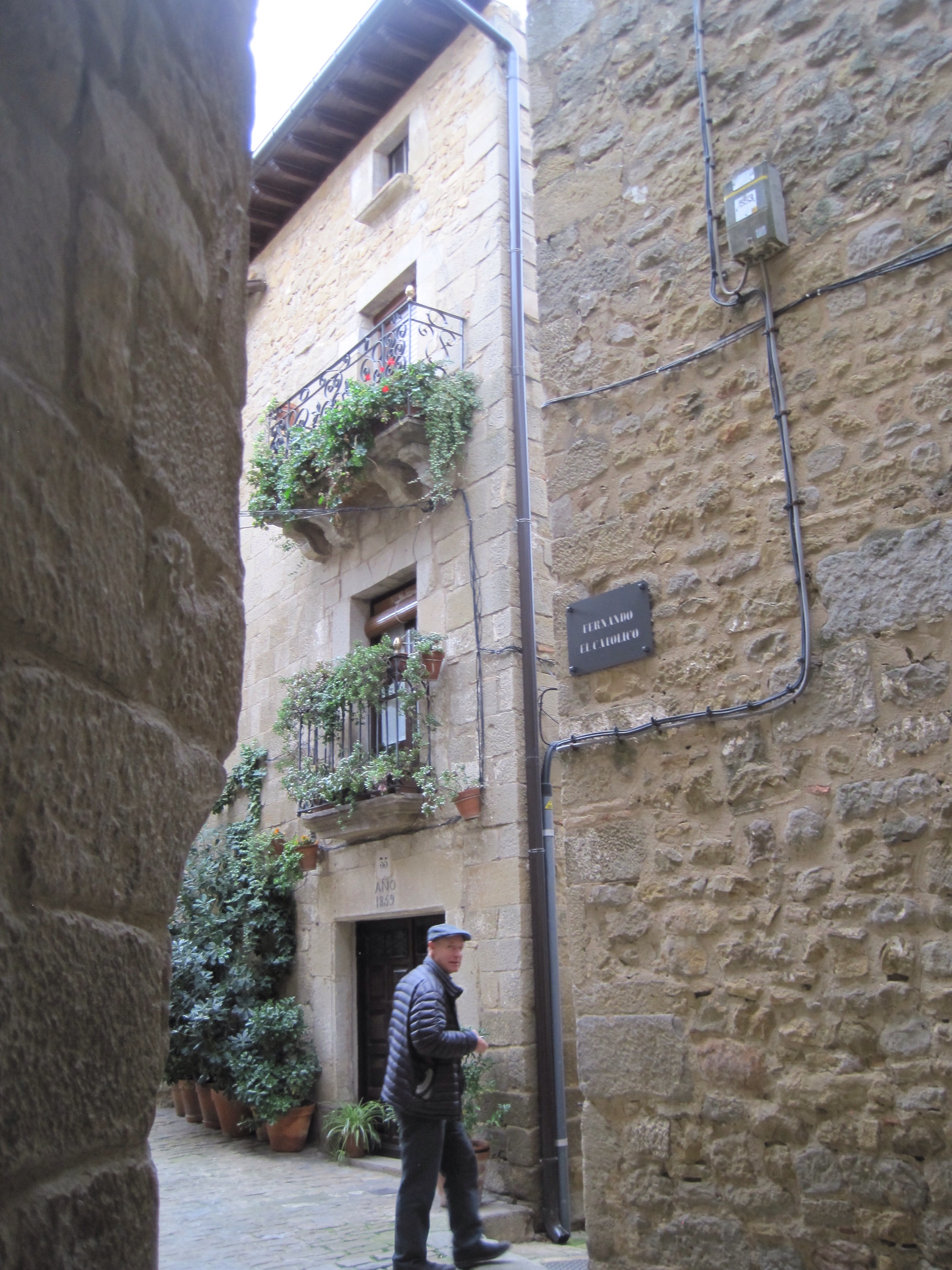
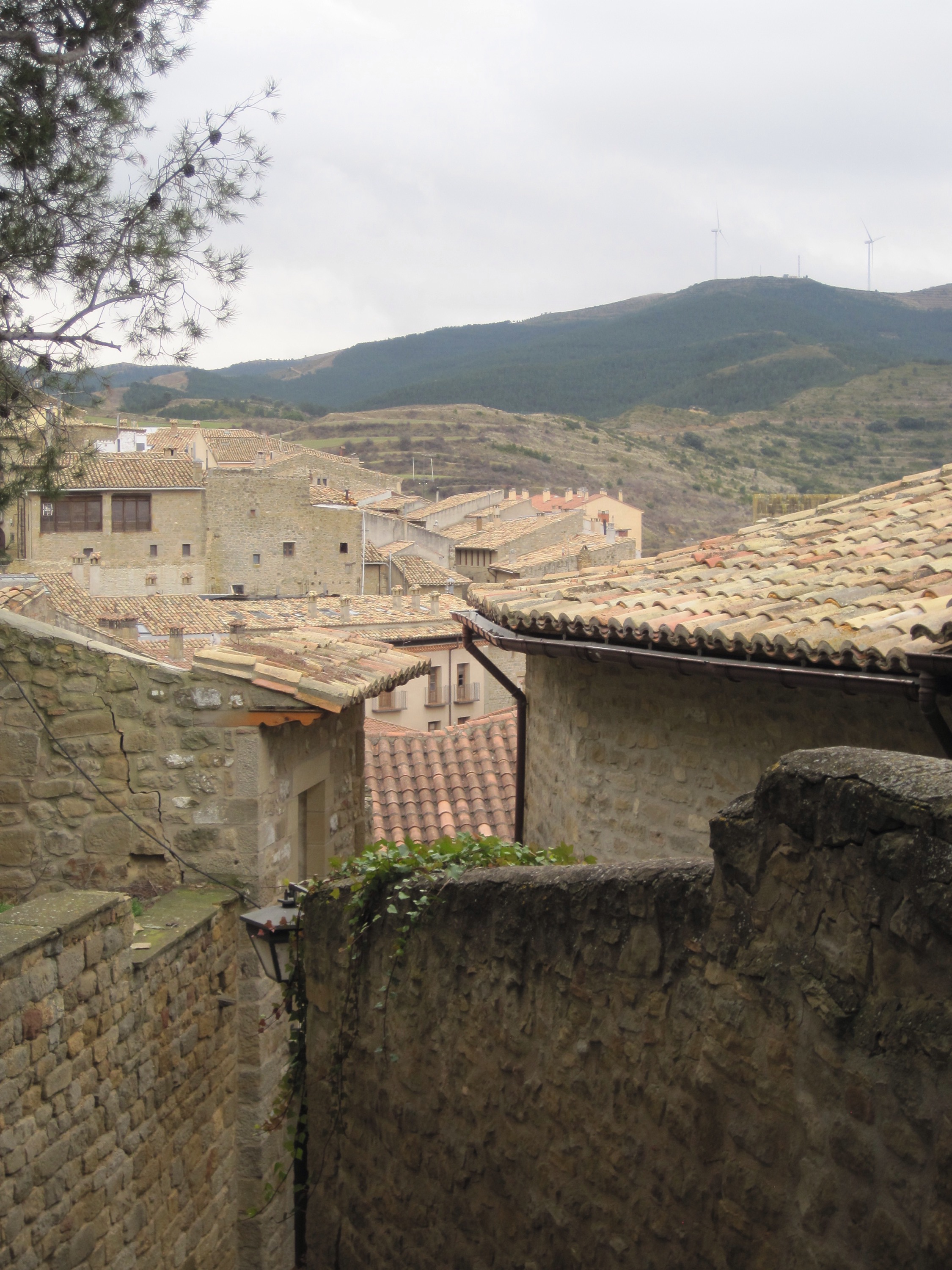
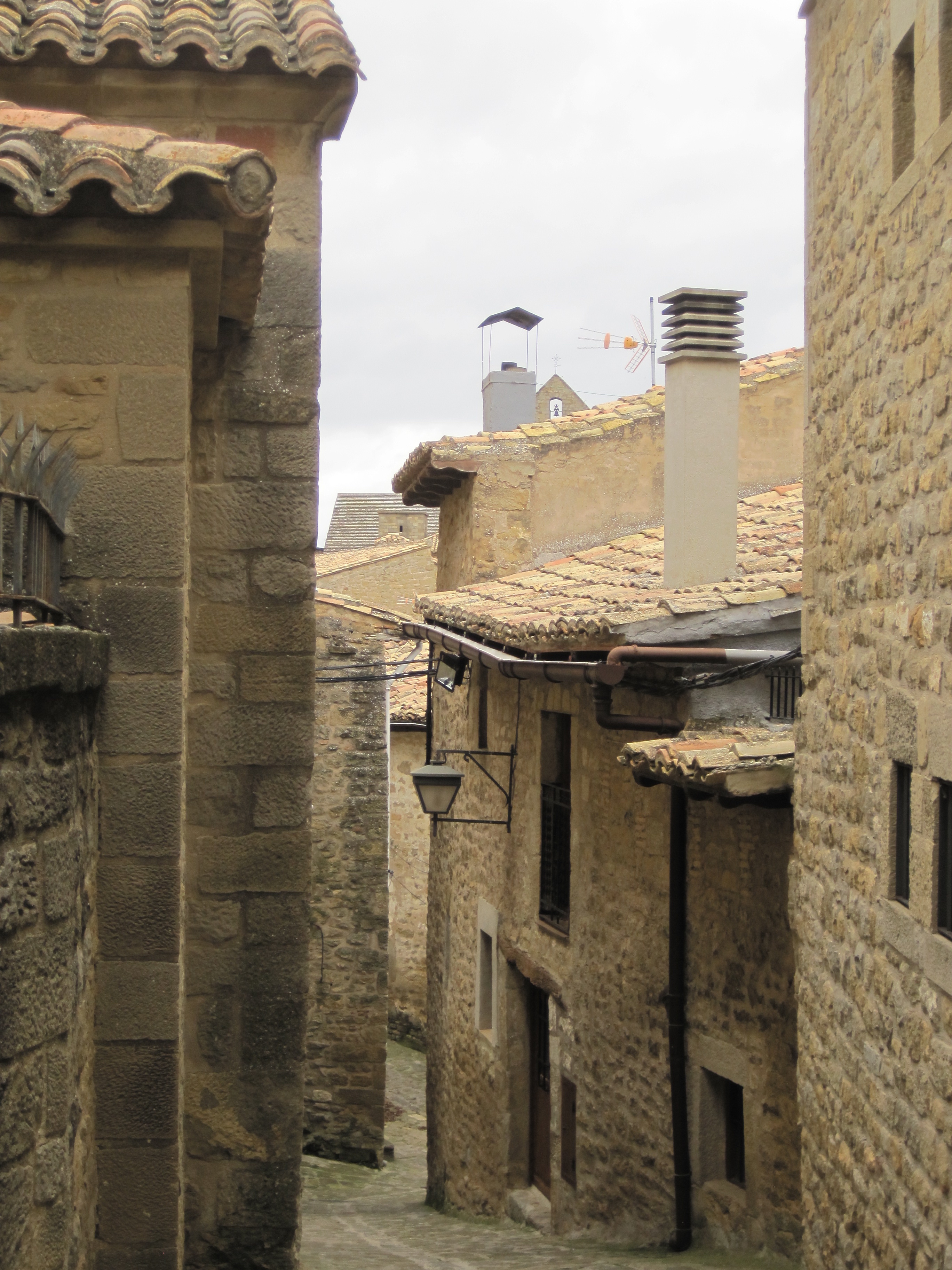
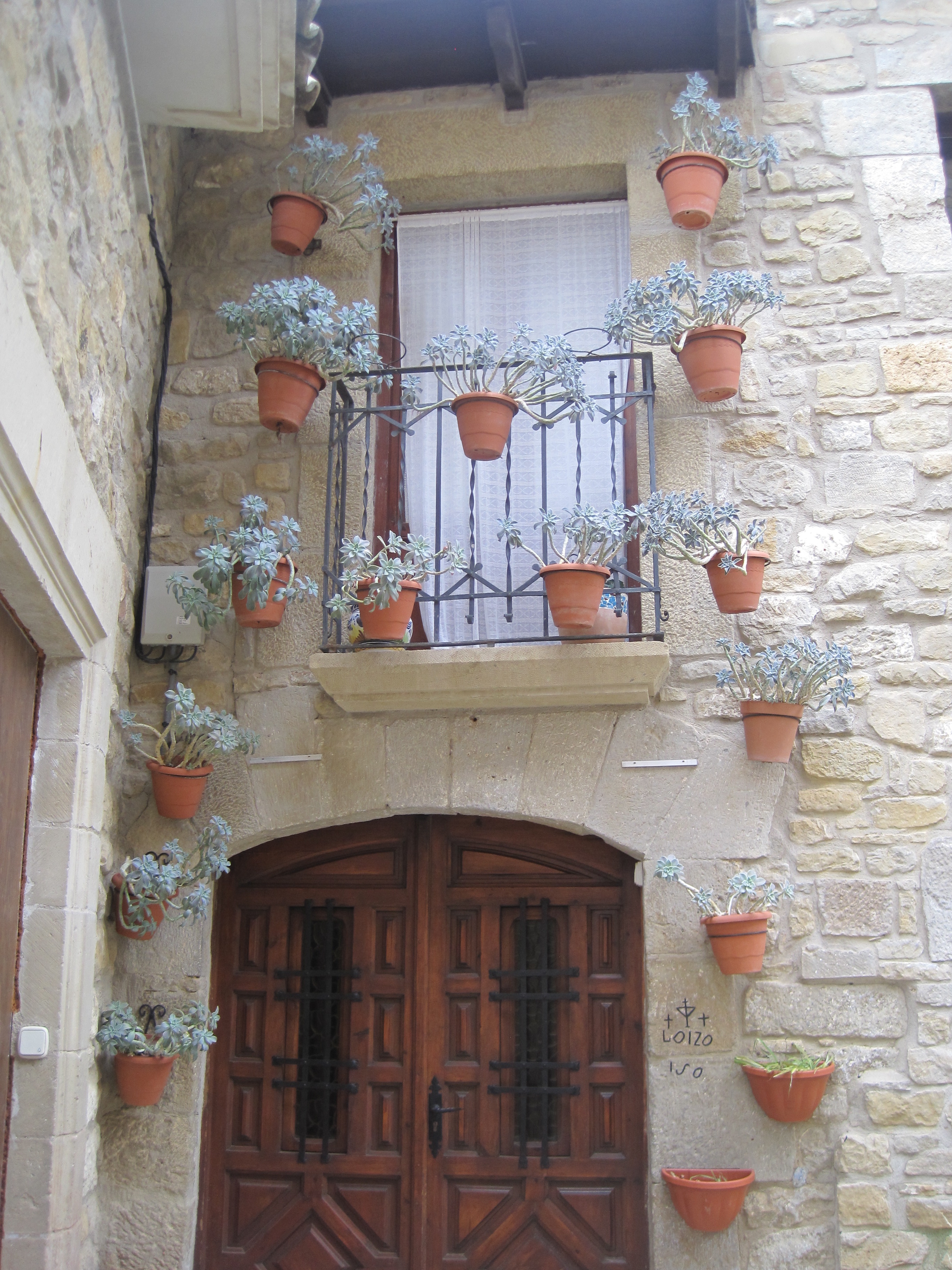
The narrow cobblestone streets, red tiled roofs and rock/concrete buildings left you feeling as it were 1000’s of years ago. We walked through the maze of “streets” in awe of every view. One corner highlighted an old steeple, another showcased the country side farms, and another the balconies of local residents.

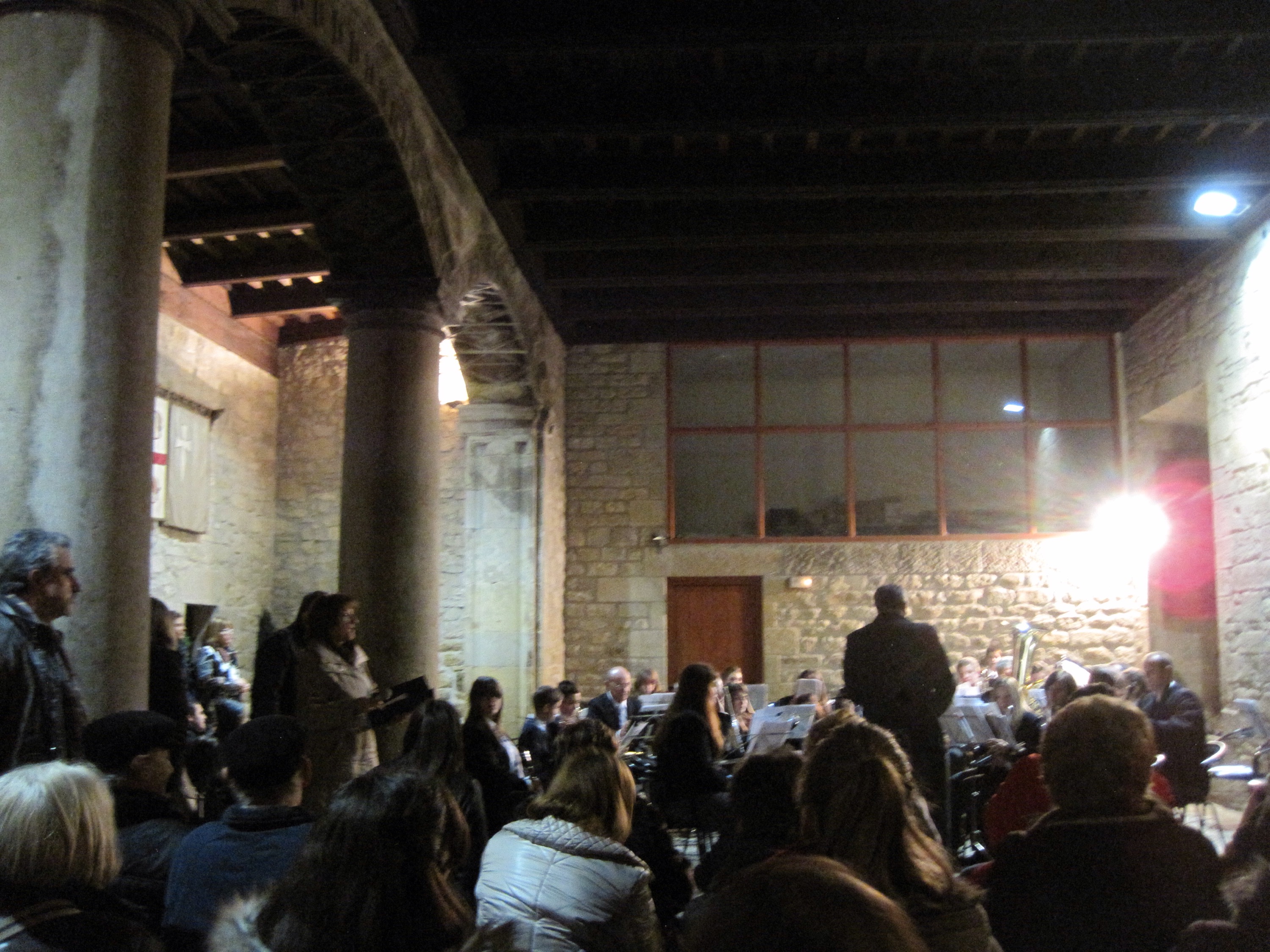
Upon arrival and check in we were invited to a community concert at the local community center down the ally. Of course we chose to be “one with the people”. We arrived early and got a chair, though many after us did not. The first 45 minutes was full of choir singing mostly in tune! Then the youth (with a few adults including our hotel owner) entertained us with several movie scores and Christmas songs. They were really good!

We then stopped at the tapas bar across the street from our hotel. We met a woman and husband from Madrid and told us we’d found a magical place to visit. She said that they come here for vacation to escape the city.

The history of this town dates back to 901, yes that 901! It was a border town during the Reconquista. In 1492 King Ferdinand was born here when it was known simply as Sos, but was later changed to Sis del Rey Católico meaning “of the Catholic King” in his honor.

Though it is off the beaten path I would highly recommend stopping here for a night. Our hotel, “el Peiron,” is 4 years old and family run. Mom and dad speak NO English but one son spoke enough that we could get by. I can’t say enough about how much we loved this hotel and town.

/home/wpcom/public_html/wp-content/blogs.dir/99b/31551210/files/2014/12/img_3027.jpg

/home/wpcom/public_html/wp-content/blogs.dir/99b/31551210/files/2014/12/img_3016.jpg

/home/wpcom/public_html/wp-content/blogs.dir/99b/31551210/files/2014/12/img_3037.jpg

/home/wpcom/public_html/wp-content/blogs.dir/99b/31551210/files/2014/12/img_3021.jpg

/home/wpcom/public_html/wp-content/blogs.dir/99b/31551210/files/2014/12/img_3086.jpg

/home/wpcom/public_html/wp-content/blogs.dir/99b/31551210/files/2014/12/img_3052.jpgIMG_3049 IMG_3047

2 Comments »

Park Güell ~ Barcelona

Dec. 25, 2014

We had wanted to visit the park and headed out on Christmas morning knowing that we had tickets for 12:30 to tour Basilica de la Sagrada Familia. We rode the subway to the closet metro Lemmen, and as we offloaded the subway a nice young woman was standing there helping tourists explaining that it was necessary to take the bus to the park because it was a long walk. She shared with us that you take bus number 24 to the park. We also learned it was an 8 euro entry. At that point we decided to hold off and go to the park in the afternoon AFTER our other tour, because she said you buy tickets to enter at a specific time on the 1/2 hour you can stay as long as you want but once you leave you can not return.

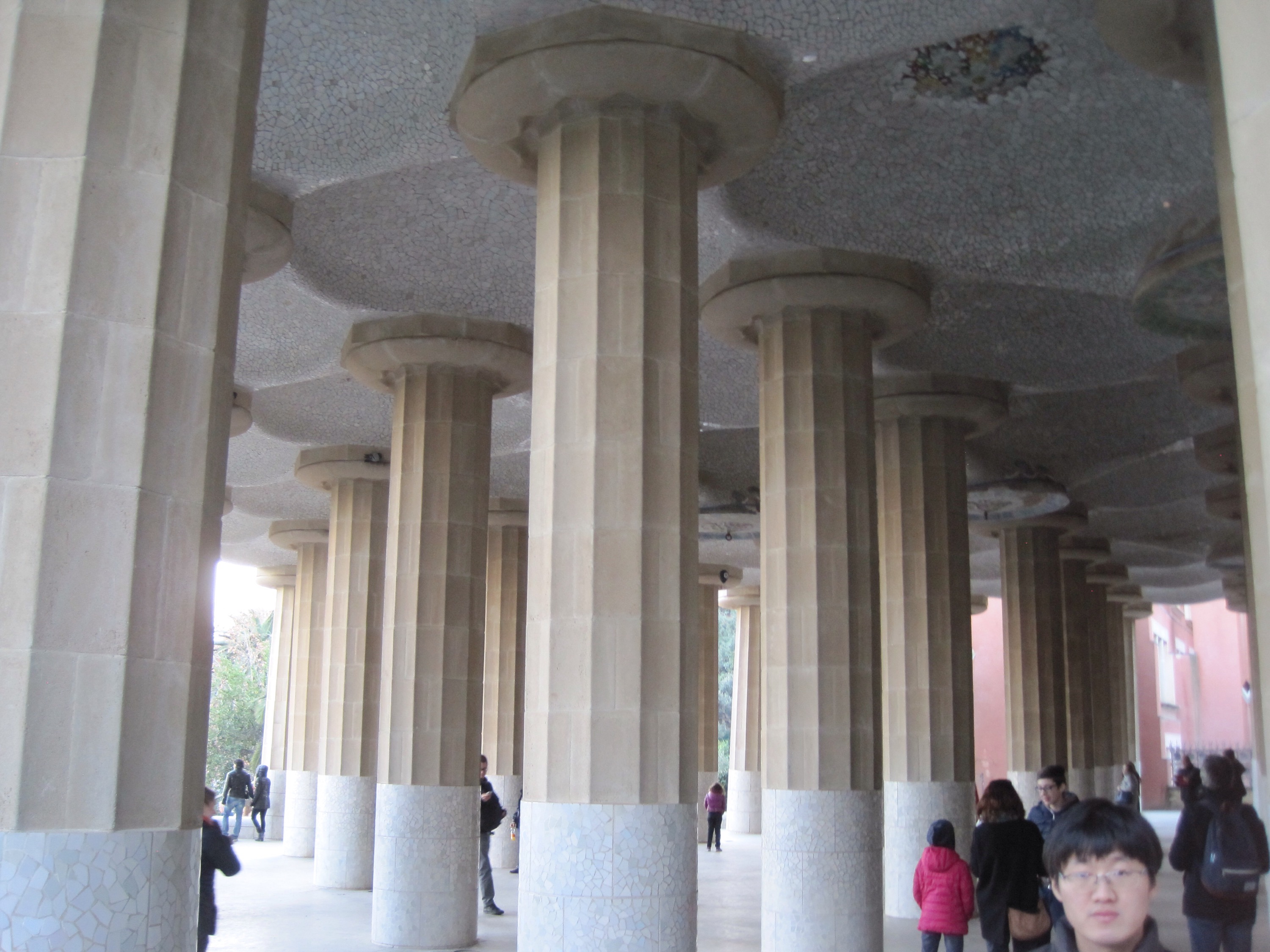
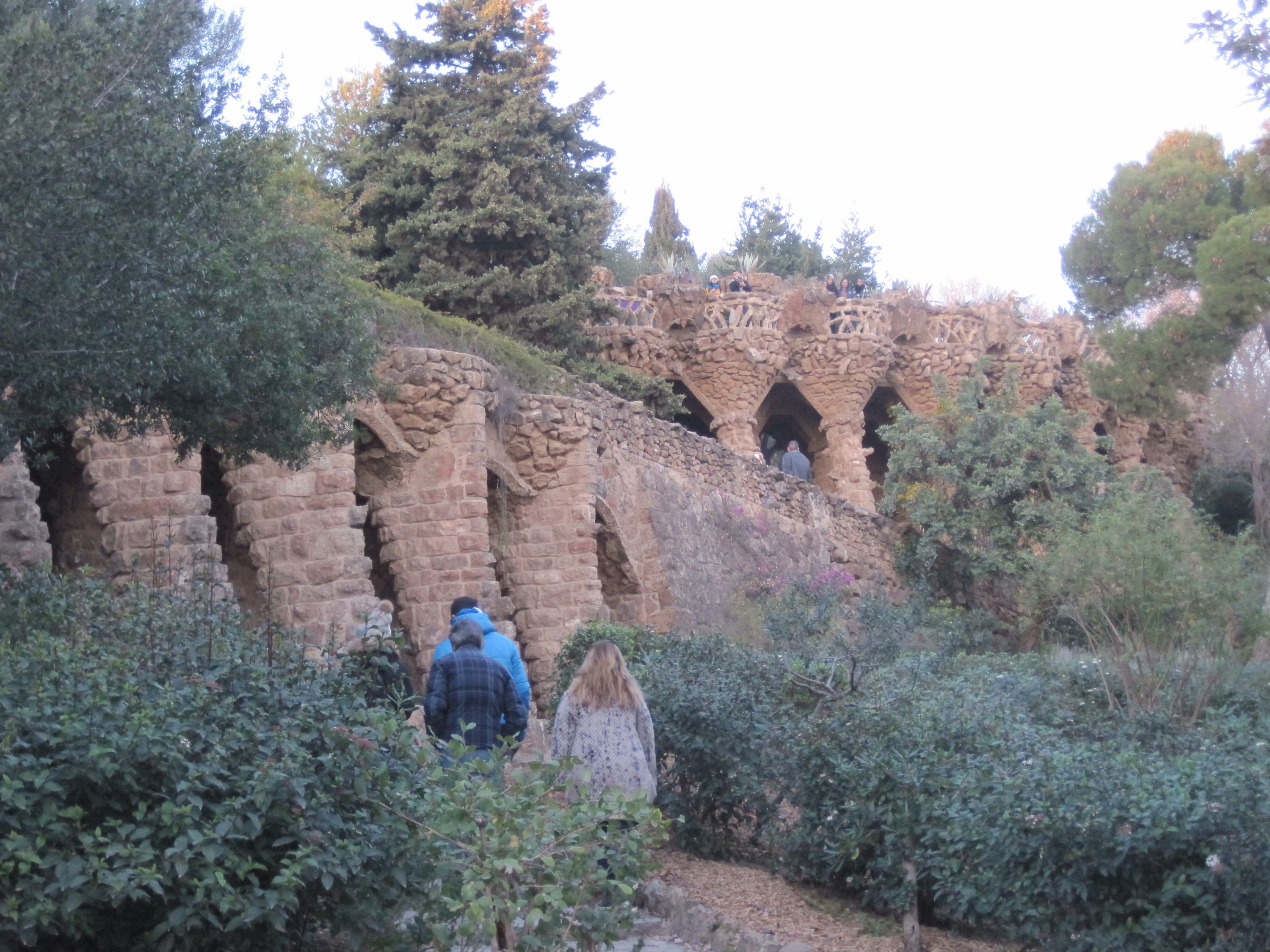
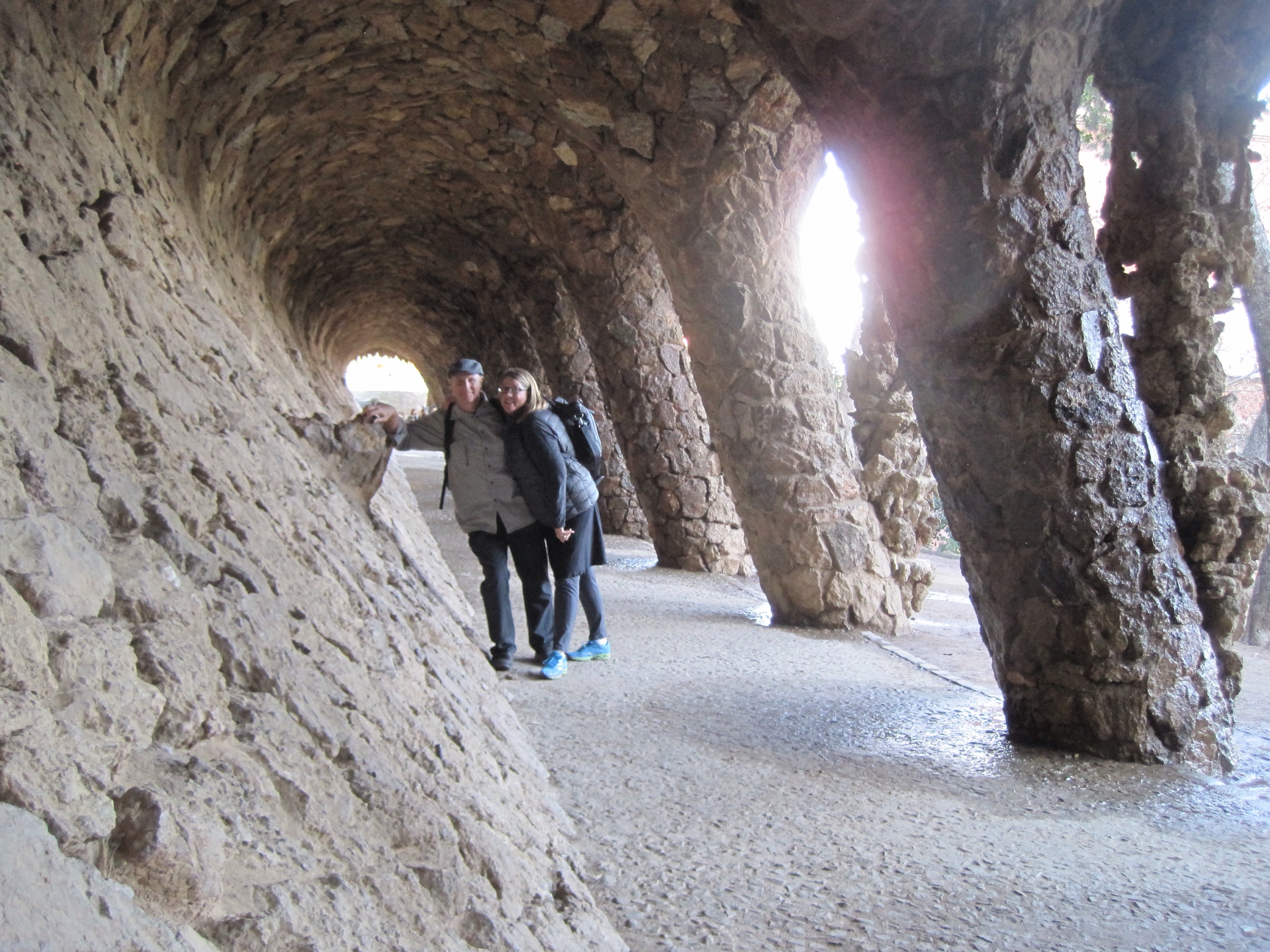
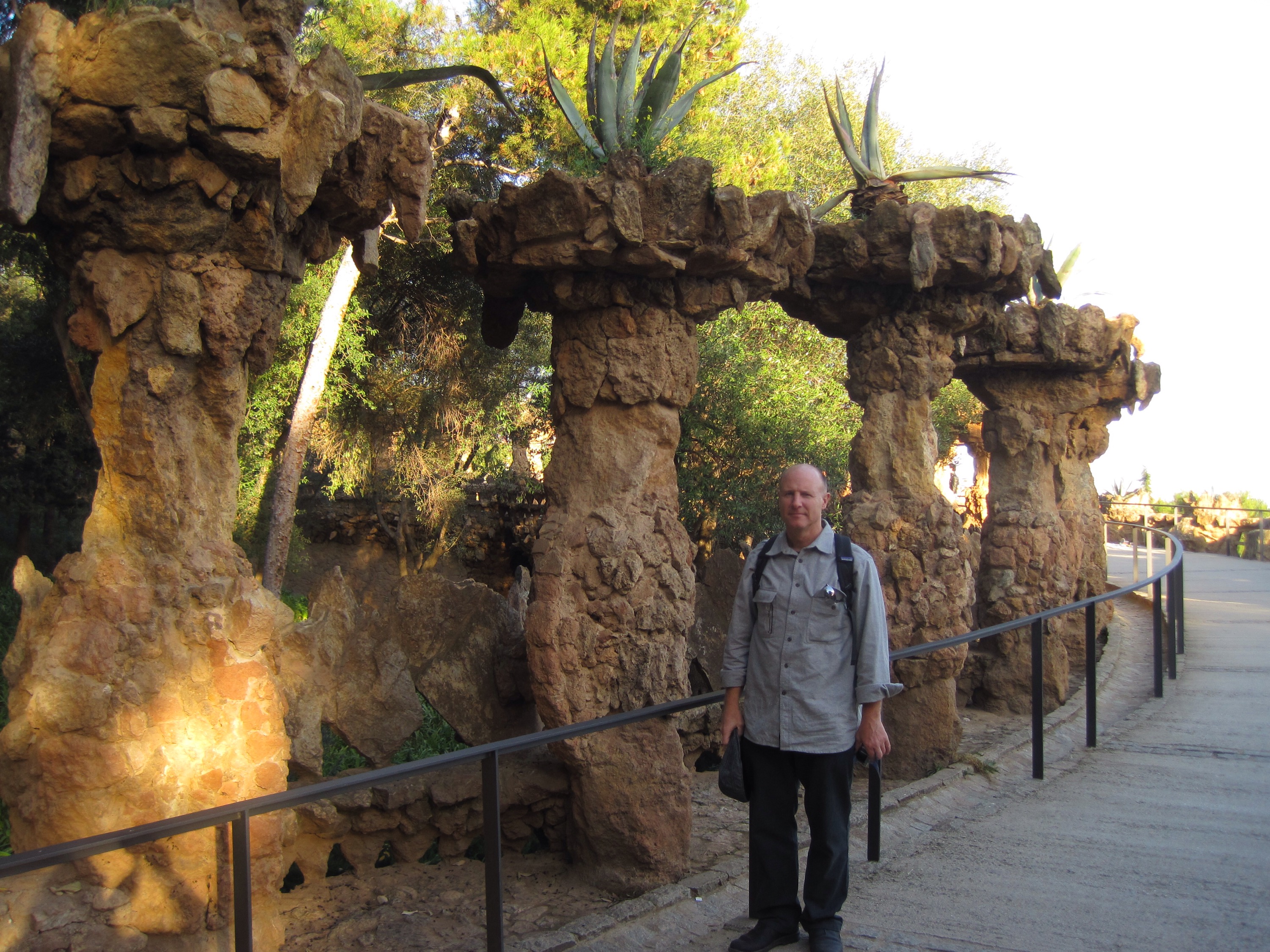
The park was inspired by the craze in England to have garden parks, hence the name “Parc”. This park was requested by Count Eusebi Güell, where of course it got its name. The site very high on the hills of Barcelona was a rocky with little growth of anything but a few trees. At the time very few people wanted to go up there because it was difficult to get to, no easy way up the hill.

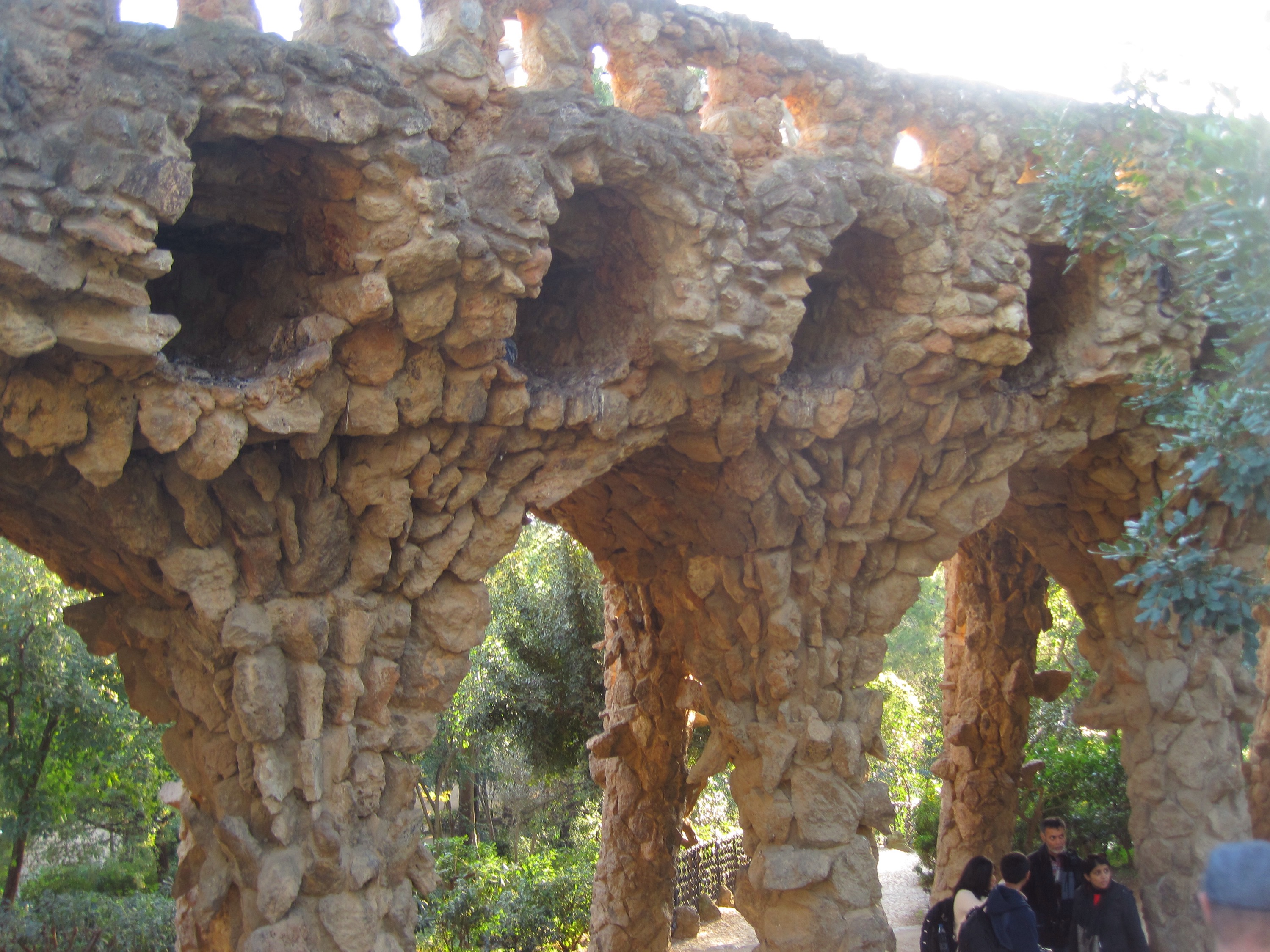
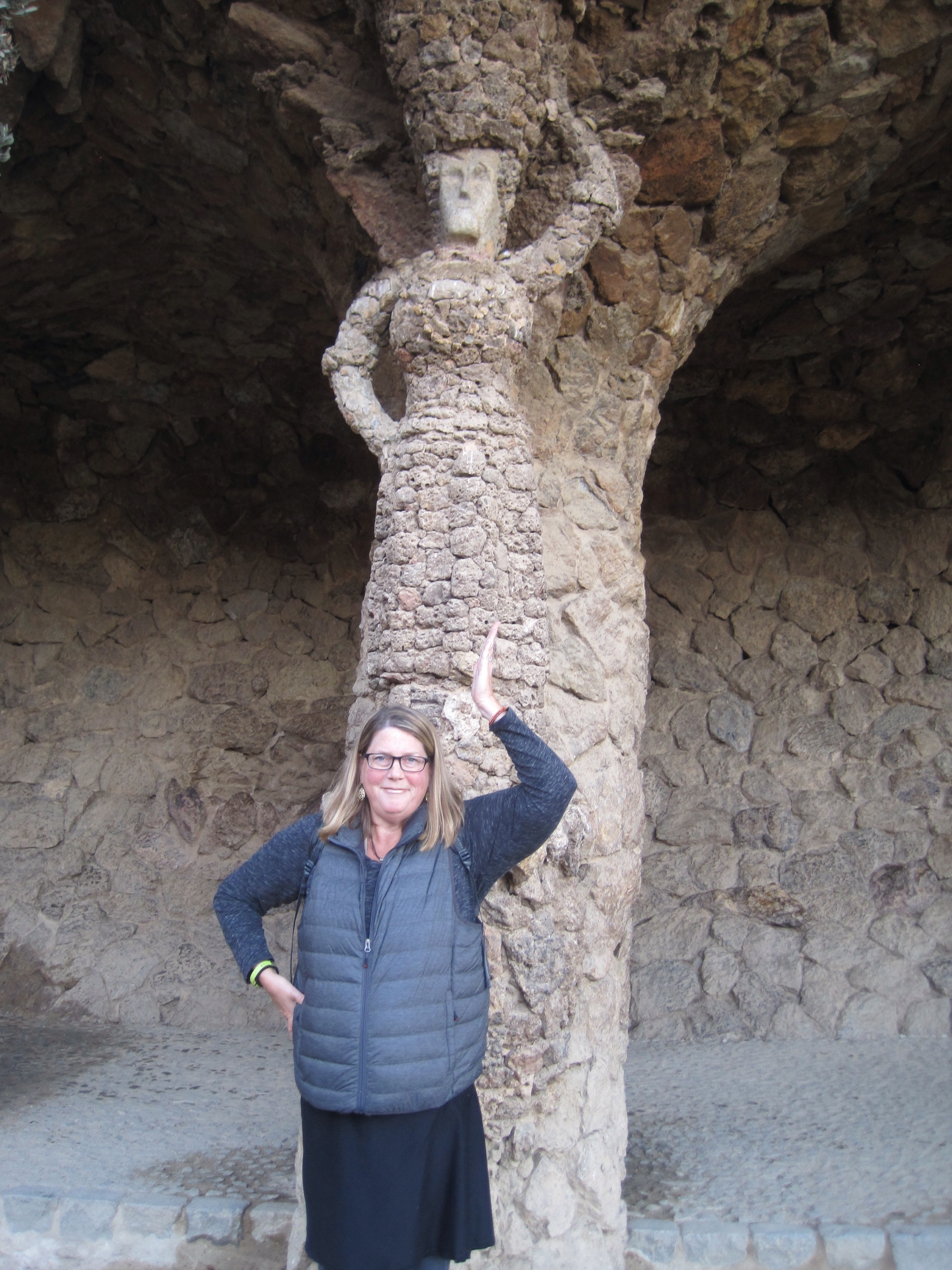
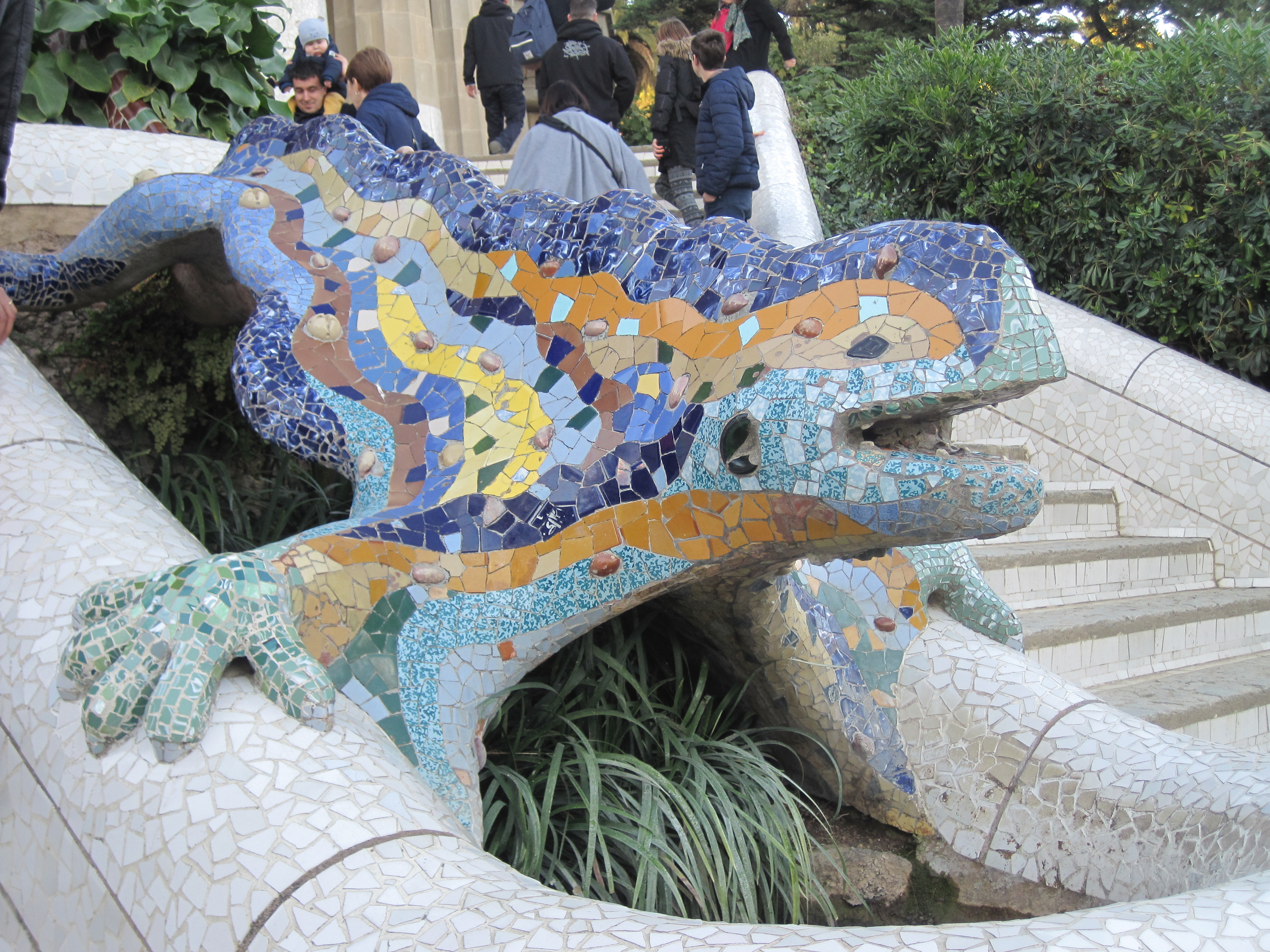
Eusebi Güell asked Antoni Gaudí, at the time an up and coming a architect to design the park. It took 14 years to complete from 1900-14, and became an official city park in 1926. The park was listed World Heritage Site in 1984 because it highlighted Gaudi’s work.

We found the visit to be enjoyable and again to be overloaded with Gaudi’s work. He was of course influenced greatly by nature as you notice throughout.

/home/wpcom/public_html/wp-content/blogs.dir/99b/31551210/files/2014/12/img_2874.jpg

/home/wpcom/public_html/wp-content/blogs.dir/99b/31551210/files/2014/12/img_2894.jpge

/home/wpcom/public_html/wp-content/blogs.dir/99b/31551210/files/2014/12/img_2862.jpg

/home/wpcom/public_html/wp-content/blogs.dir/99b/31551210/files/2014/12/img_2890.jpg

/home/wpcom/public_html/wp-content/blogs.dir/99b/31551210/files/2014/12/img_2905.jpg

/home/wpcom/public_html/wp-content/blogs.dir/99b/31551210/files/2014/12/img_2831.jpg

/home/wpcom/public_html/wp-content/blogs.dir/99b/31551210/files/2014/12/img_2855.jpg

/home/wpcom/public_html/wp-content/blogs.dir/99b/31551210/files/2014/12/img_2851.jpg

IMG_2881

infamous art work at the entry to the park

IMG_2879

amazing art work made from broken tiles.

/home/wpcom/public_html/wp-content/blogs.dir/99b/31551210/files/2014/12/img_2827.jpg

1 Comment »

Flamenco dancers; Casa Patas, Madrid

Dec. 21, 2014

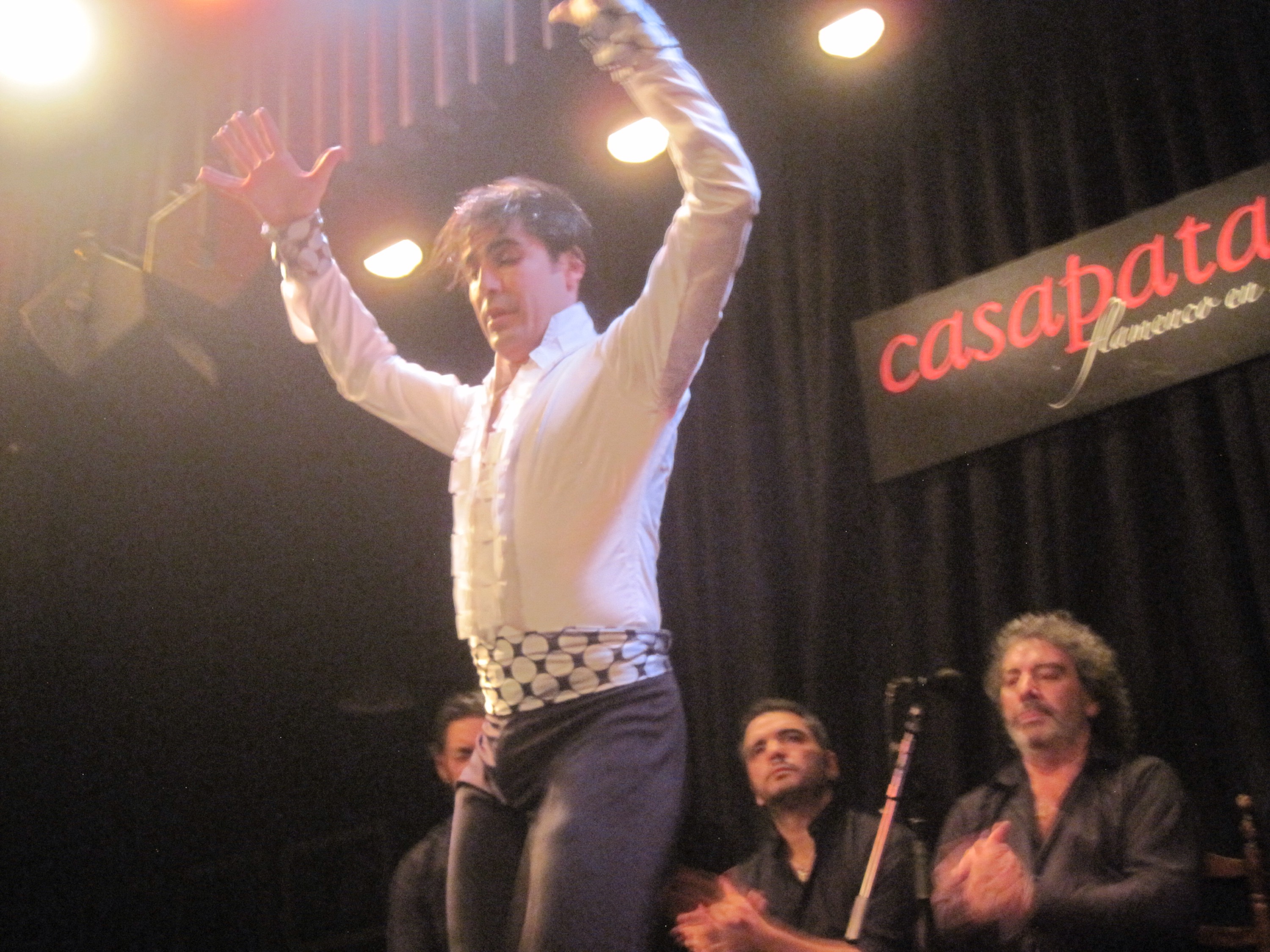
Thanks to our sweet hostess Blanca we had front row seat tickets to see the Flamenco dancers. Flamenco is a traditional folk dance in Spain. It originated in the southern region of Spain, in Andalusia.

The show we attended contained all the traditional components, “cante” (singing), toque (guitar playing), baile (dance) and palmas (handclaps). It was very strong and powerful. Reminded us of the strength of Alaska Native traditional dance. This form of dance is related to the Romani people of Spain and dates back to the late 1700’s.

Our tickets were for the Casa Patas show. They were all the traditional guitar player, violin player, percussion player, and 2 main vocals, as well as three main dancers. We left there feeling as if we’ve had a very powerful cultural experience. My only disappointment was that the vision I’d had in my of head of many women in beautiful dresses was not in this show. Only one female dancer with no flowery flowing dress.

However the two male dancers were powerful and we enjoyed it very much.

If you want to go get tickets in advance and reserve a front row seat, the dancers are in your lap and you even get some sweat tossed on you 😕http://www.flamencotickets.com/casa-patas-madrid

/home/wpcom/public_html/wp-content/blogs.dir/99b/31551210/files/2014/12/img_2091.jpgnot

/home/wpcom/public_html/wp-content/blogs.dir/99b/31551210/files/2014/12/img_2124.jpg

2 Comments »

Andorra; the smallest state in Europe

Dec. 26, 2014

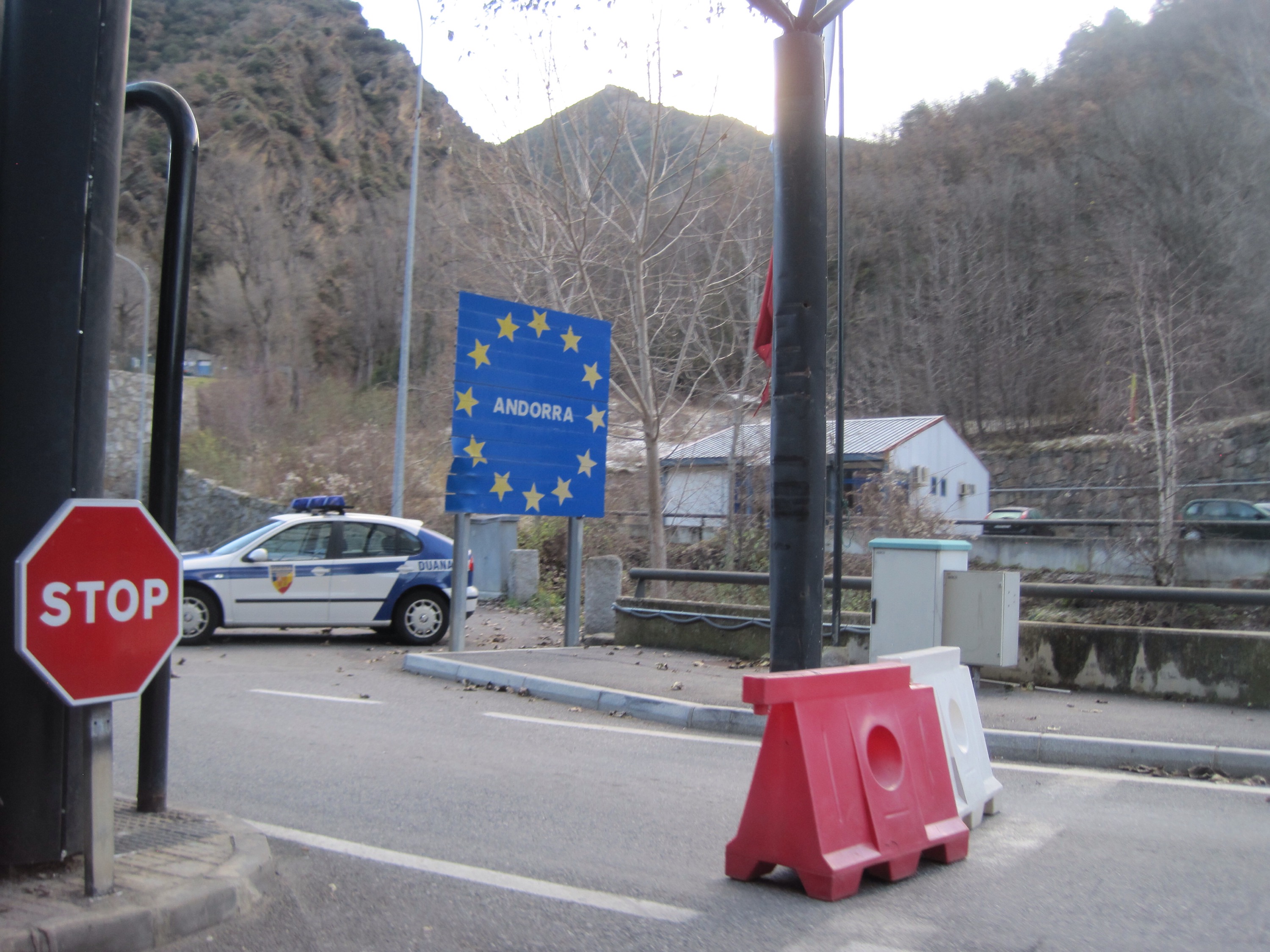
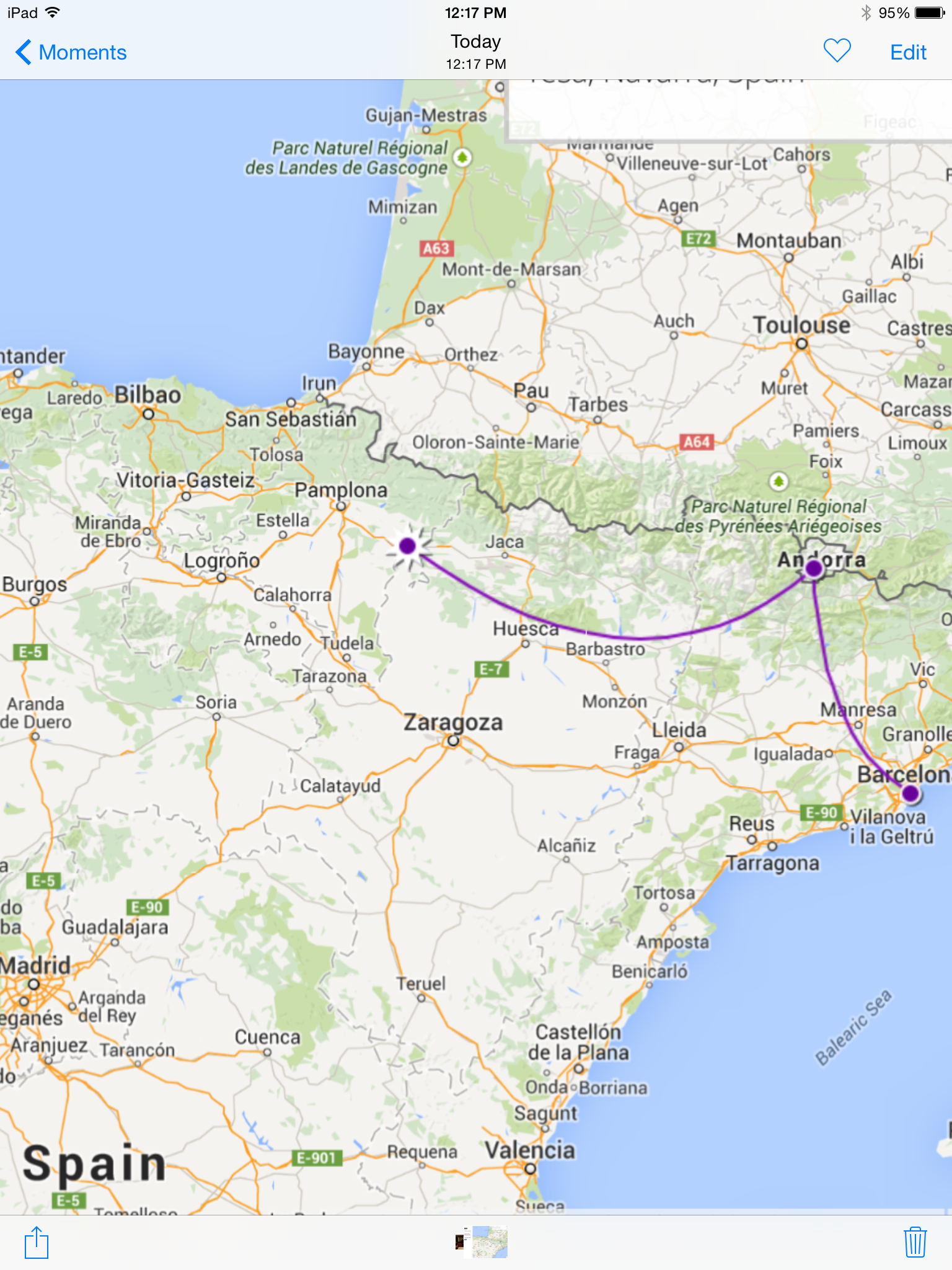
Glad we got an early start as we headed north out of Barcelona to Andorra. We had no trouble getting out of the city as it was the day after Christmas and seem to be no one was working today. We headed north and hit a lot of fog to start with however it cleared and the views became beautiful. Once we reached Andorra we thought we had to possibly clear customs or something, but we simply just crossed the border into a new country, guess that’s the European Nations way!

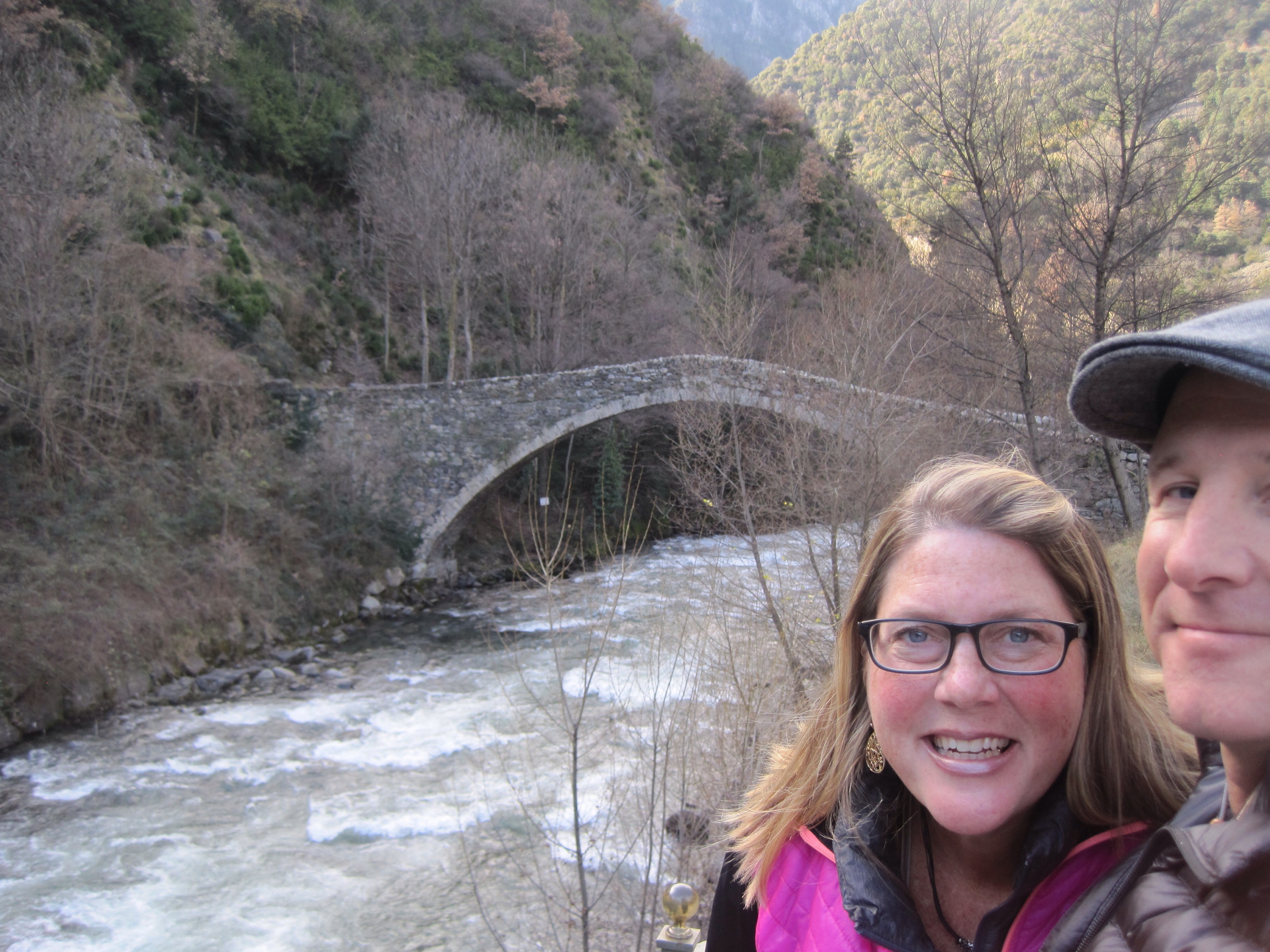
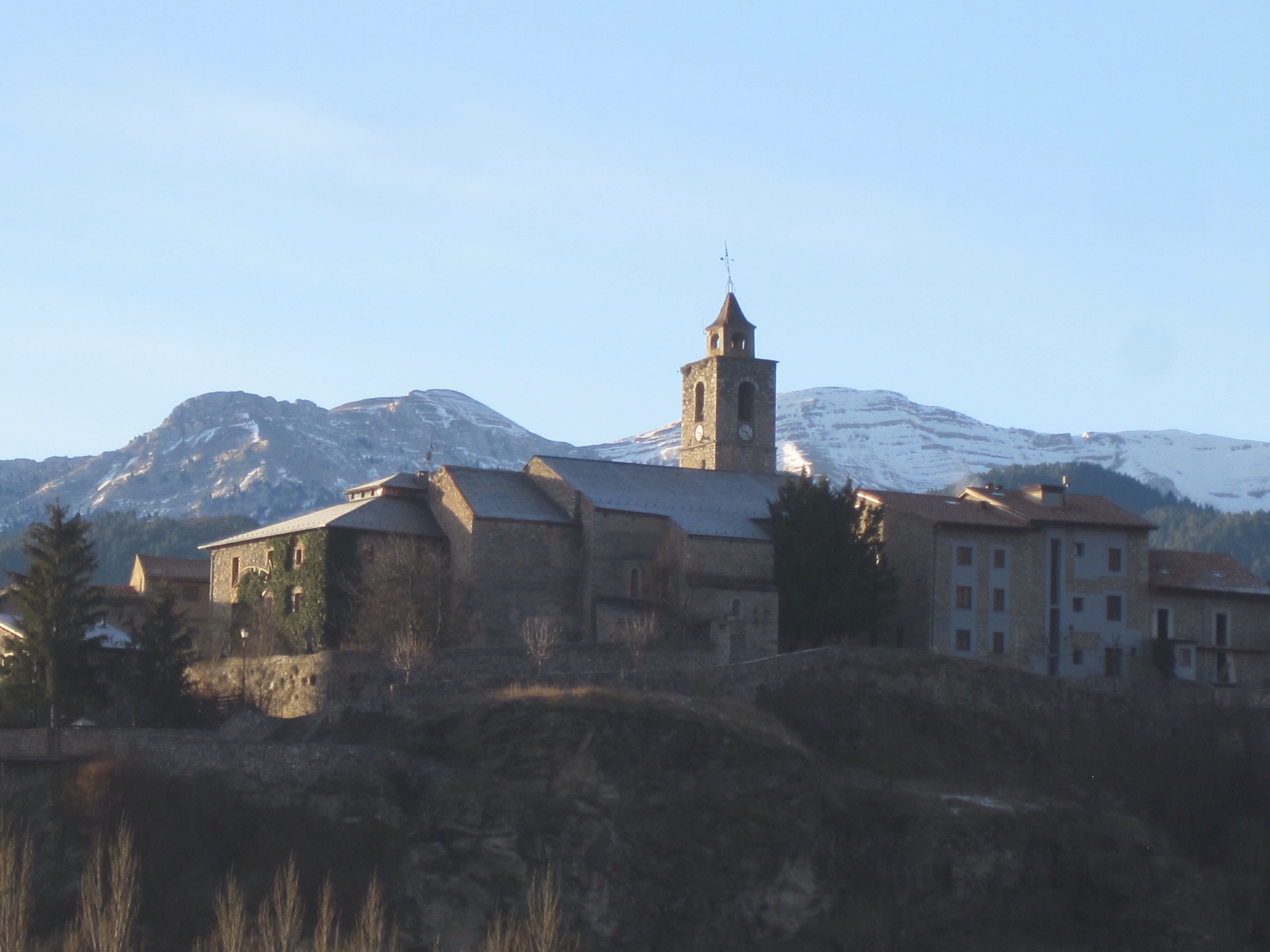
We stopped in the first little town center St Julia, for some breakfast and coffee and enjoy just walking around town for a bit. The town of Andorra is very reminiscent of an Aspen or Vail, a typical resort/ ski town. Andorra is in the heart of the Pyrenees mountains, sandwiched between France and Spain. It is only 180 square miles and a majority of that is forests, lakes, rivers and mountains only 8% is urbanized. Just over 75,000 people live in the country and Today tourism is it’s leading economy however agriculture was its traditional economy.

We learned that Andorra did not even become a country enjoying the UN until 1993. No wonder many are unaware it is a country.

Our visit was only about an hour and a half however on our way out of the country line to enter had extended to at least a mile to a mile and a half, Spaniards were heading to Andorra for a winter weekend getaway. We lucked out!

We had debated whether to take the highway through the mountains or the straight highway below! We decided start on a mountain route ~ for about 1 mile, until we discovered while driving a stick shift on those curvy, curvy, curvy, slow roads I’d probably kill myself or Harry before the trip was done. Backtracked the miler so and headed out on the highway we were still blessed with amazing views of the scenery around Northern Spain and the Pyrenees mountains.

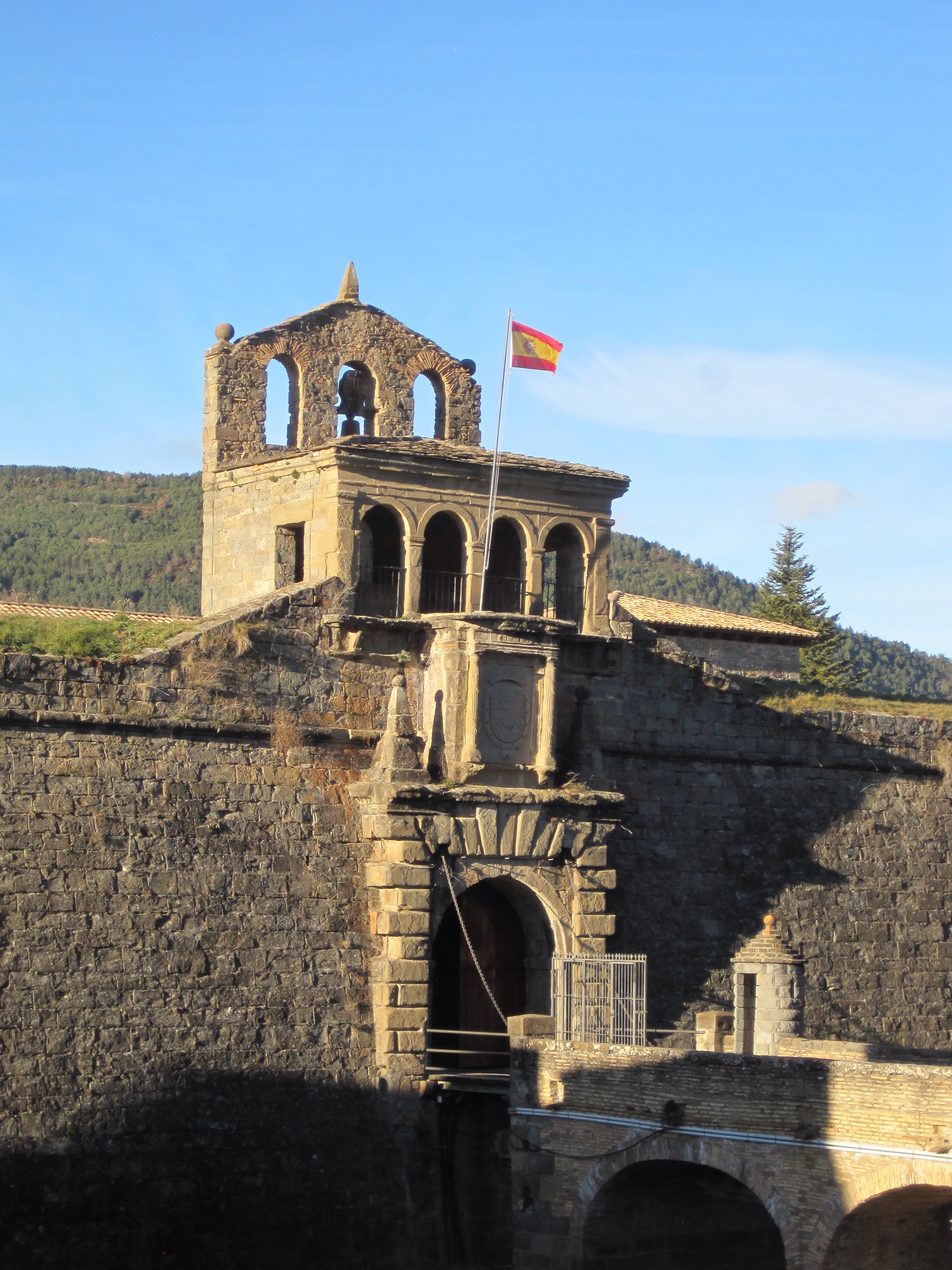
Another town we stopped in was Jaca, as we noticed a beautiful fort surrounding a hillside. Upon inspection we discovered it was Castillo de San Pedro.

But I do have to say that the highlight of the day after being on the road for about 10 hours was pulling into our sweet little town up in the mountains called Sos del Rey Catoilico. The sun was setting as we drove towards it which made it even more magical. We easily found her hotel and we’re delighted when we walked in and saw the beauty of this quaint little town. The family that owns the hotel and mentioned to us that there was a concert starting at 7 PM in the church down the way. We opted to go be one with the community and enjoy the show tremendously.

No pictures of the community to add to the blog yet but I’ll try to add some tomorrow. All the other shots from today are either from Andorra for the road trip.

/home/wpcom/public_html/wp-content/blogs.dir/99b/31551210/files/2014/12/img_2960.jpg

/home/wpcom/public_html/wp-content/blogs.dir/99b/31551210/files/2014/12/img_2924.jpg

/home/wpcom/public_html/wp-content/blogs.dir/99b/31551210/files/2014/12/img_2933.jpg

/home/wpcom/public_html/wp-content/blogs.dir/99b/31551210/files/2014/12/img_2923.jpg

/home/wpcom/public_html/wp-content/blogs.dir/99b/31551210/files/2014/12/img_0743.png

/home/wpcom/public_html/wp-content/blogs.dir/99b/31551210/files/2014/12/img_3003.jpg

/home/wpcom/public_html/wp-content/blogs.dir/99b/31551210/files/2014/12/img_2974.jpg

/home/wpcom/public_html/wp-content/blogs.dir/99b/31551210/files/2014/12/img_3013.jpg

2 Comments »